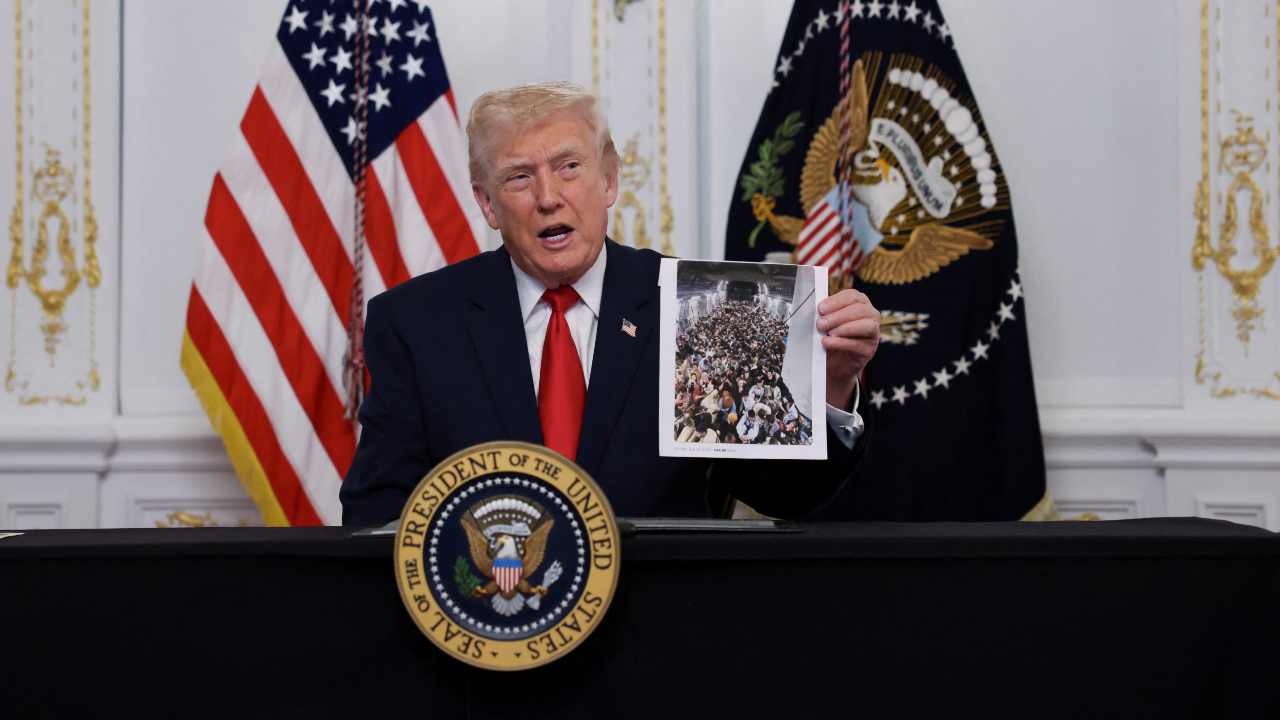
It was 2:15 on a Wednesday afternoon in downtown Washington, D.C., a moment that seemed ordinary yet shifted the course of a nation. Two National Guard members—one barely old enough to rent a car, the other just starting his military career—were patrolling near a Metro station when gunfire erupted.
By that evening, one was dead. By Thanksgiving night, the president had announced an immigration overhaul so sweeping it would reshape the lives of millions.
Sarah’s Last Morning

Sarah Beckstrom was 20 years old, which meant she’d been an adult for less than two years when she died on Thanksgiving morning. The Army Specialist from Summersville, West Virginia, had enlisted on June 26, 2023—just days before being deployed to Washington as part of a new initiative to station federal forces in the capital.
She was initially nervous about her deployment, but then grew to love it—sending photos of the monuments to friends back home.
Sarah’s Heart of Service

Before joining the military, Sarah had worked at a community health center, holding hands with people fighting addiction and mental illness. Colleagues remembered her as someone who showed up for the vulnerable, who genuinely cared about relieving suffering.
She wasn’t a soldier seeking glory or advancement. She was a 20-year-old with a calling to serve, whether that meant helping homeless addicts or standing guard near the White House.
Andrew’s Battle

Andrew Wolfe, 24, from Martinsburg, West Virginia, had joined the National Guard in February 2019 and served with the Air Force’s 167th Airlift Wing. His father, Jason, didn’t sleep much on Wednesday night, just kept asking people to pray.
Friends described Andrew as someone who’d give you the shirt off his back, a deeply faithful man who believed in service. On Thanksgiving, he was fighting for his life in a hospital bed while the nation debated why he was there.
One Story Among Many
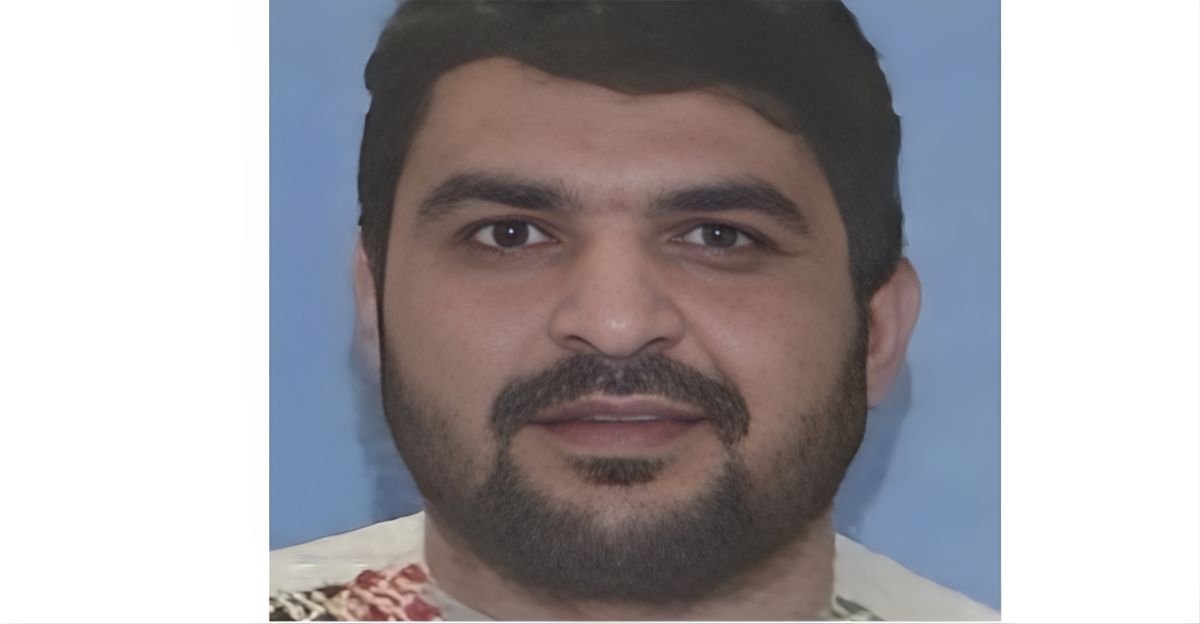
Rahmanullah Lakanwal, 29, came to America with a story that made sense at the time: he’d worked with CIA-backed special forces in Kandahar, helping the U.S. military during the war in Afghanistan. When the Taliban swept back into power in August 2021, he was one of thousands facing potential retaliation.
The Biden administration created Operation Allies Welcome to bring these Afghans to safety. Think of it as America keeping a promise to those who’d risked their lives alongside American forces.
When Vetting Systems Fail

According to the Department of Homeland Security, screening involved biometric and biographic checks, as well as extensive background reviews. Over 73,000 Afghans came through Operation Allies Welcome between July 2021 and March 2022. By most accounts, the process was rigorous. But something went wrong with Lakanwal—or perhaps nothing went wrong, and no vetting system catches everything.
He developed severe PTSD. He struggled. And on Wednesday afternoon, near the White House, he allegedly opened fire on two young soldiers who’d volunteered to work on Thanksgiving.
Trump’s Swift Pivot

President Trump’s response was swift and uncompromising. Within hours of the shooting, he was linking it to Biden-era immigration policies. By Thanksgiving night, Truth Social lit up with a detailed immigration manifesto.
“I will permanently pause migration from all Third World Countries to allow the U.S. system to fully recover,” Trump declared, without defining which nations qualified as “Third World” or how the government would determine that classification.
The Policy Announcement
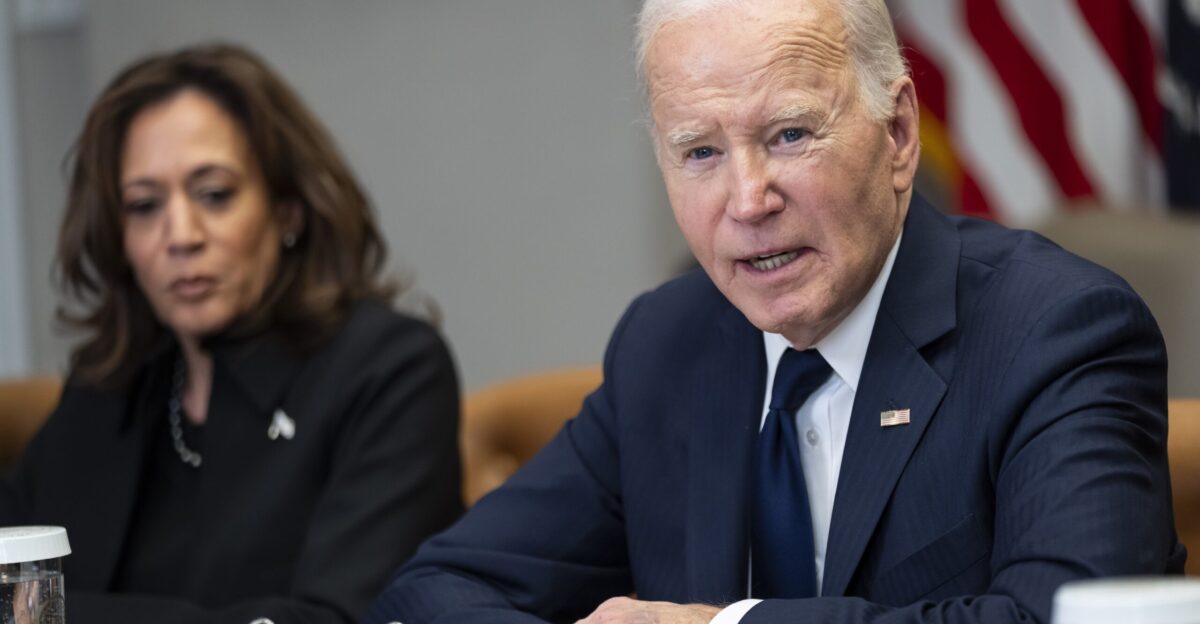
Trump promised to “terminate all of the millions of Biden illegal admissions, including those signed by Sleepy Joe Biden’s Autopen.” Remove anyone who is “not a net asset to the United States.” End all federal benefits for noncitizens. Denaturalize migrants who “undermine domestic tranquility.”
The vagueness was striking. Who decides if someone is a “net asset”? What does “compatible with Western Civilization” even mean?
The ‘Autopen’ Claim

One of Trump’s recurring claims centers on something called “Autopen”—an automated signature device allegedly used by Biden to rubber-stamp immigrant approvals by the millions. Trump paints a picture of bureaucratic negligence, policies so loose that machines, not humans, were green-lighting entry into America.
U.S. Citizenship and Immigration Services Director Joseph Edlow announced a “full-scale, rigorous reexamination of every Green Card.
Accurate But Incomplete
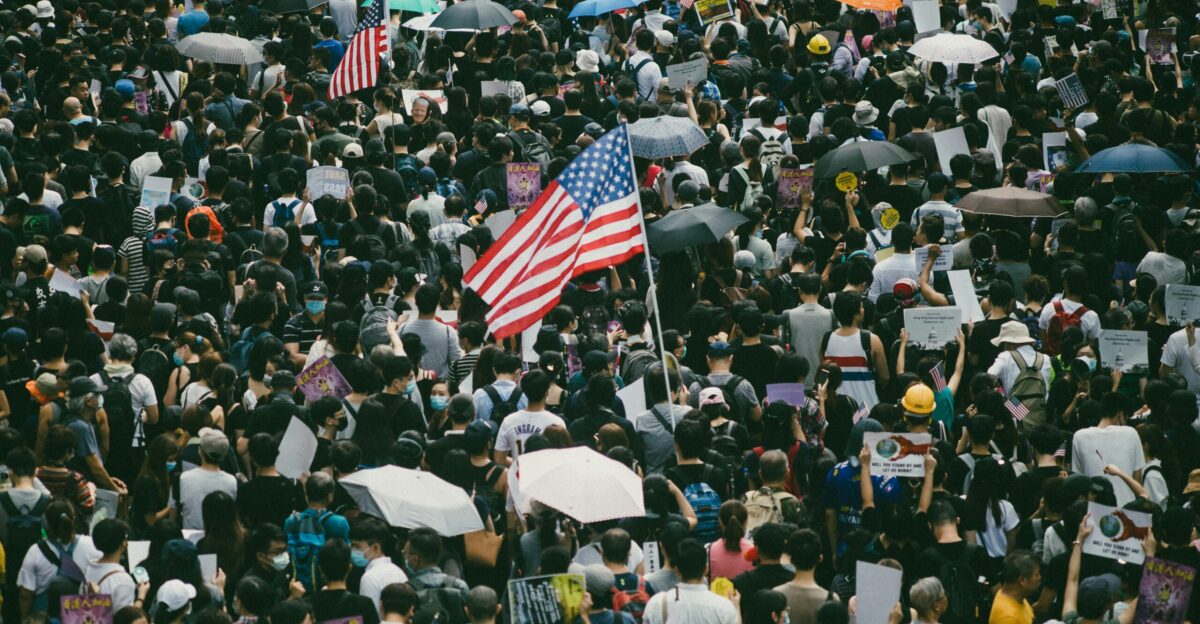
Trump cited recent census data showing 53.3 million foreign-born residents in the U.S. as of January 2025, the highest number ever recorded. It’s an accurate statistic, and it’s also incomplete. By June 2025, that figure had actually dropped to 51.9 million—the first shrinkage in the immigrant population since the 1960s, according to Pew Research.
The foreign-born population had already started declining before Trump took office. But numbers alone rarely capture nuance. Trump framed the 53 million as evidence of systemic failure: failed schools, high crime, urban decay, overcrowded hospitals, and housing shortages.
The Post-WWII Claim

“These social dysfunctions did not exist post-World War II,” Trump posted. Historians might argue otherwise. The 1960s witnessed massive urban riots, the 1970s saw crime waves, and the 1980s saw the crack epidemic devastate communities. But the emotional truth of Trump’s argument resonated: something feels broken, and immigration must be part of the reason.
Facts alone rarely compete with feelings, especially in moments of national uncertainty when people seek explanations, and someone offers to provide them with clarity and conviction.
Minnesota Under Fire

Trump’s Thanksgiving post singled out Somali immigrants in Minnesota with language designed to provoke. “Gangs of Somalians roving the streets,” he wrote. “Wonderful people stay locked in their apartments.”
He claimed “hundreds of thousands” of Somalis were “taking over” the state. However, Minnesota’s actual Somali population is approximately 61,000 as of 2023—still significant, still visible, but vastly smaller than the number Trump suggested.
The Somali-Minnesotan Experience
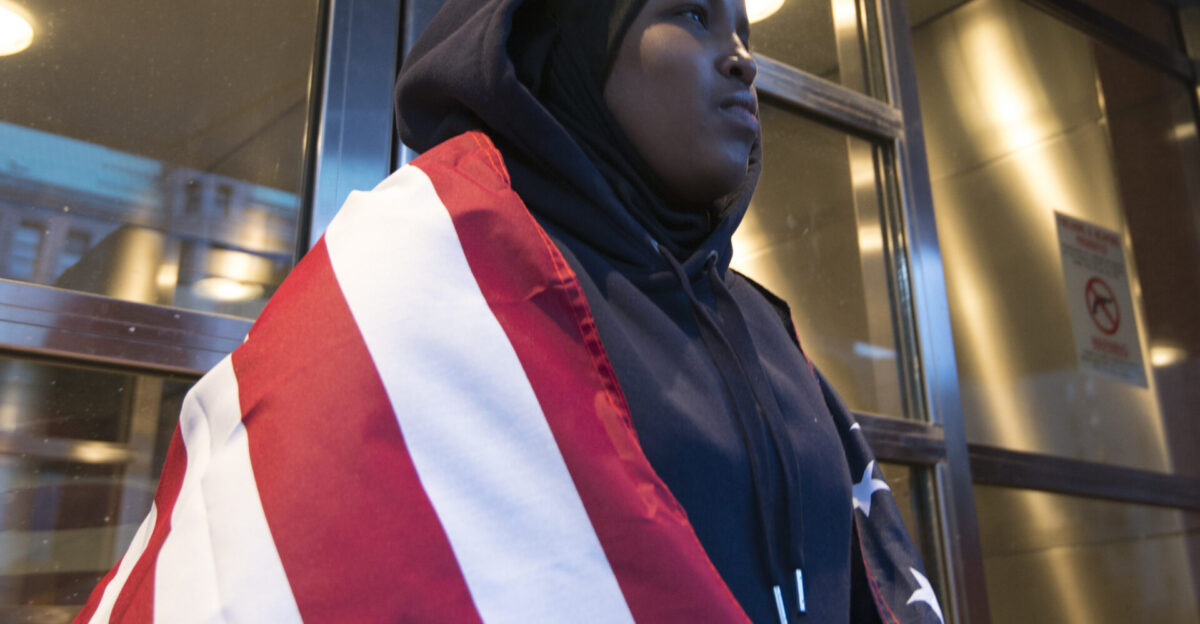
Here’s what gets lost in the rhetoric: many Somali Minnesotans fled the same kind of violence that shaped Lakanwal. They came as refugees from civil war. Their community has roots in the Twin Cities dating back decades. They’ve built businesses, raised families, and contributed to the local economy.
Trump’s proposal to revoke Temporary Protected Status for Somali nationals would affect approximately 705 individuals nationwide—not the “hundreds of thousands” he referenced.
Ilhan Omar and Old Accusations
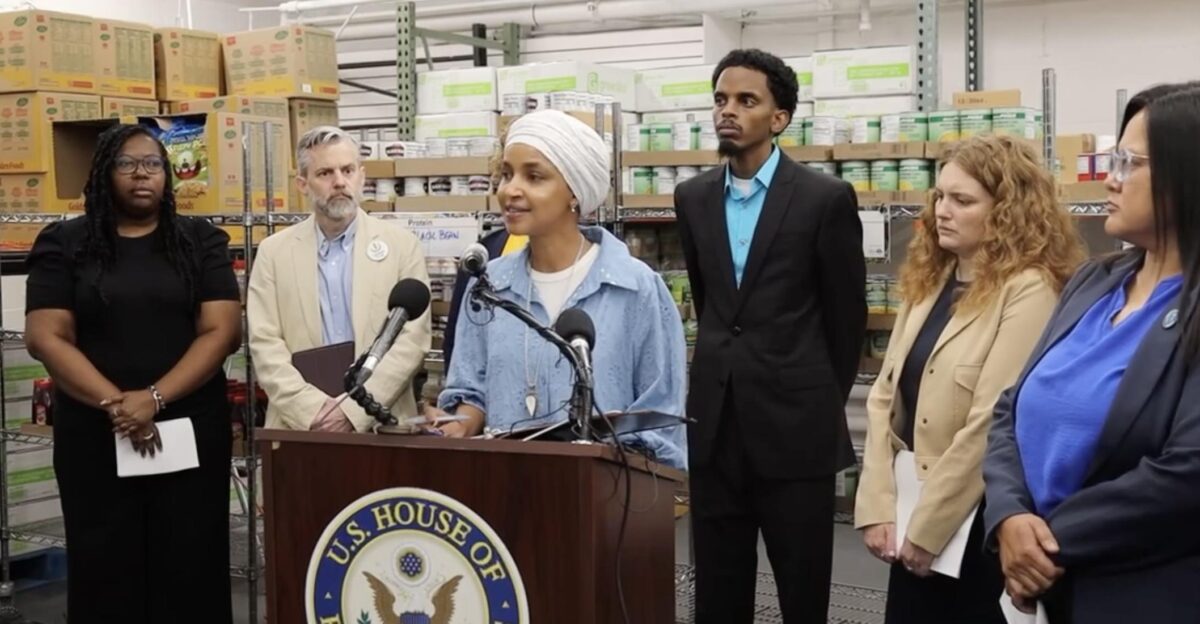
In Friday posts, Trump renewed allegations that Minnesota Congresswoman Ilhan Omar, who was born in Somalia, had entered the U.S. illegally by marrying her brother. It’s a claim that has been circulating since 2016 with no verified evidence. Omar came to America as a child refugee in 1995, spent time in a Kenyan refugee camp, and became a U.S. citizen in 2000.
Fact-checkers have repeatedly found no substantiation for the marriage-fraud allegations. Yet Trump brought it back, calling her “the worst Congressman/woman” in the country, describing her homeland as “decadent, backward, and crime-ridden”.
Governor Walz Responds
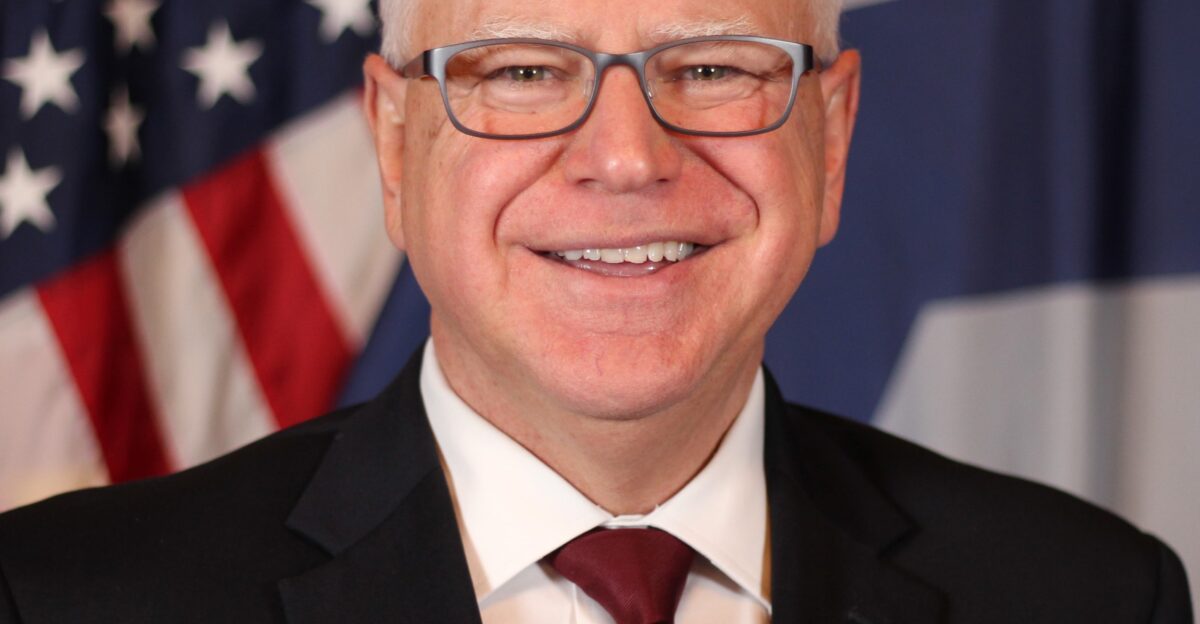
Tim Walz, Minnesota’s Democratic governor, watched Trump’s Thanksgiving tirade and recognized the playbook. “It’s not surprising that the President has chosen to broadly target an entire community,” Walz said. “This is what he does to change the subject.”
He pointed out the obvious: the shooter was Afghan, not Somali. Trump had leveraged a tragedy to attack people who had nothing to do with it.
Green Cards in Jeopardy
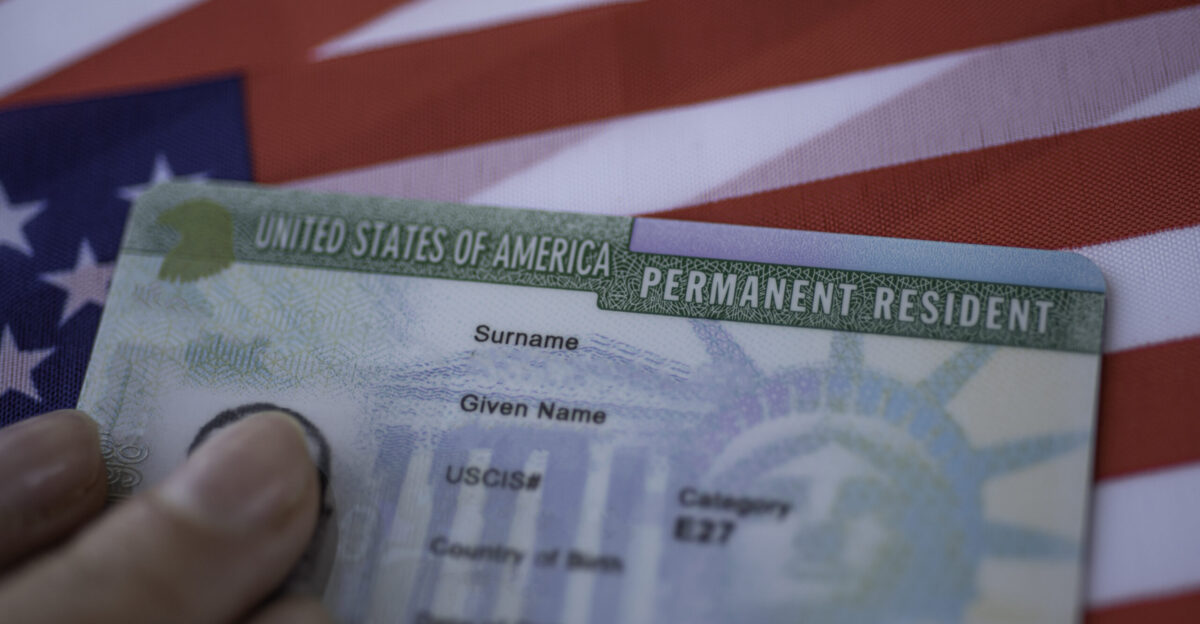
Joseph Edlow’s announcement of a “full-scale reexamination of every Green Card for every alien from every country of concern” was bureaucratic language for something more personal: uncertainty for millions. The 19 nations on the list include Afghanistan, Chad, Yemen, Cuba, Venezuela, Haiti, Iran, and Myanmar.
People who thought their legal status was secure—who’d followed the rules, paid taxes, built lives—suddenly faced questions about whether their residency would be revoked.
Asylum System Frozen
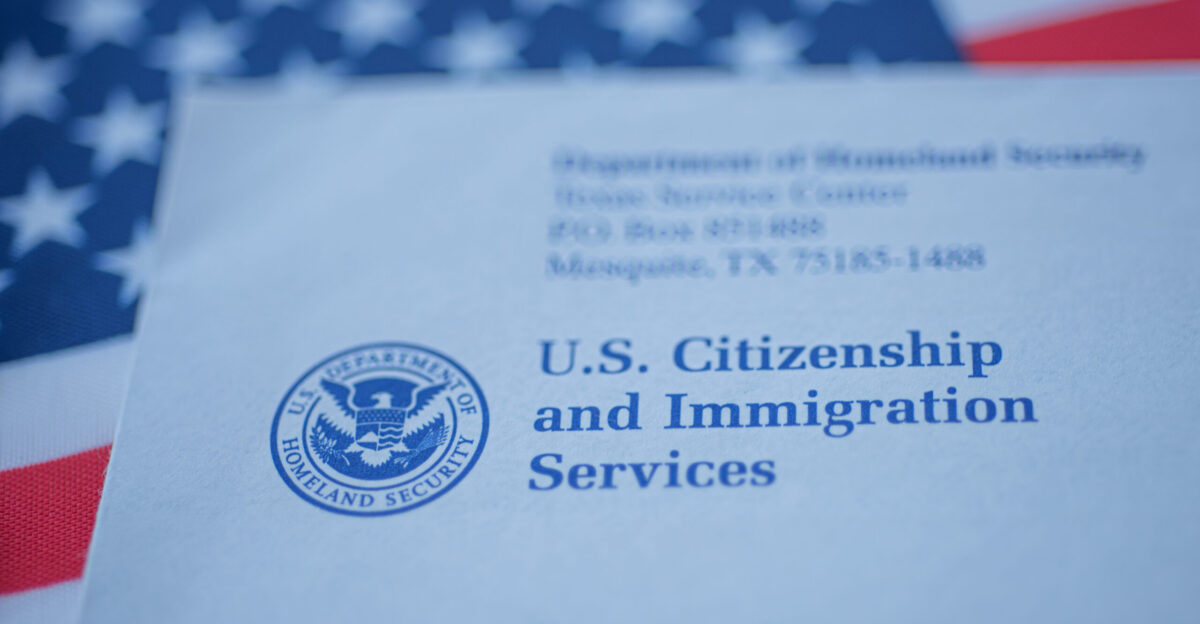
On Friday, the Trump administration announced a complete halt to all asylum decisions pending “a comprehensive review of security and vetting procedures.” The State Department froze all visa issuance for Afghan nationals.
U.S. Citizenship and Immigration Services stated that asylum processing would not resume “until we can ensure that every alien is vetted and screened to the maximum degree possible.”
Benefits Claims vs. Reality
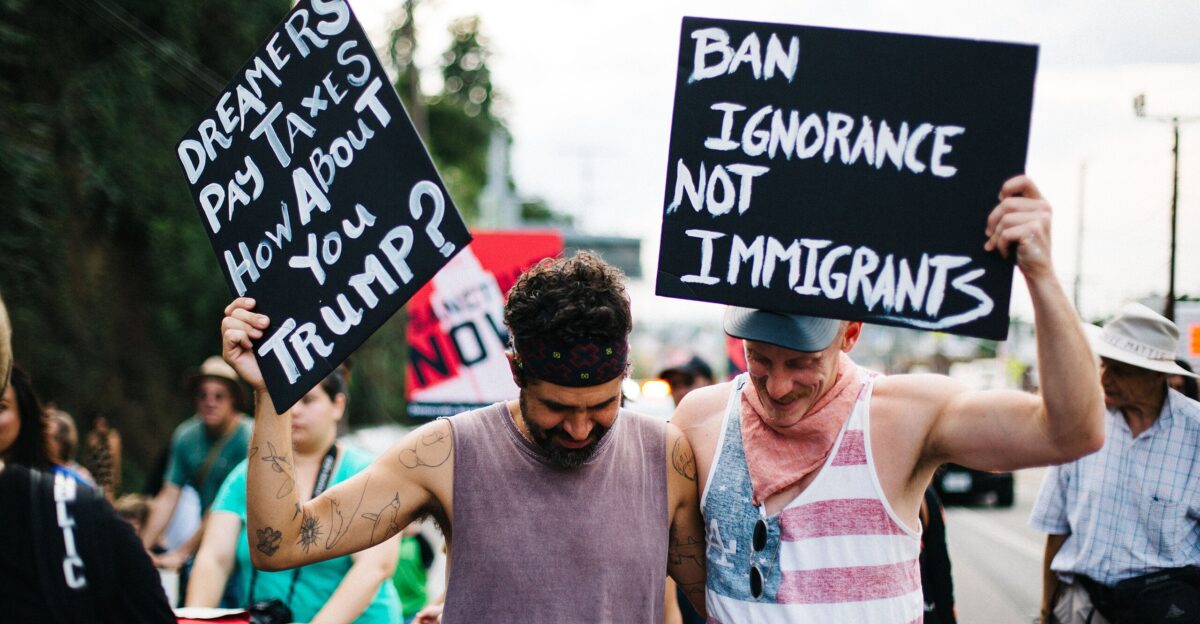
Trump’s posts suggested migrants receive far more in federal benefits than they earn. He cited an example: a migrant earning $30,000 annually while receiving $50,000 in yearly benefits. It’s a striking figure, the kind that makes people angry. It’s also not supported by research.
A 2024 Cato Institute study found that immigrants consumed an average of $5,993 in welfare benefits in 2020—approximately 20.6% less than native-born Americans, who averaged $7,544.
The Unanswered Questions
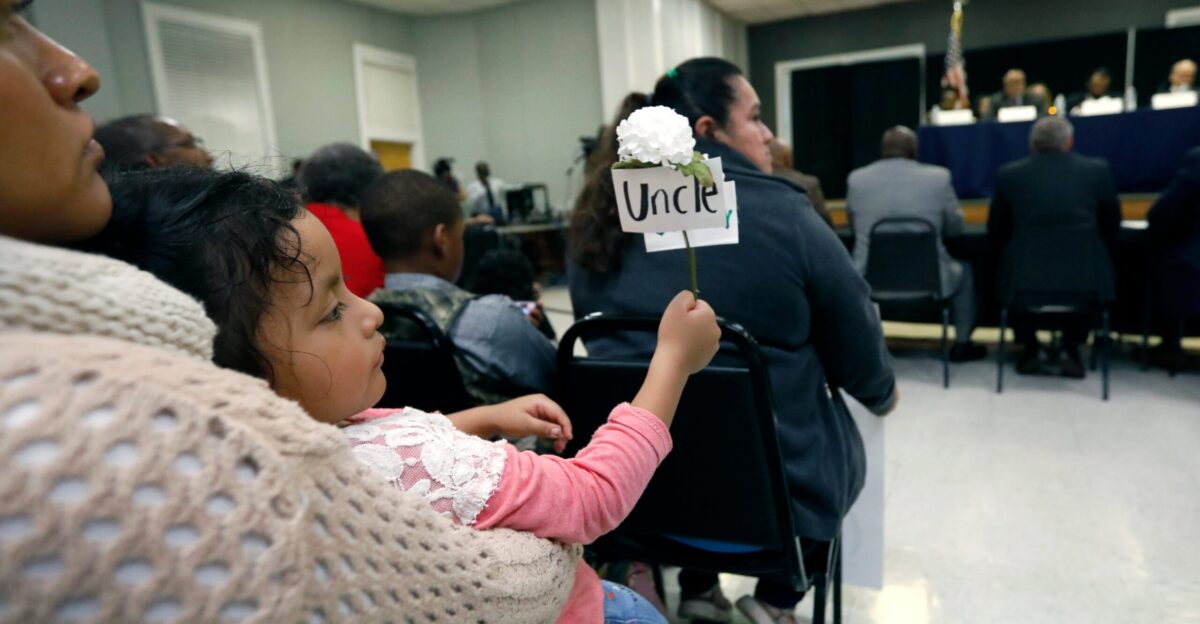
As Trump’s immigration agenda took shape over Thanksgiving weekend, fundamental questions remained unanswered—the kind of questions that matter when you’re translating rhetoric into law. How exactly will the administration define “Third World”?
What procedural protections will people have when facing denaturalization? How many individuals will be targeted for deportation, and what’s the economic impact?
The Moment We’re Living In

The shooting near the White House on Wednesday was a tragedy—two young Americans were wounded or killed by an Afghan national who’d come to America under a refugee program designed to honor those who’d helped the U.S. military.
President Trump seized that moment and transformed it into a mandate for sweeping change. Whether that change happens through legal channels or executive action, whether it survives constitutional challenge or reshapes the judiciary itself, remains to be seen.
Sources
CNN/Reuters/BBC News – National Guard shooting coverage (November 27–28, 2025)
Trump Truth Social Posts – Immigration manifesto (November 27–28, 2025)
Pew Research Center – Foreign-born population decline analysis (August 2025)
U.S. Census Bureau – Foreign-born population statistics (January 2025)
Cato Institute – “Immigrant and Native Consumption of Means-Tested Benefits” study (October 2024)
Department of Homeland Security / U.S. Citizenship and Immigration Services – Operation Allies Welcome and vetting procedures