
Greta Thunberg and dozens of Extinction Rebellion activists dyed Venice’s Grand Canal fluorescent green this month, using non-toxic environmental tracer dye. The dramatic protest unfolded simultaneously across ten Italian cities, creating one of 2025’s most visually striking climate demonstrations.
Activists unfurled “Stop Ecocide” banners and staged symbolic funeral processions to highlight governmental inaction on climate change and the failure of COP30 negotiations in Brazil.
Immediate Penalties Follow Coordinated Action

Italian authorities responded swiftly to the Venice incident. Thunberg received a 48-hour city ban and a €150 fine, along with dozens of fellow protesters. Governor Luca Zaia condemned the demonstration as “vandalism” that damages Venice’s fragile ecosystem and requires costly restoration work.
The temporary banishment ended within two days, but sparked intense international debate about protest tactics and environmental activism.
COP30 Disappointment Fuels Activist Anger

The Venice protest coincided with the conclusion of COP30 in Brazil, where negotiations failed to secure binding commitments on phasing out fossil fuels. Despite support from over 80 countries, petrostates and allies blocked consensus language.
Climate activists viewed the summit as a catastrophic failure, with fossil fuel lobbyists—numbering in the thousands at COP30, continuing record levels seen at recent summits—maintaining influence over outcomes. This disappointment directly motivated the escalation of the Venice action.
Thunberg’s Expanding Activist Portfolio

The Venice demonstration marked Thunberg’s return to climate activism after focusing on humanitarian issues. In October 2025, Israeli authorities detained and deported her following her participation in a Gaza humanitarian aid flotilla attempting to break Israel’s naval blockade.
Thunberg alleged she experienced torture and degrading treatment, though Israeli officials denied allegations. Her dual focus reflects evolution from singular climate advocacy to broader justice activism.
Evolution From Strikes to Disruption

Climate activism has undergone a dramatic transformation since 2018. Thunberg’s initial school strikes evolved into Extinction Rebellion’s 2019 mass civil disobedience, which shut down London and generated over 1,000 arrests.
The movement then shifted toward museum actions and infrastructure disruptions, employing increasingly sophisticated tactics across Europe. This evolution represents a deliberate strategic escalation by climate groups frustrated with the ineffectiveness of traditional advocacy.
The A22 Network: Coordinated Global Escalation
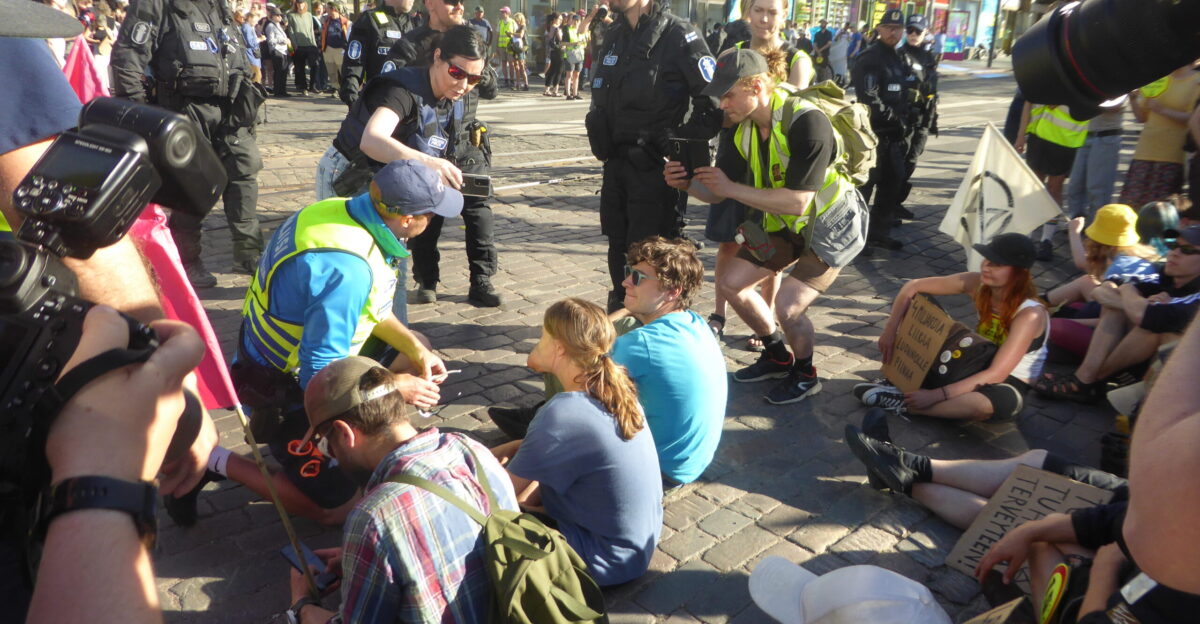
The A22 Network coordinates disruptive climate activism across eleven countries through groups like Just Stop Oil, Letzte Generation, and Ultima Generazione. In 2022, these organizations generated 23,000 press stories through museum vandalism and symbolic actions.
The network conducted 237 protest actions across eleven countries in autumn 2023 alone. This infrastructure enables the rapid scaling of tactical innovations while maintaining decentralized and resilient operations.
Museum Campaigns and Public Backlash

Beginning in 2022, climate activists targeted famous artworks, throwing soup on Van Gogh’s “Sunflowers” and mashed potatoes at Monet’s. These actions generated unprecedented media attention but also significant public disapproval.
Polling shows that 46 percent of Americans report that such tactics decrease their support for climate action, though studies indicate this doesn’t necessarily reduce backing for climate policies themselves. The debate over appropriate targets for protest continues to intensify.
Extinction Rebellion’s Escalation Strategy
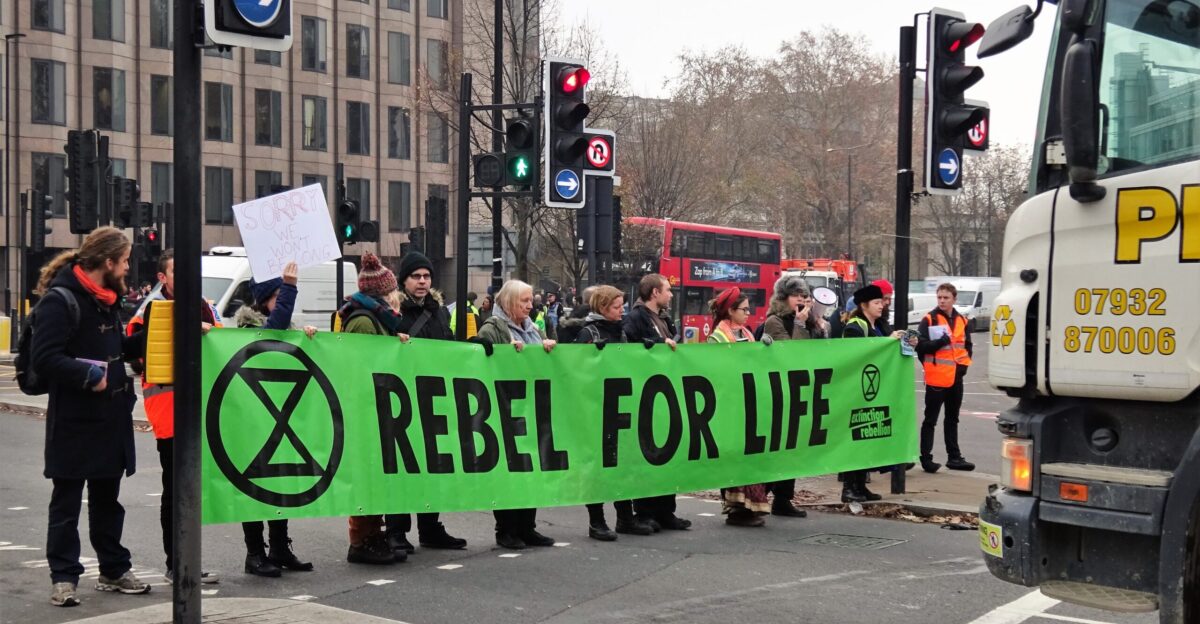
Extinction Rebellion UK published updated strategy documents in 2025, acknowledging that its previous tactics were no longer yielding results. The organization is committed to introducing “contention” and “dilemma” actions while exploring new methods. XR Netherlands explicitly committed to “long-term, disruptive and escalating campaigns” with language signaling deliberate tactical intensification.
These strategic documents reveal movement leadership’s resolve to escalate disruption despite governmental crackdowns and public opposition.
Just Stop Oil’s Tactical Pivot
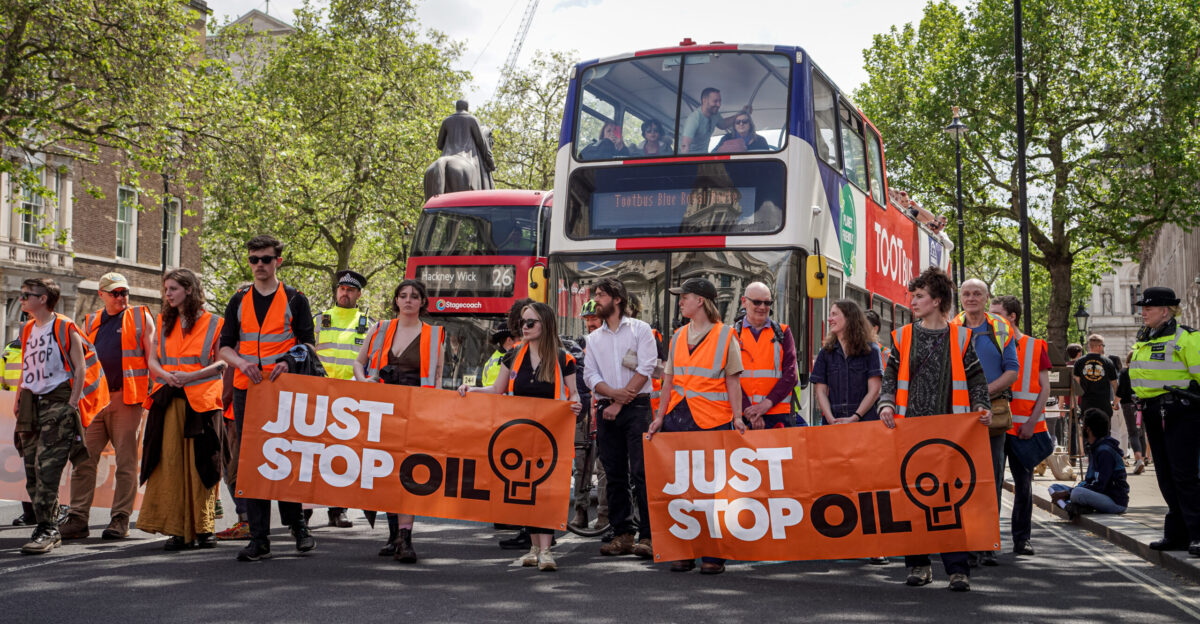
Surprisingly, Just Stop Oil announced ending its high-profile direct action campaign in March 2025, declaring an end to “soup on Van Gogh’s” and “slow marching.” However, the group reframed this as tactical evolution rather than demobilization.
Just Stop Oil claimed policy victories—the British government committed to ending new gas and oil projects. The group pledged to develop “new strategies” while continuing advocacy and supporting imprisoned activists.
The Radical Flank Effect Debate

Social scientists hotly debate whether extreme activism strengthens or weakens climate movements through “radical flank effects.” Research suggests extreme actions make moderate groups seem more reasonable, potentially increasing overall support for climate goals.
However, other studies show that disruptive tactics reduce identification with activist groups and generate public backlash. Whether disruption ultimately advances climate policy remains contested among academics studying social movements.
Media Attention Paradox

Disruptive actions generate massive media coverage—the Van Gogh soup video garnered nearly 50 million views on Twitter. However, media focus often emphasizes tactics rather than the demands of climate change.
Research suggests even partial coverage of climate issues represents progress, as disruption ensures discussion occurs. Studies confirm protesters successfully increase policymakers’ attention to climate topics, regardless of public opinion about tactics themselves.
Public Opinion: Complex and Contradictory

Polling reveals significant public complexity on climate protest tactics. Sixty-six percent of UK respondents support nonviolent direct action for environmental protection. Yet 46 percent report that disruptive tactics decrease climate support. Critically, disapproval of protesters doesn’t necessarily reduce support for climate policies.
The public distinguishes between tactics and issues, potentially supporting aggressive emissions reduction while condemning activist methods used to advocate for change.
European Governments Intensify Crackdowns

European nations increasingly criminalize climate activism through measures previously reserved for organized crime. Germany extended detention periods from 48 hours to five days, specifically targeting climate protesters. France banned environmental groups and employed anti-terrorism units against activists.
The UK criminalized attaching oneself to property using adhesive, directly targeting activists’ preferred tactics. Human rights organizations warnthat these measures create chilling effects on legitimate protest.
Italy’s Meloni Government Shows Skepticism

Prime Minister Giorgia Meloni’s government has consistently opposed aggressive EU climate measures, negotiating greater flexibility in emissions targets at COP30. In May 2025, Italian authorities forcibly cleared an Extinction Rebellion sit-in at Rome’s Justice Ministry, detaining 67 activists.
This context shaped Governor Zaia’s hostile response to Venice’s green canal protest, framing activism as disrespectful rather than legitimate environmental advocacy.
Future Escalation Signals Growing Intensity
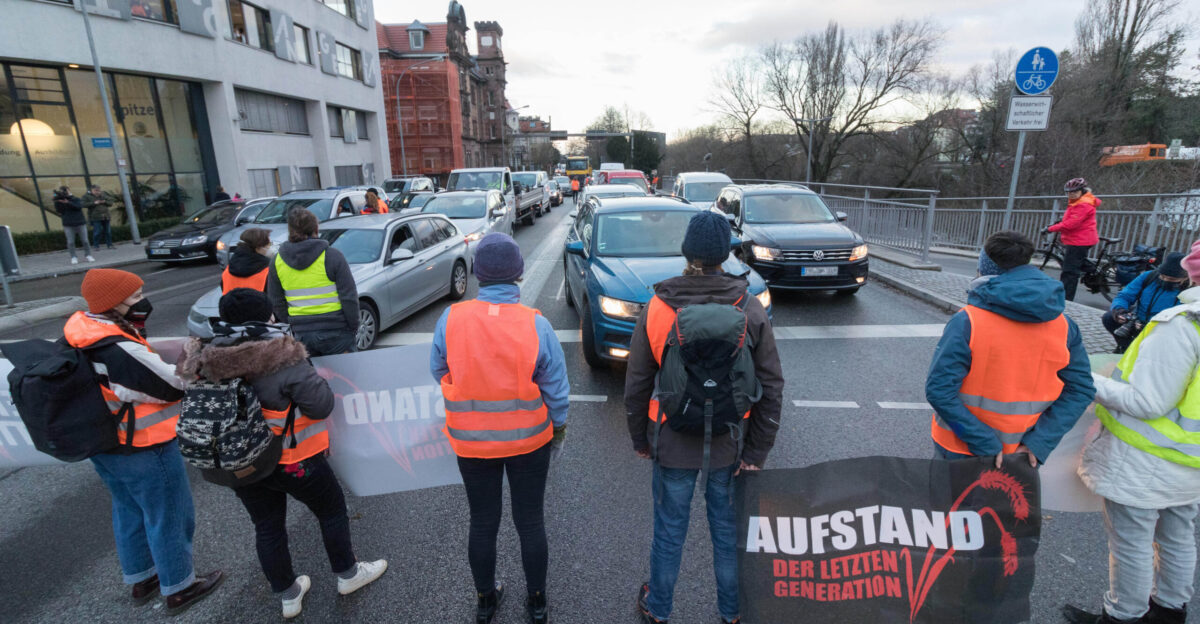
Multiple signals indicate climate activists intend to intensify rather than moderate tactics despite government crackdowns. Extinction Rebellion strategy documents explicitly commit to escalating campaigns while introducing new disruptive methods. The post-COP30 disappointment appears energizing rather than demoralizing to activists.
Security analyses predict targeting of critical infrastructure, including energy systems and supply chains. Whether this escalation proves strategically effective or politically catastrophic remains the central strategic question for the climate movement.
Sources:
NOAA Climate Data; National Weather Service seasonal outlook
COP30 Brazil climate summit official outcomes; United Nations Framework Convention on Climate Change (UNFCCC)
Extinction Rebellion UK strategy documents (February 2025); Extinction Rebellion Netherlands long-term strategy
A22 Network protest coordination data; Climate Emergency Fund reporting
Reuters, AP, BBC international reporting on climate activism 2022–2025
German parliament climate protest detention legislation; UK Parliament anti-protest law records (May 2023)
Italian government statements; Veneto regional government official statements (Governor Luca Zaia)
Human rights organizations: Frontline Defenders, Amnesty International, Human Rights Watch climate activism reports
Social movement research: Nature, PNAS Nexus peer-reviewed studies on radical flank effects and protest effectiveness
Polling data: Annenberg Public Policy Center, UK public opinion surveys on climate protest tactics