The harsh realities of the economy have clashed with the promise of green jobs, which are sustainable, future-proof jobs in electric vehicles and renewable energy. On October 23, 2025, Rivian, the top manufacturer of electric trucks in America, revealed that it would lay off more than 600 employees, or 4.5% of its workforce, due to a $1.1 billion net loss in the second quarter and a projected $2.25 billion loss in 2025.
These layoffs come after the Trump administration eliminated the $7,500 federal EV tax credit, which significantly decreased consumer demand and revealed the flimsiness of the green jobs narrative. The company’s stock has fallen 93% from its peak in 2021, and its delivery forecast has been cut by almost 10%.
Green Jobs Narrative
Green jobs have been promoted by environmentalists and policymakers as the key to a sustainable economic future for more than ten years. In addition to lowering carbon emissions, the story promised millions of new, well-paying jobs in electric vehicles, renewable energy, and associated sectors.
Founded in 2009, Rivian became a symbol of this movement, generating billions of dollars in investment and generating thousands of jobs in engineering, sales, and manufacturing. Government incentives, such as the $7,500 federal EV tax credit, helped the company grow quickly by lowering the cost of its vehicles and increasing their appeal to buyers.
The Boom Driven by Subsidies
Government assistance was directly linked to Rivian’s growth. Rivian was able to increase production and hire a lot of people because of the Biden administration’s introduction of the $7,500 federal EV tax credit, which greatly increased demand for electric vehicles. The business had almost 15,000 employees by the end of 2024, with a sizable percentage working in operations, sales, and marketing positions.
The subsidy created an artificial sense of market viability. When the Trump administration removed the credit in September 2025, demand for Rivian’s cars dropped, exposing that a significant part of the company’s expansion relied on government support rather than consumer demand.
The Cliff of Demand
For Rivian, the elimination of the $7,500 federal EV tax credit has caused a sharp decline in demand. Sales increased 32% year over year in Q3 2025, according to the company, but this spike was mostly caused by panic buying as buyers hurried to buy cars before the credit ran out. Because the subsidy was about to expire, this demand spike was a one-time occurrence that could not be sustained.
Now that the credit has been removed, the actual cost of Rivian’s cars is known, and demand is predicted to plummet in Q4 2025 and beyond. From 46,000 to 41,500–43,500 vehicles, the company’s delivery estimate has been slashed by almost 10%, demonstrating that the market cannot sustain Rivian’s business model without government assistance.
The Realities of Finance

Rivian is in terrible financial shape. After reporting a net loss of $1.1 billion in the second quarter of 2025, the company’s adjusted core loss for 2025 has increased from $1.7 to 1.9 billion to $2.0 to 2.25 billion. Compared to the initial projection, this indicates a 17–32% increase in losses.
The company’s stock fell from $179 in November 2021 to $13.09 in October 2025, a 93% decrease, and it is spending over $4 million a day. These figures reveal a fragile financial foundation and the green jobs model’s weakness when subsidies disappear.
The Price in Human Life
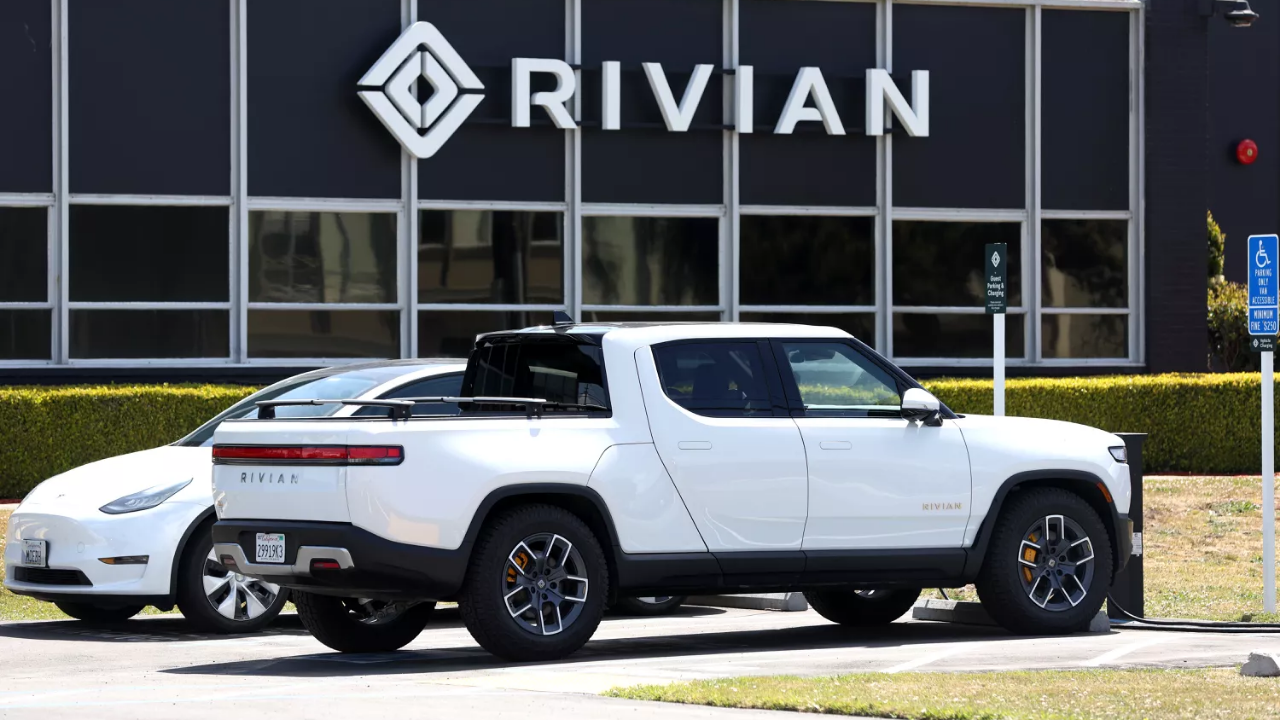
The layoffs at Rivian have a substantial human cost. More than 600 employees will lose their jobs, mostly in the areas of marketing, vehicle operations, sales and delivery, and mobile operations. These are actual people whose livelihoods have been disrupted by political decisions; they are not just numbers.
Since the average loaded cost of an employee in the automotive industry is about $120,000, Rivian will save about $72 million a year as a result of the layoffs. But this pales in comparison to the estimated $2.25 billion loss for the business. In addition to being a last-ditch effort to buy time, the layoffs show how susceptible green jobs are to changes in policy. Jobs vanish overnight when the government stops providing subsidies.
The Whiplash in Politics
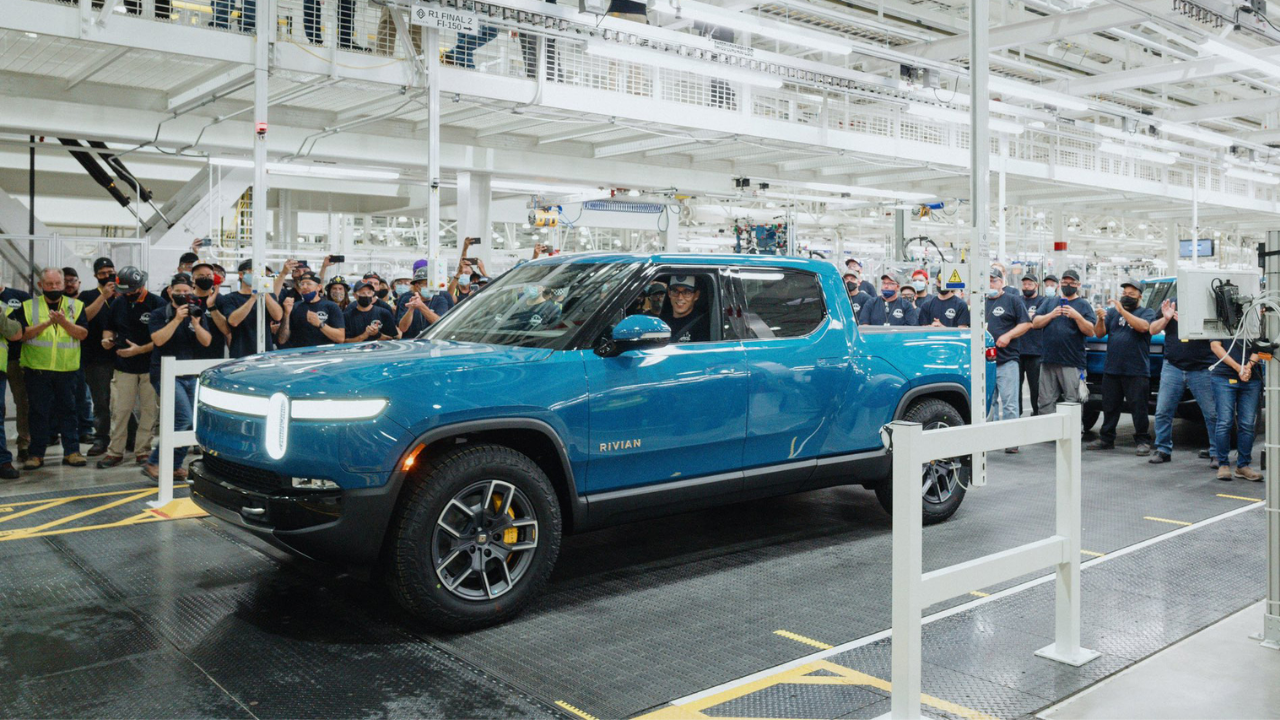
The first significant reversal of Biden-era climate subsidies was the Trump administration’s decision to reverse the $7,500 federal EV tax credit. Rivian serves as a warning about the immediate and disastrous effects of this policy change on the EV industry.
Consumers, workers, and investors are all feeling uncertain as a result of the political backlash. Businesses that based their operations on government assistance are now fighting for their lives in the post-subsidy world. Real families are suffering as a result of changing policy priorities, and the green jobs narrative, once hailed as a bipartisan solution to climate change and economic growth, has been revealed as a political ploy.
The Innovation Deficit
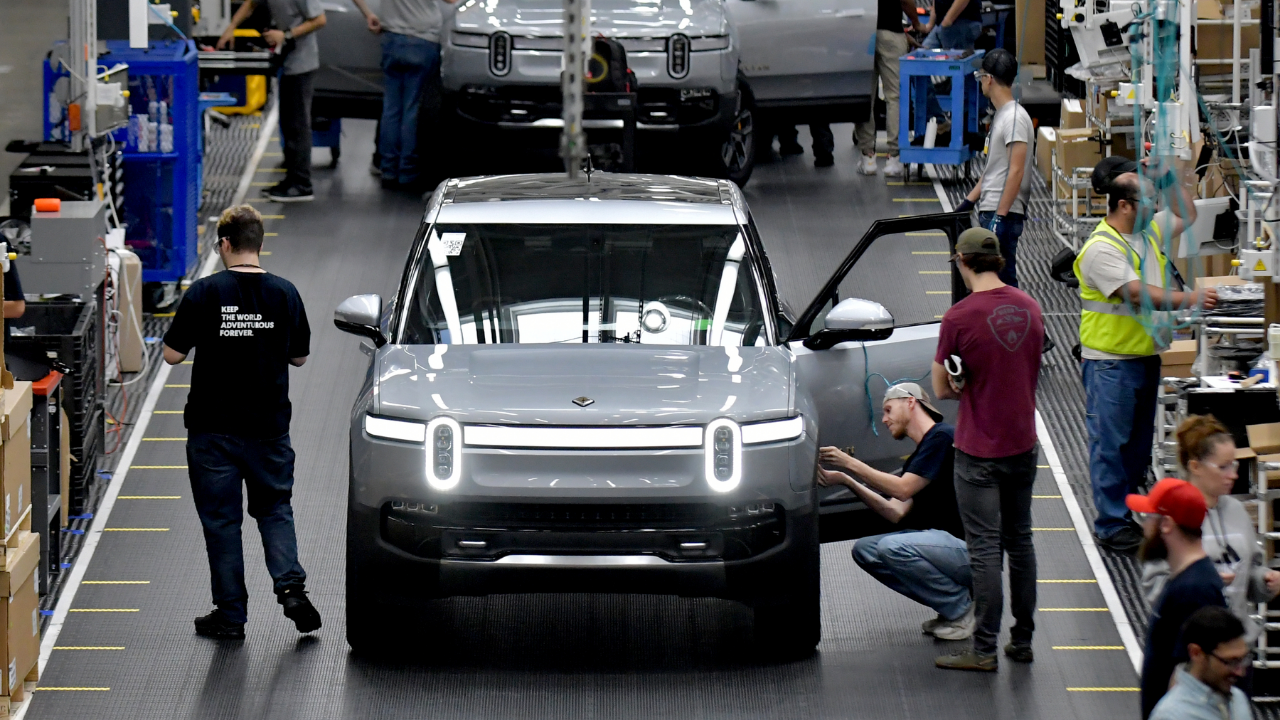
The absence of new products exacerbates Rivian’s problems. The company will have an outdated R1T/R1S lineup in a fiercely competitive market since its next-generation R2 models are not anticipated to go into production until 2026. Rivian has struggled to keep customers interested due to this innovation gap, particularly as the price of its cars has increased since the federal tax credit was eliminated.
The company has also had trouble attracting investment and retaining talent as a result of the delay in launching new products. Standing still is not an option in the rapidly evolving EV sector, and Rivian’s slow innovation has made it susceptible to shifts in the market and in regulations.
The Wider Effect on Industry
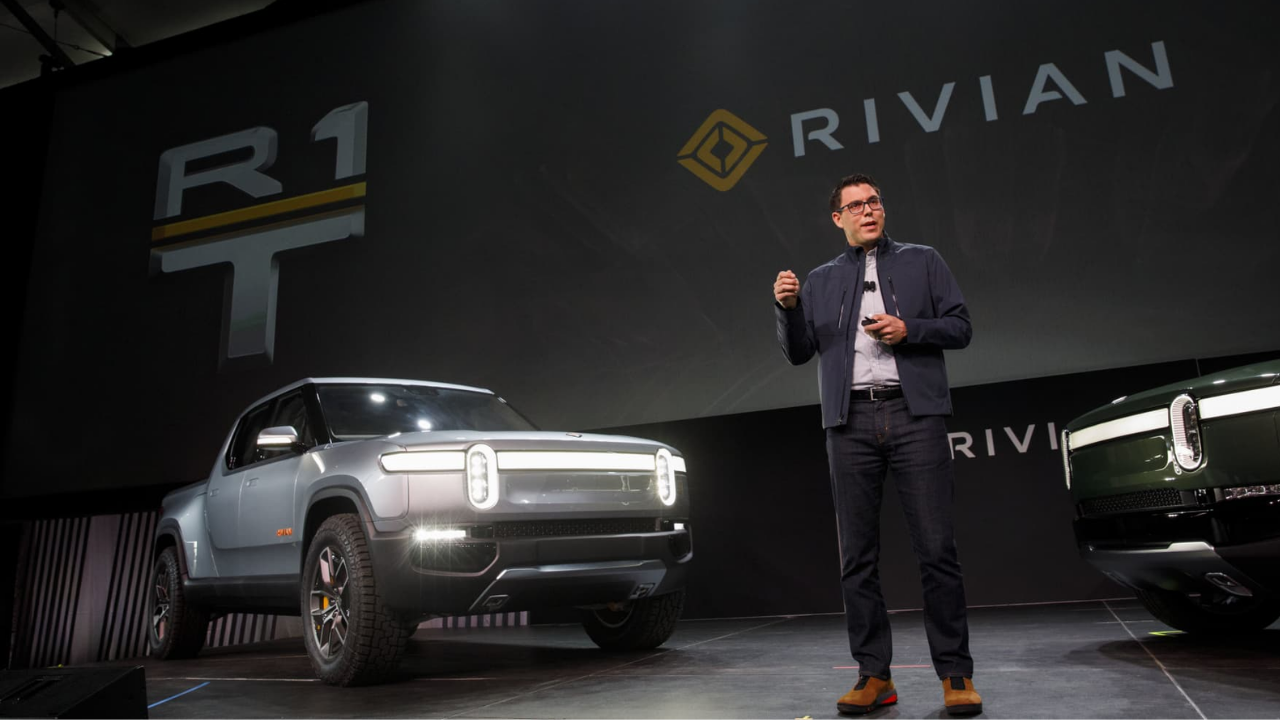
Rivian’s problems are not unique; rather, they are a reflection of larger issues that the EV industry is currently facing. The end of government subsidies and declining demand are also posing challenges for other businesses, such as Tesla and traditional automakers. Once regarded as Tesla’s primary American rival, Rivian’s demise may have repercussions for the entire sector, including more layoffs, less investment, and a halt in innovation.
As the industry faces a reckoning, the narrative surrounding green jobs, which promised a new era of sustainable employment, is now in jeopardy. The lesson is clear: the boom in green jobs might not last long if the government does not provide consistent support.
The Effect on the Mind
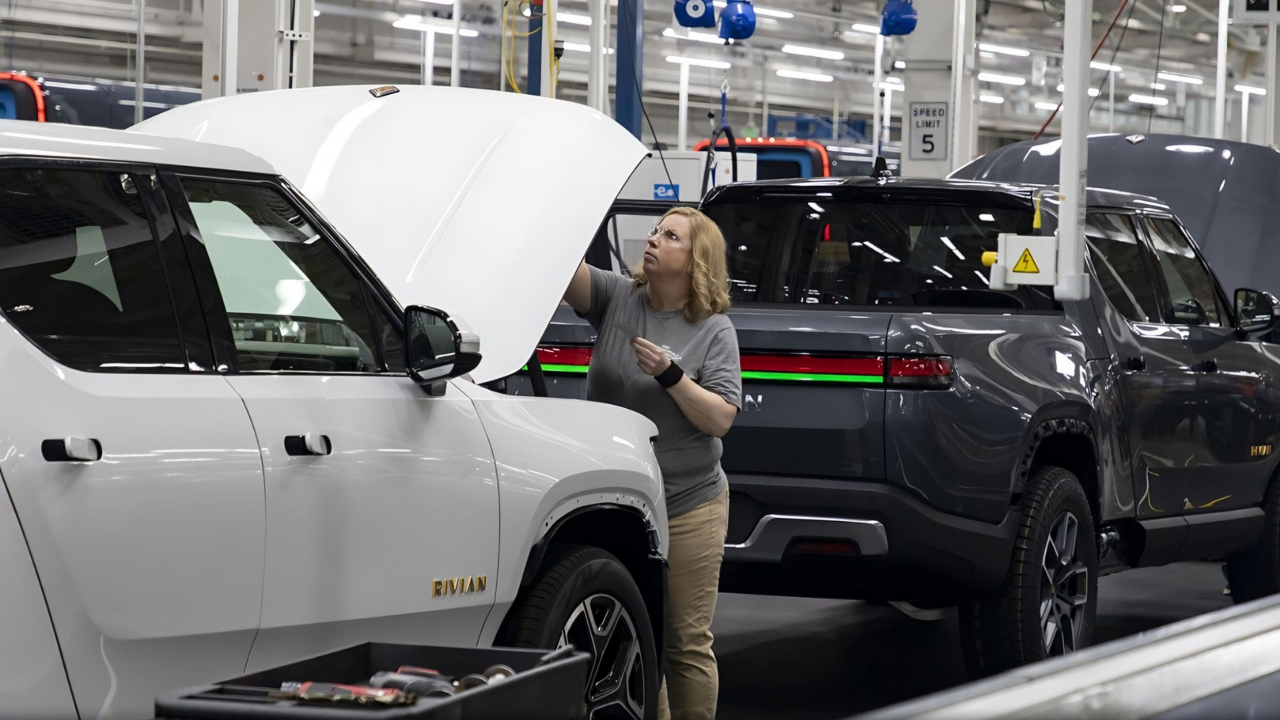
It is impossible to exaggerate the psychological effects of Rivian’s layoffs. Workers who thought their industry was sustainable and future-proof are now facing job loss and uncertainty. Because there won’t be a service network, parts, or resale value if the business fails, consumers who purchased Rivian vehicles may find their assets devalued.
Once viewed as a ray of hope, the promise of green jobs has now been supplanted by anxiety and fear. This change has a substantial psychological cost as people and families struggle with the loss of stability and the recognition that their means of subsistence were dependent on a precarious, subsidy-dependent sector.
The Response of the Market
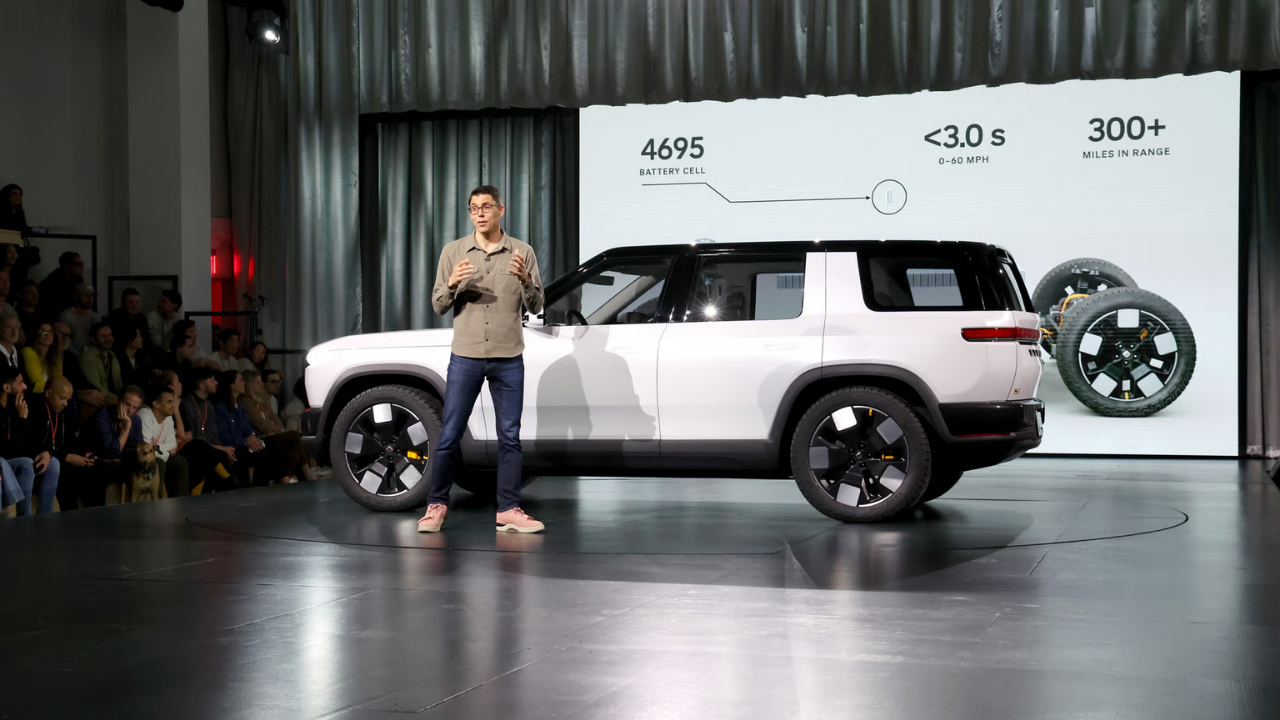
The market has responded quickly and harshly to Rivian’s layoffs and financial difficulties. Investor confidence in the green jobs model has declined, as evidenced by the company’s stock plummeting 93% from its 2021 peak. Due to the company’s slowing demand, the end of government subsidies, and its incapacity for rapid innovation, analysts have downgraded Rivian’s prospects.
As investors reevaluate the industry’s feasibility, the stock prices of other companies have also dropped, impacting the larger EV sector. The market’s reaction highlights how flimsy the green jobs narrative is and how dangerous it is to base an industry on government assistance rather than free market forces.
The Implications for Policy
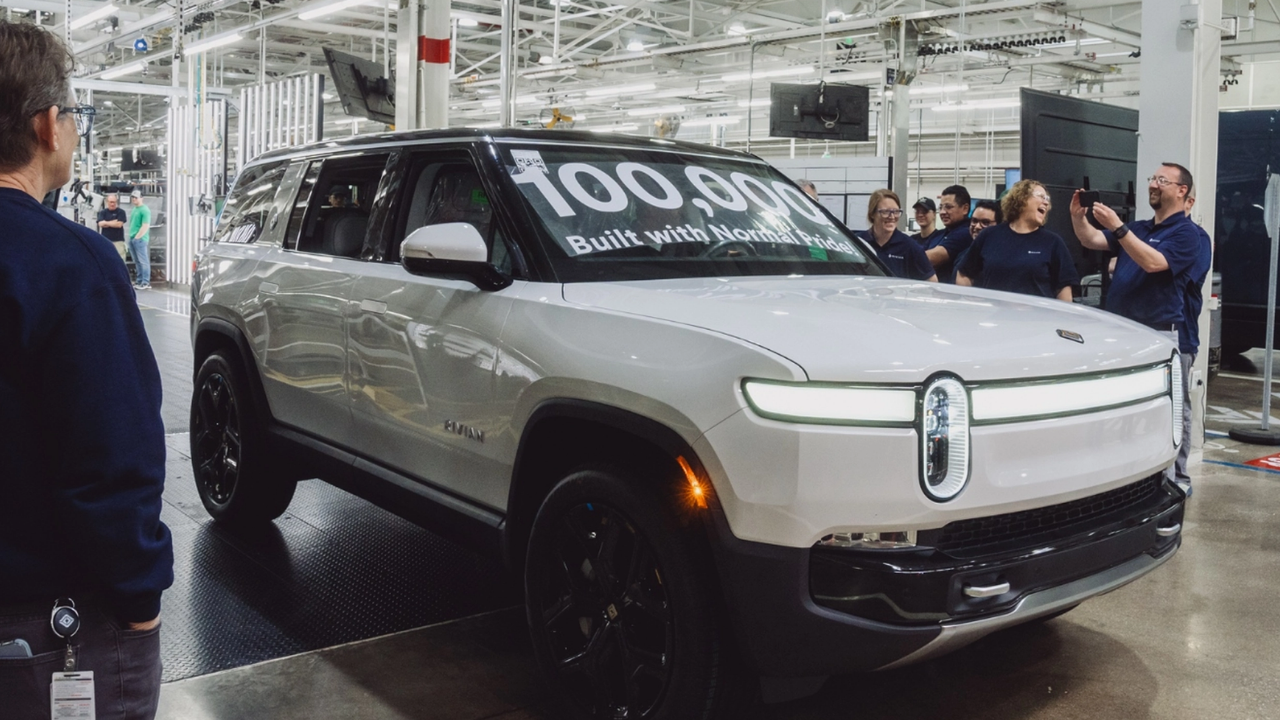
The difficulties Rivian has faced have significant policy ramifications. The federal EV tax credit of $7,500 was eliminated, exposing the green jobs model’s susceptibility to political changes. Now, policymakers have to decide whether to keep providing subsidies to the EV sector or to let the market decide its future.
According to Rivian’s experience, the green jobs boom might not last if the government doesn’t provide consistent support. This brings up significant issues regarding how the government shapes environmental and economic policy as well as the dangers of developing sectors of the economy that rely more on political favor than consumer demand.
The Worldwide Setting
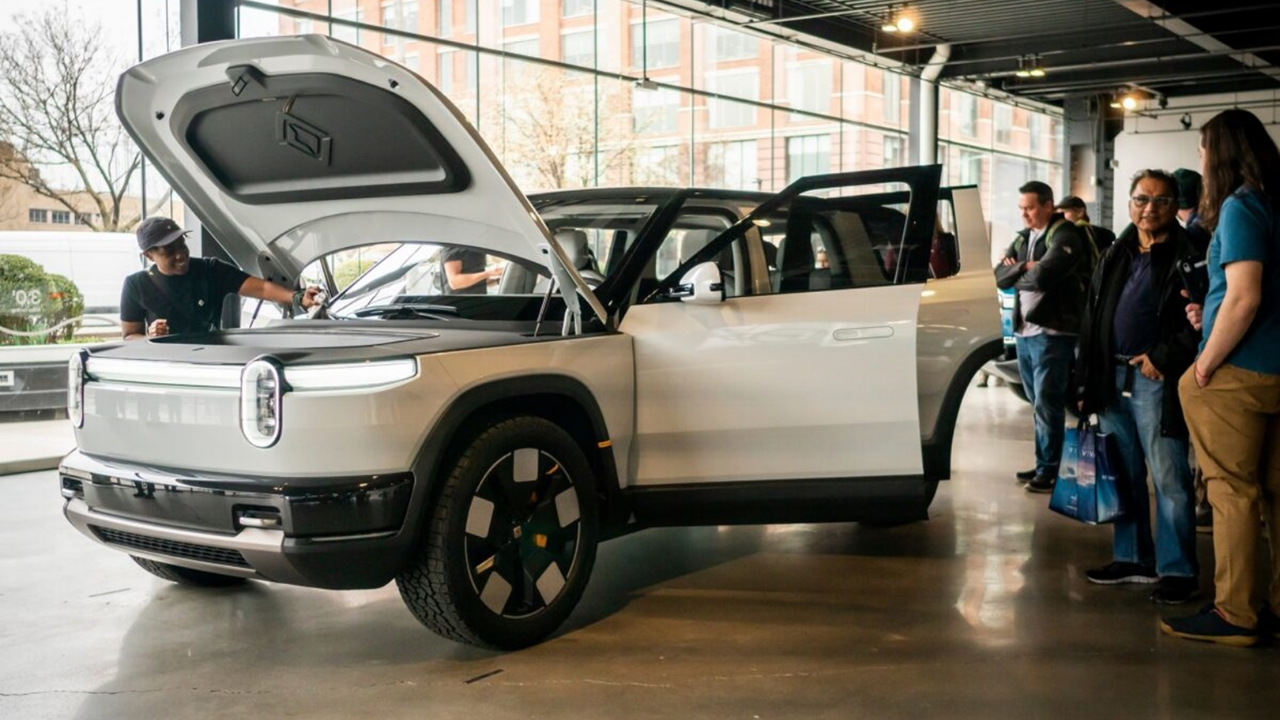
Rivian’s difficulties are not specific to the US; rather, they are a reflection of more general global EV industry trends. The difficulties of switching to electric vehicles and generating green jobs are also being faced by other nations, such as China and Germany.
The risks of establishing an industry on government subsidies are highlighted by Rivian’s experience, which should serve as a warning to policymakers worldwide. The need for a more sustainable strategy for creating green jobs that is based on market forces and actual consumer demand rather than political whims is highlighted by the global context.
Green Jobs’ Future
Green jobs have an uncertain future. According to Rivian’s experience, if there isn’t real market demand and ongoing government support, the green jobs boom might not last long. In order to avoid more layoffs, lower investment, and a slowdown in innovation, the industry must now figure out how to innovate and adjust to a post-subsidy world.
The lesson is clear: market forces and real consumer interest must be the foundation of green jobs; government decree alone will not suffice. The industry’s capacity to adjust to these difficulties and generate long-term, stable job opportunities will determine its future.
Conclusion
The tale of Rivian’s financial difficulties and layoffs serves as a sobering reminder of how flimsy the green jobs narrative is. Government subsidies, not market forces, drove the company’s explosive growth, and the elimination of those subsidies has revealed the industry’s fundamental flaws. With over 600 workers losing their jobs and families facing uncertainty, this shift has a significant human cost.
The wider ramifications for the green jobs movement and the EV industry are significant, underscoring the dangers of establishing an industry based more on political favor than consumer demand. The ability of the sector to innovate and adjust to a post-subsidy world will determine the future of green jobs; failure to do so could result in further contraction and decline.