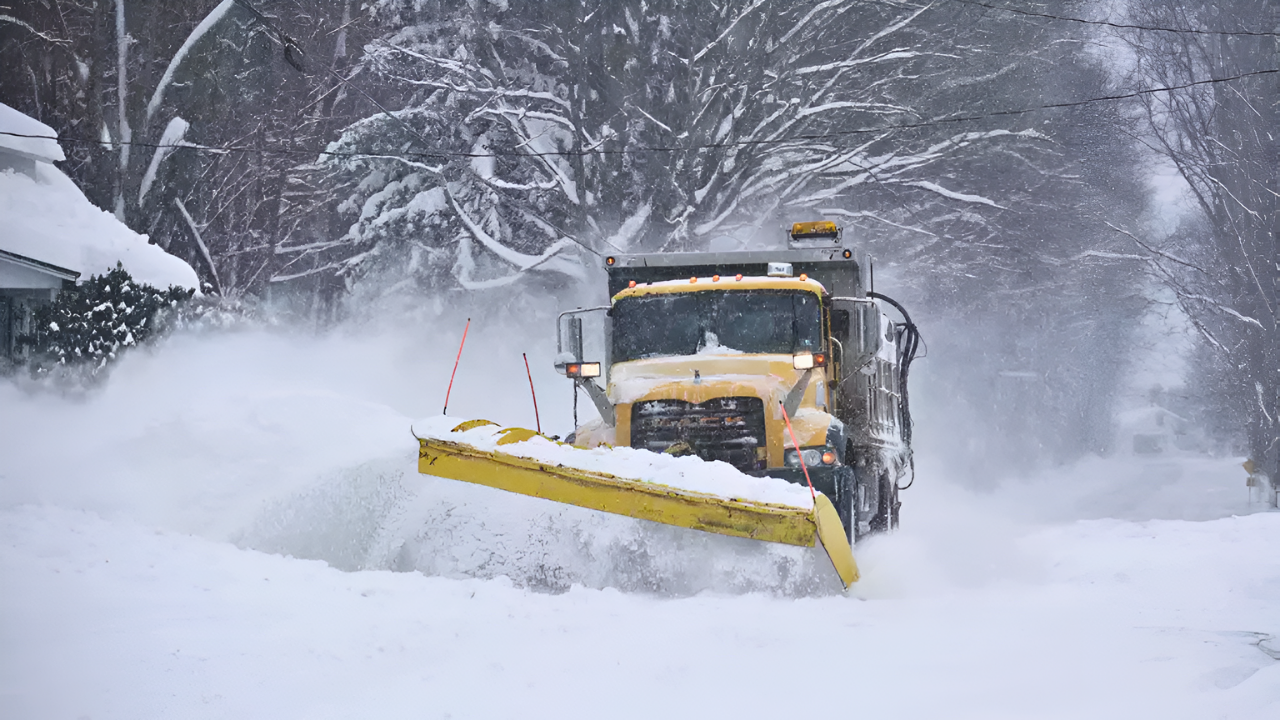
Snow falls in thick, relentless sheets, blanketing roads and trapping drivers in their cars. By Thanksgiving morning, snow accumulation in the northern Upper Peninsula had already reached 33 inches, with the snowstorm showing no signs of stopping. As 82 million Americans began their holiday travels, the Great Lakes region had already descended into chaos. Blizzard warnings stretched from Michigan’s Upper Peninsula to western New York, and whiteout conditions buried highways faster than plows could clear them. This was no ordinary snowstorm—it was a force of nature that would disrupt lives, businesses, and travel plans for days.
What caused this furious storm to descend just as millions of Americans hit the road?
Why It’s Happening
Cold Canadian air sweeps across unusually warm Great Lakes waters, creating the perfect recipe for extreme snowfall. The lakes remain ice-free and warm unusually late into November 2025, intensifying moisture transfer to the atmosphere.
Narrow cloud bands concentrate this moisture into concentrated snow bursts—2 to 3 inches per hour, sometimes more. Buffalo’s “king of lake-effect” title stems from Lake Erie’s shallow depth and relative warmth. This meteorological collision creates one of nature’s most violent weather machines.
Travel Apocalypse
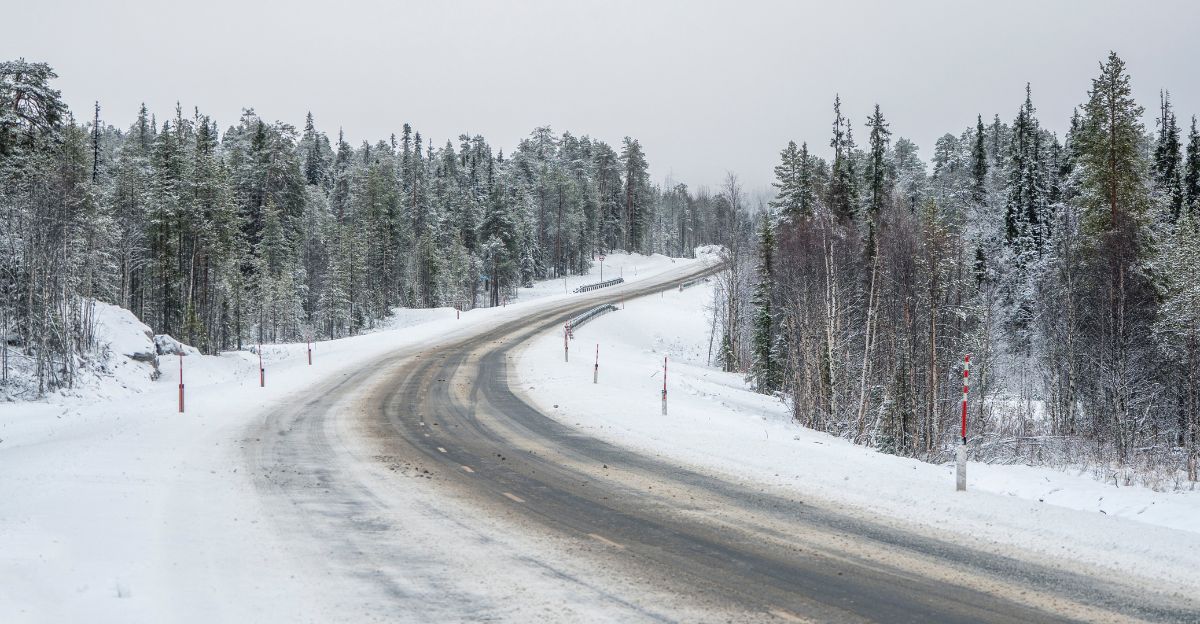
Eighty-two million Thanksgiving travelers—a record 1.6 million more than last year—navigate whiteout conditions and impassable highways, with approximately 90% traveling by car. Flight disruptions impact the smaller percentage of travelers flying during the holiday weekend, with major airports implementing ground stops.
The New York State Thruway saw drivers trapped in vehicles as narrow snow bands buried roads faster than plows cleared them. This echoes 2014’s “Snowvember” disaster that left thousands stranded. Travel remains “very difficult to impossible” through Saturday morning.
Power Grid Collapse
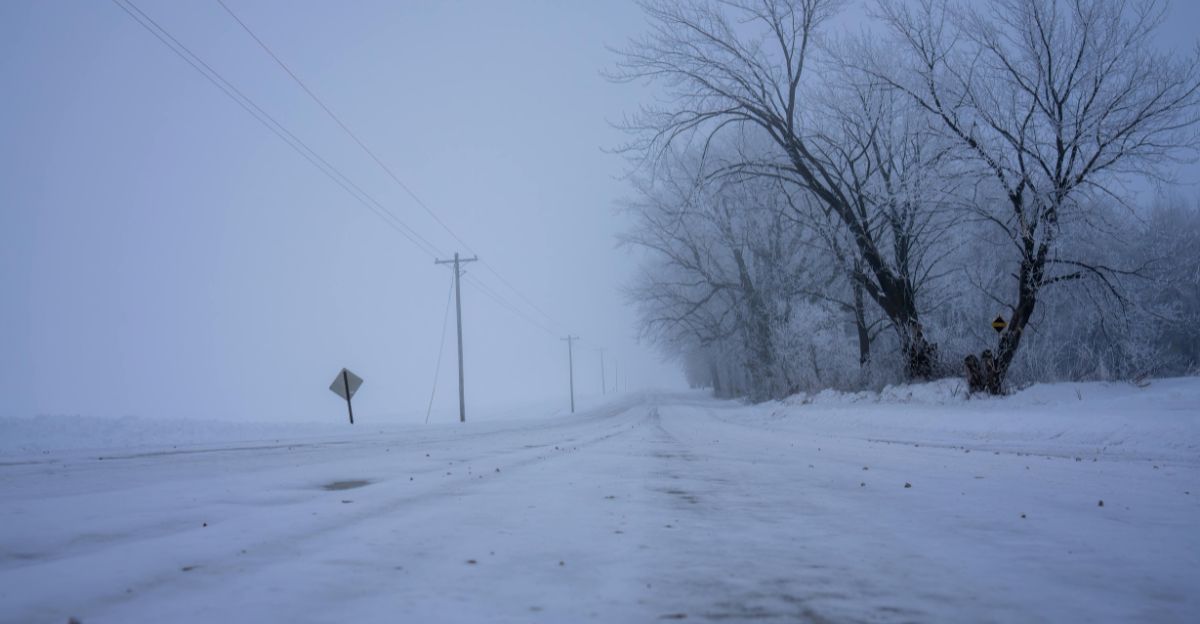
Approximately 55,000 customers lost power as 50 mph winds snapped power lines, weighted by heavy, wet snow. Wind gusts exceed 50 mph across Wisconsin, Michigan’s Upper Peninsula, and western New York, toppling trees onto power infrastructure.
The Upper Peninsula Power Company reported over 1,000 outages near Houghton, Michigan. Consumers Energy battles similar disruptions along Lake Michigan’s shoreline. With temperatures plunging into the low 20s and remaining below freezing through Saturday, stranded residents face life-threatening cold.
Record-Breaking Accumulations
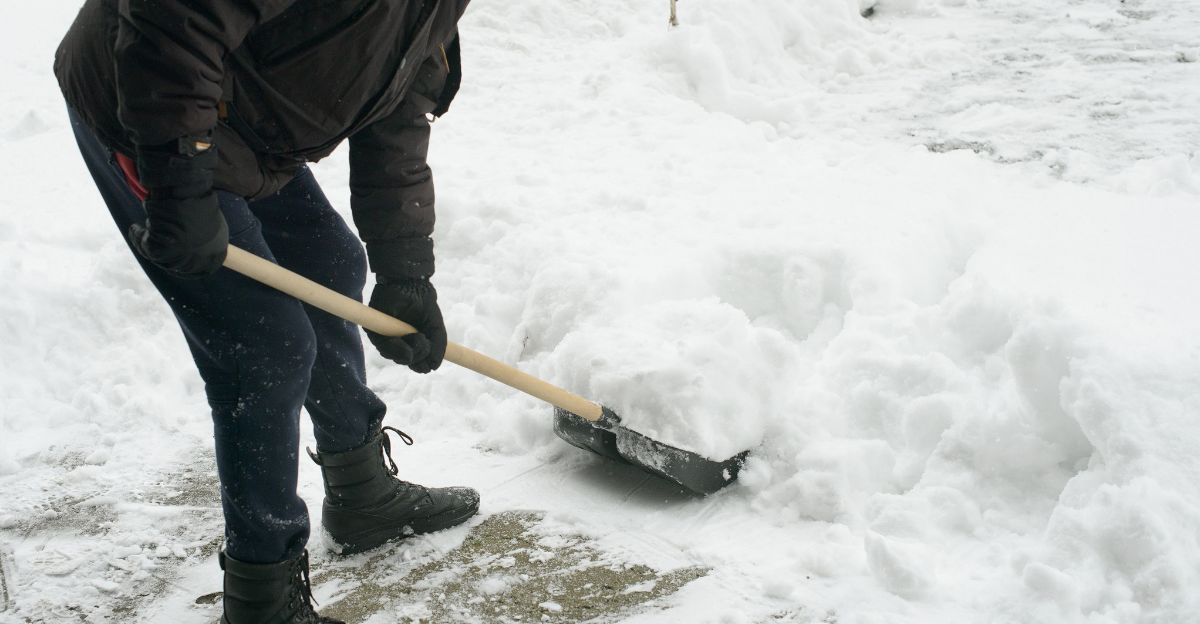
Gile, Wisconsin, recorded 33 inches of snow by early Thanksgiving morning, while Bessemer, Michigan, saw 18 to 28 inches. The northern Upper Peninsula expects total accumulations of 1 to 3 feet, with the Keweenaw Peninsula potentially reaching 36 inches. South of Buffalo may receive 12 to 18 inches.
Watertown, New York, faces 6 to 10 inches. Kalkaska, Michigan, may exceed 12 inches. Snowfall rates reached 2 to 3 inches per hour throughout Wednesday and Thanksgiving morning.
Emergency Services Overwhelmed
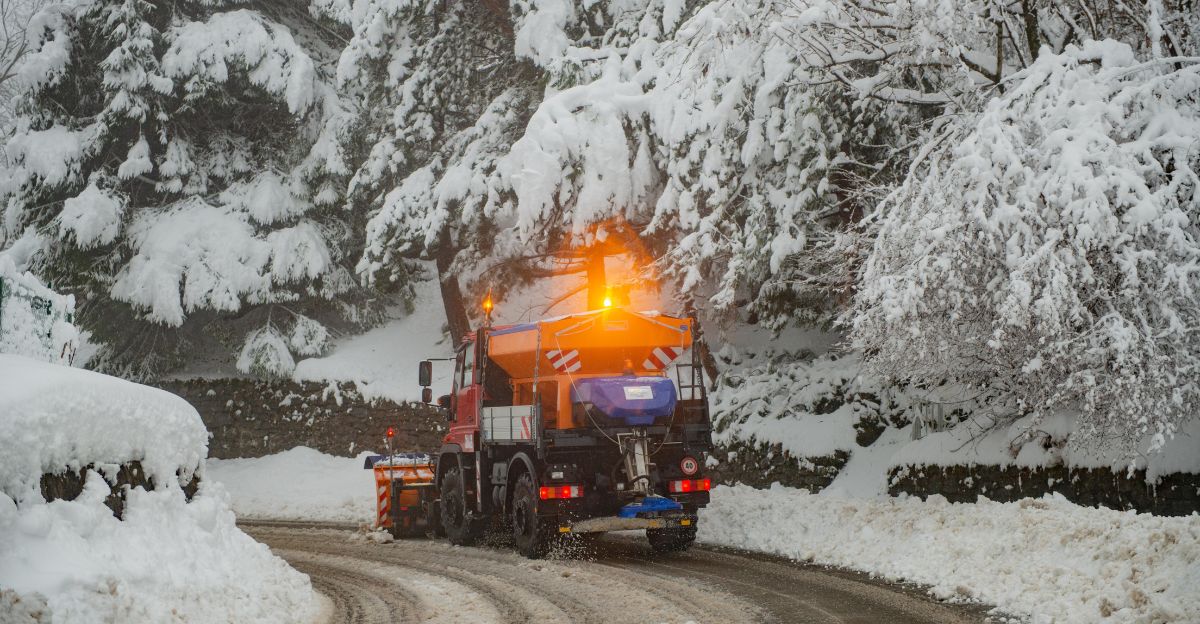
EMS crews deploy winter protocols, carrying shovels, salt, sand, and sleds to reach patients during blizzard conditions. Response times increase dramatically as crews navigate whiteout visibility and impassable neighborhood roads.
Hospitals prepare for surges in slip-and-fall injuries, cold exposure cases, and heart attack emergencies. Patient volumes spike in storm aftermath as emergency departments overflow.
Historical Echoes
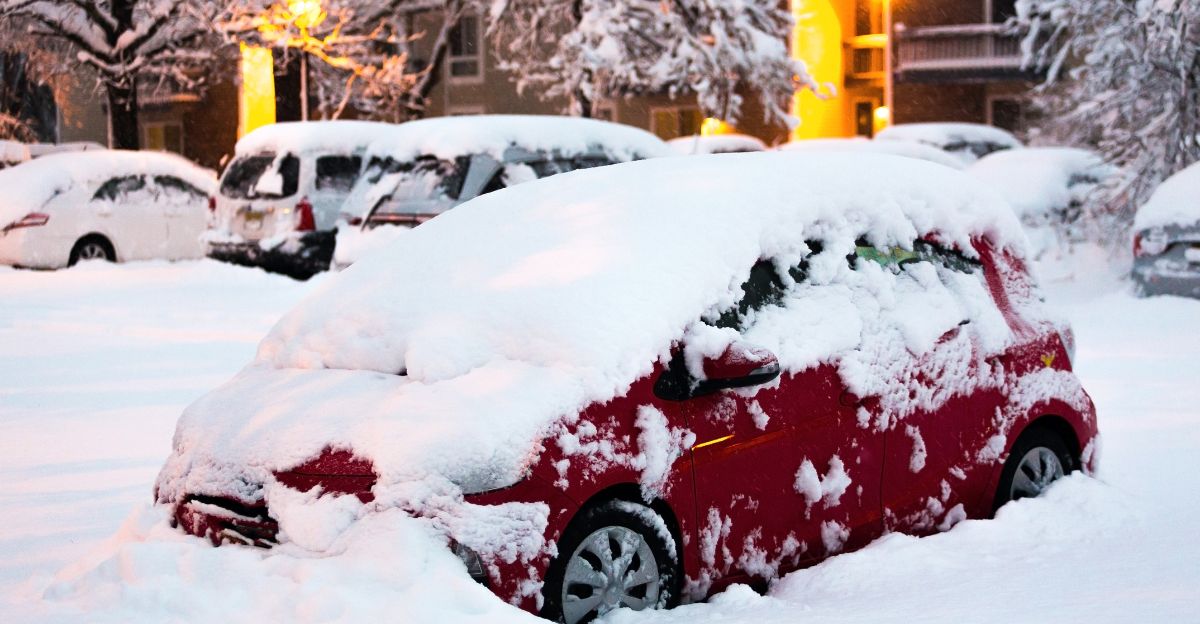
This event rivals November 2014’s “Snowvember” storms that dumped nearly 7 feet of snow over three days south of Buffalo. That catastrophe caused 14 deaths, hundreds of collapsed roofs, and thousands of trapped drivers on the New York State Thruway.
Snowfall rates then reached 3 to 6 inches per hour—nearly identical to current conditions. Buffalo earned its “king of lake-effect” title during that disaster. Meteorologists warn that 2025’s Thanksgiving storm shares disturbing similarities.
Supply Chain Stranglehold
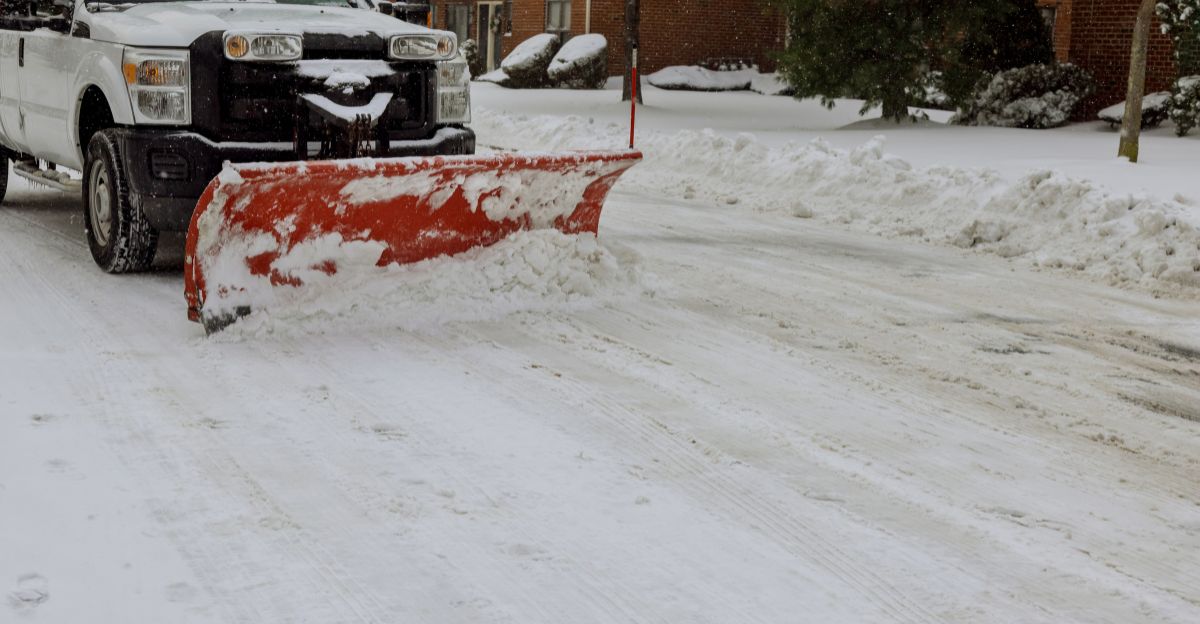
Distribution hubs from Detroit to Cleveland face shutdowns as freight grinds to a halt. The storm paralyzes transportation networks across the Great Lakes industrial corridor, affecting millions of Americans.
Major distribution centers confront hazardous driving conditions that transform 3-5 day lead times into same-day procurement nightmares. Grain shipments, fertilizer deliveries, and livestock feed logistics face significant disruptions. Blizzard conditions and 30-50 mph wind gusts create impassable routes for freight haulers.
Black Friday Retail Chaos

The National Retail Federation forecasts over $1 trillion in holiday sales from November through December—the first time ever. The Thanksgiving storm threatens to dampen Black Friday’s crucial kickoff.
Retailers without weather-resilient operations risk losing market share. E-commerce platforms see increased app-based orders as trapped consumers shop online. Holiday sales momentum faces its biggest test since the season began.
Restaurant Industry Wipeout
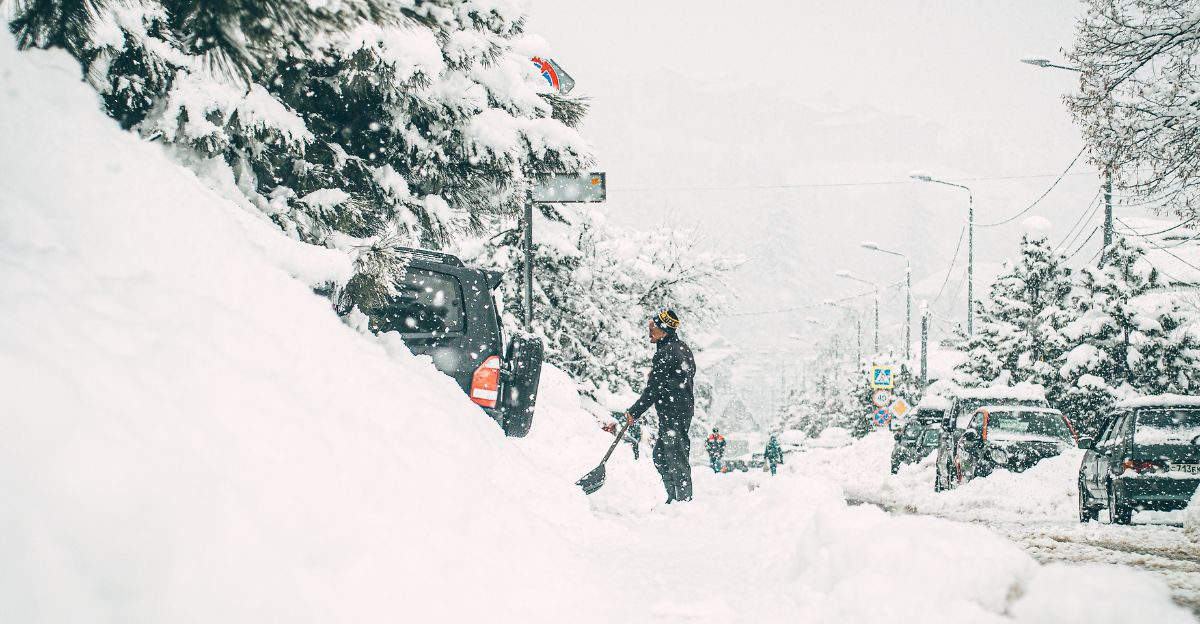
The restaurant industry, already battling nervous consumers and declining confidence, faces significant losses as families shelter in place. Cheesecake Factory reported that weather impacted Q1 2025 sales by approximately $7 million.
Shake Shack experienced weather impacts of 150 to 200 basis points on same-store sales. With 82 million travelers disrupted and local residents facing blizzard conditions, Thanksgiving restaurant bookings collapsed. Holiday recovery hopes face challenges as tables remain empty.
Snow Removal Cost Explosion
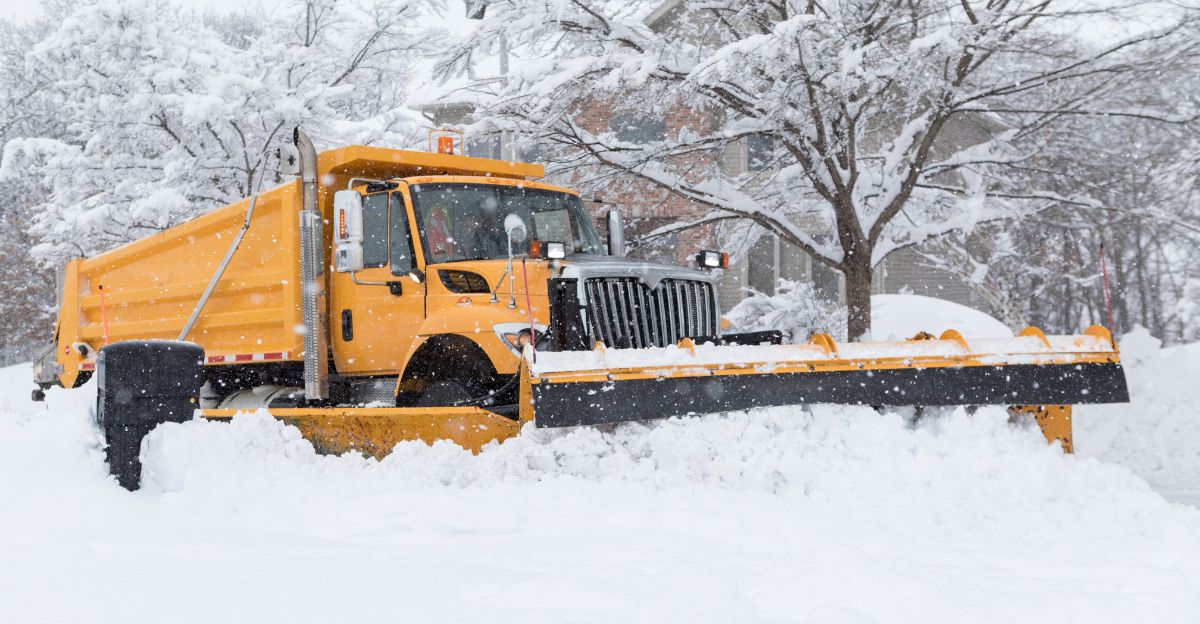
Commercial snow removal costs range from $100 to $400 per visit for small lots, scaling higher for large operations.
With accumulations reaching 1 to 3 feet across multiple states and continuous snowfall through the weekend, cities face seasonal costs spiraling into emergency premiums. Major winter storms create significant economic strain. Municipal budgets face unprecedented strain.
Agriculture Under Siege
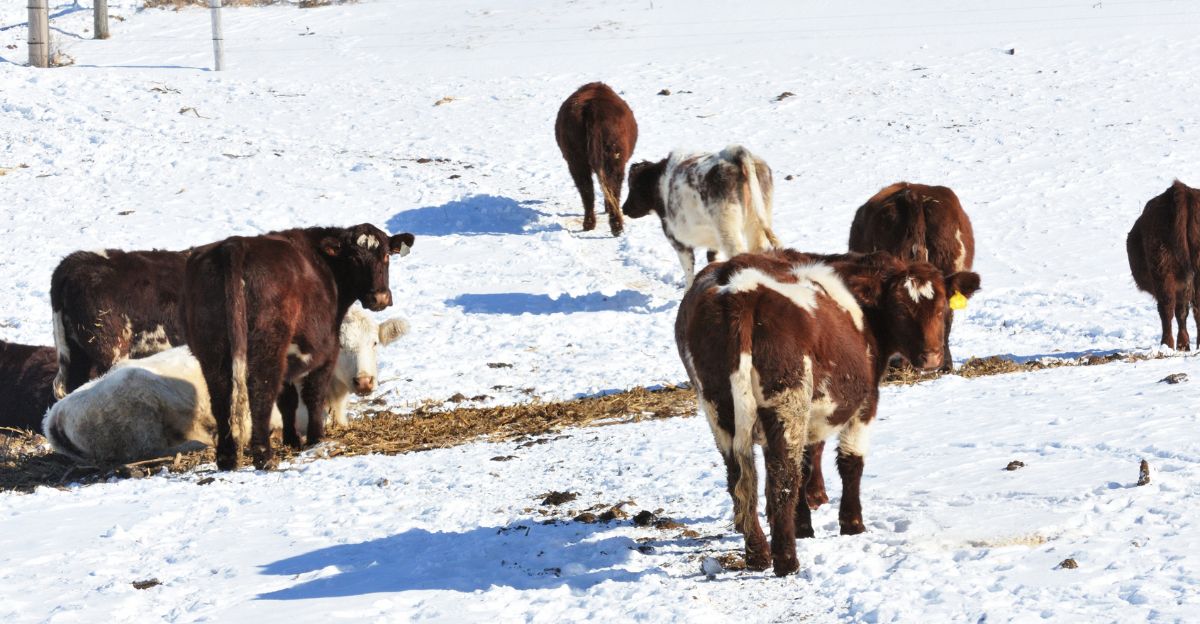
Livestock producers scramble as feed deliveries stall and heating costs spike during extreme cold. Grain shipments and livestock feed deliveries face delays across the Midwest and Great Lakes regions. Young winter wheat and cover crops risk freeze damage if not fully established, potentially affecting spring yields.
Grain haulers and cooperatives experience schedule interruptions, forcing farms to store grain longer than expected. Animal stress increases as heating costs soar.
Climate Change Paradox Intensifies
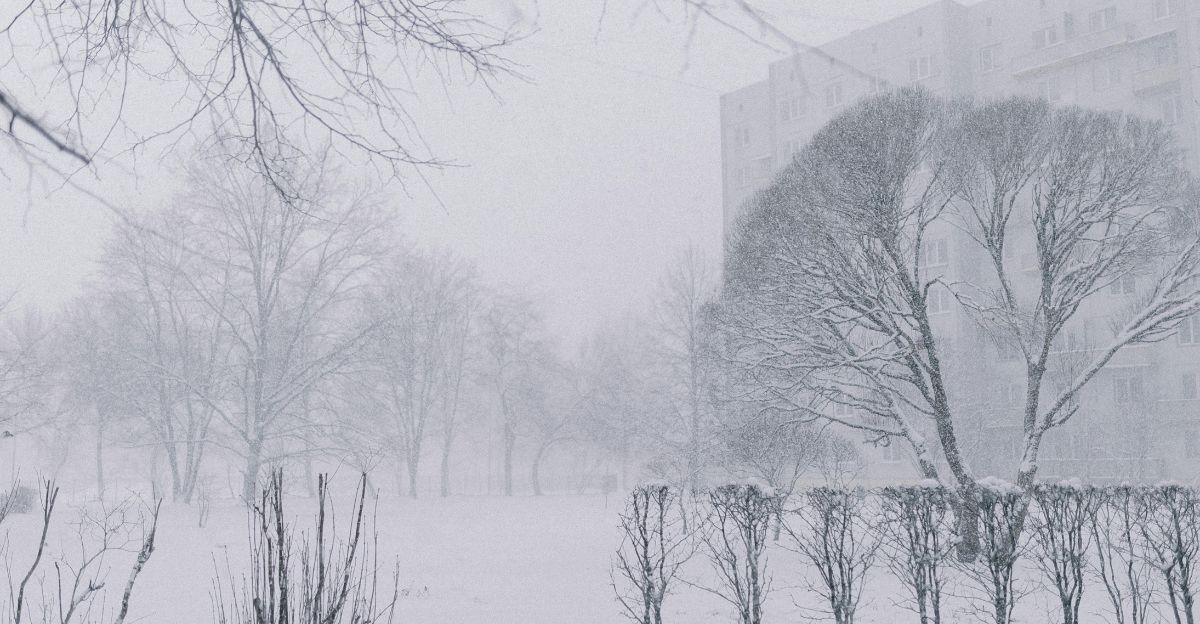
Global warming initially increases lake-effect snow as warmer lake temperatures and reduced ice cover expose more water to cold air. The Great Lakes remain unusually warm and ice-free late into November 2025, creating optimal conditions for extreme snowfall.
This represents a temporary escalation—eventually, warming air will transform lake-effect snow into lake-effect rain. Regional winter patterns will fundamentally alter. Scientists warn that this paradox continues until air temperatures overcome water temperatures.
Consumer Advice: What to Do Now
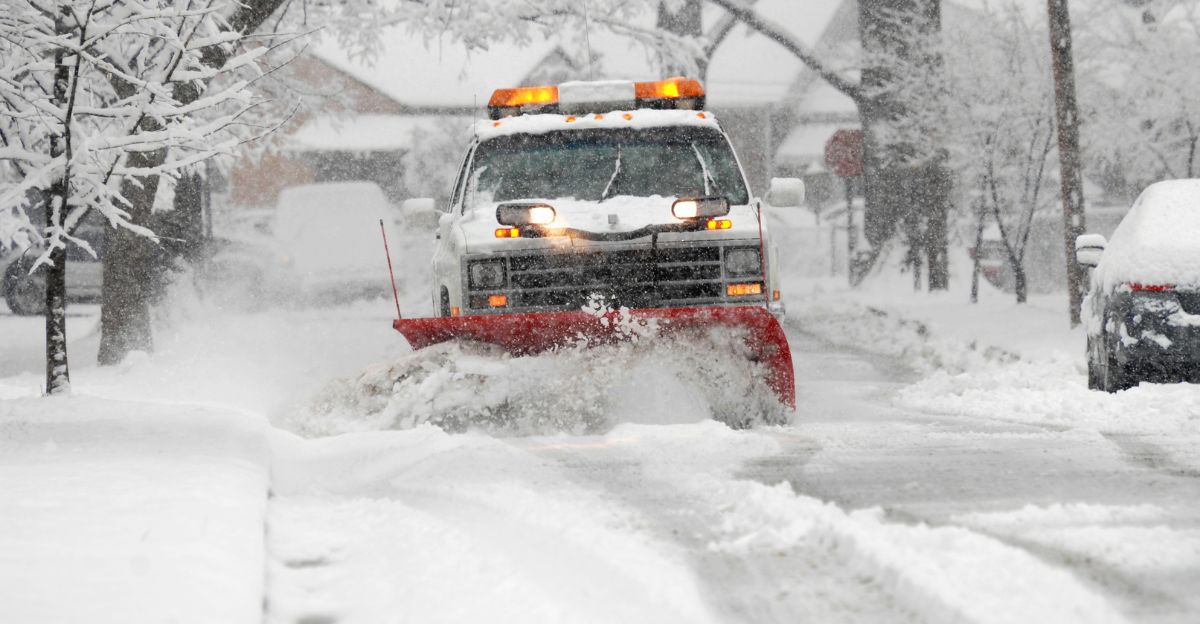
The National Weather Service urges residents to avoid travel through Thanksgiving weekend as lake-effect snow warnings remain through Saturday morning. Stock heating supplies, non-perishable food, batteries, flashlights, and medications for multi-day isolation.
Monitor airport and highway conditions hourly—narrow snow bands create dramatically different conditions miles apart. Some streets remain buried while neighbors stay clear. Check on elderly neighbors and ensure vehicles have emergency kits with blankets, water, and phone chargers.
Final Wrap-Up
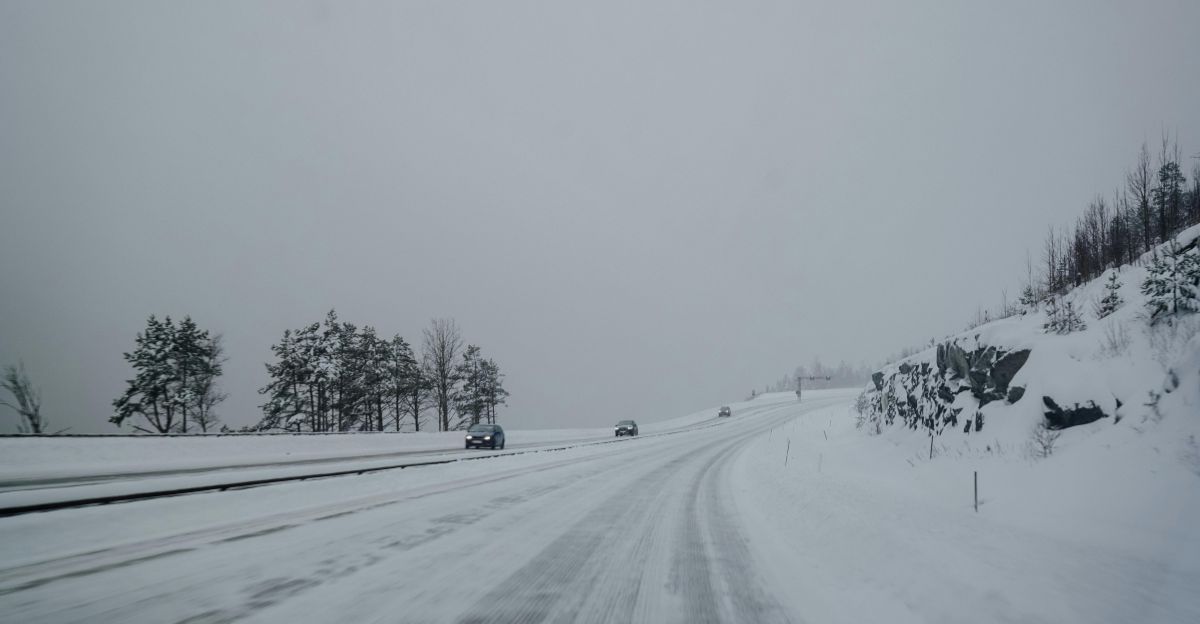
A single weather event—cold Arctic air colliding with warm Great Lakes water—cascades into travel chaos for 82 million people, approximately 55,000 power outages, and significant economic losses.
From collapsed roofs to stranded travelers, from shuttered retailers to overwhelmed hospitals, the ripples demonstrate how interconnected modern society remains. As the Great Lakes stay warmer and ice-free longer yearly, these “perfect storms” may become the new normal until warming air finally transforms white nightmare into freezing rain.
Sources:
AAA Thanksgiving 2025 Travel Forecast; National News Desk/AAA coverage of record 82 million holiday travelers and mode share
National Retail Federation Holiday Sales Forecast 2025 (projected to surpass $1 trillion); NRF Winter Holiday Data and Trends
AP reporting on Great Lakes lake-effect snow piling up in Michigan’s Upper Peninsula and western New York (Bessemer, Buffalo bands, whiteout travel conditions)