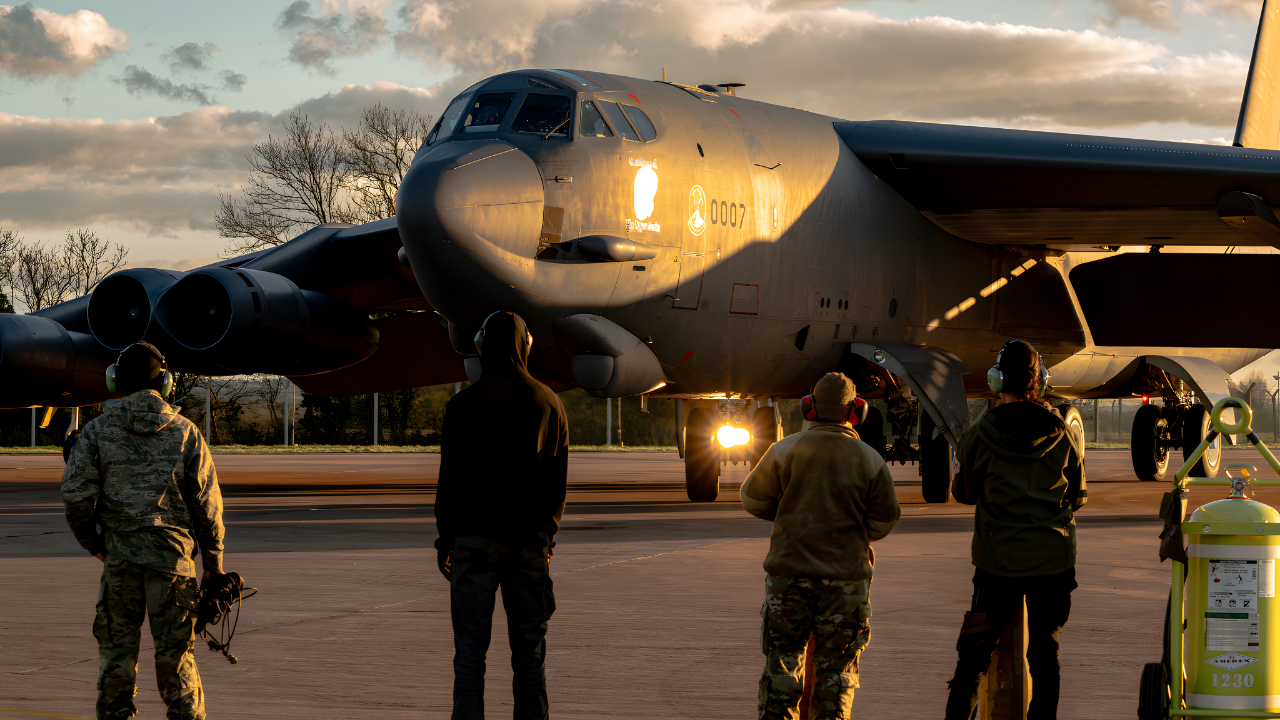
In mid-December, two U.S. B-52 bombers flew over the Sea of Japan with Japanese fighter jets. This flight happened just days after Chinese and Russian bombers patrolled near Japan and South Korea. Those earlier patrols forced Japan and South Korea to send up their own fighters quickly. U.S. and Japanese leaders described the B-52 mission as normal training between allies. However, the timing showed worries about China’s expanding military power and the risk of mistakes in busy skies.
East Asia’s airspace now sees regular flights by bombers that can carry nuclear weapons, advanced fighters, and spy planes from rival countries. The Chinese-Russian patrol flew through important sea routes, including areas between Japan and Taiwan. This raised alarms across the region. Japan’s top military officials called the patrol a serious threat to their country’s safety. They saw it as a test of how ready Japan and its allies are.
The U.S.-Japan flight sent a clear message. It showed their commitment to keeping things stable without letting one side change the balance alone.
Roots of Ongoing Conflicts
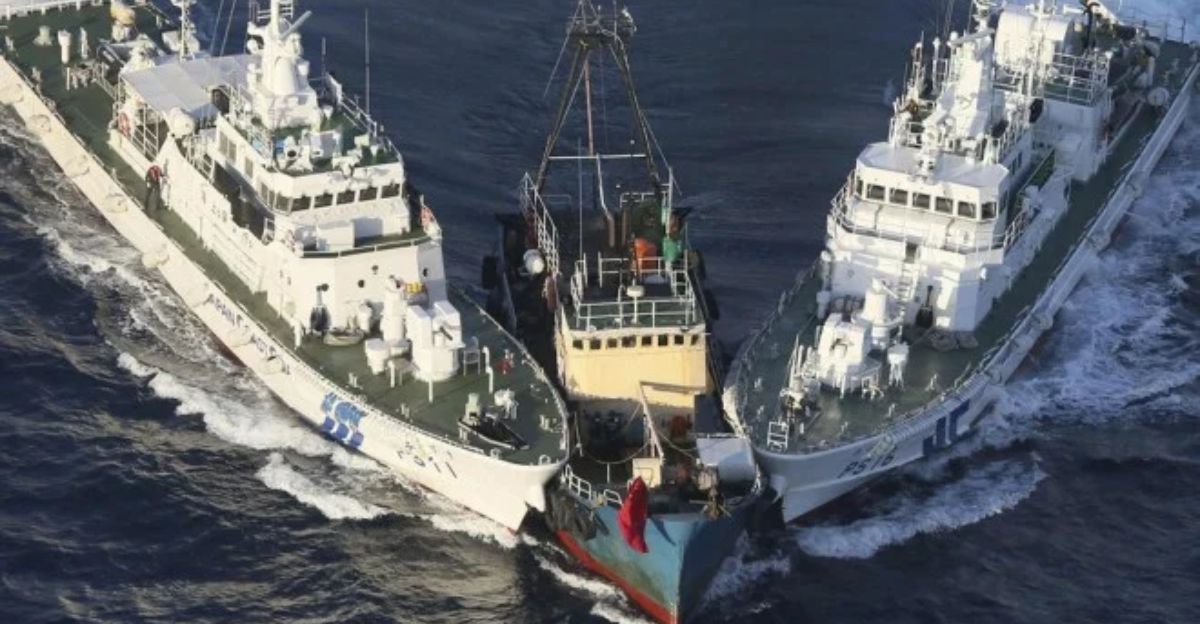
Tensions between China and Japan come from old disputes, claims over sea areas, and Taiwan’s situation. The Senkaku Islands, which Japan controls but China calls Diaoyu, sit at the center of many arguments. China often sends coast guard ships and navy boats near these islands.
Japan views China’s fast military growth as its biggest danger. Officials in Japan say a Chinese attack on Taiwan would directly threaten their own security. This view has made Beijing angry. China accuses Japan of interfering and has increased activity around Taiwan and Japan’s Ryukyu Islands.
These issues build on years of friction. They make every military move feel more urgent.
Back-and-Forth Air Patrols
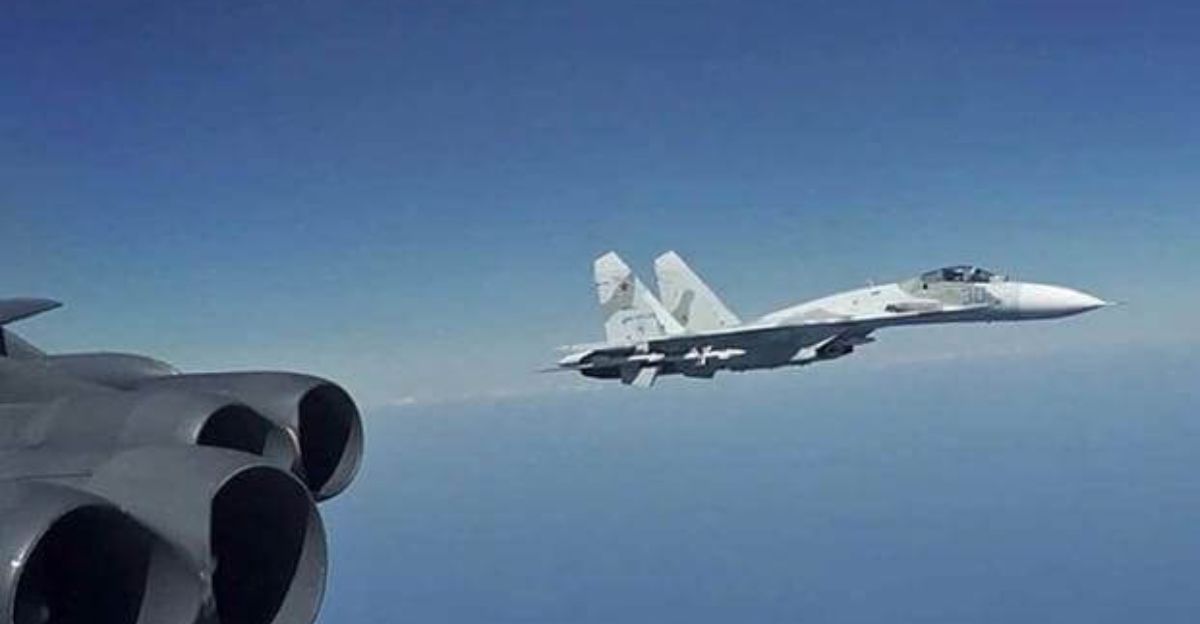
The B-52 flight was a direct answer to the Chinese and Russian bombers. Those bombers flew through zones where countries must identify and track aircraft, known as air defense identification zones or ADIZs. These zones are not owned airspace, but countries watch them closely and send fighters if needed.
At the same time, Taiwan dealt with heavy pressure. Over two days, it spotted 27 Chinese military planes near the island. These included fighters, bombers, and support aircraft. Many entered Taiwan’s ADIZ, along with navy ships patrolling nearby. Taiwan called these moves tiring military exercises, not just pass-through flights.
Challenges in Crowded Skies
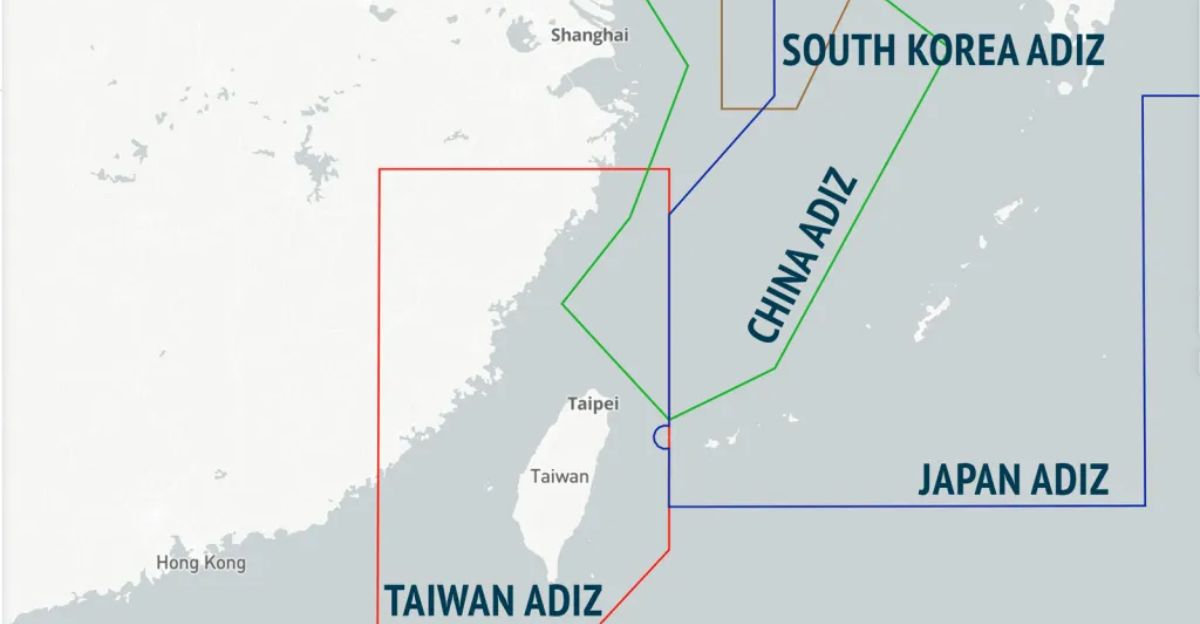
Japan, South Korea, Taiwan, and China all claim overlapping ADIZs. This makes flying near key spots, like straits south of Okinawa, risky. Past incidents include planes flying too close or radar lock-ons, which could lead to accidents.
Japan hosts the biggest U.S. military presence outside America. This includes air bases and navy ships. B-52 flights with Japanese and South Korean planes used to be rare but are now common. They help strengthen U.S. defense promises across the Indo-Pacific region.
The 27-plane event near Taiwan was one of the largest this year. It connects actions around Japan and Taiwan into a bigger pattern. China and Russia work together on these patrols, though not as a full alliance. This challenges U.S. power and forces allies to respond more often.
Differing Views and Future Risks
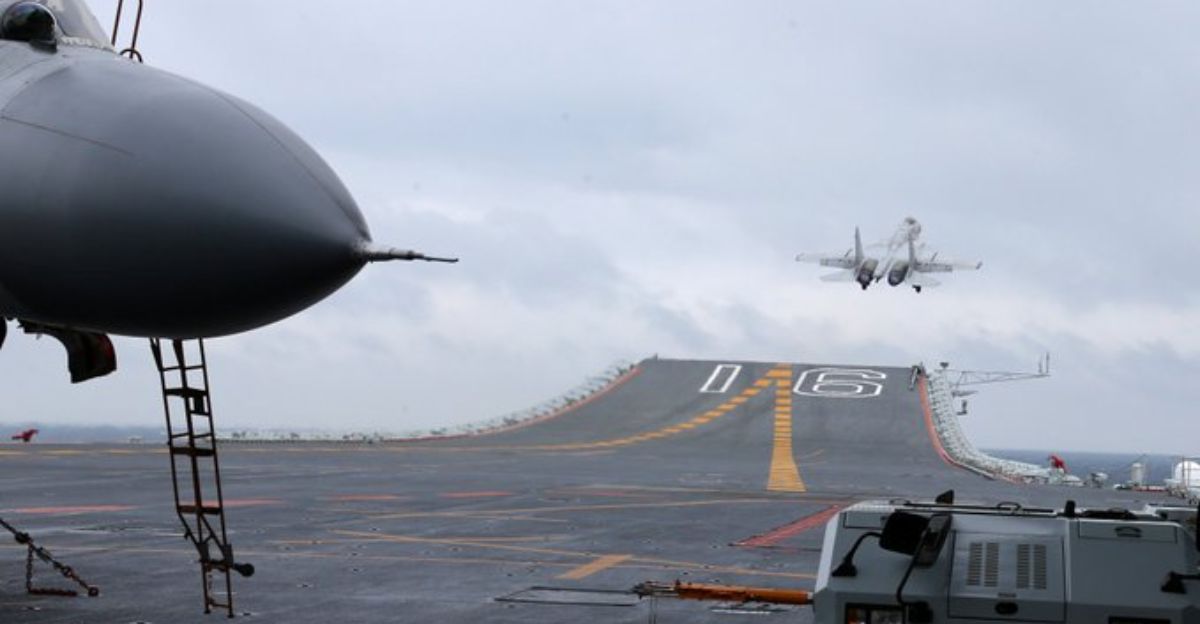
Japan sees its flights with allies as a way to deter threats and keep peace. China calls its own patrols normal and lawful. Beijing says Japan exaggerates to pull the U.S. closer. Everyone flies in international airspace, but they see each other’s goals differently. History plays a role too, China remembers World War II suffering, while Japan worries about expansion.
Japan is spending more on defense and training closer with U.S. forces, especially bomber practice near its southern islands. Some warn this could start a cycle where each side reacts stronger, filling the skies even more.
Chinese flights near Taiwan happen almost every day now. China-Russia patrols are becoming regular. Leaders must balance showing strength to prevent trouble with avoiding steps that lead to real fights. A stronger U.S. role might bring calm through power, but repeated flights raise the chance of errors. How China, Japan, the U.S., Russia, Taiwan, and South Korea handle these meetings will decide if tensions ease or grow hotter.
Sources:
The Straits Times (11 Dec 2025)
FlightGlobal (9 Dec 2025)
Defence24 (12 Dec 2025)
Washington Times (11 Dec 2025)
Zona Militar (11 Dec 2025)
Popular Resistance (17 Dec 2025
Le Monde (14 Dec 2025)