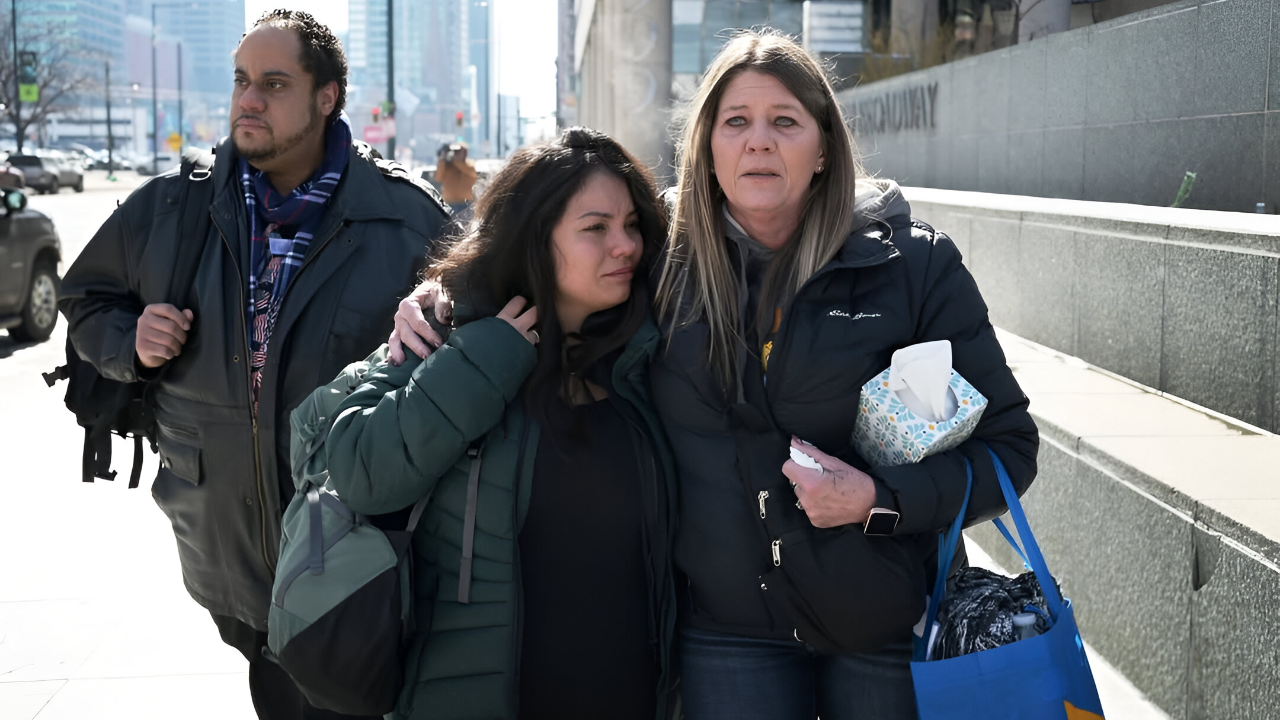
The federal government shut down on October 1, 2025, after Congress and the Trump administration failed to agree on healthcare subsidies and spending levels. During the shutdown, the White House froze $26 billion in federal funds for Democratic-leaning states due to disagreements over diversity, equity, and inclusion policies.
This shutdown affects many sectors, including New York’s subway systems and clean energy jobs, with significant implications for millions of American families.
New York Loses $18 Billion in Transit Funding

New York is facing an $18 billion funding freeze affecting transit projects, including the Second Avenue Subway expansion and the Gateway Tunnel connecting New York and New Jersey.
According to a Department of Transportation statement, the Trump administration cited the state’s diversity programs as justification for the funding freeze, stating “USDOT’s review of New York’s unconstitutional practices will take more time.” Millions of daily commuters will face continued delays and overcrowding as critical infrastructure improvements remain stalled.
New Jersey’s Gateway Tunnel Project Stalled Again

The Gateway Tunnel project in New Jersey, crucial for NYC rail connections, faces additional delays after federal support was withdrawn.
Originally costing $16 billion, the project’s timeline has already been impacted by political disputes and is now indefinitely postponed due to a broader freeze on infrastructure funding.
Clean Energy Projects Lose $7.6 Billion Across 16 Democratic States
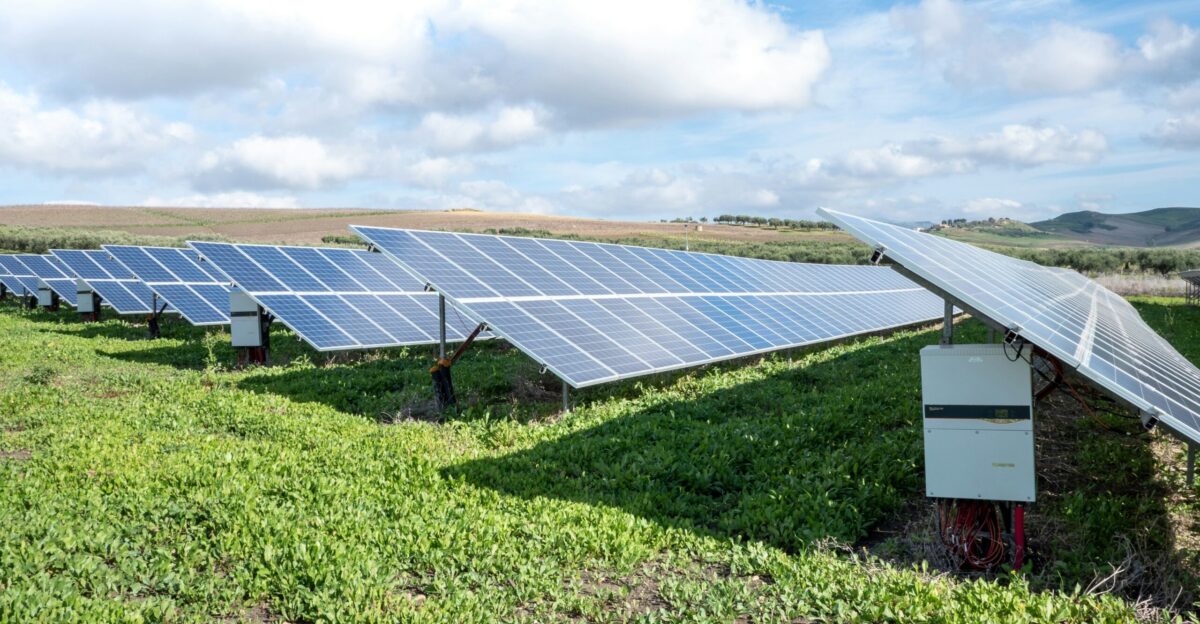
Sixteen Democratic states are losing $7.6 billion in federal funding for clean energy projects, with California facing the largest share of canceled initiatives. Energy Secretary Chris Wright announced the cancellations, stating the projects were “rushed through in the final months of the Biden administration with inadequate documentation by reasonable business standards.”
OMB Director Russell Vought said, “Nearly $8 billion in Green New Scam funding to fuel the Left’s climate agenda is being cancelled,” directly impacting climate goals and eliminating thousands of green jobs nationwide.
Environmental Disasters May Go Unmonitored – EPA Inspections Suspended
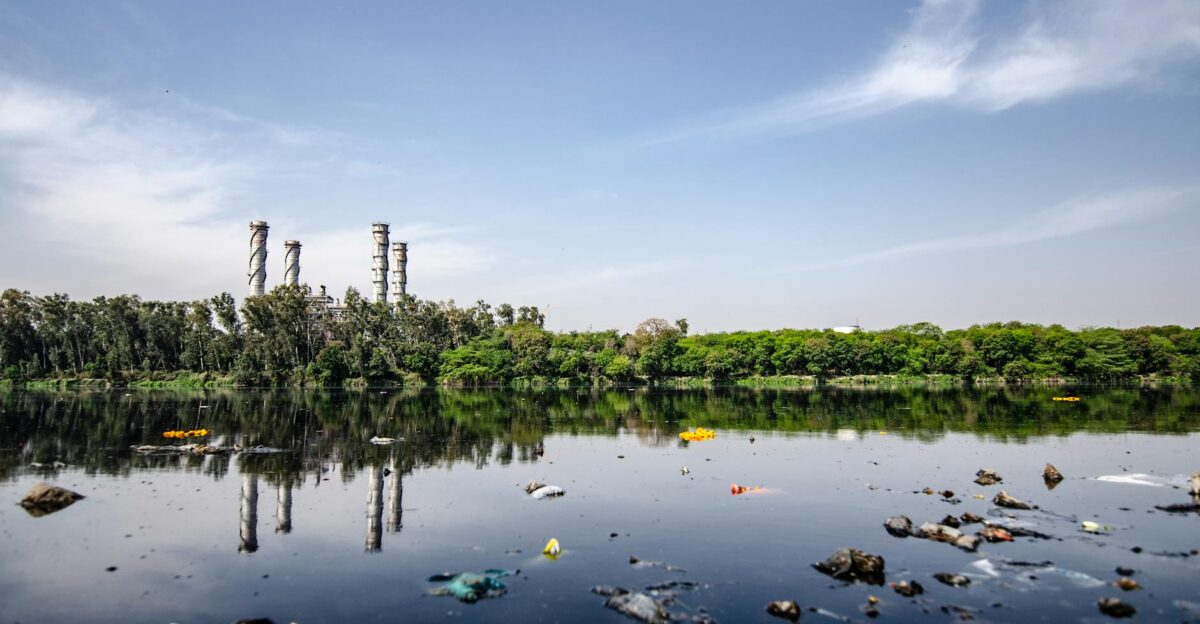
The Environmental Protection Agency (EPA) has suspended inspections and water quality monitoring due to a 90% staff furlough.
This halt affects Superfund toxic cleanup sites, leaving communities potentially exposed to environmental hazards without federal oversight. State agencies are stepping in where possible.
750,000 Federal Workers Face Daily Uncertainty
Approximately 750,000 federal employees nationwide are facing daily furloughs or unpaid leave, impacting their financial stability and ability to pay bills.
While they will receive back pay once the government reopens, immediate hardships persist. Furthermore, essential services are affected, with national parks reducing operations, passport processing delayed by weeks, and limited food safety inspections.
Disease Outbreaks Could Go Undetected – CDC Operations Reduced

The Centers for Disease Control (CDC) is monitoring disease outbreaks with reduced staffing due to 32,460 health workers being furloughed, which accounts for 41% of the Department of Health and Human Services (HHS) workforce.
This impacts the tracking of flu season and public health emergency responses, particularly as the respiratory illness season begins, though essential emergency capabilities remain operational.
Medical Research Suspended

All non-essential research at the National Institutes of Health (NIH) has been halted due to scientist furloughs, impacting grant-making activities and university research nationwide.
Critical studies on cancer, Alzheimer’s, and other diseases are facing immediate delays, though ongoing clinical trials will continue to prioritize patient safety.
Food Benefits for Moms and Kids at Risk

The Women, Infants, and Children (WIC) program, aiding 6.7 million low-income families, may face funding shortages if the government shutdown lasts over two weeks.
Emergency food distribution networks are preparing for increased demand as benefits could expire, potentially impacting access to essential nutrition programs for pregnant mothers and young children.
Small Business Dreams on Hold – Loan Processing Halted

The Small Business Administration (SBA) has suspended all loan processing and approvals, impacting entrepreneurs and businesses seeking federal financial assistance.
Consequently, applications for startup funding are frozen, and existing businesses cannot access emergency capital during this economic uncertainty.
Immigration System Grinds to Halt – Courts and Processing Shut Down

Immigration court hearings for non-detained cases are indefinitely postponed, and border processing is limited to essential personnel.
This has led to months-long delays in citizenship applications, leaving thousands of asylum seekers and legal immigrants in uncertainty due to minimal staffing in the system.
Massachusetts Healthcare Workers Affected

Massachusetts health programs face service reductions as federal health workers among the state’s 25,698 federal civilian employees are furloughed.
Hospital-at-home programs for elderly patients are shutting down due to Medicare funding interruptions, forcing vulnerable seniors back into expensive hospital settings.
Illinois Medicaid Payments Face Delays

Illinois faces uncertainty over federal transfers supporting Medicaid reimbursements to hospitals and healthcare providers.
State budget officials are scrambling to identify contingency funding as federal dollars remain frozen, potentially threatening healthcare access for low-income residents.
School Meal Programs Face November Uncertainty

School nutrition programs continue through October using carryover funding from previous appropriations.
However, if the shutdown extends into November, USDA reimbursements to school districts may be delayed, forcing districts to use local funds or reduce meal quality.
Food Safety Inspections Curtailed Nationwide
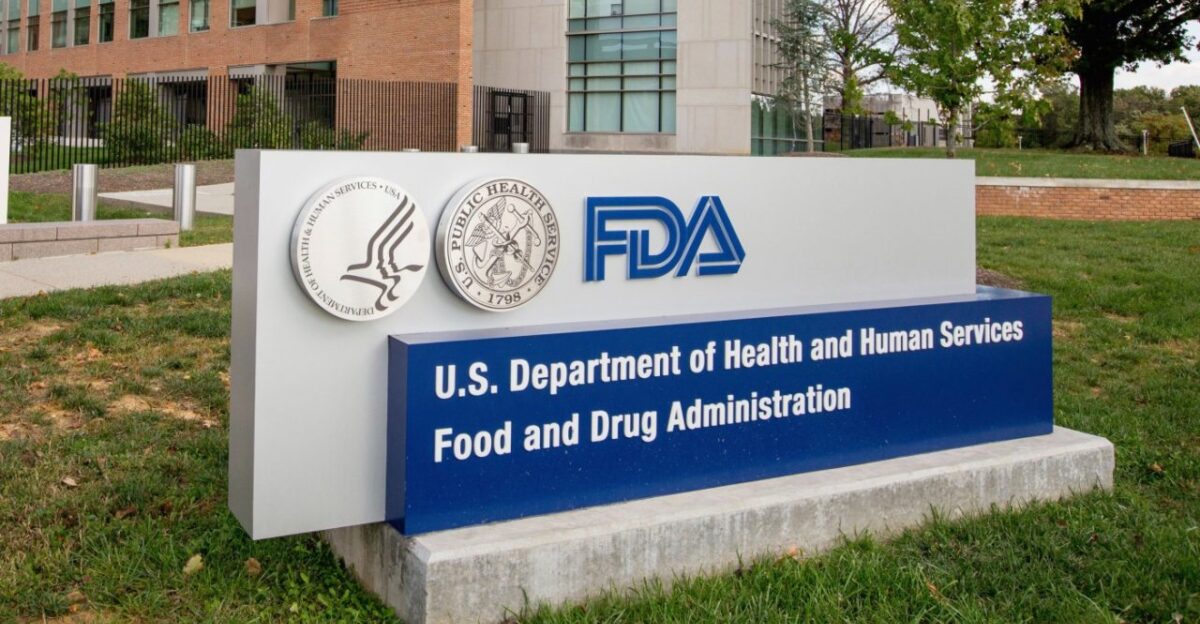
FDA food safety inspections are suspended for most facilities except high-risk sites.
Routine inspections of restaurants, food processing plants, and imports are delayed, potentially affecting food safety during the busy holiday season. State agencies are increasing inspections where possible.
Air Travel Delays Expected to Worsen

FAA air traffic controllers continue working without pay while training programs and equipment upgrades are suspended.
The agency furloughed 11,322 of its 44,829 employees, potentially leading to flight delays and reduced airport capacity nationwide. TSA agents continue security screening but work without pay.
National Weather Research Suspended
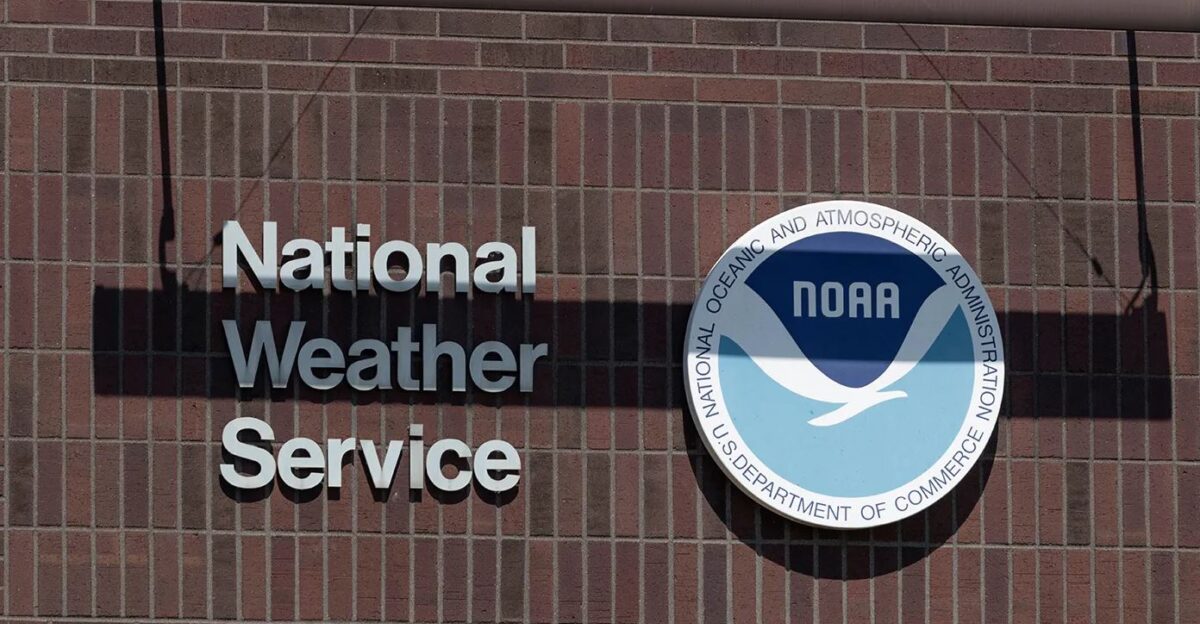
While National Weather Service forecasting continues uninterrupted as an essential service, NOAA research activities and climate monitoring programs are suspended.
Hurricane research flights and long-term climate data collection face interruptions during peak storm season.
Housing Assistance Applications Frozen

HUD processing of new housing vouchers and rental assistance applications is suspended.
Homeless services coordination and public housing maintenance face reduced federal support, affecting vulnerable populations in major cities. Existing voucher holders continue to receive assistance.
Veterans Protected While Others Affected

Veterans Affairs medical care and disability benefits continue operating with 97% of services maintained through advanced funding.
This protection highlights the disparity as other vulnerable populations lose access to federal health and social services during the shutdown.
IRS Services Continue Initially – Then May Face Cuts
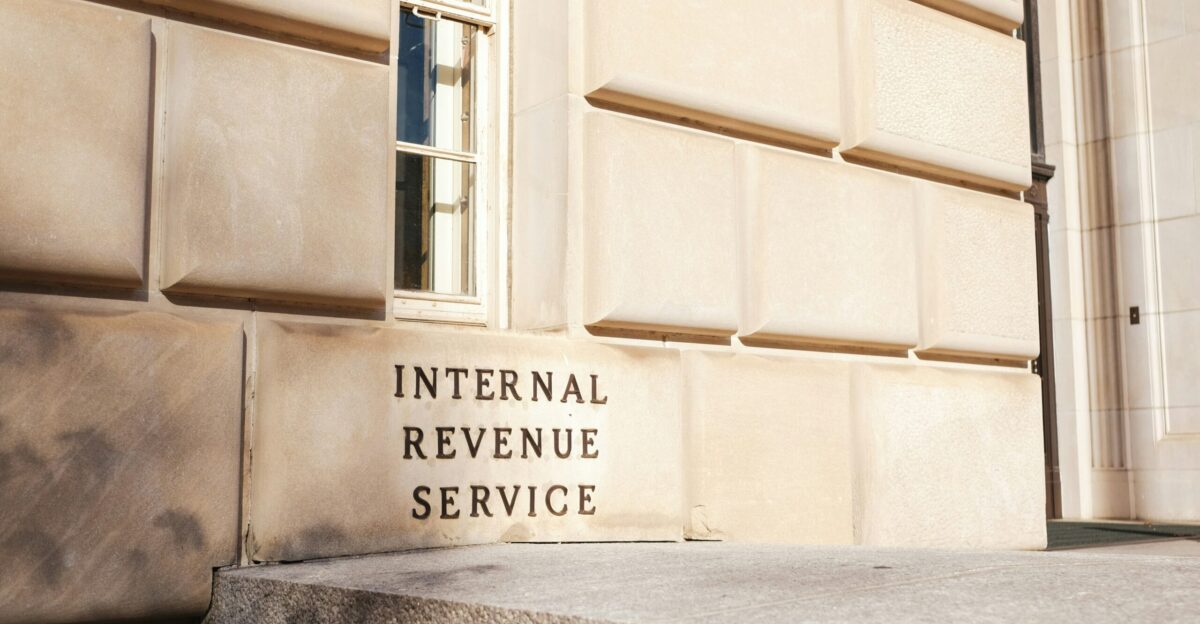
The IRS maintains full operations for the first five days using Inflation Reduction Act funding.
If the shutdown extends beyond October 7, tax refund processing and taxpayer services may face delays. The October 15 deadline for extended 2024 tax returns remains firm regardless of shutdown status.