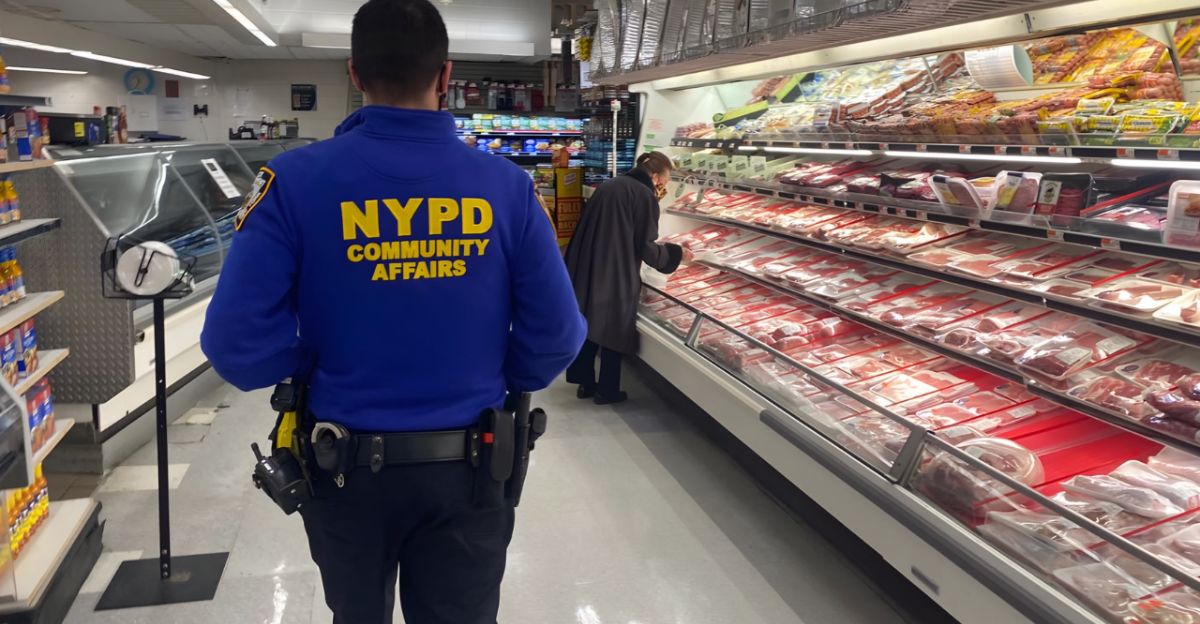
A woman in a Maine grocery store stares at her phone, her SNAP balance reading “$0.00.” Behind her, others check their own cards, confusion turning into anger. Videos from across the country show similar scenes: long lines, raised voices, and warnings to “stock up before Friday.”
In just days, 42 million Americans may lose their food benefits—an unprecedented moment for the nation’s hunger safety net.
Why SNAP Is Shutting Down
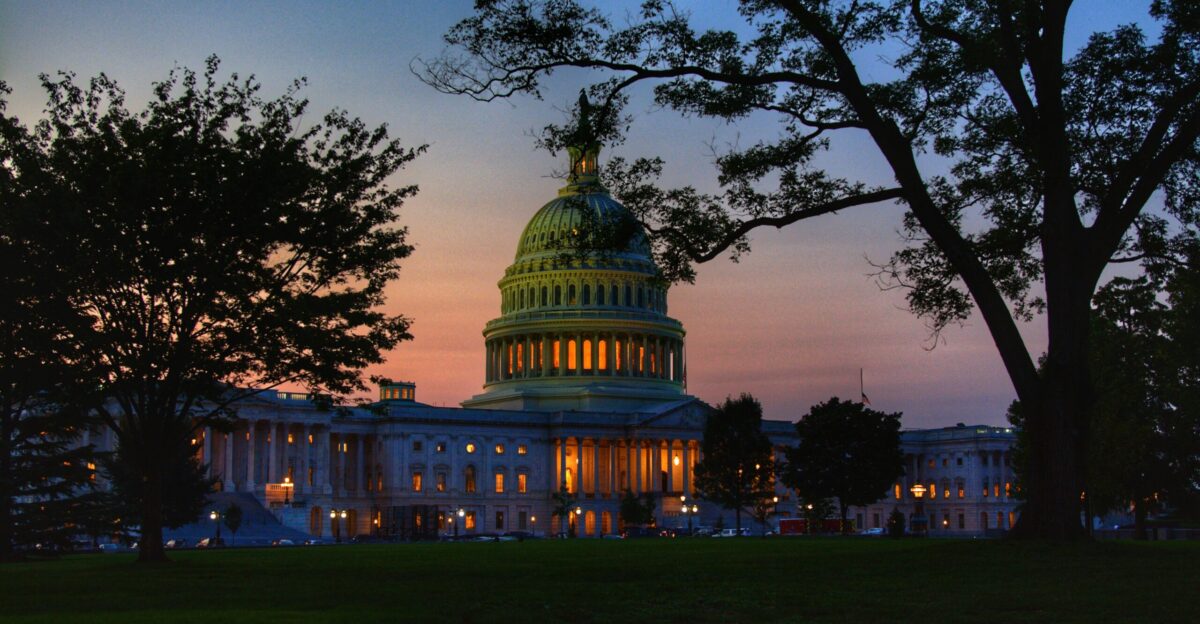
The crisis stems from a political standoff that’s frozen federal funding. By October 28, the Senate had rejected government funding bills 13 times, with both parties blaming each other.
The USDA says legal limits prevent it from using its $5–6 billion contingency fund, meaning November’s SNAP benefits can’t be issued. If no breakthrough comes, millions will face an immediate halt to their food aid.
Millions of Families at Risk

Across every state, 42 million Americans depend on SNAP to feed their families. Parents like Kasey McBlais in Maine describe choosing between paying rent or buying groceries.
With benefits paused, many households will fall into food insecurity overnight, straining already thin budgets. For some, this $350 monthly aid is the only barrier between survival and hunger.
Retailers Brace for Impact
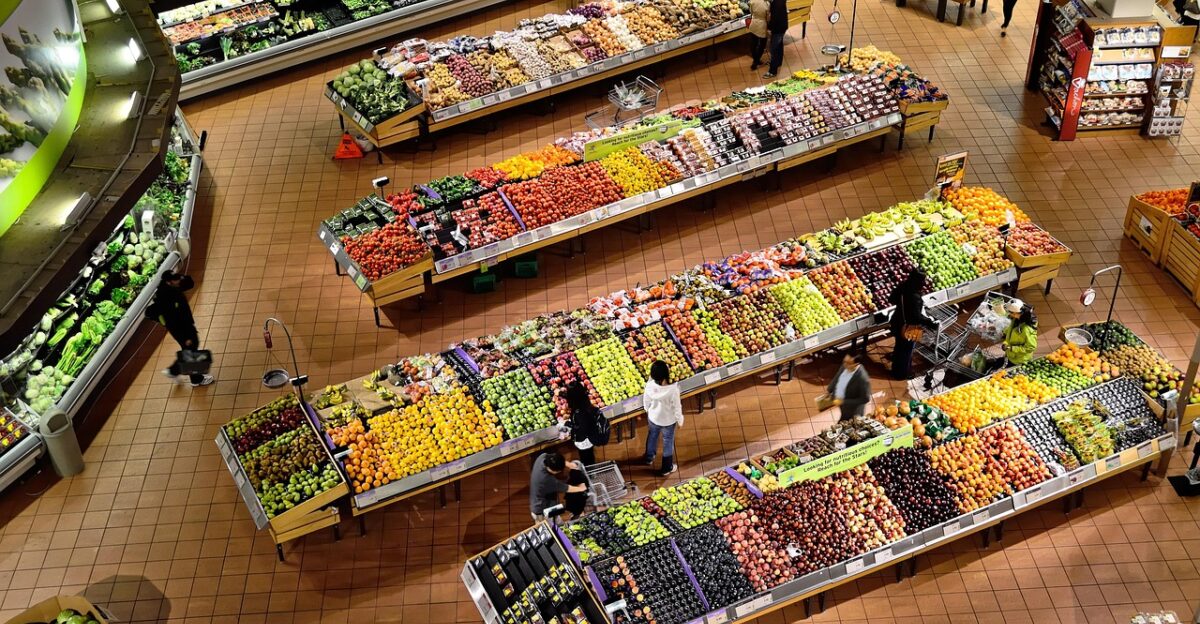
Supermarkets nationwide are ramping up security and preparing for shortages. SNAP recipients make up roughly 12% of all grocery sales—a vital share of the retail market.
Major chains like Walmart, which captures nearly a quarter of SNAP spending, stand to lose billions in sales if benefits vanish. Store managers report anxiety among customers and staff as November nears.
Food Banks Under Strain
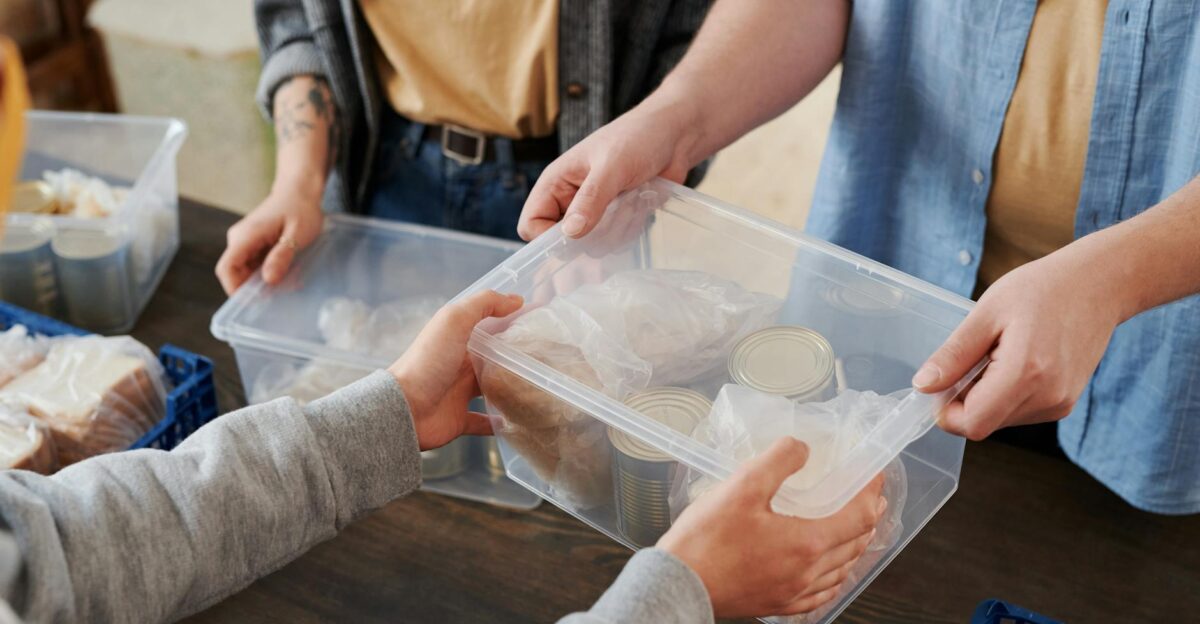
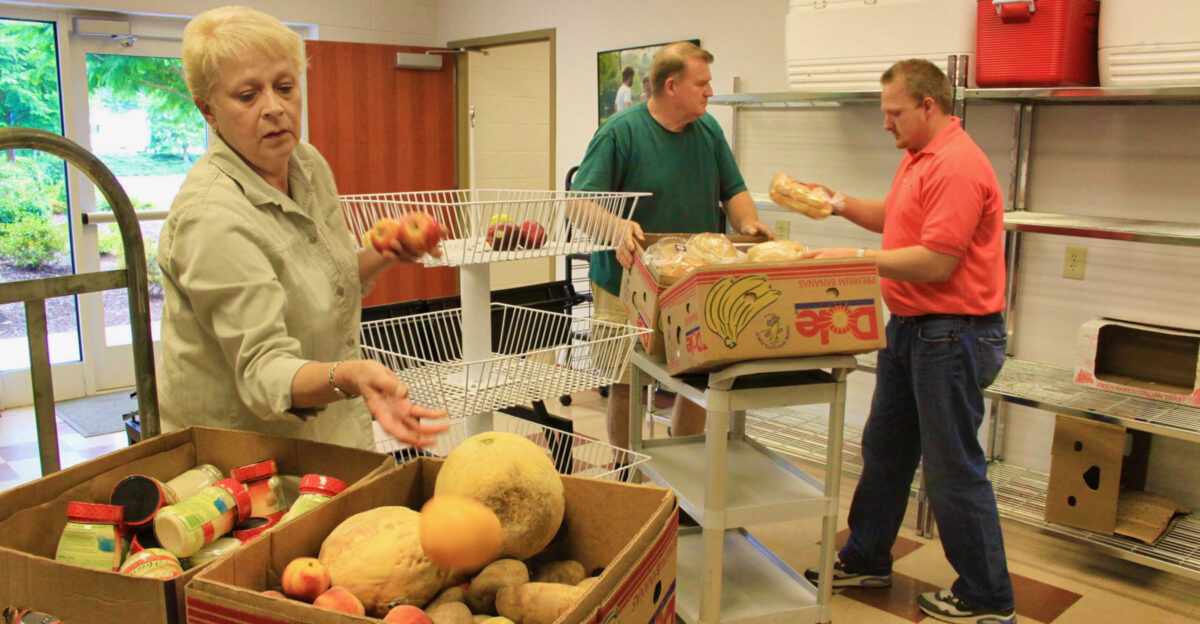
As SNAP runs dry, emergency pantries and local charities are seeing surges in demand. New York pledged $30 million in emergency food aid, while states like New Mexico, Virginia, and Louisiana have launched their own relief programs.
Still, food banks warn they can’t replace $8 billion in lost federal aid—and supplies are already running low.
The Economic Shockwave
Ending SNAP payments will pull about $8 billion per month from the U.S. economy. The USDA estimates every SNAP dollar generates $1.50–$1.80 in economic activity.
That means the ripple effect could reach $12–14 billion monthly. The losses will hit grocers, farms, and food manufacturers—echoing across local economies.
Rural America Feels It First
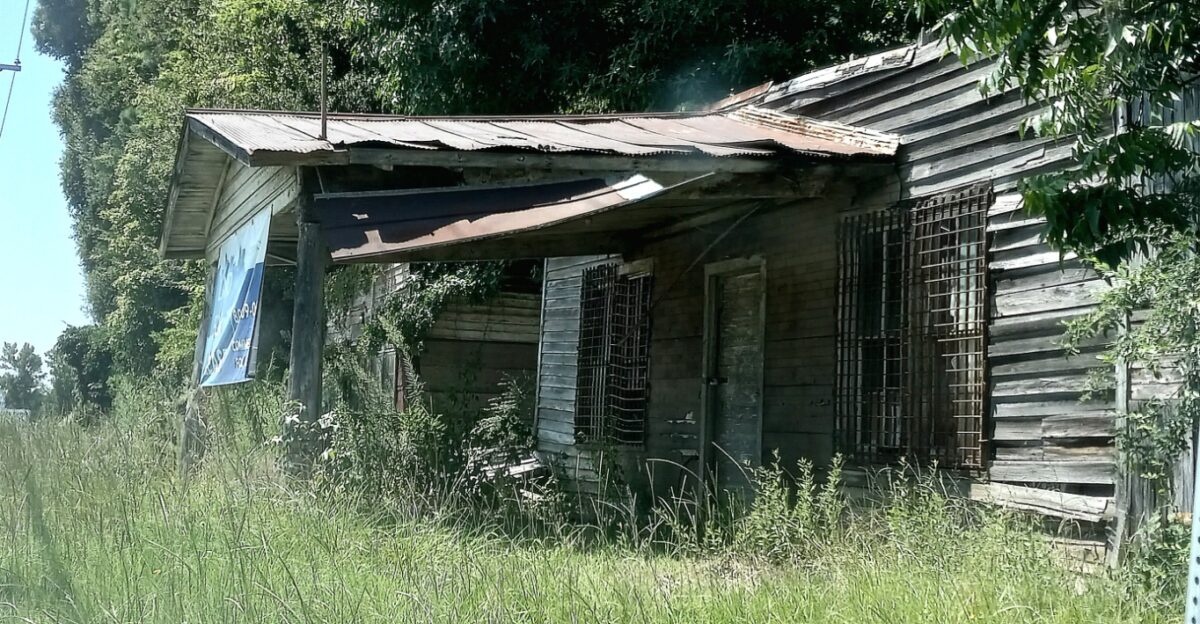
Small-town grocers and local stores—especially in rural areas—are facing immediate fallout. Many depend heavily on SNAP shoppers for survival.
Reduced sales could force layoffs or closures, leaving food deserts where families already struggle with access. Experts warn that even a short disruption may push fragile rural economies past their breaking point.
Courtrooms Become Battlefields
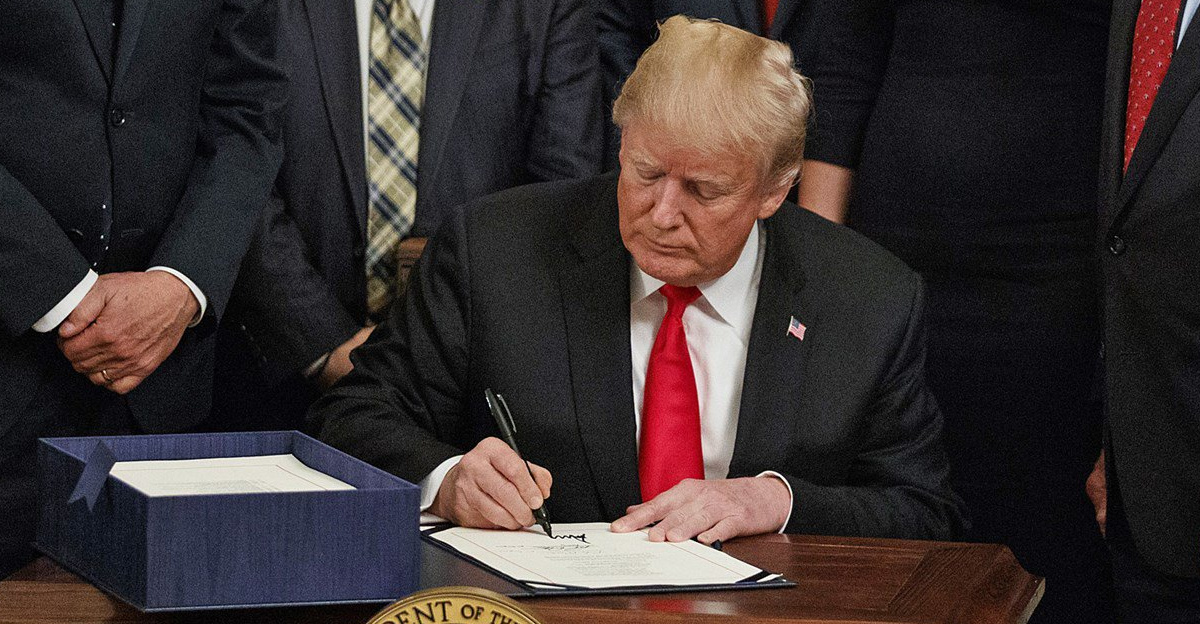
Twenty-five states and D.C. have filed lawsuits against the USDA, demanding it use contingency funds to maintain benefits. Attorneys general from New York to California argue that federal law allows emergency payments during a shutdown.
The Trump administration disagrees, claiming the law bars spending without a budget. The clash now heads to court as the November deadline looms.
Consumer Confidence on Edge
Losing $8 billion in monthly grocery spending could drag down sales and slow the broader economy. SNAP households typically spend 20% more on groceries than other consumers.
As benefits vanish, families will cut costs, delay purchases, or take on credit card debt—eroding consumer confidence just ahead of the holiday season.
How Retailers Are Adapting
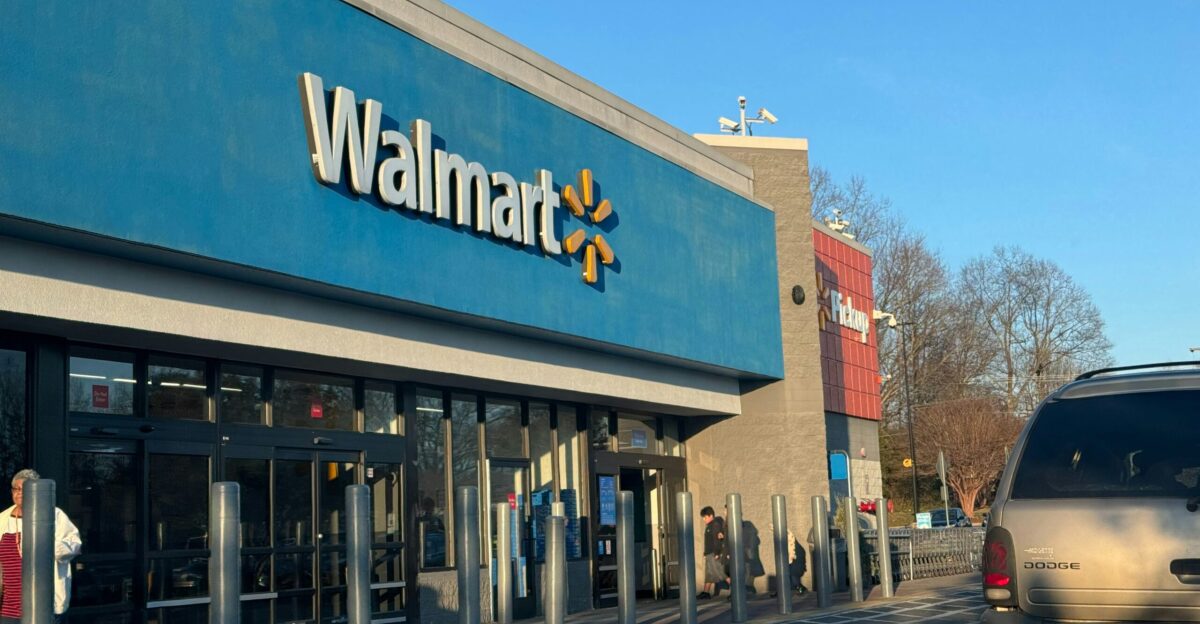
Walmart, Kroger, and other grocery giants are preparing for a potential SNAP freeze. Walmart, which accounts for 24% of SNAP shopping nationwide, now promotes online EBT payments and offers discounted memberships for low-income shoppers.
Executives are monitoring sales data hour by hour, bracing for a sudden shift in demand across low-income communities.
Shifting Spending Habits
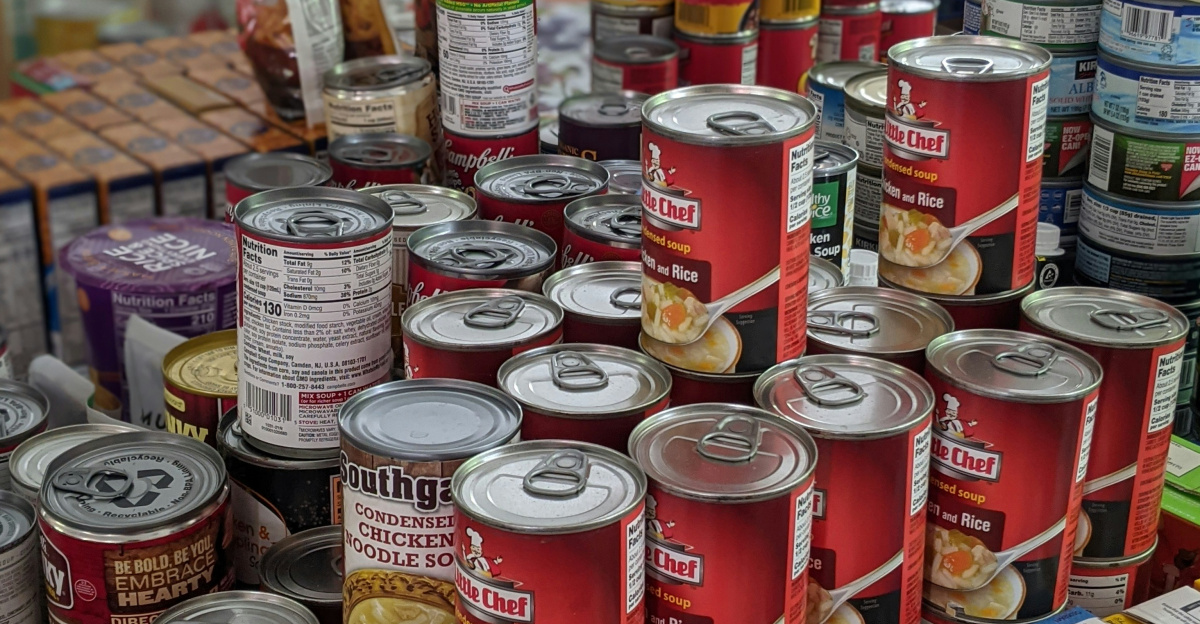
Without SNAP, millions will pivot to cheaper groceries and bulk items, cutting spending on clothing, electronics, and dining out. This ripple will hit multiple sectors—especially retailers that rely on low- to middle-income shoppers.
Analysts predict a rise in household debt and credit use as families stretch to fill the gap left by lost benefits.
Supply Chain Repercussions
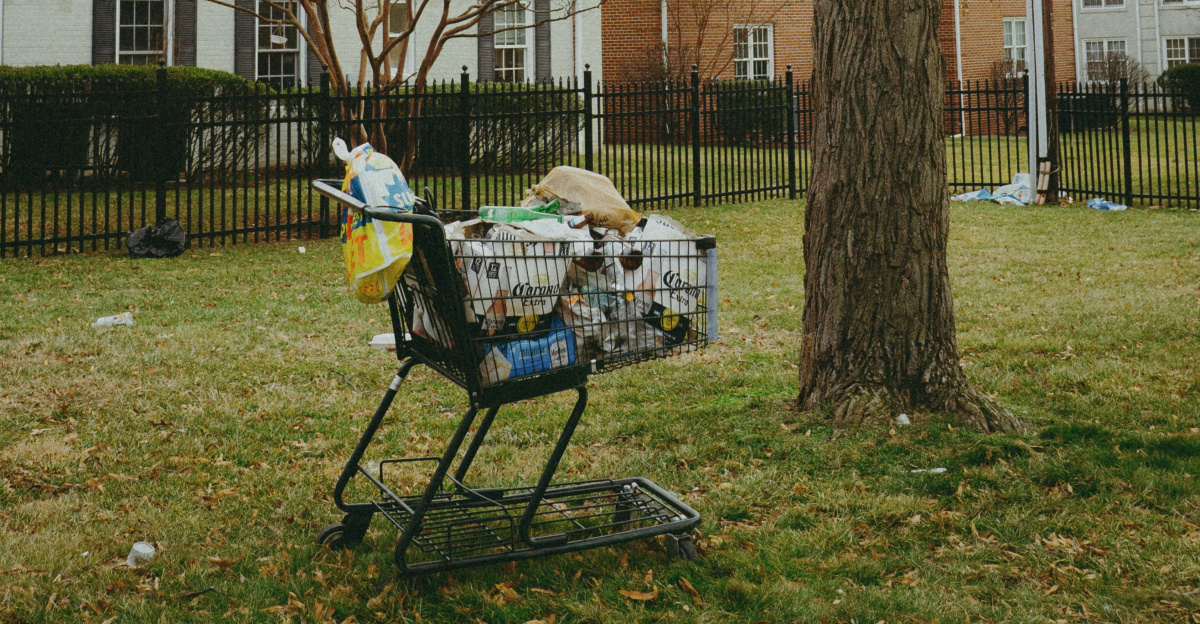
Grocers serving low-income neighborhoods could face a “demand shock”—fewer shoppers, smaller orders, and unpredictable restocking needs. Suppliers and distributors, from farmers to trucking companies, are watching orders dip.
Industry leaders warn that if the shutdown lingers, layoffs and inventory cuts could ripple through the food supply chain.
The Economic Multiplier
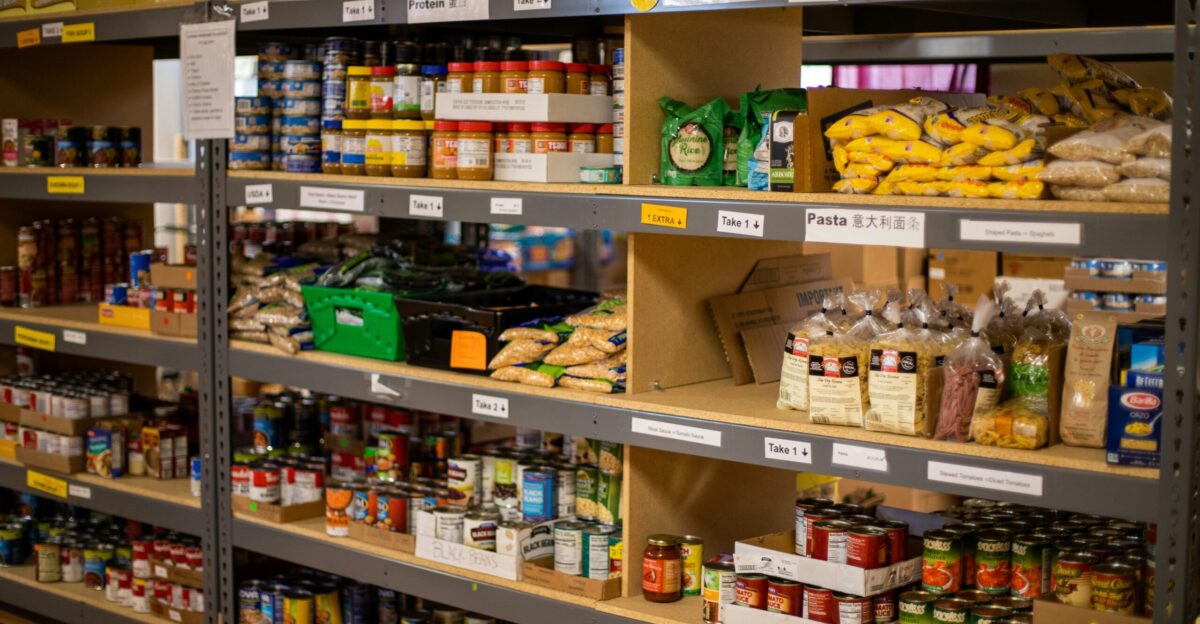
The USDA’s multiplier effect means the SNAP pause isn’t just a social issue—it’s an economic one. Every $1 of SNAP drives up to $1.80 in broader activity.
That means halting $8 billion in aid could strip $12–14 billion from the U.S. economy each month. For small towns and working-class cities, that’s the difference between survival and decline.
Health Impacts of Food Insecurity
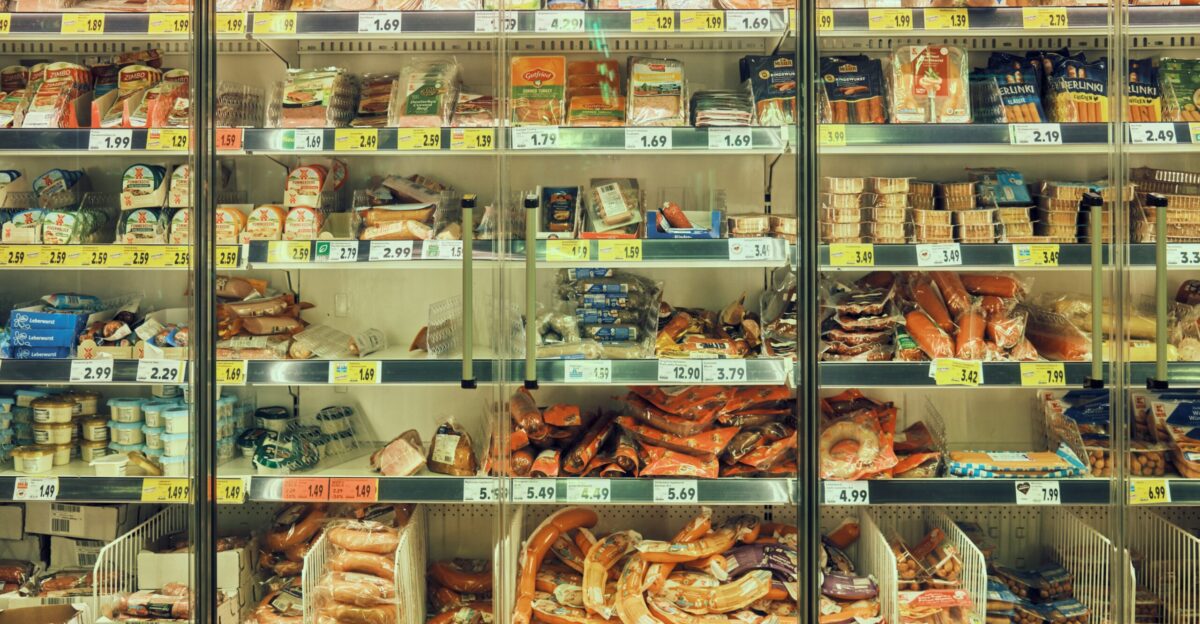
Nutrition experts warn the SNAP halt could push families toward cheap, processed foods, worsening health outcomes. Children may face fatigue, difficulty focusing, and emotional stress tied to hunger.
For adults, long-term food insecurity raises risks of chronic illnesses like diabetes and heart disease—turning an economic crisis into a public health emergency.
A Policy Debate with Human Stakes
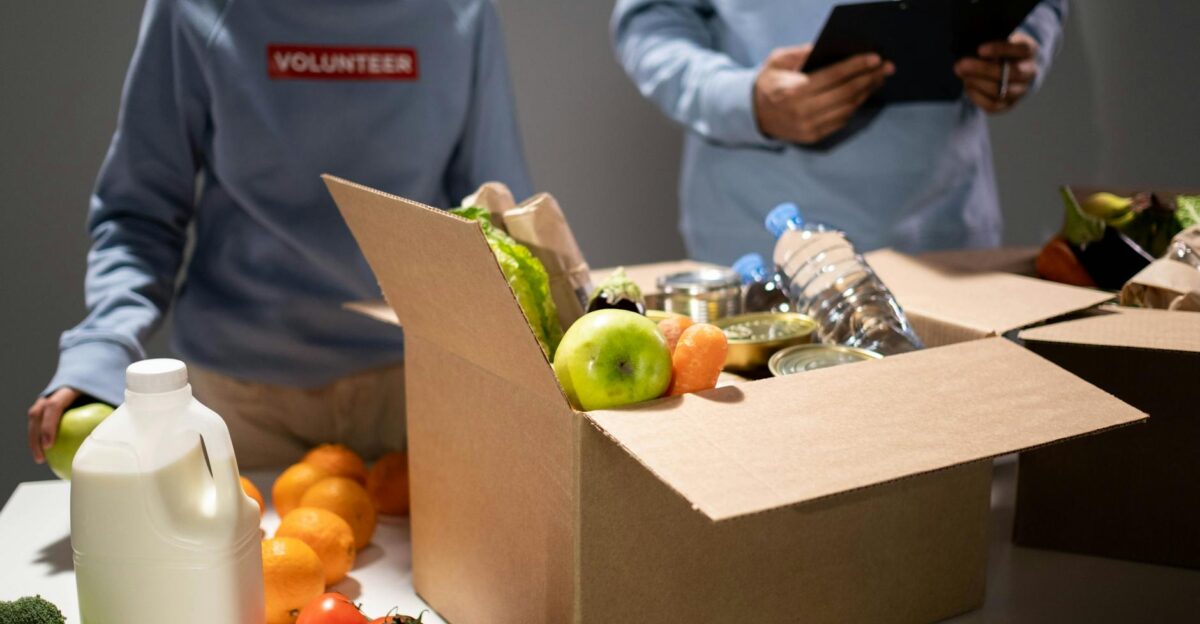
The SNAP shutdown reignites the debate over America’s social safety net. Democrats argue the USDA is legally obligated to use contingency funds; Republicans counter that spending without approval is illegal.
Both sides accuse the other of weaponizing hunger as leverage in the budget fight. Behind the politics are millions of families waiting for help that may not come.
Disproportionate Damage
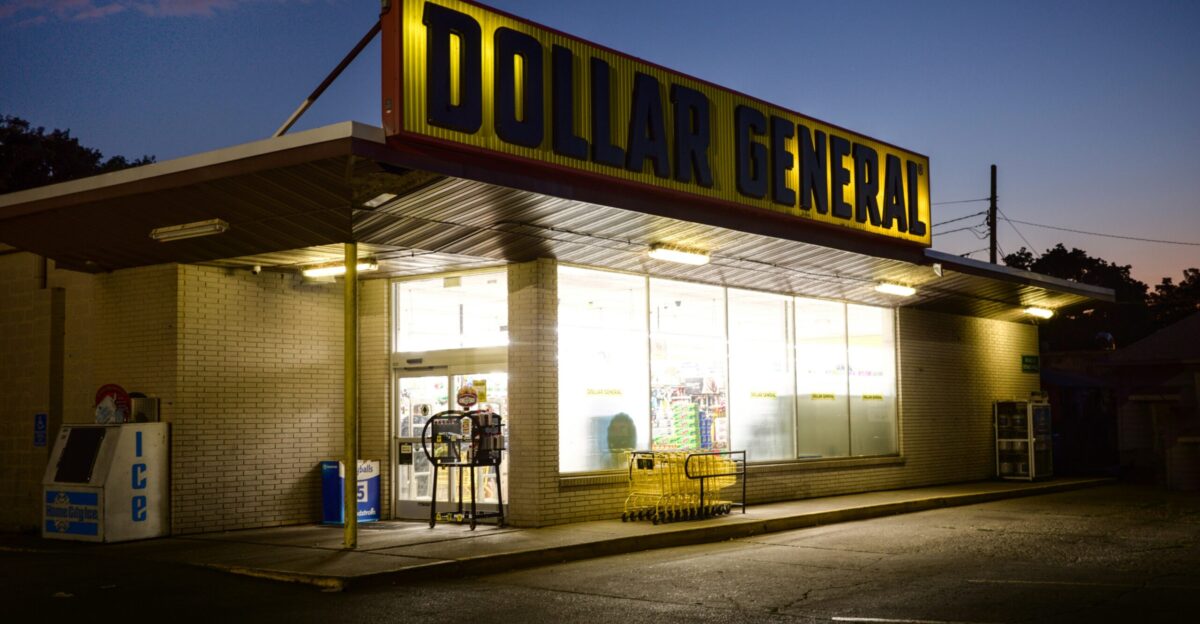
The burden won’t be shared equally. Rural areas and low-income neighborhoods—where SNAP spending is highest—will suffer most. Value retailers like Walmart and Dollar General face major losses, while food banks struggle to fill the $8 billion gap.
Without intervention, the disparity between America’s wealthy and working poor will deepen rapidly.
The Confidence Crisis
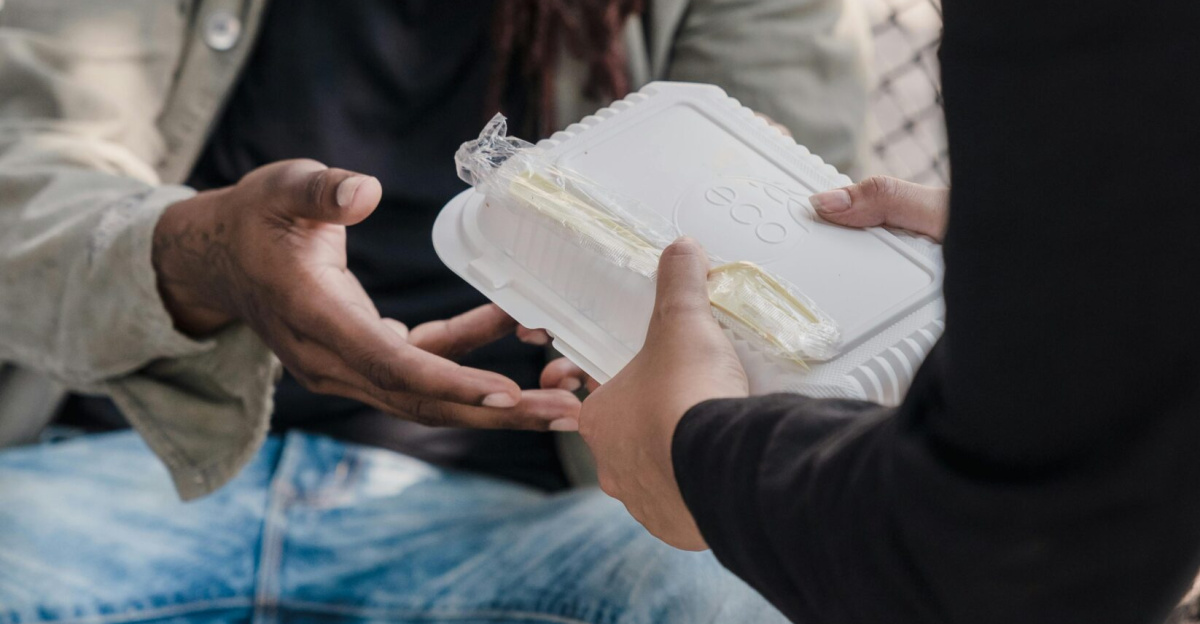
The uncertainty surrounding November benefits is shaking markets and small businesses alike. Analysts warn that even if SNAP payments resume, the “shock and rebound” pattern—sales drop, then surge—creates instability for stores and suppliers.
The longer the impasse lasts, the more hesitant investors and consumers become, eroding faith in economic stability.
Emergency Steps for Households
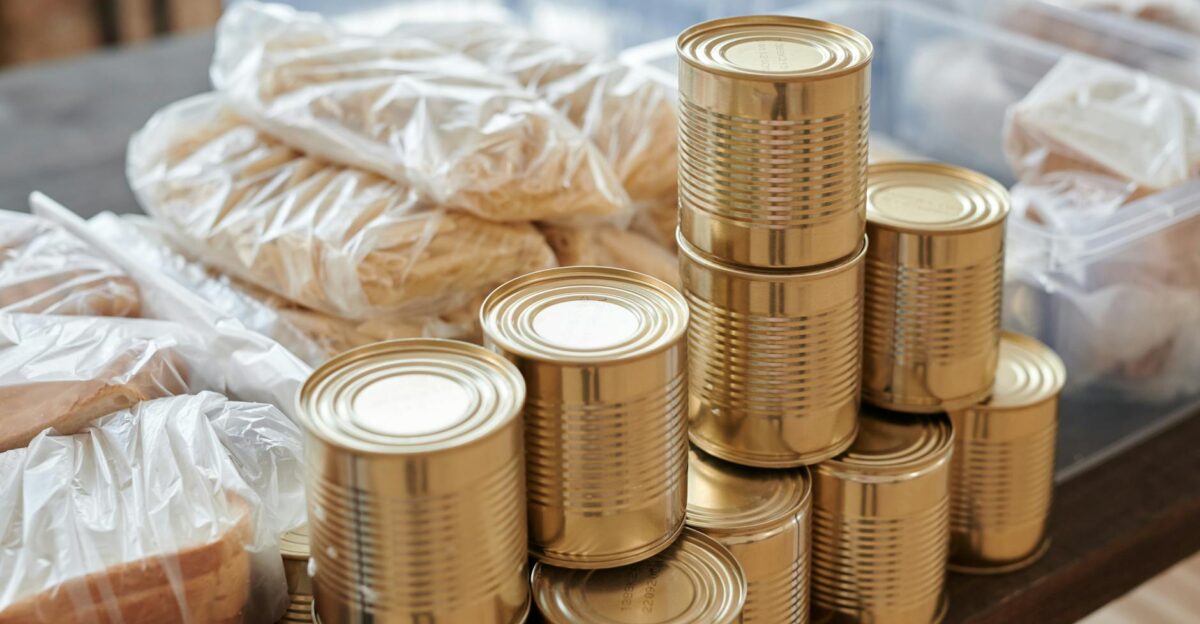
SNAP recipients are being urged to use remaining October funds immediately and contact local food banks for support. Several states, including New York, Virginia, and New Mexico, have launched temporary relief programs.
Officials advise families to check state websites and stay updated through text alerts and community centers. The key message: act now before the system pauses completely.
What Happens Next
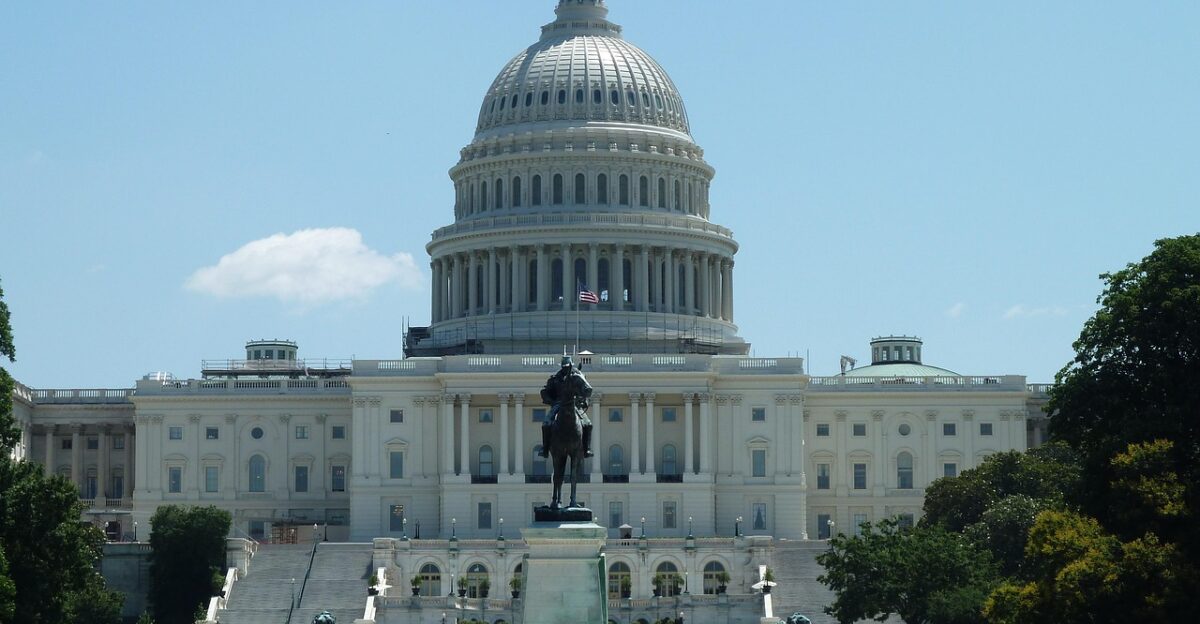
Congress faces mounting pressure to restore funding. The 25-state lawsuit challenging the USDA’s refusal to use contingency funds could yield an emergency court order—but time is running out.
Some states are exploring temporary aid from their own budgets, but experts warn these funds are short-term solutions. The real fix depends on breaking the political deadlock in Washington.
A Nation Tested
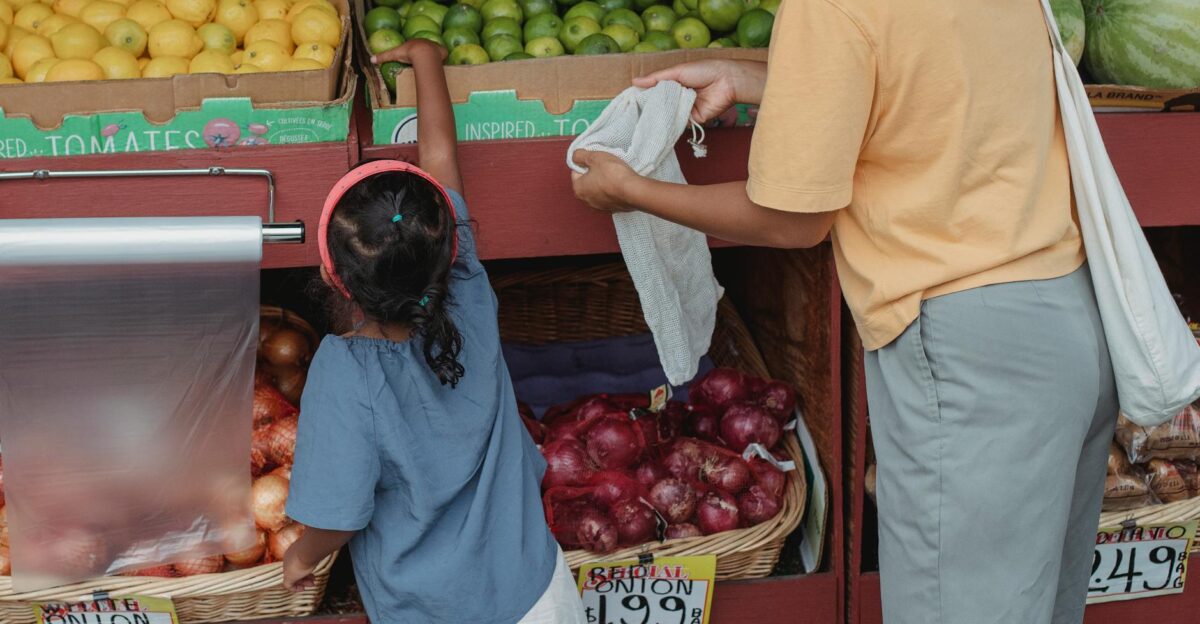
This isn’t just about food stamps—it’s about trust in the system. The SNAP shutdown marks the first lapse in the program’s 60-year history, affecting one in eight Americans.
From checkout counters to Capitol Hill, the tension is palpable. As families, retailers, and states brace for November 1, one question remains: will Washington act before hunger and hardship spread further?