
Google just crossed a privacy threshold that fundamentally transforms workplace surveillance. Starting November 2025, companies using Android RCS Archival can now monitor and permanently record every text message, edit, and deletion employees send on work-managed phones.
This marks the end of text messaging privacy in corporate environments—and most employees are unaware that it’s happening to them.
What Exactly Is Happening?
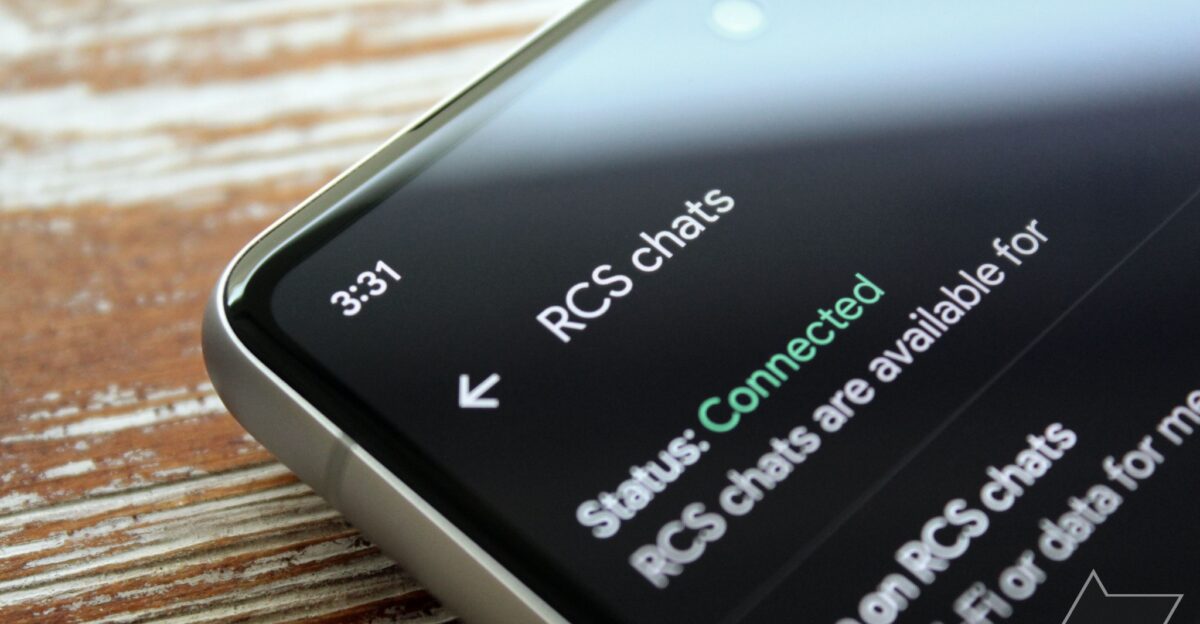
Google introduced Android RCS Archival, a compliance feature that allows employers to capture all Rich Communication Services (RCS), SMS, and MMS messages on fully managed work devices.
Third-party archival vendors, such as Smarsh, CellTrust, and 3rd Eye, can now integrate directly with Google Messages to intercept and store every communication. The system even captures deleted and edited messages, creating a complete communication timeline that employers can access indefinitely.
The Technical Architecture Behind the Monitoring
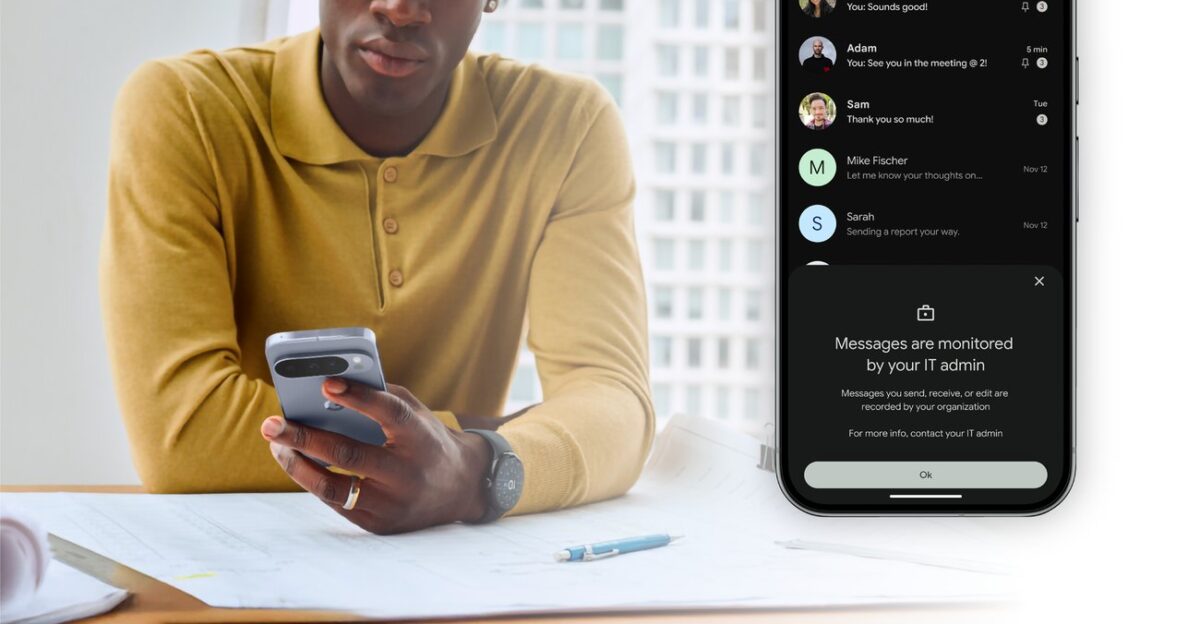
When IT administrators enable RCS Archival, they configure Google Messages to notify archival apps of every message event: sent, received, edited, or deleted.
The archival app runs as a foreground service on the phone, reads decrypted message data from the device’s Telephony provider, batches the information, and uploads it to employer servers. This occurs on-device after encryption is stripped, not during transmission, thereby bypassing the protective qualities of end-to-end encryption entirely.
Who Is Actually Affected?

Here’s the crucial detail mainstream coverage missed: this update only affects fully-managed company-owned devices.
If you use a personal Android phone with a work profile, your personal text messages remain completely inaccessible to employers. However, millions of employees worldwide use company-issued phones where this monitoring is already active or soon will be. If you’re unsure, check whether IT manages your entire device or just a work partition.
The Regulatory Justification
Financial regulators like the SEC and FINRA mandate that brokers archive all business communications for six years, with immediate accessibility required for the first two years. Healthcare organizations must comply with HIPAA’s communication requirements. Government agencies face FOIA obligations.
These legitimate compliance pressures drove Google’s development, as encrypted messaging platforms created regulatory gaps that carriers could no longer fill through traditional logging methods.
The Encryption Misconception
Many employees believe end-to-end encryption makes their messages private from employers—this is dangerously incorrect. Encryption protects messages during transmission between devices, but once a message arrives on a company-owned device, employers with administrative access can read decrypted content.
Google maintains transit encryption, meaning hackers cannot intercept messages mid-flight, but your employer can access everything on the device itself.
What Employers Can Now See

Under RCS Archival, employers can permanently record the complete text of every message, who sent and received it, timestamps, all attachments including photos and videos, edited message versions, and even deleted messages with timestamps showing when deletions occurred.
This creates an unfiltered documentary of employee communications that HR, legal, and IT departments can access. No private conversation is beyond reach on company-owned devices.
The “Shadow IT” Problem Driving This

For decades, regulators have worried that employees used WhatsApp, Signal, and personal phones to conduct business off the books, thereby avoiding compliance requirements. COVID-19 exacerbated this issue as remote workers blurred the boundaries between work and life.
The British government’s COVID inquiry revealed extensive use of private messaging for official communications. RCS Archival attempts to discourage shadow IT by making official channels both compliant and feature-rich; however, critics worry that it may backfire by pushing employees toward external, encrypted apps.
The Two-Phone Strategy Returns
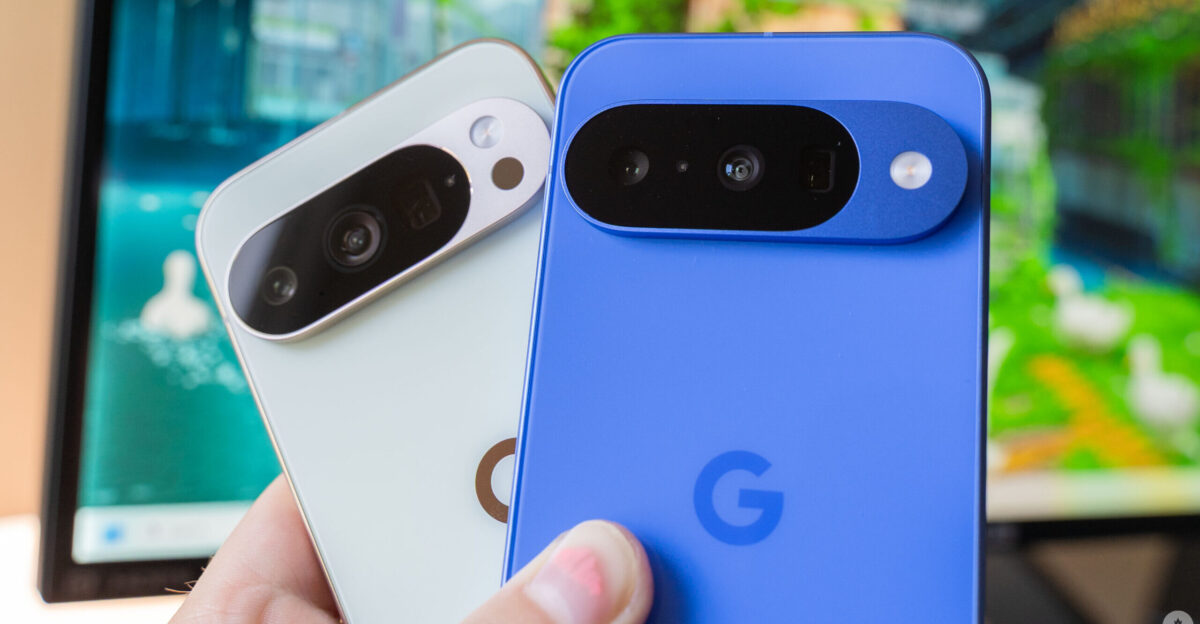
Privacy experts predict a resurgence of separating work and personal devices completely. Maintaining two phones—one company-owned for work and one personal for private communications—provides maximum privacy protection while meeting employer compliance requirements.
This approach is more expensive and requires careful management of contacts, but it creates a clear boundary between professional and personal spheres. Major financial institutions already encourage or mandate this separation for senior employees handling client communications.
The Underrated Privacy Solution

If purchasing two phones is impractical, Android’s Work Profile feature offers meaningful privacy on personally owned devices. When enabled, work profile data is stored in a separate, encrypted container that is completely inaccessible to employers outside the profile.
Your personal text messages, photos, and apps outside the work profile remain entirely private. IT administrators cannot archive messages outside the work profile, making this architecture remarkably protective despite living on a single device.
Notification and Transparency Requirements

Google requires that employees receive clear notifications whenever RCS Archival is active on their device. This notification system theoretically maintains ethical boundaries by preventing secret monitoring.
However, critics argue that notifications on company-issued devices create coercive consent, as employees effectively cannot opt out without risking their employment. The notification satisfies technical transparency requirements while raising fundamental questions about genuine employee choice and autonomy regarding surveillance.
How This Differs From Email Monitoring
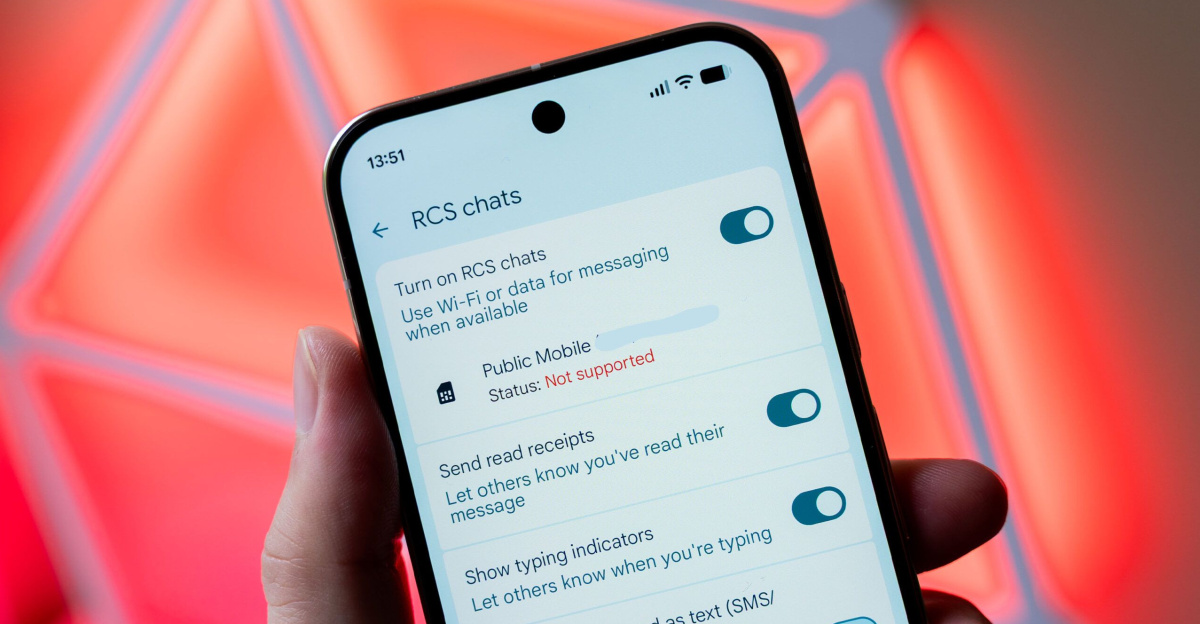
Corporate email monitoring has been standard for decades, with employees generally accepting that work email lacks privacy. However, text messaging historically carried different assumptions. People confided in text messages more freely than they did in emails, discussing personal health, family issues, and sensitive workplace concerns.
RCS Archival extends the email monitoring paradigm to this more intimate communication channel, fundamentally changing privacy expectations that employees relied upon for psychological separation from work.
Third-Party Archival Vendors
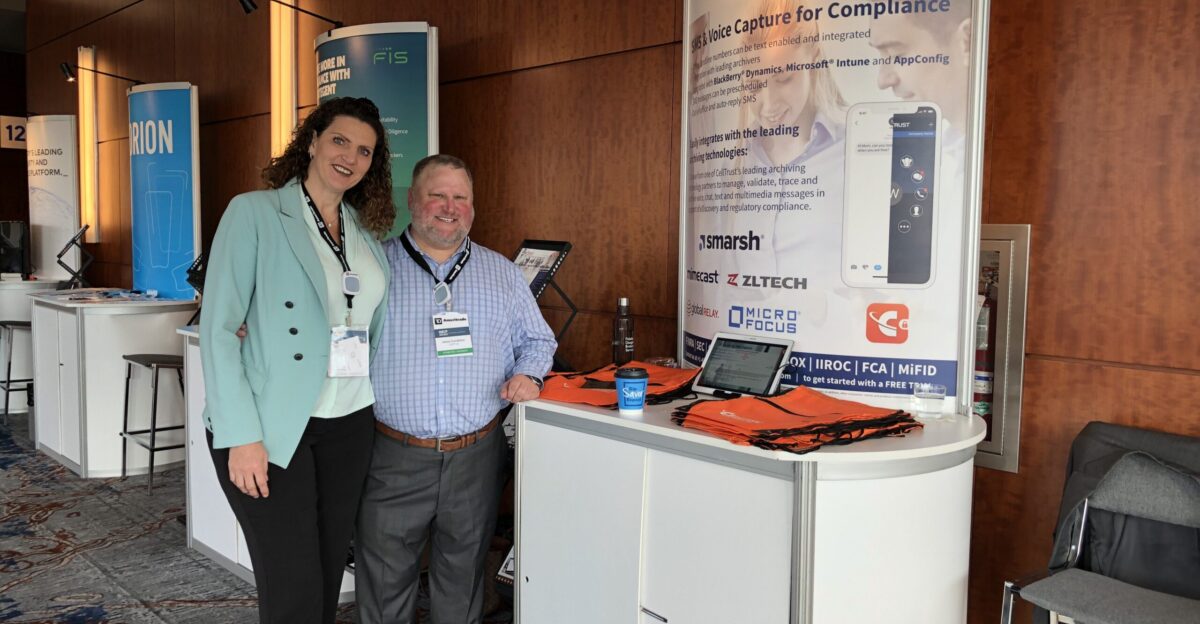
Google partnered with compliance vendors, including Celltrust, Smarsh, 3rd Eye, and others, to develop archival solutions. More vendors are expected to integrate in 2026. These companies specialize in regulatory compliance infrastructure for financial services, healthcare, and government sectors.
Organizations choose vendors based on existing compliance relationships and integration capabilities. The vendor ecosystem creates competitive incentives to improve archival capabilities rather than restrict them, potentially expanding what employers can monitor.
Industry-Specific Impact: Finance and Healthcare
Financial services firms face the strictest archival mandates and were first to implement RCS Archival aggressively. Broker-dealers, investment advisors, and insurance firms cannot operate without comprehensive communication records. Healthcare organizations that require secure messaging for clinical communication also benefit from archival compliance.
Government agencies managing sensitive information face FOIA obligations requiring systematic record-keeping. These sectors legitimately need archival capabilities; the challenge is preventing expansion beyond regulatory requirements into general surveillance.
International Variations and Data Residency

Different jurisdictions impose varying legal standards for employee privacy and data retention. European GDPR regulations potentially restrict how employers can archive and retain personal employee data, even on company devices.
Canada’s privacy jurisprudence, established through cases like R. v. Cole, recognizes that employees may retain some reasonable privacy expectations even on corporate hardware. Organizations operating internationally must navigate conflicting requirements while maintaining consistent compliance frameworks across regions.
The Deletion Paradox: Nothing Is Ever Really Gone
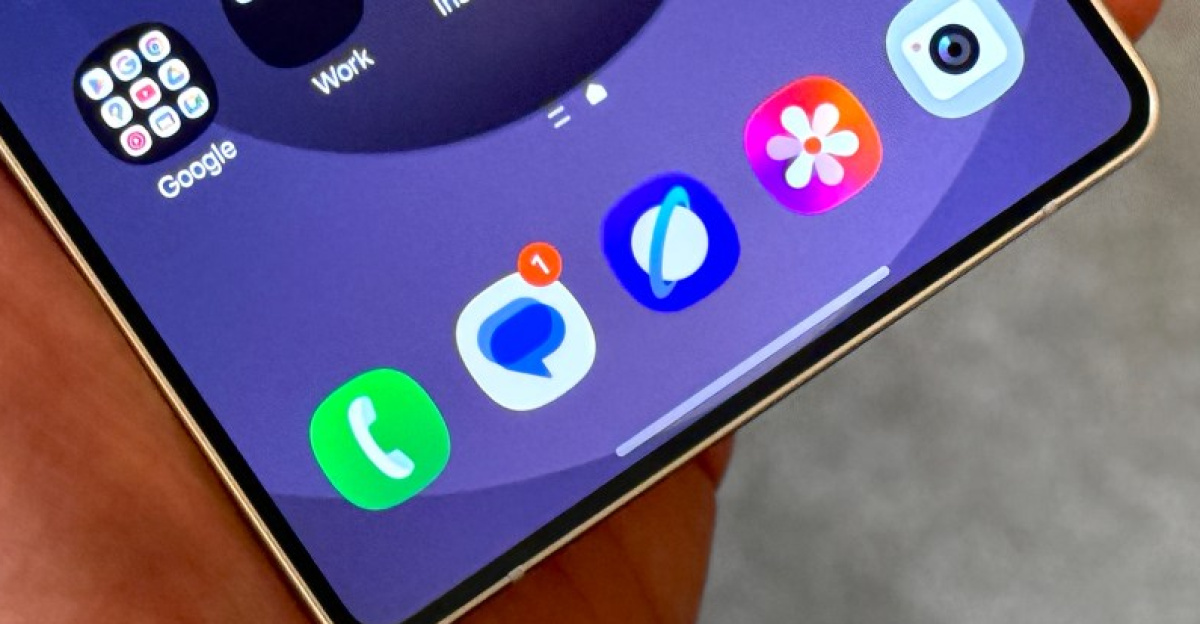
Perhaps the most invasive aspect of RCS Archival is its complete logging of deletions. When an employee deletes a message, they likely believe it’s gone. Instead, the archival system records that a message was deleted, when it was deleted, and maintains the original message content indefinitely.
This creates a detailed forensic record of not just what employees communicated but what they tried to erase. For employees concerned about privacy, this means deletion provides no protection—archived communications are permanent.
Implications for Workplace Investigations and HR Disputes

HR departments now possess archived text message history for employment investigations, performance management, and termination decisions. A poorly-worded private message about a manager or colleagues, a confession about personal struggles, or an inadvertent policy violation—all captured permanently.
This creates chilling effects on authentic workplace communication and self-disclosure. Employees may self-censor even legitimate workplace grievances, fearing how words might be interpreted during future conflicts.
Privacy Law Gaps and Regulatory Blind Spots

Many jurisdictions lack clear legal frameworks addressing corporate text message archival on company devices. Laws developed when email was the primary business communication channel and may not explicitly cover RCS, SMS, and MMS.
This regulatory ambiguity leaves employees vulnerable, as employers can implement broad archival policies without clear legal constraints. Some jurisdictions require employee consent or notice; others permit broad monitoring with minimal disclosure.
Recommendations for Maximum Privacy Protection
If using a company-owned device, treat every text message as if your employer will read it—because they can. Keep personal communications entirely off work phones. If possible, maintain a separate personal device for private messages and conversations. Review your company’s monitoring policy carefully.
Use company-provided video conferencing or collaboration tools for sensitive discussions to ensure confidentiality. Consider whether critical conversations should occur over the phone rather than via text.
The Future of Workplace Communication
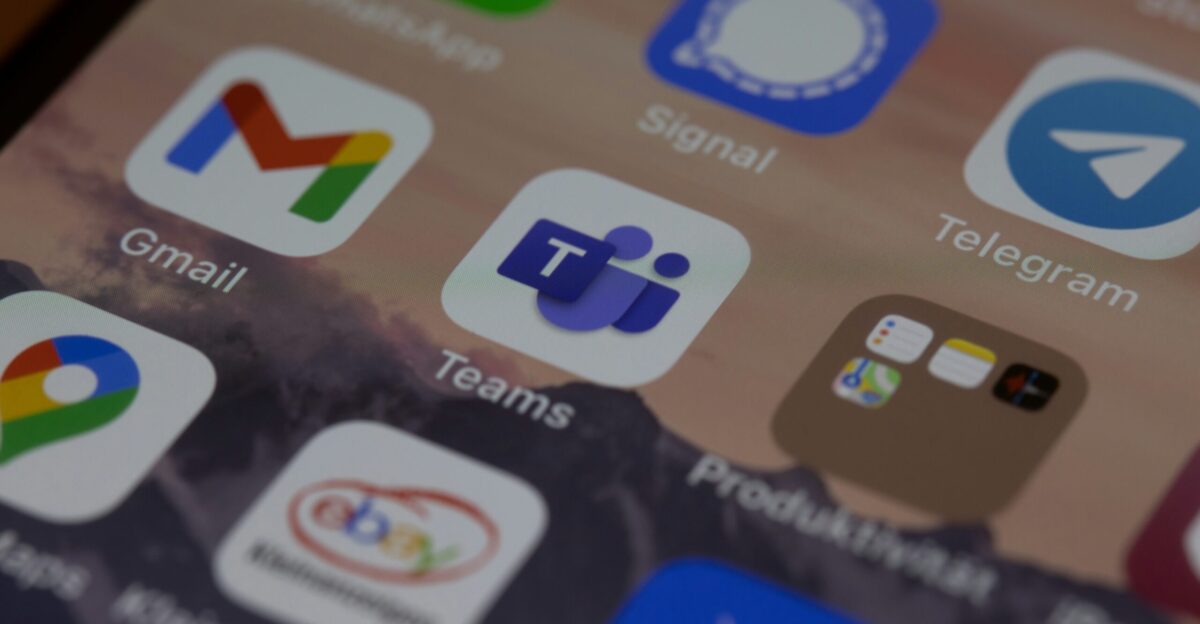
RCS Archival represents the future state of corporate monitoring: comprehensive, permanent, and compliant with legal requirements in most contexts. Expect similar archival capabilities to expand to messaging platforms like Microsoft Teams, Slack, and potentially WhatsApp on managed devices.
The boundary between work and personal life continues to erode in terms of privacy. However, employees retain agency through device separation, work profiles, and informed communication practices.
Sources:
Google Android Enterprise Blog, “Android RCS message archival is coming to Pixel” (November 2025)
Android Developer Documentation, “RCS Google Messages archival | Android Enterprise” (July 2025)
Forbes, “Google Starts Sharing All Your Text Messages With Your Employer” (November 30, 2025)