The Golden Globes are expanding their influence by introducing a Best Podcast category at their 83rd ceremony on January 11, 2026, in Beverly Hills. This move marks the first time a major Hollywood awards show formally recognizes podcasting, a medium that has grown into a multibillion-dollar industry with audiences rivaling traditional television. The decision to include podcasts reflects the medium’s rising cultural and political significance but has also ignited debate over which voices are elevated and which are excluded.
Podcasting’s Rise as a Cultural Powerhouse
Podcasting’s rapid growth has transformed it into a powerful platform shaping public discourse. Major streaming services like Spotify, Apple Podcasts, and YouTube regularly publish charts that influence advertising and guest appearances. The Golden Globes’ entry into this space signals an effort to legitimize podcasting within the entertainment industry, potentially shaping which formats gain prestige and which remain marginalized.
The New Category: Qualifications and Nominees
The new Best Podcast category aims to honor “new forms of storytelling,” according to Golden Globes President Helen Hoehne. The category’s launch follows recognition by niche awards such as the Webbys and Ambies but represents a significant step for podcasting’s mainstream acceptance. To qualify, podcasts had to release at least six original episodes of 30 minutes or more between January 1 and September 30, 2025. From an initial list of 25 eligible shows, six finalists were announced in December 2025.
The Rogan Exclusion and Political Podcast Snubs
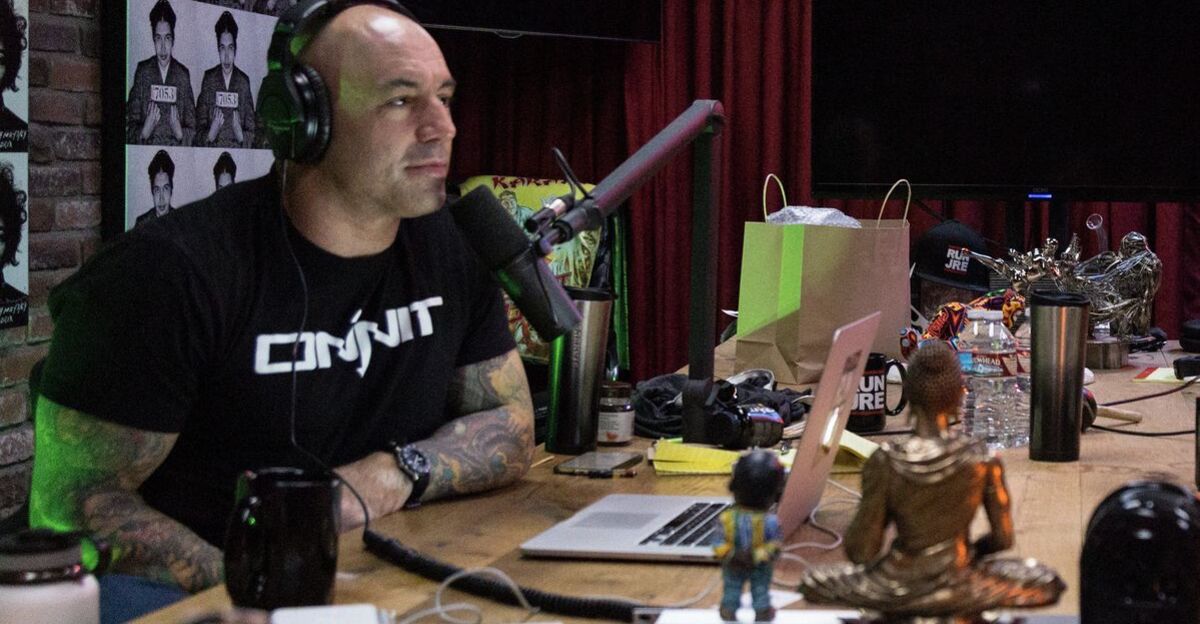
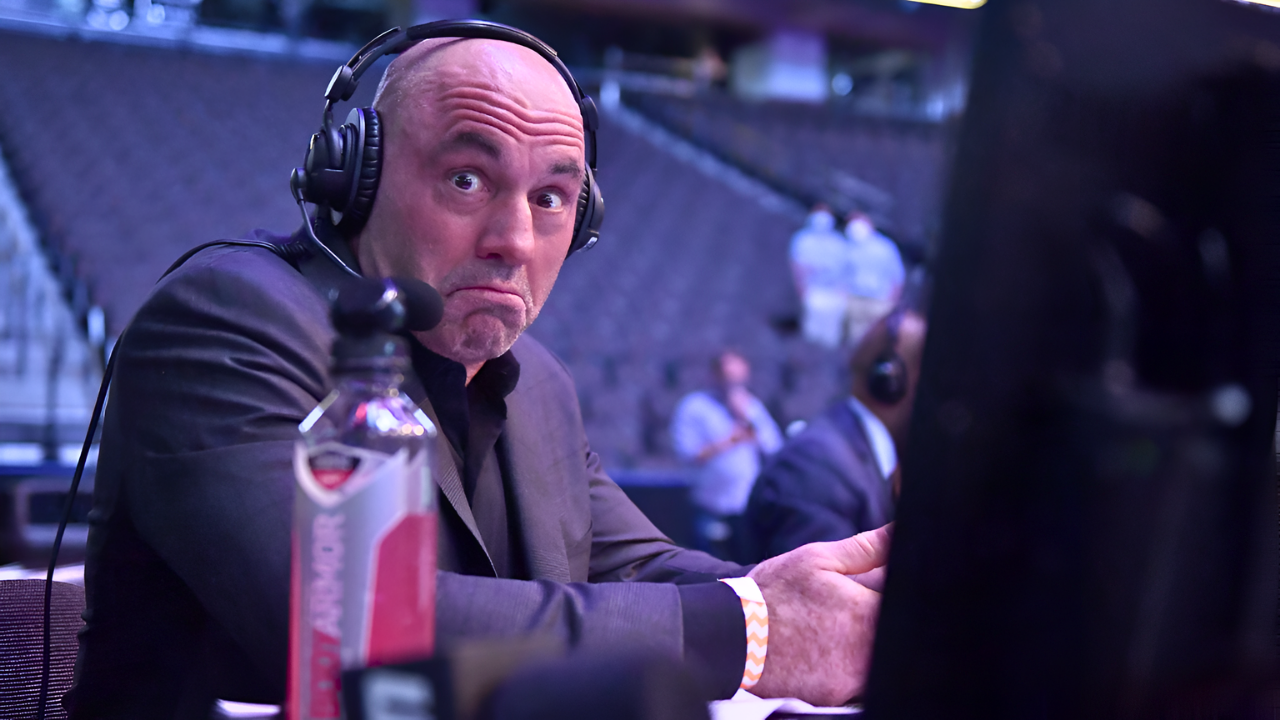
Notably absent from the nominations was “The Joe Rogan Experience,” the world’s top podcast on Spotify for six consecutive years and a dominant presence on Apple Podcasts and YouTube. Despite its massive audience and eligibility, Rogan’s show was excluded, sparking speculation about a deliberate snub. The six nominees instead included “Armchair Expert with Dax Shepard,” “Call Her Daddy,” “Good Hang with Amy Poehler,” “The Mel Robbins Podcast,” “SmartLess,” and NPR’s “Up First.” These selections largely avoid overtly political content, focusing instead on celebrity interviews, lifestyle, comedy, and daily news.
The omission of Rogan and other politically charged podcasts has drawn attention. Conservative-leaning shows like “The Megyn Kelly Show,” “The Tucker Carlson Show,” “The Ben Shapiro Show,” and Candace Owens’ “Candace” were all passed over, as was the left-leaning “Pod Save America” and even the widely respected “The Daily” from The New York Times. NPR’s “Up First” was the sole news-focused podcast nominated. Critics have pointed to this as a clear effort to sidestep controversy, reflecting a cautious approach by the Globes after years of scrutiny over their own governance and reputation.
Joe Rogan’s podcast is known for its long-form interviews with a wide range of guests, including politicians, scientists, entertainers, and controversial figures. While his show attracts huge audiences, it has also been criticized for spreading misinformation, particularly around COVID-19, and for amplifying far-right and conspiratorial voices. Supporters praise its commitment to free speech and open dialogue. This polarizing profile likely contributed to the Globes’ decision to exclude him, as the organization appears to be managing reputational risk by favoring less divisive nominees.
Cultural Gatekeeping and the Question of “Best”
The Golden Globes’ selection process, managed with data from entertainment analytics firm Luminate, has faced questions about transparency and criteria. The absence of genre subcategories and the visible role of popularity metrics have fueled debate about how nominees were chosen. Some podcast hosts, like Ben Shapiro, mounted aggressive campaigns for nomination, including high-profile publicity efforts, but still failed to secure a spot among the finalists.
Reactions within the podcast community have been mixed but relatively muted. Some observers see the Globes’ approach as a filtering mechanism prioritizing audience safety and advertiser-friendly content over raw popularity or political relevance. This raises broader questions about how “best” is defined in podcasting—whether by audience size, storytelling quality, production values, or social impact.
The Globes’ choices also highlight concerns about cultural gatekeeping. Excluding the world’s largest and most influential podcasts, especially those with political or controversial content, suggests an attempt to sanitize the field for mainstream acceptance. Critics argue this risks alienating younger audiences who increasingly consume news and culture through podcasts and YouTube rather than traditional media. For these listeners, figures like Rogan may hold more sway than established broadcast personalities or Hollywood stars.
Internationally, the Golden Globes’ new podcast category is likely to influence how global networks, advertisers, and cultural institutions view the medium. The recognition of NPR’s “Up First” and celebrity-driven shows may encourage investment in similar formats worldwide. However, the sidelining of high-profile hosts with massive reach signals that global popularity alone may not guarantee institutional validation.
Legacy Institutions Navigate New Media’s Contentious Landscape
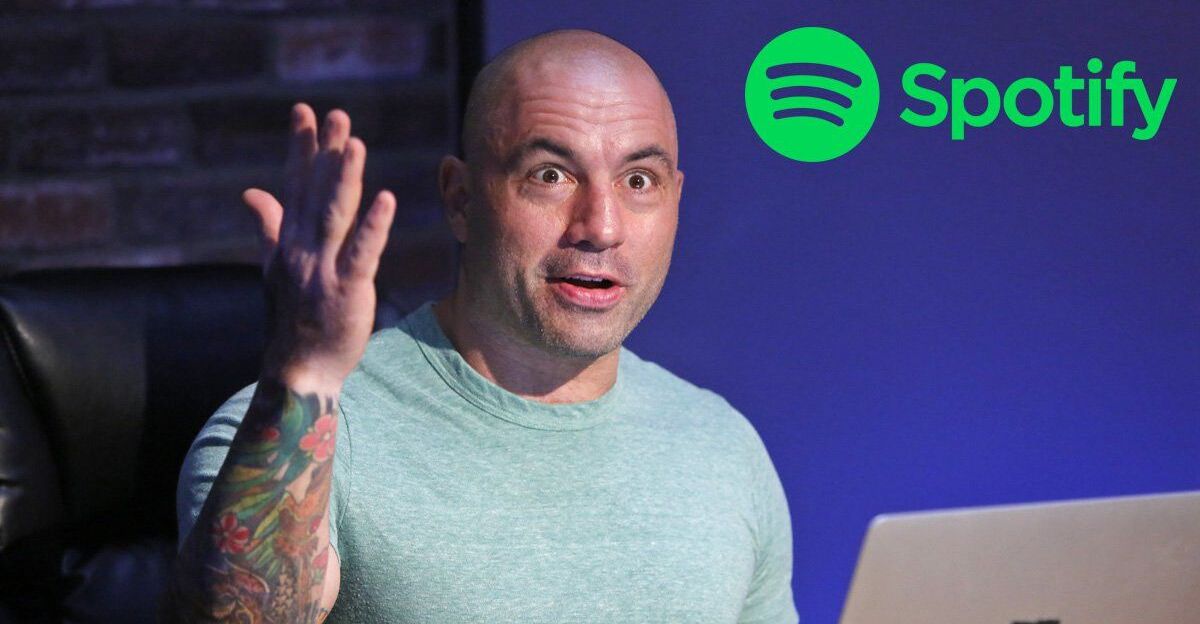
This development sits at the crossroads of awards politics, platform responsibility, and free expression debates. Spotify’s previous internal reviews and content advisories related to Rogan’s show underscore the tensions between hosting controversial content and managing corporate reputation. Now, the Golden Globes’ exclusion of such figures signals that audience size does not outweigh concerns about reputational risk when honoring excellence.
The introduction of the Best Podcast category reveals how legacy institutions are navigating the integration of new media forms. By honoring less polarizing voices, the Globes are testing whether podcasting can fit within traditional awards frameworks without importing their most contentious elements. Future ceremonies will show whether this cautious embrace expands to include more diverse and provocative voices or remains a guarded endorsement of safer, mainstream-friendly content.
Sources:
ABC News/Associated Press December 2025 reporting on Golden Globes podcast nominations
Golden Globes official announcement of 25 eligible podcasts October 2025
Spotify statements and industry coverage on Joe Rogan Experience rankings 2020-2025
BBC profile coverage of Joe Rogan and podcast controversies
New York Times and Forbes industry analysis of podcast rankings and Rogan’s dominance
Industry reports on Golden Globes podcast category launch May 2024
Trade publications coverage of Ben Shapiro Golden Globes campaign November 2025