The Golden Globes are entering the world of podcasting at a time when the medium has captured the attention of hundreds of millions of global listeners.
The introduction of the Best Podcast category at the 83rd Golden Globes, scheduled for January 11, 2026, in Beverly Hills, positions the prestigious awards to exert new influence over the rapidly growing yet fragmented podcasting landscape.
As a result, the selection of which voices rise to prominence—and which are overlooked—has sparked considerable debate.
The Power Of Podcasts

Podcasting has grown into a multibillion‑dollar industry, with top shows rivaling television audiences and shaping political and cultural debates.
Platforms like Spotify, Apple, and YouTube now publish weekly charts that heavily influence advertising and guest bookings.
When a major legacy award, such as the Golden Globes, weighs in, it can legitimize certain formats and marginalize others, raising the stakes for creators.
Globes’ New Category
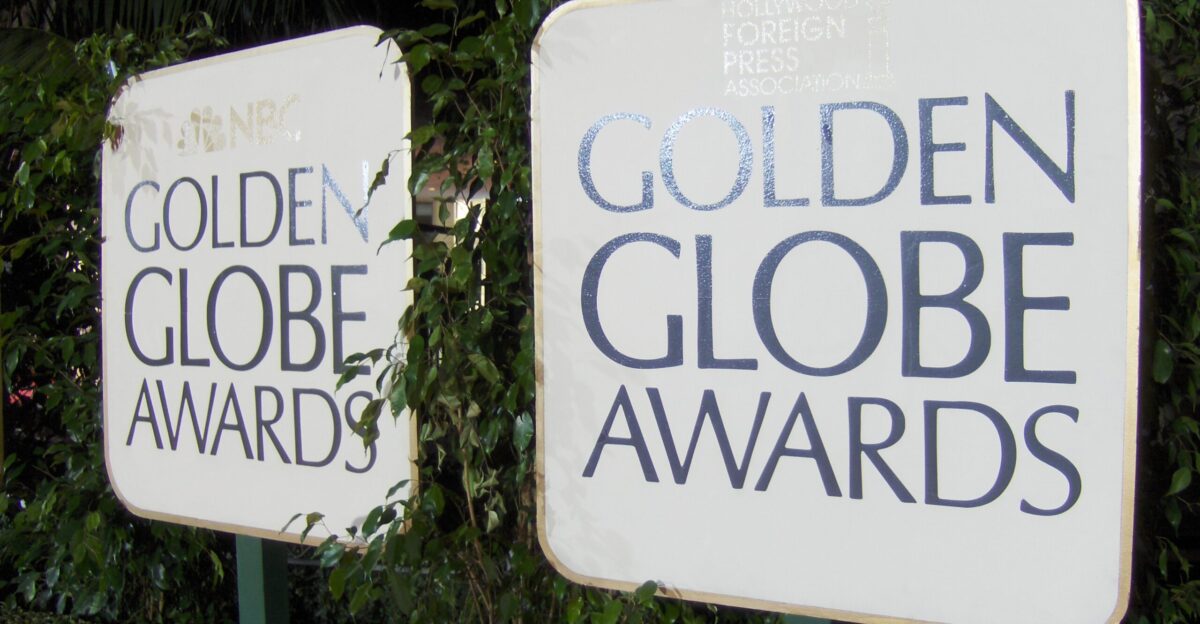
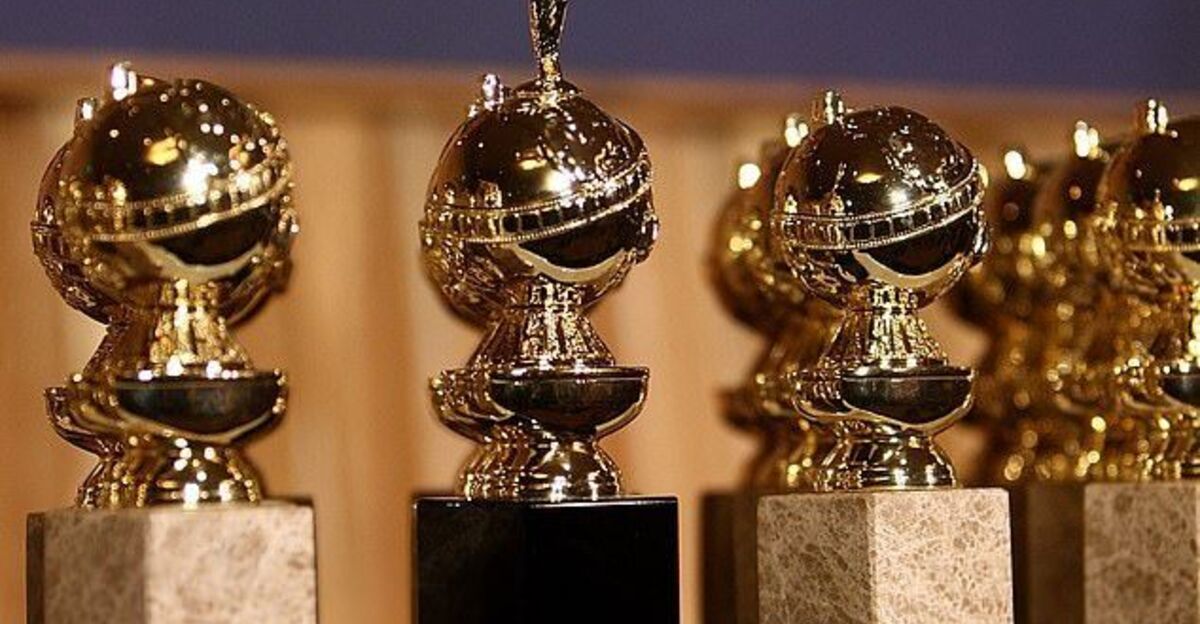
For the 83rd Golden Globes, the organization introduced an inaugural Best Podcast award to be presented on January 11, 2026, at its Beverly Hills ceremony.
The category is described as recognizing “new forms of storytelling,” according to Helen Hoehne, President of the Golden Globes, when the category launched in May 2024.
It follows earlier recognition by niche awards like the Webbys and Ambies, but marks the first time a top-tier Hollywood awards show has embraced podcasts.
How Contenders Were Chosen
Ahead of nominations, the Globes unveiled a list of 25 eligible podcasts for Best Podcast. Eligible shows had to release at least six original episodes between January 1 and September 30, 2025, each at least 30 minutes long.
The process sparked questions about transparency and criteria, because no genre-based subcategories were used, and raw popularity played a visible role.
Rogan Left Out
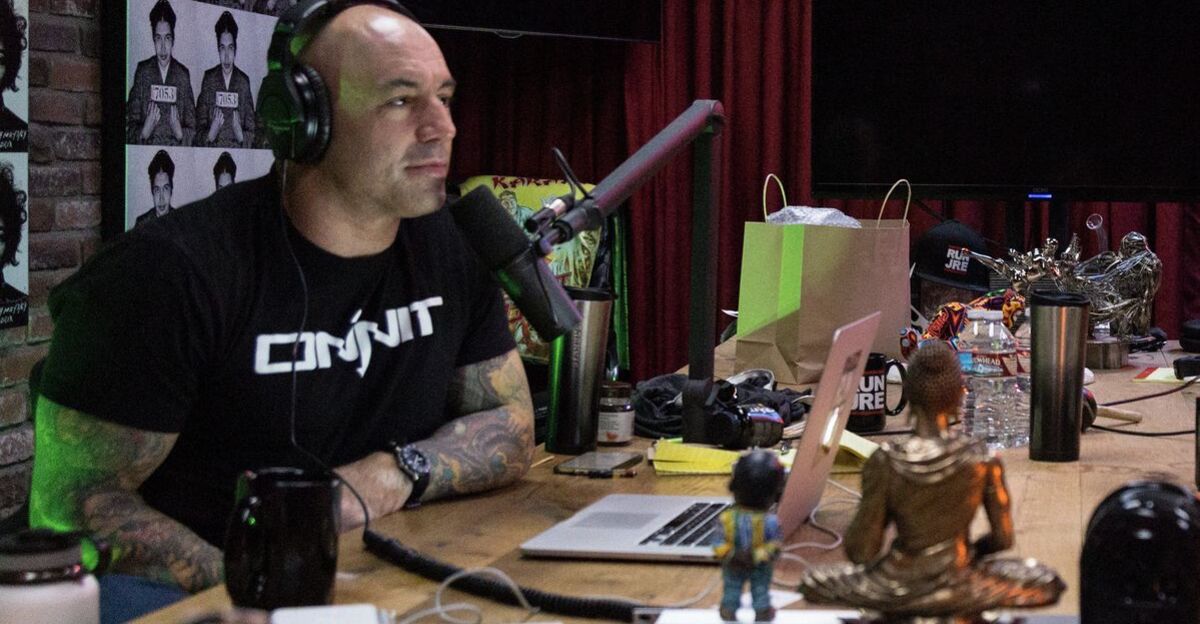
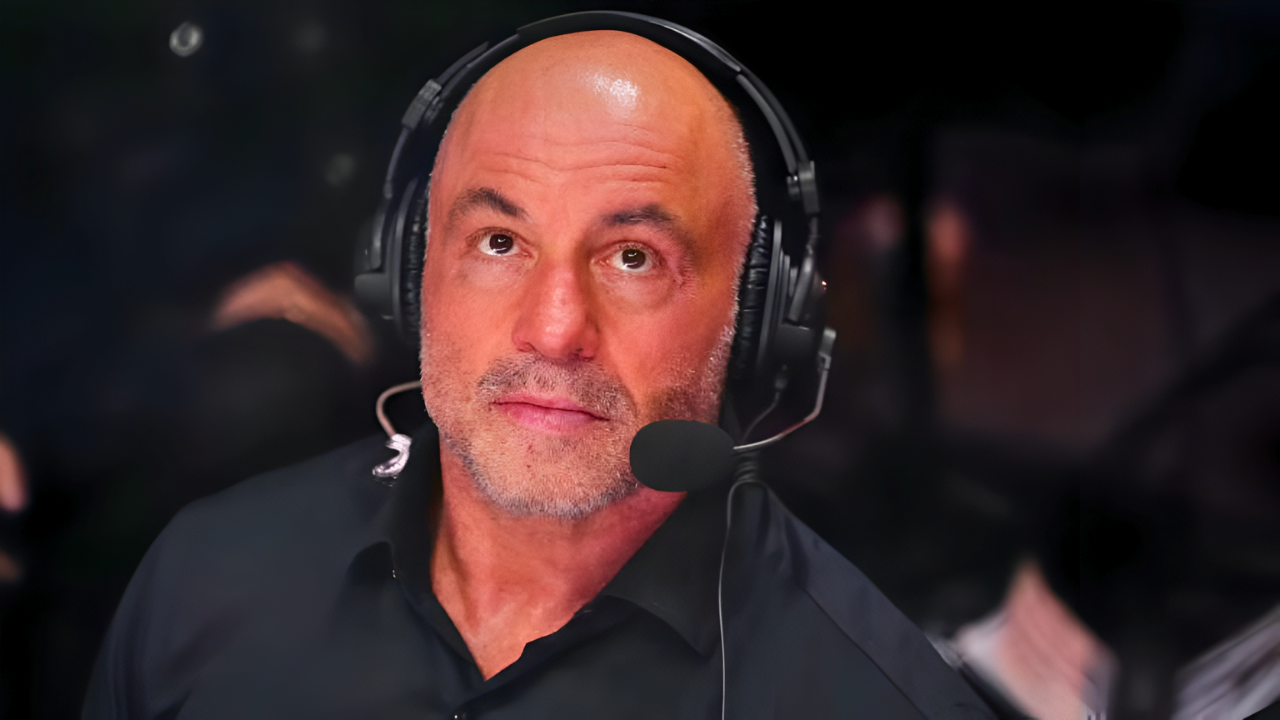
When the six final nominees for Best Podcast were announced in December 2025, “The Joe Rogan Experience” was not on the list, despite being the world’s No. 1 podcast on Spotify for six consecutive years and among the 25 eligible shows.
Nominees instead included “Armchair Expert with Dax Shepard,” “Call Her Daddy,” “Good Hang with Amy Poehler,” “The Mel Robbins Podcast,” “SmartLess,” and NPR’s “Up First.”
Rogan’s omission, given his chart dominance across Spotify, Apple Podcasts, and YouTube, was immediately framed as a deliberate snub.
Who Made The Cut
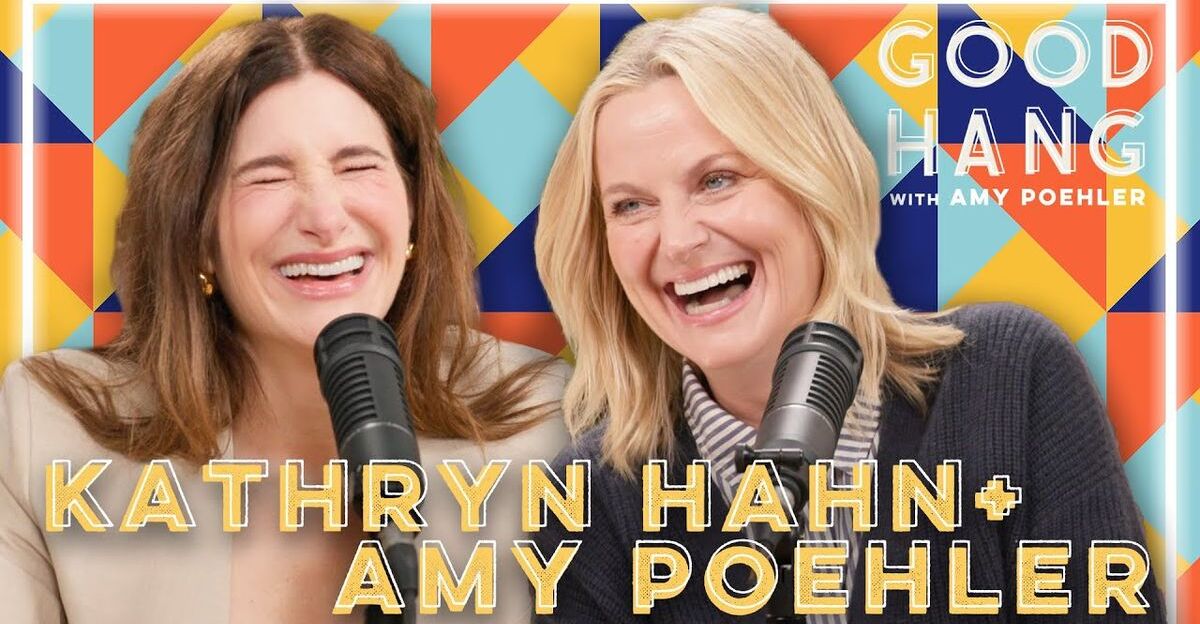
The six nominated podcasts reflect a mix of celebrity conversation, self-help, comedy, and daily news, mostly avoiding overtly political topics.
“Armchair Expert,” hosted by actor Dax Shepard, and “Good Hang with Amy Poehler” lean into celebrity interviews and storytelling.
NPR’s “Up First” delivers news, while “Call Her Daddy,” “SmartLess,” and “The Mel Robbins Podcast” focus on lifestyle, humor, and advice, appealing to broad, advertiser‑friendly audiences.
Political Voices Passed Over
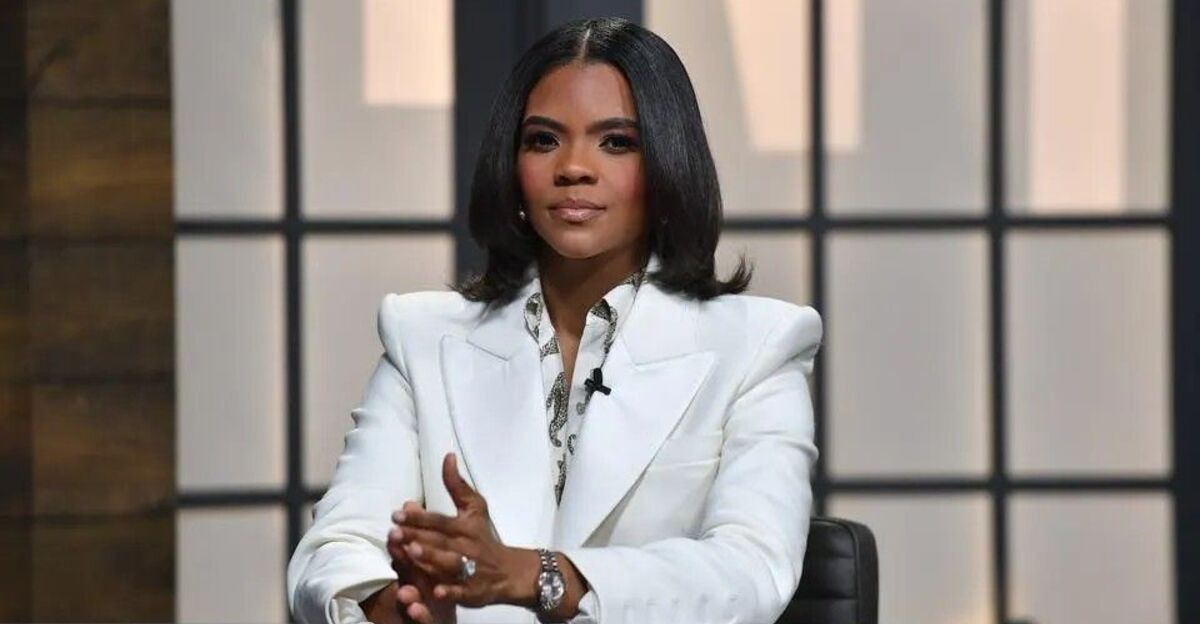
Several high‑profile political or ideologically charged podcasts that appeared on the 25‑show eligibility list did not advance to nominations.
Conservative‑leaning programs “The Megyn Kelly Show,” “The Tucker Carlson Show,” “The Ben Shapiro Show,” Candace Owens’ “Candace,” and “The Joe Rogan Experience” were all bypassed, as was the left‑leaning “Pod Save America.”
Even “The Daily,” the New York Times’ acclaimed news podcast, was excluded. NPR’s “Up First” emerged as the sole news-centric podcast nominated, while popular true‑crime hits like “Morbid” and “Rotten Mango” were also passed over. Critics called the omissions conspicuous.
Rogan’s Global Reach
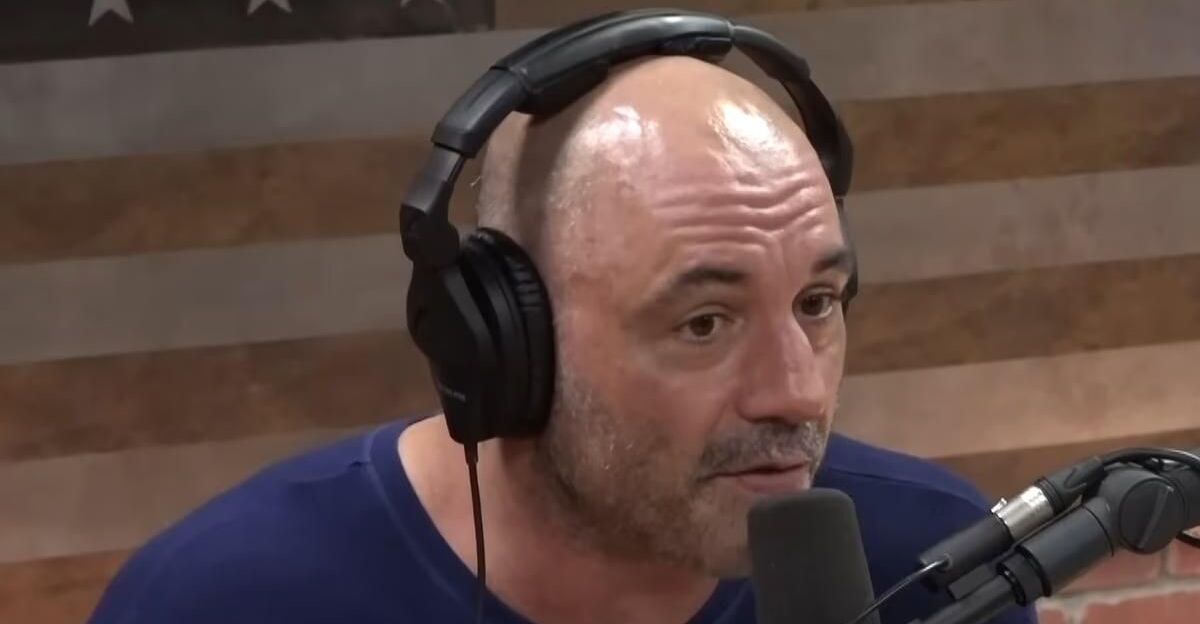
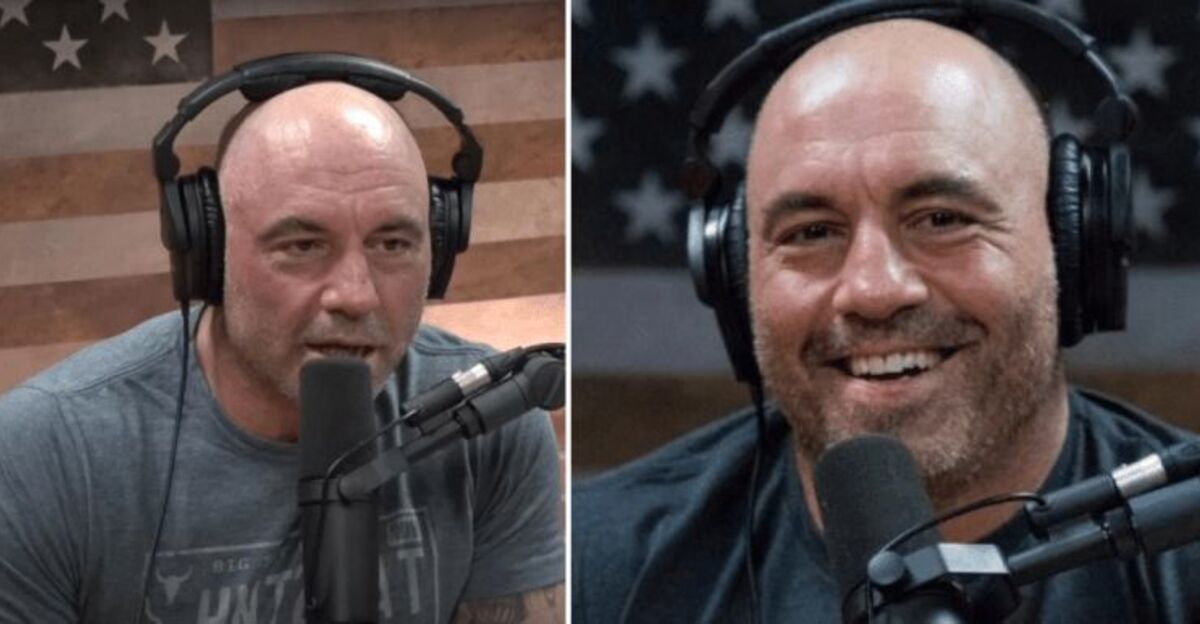
Joe Rogan, a comedian and UFC commentator, hosts “The Joe Rogan Experience,” widely recognized as the world’s most popular podcast.
The show has ranked as Spotify’s No. 1 podcast globally for six consecutive years and consistently tops the rankings on Apple Podcasts and YouTube.
Since his exclusive deal with Spotify in 2020, the platform has repeatedly called the show its most‑listened‑to program globally, topping internal and external charts. This reach underpins claims that he is effectively the world’s No. 1 podcast host by audience size.
Why Rogan Is Controversial
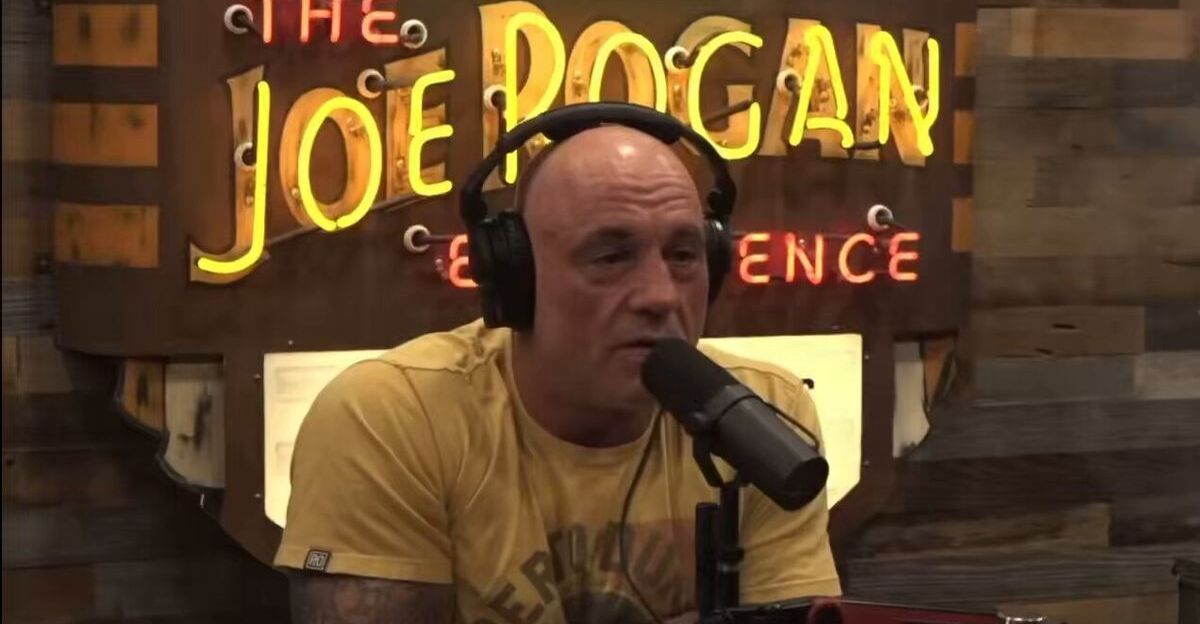
Rogan’s podcast regularly features long-form interviews with politicians, scientists, entertainers, and fringe figures, drawing huge audiences but also controversy.
Critics have accused the show of spreading COVID-19 misinformation and amplifying far-right or conspiratorial voices, while supporters praise its openness and free-speech ethos.
That polarizing profile and his appeal among parts of the conservative audience make him a lightning rod for mainstream institutions.
Politics Avoided
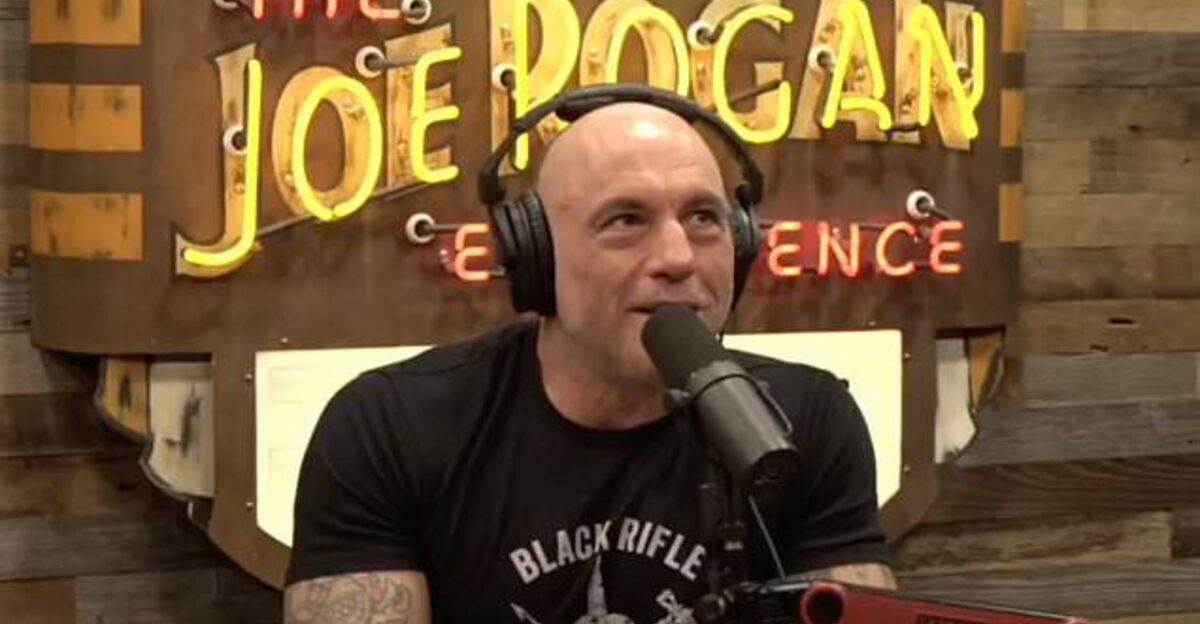
Media analysts noted that the inaugural Best Podcast nominations list largely sidestepped overtly political or culture‑war content, despite several such shows being eligible and highly ranked.
The omission of political podcasts from both the left (Pod Save America, The Daily) and right (Rogan, Shapiro, Carlson, Kelly, Owens) suggests a deliberate strategy to avoid controversy.
Analysts speculated that Globes voters, after years of scandal, “wanted to avoid any controversy,” including the risk of inviting a host who might make contentious remarks onstage. The strategy signals calculated risk management by organizers.
Inside Award-Show Caution
The Golden Globes organization has spent recent years repairing its reputation after criticism over diversity, ethics, and governance. Analysts say that context shapes its 2025–26 decisions, including podcast nominees.
Choosing programs seen as less polarizing allows the Globes to present a “for the masses and non‑controversial” image while still claiming to honor excellence in a new medium struggling with its own culture wars.
Data Partner And Ownership Questions
The shortlist of 25 eligible podcasts was generated by Luminate, an entertainment tracking and analytics company.
Critics raised questions about transparency in the application of data and the visibility of the selection process.
Campaigns That Fell Short
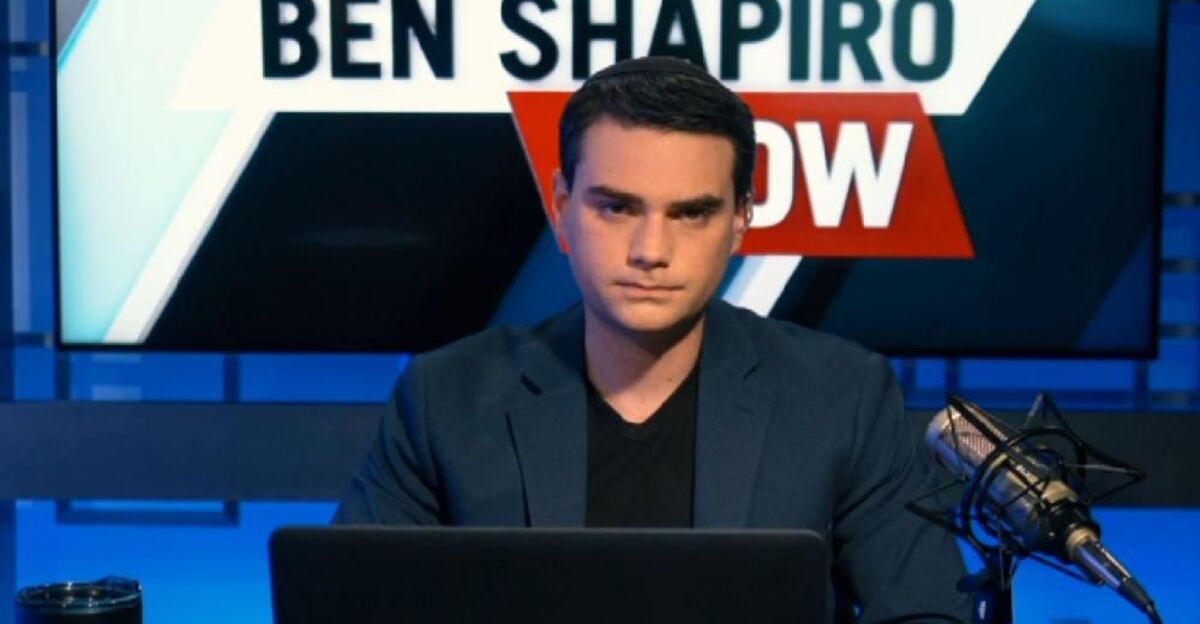
Some hosts mounted aggressive campaigns for a nomination. Conservative commentator Ben Shapiro, whose show was on the 25-podcast eligibility list.
Shapiro launched a full Golden Globes push in November 2025, including interviews with trade publications and billboard space in New York’s Times Square, which read, “For Your Golden Globes Consideration.”
Despite that high‑profile effort and prominent political guests, Shapiro’s show did not make the final six nominees.
Reaction From The Podcast World
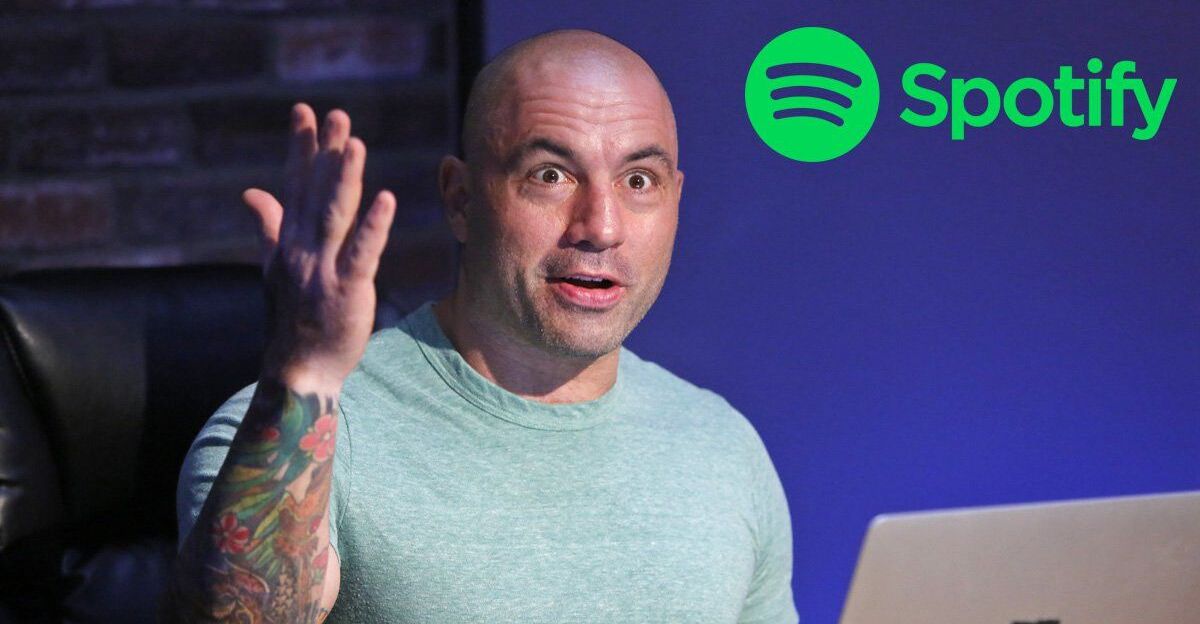
Initial reaction to the perceived snubbing of politics‑related podcasts, including Rogan’s, was relatively muted, mostly confined to social media posts.
Some users complained that top‑ranked, controversial shows had been “frozen out” of the nominations.
Podcast observers called the Globes’ approach a filtering mechanism that relies heavily on audience-safety metrics rather than pure popularity, leaving “questions about how the final six were selected.”
What This Means For Metrics

The Globes’ choices highlight ongoing debates over how to define the “best” podcast. The 25‑show eligibility list closely tracked top‑listened programs on major platforms, but final nominees diverged from pure popularity by filtering for tone and perceived risk.
Questions remain about how much weight should go to audience size, storytelling quality, production, and social impact.
Cultural Gatekeeping Concerns
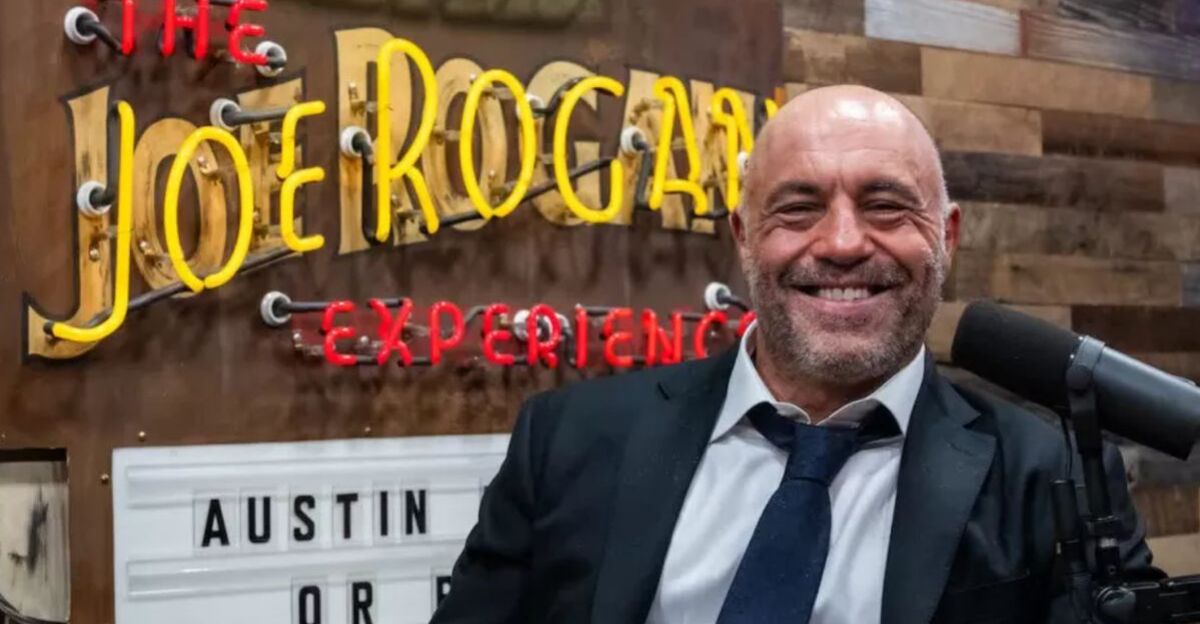
For supporters of Rogan and other excluded hosts, the nominations raise fears that legacy awards bodies will only recognize podcasts that conform to mainstream sensibilities.
Critics argue that leaving out the world’s biggest shows, across the ideological spectrum, suggests an attempt to sanitize the field.
Others counter that private awards are free to reward whatever values they choose, including civility and reduced polarization.
Global Industry Signal
Because the Globes brand has international reach, its new podcast category is likely to influence how non‑U.S. networks, advertisers, and cultural institutions view the medium.
Recognition of programs like NPR’s “Up First” and celebrity‑driven chat shows may encourage investment in similar formats abroad.
At the same time, the omission of lightning-rod figures such as Rogan could signal that mass global reach is insufficient for institutional validation.
Awards, Speech, And Platforms
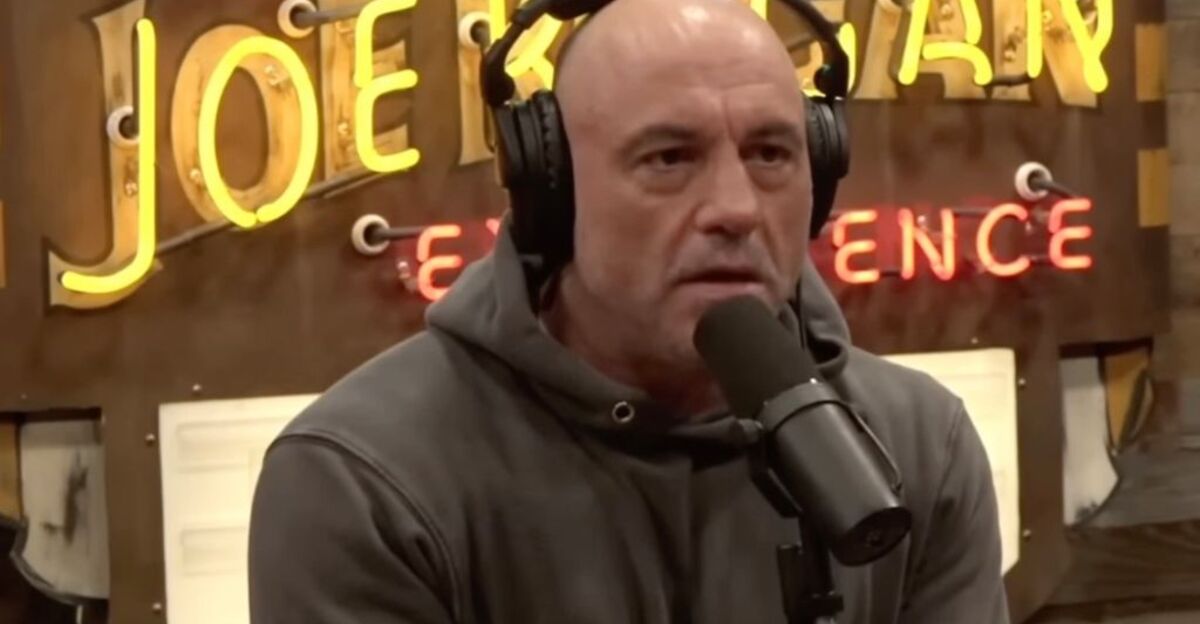
The controversy sits at the intersection of awards politics and broader debates about platform responsibility and free expression.
Rogan’s clashes with critics over COVID‑19 content previously prompted internal reviews and content advisories on Spotify, even as the company defended hosting his show.
Now, a separate institution — an awards body — is effectively signaling that audience size alone does not outweigh reputational considerations when choosing honorees.
Generational Media Divide
Younger listeners increasingly discover news, politics, and culture through podcasts and YouTube shows rather than traditional TV networks.
For them, Rogan and similar hosts may loom larger than broadcast anchors or Globes‑recognized actors.
The decision to honor comparatively conventional talk and news formats could deepen perceptions of a gap between establishment institutions and how under‑40 audiences actually consume and legitimize media.
What It Signals Now

The Golden Globes’ first foray into podcasting shows how awards can both recognize and reshape a maturing medium.
By creating a prestigious new prize yet sidelining its most controversial star and most politically charged voices, the organization is testing whether podcasting can be folded into Hollywood’s traditional awards logic without importing its most divisive figures.
Future cycles will reveal whether the Globes broaden their embrace — or keep high‑voltage hosts at arm’s length.
Sources:
ABC News/Associated Press December 2025 reporting on Golden Globes podcast nominations
Golden Globes official announcement of 25 eligible podcasts October 2025
Spotify statements and industry coverage on Joe Rogan Experience rankings 2020-2025
BBC profile coverage of Joe Rogan and podcast controversies
New York Times and Forbes industry analysis of podcast rankings and Rogan’s dominance
Industry reports on Golden Globes podcast category launch May 2024
Trade publications coverage of Ben Shapiro Golden Globes campaign November 2025