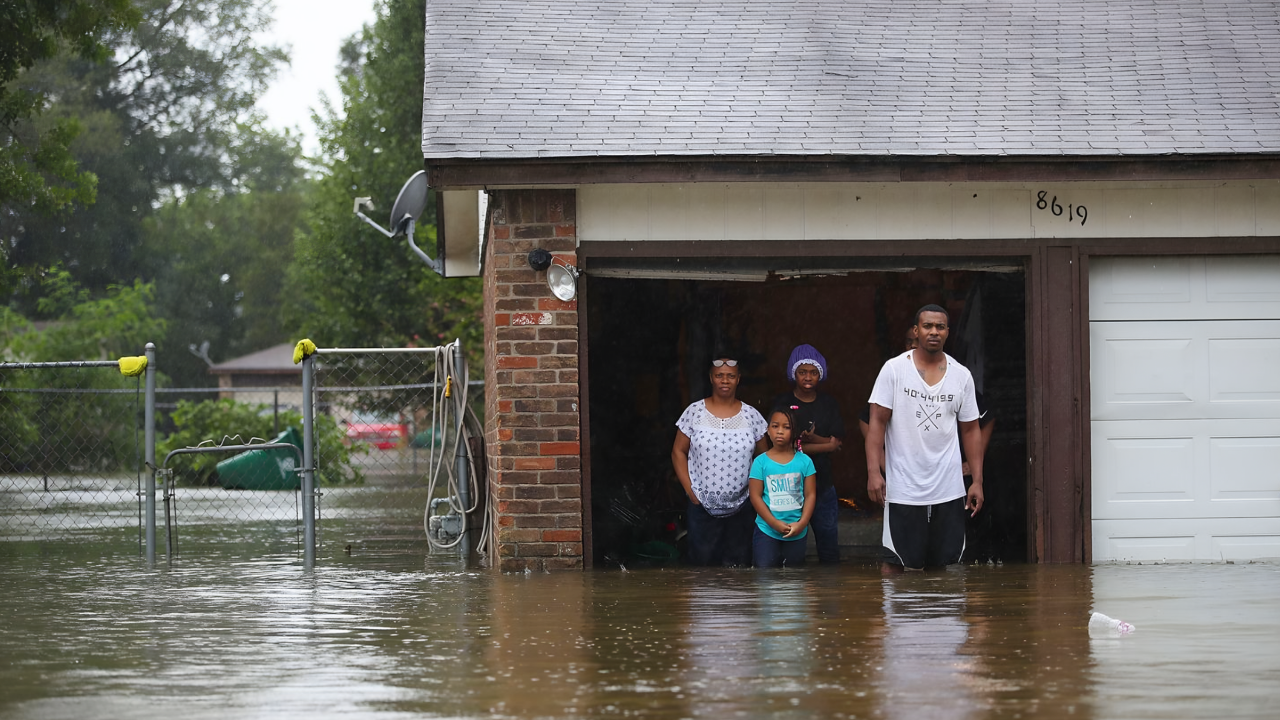
The floodwaters surged, swallowing streets, homes, and businesses, as the Skagit River, already swollen from relentless rain, approached catastrophic levels. Mount Vernon’s downtown was eerily quiet as the metal floodwall, built to protect the city, was expected to be overtopped by the rising tide.
Residents scrambled, some with only minutes to spare, as the National Weather Service’s warning echoed through the air: “This is no ordinary flood.” In the coming hours, the river was forecasted to crest, breaking all previous records and setting the stage for what officials described as a “worst-case scenario.” The question on everyone’s mind—would the floodwall hold? And if not, what would be left in its wake?
Why the River Is Rising So Fast
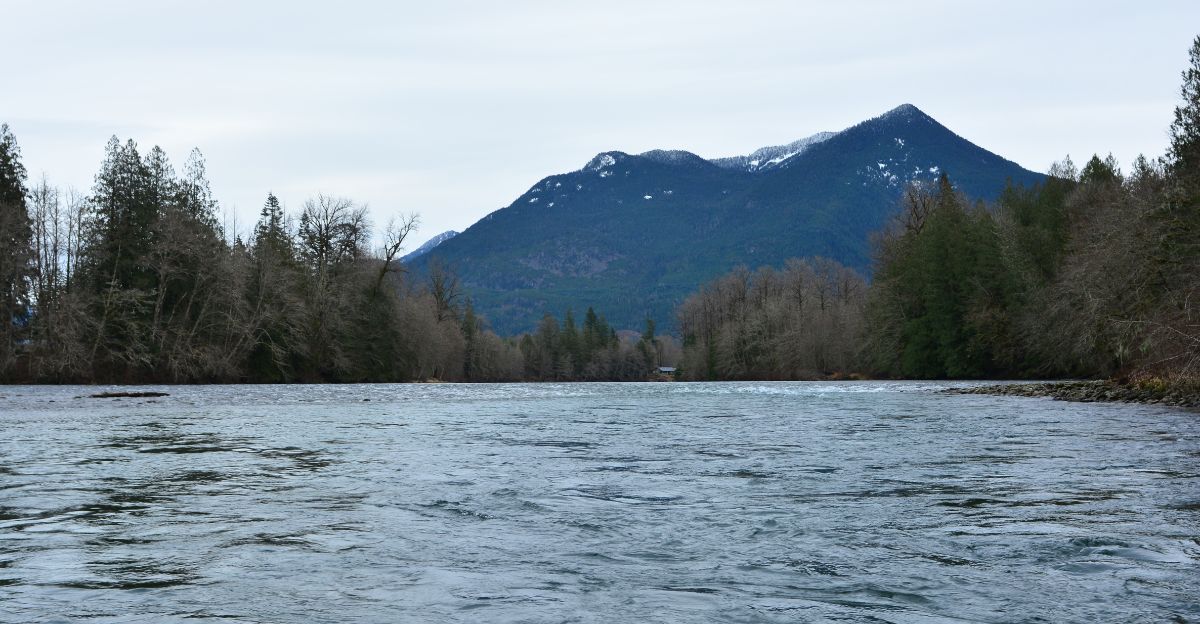
An atmospheric river is funneling vast amounts of moisture into Western Washington, causing relentless rainfall. The Skagit River, already swollen, is expected to crest well beyond previous records, marking a dramatic rise that officials warn could top levees.
Forecasts predict Mount Vernon and Concrete will experience their worst flooding in decades, with water levels set to break all-time highs by several feet.
Evacuations Upend Daily Life for Residents
More than 75,000 people along the Skagit River have been ordered to evacuate, with around 15,000 residents from the hardest-hit floodplain sections forced to leave their homes immediately.
The sudden evacuation is upending daily routines, with families scrambling to find shelter while work, school, and elderly care schedules are disrupted. For many, this is their first experience with such extreme flooding.
Local Businesses Brace for Flood Losses
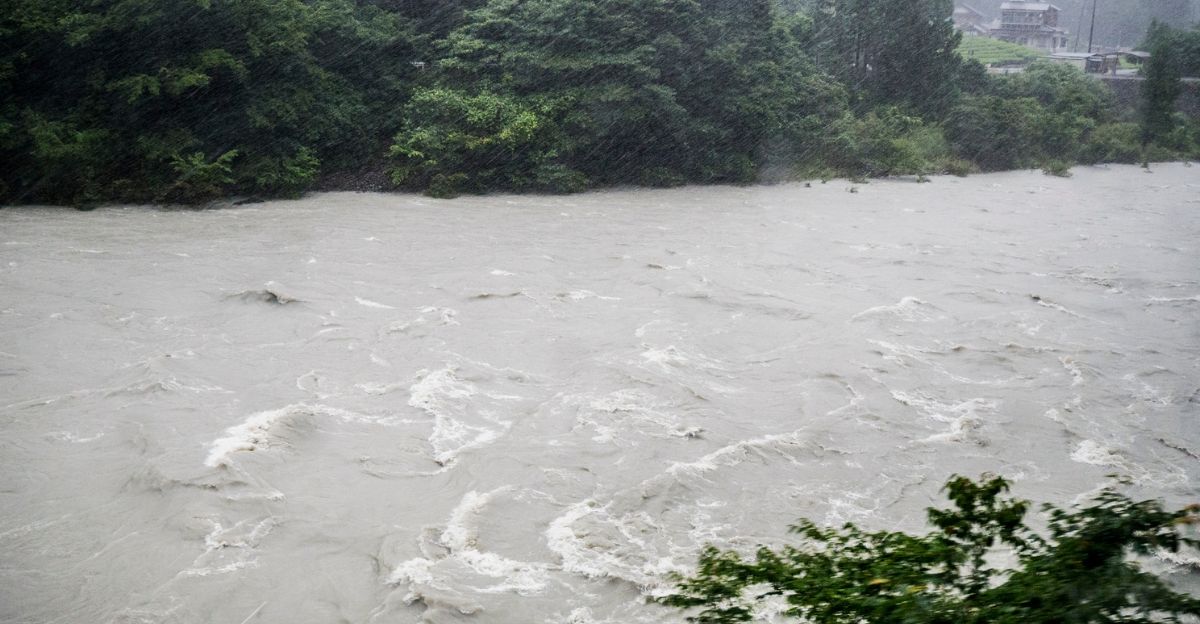
Businesses in downtown Mount Vernon are racing against time to protect their inventories, moving goods to higher floors in anticipation of rising waters.
Despite the city’s floodwall, predictions indicate that the wall may be overtopped, leading to widespread damage. Local shops, warehouses, and farm supply stores are all at risk, threatening significant economic losses during the critical pre-holiday season.
Housing and Insurance Markets Feel Strain
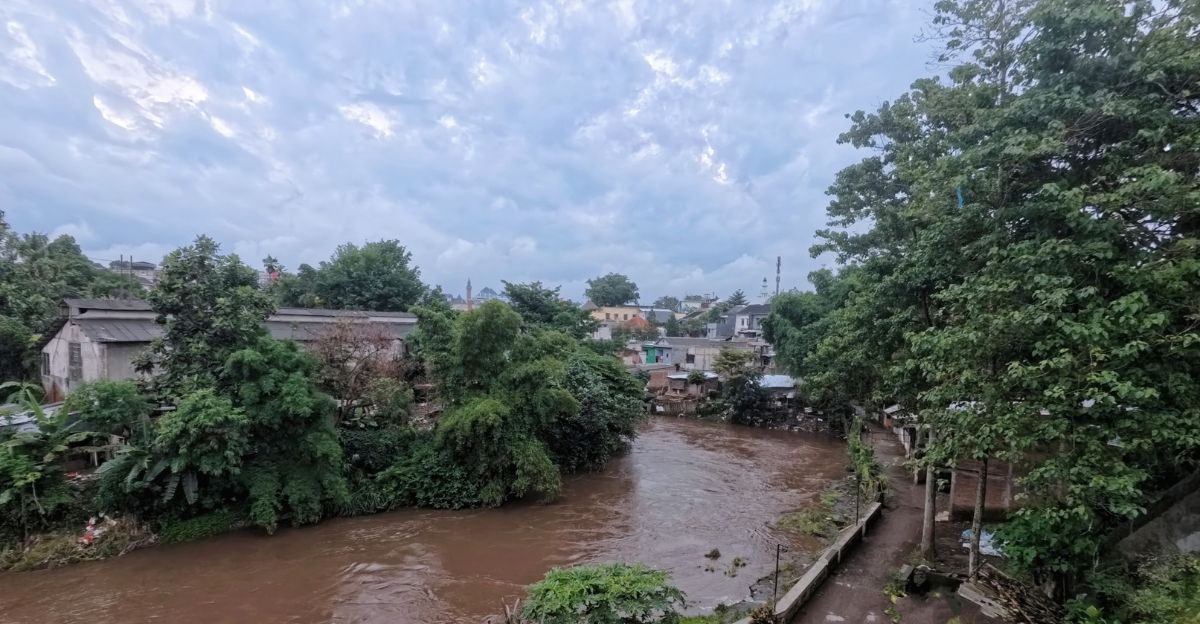
The ongoing evacuation orders are having a major impact on the housing market, as the value of homes near the Skagit River plunges. Real estate agents predict that flood-prone areas will see fewer buyers and higher insurance premiums.
With the frequency of “once-in-a-century” floods increasing, many insurance companies may opt to withdraw from these high-risk zones, further complicating the affordability of housing.
Shipping, Ports, and Regional Trade Disrupted

The floodwaters are also severely disrupting the flow of goods between Canada and the United States. Flooded roads in Skagit County and neighboring regions are slowing down freight movement along the Interstate 5 corridor, one of the most important trade routes in the region.
This disruption raises costs for trucking companies, causing delays for businesses reliant on timely deliveries and just-in-time logistics.
On the Ground With Residents and Farmers

Farmers in the Skagit floodplain are working around the clock to relocate livestock and equipment to higher ground. The haunting memories of the 2021 floods have left many farmers on edge.
Although residents have experienced flooding before, this situation surpasses anything they could have ever imagined. As the water levels rise, fear is spreading throughout the community.
State Leaders Mobilize Emergency Powers

Washington Governor Bob Ferguson has declared a state of emergency, mobilizing resources to assist affected communities.
The Washington Military Department is coordinating efforts to set up shelters, distribute sandbags, and deploy the National Guard if necessary. Local authorities are also preparing for door-to-door evacuations should the levees fail, intensifying the urgency of the situation.
Economic Costs Could Reach Into Billions
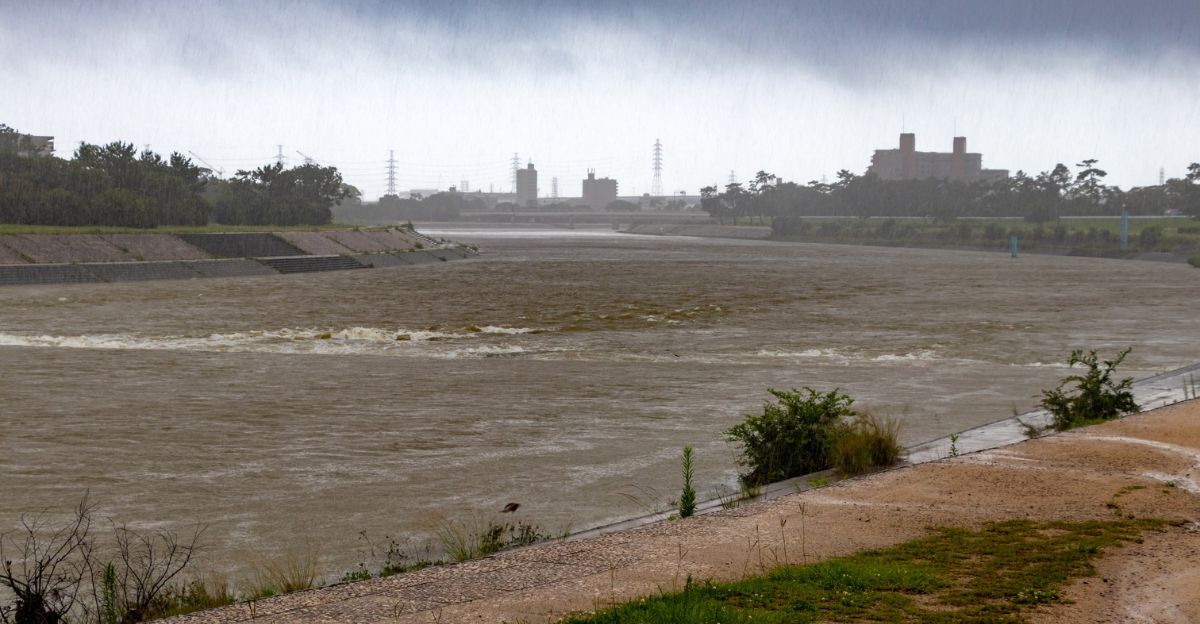
The economic toll of the flood is expected to be staggering. With the potential damage to homes, farmland, and infrastructure, experts warn that the costs could easily surpass $1 billion.
As businesses are forced to close, workers are losing income, and local governments are bracing for hefty repair and rebuilding bills. The financial impact will be felt long after the floodwaters recede.
Retailers Shift Inventory and Promotions
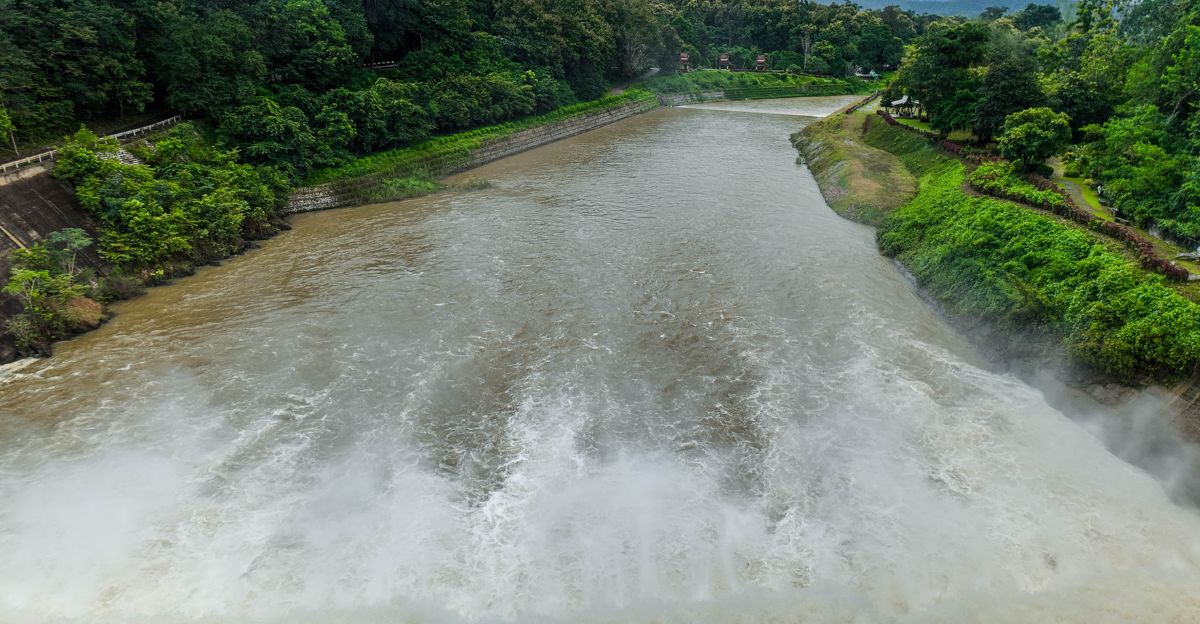
In Mount Vernon and surrounding areas, retailers are adjusting their offerings in real time, focusing on emergency supplies like generators, sandbags, and bottled water.
As evacuation orders are issued, local grocers are struggling to meet the sudden spike in demand. Disrupted deliveries are also making it harder for stores to keep essential items stocked for those affected by the flooding.
Hotels and Shelters Fill Across the Region
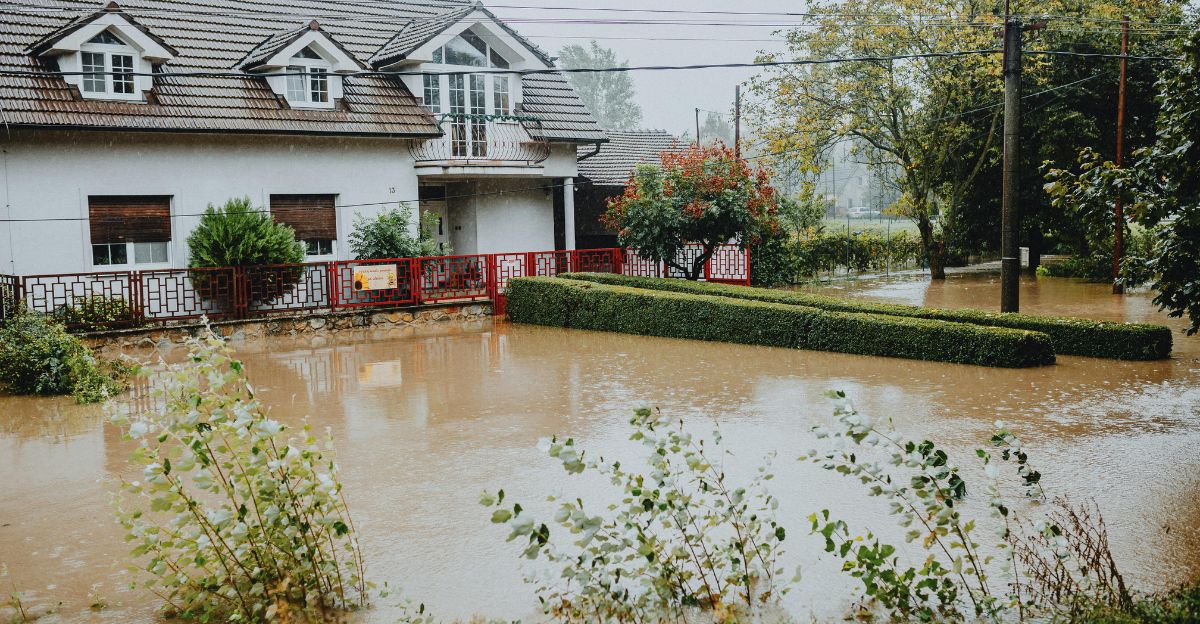
Evacuees are flooding hotels and shelters from Burlington to Everett, adding pressure to an already strained system. Shelters managed by the American Red Cross are seeing record numbers of families seeking refuge.
With river levels continuing to rise, many evacuees face uncertainty about when they can return to their homes, further complicating relief efforts.
Infrastructure and Utilities Under Pressure
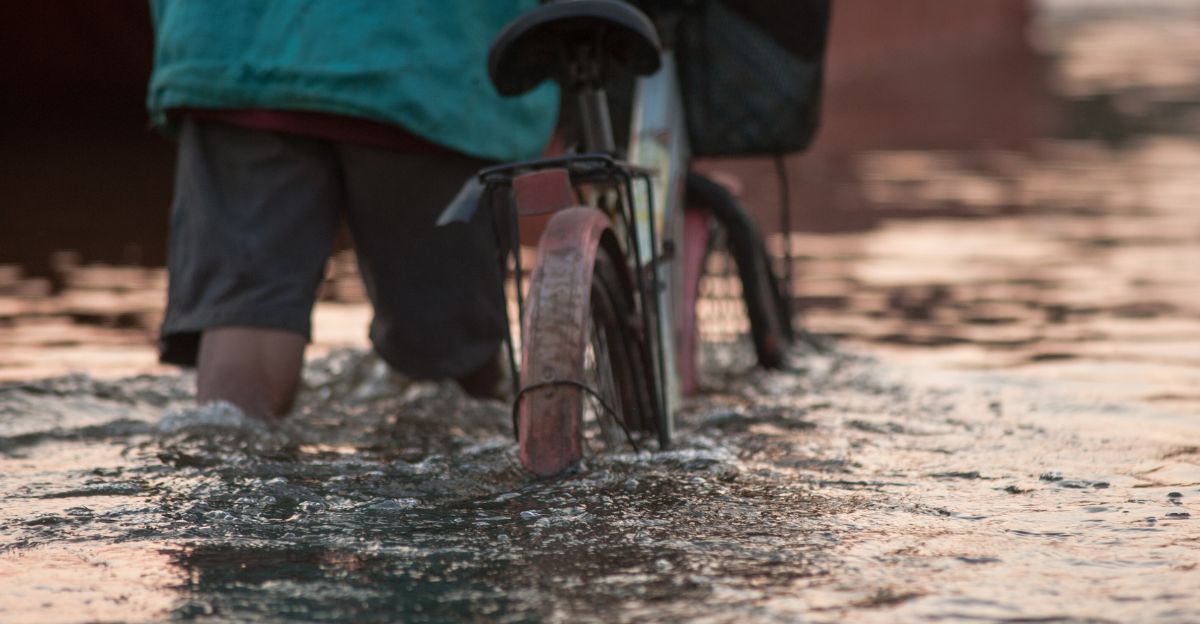
Critical infrastructure in the Skagit River region is at risk as floodwaters threaten to overtop levees, particularly in Snohomish, Pierce, and Lewis counties. Local utilities are monitoring key facilities, including wastewater treatment plants and power substations, to ensure they don’t fail.
If these systems are overwhelmed by the flood, it could lead to widespread power outages and contamination of drinking water.
A Warning Signal for River Cities Worldwide
The flooding in the Skagit River Valley is a stark reminder of how rising waters are threatening cities worldwide. Just like the floods in Germany, Pakistan, and British Columbia, extreme weather and constricted floodplains are causing devastating damage.
As cities with aging flood defenses confront these risks, they are being forced to reconsider the effectiveness of levees and dams in the face of a rapidly changing climate.
Health and Mental-Health Concerns Grow
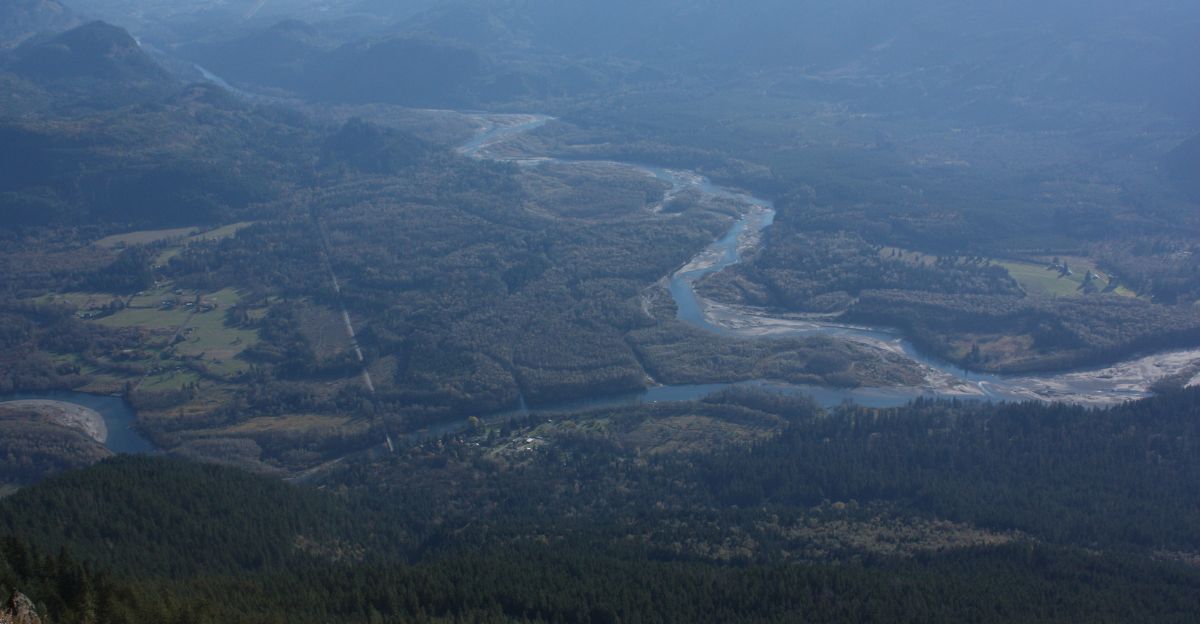
As floodwaters infiltrate homes, the health risks multiply. The contamination of homes with sewage, mold, and industrial chemicals is a significant concern.
Additionally, the mental health of residents is under strain, with anxiety and depression rising among those who have repeatedly been displaced by flooding. Vulnerable groups, including the elderly and low-income families, are especially at risk.
Climate and Land-Use Debates Intensify
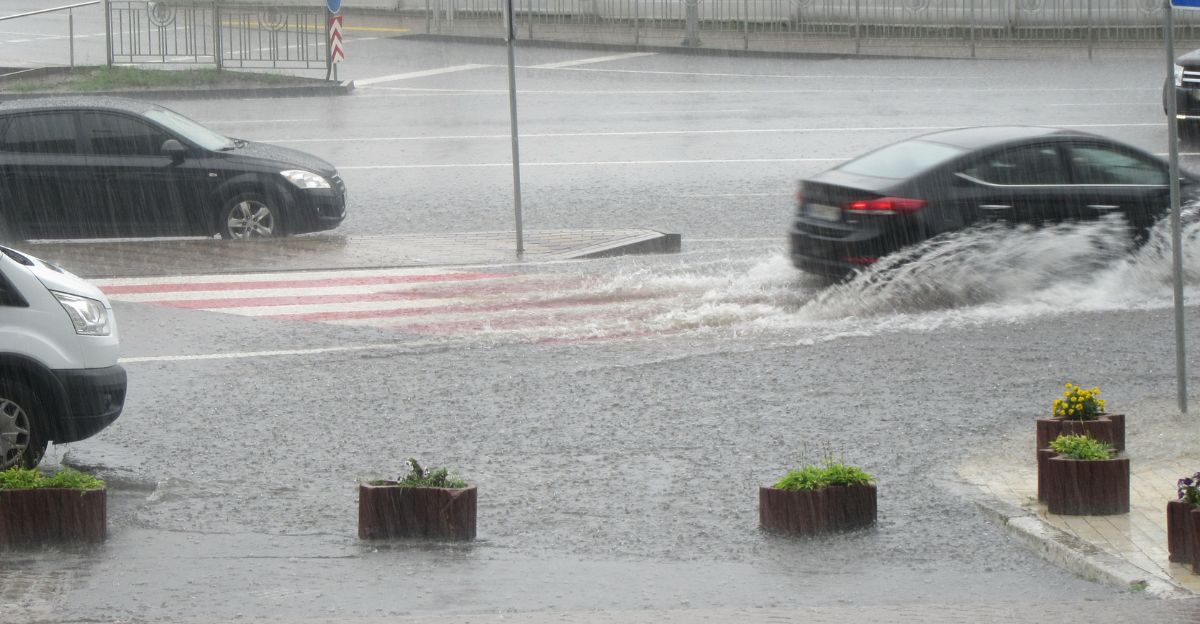
Experts are now linking the frequency of these devastating floods to climate change. What was once a “100-year flood” event in the Skagit River now happens every 20–25 years.
Ecologists point out that at least half of the river’s floodplain has been lost to development, which has exacerbated the problem. This loss of natural flood barriers is a key factor in the growing severity of flooding.
Who Gains, Who Loses in the Flood Economy
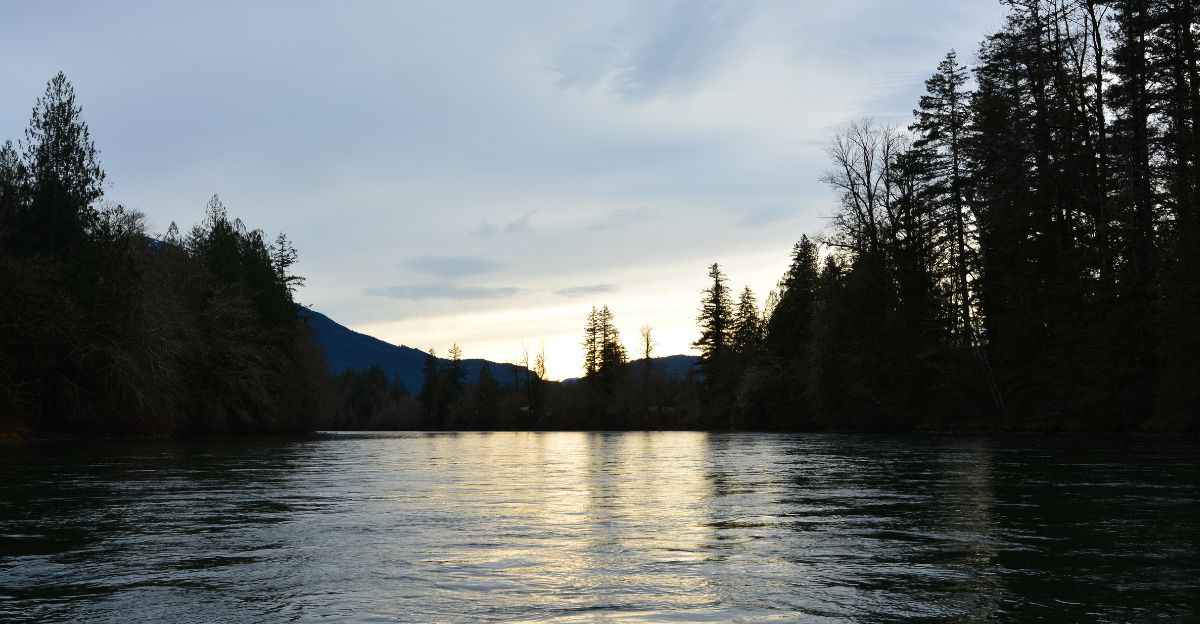
While many businesses, farmers, and evacuees are facing immense losses, the flooding has also created opportunities for certain industries. Construction firms, contractors, and suppliers of building materials are gearing up for the massive rebuilding efforts that will follow.
As always with extreme weather events, the flood economy is showing a mixed picture of devastation and short-term opportunities.
Investors Eye Infrastructure and Insurance Risks
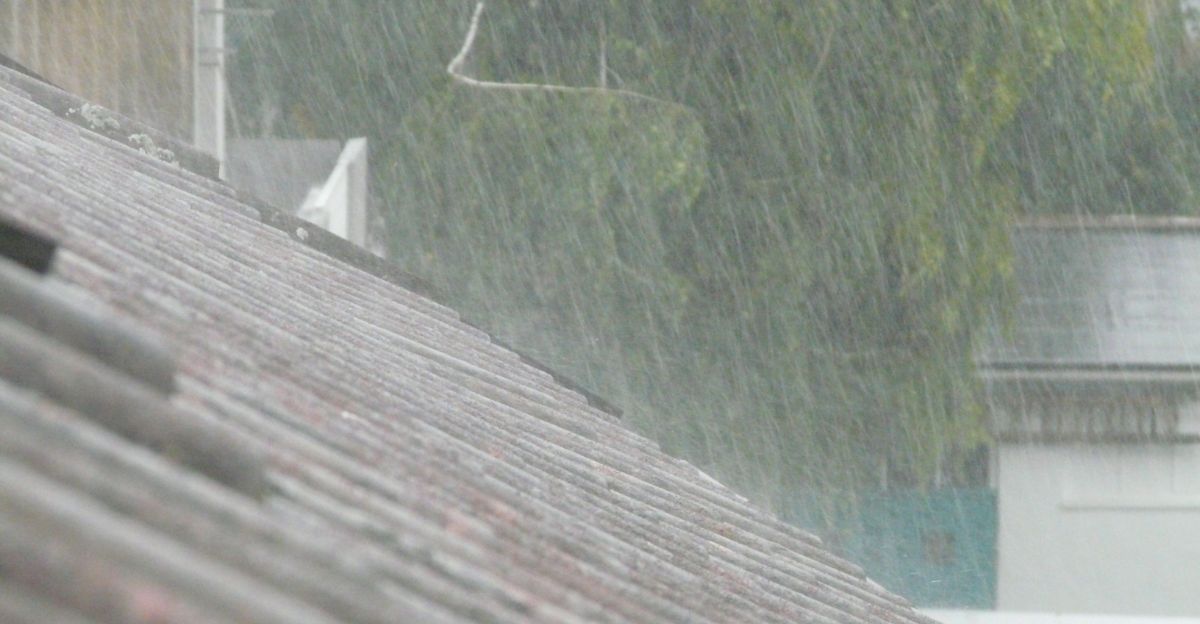
Institutional investors are taking a hard look at companies with exposure to flood-prone areas, particularly in utilities, insurance, and real estate sectors.
With flood levels rising consistently, investment risks are shifting, and many are reassessing their holdings in infrastructure projects and flood insurance companies. At the same time, firms specializing in resilience and disaster response technologies are seeing increased demand for their services.
What Residents and Consumers Can Do Now

Residents in the Skagit River Valley are urged to follow evacuation orders immediately and to avoid driving on levees and dikes. In other parts of Western Washington, families are encouraged to prepare go-bags, review flood insurance policies, and monitor alerts from the National Weather Service.
As atmospheric rivers grow in frequency, everyone is being asked to stay vigilant and prepared for sudden shifts in flood risks.
Preparing for the Next Rise
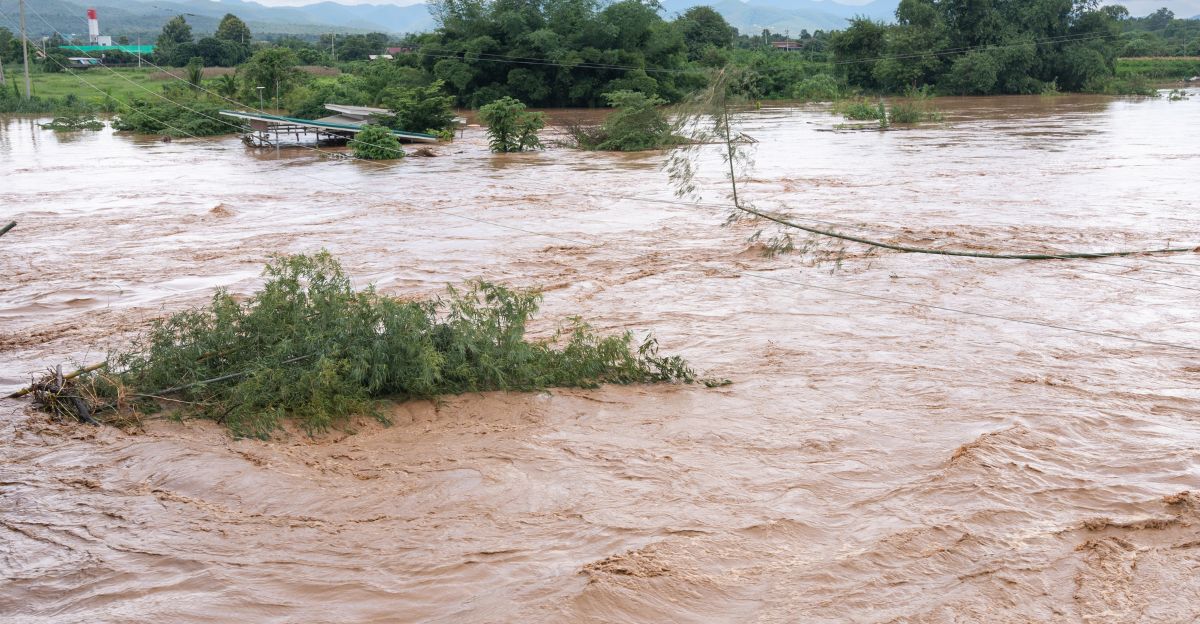
Hydrologists are warning that the Skagit River could rise an additional 8 to 10 feet from its current levels within just 24 hours. The waters at Concrete are projected to rise by up to 20 feet, illustrating how rapidly conditions can change.
In response, local governments are exploring longer-term flood mitigation strategies such as setback levees and expanded floodways to reduce exposure to future floods.
A Local Crisis With Global Implications

The flood crisis in the Skagit River Valley is more than just a local disaster; it serves as a harbinger for many river communities around the world. As climate change accelerates and floodplains shrink, regions that once relied on levees are finding that hard defenses may no longer suffice.
This event is a stark reminder of the global implications of extreme weather and the urgent need for resilient infrastructure.
Sources:
“Skagit County Emergency Alert: Stay Informed and Prepare for Potential Evacuations.” Skagit County Government, 9 Dec 2025.
“2025 Pacific Northwest floods.” Wikipedia, 7 Dec 2025.
“Go Now: 100,000 Evacuated in Historic Skagit Flood.” KUOW, 10 Dec 2025.
“Pacific Moisture Drenches the U.S. Northwest.” NASA Earth Observatory, 12 Dec 2025.