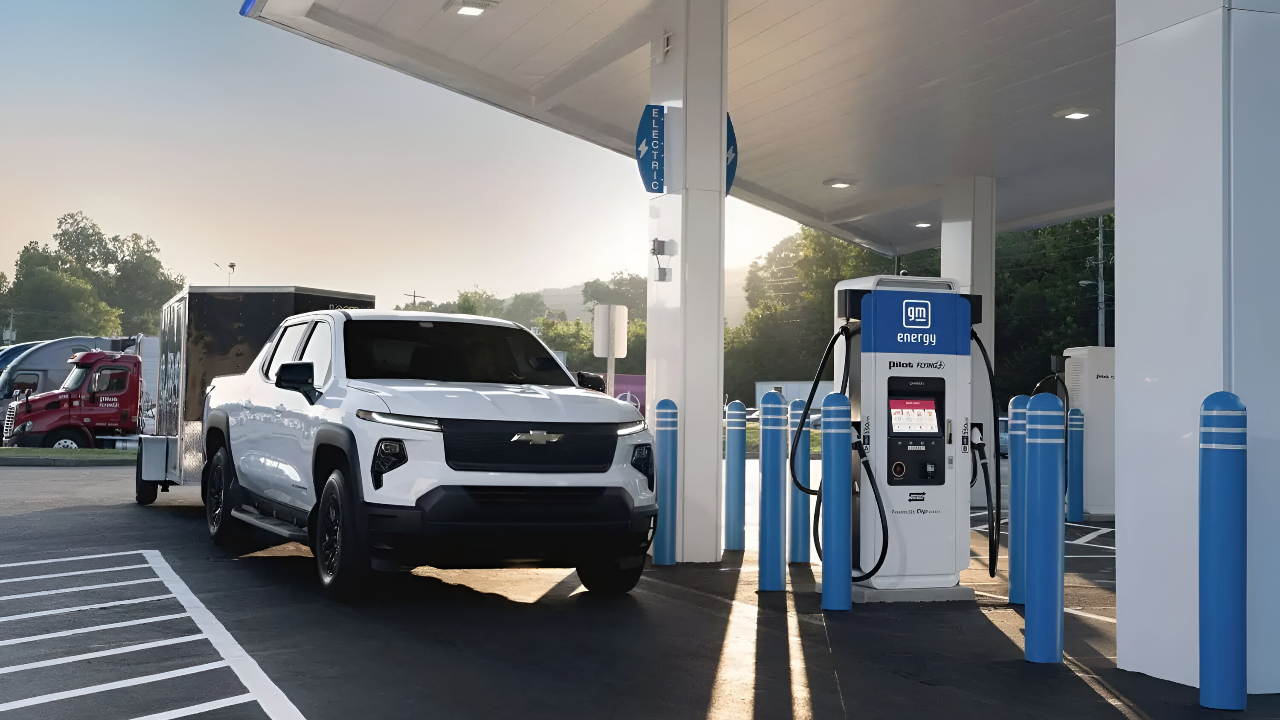
Pilot Company, General Motors, and EVgo have now opened more than 200 electric vehicle charging locations across nearly 40 states, paving the way for true coast-to-coast EV travel.
This milestone is changing how Americans plan long-distance electric trips, tackling range anxiety—one of the biggest barriers to EV adoption. Strategically located along major travel corridors, this growing network marks a turning point in making electric transportation practical for cross-country journeys.
The Drive Behind the Charging Expansion
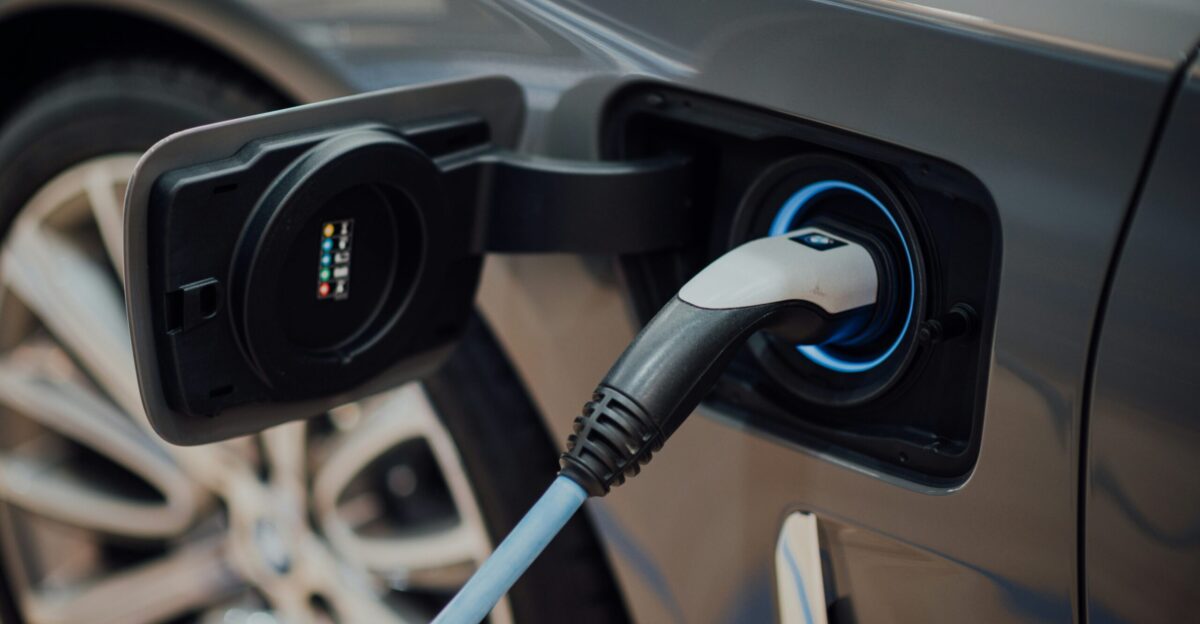
The rollout comes as EV adoption surges and more consumers demand accessible charging options. Executives say the goal is to eliminate range anxiety once and for all. Federal and state incentives, especially through the National Electric Vehicle Infrastructure (NEVI) program, have helped accelerate deployment.
The timing reflects a perfect alignment of market readiness, consumer demand, and supportive policies that make rapid expansion possible across multiple states.
Direct Impact for EV Drivers
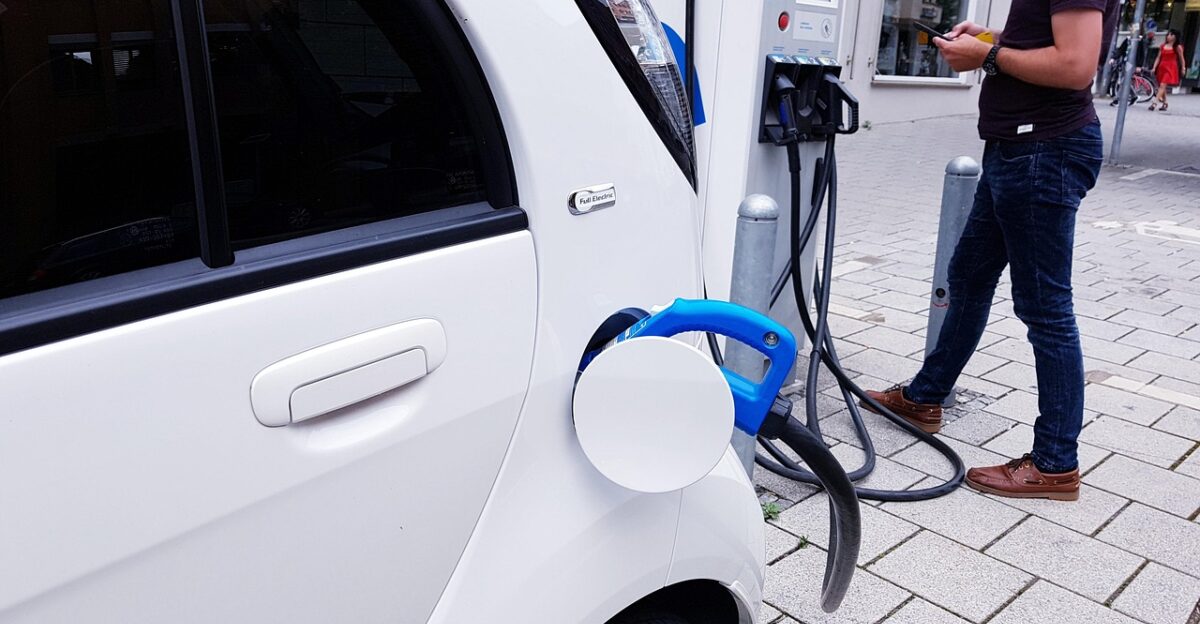
The new charging sites feature 350kW fast chargers—some of the most powerful available to the public—plus pull-through stalls designed for vehicles towing trailers and 24/7 access at Pilot and Flying J centers.
Each location offers clean restrooms, restaurants, convenience stores, and free Wi-Fi, turning charging stops into productive and comfortable breaks. The pull-through design also solves a major pain point for EV owners who tow, since traditional back-in stalls are difficult to use with trailers.
How the Partnership Works
Pilot Company owns and operates the travel centers, while EVgo provides and maintains the charging hardware and network. GM serves as the automotive partner.
Together, they combine Pilot’s nationwide network and customer service, EVgo’s technical expertise, and GM’s automotive reach. This partnership showcases how cross-industry collaboration can effectively deliver nationwide EV infrastructure.
Boost for Charging Tech and Services
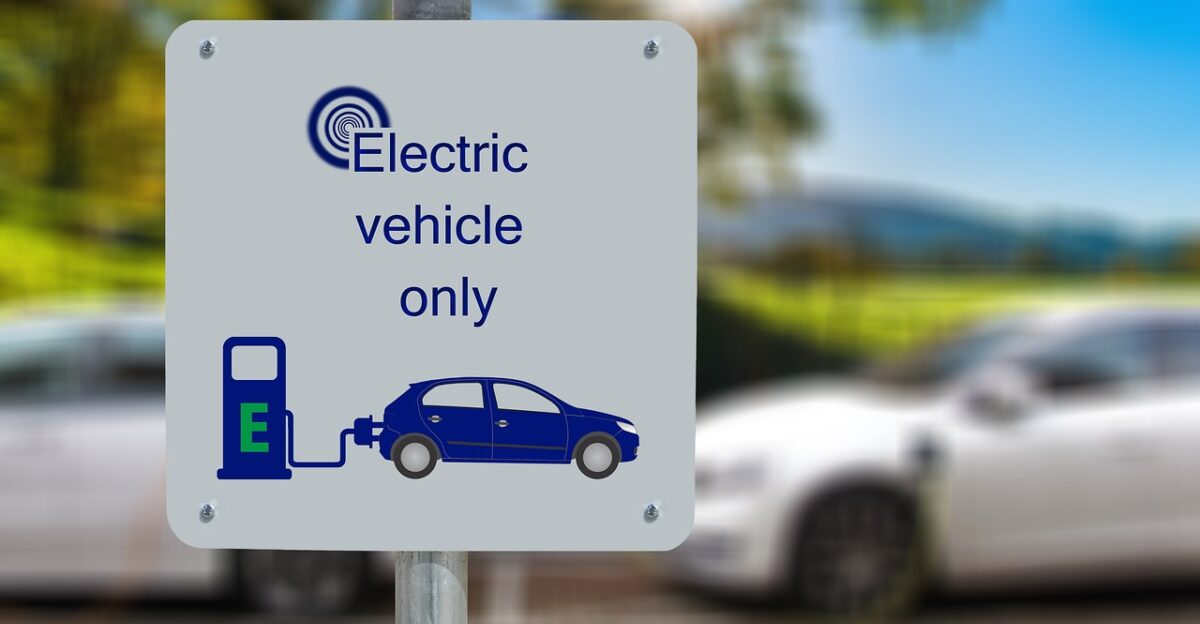
This large-scale buildout is also fueling growth in related industries—from hardware manufacturers producing charging equipment to software companies developing route-planning and payment tools.
Businesses specializing in grid integration, energy management, and electrical components are emerging as new opportunities arise. The ripple effect is driving innovation across the EV charging supply chain and creating high-tech, clean energy jobs.
Rural and Urban Coverage
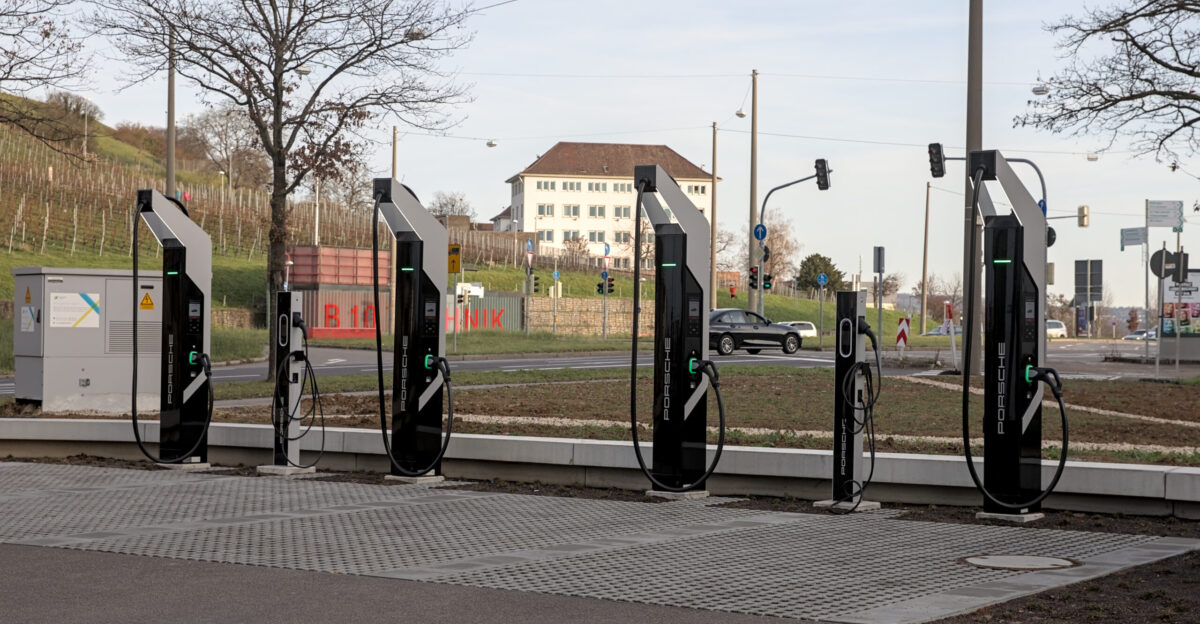
Before 2025, only 45% of rural counties had access to fast charging, leaving significant gaps on the map. The new network directly targets these underserved areas, focusing on filling charging gaps along interstates that connect rural and urban regions.
This ensures EV drivers can travel between major cities without running into “charging deserts”—those long stretches of highway with no charging options.
Community and Workforce Impact
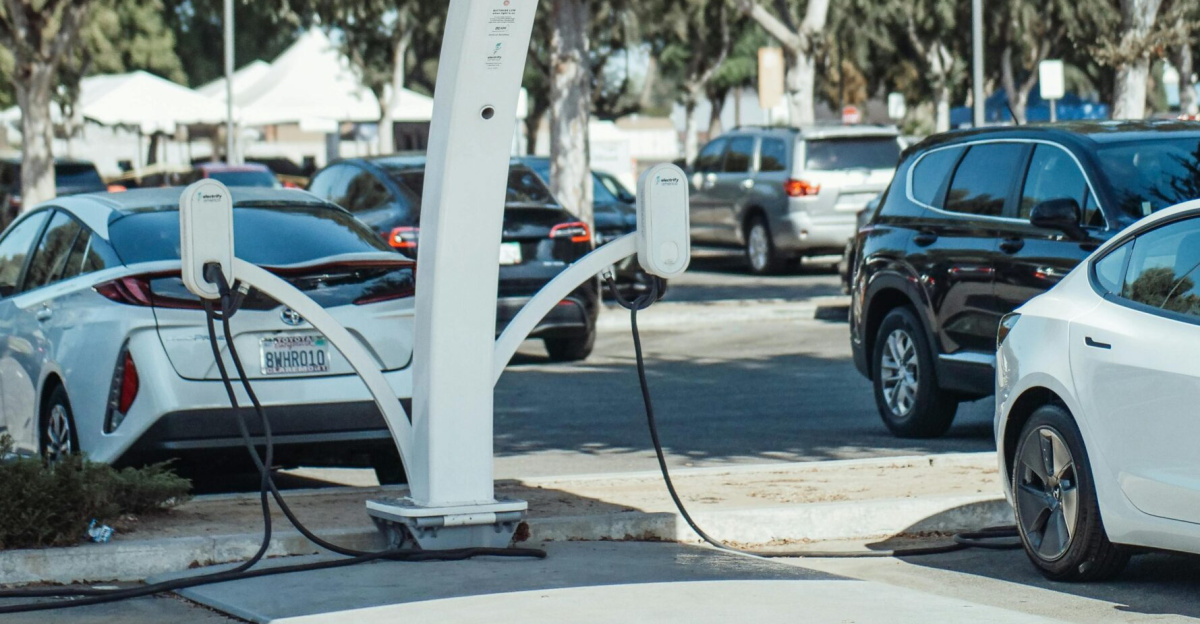
Building these charging sites is creating local jobs in electrical work, construction, and maintenance—while also driving new business for nearby retail stores and restaurants.
Rural communities, which were often overlooked in previous infrastructure efforts, are now experiencing a surge in economic activity. With typical charging sessions lasting 20–30 minutes, travelers are spending more time—and money—at local businesses.
Policy and Federal Support
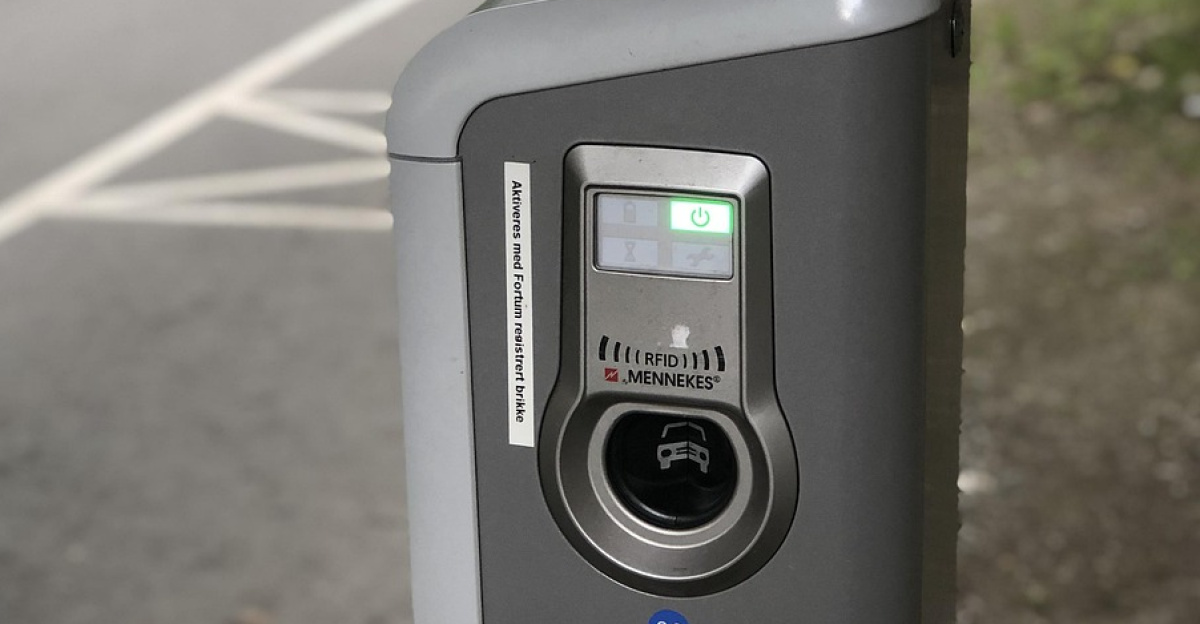
The NEVI program has contributed approximately $15 million in funding toward this expansion, helping to offset installation costs and accelerate deployment.
State governments have also streamlined permitting and offered additional incentives to make these investments more attractive. Together, these efforts demonstrate a growing recognition that charging infrastructure is a crucial component of America’s transportation network.
Fast Charging Power
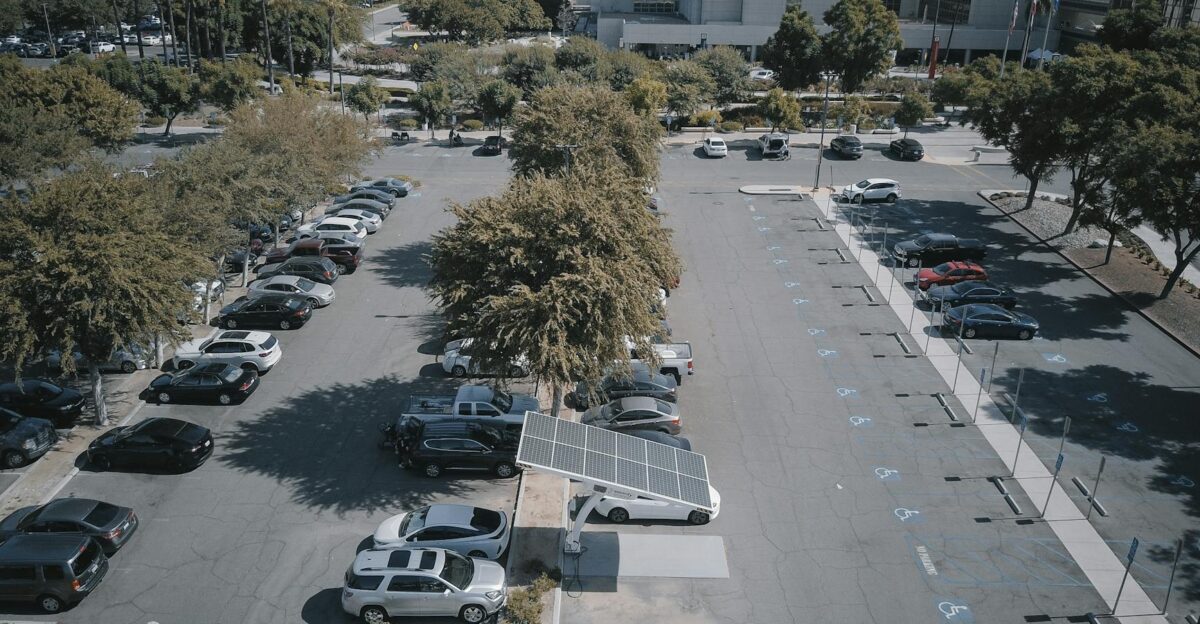
EVgo’s 350kW DC fast chargers are among the most powerful on the U.S. public network, delivering far faster charging than older 50kW or 150kW systems.
For compatible vehicles, they can add 100–200 miles of range in just 20–30 minutes—making stops comparable to a traditional fuel break. The high power output also future-proofs the network for newer EVs with larger batteries.
Services for EV Travelers
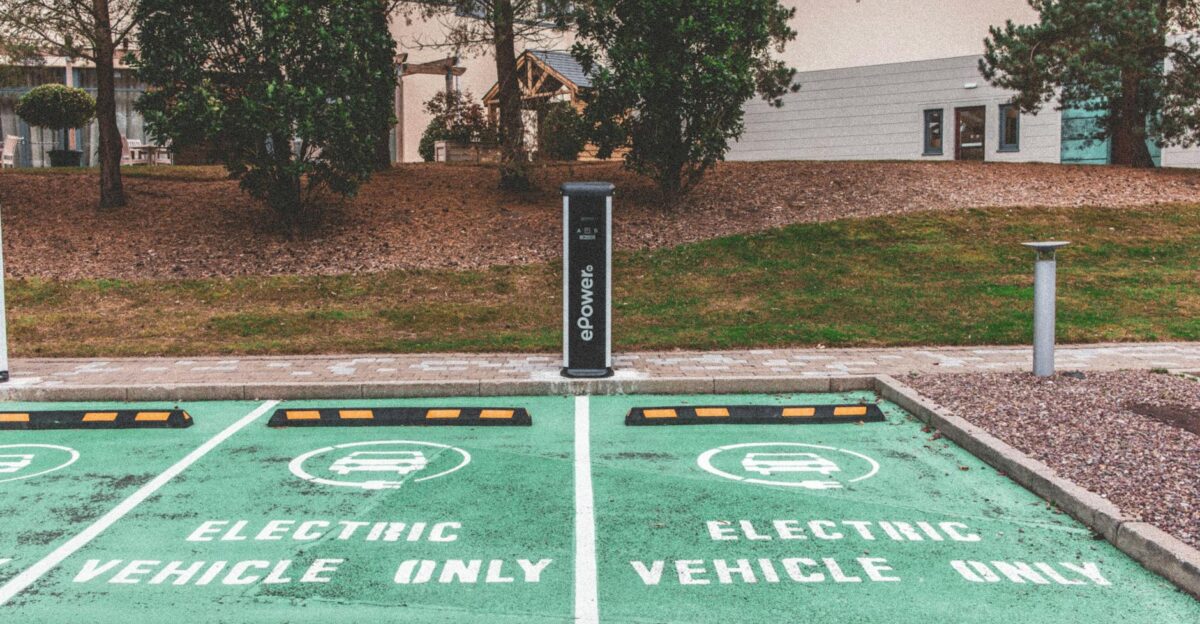
Pilot and Flying J have upgraded their facilities with modern restrooms, expanded grab-and-go food options, seating areas, and free Wi-Fi—catering to EV travelers who stay longer while charging.
Recognizing that EV charging takes more time than fueling up, these centers are evolving into destinations rather than just quick stops. Some are even testing loyalty programs and exclusive discounts for frequent EV customers.
Hospitality and Roadside Services

Travel center restaurants are adjusting their hours, refreshing menus to provide faster service, and adding comfortable spaces for customers to charge their devices.
Some have teamed up with the charging network for co-branded promotions and meal deals. Since charging typically takes 20–30 minutes instead of the 5 minutes needed for gasoline, this creates new opportunities to turn travelers into diners and shoppers.
Network Growth
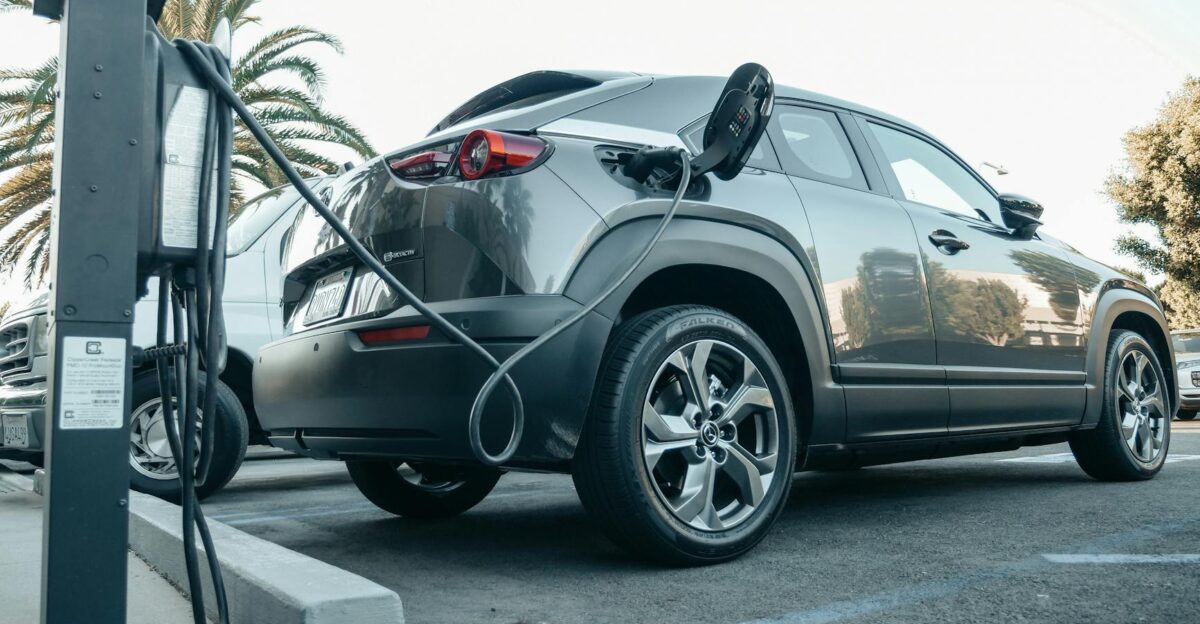
The partnership aims to reach 500 total locations and 2,000 individual charging stalls, with around 1,000 expected to be operational by the end of 2025.
As of the 200-location milestone in September 2025, nearly 850 stalls had already been installed—showing steady progress. The next phase will focus on filling remaining coverage gaps along secondary interstates and regions with lower charging density.
Open Access to All EV Drivers
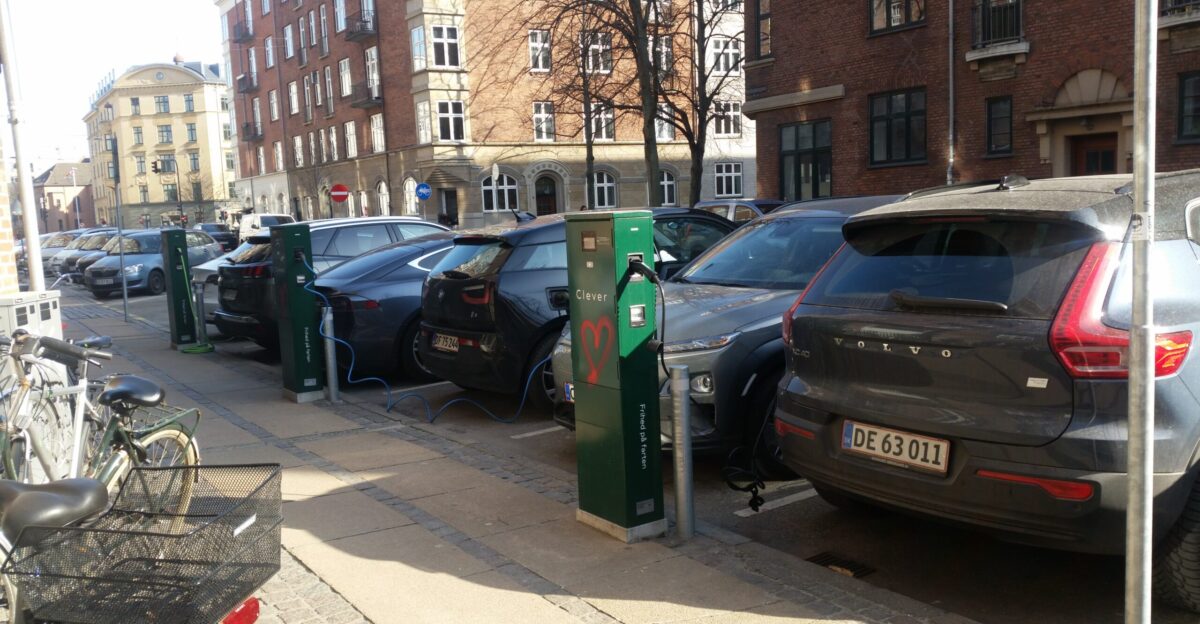
Although GM is the automotive partner, these charging stations are open to all EV drivers, regardless of brand. They use industry-standard CCS connectors and are increasingly supporting Tesla’s NACS.
This open-access approach ensures widespread use and supports EV adoption overall, in line with federal NEVI requirements that public charging be available to all vehicles.
Supporting Zero-Emission Transportation
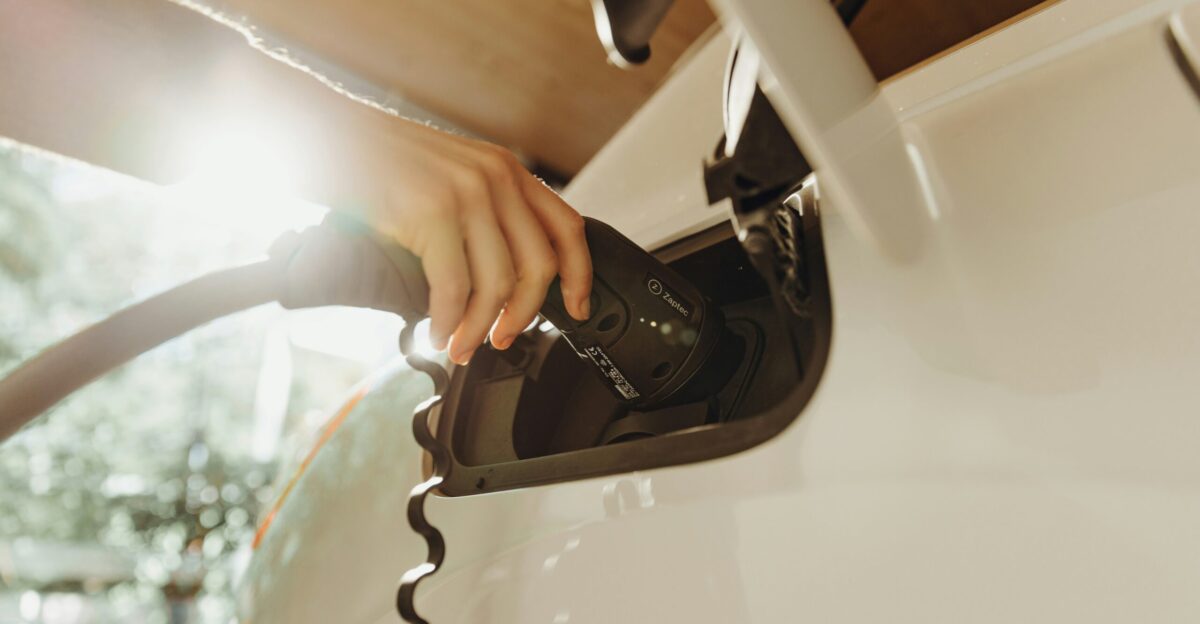
Expanding public charging infrastructure is crucial to achieving zero-emission transportation goals and transitioning away from gasoline.
Making long-distance electric travel convenient removes one of the biggest concerns for potential EV buyers—fear of running out of charge. As the U.S. power grid incorporates more renewable energy, every mile driven by an EV becomes even cleaner.
Infrastructure for the EV Future
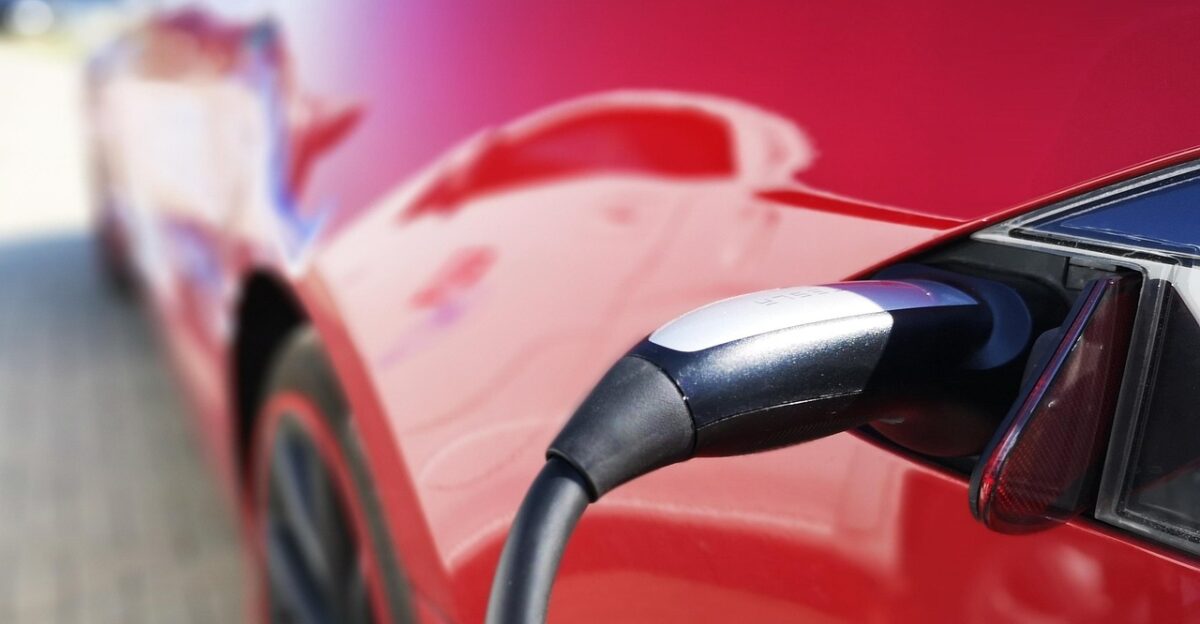
This nationwide network helps meet the growing demand created by the acceleration of EV sales. By building ahead of demand, the partnership avoids the “chicken-and-egg” problem—where consumers hesitate to buy EVs due to limited charging infrastructure, and companies hesitate to build chargers without sufficient EVs.
Proactive development ensures the EV market can grow without being constrained by infrastructure gaps.
Highway Access and Traffic Patterns

Stations are strategically placed along major interstates and high-traffic corridors that carry over 20% of all U.S. vehicle travel.
Site selection was considered in terms of traffic volume, distances between locations, nearby amenities, and overall geographic balance. This data-driven approach ensures convenient access for drivers while maximizing the impact of each site.
Setting a Precedent for Collaboration
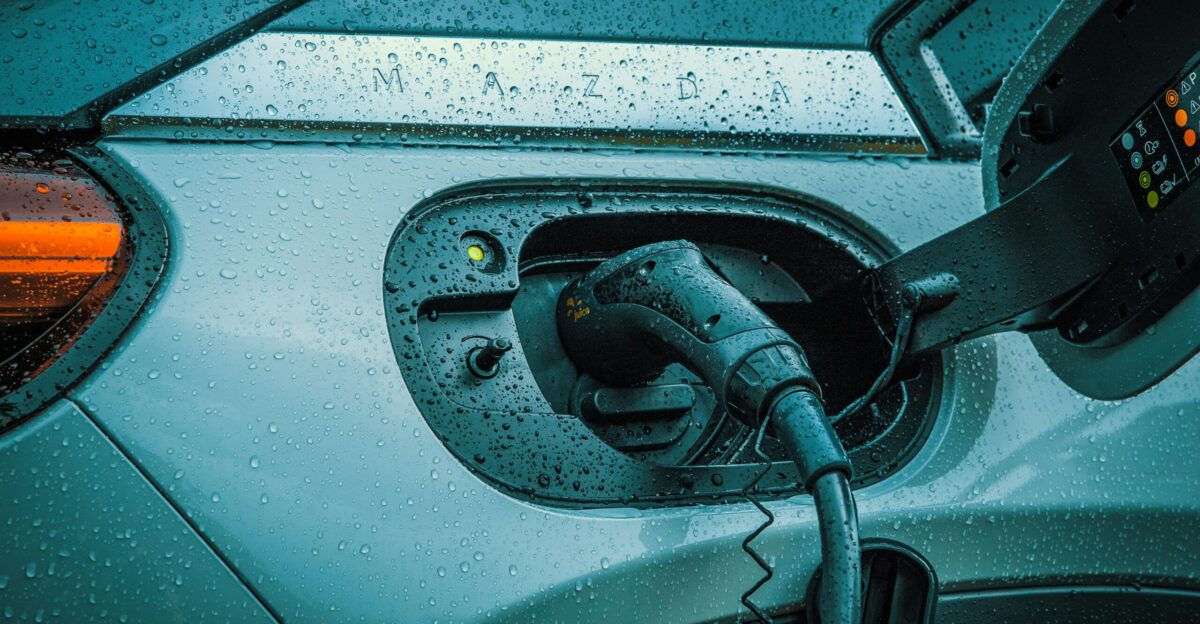
This is now the largest private-sector charging network deployment by location count in the U.S.—a model likely to inspire similar partnerships.
By combining Pilot’s nationwide presence, EVgo’s charging expertise, and GM’s automotive leadership, the project demonstrates how coordinated private investment can achieve national-scale infrastructure faster than fragmented efforts.
Maximizing New Charging Options
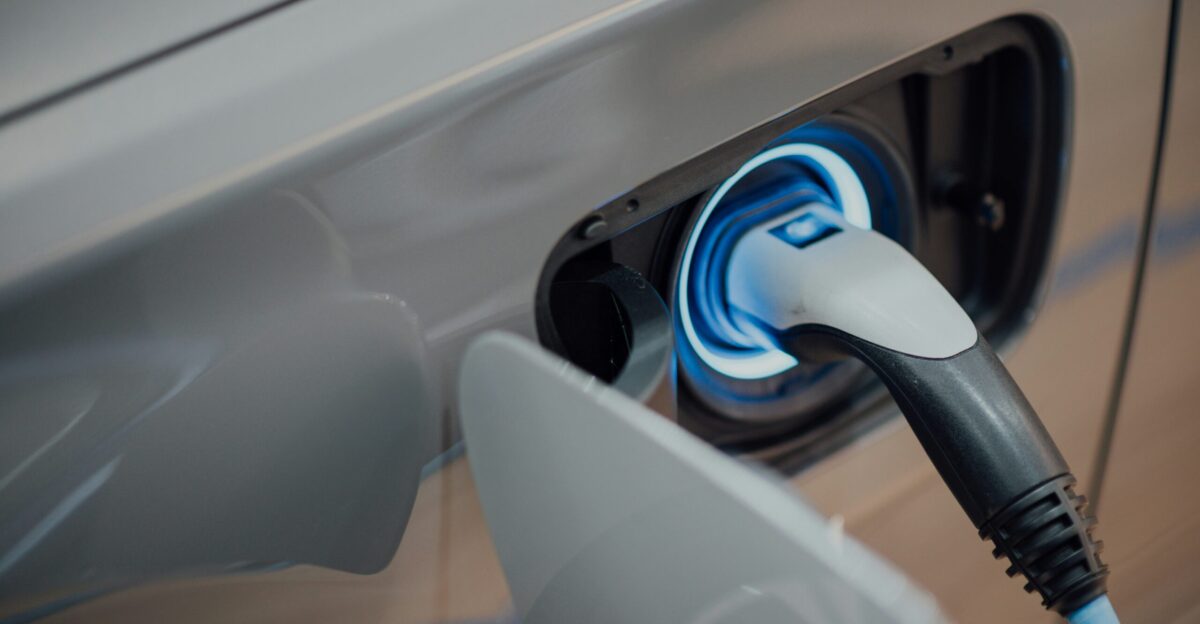
EV owners are encouraged to update their route-planning apps to include the new charging sites, verify connector compatibility, and check real-time charger availability through EVgo’s app.
Familiarizing themselves with payment options before long trips will make for smoother travel. Travelers can also take advantage of Pilot and Flying J amenities—such as restrooms, restaurants, Wi-Fi, and stores—to turn charging time into productive downtime.
What’s Next? The Future of Network Expansion
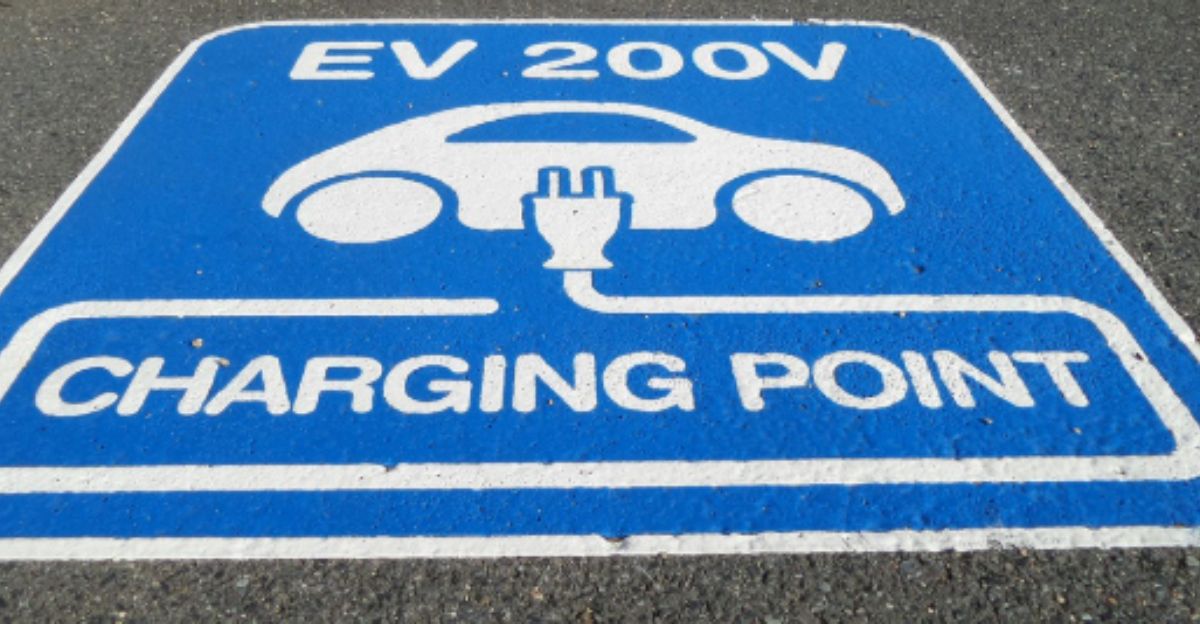
The partnership continues to grow, targeting 500 locations and 2,000 total charging stalls by 2025 and beyond.
GM projects that by 2027, around 100,000 DC fast chargers will be available nationwide across all networks, including EVgo, ChargePoint, and others. Future upgrades may include faster charging technology, enhanced amenities, and even reservation systems for added convenience.
Transforming American Mobility
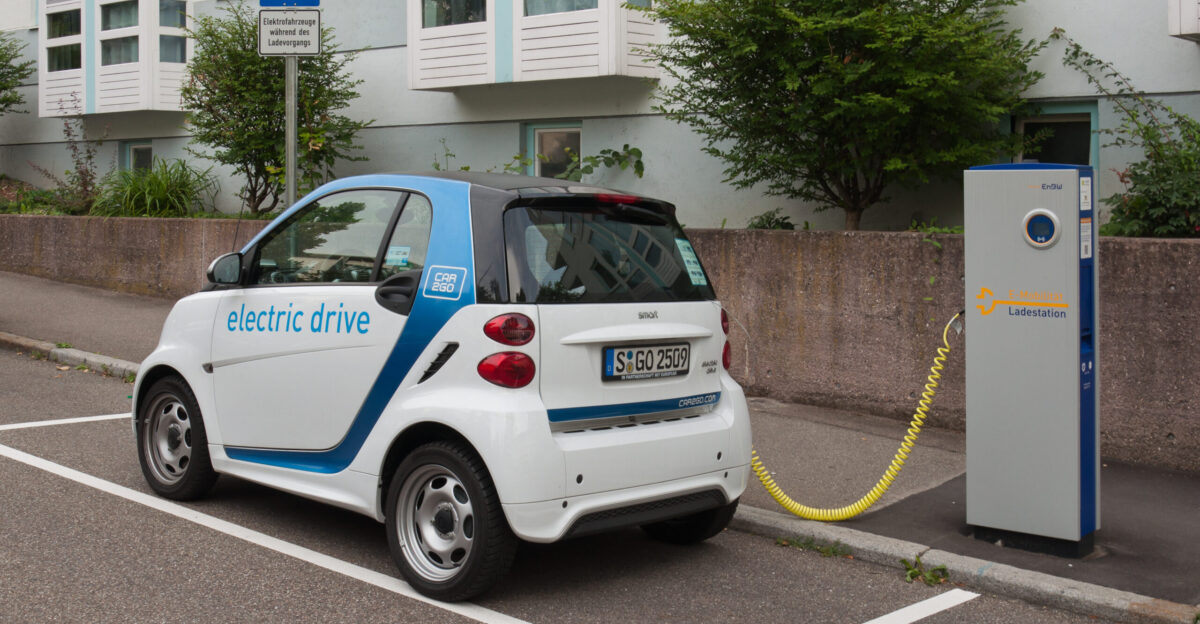
With 200 locations now open, the Pilot-GM-EVgo network brings the U.S. closer than ever to practical coast-to-coast EV travel—reshaping how Americans move across the country.
What was once a challenge is becoming routine, boosting consumer confidence and accelerating EV adoption. This milestone represents one of the most significant infrastructure shifts since the creation of the Interstate Highway System, with lasting impacts on industries, communities, and the environment alike.