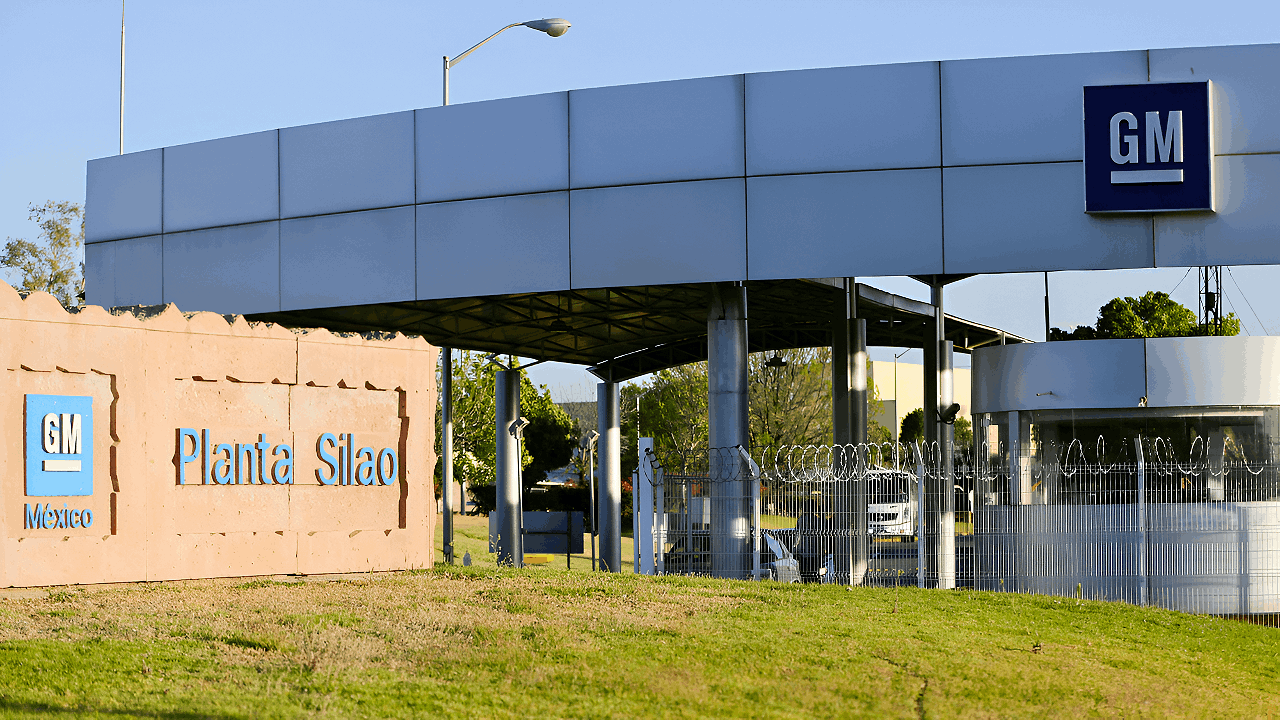
The hum inside GM’s Detroit Factory Zero faded to silence. Workers folded safety vests and clocked out—some for the last time.
Within hours, GM announced 1,750 indefinite layoffs and 3,400 furloughs across its electric vehicle and battery plants due to a sudden collapse in demand just 29 days after Washington killed the $7,500 federal EV tax credit. The nation’s second-largest EV maker hit the brakes on its electric future, leaving employees and investors scrambling to understand the fallout.
Why Did GM Cut EV Production?

GM executives pointed to a single trigger: the September 30, 2025 elimination of the $7,500 federal EV tax credit. The policy change instantly raised EV prices and slowed sales, forcing the company to cut output to avoid overproduction.
Without the incentive, consumer hesitation surged. GM described the pause as a “recalibration” of production until market stability returns, underscoring how fragile EV demand remains without federal support.
Consumers Face Fewer Choices and Higher Prices
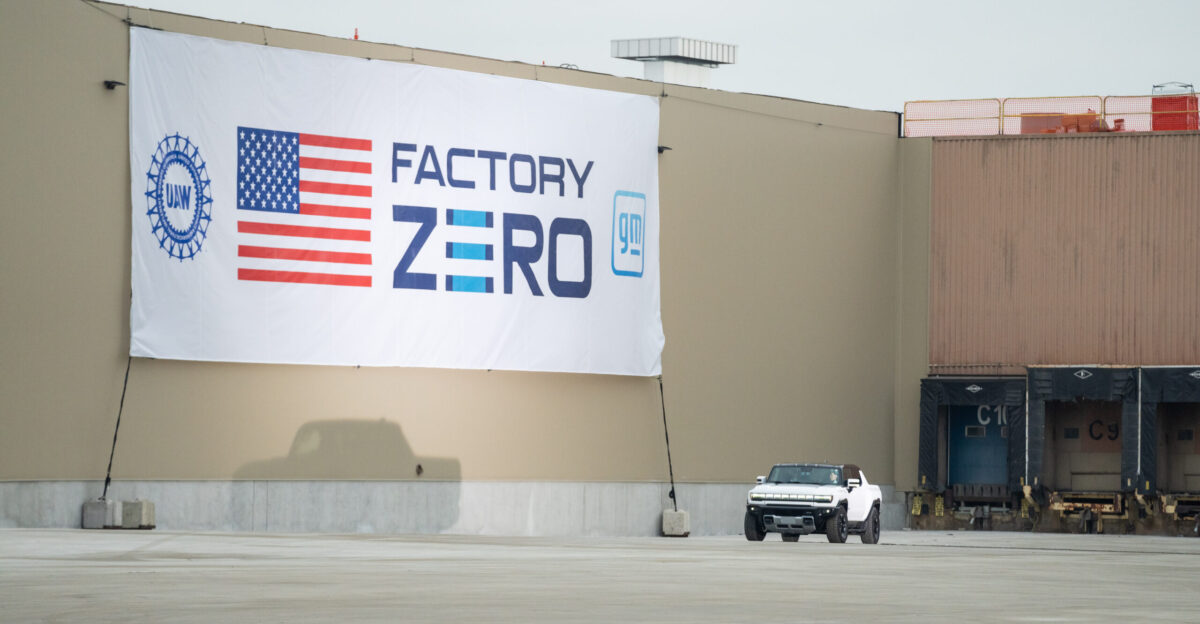
The pause hits the heart of GM’s electric lineup. Factory Zero in Detroit—maker of the Hummer EV and Silverado EV—will idle until January 5, 2026, returning with just one shift instead of two.
Two Ultium battery plants in Ohio and Tennessee will also halt until mid-2026. Fewer EVs will reach showrooms, and prices may climb, leaving buyers facing higher costs and fewer options.
Layoffs and Strategic Shifts

In total, GM will shed 1,750 workers and temporarily furlough about 3,400 more across Michigan, Ohio, and Tennessee, with smaller cuts in Georgia and Warren, MI.
The company is taking a $1.6 billion write-down on EV assets and supplier contracts. Other automakers—including Rivian and Volkswagen—are scaling back, signaling a broader reckoning across the industry.
Adjacent Markets: Gasoline and Hybrid Vehicles Gain Ground
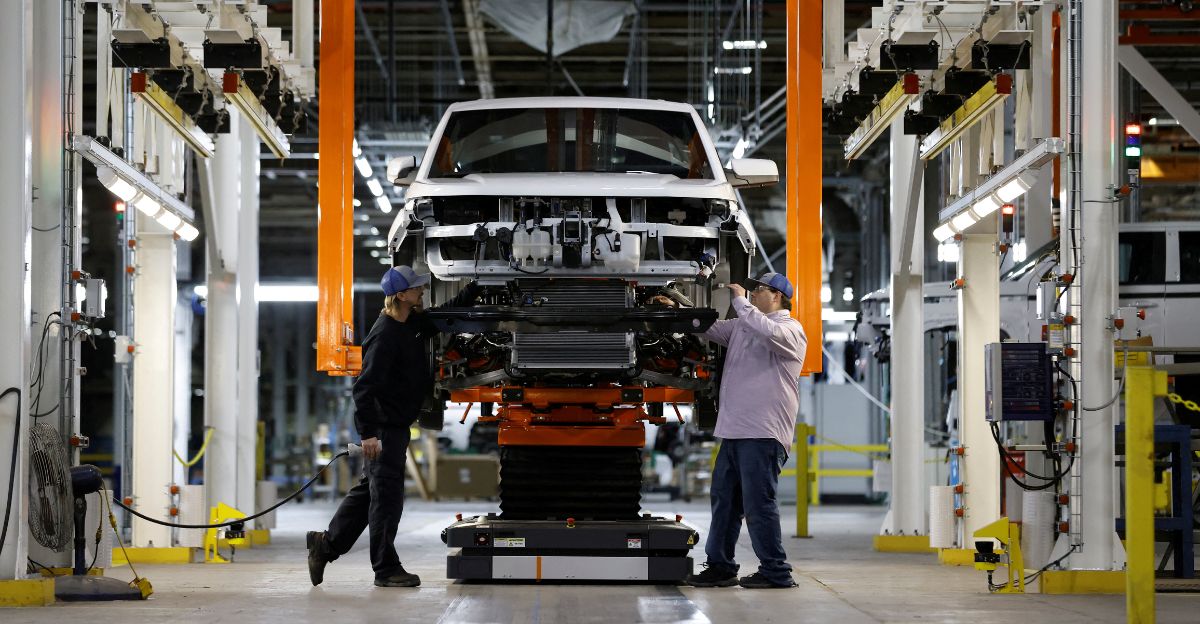
As EV production stalls, dealerships report rising demand for gasoline and hybrid models driven by affordability concerns and the loss of federal incentives.
Suppliers are retooling for hybrid drivetrains, and automakers are reviving interest in plug-in hybrids as a middle ground—potentially extending the lifespan of traditional engines until policy or market confidence rebounds.
Global Supply Chains Disrupted
GM’s production pause ripples far beyond U.S. borders. Suppliers in Asia and Europe face reduced orders for battery cells, rare-earth materials, and electronics.
Export forecasts for U.S.-made EVs have been scaled back, weakening America’s trade position in the green tech economy. Even a six‑month disruption could cost international partners millions and erode confidence in U.S. supply-chain reliability.
Workers and Local Communities Impacted

For thousands losing jobs or furloughed, the shutdown’s effects are deeply personal. Towns like Detroit, Warren, and Spring Hill depend heavily on GM’s payrolls.
Small businesses brace for lost sales as families face uncertain prospects before the holidays. Economists estimate over $130 million in annual wage losses—a blow to manufacturing communities already grappling with automation and electrification.
Policy Debate Intensifies

The tax credit’s removal has reignited debate in Washington. Republicans argue incentives distorted the market, while Democrats warn the rollback undermines climate progress.
Labor unions called the layoffs “preventable collateral damage,” urging Congress to reinstate buyer incentives. The White House faces pressure to balance climate goals with job protection heading into the 2026 midterms.
Inflation and Investment Uncertainty

Plant closures ripple through local economies, reducing spending in the Midwest and straining small manufacturers.
Investors, already cautious about the EV sector, are reassessing portfolios amid rising inflation and policy instability. Slower investment could delay innovation and recovery by up to a year.
Lifestyle and Environmental Impact
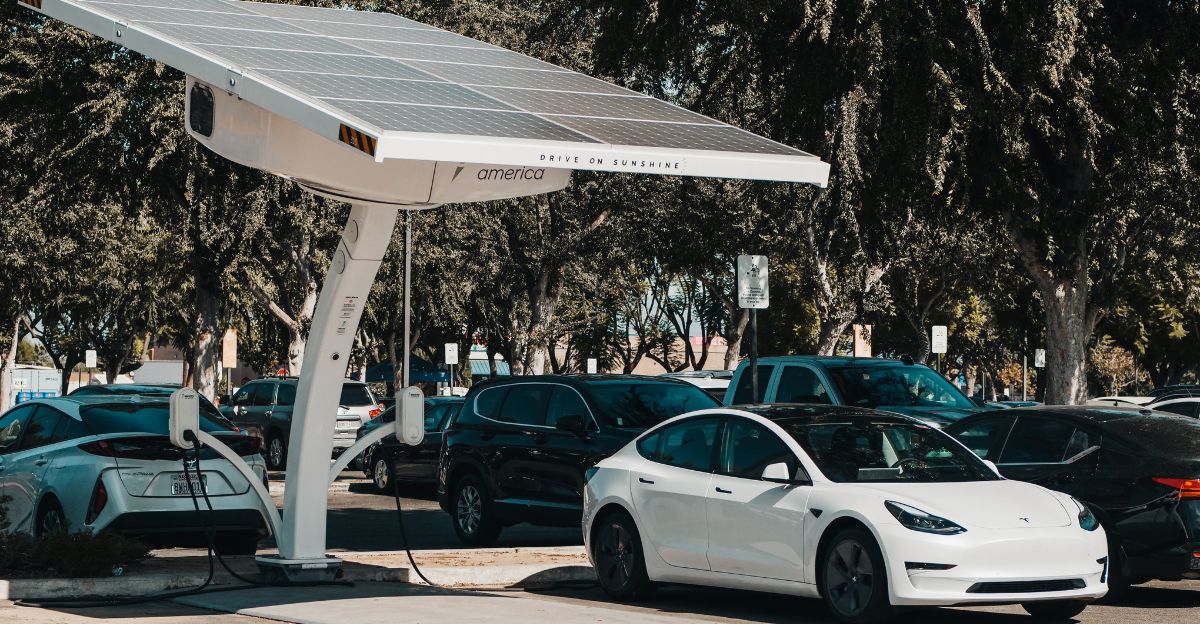
The EV slowdown also delays progress on air quality and emissions goals. Urban planners worry that slower electrification will stall clean transport initiatives.
Many consumers, priced out of EVs, are returning to gasoline models, threatening to erase recent emissions gains.
Sustainability vs. Affordability

America’s EV debate is shifting from innovation to accessibility. Environmental advocates say halting incentives sacrifices climate commitments, while working families argue that EVs remain unaffordable without them.
The layoffs have made that philosophical divide sharply practical—forcing a reckoning between green ideals and financial reality.
U.S. Leadership in Question

Abroad, allies and competitors are watching closely. Europe and China continue expanding EV output, while U.S. production pauses for recalibration.
Analysts warn that America’s retreat from aggressive electrification could hand market share to foreign rivals and tarnish its reputation as a clean-tech leader.
Unexpected Winners and Losers
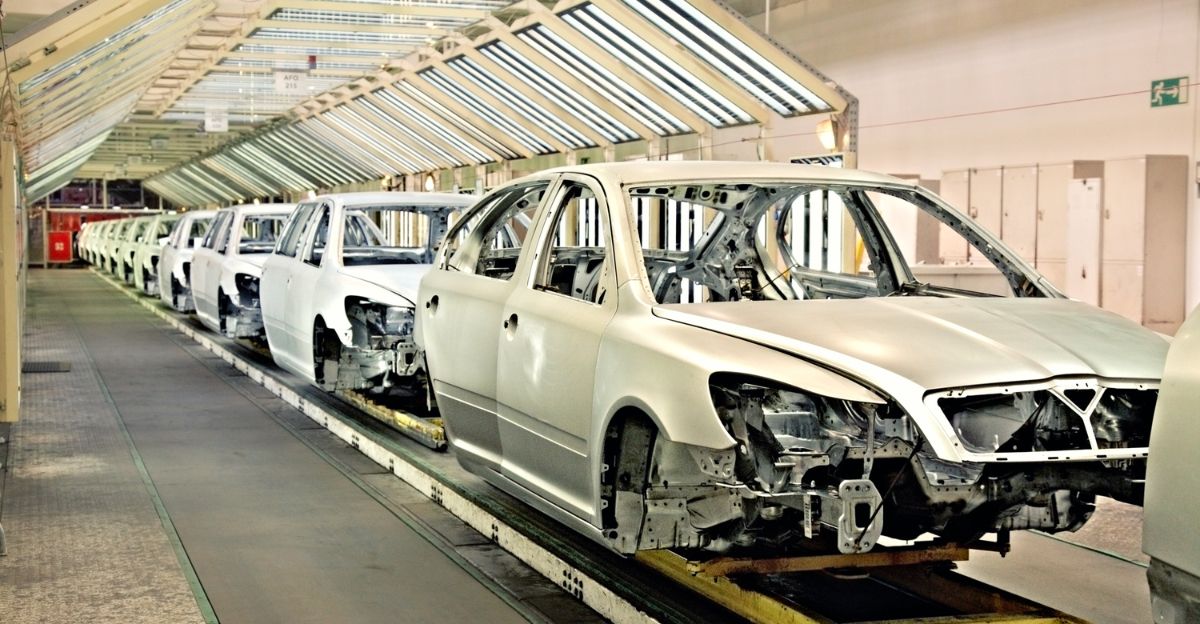
Not everyone loses in this downturn. Makers of gasoline and hybrid vehicles are seeing an unexpected boost, while battery manufacturers, mining firms, and green tech startups are reeling.
The reversal has reshuffled the industry’s hierarchy—rewarding companies that maintained traditional powertrains while punishing those fully committed to electrification.
The Domino Effect
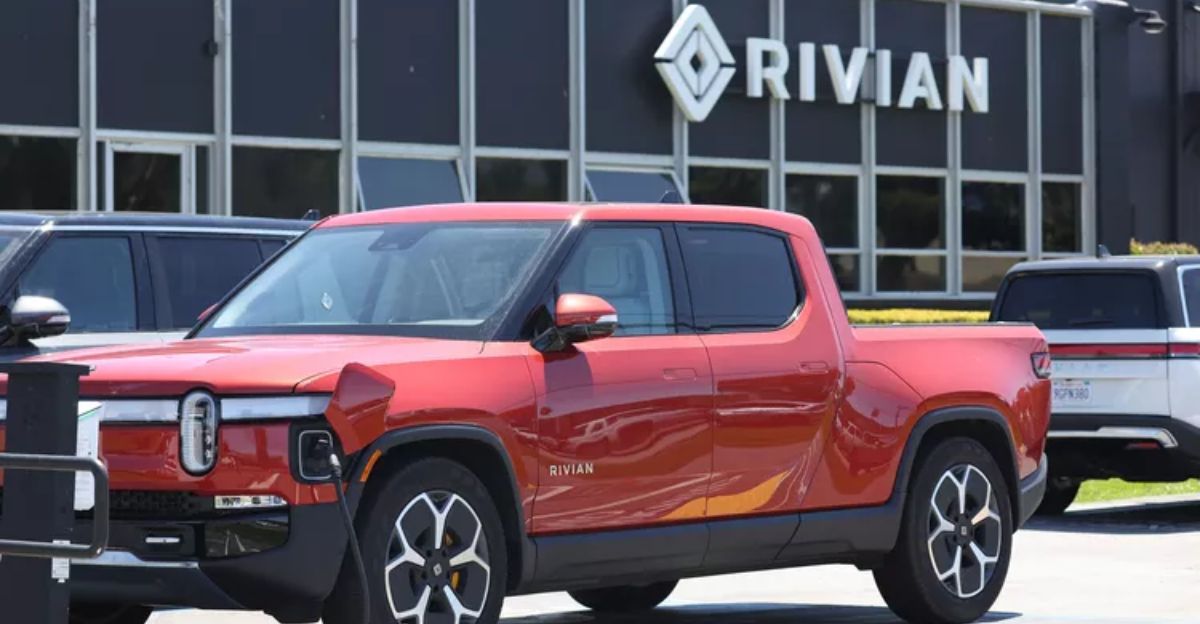
GM’s retrenchment has emboldened others to scale back. Rivian cut 600 jobs, and Volkswagen suspended ID.4 production in Tennessee.
Suppliers now fear a “domino wave” of plant slowdowns if demand fails to rebound. Even Tesla faces tighter competition for buyers and growing scrutiny of subsidy dependence.
Green Goals vs. Market Reality
This moment highlights a deeper paradox: America’s climate ambitions depend on markets that falter without government aid.
The abrupt end of the tax credit exposed fragile EV economics, creating what economists call a “policy whiplash”—where sudden reversals undo years of progress and shake corporate investment confidence.
Heartland Economies on Edge

Michigan, Ohio, and Tennessee face their largest combined auto layoffs since 2009. Local officials warn of secondary job losses in logistics, maintenance, and retail.
In Warren, OH, 1,400 Ultium workers are benched until mid‑2026, and Tennessee communities tied to electrification see housing projects paused.
Navigating the Market

Analysts advise buyers to watch for state-level EV incentives and compare total ownership costs, including charging and maintenance.
Laid‑off workers can look to retraining in advanced manufacturing and energy technology. Financial planners recommend building savings buffers as uncertainty spreads through the auto sector.
Can GM Recover Its Momentum?

GM insists the move is a pause, not a retreat. Factory Zero reopens January 5, 2026, and Ultium battery output resumes mid‑2026 after upgrades.
Executives remain committed to U.S. manufacturing and electrification. The question is whether consumer confidence and policy support will return fast enough to reignite momentum.
Lessons from a Sudden Slowdown

GM’s cuts mark the largest EV layoff wave in U.S. history and a warning for industries built on unstable incentives.
The road ahead depends on coordination among automakers, policymakers, and consumers. Whether this moment becomes a short stumble or a lasting retreat will shape America’s clean-energy future for decades.