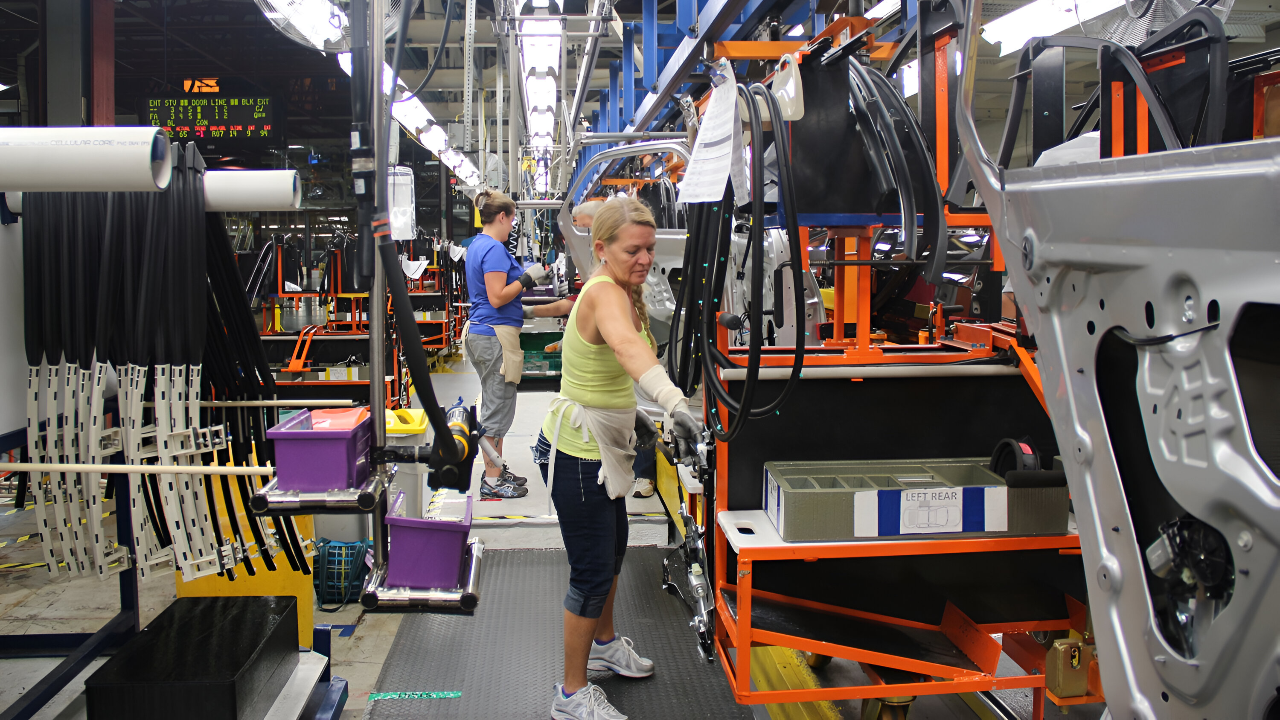
General Motors is hitting a key turning point as it temporarily halts production at its Spring Hill Ultium Cells battery plant in Tennessee. Starting January 2026, this pause will affect around 700 workers. The decision sheds light on how slowing electric vehicle (EV) demand is impacting the auto industry.
GM’s move isn’t just a company issue, it’s a symbol of the broader struggles facing automakers as plans for an all-electric future cool down. For GM, the pressure is high to balance investor expectations, production goals, and worker security. At the same time, communities tied to EV production are beginning to feel the sting of uncertainty.
Layoffs Expand Across the Nation
The automaker recently announced 3,300 job cuts across the United States as it adjusts to changing market forces and shifting government regulations. Workers in Tennessee, Michigan, and Ohio are among those most affected. According to Fox Business, the cuts reflect deeper market challenges as automakers re-evaluate the pace of their electric vehicle transitions.
GM says the changes are temporary and necessary to maintain financial stability, but employees and local leaders view them as a sign of growing turbulence in the EV market. Despite healthy profits in prior years, the company now faces the reality that EV adoption isn’t happening as fast as once predicted.
How the Spring Hill Plant Came to Be
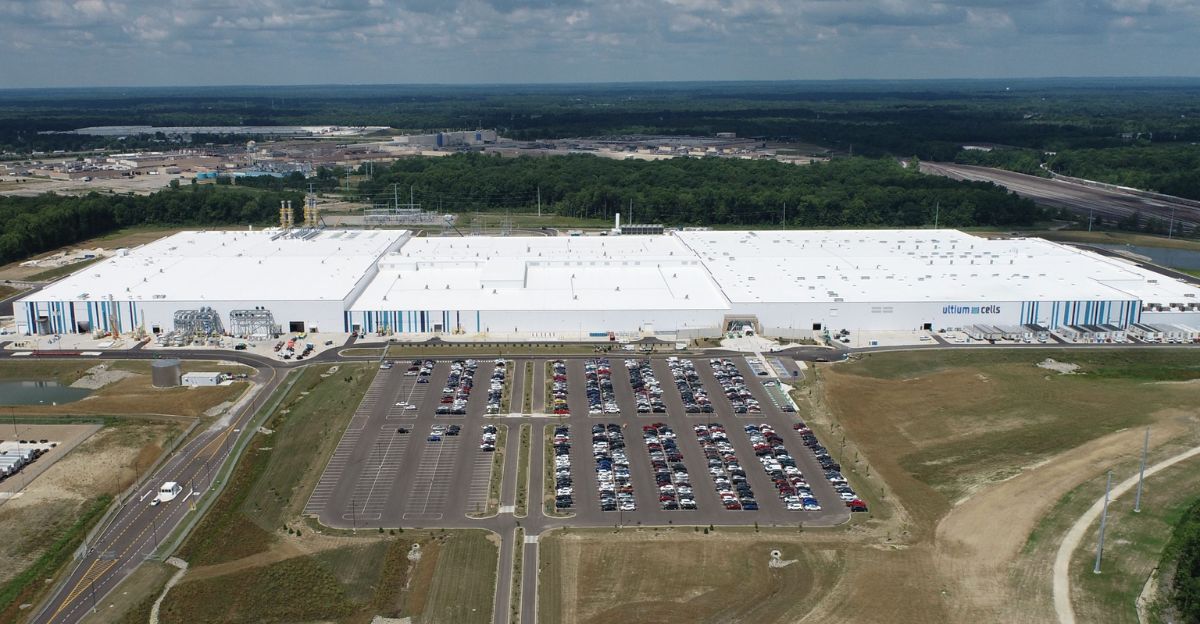
GM and LG Energy Solution built the massive Spring Hill Ultium Cells plant with high hopes and a $2.3 billion investment. Opened in 2023, it was meant to power GM’s electric future by producing advanced lithium iron phosphate (LFP) batteries for next-generation EVs. At full strength, the plant could have become a cornerstone of GM’s battery strategy. But now, with demand faltering, the plant’s full potential hangs in the balance.
The Tennessee facility was built to produce cleaner, lower-cost batteries to compete with Tesla’s innovation in LFP technology. As GM pauses production, both the company and its international partner. LG is reevaluating its timelines.
Pressure Builds on the Auto Industry
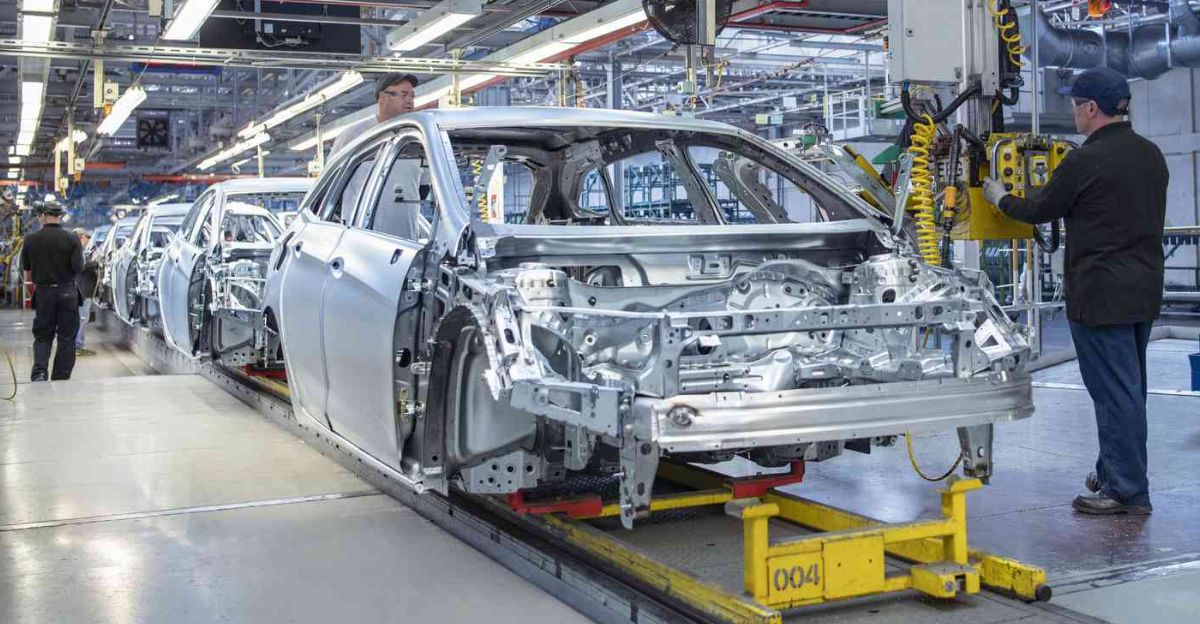
The auto industry is feeling the weight of slowdown pressures. While GM posted strong profits earlier this year, it’s no longer immune to the headwinds affecting the electric transition. In states like Michigan and Georgia, GM has already cut back at technical and IT centers, key operations tied to EV production.
Industry experts cite multiple reasons like more expensive materials, declining federal support, and regulatory hurdles that make quick adaptation nearly impossible. GM’s restrained approach may help conserve cash, but it also raises doubts about the goal of going fully electric by 2035.
Official Word on the Pause
GM officially confirmed on October 29, 2025, that it will suspend operations at the Spring Hill Ultium Cells battery plant starting January 2026. Roughly 700 workers will be temporarily laid off, with the plan calling for production to resume by mid-2026. GM explained the pause as a necessary adjustment to align battery output with real-world EV demand.
The move follows months of speculation about whether GM would slow its investments in battery technology amid a cooling market. While the pause is framed as temporary, many inside the company see it as a critical test of flexibility.
Tennessee Feels the Ripple
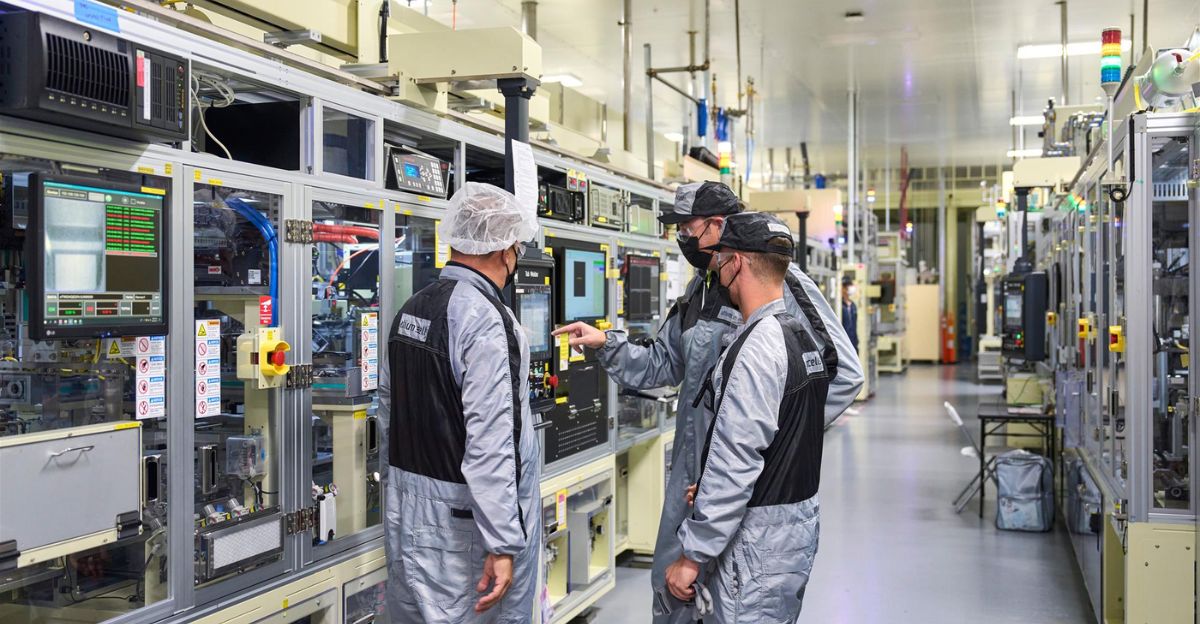
The Spring Hill community is bracing for a tough start to 2026. With GM’s Ultium Cells plant pausing operations, local businesses that rely on the facility will see a drop in spending and activity. Restaurants, small suppliers, and service providers are all preparing for leaner months.
The ripple effects extend far beyond the 700 furloughed workers. Many local companies provide tools, maintenance, and logistics support to GM, meaning a slowdown in one factory can quickly squeeze the surrounding economy.
Workers Face an Uncertain Future

For the 700 workers being sidelined, this pause brings tough emotions, uncertainty, stress, and frustration. Many moved to Spring Hill from other GM facilities, drawn by the promise of stable jobs in the growing EV sector. GM has confirmed that affected employees will receive part of their pay and benefits during the downtime to ease the impact.
Still, for many families, temporary support may not be enough to cover the rising costs of living. Union representatives say they are pushing GM for clearer communication about the timeline for returning to work.
Rivals Also Hit the Brakes
GM isn’t the only automaker feeling the slowdown. Ford, Stellantis, and other major companies have also announced workforce reductions and factory slowdowns as the growth of EV sales cools. Ford, for instance, delayed production at its Kentucky battery facility, while Stellantis reduced shifts at its assembly plants.
While companies raced to meet ambitious environmental targets, many buyers remain hesitant, citing high upfront costs and limited charging options. Despite these headwinds, competitors are not abandoning EVs entirely, they are pivoting, delaying new models, and optimizing existing production.
Why EV Growth is Slowing
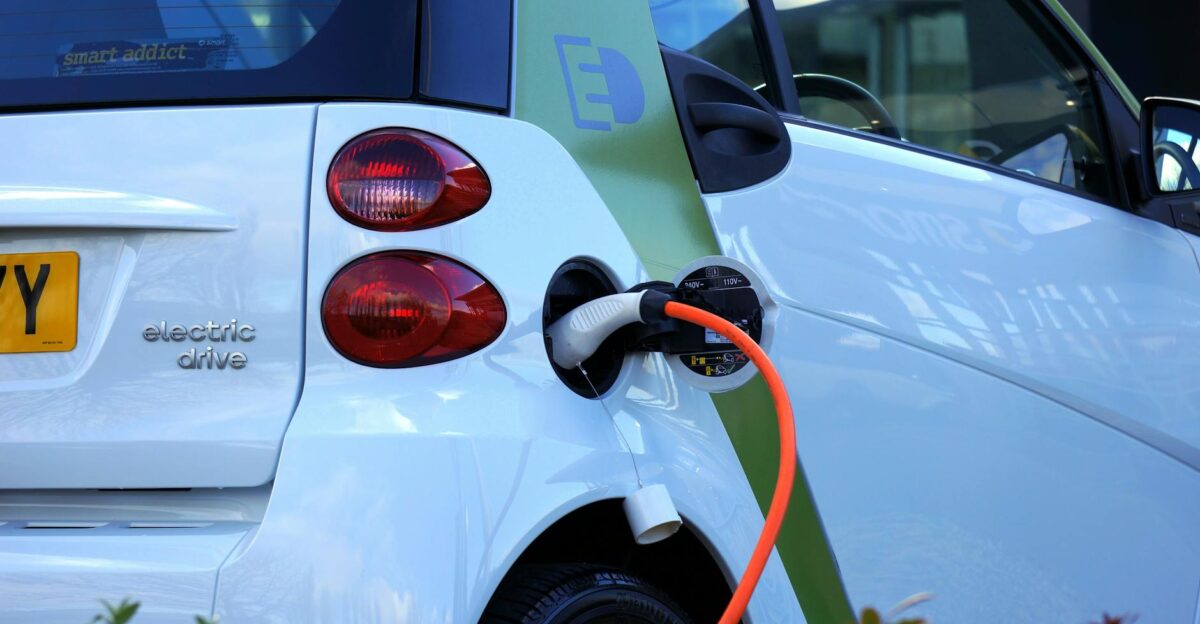
Electric vehicle sales in the United States are still growing, but far below projections. Inflation has driven up car prices, and charging station availability hasn’t kept pace with demand. The loss of the $7,500 federal EV tax credit earlier this year made switching even less appealing for many drivers.
Consumers are also watching how reliable EV batteries prove over time, especially in colder regions. Meanwhile, energy prices and supply chain costs continue to pinch profits. The result is an EV market that’s stabilizing, not skyrocketing.
Ohio Plant Also Feels the Chill
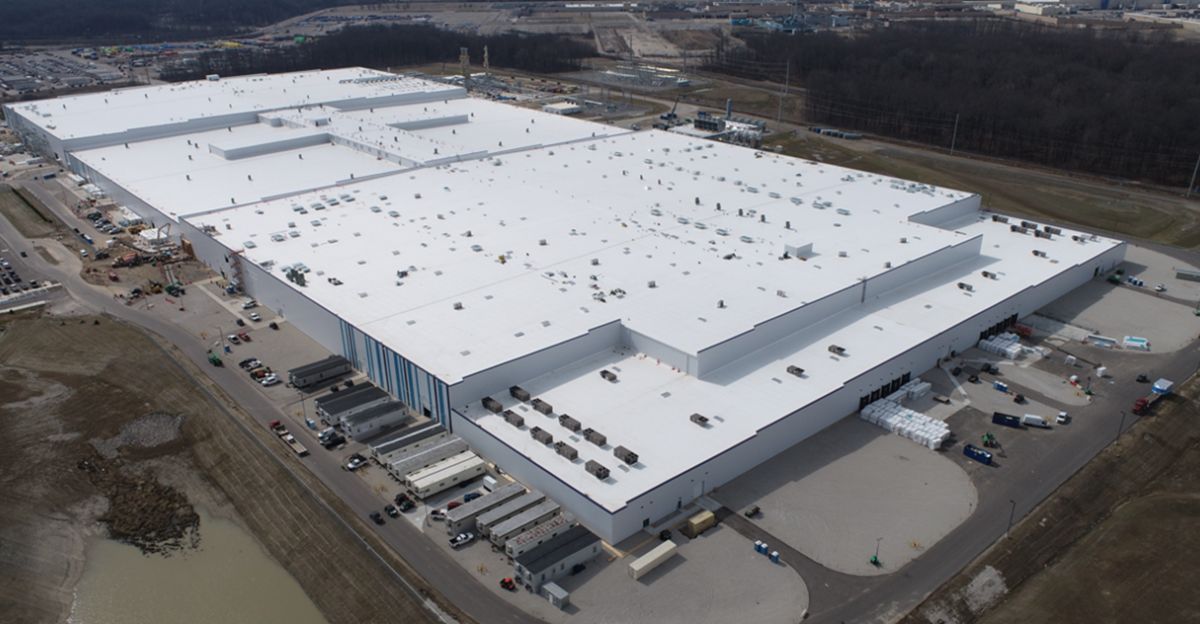
In addition to Tennessee, GM’s Ultium Cells facility in Warren, Ohio, will pause operations in January 2026. About 850 employees will face temporary layoffs, while 550 more positions may be permanently cut. Workers in Ohio share the same concerns as their Tennessee counterparts.
For GM, consolidating production at fewer plants may save costs but could also risk losing valuable talent. The slowdown proves this is not an isolated regional problem, it’s a national one.
Frustration Builds Inside GM
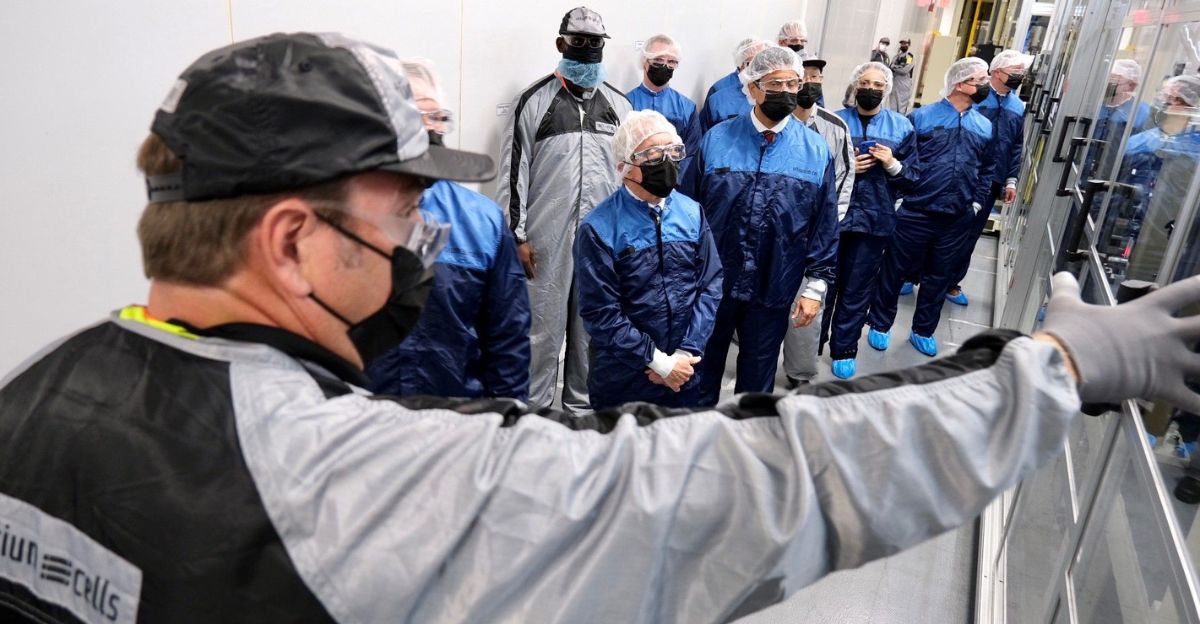
Inside GM’s plants and offices, tension is starting to rise. Many workers and managers who joined the electric vehicle program believed it would bring years of stable employment and new opportunities. The sudden production halt has shattered that sense of security.
Some employees had even relocated their families to Tennessee and Ohio, now facing financial pressure and uncertainty. For managers, the pause means juggling tough conversations about layoffs, retraining, and long-term planning. The emotional strain is clear, as workers fear temporary furloughs may turn into permanent losses.
Leadership Faces the Heat

GM’s decision is shining a spotlight on CEO Mary Barra and her leadership team. Investors are eager to see how the company will protect profits while balancing the expectations of workers and customers. Layoffs are rarely popular, but analysts say they are a crucial move in navigating the current economic landscape.
The company’s top brass is under renewed pressure to communicate a clear strategy for recovery and to reassure stakeholders that the EV vision remains alive. The pause gives GM a chance to reset its operations, but it also tests whether its leadership can maintain unity across the workforce.
Plans for a Strategic Comeback
GM is framing this pause not as a retreat but as a reorganization. The company plans to use the downtime at Spring Hill and Warren to upgrade equipment, expand automation, and improve flexibility for future demand changes. Executives say this break will leave GM stronger and more efficient when production ramps back up.
If executed well, GM could emerge from this period better positioned for the next wave of electric growth. The challenge lies in making sure that workers and partners stay engaged during the waiting period.
Experts Raise Red Flags

Industry experts remain cautious about GM’s recovery timeline. Battery prices remain high, consumer confidence is shaky, and government policies continue to fluctuate. Some predict competitors from Asia could take advantage of the slowdown by ramping up production. Others warn that if EV demand does not bounce back by late 2026, companies may face deeper layoffs and delays in launching new models.
Economists believe that the industry needs clearer federal policy to restore confidence and encourage domestic investment. This moment may force every automaker to rethink whether their timelines for going fully electric are realistic under current conditions.
What Happens to 700 Workers Now?
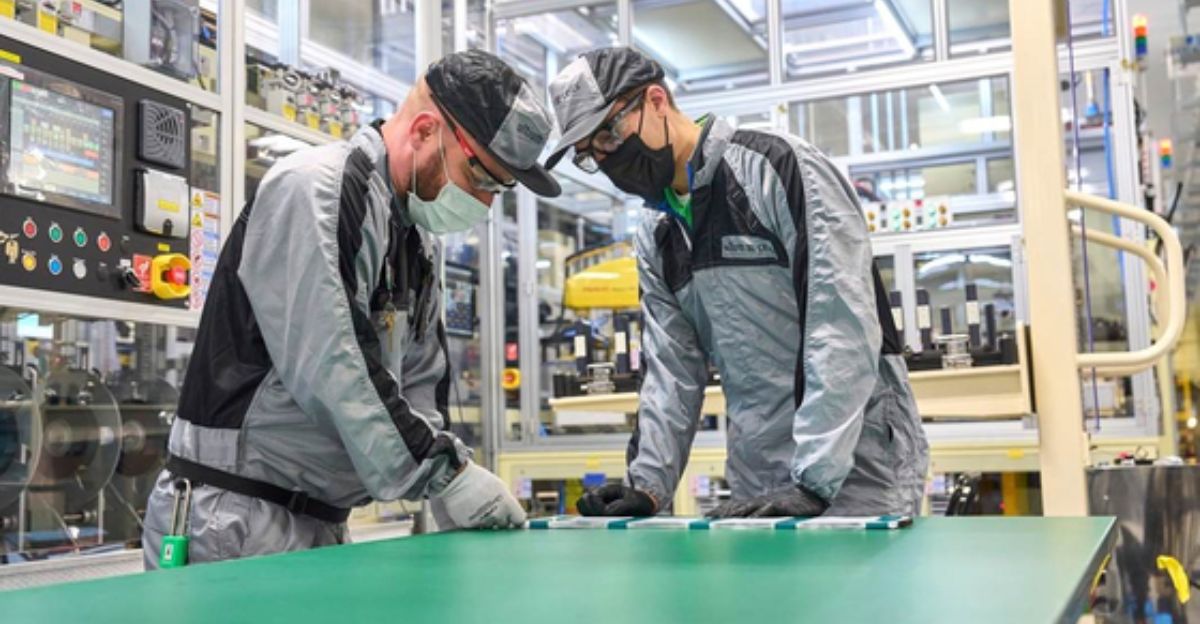
As the mid-2026 target for restarting production approaches, the question remains: will all 700 Tennessee workers return to their jobs? GM insists it is doing everything possible to make that happen, but much depends on customer demand. Some workers are looking for side jobs or retraining opportunities while they wait.
Labor advocates are urging GM to set clearer milestones for restoring operations to rebuild trust and morale. The outcome will shape the region’s economic outlook and could determine whether Spring Hill continues as a hub for EV production.
Policy Debate Heats Up

GM’s layoffs and production pauses have sparked fierce debate in Washington and state capitals. Some lawmakers argue the government must step in again with tax breaks and incentives to keep EV manufacturing in the United States. Others believe the slowdown proves that earlier subsidies failed to deliver lasting results.
Environmental groups are calling for renewed federal investment in clean energy and job protection, while budget hawks warn about pouring taxpayer funds into uncertain projects. Whether through new funding, revised regulations, or workforce programs, the coming months may redefine the partnership between automakers and government assistance.
Global Reactions and Ripple Effects
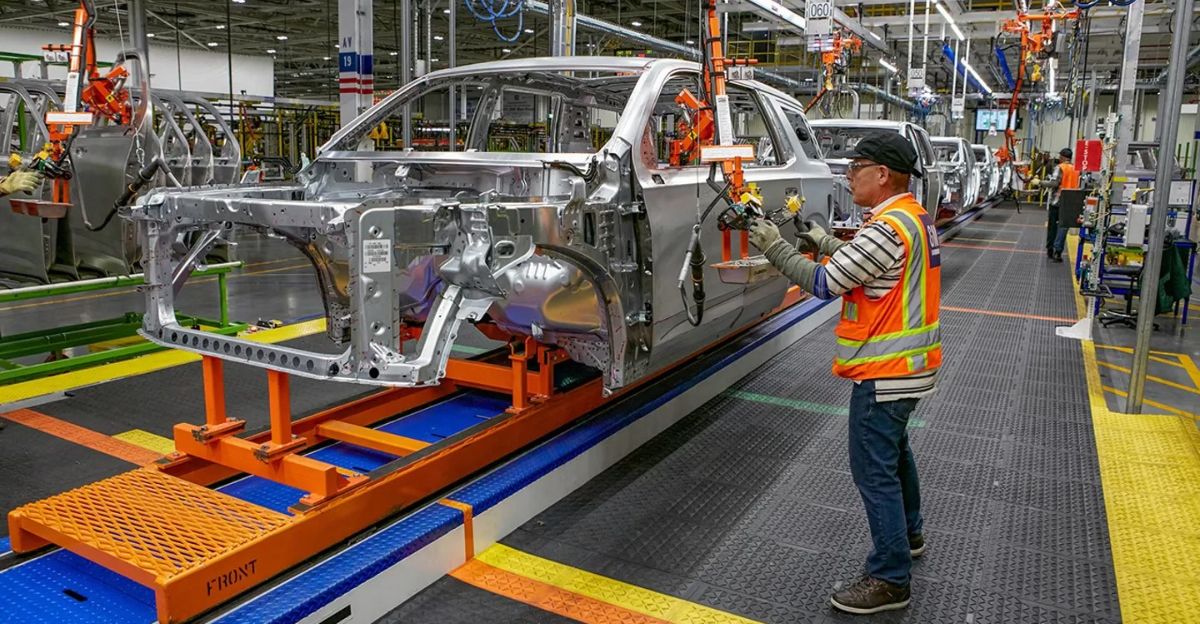
GM’s production cuts are being closely monitored by international partners and global competitors. LG Energy Solution, GM’s battery partner, has already begun assessing how the slowdown will influence its own operations in South Korea and beyond.
Automakers in Europe and Asia are also watching, wary of potential overcapacity in battery supply chains. Countries aiming to boost their own EV programs may take advantage of the U.S. slowdown to attract investors and talent.
Climate Goals at Risk
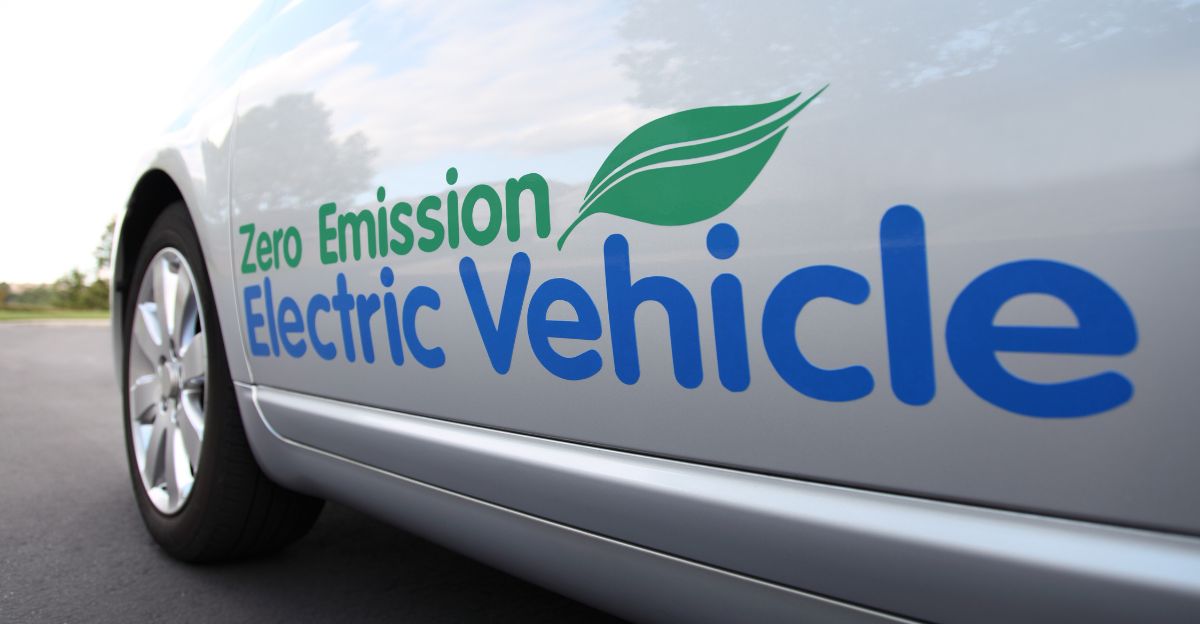
Environmental groups are voicing growing concern that GM’s pause could slow progress toward national and international carbon reduction targets. Every delay in electric vehicle production translates to more time relying on gasoline-powered cars, increasing emissions in the short term.
GM maintains its long-term commitment to net-zero emissions by 2040, but activists are calling for stronger accountability and investment in renewable infrastructure. They argue that clean energy goals require consistent, not intermittent, production.
Public Opinion Shifts

The EV slowdown is also changing how Americans view electric cars. For some, the layoffs and pauses signal caution, proof that the transition isn’t as smooth as it seemed. Others view it as a period of regrouping that will lead to stronger innovation in the future.
Many drivers still cite range anxiety, repair costs, and charging availability as reasons to hold back. In contrast, environmentally aware consumers remain eager for cleaner alternatives, even in a slower market.
The Auto Industry at a Crossroads
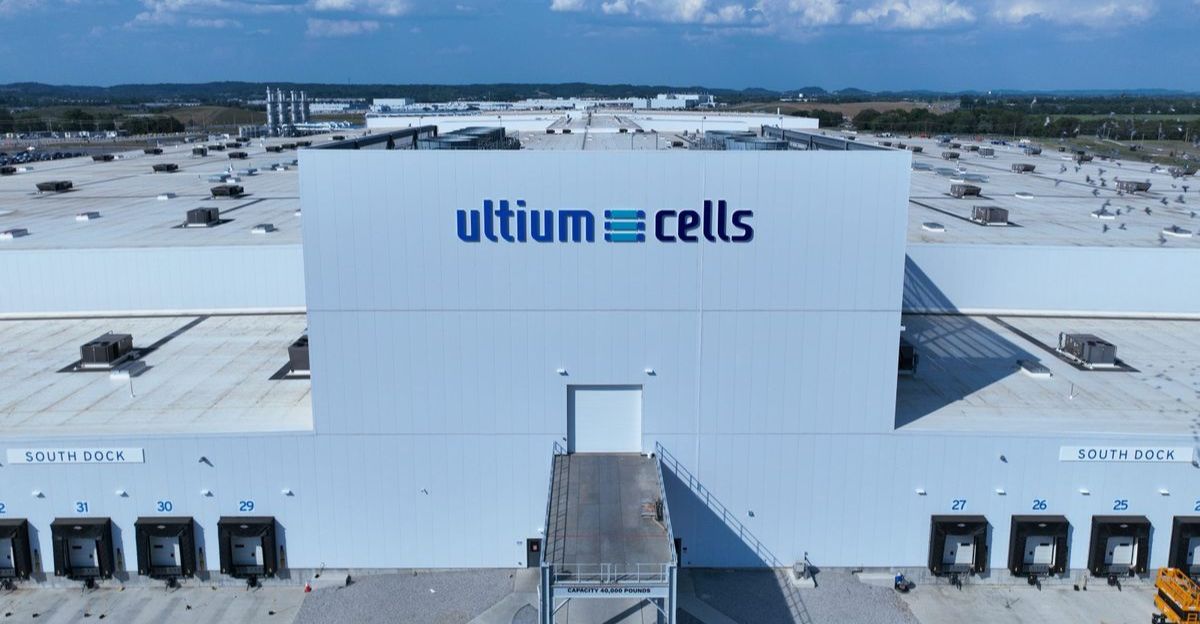
GM’s pause at Spring Hill marks more than just a factory decision, it’s a defining moment for the entire automotive industry. As companies reconsider their production targets, they must balance economic caution with technological ambition.
Automakers, workers, policymakers, and consumers are all adjusting their expectations in real time. If companies like GM can adapt production while keeping their long-term goals intact, the EV movement can regain momentum.