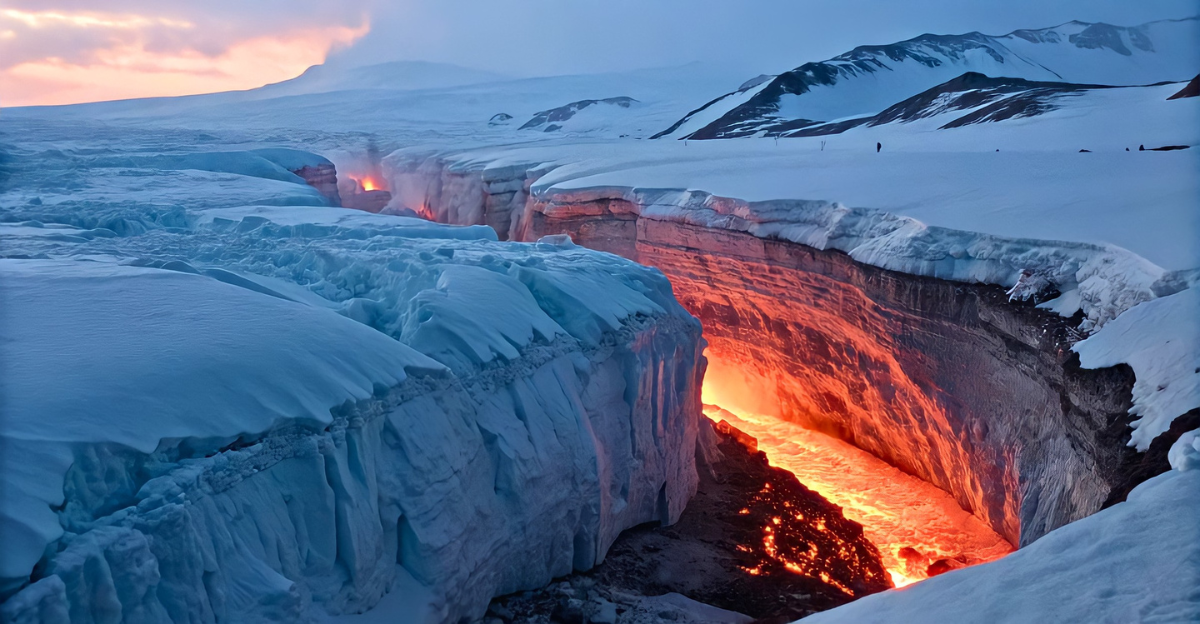
Glacier collapse is accelerating worldwide, driven primarily by rising temperatures and climate anomalies. Vast ice masses that have stood for centuries are losing volume at unprecedented rates, reshaping landscapes and raising alarm among scientists. “What was stable is now shifting,” notes a recent climate report, highlighting the situation’s urgency.
The scale and speed of glacial melt not only impact local ecosystems but also signal more profound disruptions on a global scale. The alarming pace of these changes invites scrutiny into the immediate effects on rising sea levels and the cascading consequences awaiting communities worldwide.
Rising Volcanic Risk
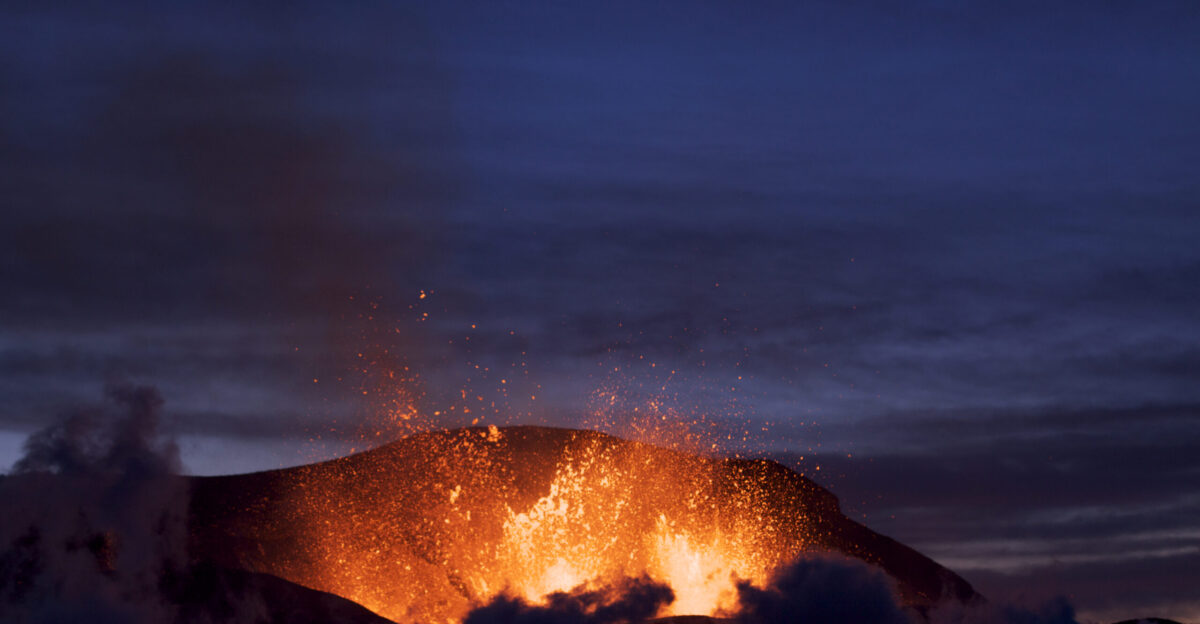
With glaciers melting alarmingly, researchers warn of increased volcanic risk, particularly for those covered by ice. Signs of seismic unrest are emerging in regions stretching from Alaska to Antarctica, amplifying concerns for communities and the global climate.
Resident and environmental activist Luis Torres states, “People are starting to feel the ground shake, and it’s terrifying.” The evidence points towards a new era of volcanic activity triggered by climate shocks, as melting glaciers relieve the pressure on magma chambers below, creating a potentially volatile situation that could affect many lives.
Historical Context of Eruptions
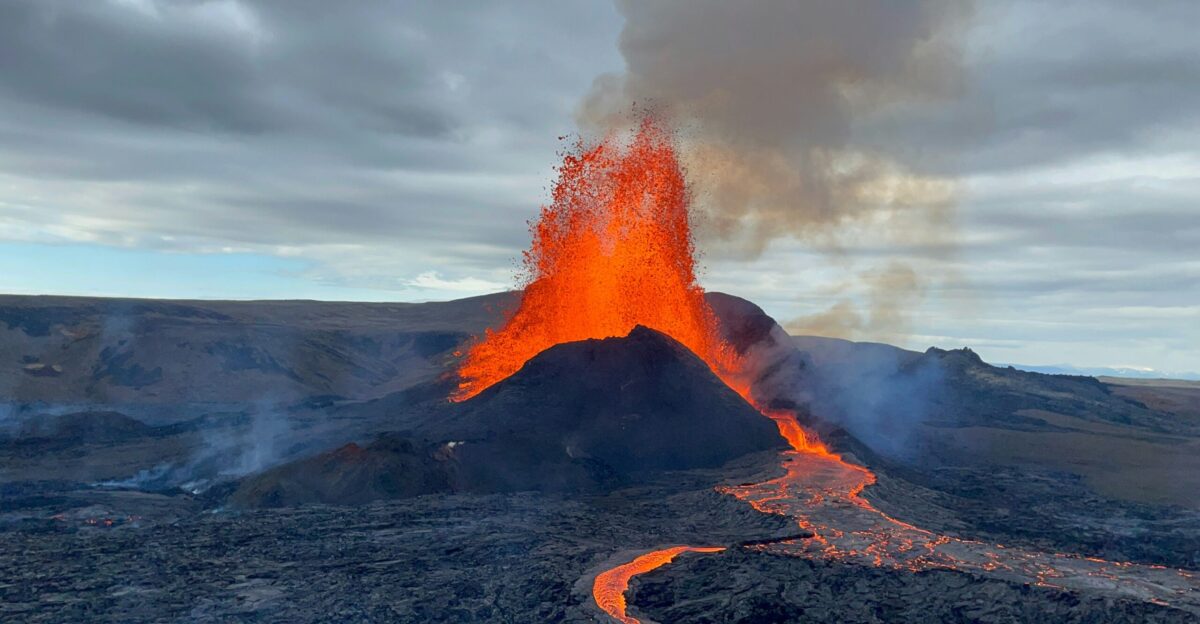
Understanding the connection between glacial cycles and volcanic activity provides vital context. Historically, volcanoes have responded dramatically to changes in ice coverage, with increased eruptions recorded after large ice sheets melted at the end of the last Ice Age.
For example, Iceland experienced a surge in volcanic eruption rates, increasing 30-fold between 12,000 and 9,000 years ago. This historical pattern reveals how the dynamics between ice and magma systems can shape geological events over millennia, suggesting that current trends could initiate a similar explosive chapter in Earth’s history, impacting human life in unexpected ways.
The Influence of Melting Pressure
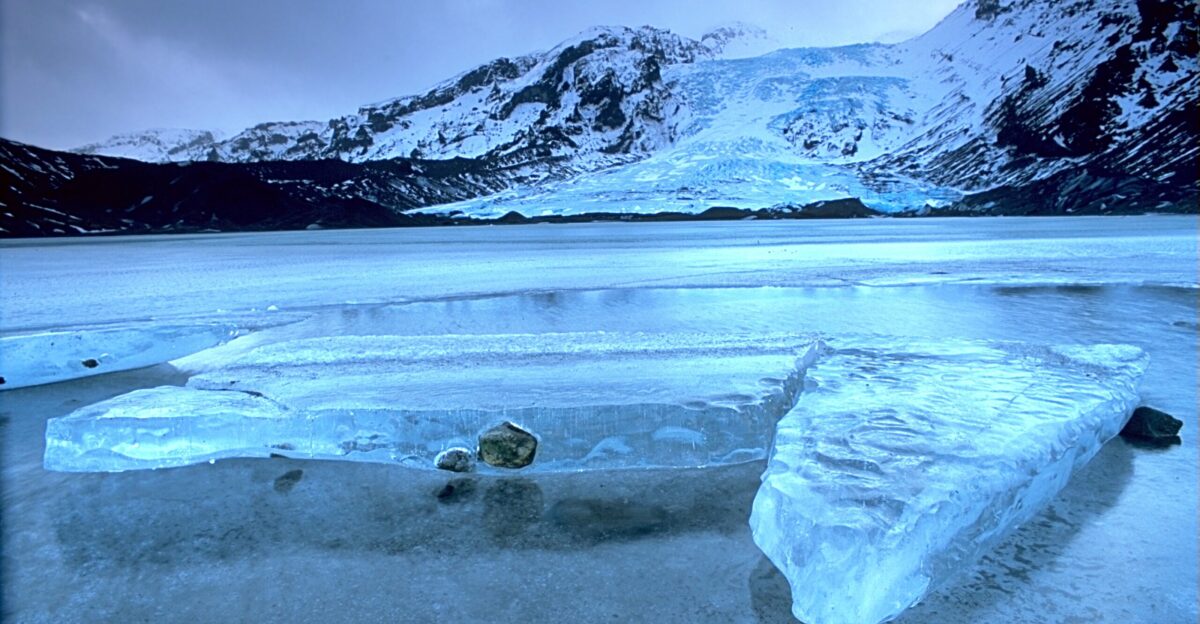
Glacial ice exerts immense pressure on the Earth’s crust, effectively suppressing volcanic eruptions. However, this pressure is significantly reduced as warming trends lead to diminished ice cover. According to a recent study, the decrease in surface pressure directly influences the frequency and explosiveness of volcanic eruptions.
Researcher Dr. Sara Kim emphasizes, “What we’re seeing is that the locked-away magma is finding new mobility.” The urgency of these findings stresses the importance of enhanced global monitoring efforts, as communities could soon face the consequences of these geological transformations.
2025 Mega Volcano Alert
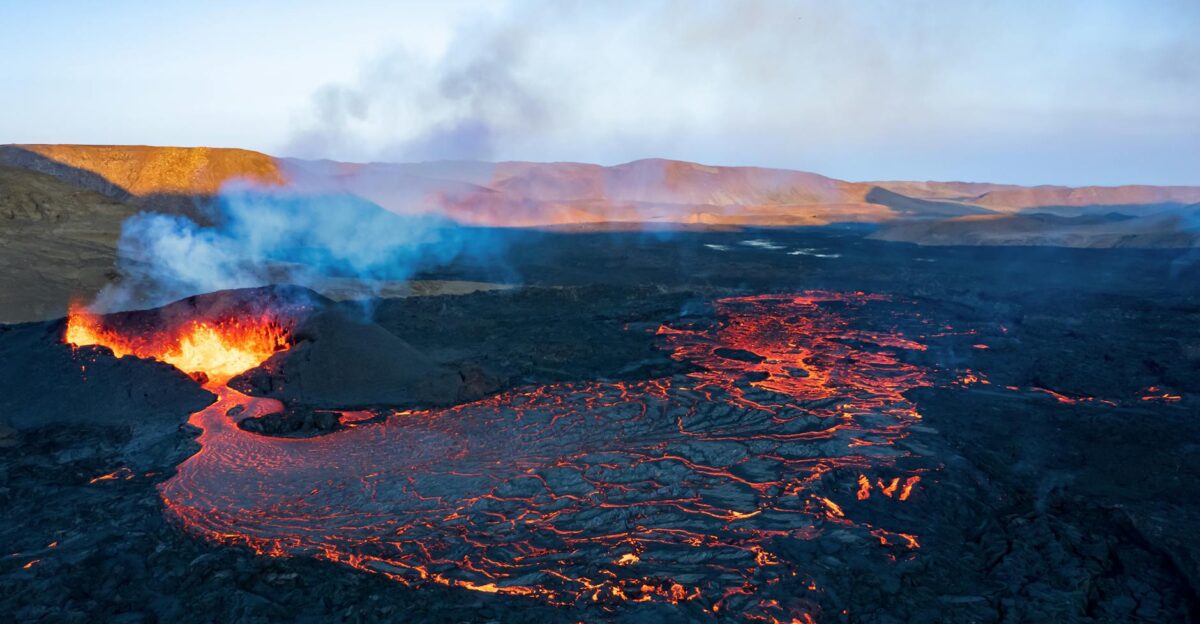
In 2025, scientists at the Goldschmidt Conference reported alarming findings: at least 54 large volcanoes worldwide had shown renewed activity following rapid glacier collapse. “This is unprecedented,” declared volcanologist Dr. James Rivera, indicating regions most affected, including Antarctica, the Andes, and Alaska.
The phenomenon has been called “mega volcano awakening,” marking the most significant recorded surge in volcanic threats tied to glacial loss. As the situation unfolds, scientists grapple with the implications of this awakening, not just for the environment but for the millions of people living in vulnerable areas.
Antarctic Unrest on the Horizon
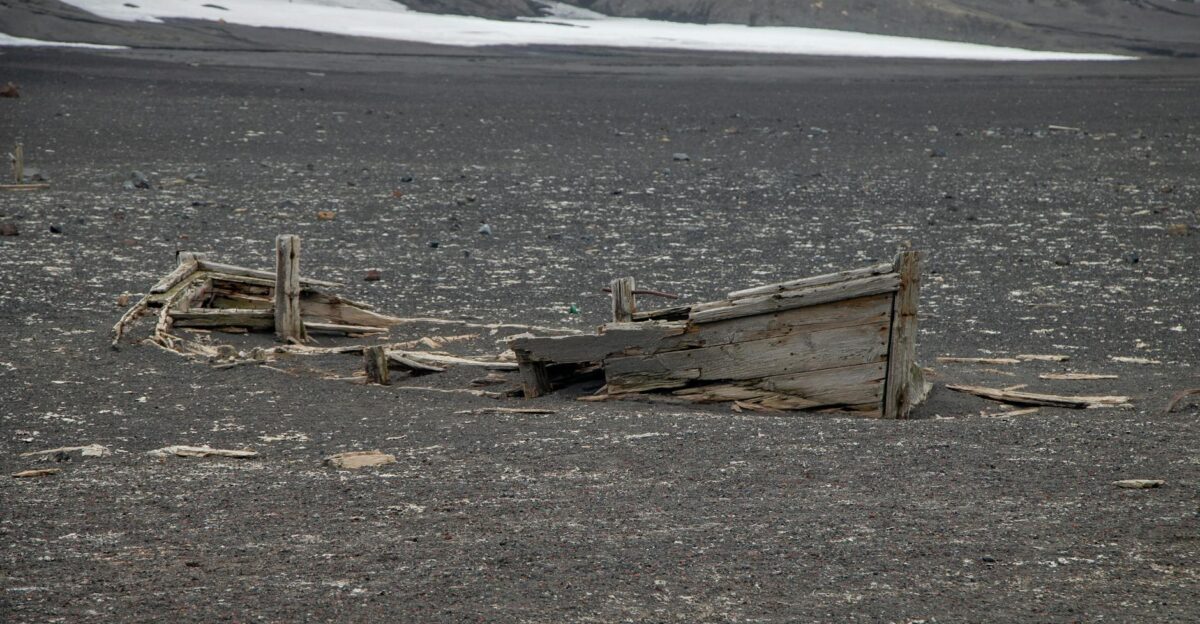
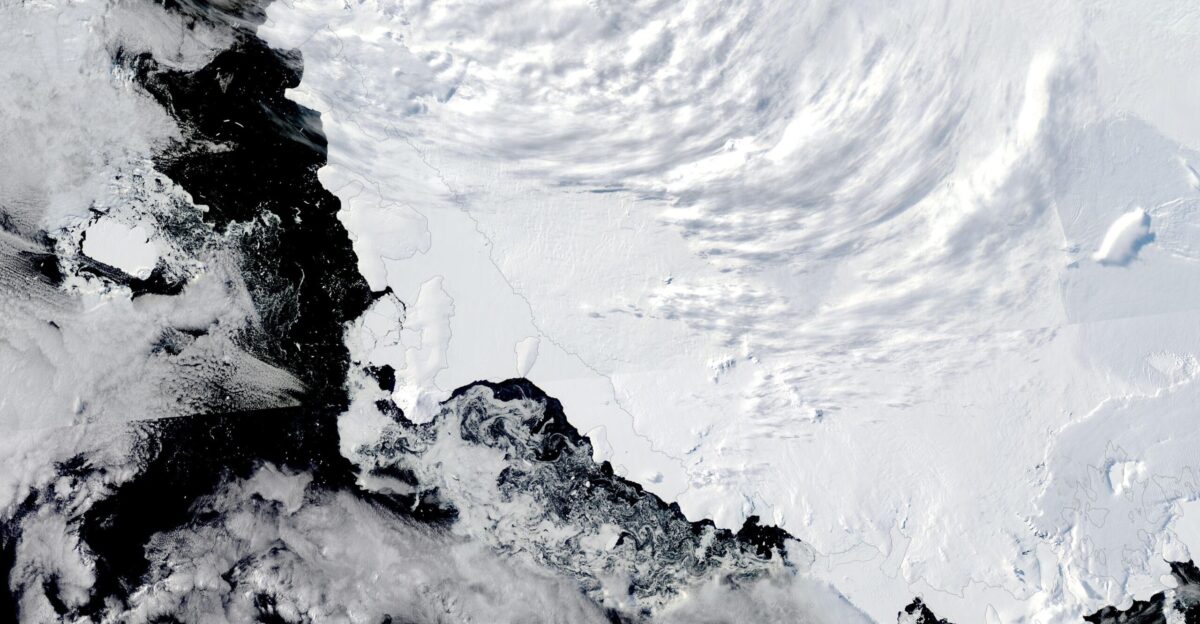
Antarctica is home to hundreds of subglacial volcanoes and faces escalating seismic and magmatic unrest as glaciers thin. Local scientists predict that by 2030, up to 30% of glacial cover may reach critical thresholds, leading to increased seismic activity.
“Every tremor unsettles us; it’s a reminder of just how fragile our environment is,” local researcher Anna Lunde shares, pointing to localized tremors and ground inflation becoming progressively common. This rising unrest has prompted heightened monitoring efforts to safeguard Antarctica’s stability, linking environmental health directly to global climate dynamics.
The Human Toll – Chile’s Andes
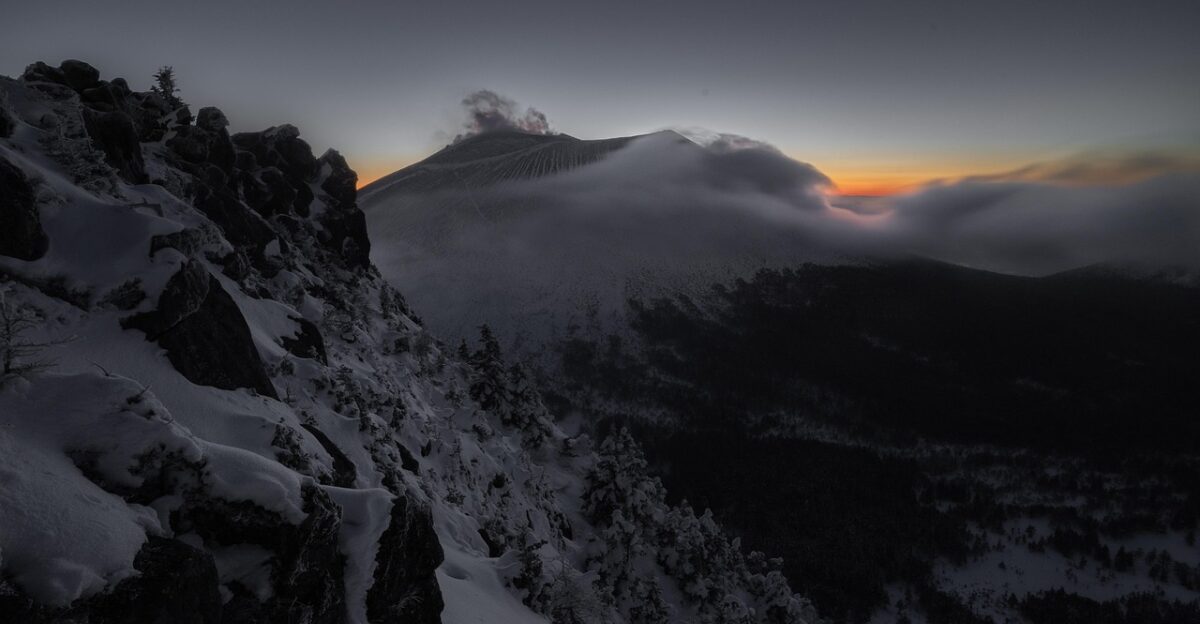
In the Andes region of Chile, residents near the Mocho-Choshuenco and Uturuncu volcanoes feel unease. Local farmer Paula Díaz describes the anxiety among the community: “We’ve never seen anything like this before. The ground is shifting, and we worry for our crops and families.” Increased gas emissions and strange ground movements are causing alarm, leading authorities to advocate for heightened vigilance.
As new geological risks emerge, the delicate balance between agriculture and volcanic activity forces communities to rethink their relationship with the land and their resilience in these challenges.
Heightened Regulatory Scrutiny
In response to the increasing risks posed by glacier-adjacent volcanoes, governments and agencies worldwide are updating disaster preparedness plans. Risk assessment protocols now consider swift glacier loss as a primary trigger for eruptions.
“We are still playing catch-up to the reality of climate change,” comments emergency management official Tomás Reyes. The new regulations have spurred interest in research and emergency infrastructure funding, highlighting the importance of proactive measures in adapting to the evolving hazards created by climate-driven environmental changes.
Advancements in Global Monitoring
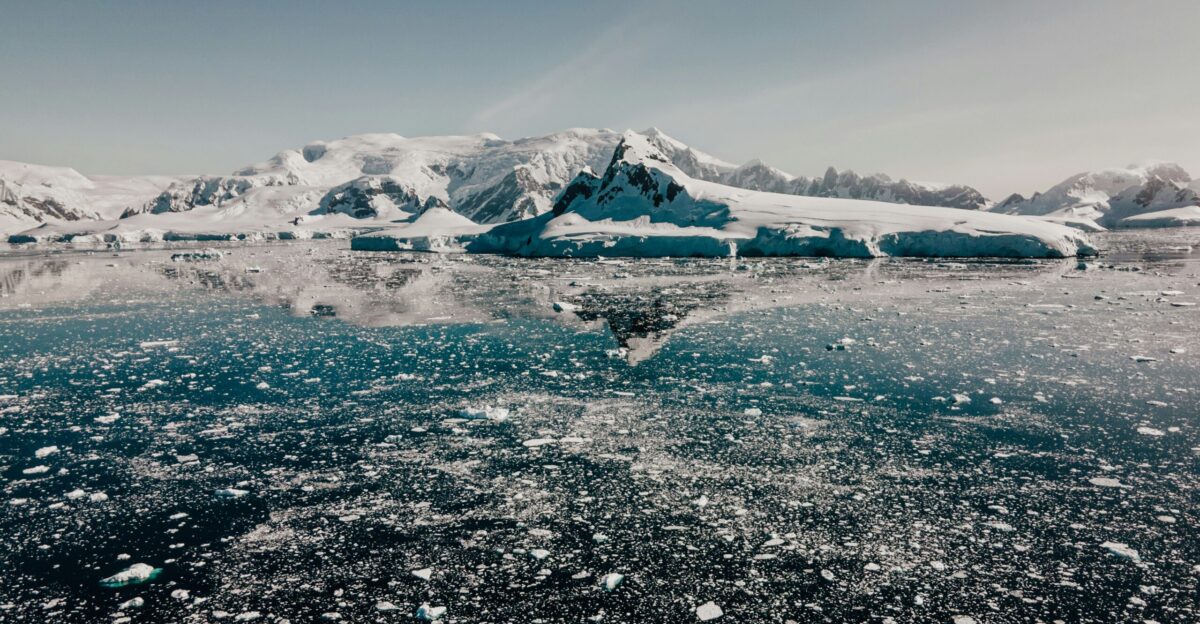
As volcanic risks escalate, an expansion of remote sensing and seismic monitoring networks has taken shape. International collaborations are essential to share data and monitor changes beneath melting glaciers rapidly. “We must act quickly and collectively,” states Dr. Mia Black, a lead researcher involved in joint volcano watch programs operating across regions like the Andes and Alaska.
This initiative aims for early detection and faster response times to ensure improved safety for communities bordering these volcanic regions, highlighting the importance of global cooperation in disaster preparedness.
The Climate Feedback Loop
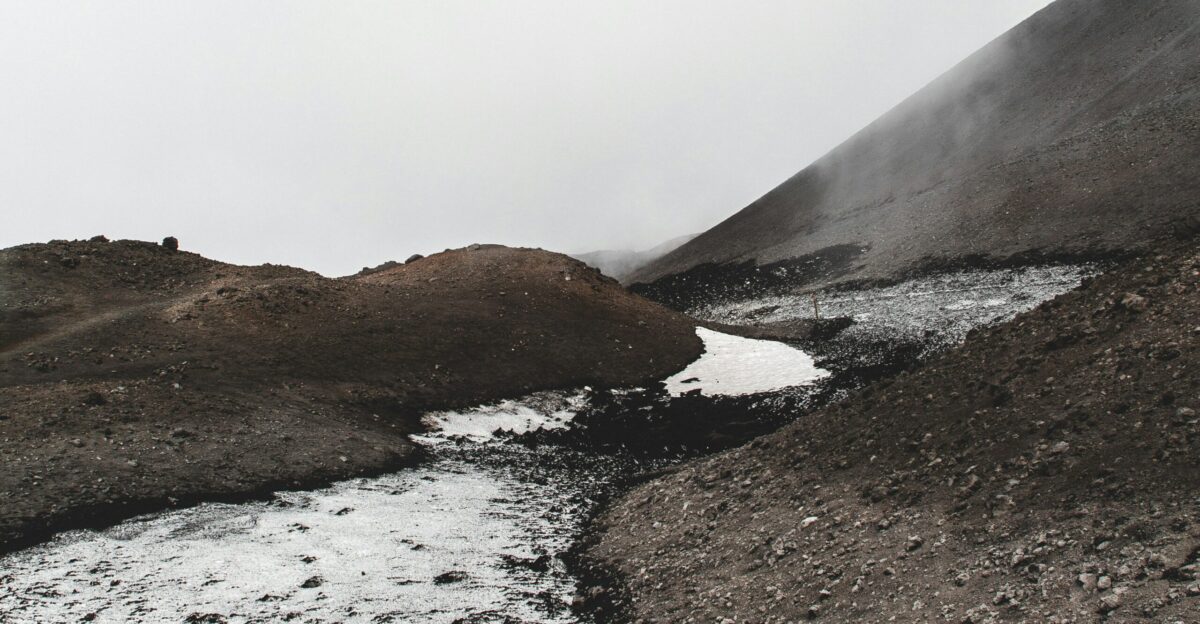
Experts caution that volcanic eruptions triggered by glacier collapse could further escalate climate change, releasing massive amounts of carbon dioxide and aerosols into the atmosphere. “This is a two-way crisis,” warns Dr. Linh Tran, emphasizing that while some eruptions may temporarily cool the planet, others could amplify warming trends.
With each eruption, the delicate balance of climate systems teeters on the edge. The potential for a feedback loop where volcanoes and climate exacerbate each other’s impacts adds urgency to our understanding of these interconnected systems.
Navigating Stakeholder Friction
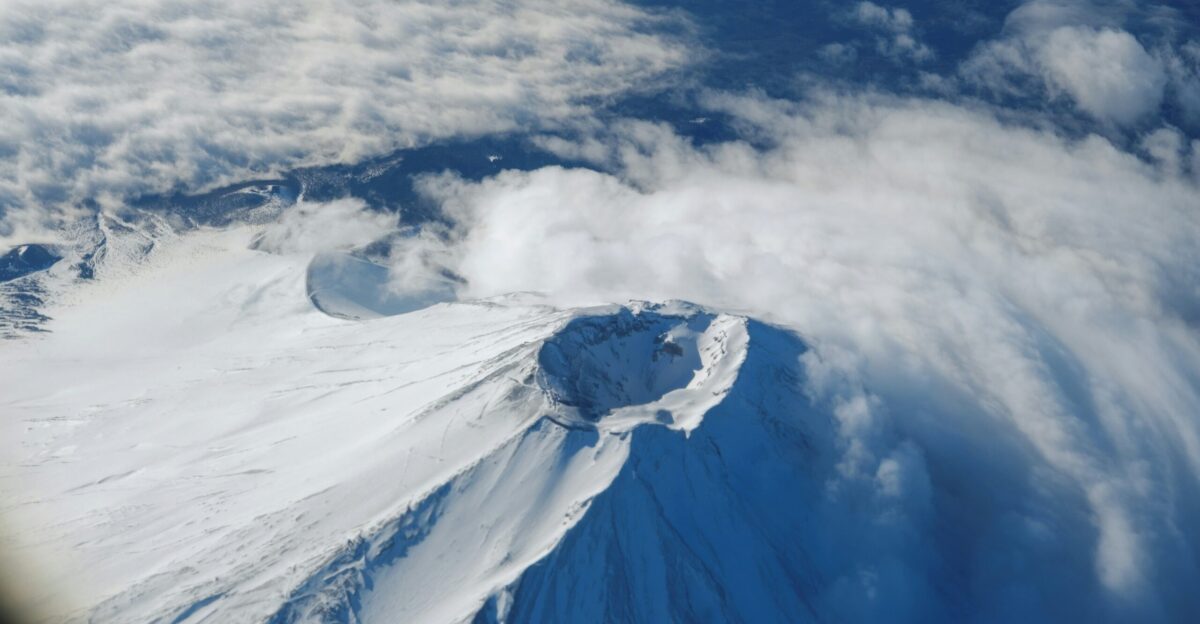
The rising volcanic threat has sparked friction between local industry leaders and regulatory agencies. Complaints about increased insurance costs and economic uncertainty are becoming common. “We need to protect our businesses, but we also have to heed the warnings from scientists,” argues tourism operator Sergio Castro.
Tourism, agriculture, and energy sectors are now adjusting their plans to align with new geological risks. Balancing public safety with regional livelihoods presents a challenging task for stakeholders as they navigate the complexities of a changing environment and the associated risks.
Scientific Leadership and Commitment
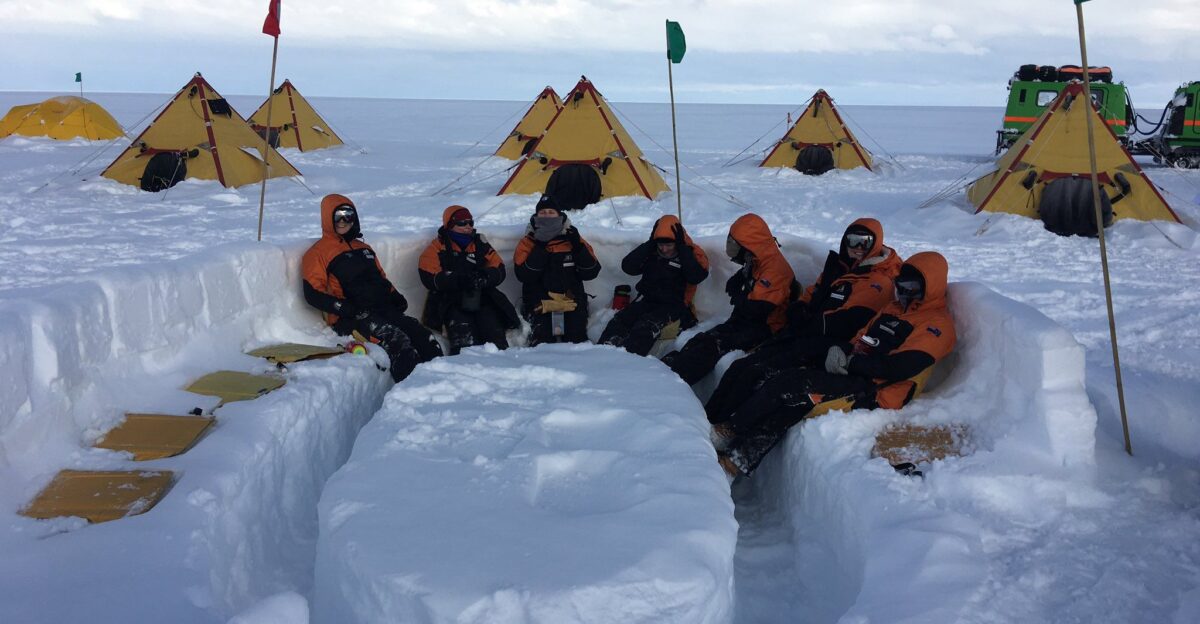
Major academic research centers, like the University of Wisconsin-Madison, are stepping up to study glacier-volcano interactions. Interdisciplinary teams draw on various fields, such as geology, climatology, and emergency management, to influence policy decisions and research agendas.
Dr. Emily Wong, a leading geophysicist, states, “We must understand these interactions to guide effective decision-making.” New grants focus on modeling and hazard assessment for glacier-covered volcanoes, underscoring a commitment to fostering a comprehensive scientific approach to address the emerging challenges.
Implementing Comeback Strategies
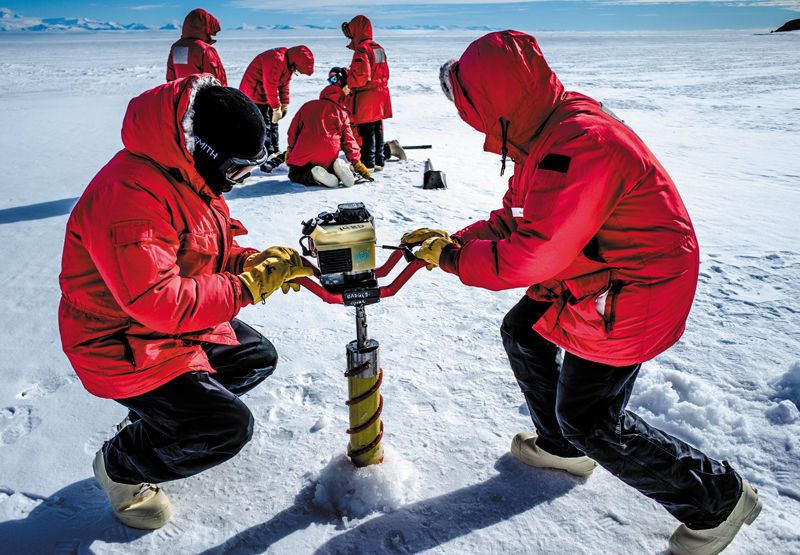
Officials in high-risk zones are investing in improved disaster warning systems and evacuation protocols. “We’ve learned from the past, and we’re determined to be more prepared,” declares emergency response coordinator Ana Ruiz.
Communities are urged to engage with these systems actively, as enhanced preparedness is vital for safety. These strategies are about managing potential disasters and ensuring that residents can respond effectively to the challenges posed by unpredictable geophysical activities resulting from climate change.
Community Engagement and Awareness
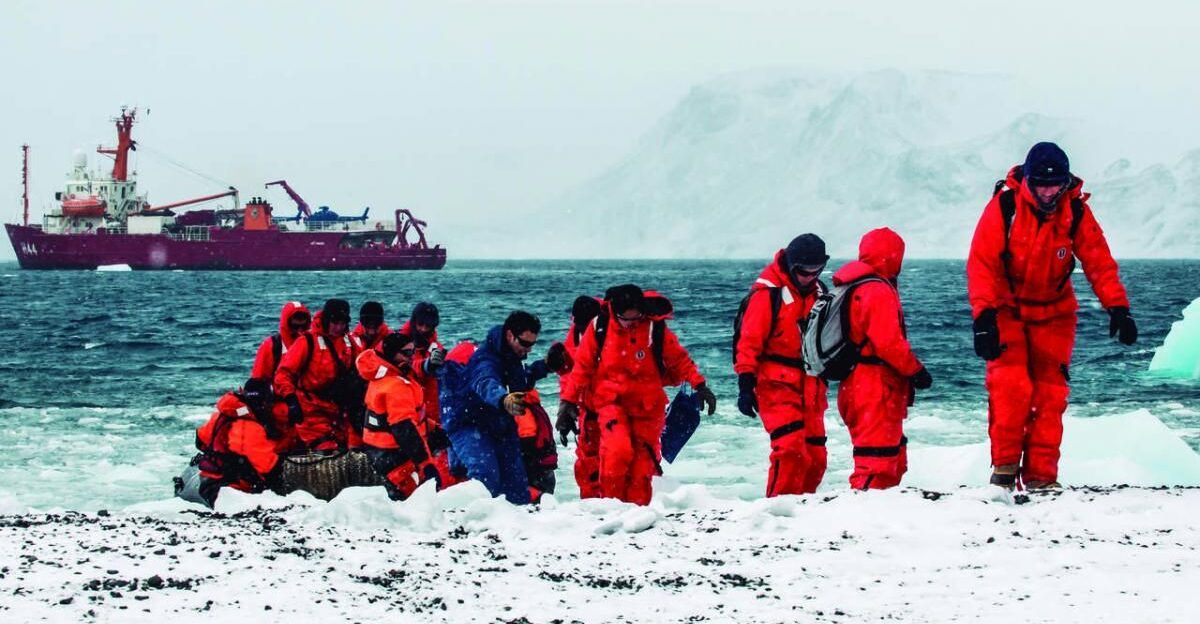
Raising public awareness about the risks of melting glaciers and volcanic activity has become imperative. Local governments are launching initiatives to educate residents about potential threats and response strategies.
“The more we know, the better we can prepare,” asserts community organizer Jorge Salazar. By fostering a culture of awareness and proactive engagement, communities can enhance their resilience and ensure that citizens are equipped to cope with the realities of a changing environment in their daily lives.
Collaborative Global Efforts
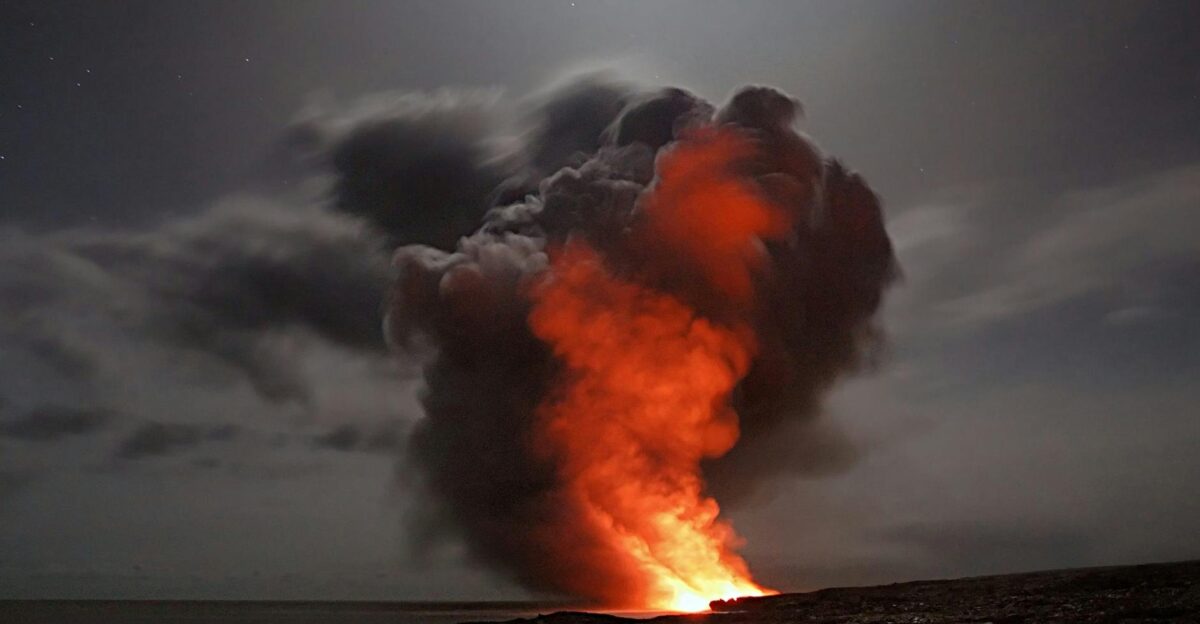
As the scale of volcanic threats linked to glacial melt becomes clear, global collaborative efforts are gaining momentum. Research teams from various countries are pooling resources and expertise to study volcano-glacier interactions. “This truly requires a united front,” mentions Dr. Elena Torres, a leading volcanologist.
These collaborations aim to create a comprehensive picture of risks and enhance monitoring efforts. By combining knowledge and technology internationally, the scientific community aspires to better prepare for the unpredictable nature of volcanic activity in an era of climate uncertainty.
Innovations in Technology

Recent technological advances offer promising new tools for monitoring volcanic activity. Drones and satellite imaging now allow researchers to observe glacier interactions with volcanoes in real time. “Using technology, we can see previously invisible things,” reports data scientist Liam Coates.
These methodologies advance risk assessments and underlie the growing importance of integrating technological innovations into traditional scientific practices. The swift evolution of these techniques enhances predictive capabilities and empowers communities with the information necessary to prepare for potential eruptions.
Stakeholder Collaboration for Solutions
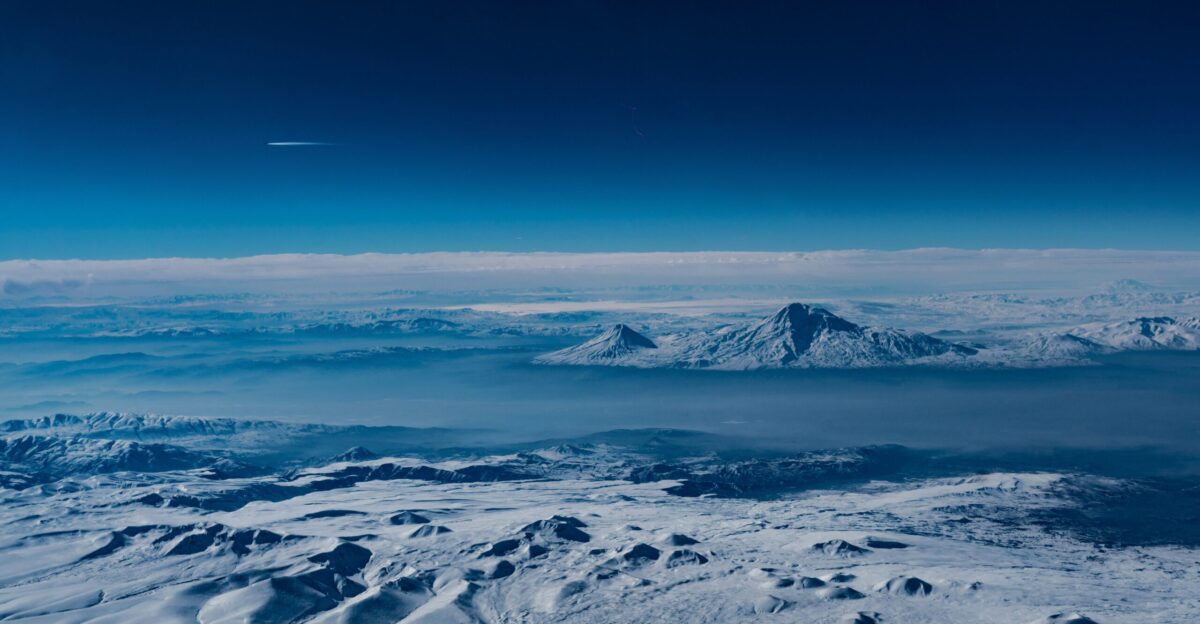
The complexity of glacier-driven volcanic risks necessitates collaboration across various sectors. Local governments, scientists, and community leaders are working together to develop actionable solutions. “All voices must be heard; we must focus on both safety and our economic needs,” emphasizes Mayor Linda Fernandez.
Collaborative dialogues bridge the gap between science and community concerns, balancing proactive strategies with economic resilience. This effort symbolizes a shared commitment to evolving adaptive frameworks that respond to burgeoning environmental challenges and bolster local capacity.
Future Considerations for Policy
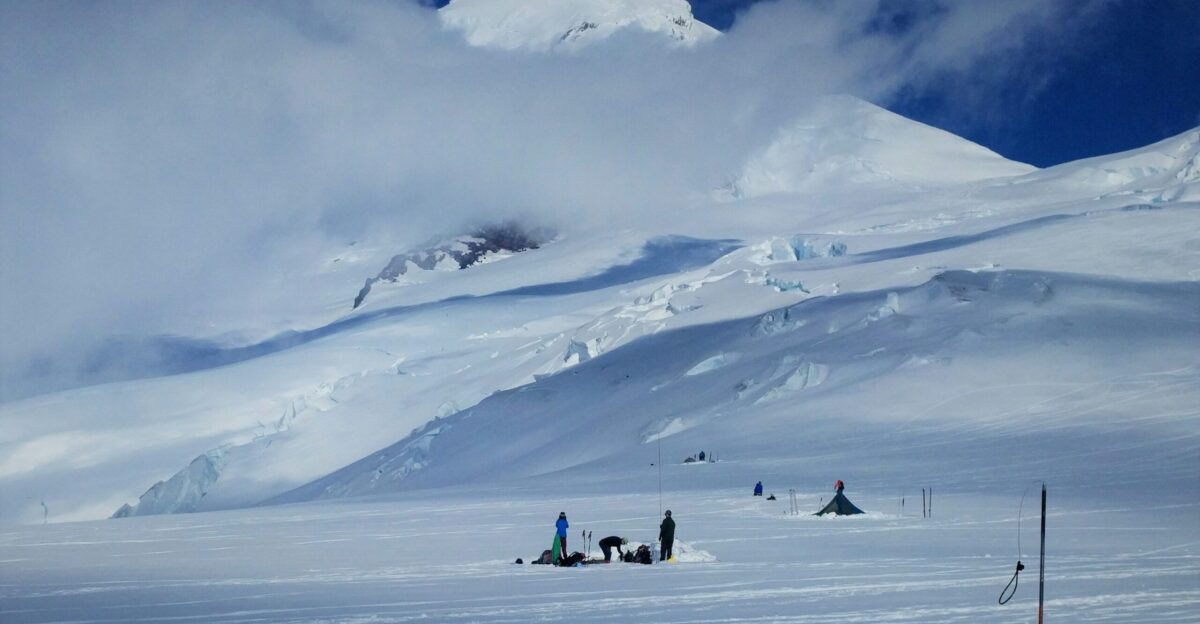
With the rising threats linked to glacier loss and volcanic activity, there is a pressing need for updated policies that reflect these changing realities. Policymakers must integrate scientific insights into disaster readiness frameworks.
Economist Dr. Rafael Lopez states, “Mitigation needs to be at the heart of our new policies.” Comprehensive funding models are becoming essential, focusing on research, monitoring, and emergency infrastructure to safeguard communities most at risk. As the landscape of volcanic threats evolves, policies must adapt urgently to protect both human and environmental health.
Preparing for the Uncertain Future
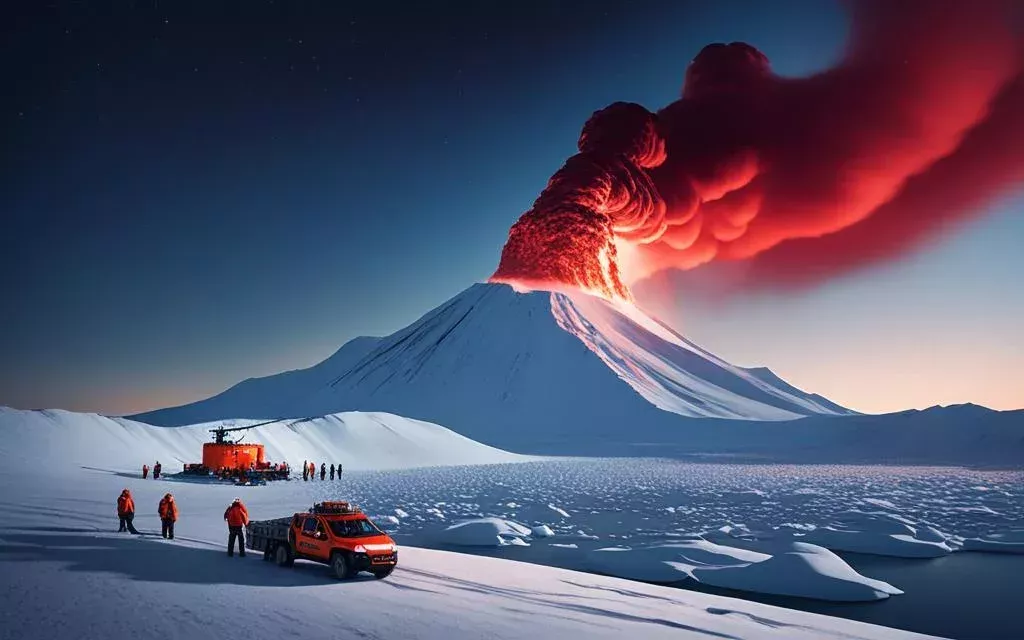
The implications of melting glaciers and volcanic activity weave together a complex narrative of risk and uncertainty. “None of us know when the next eruption might occur, but we have to be ready,” reflects local scientist Dr. Marco Allen.
Interventions at the community level, bolstered by scientific advancements, can foster resilience amidst unpredictability. Ensuring that local populations are informed and equipped to respond to volcanic threats is paramount, as the consequences extend beyond geology to nearly every facet of life.
Concluding Reflections
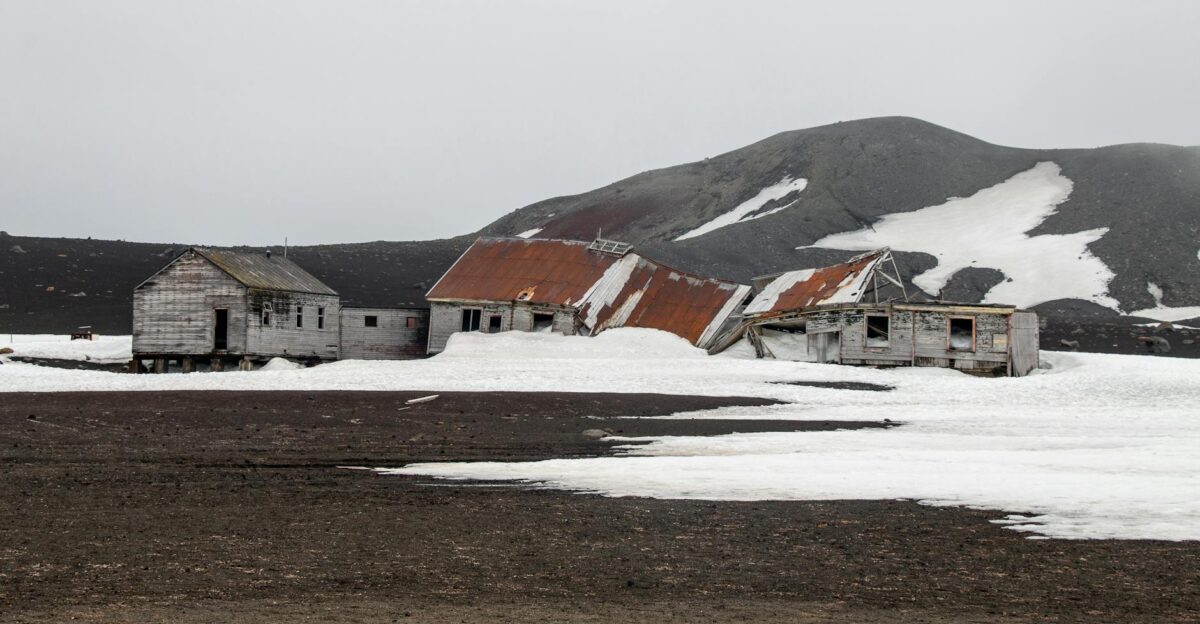
As we reflect on the challenges posed by glacial melt and volcanic activity, it becomes clear that our understanding of environmental interactions remains incomplete. “This crisis is a powerful reminder of our interconnectedness with nature,” public policy analyst Shira Klein concludes.
The road ahead demands resilience, innovation, and collaboration across all sectors of society. By paying heed to scientific insights and actively engaging communities, we can hope to navigate the daunting challenges presented by a rapidly changing Earth and forge a more secure future for generations to come.