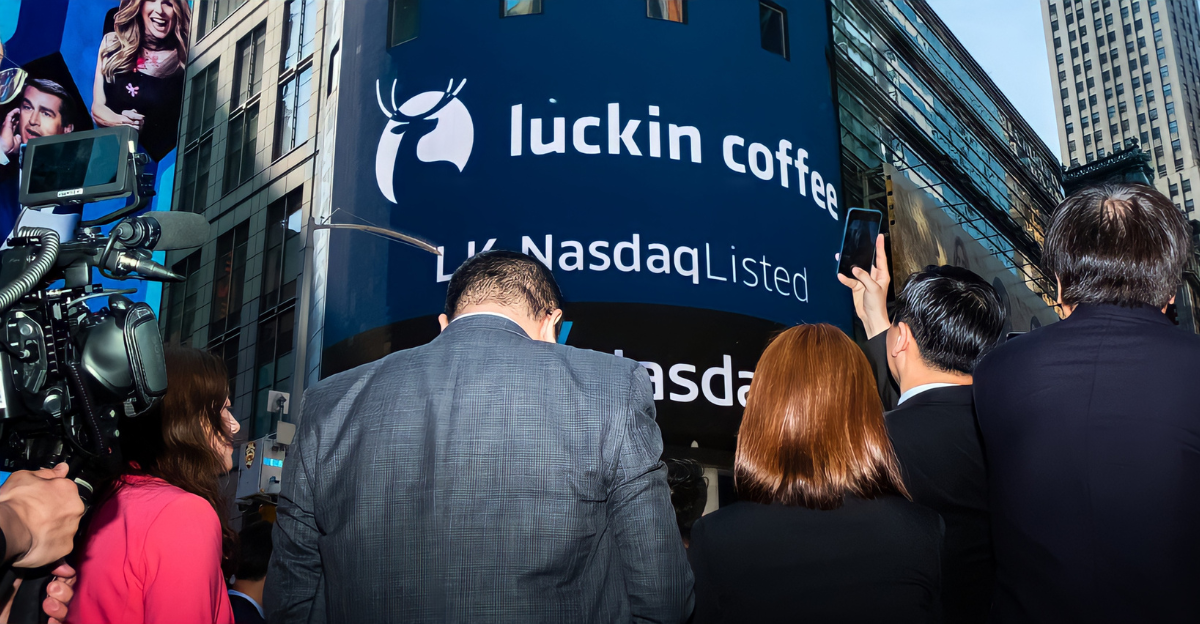
Chinese retail chains rapidly expand into the U.S., grabbing attention across industries and media outlets. Over the past two years, more than 40 stores have sprung up, driven by 20 prominent Chinese brands eager to tap into fresh consumer markets and increase their market share.
This ambitious push is not merely a financial endeavor but a strategic response to the shifting landscape of global retail driven by local competition and consumer demand. As a marketing analyst, Li Wei noted, “This isn’t just about retail; it’s a battle for cultural relevance in a globalized world.”
Fast-Tracking Growth
The stakes increase as Chinese firms outpace domestic rivals in opening stores in America. Many of these companies have seen their store counts double in just 24 months, propelled by shrinking revenues in China and fierce local competition. This aggressive expansion strategy underscores a significant shift in retail dynamics.
Jiang Chen, a regional manager for a popular chain, remarked, “We’re not just entering the U.S. market; we’re here to innovate and compete on a level we’ve never seen before.” It’s a bold move that could redefine retail landscapes in multiple countries.
Origins and Ambitions
Brands like Luckin Coffee and Pop Mart, once giants in China’s domestic market, are now looking to international shores as they confront an increasingly saturated local market. Their expansion into North America signifies more than just business growth; it reflects a deliberate strategy to align with changing consumer preferences and lifestyles.
“The landscape in China is shifting, and we have to adapt or get left behind,” explains Fang Yang, Pop Mart’s CEO. This venture represents a new era for these brands, merging localized roots with global aspirations.
The Pressure Cooker

As demand in China reaches a plateau and price wars cut into profit margins, many retail chains are caught in a tight spot. Rising operational costs juxtaposed with slower economic growth intensify the push for international expansion, particularly in the U.S. market, where growth potential is ripe.
“If we don’t expand globally, we risk stagnation,” asserts Mei Lin, a market strategist for a prominent food chain. The urgency for international focus is apparent, with U.S. market entry becoming crucial for survival.
The Retail Boom
Since January 2023, over 20 Chinese retail chains have opened more than 40 brick-and-mortar stores in New York City alone, directly challenging local and international competitors. This surge in activity reflects not just a numbers game but a strategic move to capture market share in one of the world’s most influential shopping capitals.
“Seeing these brands flood the streets is both exhilarating and daunting,” remarks David Chen, a New Yorker and avid shopper. The pulse of competition resonates through the heart of the American marketplace as unique offerings and competitive pricing attract enthusiastic shoppers.
Urban Growth Explosive

The store boom is highly concentrated in New York City, with exciting new locations from famed Chinese food, drink, and fashion brands igniting the streets. These foreign brands often signify broader national ambitions, laying the groundwork for expansion beyond urban centers.
“Success in NYC can set off a domino effect across the country,” says Sarah Thompson, a retail consultant. New York’s vibrant marketplace serves as a testing ground for products and engagement strategies, showcasing potential for brands aiming for nationwide recognition.
America Awaits

“American consumers are always on the lookout for unique products at fair prices,” says Russell Winer, a NYU professor. With lines forming outside new stores, shoppers are drawn in by the allure of viral products and keen pricing strategies. There’s a palpable excitement in the air as customers eagerly anticipate fresh offerings from these new entrants.
As brands successfully leverage social media and marketing, the blend of cultural exchange enhances the shopping experience. “The thrill of discovering something new drives people here,” adds Emily, a dedicated retail fan.
Rivalry in the Air
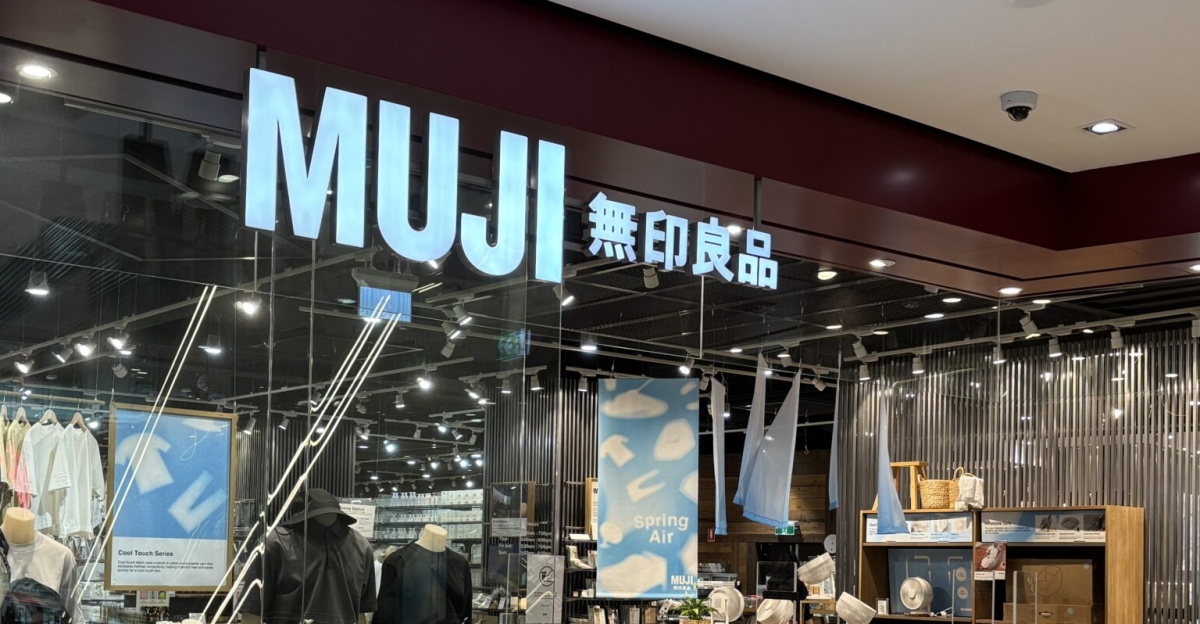
The emergence of Chinese brands has created notable shifts in established retail paradigms, challenging icons like the Japanese brand Muji. With Miniso stepping in, retailers must adapt their supply chains to cope with higher U.S. tariffs. Competition fosters innovation as brands optimize their offerings and wait for market responses.
“We have to stay agile; the consumer landscape is fast-changing,” states Taro Takahashi, a senior official at Muji. This rivalry is reshaping the marketplace, prompting organizations to reevaluate their strategies to retain market position.
Macro Momentum Building
Retail experts are optimistic about continued Chinese investment in the U.S. Despite facing regulatory hurdles, the momentum of store launches reveals adaptability and resilience in marketing strategies. “Even with challenges, the growth opportunities in the U.S. market are simply too attractive to ignore,” asserts Linda Zhou, a retail analyst.
The lessons learned by these chains can enlighten international brands navigating protectionist policies, potentially influencing how they structure campaigns worldwide to meet consumer needs while adhering to regulations.
Navigating Tariffs
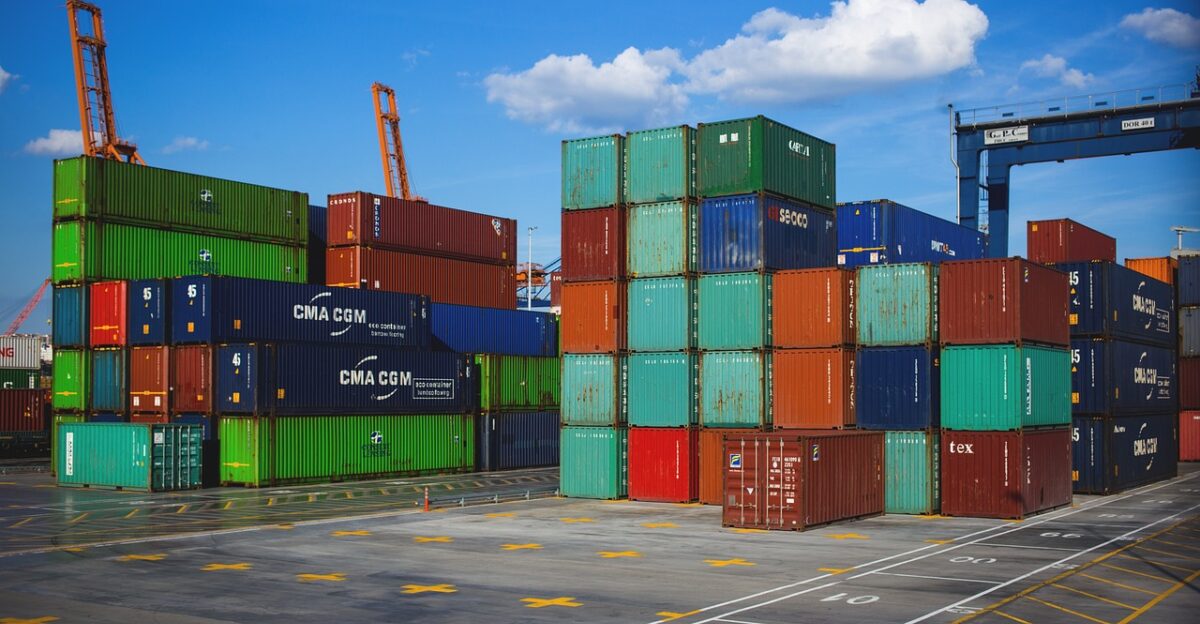
A significant 145% tariff on Chinese imports looms over brands entering the U.S. market, turning sourcing and product adaptation into two primary operational focuses. This scenario compels many retailers to look for local sourcing options, reinventing their product lines while tailoring flavors to abide local preferences.
“Making these adjustments isn’t easy, but it’s essential for staying competitive,” explains a supply chain manager, Li Chen. Operational shifts such as these could shape consumer views on authenticity as Chinese brands push through the legislative and commercial fog.
Behind the Scenes
In the ever-evolving world of international retail, executives often find themselves frustrated by unclear U.S. regulations. Food chains struggle with sourcing substitutions for beloved Chinese ingredients, which poses a dilemma of maintaining authenticity versus compliance.
“It’s disheartening to think we may lose our signature flavors,” admits Sandy Zhang, a food executive. The risk of losing that connection to original recipes poses a challenge, urging brands to strike a delicate balance between quality and local acceptance.
A Shift in Leadership

As supply chains adapt, leadership teams emphasize flexibility and responsiveness to changing regulations. In a bold move, Miniso’s founder revealed that nearly a quarter of their suppliers have moved outside China, responding to U.S. policy changes.
“It’s about survival now; we need to build a robust network,” commented executive Jiayi Wang. This evolving paradigm in supplier relationships embodies the uncertainty of global commerce and the necessity for contingencies in leadership strategies within the retail sector.
Embracing The Digital Age

Brands are ramping up their digital engagement through viral campaigns, influencer partnerships, and limited-edition product launches, striving to maintain consumer interest. The focus is a blend of online and in-person strategies to attract customers.
“Social media amplifies our efforts and connects us with younger audiences,” says Mia Chen, a digital marketing strategist. The challenge lies in attracting customers and converting that interest into loyalty, integrating feedback into their product development process to ensure ongoing appeal.
Skepticism Breeds Caution

Despite excitement around the surge in Chinese retail, analysts express concerns over sustainability. They warn that the initial enthusiasm could wane if brands fail to maintain product quality and regulatory compliance. “Loyalty can be fleeting when consumers perceive inconsistency,” notes analyst John Turner.
Thus, the brands face an uphill battle to build trust in the U.S. while delivering on their customer promises. The long-term success of these retail ventures hinges on the balance between innovation, cultural authenticity, and quality assurance.
Prospects Ahead

As Chinese chains continue to shake up the U.S. retail landscape, the question remains: Can they sustain this disruptive momentum? Their ability to respond to stricter tariffs and ever-changing regulations will be pivotal in shaping their future moves.
“We’re in uncharted territory; the path is not straightforward,” reflects industry expert Anna Lin. The transformative potential of these brands lies not just in numbers but in strategic compliance and consumer engagement that shape their journey forward in the American market.
Policy Pressures Rise
“America First” policies are undergoing stress tests as they aim to safeguard domestic retail sectors. While some policymakers champion tariffs, others voice concerns over diminished consumer choice and the impact on global trade dynamics.
“There is a larger game at play here; the retail landscape is shifting faster than we can address,” comments Senator Laura Chang. Balancing protectionist measures and fostering an environment conducive to foreign investment will be crucial to future policy discussions and adjustments.
Global Learning

Chinese brands frequently pilot their strategies in Southeast Asia before entering the U.S., gleaning insights into labor costs and emerging consumer trends. This exploratory phase allows them to navigate international markets more effectively and tailor their offerings.
“Understanding regional nuances is key to making an impact,” asserts Zhao Min, a market researcher. The global perspective gained here enhances their strategies’ potential for success, setting the stage for informed decisions in the diverse American retail landscape.
Legal Labyrinth

Chains face the daunting task of overhauling recipes and marketing strategies when adapting to the legal complexities of varied U.S. state laws around food safety and labeling. These changes not only elevate operational costs but also build consumer trust.
“Navigating this maze is challenging, but we have to do it to ensure quality and safety,” says Karen Liu, a food safety officer. The effort to comply with local standards may strengthen brands’ connection with cautious American shoppers, ultimately positively shaping their brand perception.
Cultural Crossroads

The influence of social media is pivotal, pushing pop culture items like Labubu dolls into trending status in the U.S. market. As American consumers become more receptive to these foreign pop culture objects, brands capitalize on this cultural shift to drive engagement and sales.
“We’re seeing a fusion of cultures,” admits marketing director Wei Feng. This cultural exchange enriches the retail experience, creating opportunities for cross-brand collaborations that resonate well with diverse customer segments.
The Chapters Ahead
As we look forward, the question persists: will Chinese chains solidify their impact on the U.S. retail landscape? Overcoming challenges posed by tariffs and regulatory changes will indeed determine their trajectory.
“It’s a dynamic industry, and we must stay adaptive,” emphasizes Henry Zhao, an industry strategist. The response to these evolving market conditions will shape the chains’ future and potentially redefine consumer experiences in the global retail arena, making the upcoming chapters incredibly intriguing.