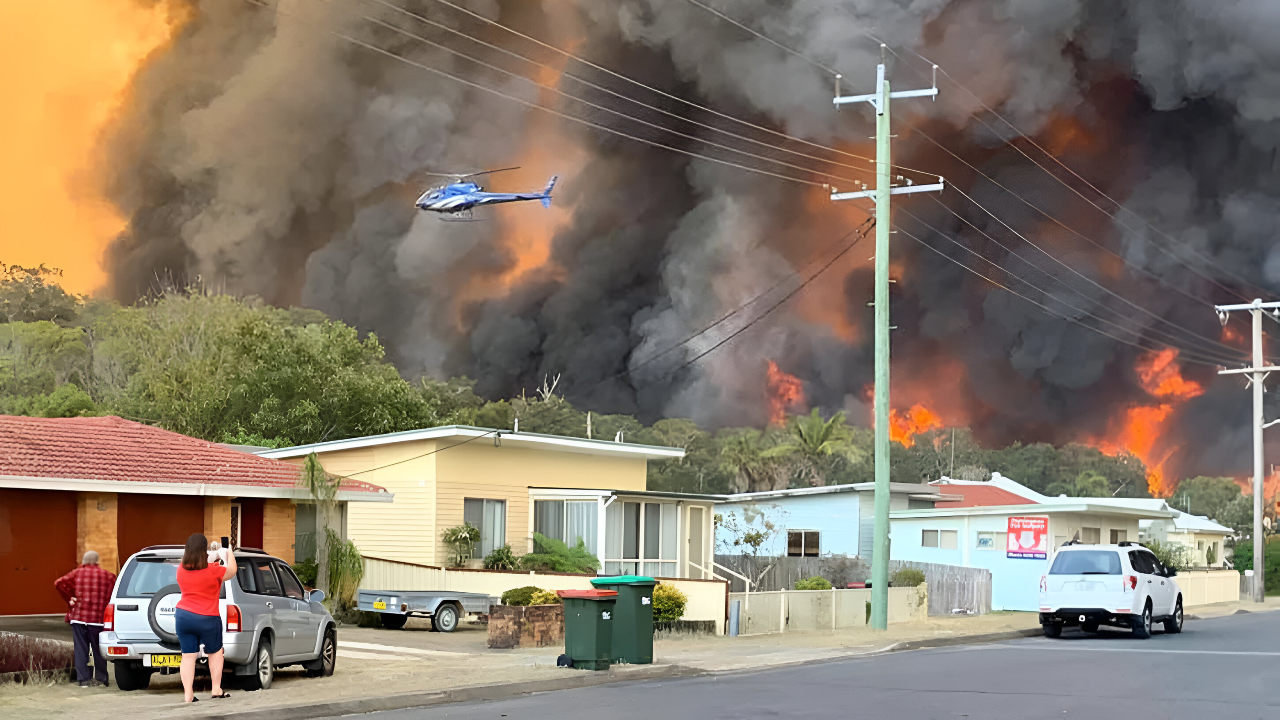
Nick Morgan got the news secondhand—a stranger mentioning flames near a palm tree in Waggrakine. In a neighborhood where palm trees are rare, his stood out. He knew immediately what that meant. When he got home and saw his house reduced to rubble, the shock was real and quiet.
“I’ve lost my home, all my belongings, and my cat,” he told reporters. But beneath the devastation was a determined anger. If investigators confirmed the fire was deliberate, he wanted whoever did it to know: “Karma is looking for them.”
How Friday’s Small Bushfire Became Monday’s Catastrophe
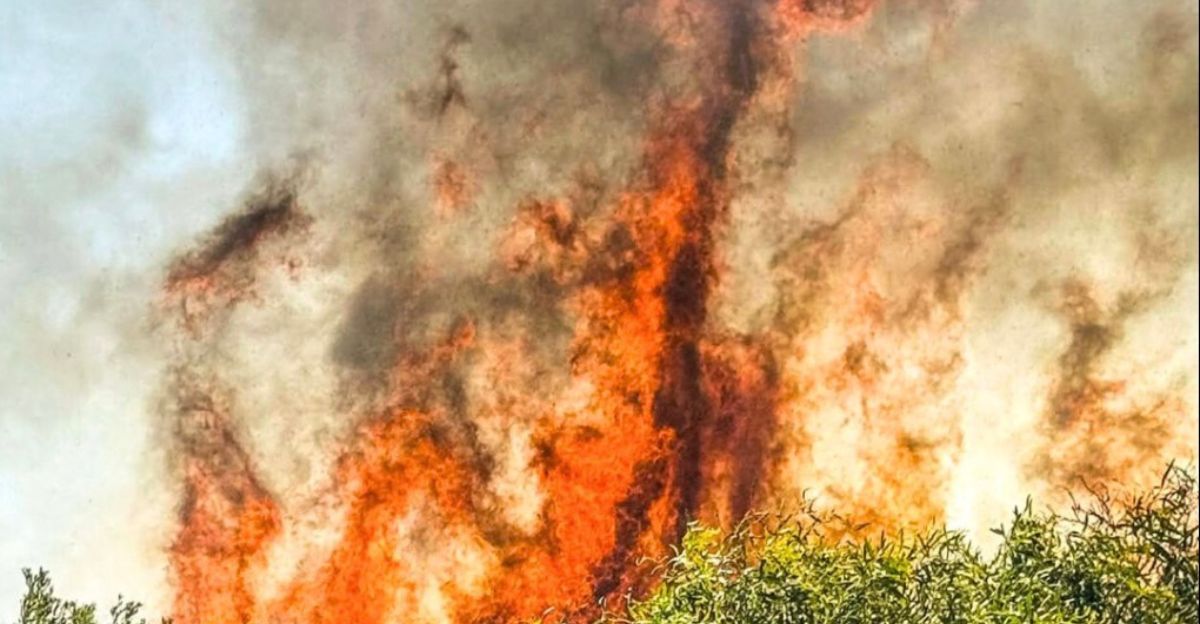
It started quietly enough with a fire in bushland between Green and Tappak Streets in Spalding on Friday. Authorities suspected it was deliberately lit, but nobody anticipated what would follow. By Sunday evening, 80-kilometer-per-hour winds had turned the situation critical.
Monday morning brought the real test—five neighborhoods suddenly in the direct path. Residents received evacuation orders, followed by the sobering alert: “Too late to leave? Shelter in place.”
The Terrifying Warning Issued to Residents
As temperatures climbed past 42 degrees Celsius on Monday, the Department of Fire and Emergency Services issued a warning that most residents had never heard before. “The heat will kill you before the flames reach you,” officials explained. It wasn’t hyperbole—it was a statement of physics.
For people trapped between fire zones or blocked by burning roads, there were no good options. Some had nowhere to go and had to shelter in place, hoping the fire shifted direction.
Trapped Between Fire and River
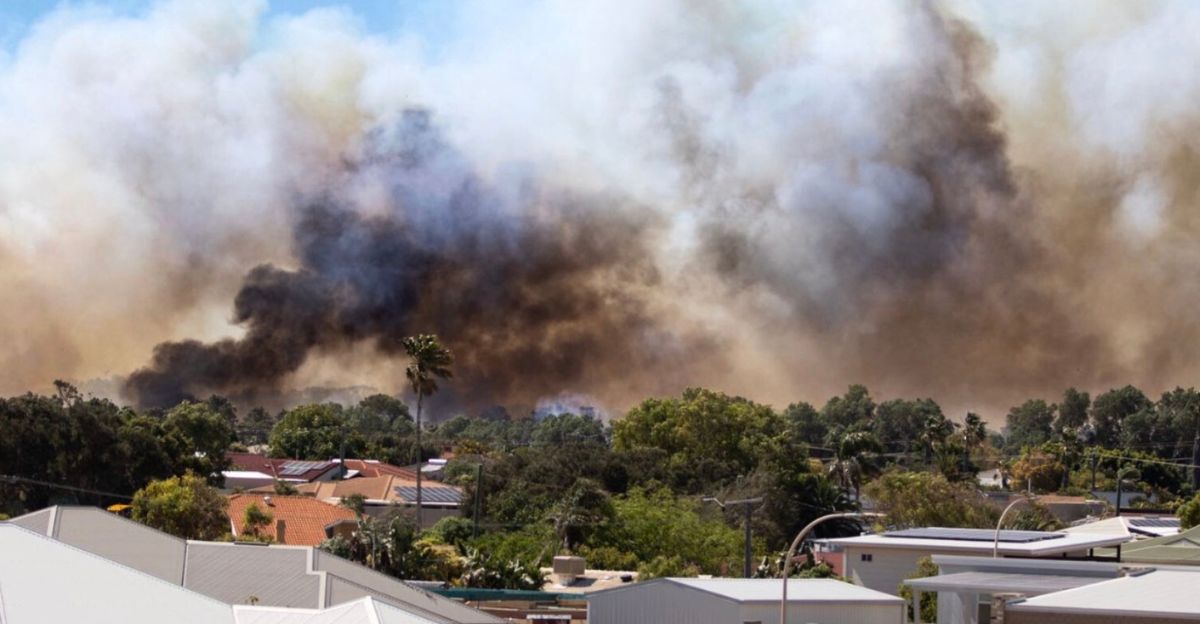
Sunset Beach resident Kerry Baker woke to darkness when the power cut out around mid-afternoon Sunday. She stepped outside to check on neighbors and saw something that made her stomach drop: thick, dark smoke rising behind her house.
Reality hit fast. The Chapman River blocked escape to the south. The highway blocked it to the north. If the fire crossed that road, she’d be trapped. She grabbed her medications, got in her car, and drove south.
Driving Through Fire
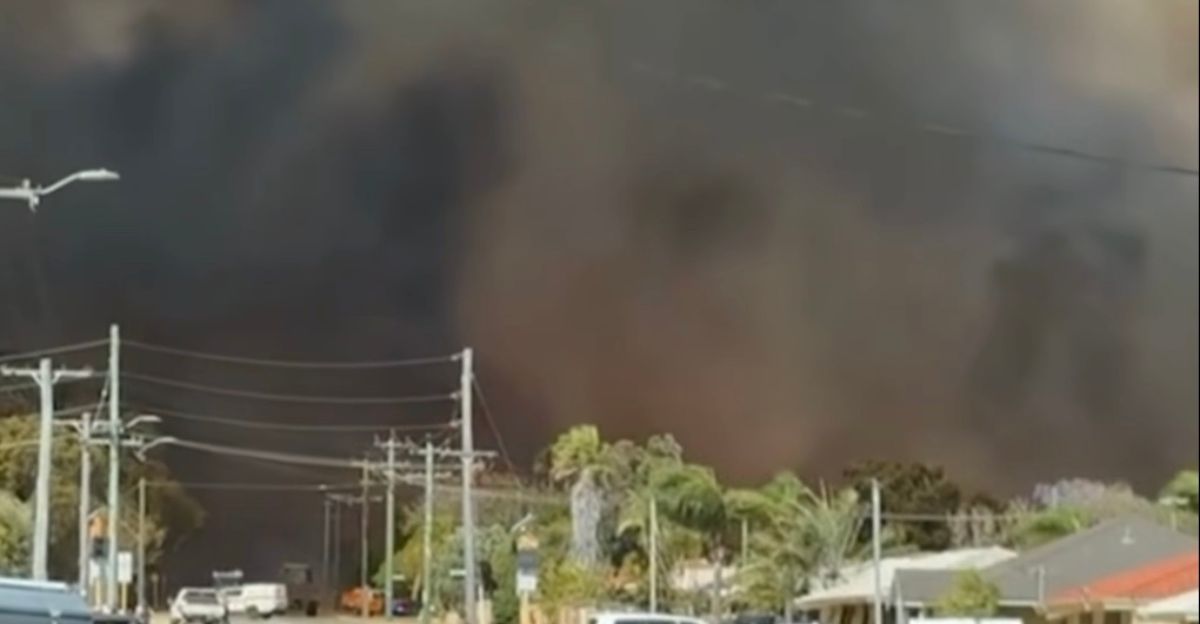
Waggrakine resident Jesse Pickett heard the helicopters first—military aircraft flying low over his house around midday Sunday. At the nearby Spalding Golf Club, neighbors were already preparing to leave. Then the sky changed. The smoke turned black, and the crackling sound grew louder. Suddenly, a massive burst of flames appeared out of nowhere.
By the time Pickett drove home to get his family, the fire had already crossed Chapman Valley Road. “I was essentially driving through fire,” he said. He made it through, and his family was safe, but behind them, the road had become impassable.
How Exhausted Crews Saved 600 Homes From Destruction
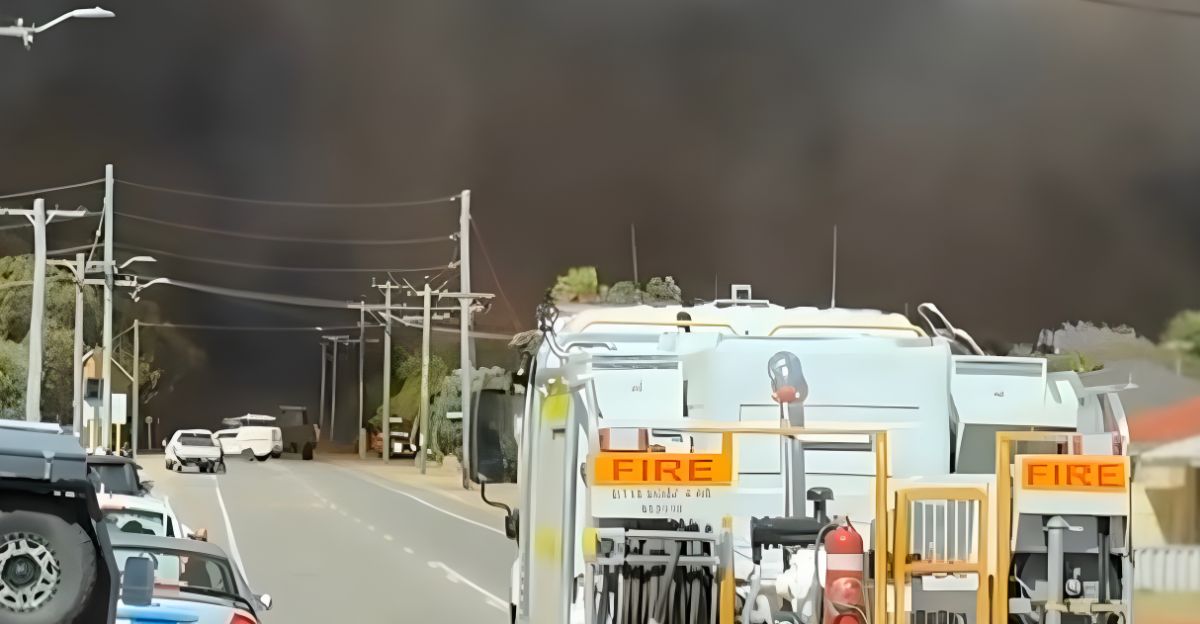
Incident controller Brent Allen and his teams performed steady, methodical work in real-time chaos. Approximately 600 properties were saved—not by chance, but by firefighters going systematically through neighborhoods, over fences, into backyards to fight spot fires within meters of homes.
“It was just a constant scramble going from door to door,” Allen explained. One home was completely destroyed, and another sustained approximately $50,000 in damage, but hundreds of people were saved by crews working until they were exhausted.
Firefighters Hold the Line at Aged Care Facility
Nazareth residential aged care facility sat directly in the fire’s path, home to elderly residents who couldn’t evacuate on their own. As winds pushed flames toward the facility early Monday morning, firefighters mounted a serious defense.
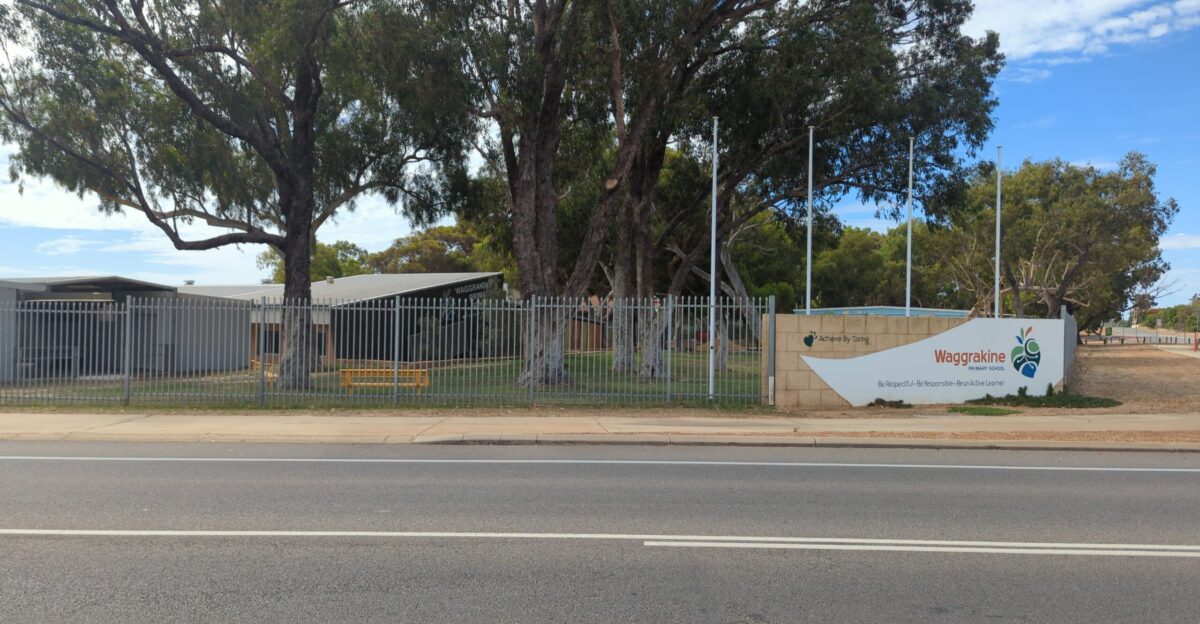
Nearby, Waggrakine Primary School found itself surrounded by scorched earth after crews beat back flames that had ignited garden beds and trees. These were moments where preparation and effort made the difference between crisis and catastrophe.
200 Personnel and Water Bombers Wage War on Blaze
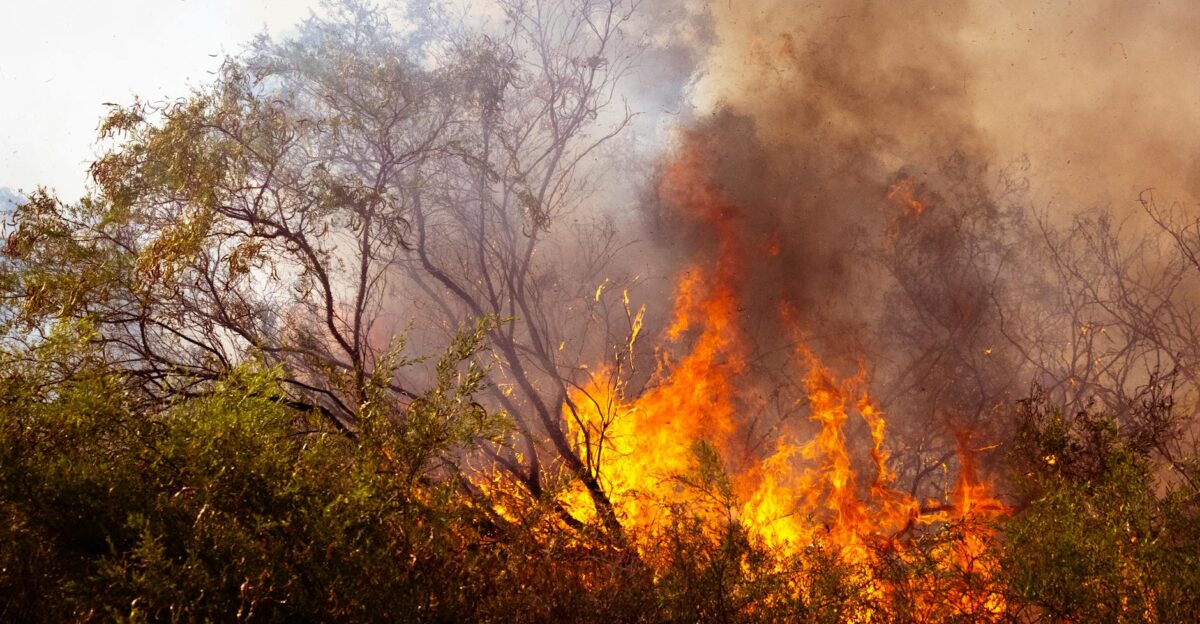
Approximately 200 personnel entered the fight, including career firefighters, volunteers, bushfire brigades, and parks and wildlife officers. Seven aircraft, four water bombers, and fifty-five fire trucks were deployed.
Crews who’d been fighting multiple fires since Friday needed relief, and additional firefighters traveled 375 kilometers from Perth to spell the exhausted frontline responders. DFES made the situation clear in a statement: “We’re throwing everything we have at it.”
Record-Breaking 42-Degree Heat
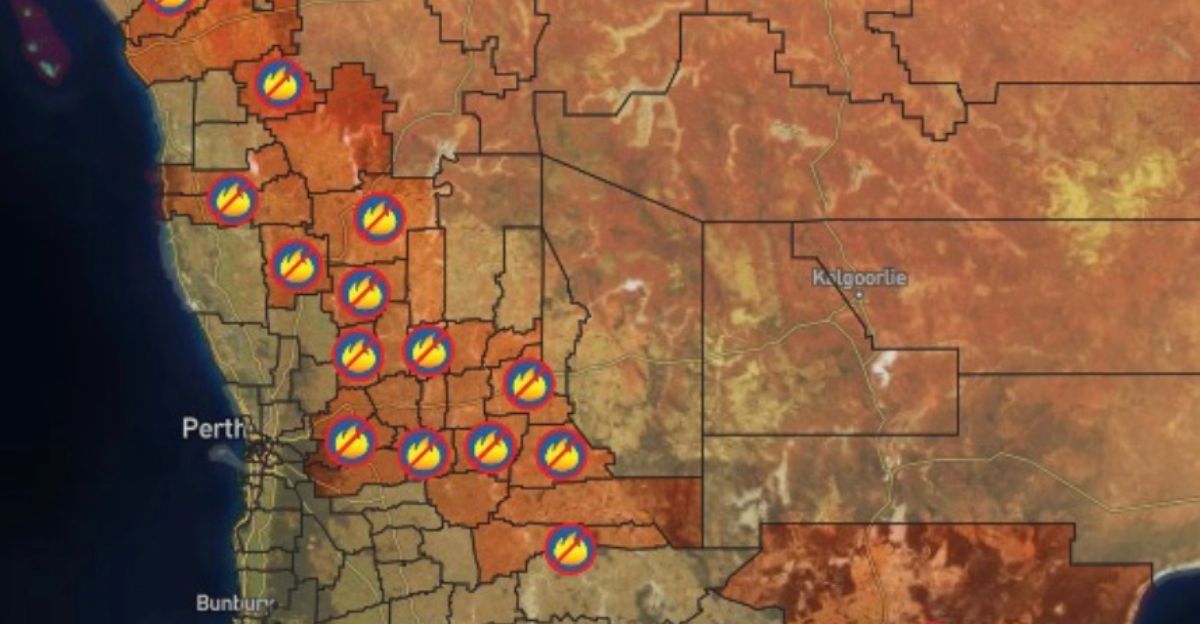
December 1 was supposed to be a day of celebration, the first official day of summer in Australia. Instead, it became a day of survival. Perth recorded its hottest December 1 on record at 39 degrees Celsius, while Geraldton pushed higher. Past 40 degrees before midday, eventually past 42.
Extreme fire danger ratings covered the entire Midwest Coast region. The timing had a grim symbolism to it—the day when summer typically brings hope was instead the day when critical infrastructure caught fire.
Private Drones Ground Water Bombers
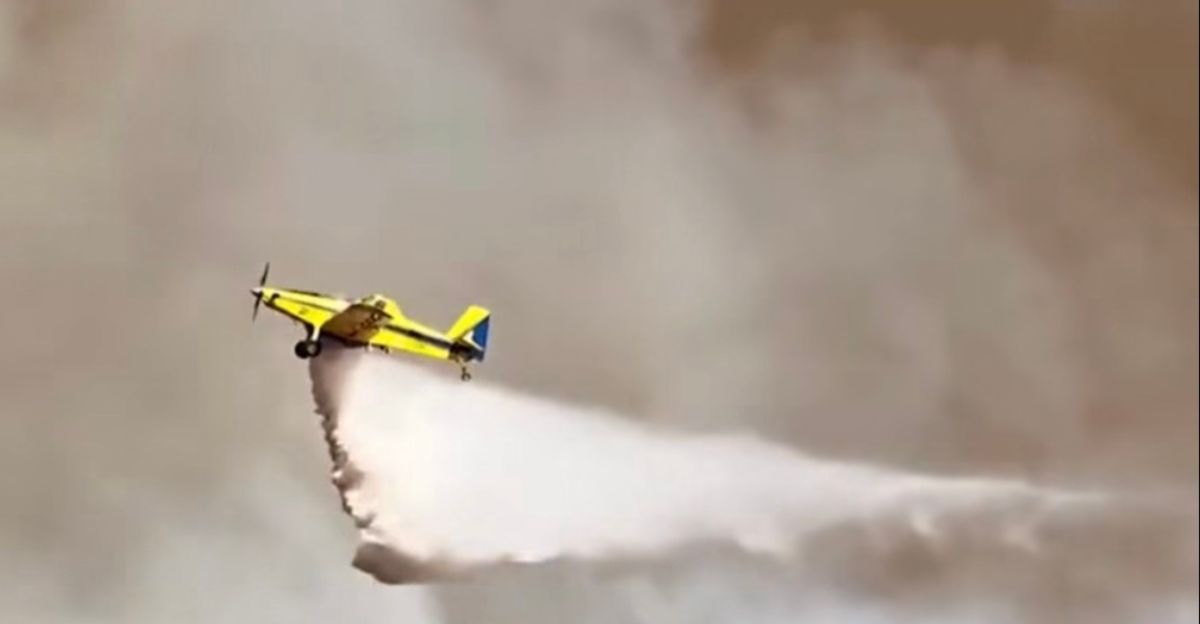
While crews fought the fire with professional expertise, private drone operators decided to fly near the fire zone. The moment a drone enters airspace near water bombers, the aircraft must be grounded for safety. A few minutes without aerial support in a fire this size could mean significant consequences.
Emergency Services Minister Paul Papalia was direct about it: “There has been an incredibly concerning situation where people have been operating private drones near the fire. This is dangerous and can impede the firefighting crew’s ability to operate in those aircraft. It must stop.”
Why a Weather Shift Could Have Undone Hours of Work
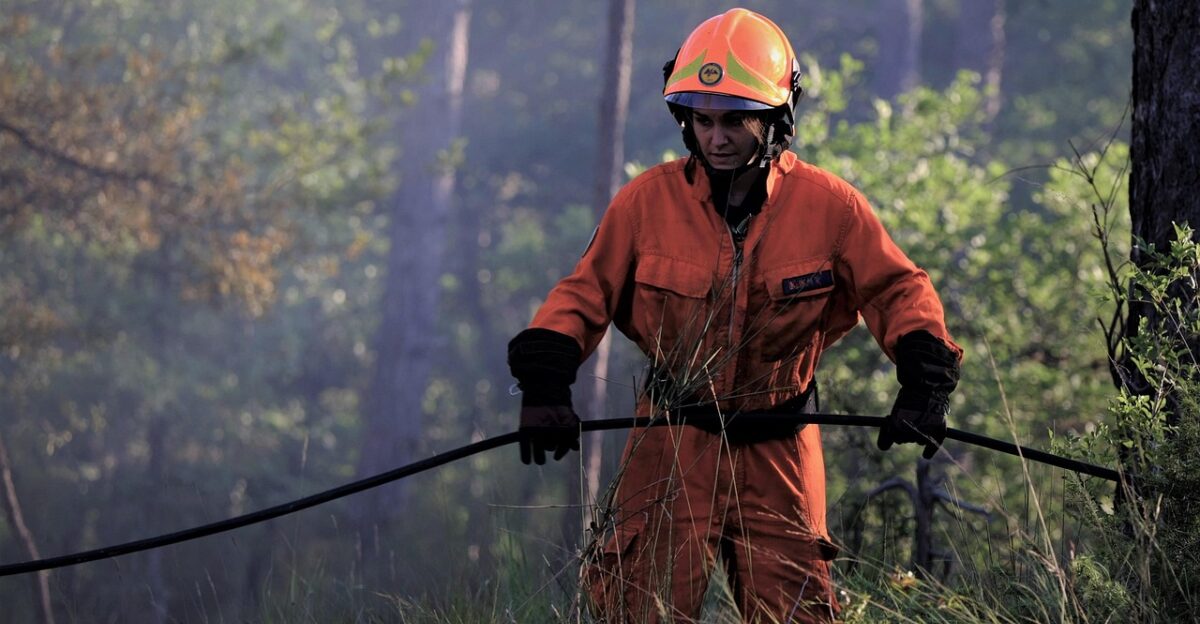
Throughout Monday, authorities closely monitored the forecast. The afternoon sea breeze was coming, and it had the potential to test the containment lines on the fire’s eastern flank. Superintendent Mark Bowen explained the concern: winds would shift, the fire front would behave unpredictably, and hours of hard work could be undone quickly.
“There is a chance the fire could breach containment this afternoon,” Bowen cautioned.
Unsung Heroes
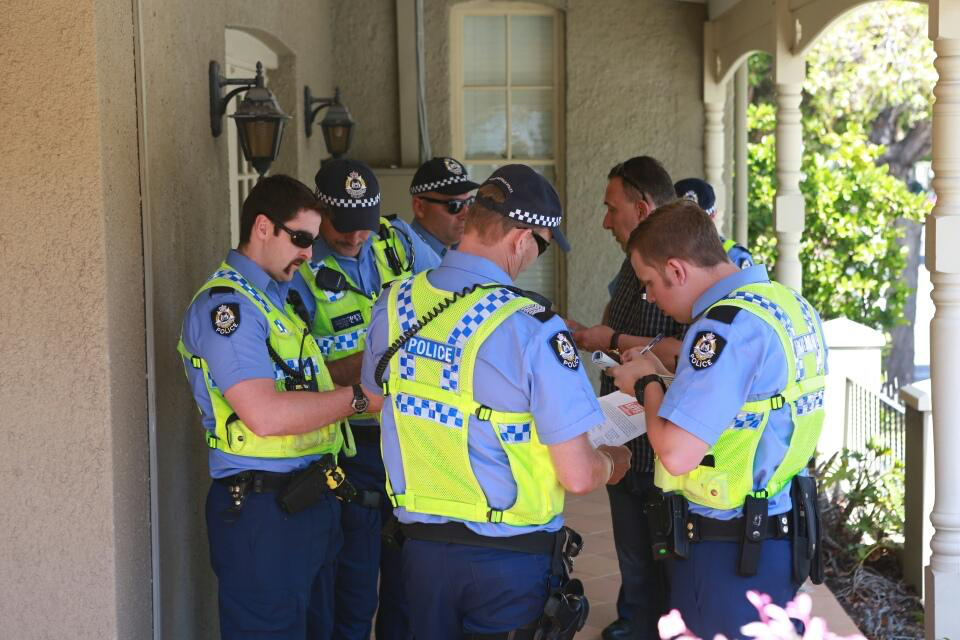
Beyond the firefighters, Western Australian Police officers went door-to-door to evacuate residents in active fire zones. But they went without fire-protective equipment. Without specialized training. In regular uniforms.
Every available firefighter was already engaged with the blaze itself, so police became the evacuation force, moving through neighborhoods under threat to help residents to safety.
Police Confirm Fire Was Deliberately Lit

Authorities are treating the fire as deliberately set. Strike Force Vulcan—the state’s specialized arson investigation unit—deployed detectives to work alongside local police. “It does appear to be suspicious,” Superintendent Mark Bowen told reporters.
Emergency Services Minister Paul Papalia delivered the message plainly: “People must not be so stupid as to light fires intentionally. It is against the law, and you will be found and prosecuted.”
Authorities Reveal How Close the City Came to Disaster
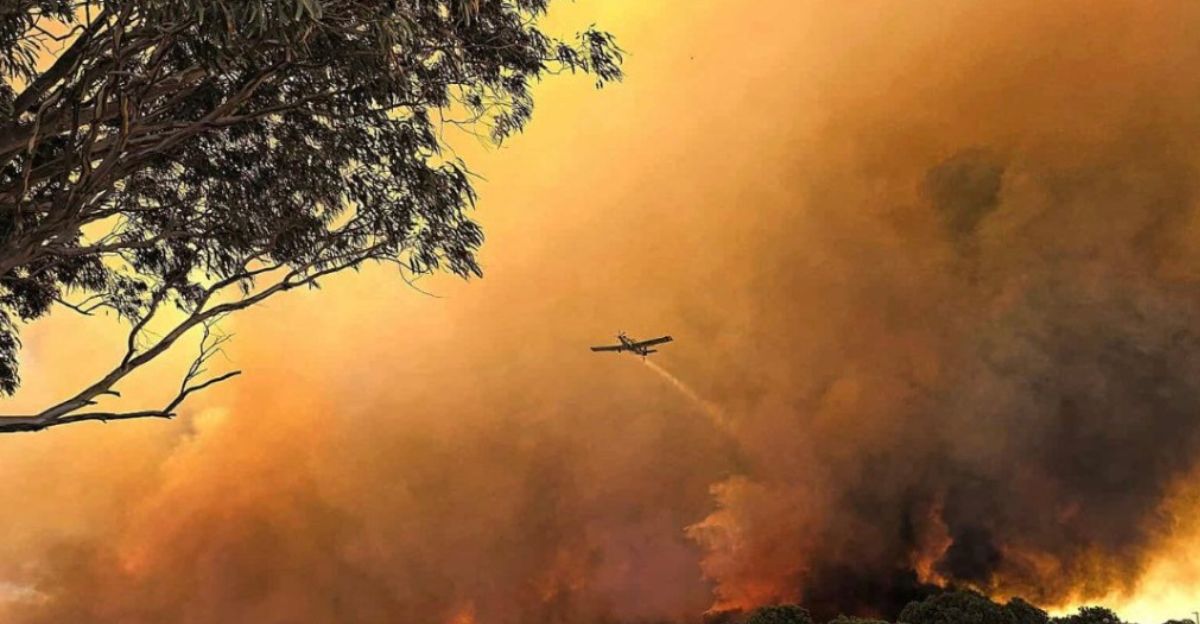
Tuesday morning brought clarity about how close it had been. One hundred sixty hectares were blackened. One home destroyed. Five vehicles were lost. Another home was damaged but is standing.
“There was a potential to lose hundreds of homes in this fire,” Allen said quietly. “Without the incredible effort of our fire crews, I think there was every chance we would have lost more.”
Community Rallies as City Begins Long Road to Recovery
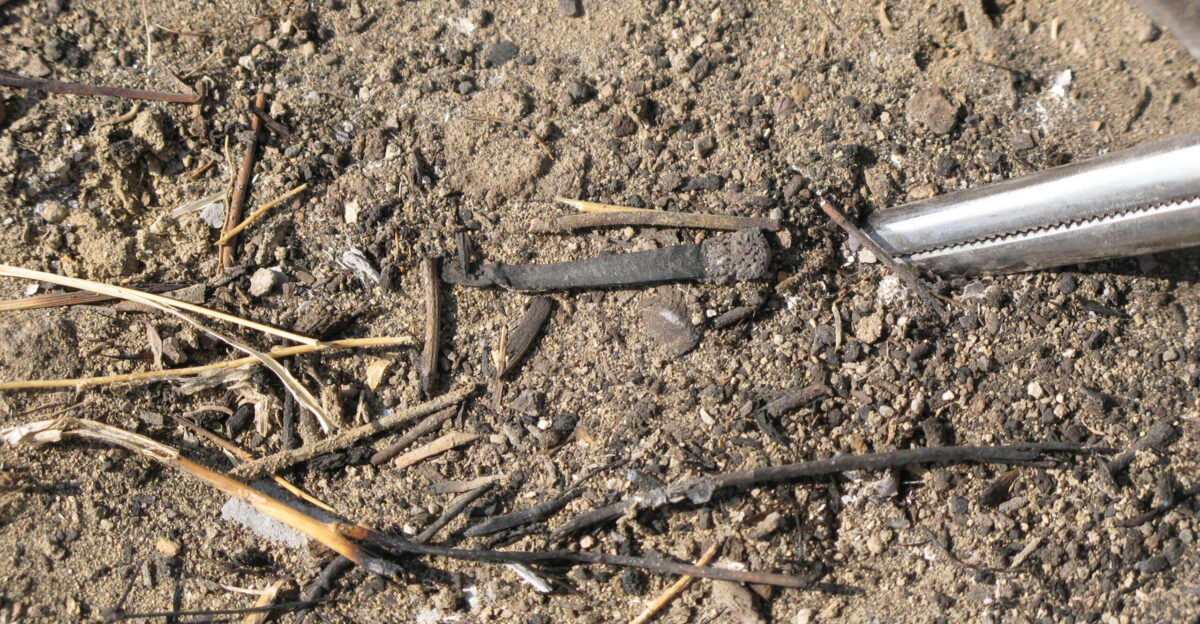
Nick Morgan’s house is gone. But what emerged from the wreckage was community. “I have a strong support system that has come together for me,” he said. “Family and friends have all offered their assistance.” Across Geraldton, the process of returning to normal was underway.
The investigation into who deliberately started the fire continued with determination. For a coastal city that faced one of its most dangerous days on the first day of summer, the flames had finally been extinguished.
Sources:
Department of Fire and Emergency Services (DFES) Emergency Warnings and Incident Updates, November 30–December 1, 2025
ABC News Perth and ABC Midwest & Wheatbelt — “Geraldton bushfire destroys one home as up to 200 firefighters battle blaze,” December 1, 2025
The West Australian — “Geraldton bushfire: Residents forced to use garden hoses as firefighters battle suspicious blaze,” December 1, 2025
Geraldton Guardian — “Geraldton surveys a near-miss catastrophe as devastated streets slowly reveal their fire scars,” December 1, 2025
Western Australia Police Force Strike Force Vulcan Arson Investigation Unit — Public notices and media statements, December 1–2, 202
Western Australia Government Media Statements — Premier Roger Cook and Minister Paul Papalia official announcements, November 30–December 1, 2025