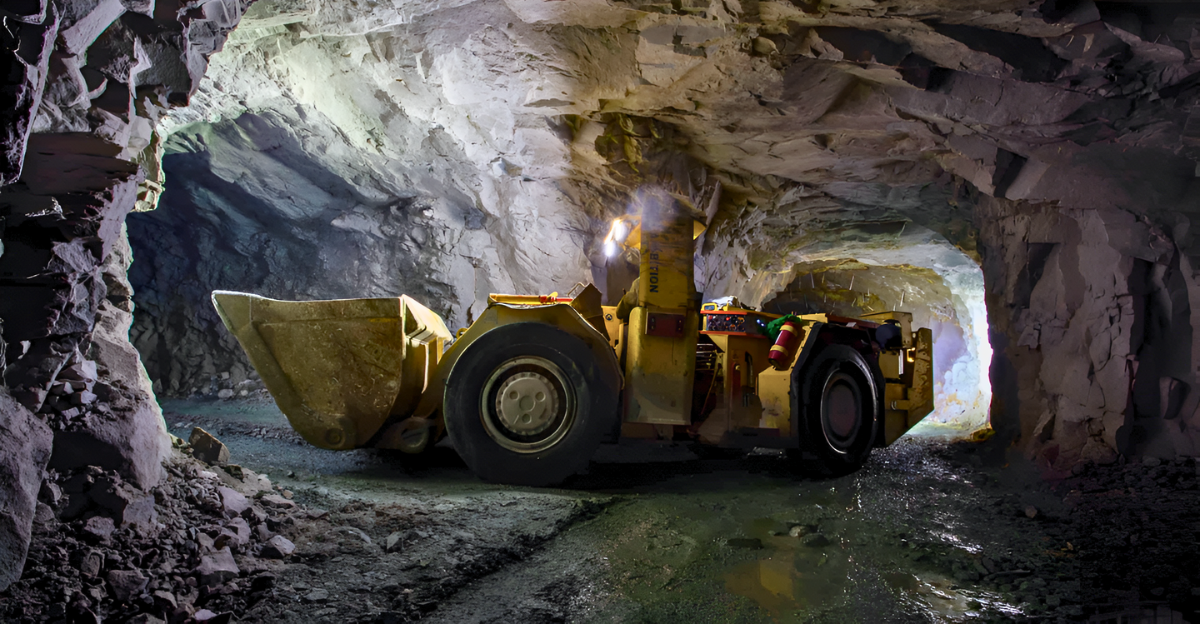
Geologists discovered the most significant iron deposit in the world in the Hamersley region of Western Australia in June 2025. The deposit is estimated to be worth almost $6 trillion USD. With an estimated 55 billion metric tons and an iron content of over 60%, this enormous reserve is larger and of higher quality than any deposit that has ever been discovered.
The discovery, which dates the formation of these ores to about 1.4 billion years ago, much younger than previous estimates, challenges accepted geological timelines and strengthens Australia’s position as the world’s leading mining nation. This discovery has the potential to have significant geopolitical and economic ramifications globally, alter the global iron ore market, and affect commodity prices.
Geological Background and Methods of Discovery
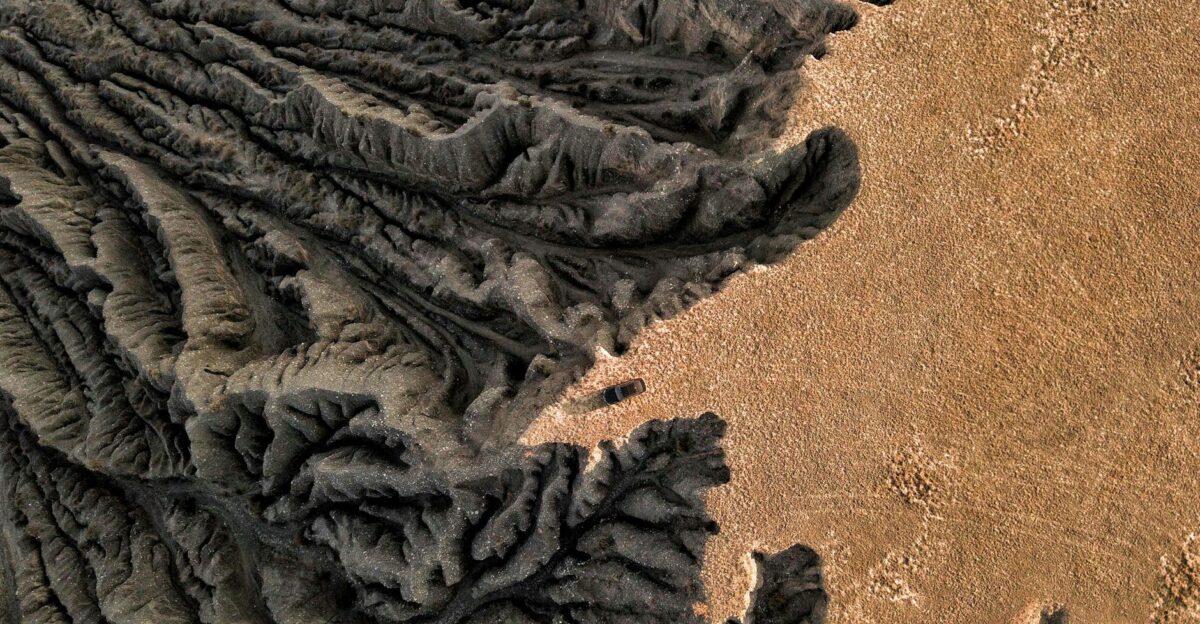
Although the mineral wealth of the Hamersley region has long been known, this discovery was made possible by innovative methods that integrated advanced isotopic dating, satellite imagery, and geophysical data analysis. These techniques disproved earlier assumptions that the region had less promising geology by revealing previously undetectable mineral concentrations.
Earth’s geological evolution can be better understood thanks to the iron deposits that were created during deep mantle processes and dynamic supercontinent cycles. This advancement in exploration technology might portend more significant finds in underappreciated areas.
The Deposit’s Economic Scale
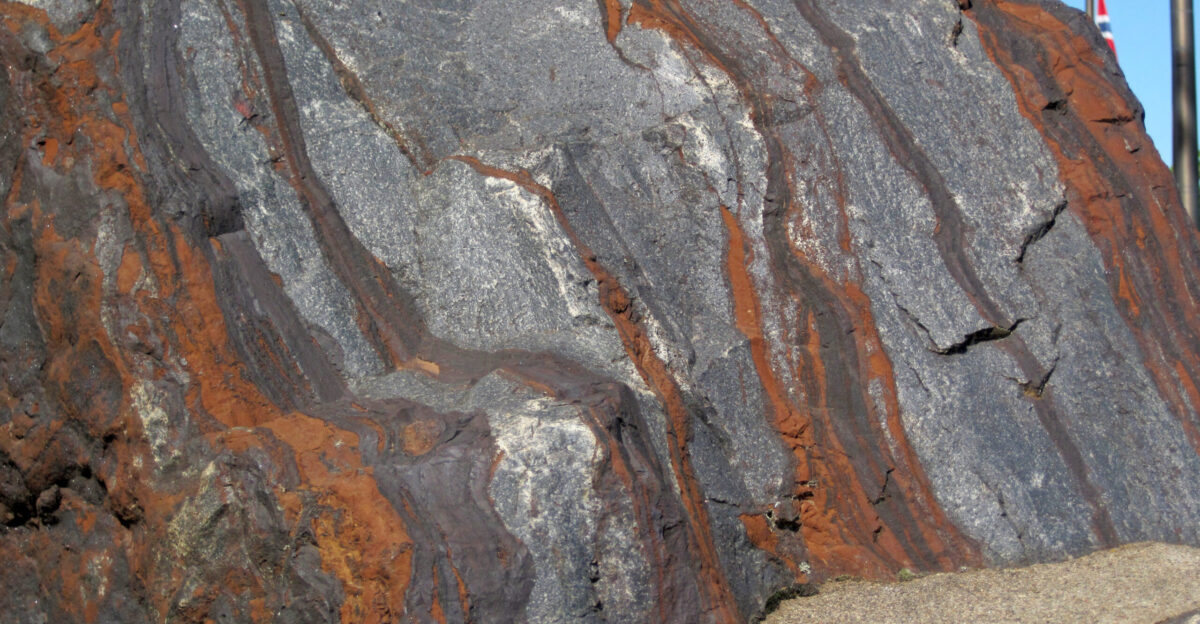
Typical reserves are in the tens of billions, but this iron ore deposit is estimated to be worth nearly $6 trillion. This deposit has iron concentrations of over 60%, which is significantly higher than the industry average of about 30%.
Its sheer size and the quality of its ore could ensure decades of iron production, supplying a steady supply for industrial demand and steel production worldwide. Due to its size, Australia is in a unique position to influence international trade negotiations and iron ore markets, especially with major importers like China and India.
Effect on the World Iron Market
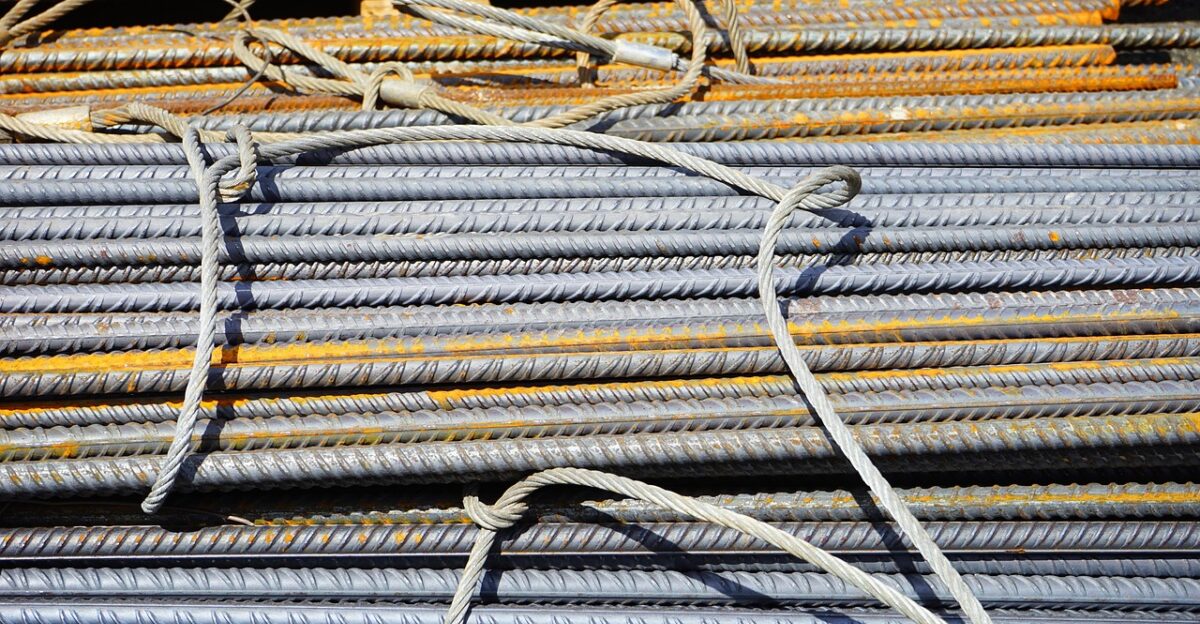
The discovery is expected to change supply-demand balances and upend current market dynamics. Long-term price volatility that has historically hampered resource-hungry economies may be reduced or stabilized by Australia’s expanded supply capacity.
Given that previous price spikes have been linked to slower economic growth, particularly in 2010–2011, when prices reached $187 per ton, the new supply might lessen these negative economic shocks. Major suppliers’ market monopoly, however, continues to have an impact on competition and pricing.
Geopolitical Consequences
Australia’s strategic influence in international resource politics is increased by its control over this enormous mineral wealth. Changes in trade relations and bargaining power with Australia may affect major iron consumers, primarily China and India.
The substantial deposit may exacerbate geopolitical tensions by escalating US-China competition for control over resource supply chains. Securing steady iron supplies can also promote collaboration on resource governance and lessen international conflicts. Western Australia’s contribution to the world economy is about to grow significantly.
Environmental Factors and Difficulties
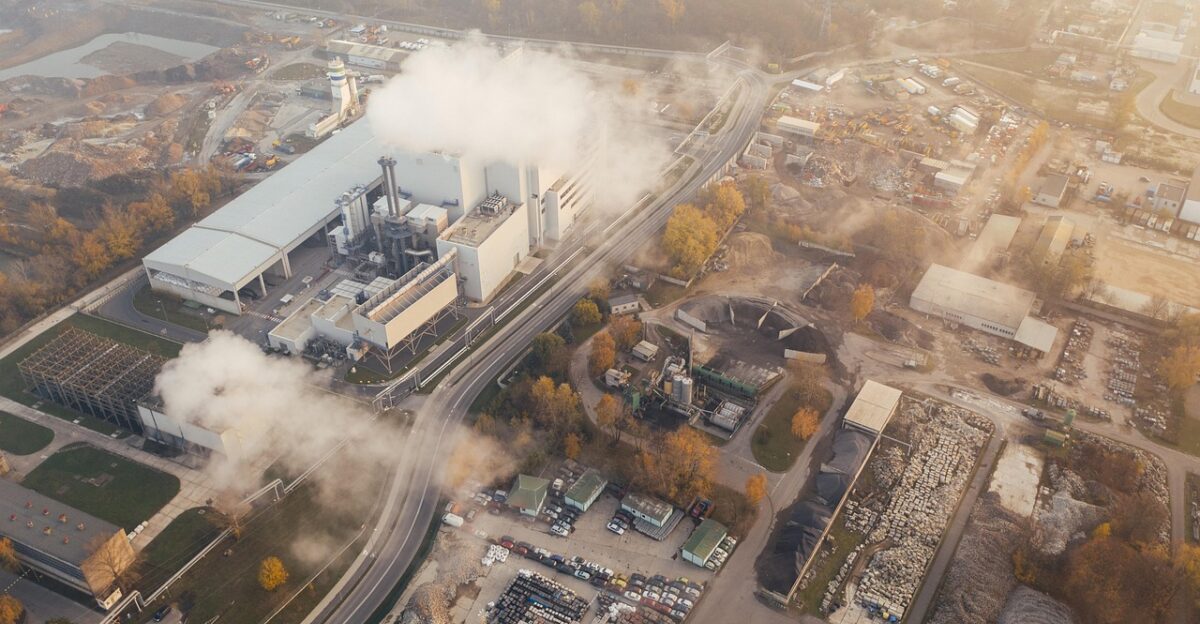
Water consumption, carbon emissions from large-scale mining operations, and ecosystem disruption are some of the environmental issues associated with exploiting such a massive reserve. Even though mining methods have improved, adverse effects must be minimized by striking a balance between sustainability and financial gain.
This finding might spur investments in more environmentally friendly mining infrastructure and technology, possibly establishing new environmental benchmarks for the sector. The deposit’s size emphasizes how crucial it is to incorporate environmental stewardship into future resource extraction plans.
Innovations in Technology and Industry Change
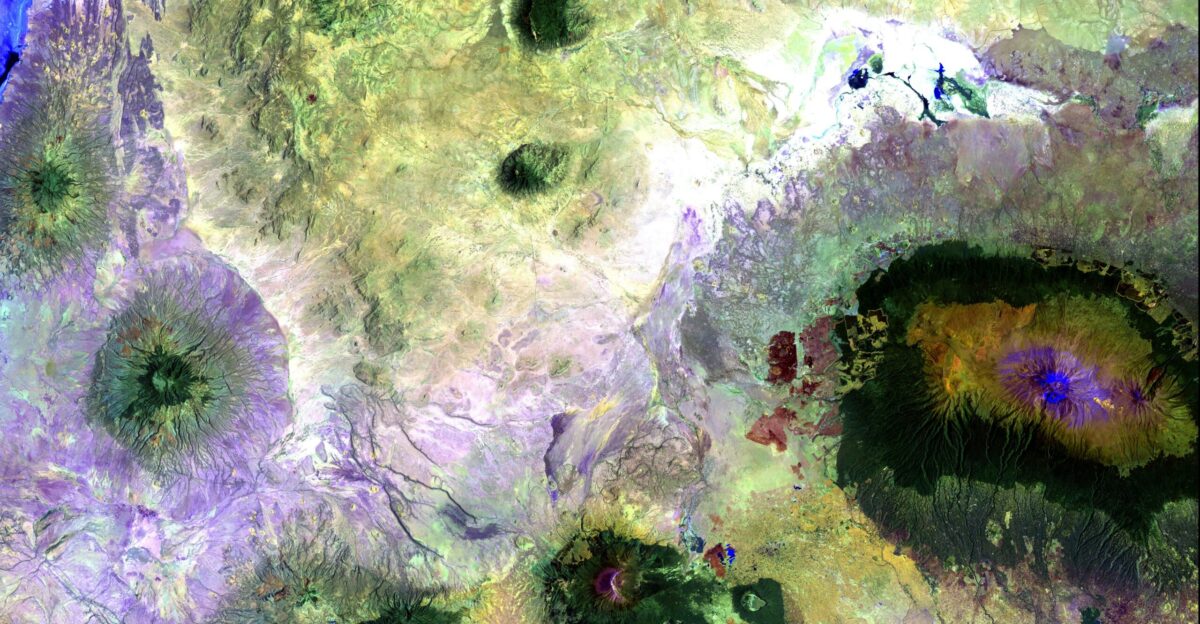
The discovery is a prime example of how technological developments, like satellite-based imaging and isotopic dating, can transform mineral exploration and uncover deposits that have been hidden for thousands of years.
This marks the beginning of a new era in which creative scientific methods may uncover comparable valuable resources all over the world. In order to increase efficiency and safety, the mining industry must quickly adapt by implementing automation and data-driven exploration. Such a change could reshape supply chains and mineral economics in raw material-dependent industries.
Scientific and Historical Significance
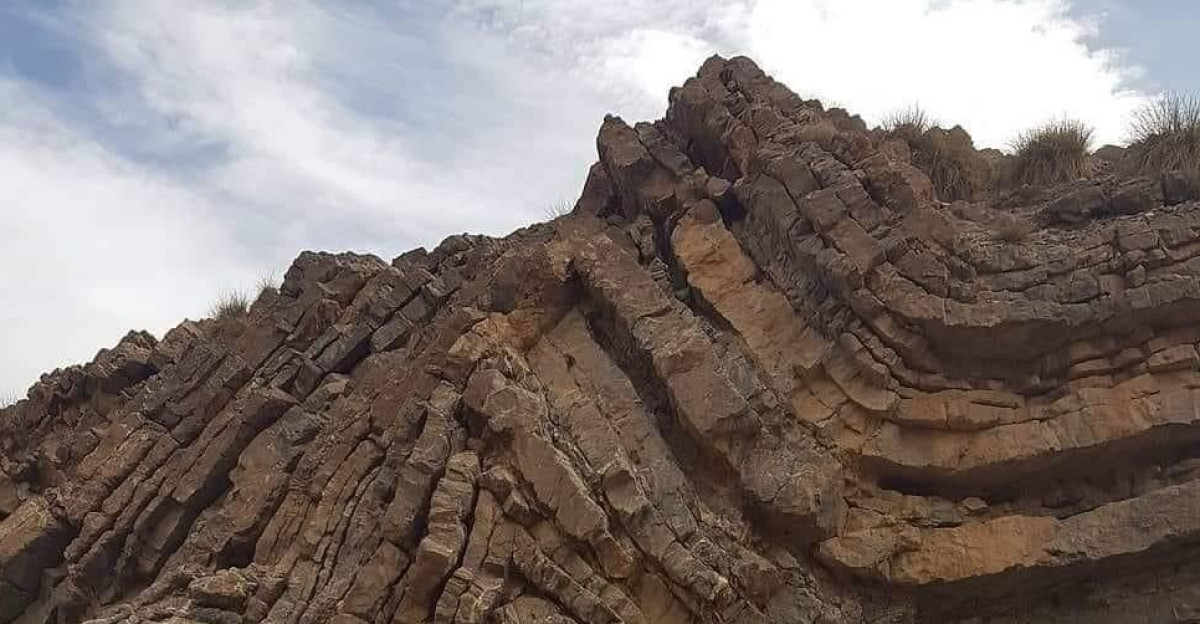
Previous geological paradigms that placed similar deposits at 2.2 billion years old are upset by the estimated formation age of 1.4 billion years. Understanding Earth’s crustal evolution, supercontinent assembly, and the processes that concentrate metals deep within the mantle are all improved by updating the timeline.
The discovery is significant for geosciences because it challenges these presumptions and encourages a reexamination of ancient processes and their connections to the mineral wealth of today.
Impact on Society and the Region in Western Australia
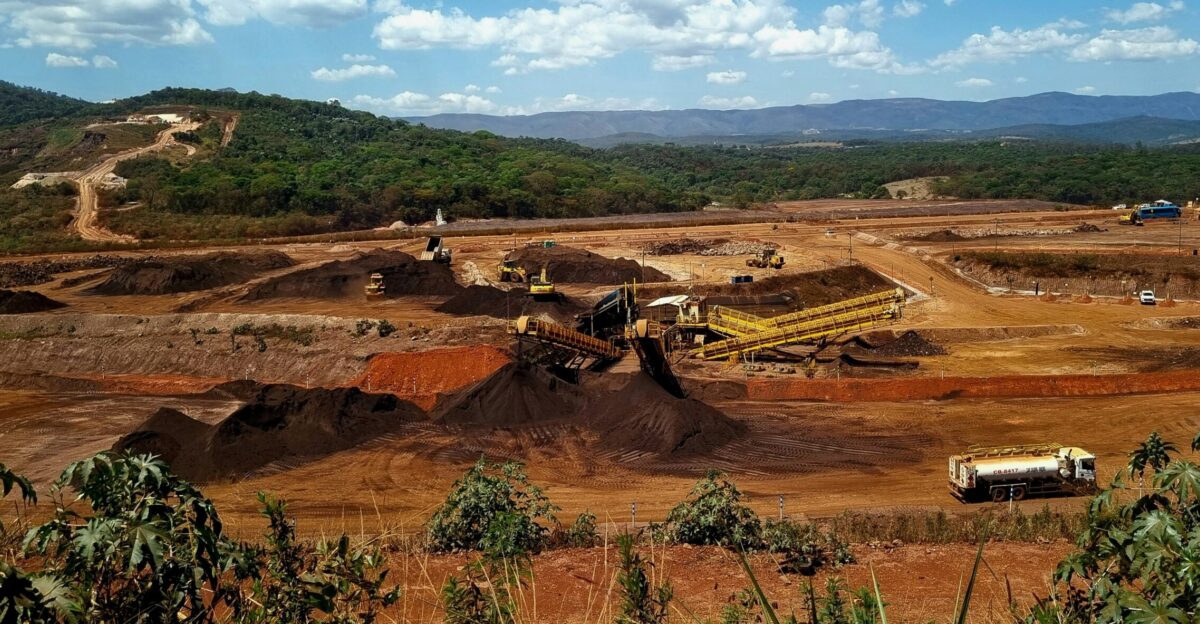
Beyond the implications for the entire world, the deposit holds great promise for Western Australia’s economic revival. Through technology transfer, infrastructure development, and job creation, the area’s mining-dependent communities stand to gain.
This capital infusion could finance social programs, raise living standards, and diversify local economies. In order to guarantee fair resource distribution, the prolonged lifespan of mining operations will improve regional stability and cultivate alliances between business, government, and indigenous groups.
Industrial and Commercial Impacts
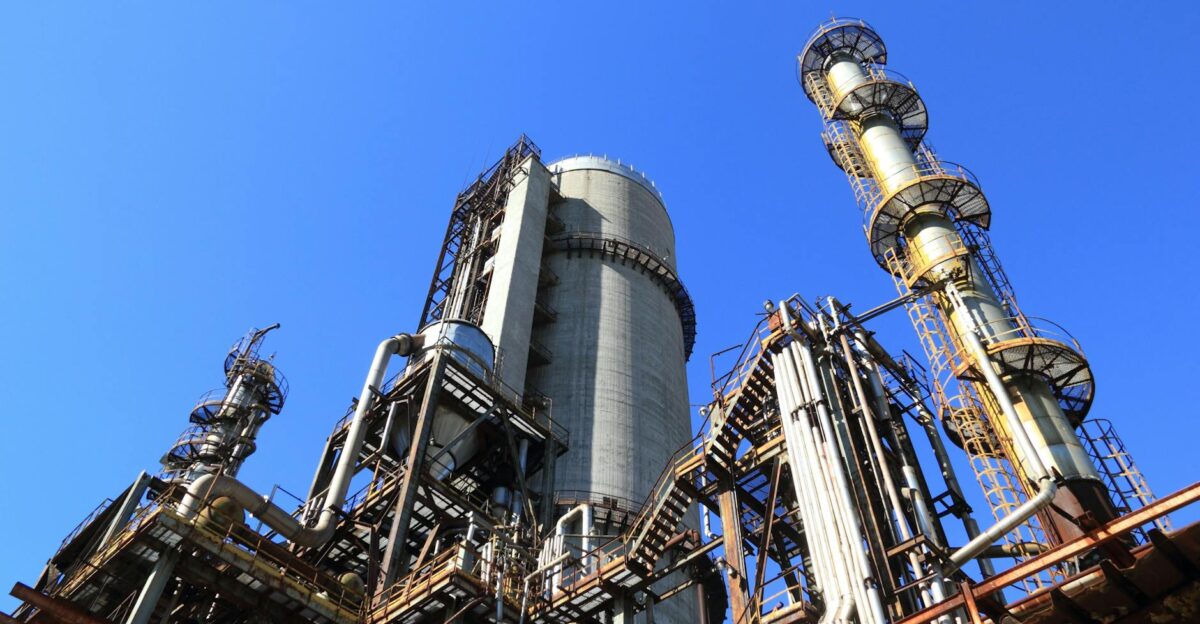
There will be a more steady supply of raw materials for iron-dependent industries around the world, particularly those that make steel. This could boost industries like construction and automotive, reduce production costs, and promote infrastructure expansion.
Furthermore, the richness of the deposit makes it possible to extract iron of higher quality, which could raise steel standards and efficiency. This finding serves as a buffer against supply shocks as urbanization and industrialization in emerging markets are predicted to drive growth in global demand.
Price Fluctuations and Worldwide Economic Patterns

Sharp swings in iron ore prices have historically occurred, mainly due to monopolistic supply chains and China’s economic expansion. Iron ore’s economic importance is demonstrated by the striking correlation between a one percent change in prices and almost a 0.8 percent change in China’s GDP.
By reducing price shocks, this deposit could encourage more consistent global economic growth. But it’s still difficult to strike a balance between rising supply and changing demand, and environmental regulations and technology are important factors.
China’s Role in Global Demand Dynamics
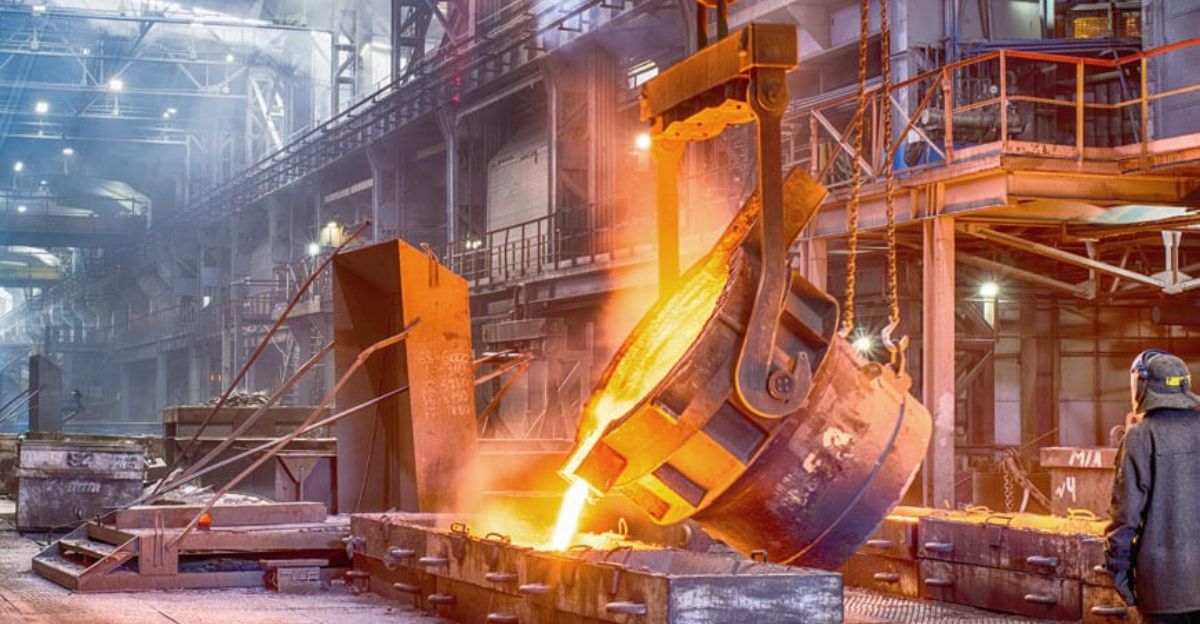
Being the biggest importer of iron ore, China has a significant influence on the market. The demand for iron and steel is fueled by ongoing industrialization and urbanization. China’s resource security is strategically assured by the new Australian deposit, which could redefine trade diplomacy.
Because China’s manufacturing and construction industries rely on dependable, reasonably priced iron, Australia’s supply dominance could act as a stabilizing force in the face of uncertainty surrounding global trade.
Mining’s Potential for Technological Innovation
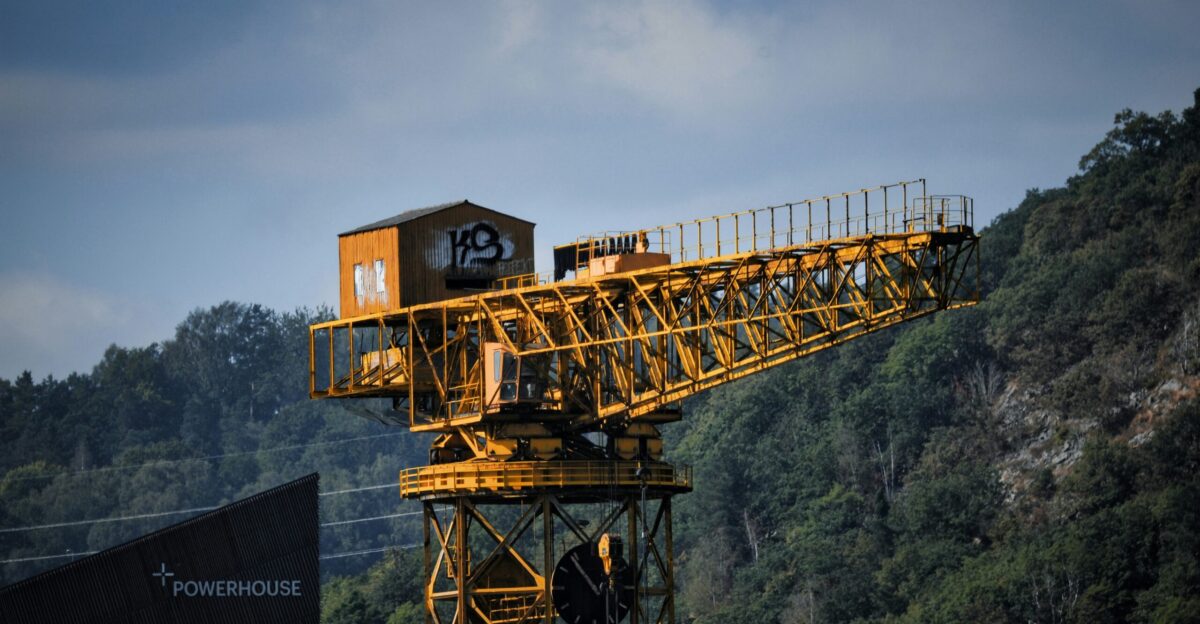
Investment in clean mining innovations, such as waste reduction, automation, and integration of renewable energy, may increase as a result of the discovery. Australia may be at the forefront of a global movement to create environmentally responsible and profitable mega deposit extraction techniques.
Setting new global standards and developing exportable expertise through the use of green mining technology could have an impact on resource management strategies that go beyond iron ore. This could strengthen Australia’s standing as a pioneer in sustainable mining, especially when combined with growing regulatory pressure to decarbonize resource industries.
Second-Order Impacts on International Industry and Trade

The deposit may change international trade routes and industrial alliances in addition to its immediate economic effects. Iron ore-dependent nations may renegotiate supply contracts and shift their sources away from more unstable ones. More competitive pricing in the steel industry could have an impact on related industries like machinery, shipbuilding, and automobiles.
Additionally, this deposit could lead to resource nationalism or global commodity market reforms. This deposit’s significance in geopolitical and economic realignments is anticipated to grow as the need for steel changes in tandem with environmental and technological advancements.
Risks and Contrarian Opinions
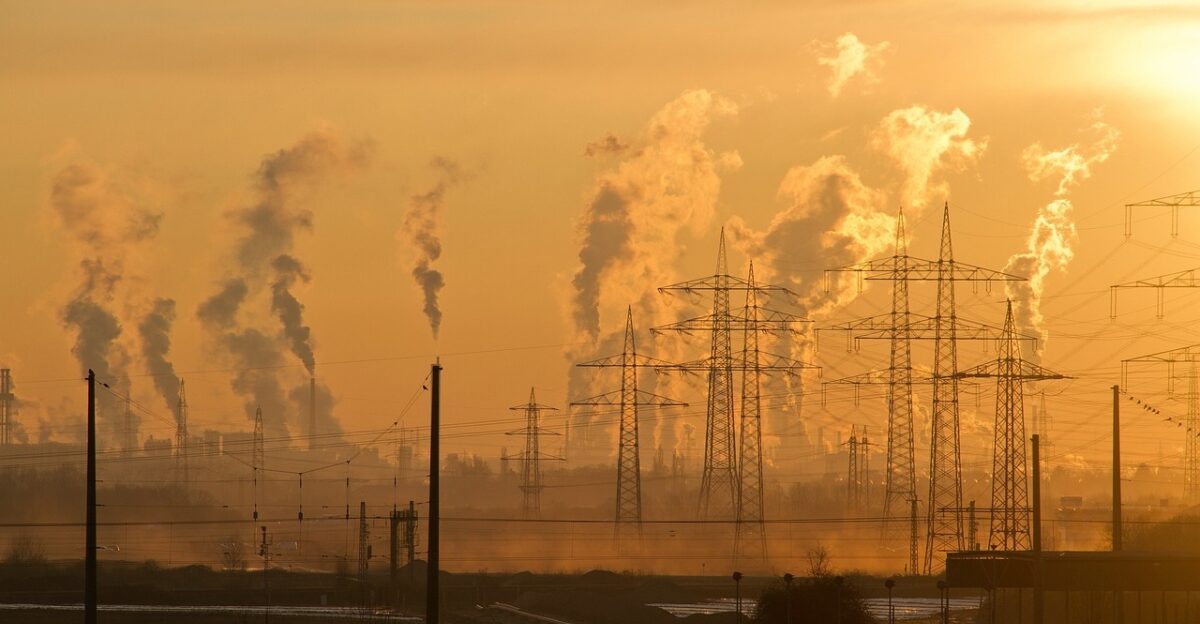
Despite the size of the deposit, some experts advise against depending too much on one resource. Saturation of the market may cause prices to drop, harming producers everywhere. Risks of environmental deterioration could incite public opposition. Conflicts over resources could get worse due to geopolitical tensions.
Furthermore, relying solely on one area for worldwide supply creates security issues, highlighting the necessity of sustainable and varied sourcing methods. To ensure that the advantages of the deposit do not come at the expense of long-term social or environmental costs, economic models must be modified to reduce these risks.
Historical Parallels and Insights
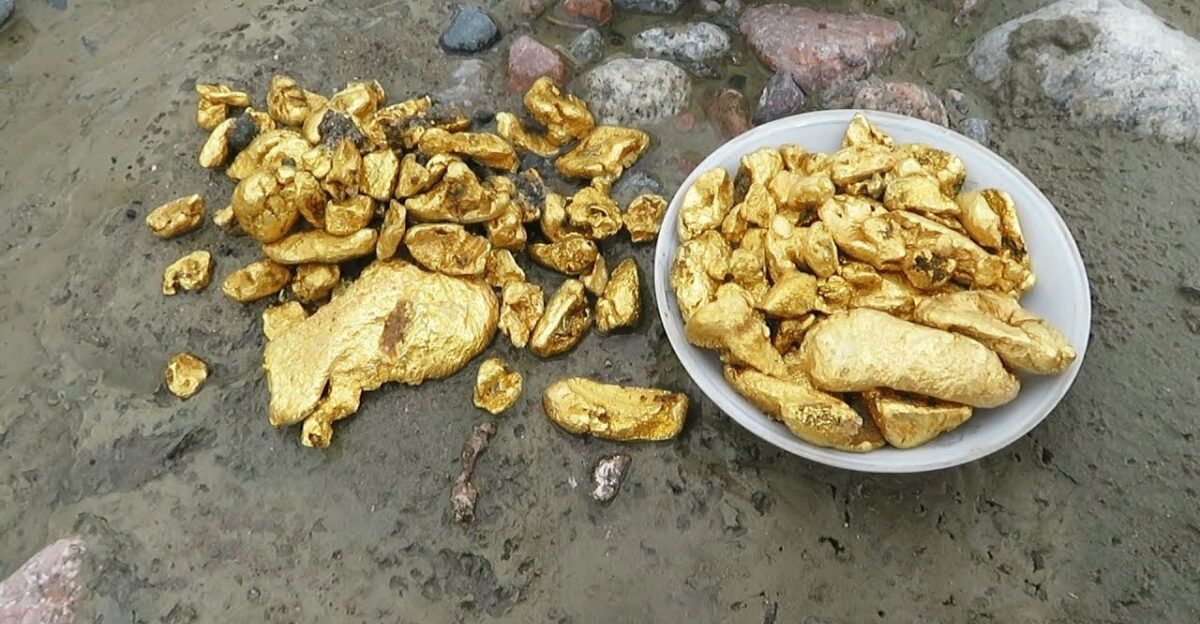
As demonstrated by the gold rushes and oil discoveries of the 19th century, resource booms can bring both prosperity and instability and conflict. These trends might be repeated in the new iron deposit, so cautious policy management is required to steer clear of “resource curse” traps.
To harness deposits for long-term national benefit, lessons learned from previous booms highlight the significance of infrastructure investment, economic diversification, and sovereign wealth management. Today’s stakeholders should use these historical lessons to help them strike a balance between stability and responsibility and quick economic gains.
Economic Models and the Management of Strategic Resources

This finding encourages a review of resource exploitation economic models that prioritize market stability and sustainability. International collaboration, pricing strategies that adapt to demand worldwide, and strategic stockpiling could maximize gains while reducing the risks of price volatility and geopolitical unrest.
Including this deposit in international frameworks could serve as a test case for contemporary economic governance and resource diplomacy. In the face of shifting global economic conditions, cooperation between producers, consumers, and regulators would be necessary to guarantee fair and sustainable results.
Paradigms for Mineral Prospecting and Future Exploration
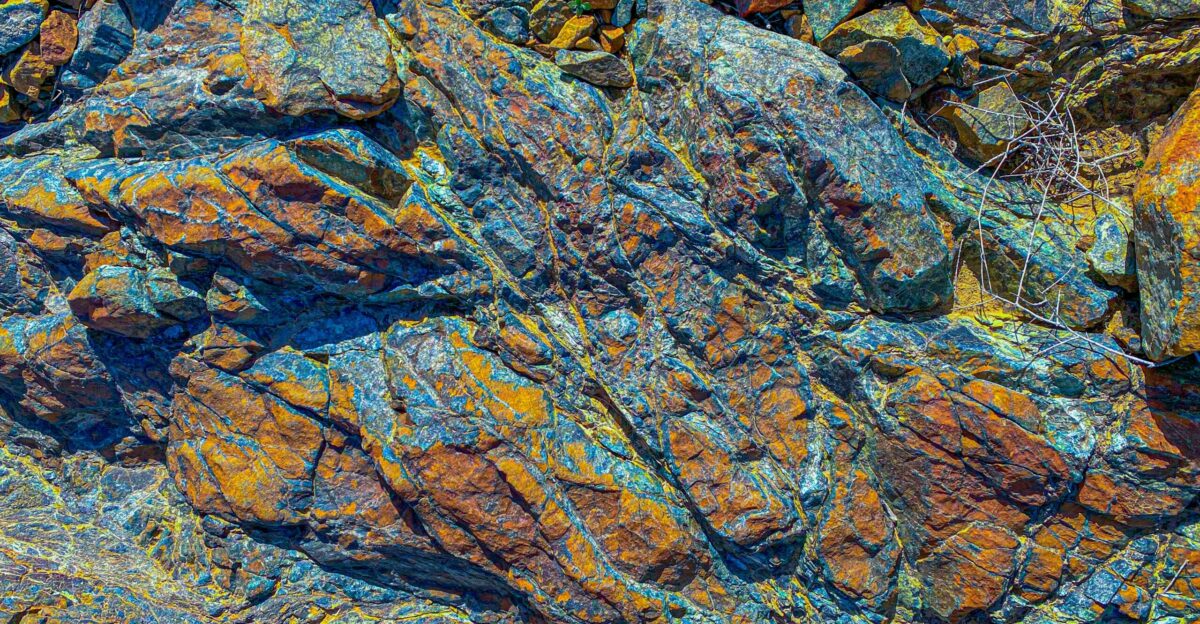
The Hamersley discovery’s success with contemporary detection techniques establishes a standard for further mineral exploration. Adopting big data analytics, AI, and satellite geophysics could reveal more unexplored resources worldwide.
A new wave of mineral discoveries that alter resource geopolitics and industrial capacity beyond iron could be fueled by this paradigm shift, aiding in the energy transition and technological advancement. The heightened emphasis on data-driven exploration will minimize environmental impacts, optimize costs, and speed up discoveries.
Unproven Theories and Their Theoretical Consequences

The deposit’s exceptional purity and size may be related to deep Earth dynamics or hitherto unidentified mantle plumes, providing information for theories of planetary formation. This finding supports some researchers’ hypotheses about connections between mineral deposit concentration and supercontinent cycles.
If proven true, these theories have the potential to transform mining and the geosciences by directing the search for additional vital minerals needed for upcoming technologies. These theories might encourage multidisciplinary study at the nexus of planetary science, physics, and geology.
Conclusion

A significant milestone in geological discovery and economic potential has been reached with the discovery of the largest iron deposit in the world, valued at almost $6 trillion. It might alter geopolitical power dynamics, reshape global iron markets, and spur technological advancement in the mining industry.
Although geopolitical and environmental risks are associated with these enormous opportunities, strategic management could make this resource a driver of sustainable growth. This finding challenges us to consider resource stewardship holistically in the twenty-first century and highlights the ability of scientific advancement to revolutionize industries. In order to maximize the deposit’s long-term value, it will be crucial to maintain fair benefit sharing and environmental responsibility.