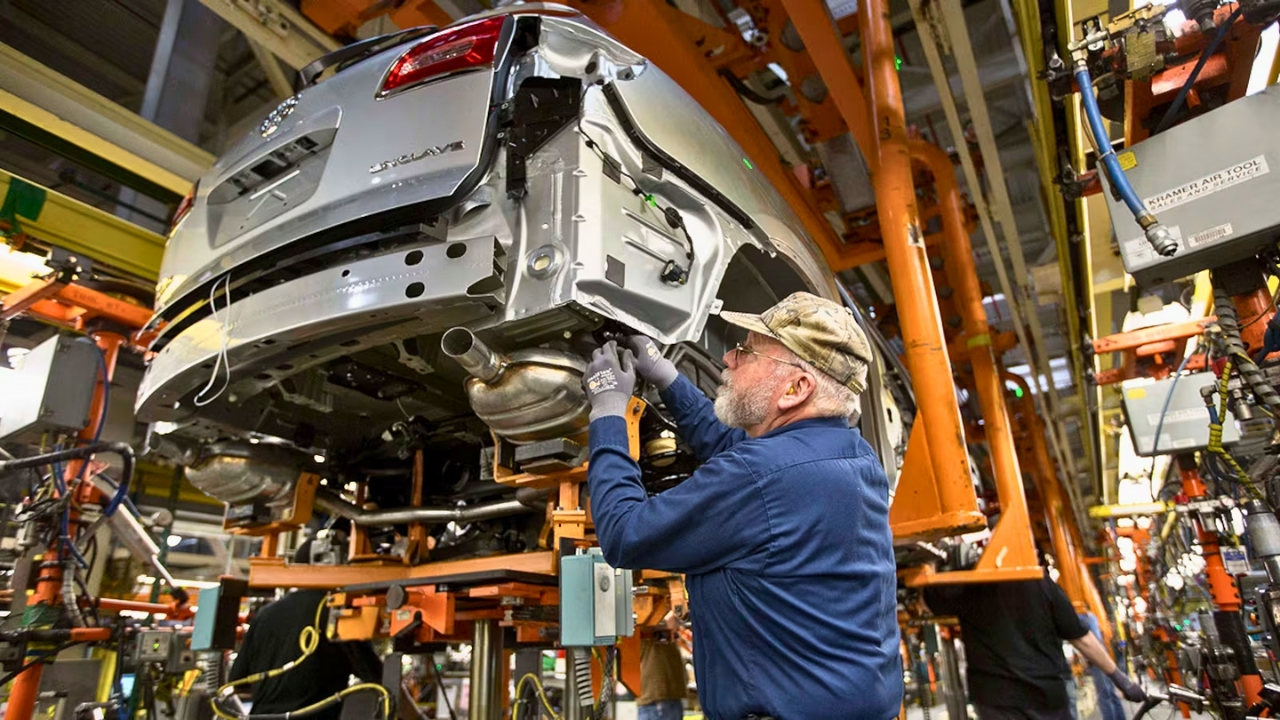
In June 2025, General Motors shocked Wall Street with a reversal that contradicted three years of promises: Orion Assembly would build gas trucks, not electric vehicles. The stock soared 8% as investors celebrated GM’s decision to abandon its 2035 all-electric future.
This $5.5 billion pivot—combining $4 billion factory retooling, $16 billion buybacks, and $900 million V8 investments—proved GM was betting the EV revolution would take far longer than predicted.
The Context: What Changed in Three Years

General Motors built its EV reputation under the leadership of CEO Mary Barra, promising an all-electric future in 2021. By 2023, the company authorized a record $10 billion buyback and committed $9 billion annually to electric vehicles. Wall Street rewarded this vision with higher valuations.
Yet between 2022 and 2025, fundamentals shifted dramatically. Consumer adoption stalled. Charging infrastructure remained patchy. Government incentives became politically contentious.
The Numbers That Forced the Reckoning

In June 2024, GM Chief Financial Officer Paul Jacobson reduced EV production targets from 300,000 units to 200,000-250,000 units, citing “100 percent demand-driven” reasons. U.S. EV adoption is currently tracked at approximately 8 percent of total vehicle sales, which is below the anticipated 10 percent.
More devastatingly, Jacobson revealed that “markets are no longer rewarding OEMs for EV ambition,” reversing a trend from previous years when aggressive EV commitments boosted stock prices.
The Orion Assembly Pivot: From EV Dreams to Gas Trucks

Nowhere is GM’s reversal more dramatic than at Michigan’s Orion Assembly Plant. In 2022, GM announced a $4 billion retooling exclusively for electric pickup trucks on its Ultium platform. Workers prepared for an all-EV future. Community leaders celebrated zero-emission transportation investments.
Then in June 2025, GM reversed entirely. Orion would build full-size gasoline-powered Chevrolet Silverados and GMC Sierras beginning early 2027.
A $900 Million Bet on V8 Engine Development
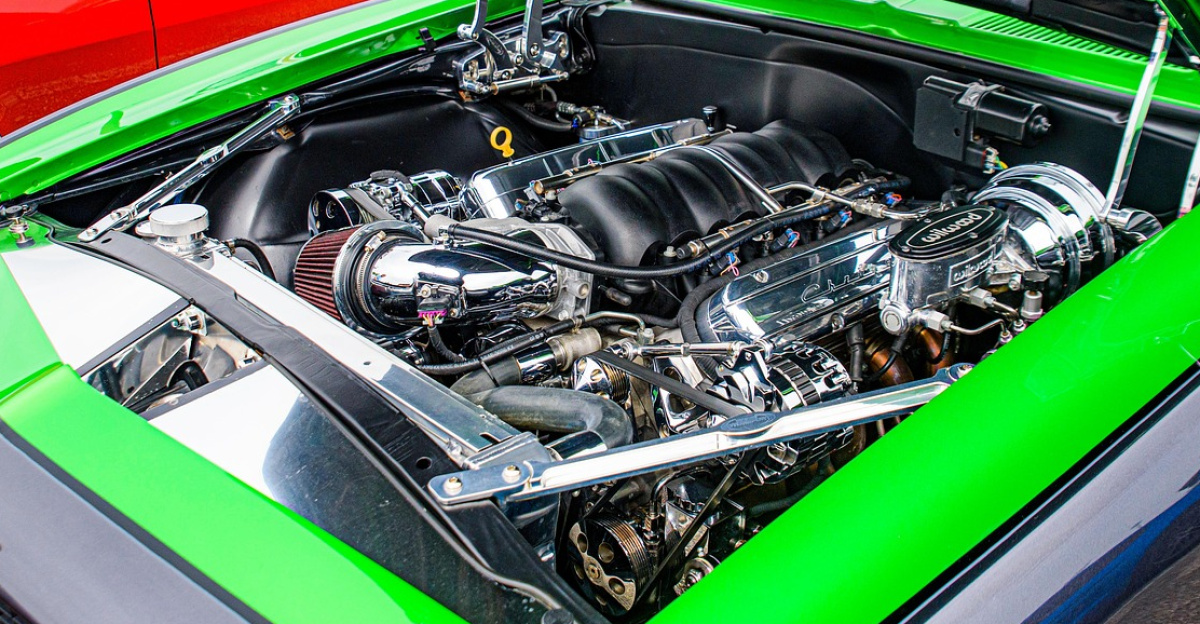
The V8 investment reveals GM’s conviction in ICE vehicles’ long-term profitability. In May 2025, GM committed $888 million to its Tonawanda Propulsion plant in Buffalo, New York, developing next-generation V8 engines for full-size trucks and SUVs, with production beginning 2027.
Combined with earlier $500 million V8 investments at Flint Engine plant, total gasoline engine development spending approached $900 million. This represented GM’s largest single engine plant investment—not temporary hedging, but declaring V8-powered trucks and SUVs would remain core profit drivers through the 2030s.
The Profit Margin Equation That Changed Everything

Understanding GM’s pivot requires examining one fundamental truth: gasoline-powered trucks and SUVs are extraordinarily profitable. GM earns approximately $10,678 per vehicle on average for full-size trucks, with premium models generating margins between $17,000 and $20,000 per unit.
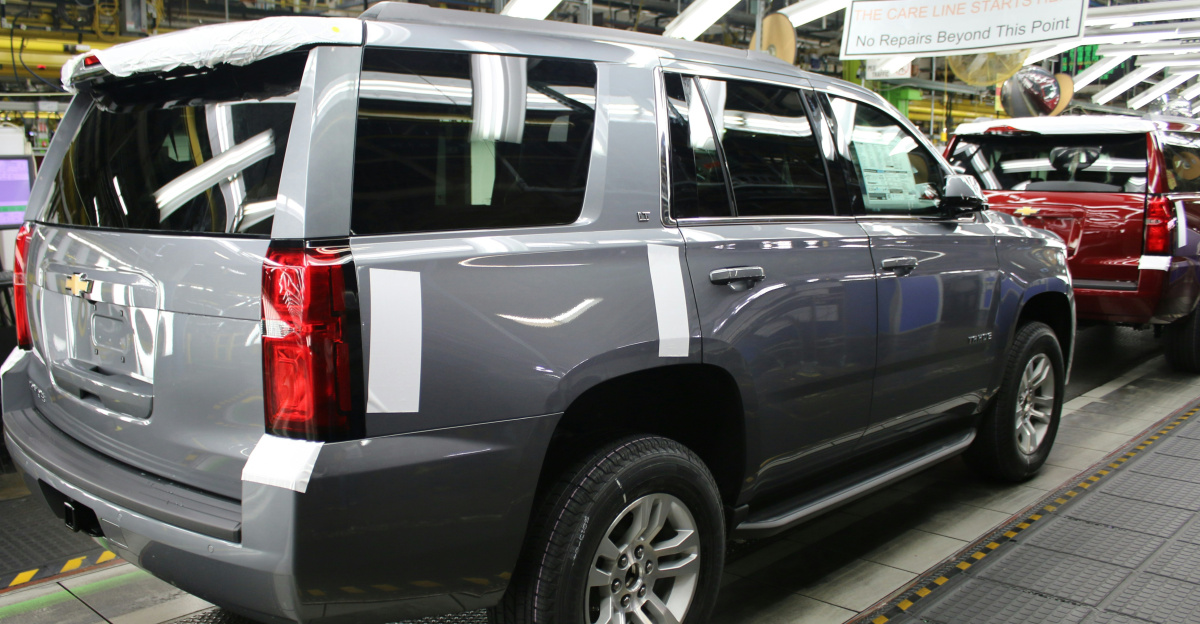
GM’s Arlington, Texas plant produces full-size SUVs exclusively and is considered the world’s most profitable auto facility, generating estimated $4 billion in annual earnings—roughly 30 percent of total company profits.
EV Production Delays Stack Up Across the Portfolio
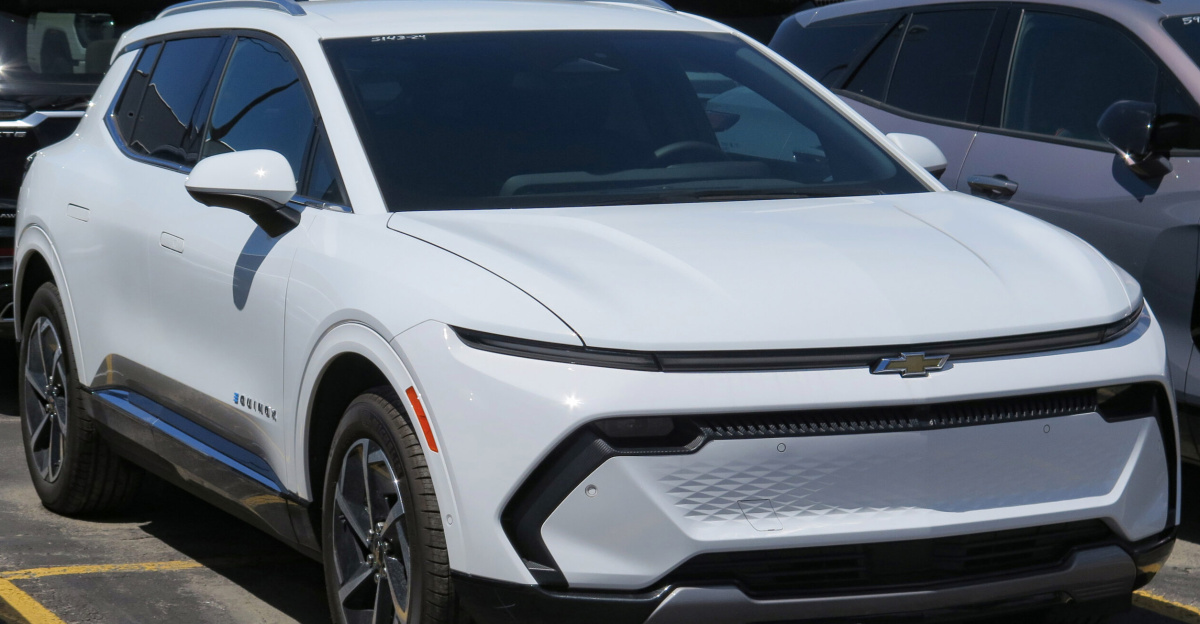
GM’s EV launch delays reveal a company recalibrating timelines. The Chevrolet Equinox EV, positioned as an affordable entry-level electric crossover with $35,000 starting price, experienced significant production delays. The retail Silverado EV RST and GMC Sierra EV launches were pushed back approximately 18 months from late 2024 to mid-2026.
The Buick brand’s first EV, originally expected 2024, faced indefinite delays. These aren’t minor scheduling adjustments but fundamental recalibrations reflecting weaker EV demand and GM’s prioritizing resources toward profitable gas vehicles instead of chasing electrification timelines.
The 1 Million Unit Goal Abandoned Without Replacement

GM’s retreat from its North American EV capacity target of one million units by 2025 underscores the depth of the strategic pivot. In July 2024, CEO Mary Barra acknowledged that GM wouldn’t achieve this goal. Subsequently, GM stopped reaffirming EV capacity targets entirely, with executives stating strategy would remain “flexible to align with market demand.”
The 2035 all-electric timeline, once promoted as a binding commitment, is now merely “aspirational” and dependent on external factors, including government policy, charging infrastructure, and regulatory environments beyond management control.
Factory Zero Sits Underutilized as Demand Disappoints
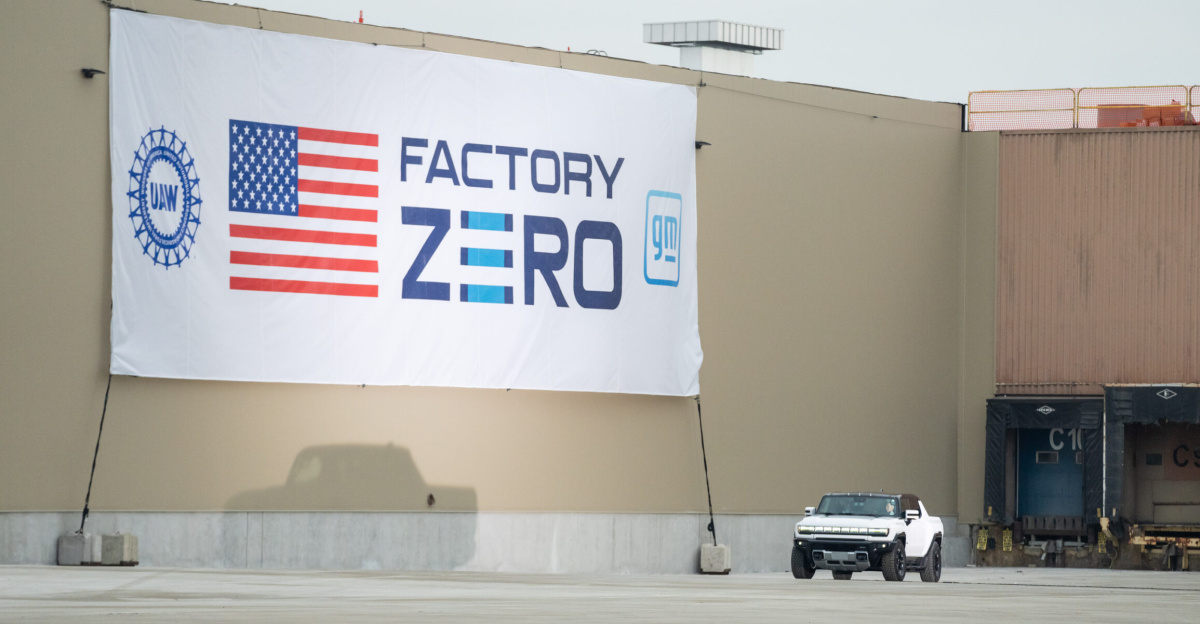
GM’s sole dedicated EV assembly facility, Factory Zero in Detroit-Hamtramck, paints a sobering picture. The facility produces GMC Hummer EV, Chevrolet Silverado EV, GMC Sierra EV, and Cadillac Escalade IQ, yet operates well below maximum capacity.
In October 2025, GM reduced Factory Zero to a single shift and laid off approximately 1,200 workers. This dramatic reduction underscores a fundamental mismatch between the EV supply capacity GM built and actual customer demand.
The $1.6 Billion Write-Down: EV Reality Hits Hard

In October 2025, GM absorbed a painful $1.6 billion charge for underutilized EV production equipment and supplier contract obligations. Of this amount, $1.2 billion was non-cash write-downs on EV production capacity, while the remaining $400 million represented cash outflows for contract cancellations.
CEO Mary Barra acknowledged in investor communications that “near-term adoption will be lower than planned” and anticipated “future charges” for managing EV overcapacity.
CEO Mary Barra’s Pragmatic Shift in Messaging

Mary Barra’s public statements reveal a leadership philosophy fundamentally shifted from aspirational to pragmatic. In January 2025, she stated GM would “happily” increase gasoline vehicle production if EV demand declined. She emphasized GM would follow consumer preferences rather than pursuing predetermined electrification commitments regardless of market realities.
When announcing the Orion pivot, Barra said GM was “focused on giving customers choice and offering vehicles they love.”
Federal Policy Changes Accelerated the Pivot

The Trump administration’s elimination of $7,500 federal EV tax credit in September 2025 dramatically accelerated GM’s EV adoption slowdown. This policy reversal, combined with regulatory shifts away from strict emissions mandates, fundamentally altered the electric vehicle competitive landscape.
GM explicitly stated in SEC filings that policy changes predict “deceleration in the adoption rate of EVs.” The federal credit drove a surge in EV purchases before its expiration, artificially inflating 2024-2025 EV sales.
Market Dynamics: How Wall Street Rewarded the Pullback

Wall Street celebrated GM’s retreat from EV ambition remarkably. In June 2024, when GM cut EV production targets, the stock surged to a 12-month high. This represented a stunning reversal from 2021-2023, when financial markets rewarded aggressive EV commitments.
Bank of America analyst John Murphy warned throughout 2025 that automakers overinvested in EV capacity and would face substantial write-downs. When GM announced overcapacity charges in October 2025, stock rose, suggesting investors approved management’s decisive action to cut EV losses.
The Buyback Strategy: Returning $16 Billion to Shareholders
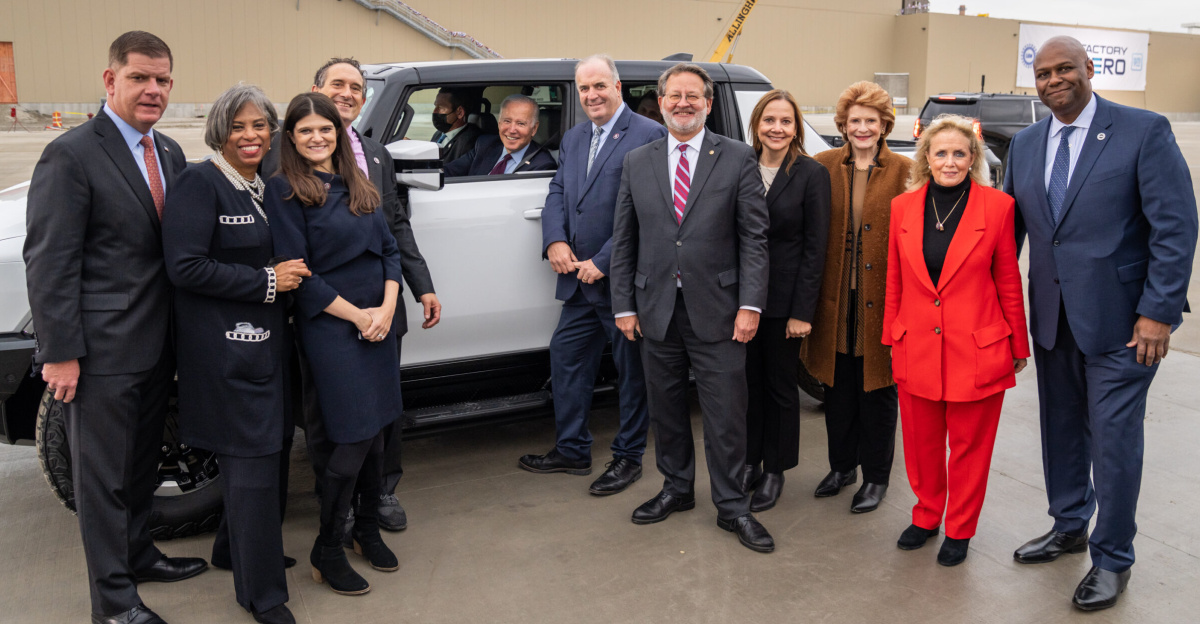
GM’s capital allocation crystallized the company’s pivot. Beginning in November 2023, GM authorized a record $10 billion accelerated share buyback. This was followed by $6 billion buyback in June 2024 and a third $6 billion authorization in February 2025, bringing total commitments to approximately $16 billion.
The company simultaneously raised its quarterly dividend by 33 percent in late 2023 and 25 percent in February 2025. These aggressive cash returns to shareholders explicitly prioritized near-term profitability over long-term EV transformation investments.
The Full-Size Truck and SUV Surge Validates the Strategy
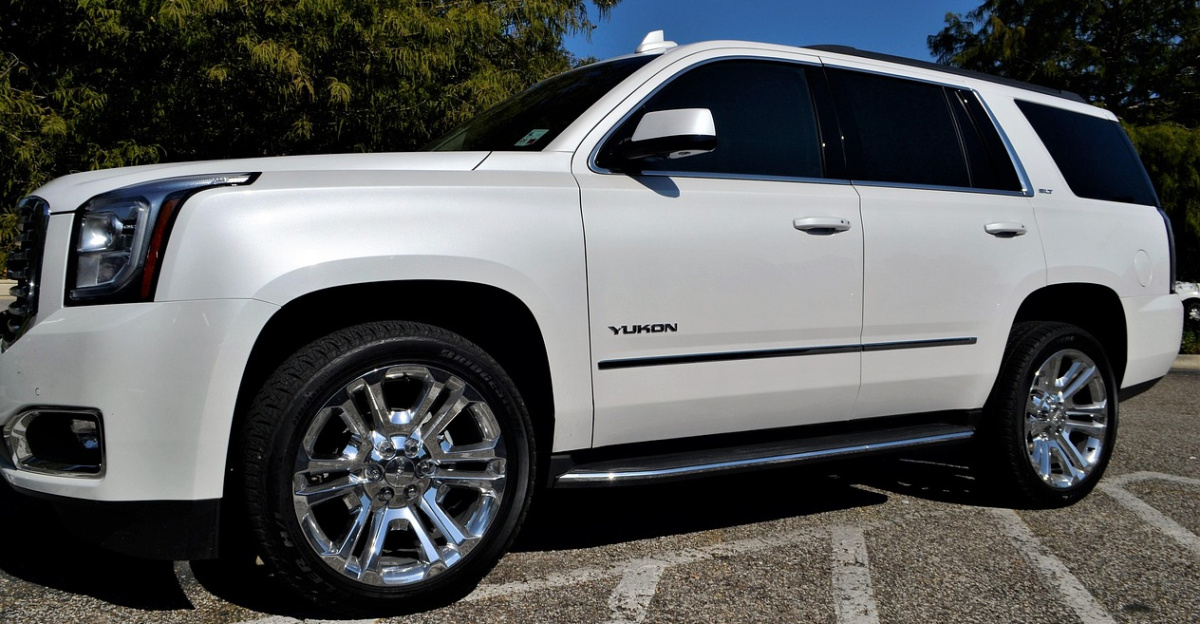
American consumers continued buying full-size trucks and SUVs at levels confounding EV advocates. GM reported full-size pickup truck sales achieved their highest levels since 2007, reflecting five consecutive growth years. Full-size SUV sales, including Tahoe, Suburban, and Yukon models, contributed to GM’s dominant market position, maintaining number-one ranking for the 50th consecutive year.
These powerful sales trends directly contradicted earlier projections that EVs would rapidly displace gas trucks.
Industry-Wide Retreat: GM Is Not Alone
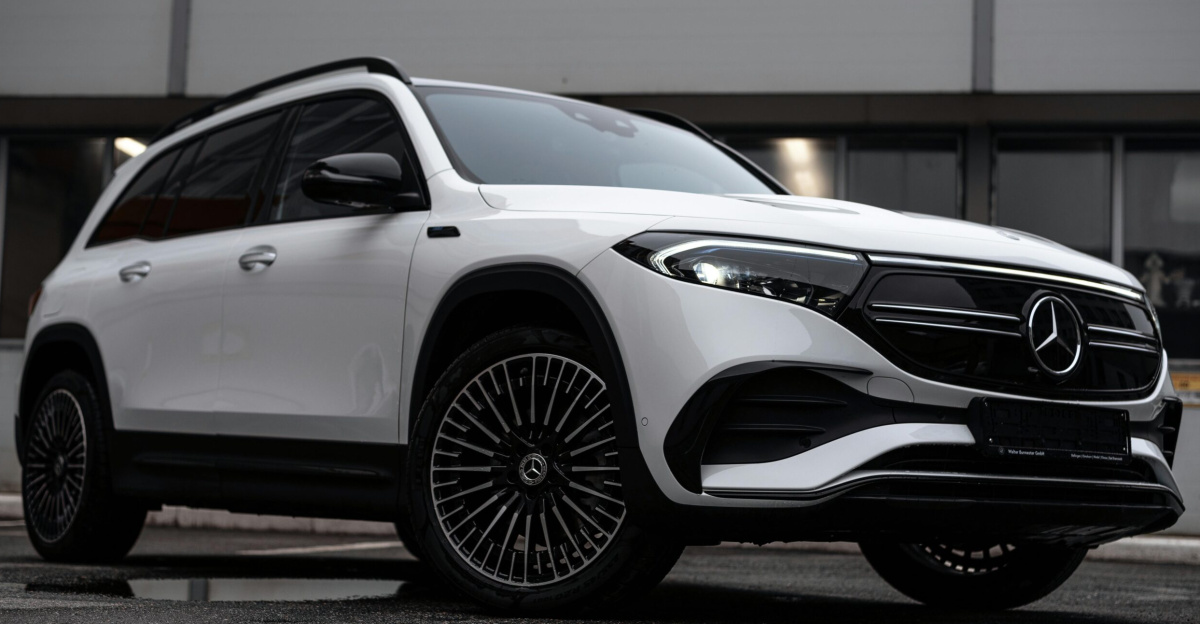
GM’s pivot reflects widespread industry recalibration. Volvo, Porsche, Volkswagen, Mercedes-Benz, Aston Martin, and Toyota similarly scaled back EV targets and extended internal combustion production timelines. Ford announced a $1.9 billion charge related to EV overcapacity in 2024.
This industry-wide pattern reflects common challenges including slower consumer adoption rates, persistent battery cost disadvantages, and shifting government policy environments.
Battery Cost Reductions Fall Short of Expectations
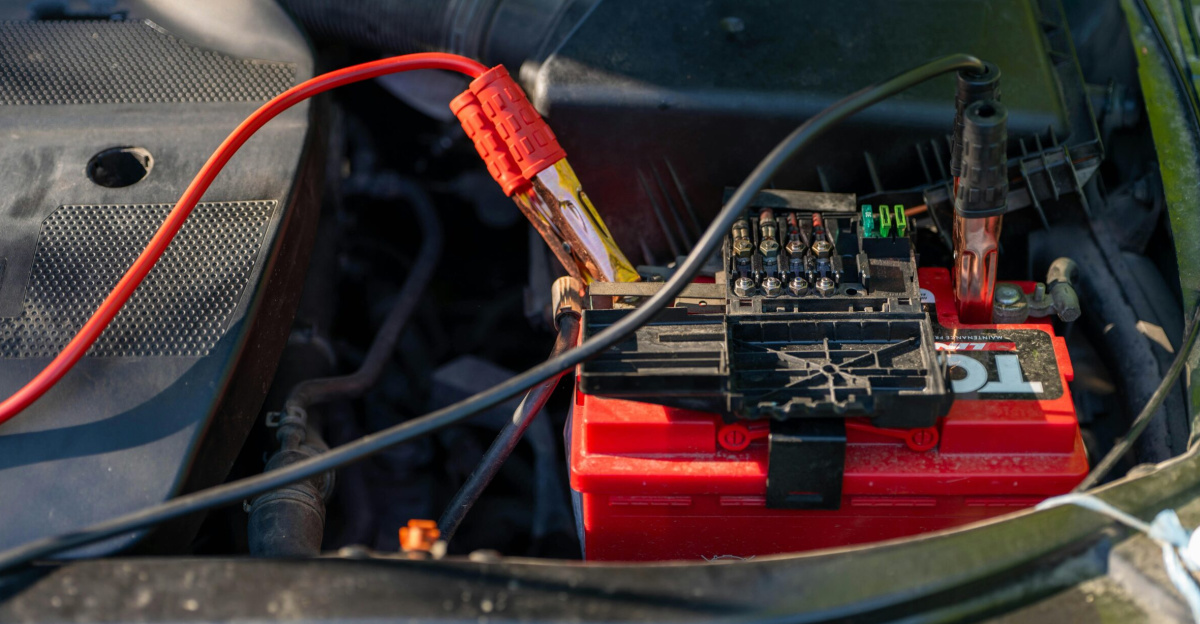
Despite manufacturing scale improvements and lower commodity prices for critical battery materials, GM expects reducing battery pack costs by only $60 per kilowatt-hour in 2025 and $30 per kilowatt-hour in 2026. These incremental improvements prove insufficient to achieve competitive EV pricing without subsidies.
Slower-than-expected battery cost trajectory fundamentally undermines financial viability of aggressive EV production expansion at current market prices.
The Dual Portfolio Strategy: Both/And Rather Than Either/Or

GM’s framework evolved from “electric-only future” to pragmatic “both/and” strategy. The company continues producing selective EV models where market demand exists while simultaneously maximizing profits from high-margin gas trucks and SUVs.
GM maintains Factory Zero for dedicated EV production while investing $4 billion across Orion, Fairfax, and Tennessee plants for enhanced gas vehicle manufacturing.
EV Profitability Achieved in Q4 2024—But With Caveats
GM achieved variable profit-positive status on its EV lineup in the fourth quarter of 2024 through manufacturing scale improvements. The company delivered 189,000 EVs in 2024, with sales surging 125 percent year-over-year.
However, variable profitability measures revenue against variable manufacturing costs without accounting for billions invested in retooling factories or excess capacity charges.
Looking Ahead: The Strategic Endgame
General Motors’ $5.5 billion pivot represents a calculated hedge that the EV transition unfolds more gradually than projected, with gasoline trucks and SUVs remaining the company’s primary profit engine well into the next decade.
GM maintains optionality for accelerated EV scaling if market conditions improve while protecting near-term profitability through investments in proven gas vehicle platforms.
Sources:
General Motors Official Announcements (June 2025 Orion Assembly retooling announcement, shareholder buyback authorizations, earnings disclosures)
CNBC Financial Reporting (2024-2025 EV production target reductions, quarterly earnings analysis, stock price performance, dividend announcements)
Reuters Financial Services (V8 engine investment coverage, automotive strategy reporting, manufacturing announcements)
Fortune Magazine (CEO Mary Barra public statements, corporate strategy analysis, shareholder communication)
USA Today Business Section (U.S. manufacturing investment reporting and factory pivot coverage)
Bank of America Securities Equity Research (EV market overcapacity analysis, automotive sector forecasting)
Bain & Company Research (Electric vehicle profitability analysis and manufacturing cost structure studies)