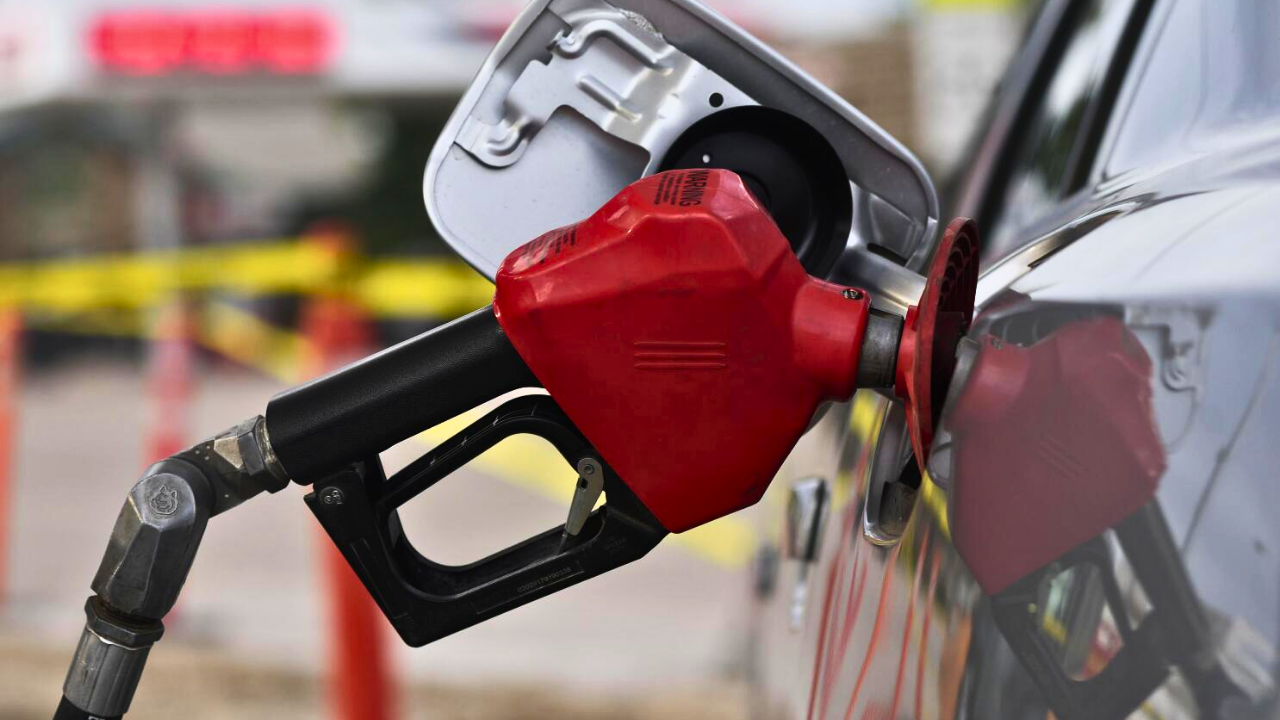
On a brisk autumn morning in Evans, Colorado, drivers are doing double takes at the gas pump: $1.99 per gallon, a price many thought was gone for good. This unexpected relief is not isolated. Across the United States, a surge in domestic oil production is quietly transforming the cost of filling up, with ripple effects reaching far beyond the gas station.
A New Era of American Oil
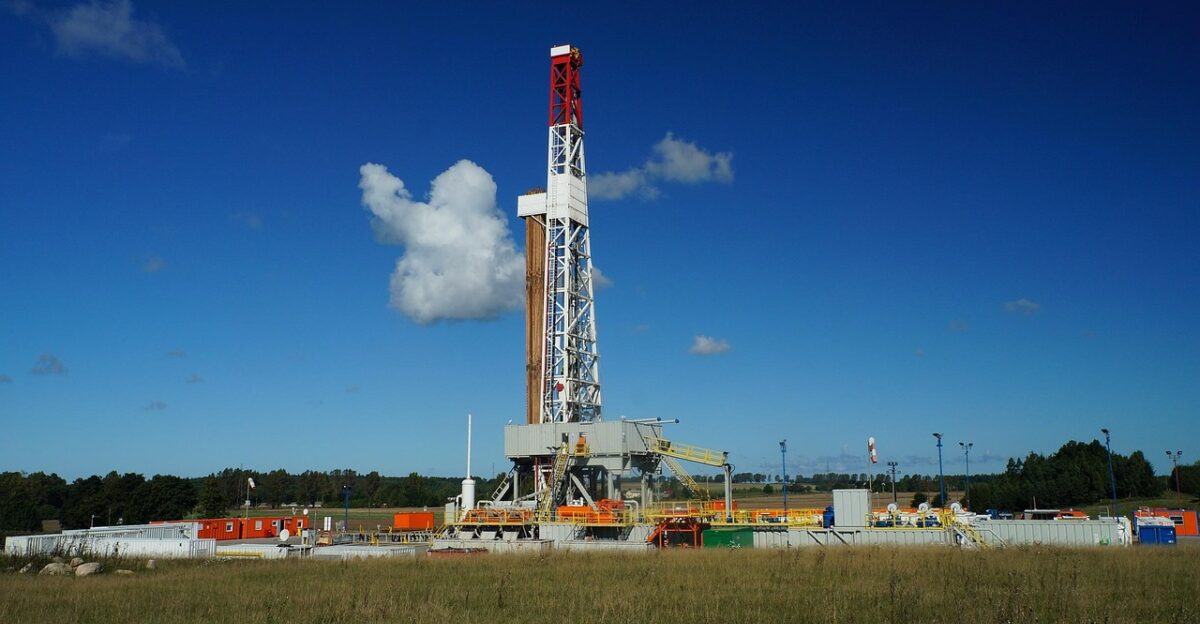
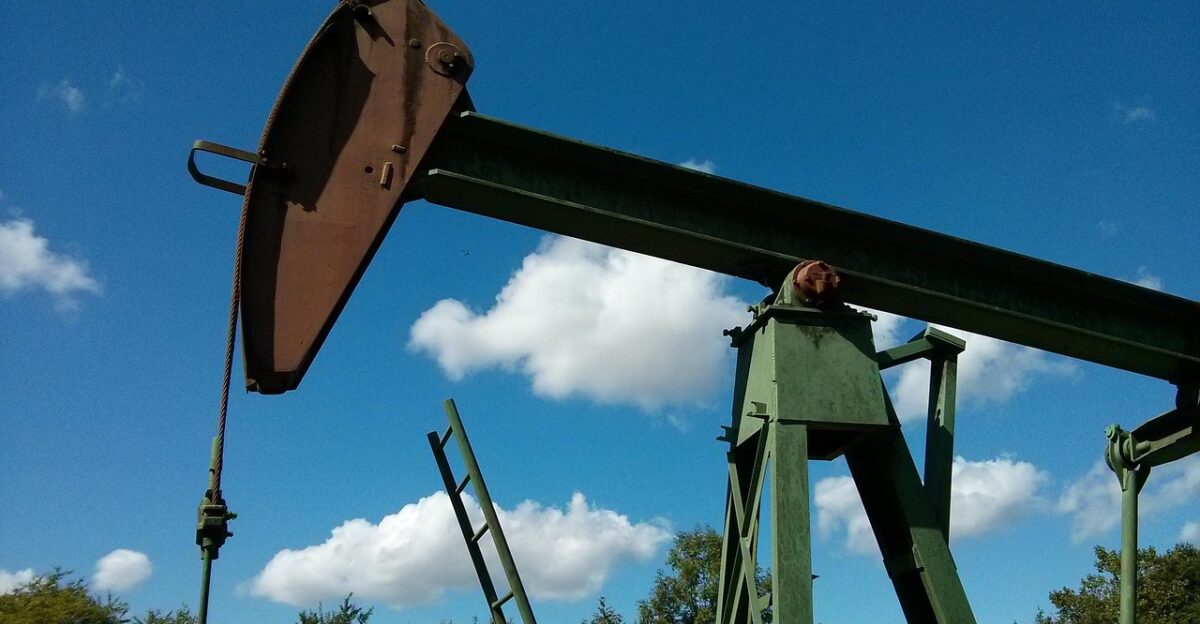
In July 2025, the United States set a new record for crude oil production, reaching 13.6 million barrels per day—the highest in its history. This milestone, reported by the Energy Information Administration, is the result of years of technological innovation in shale drilling and significant investment in the oil sector. The achievement marks a dramatic shift from previous years, when supply shortages and high prices dominated headlines. Now, the U.S. is producing more oil than the world can immediately consume, leading to a global surplus and falling prices.
The consequences of this production boom are immediate and visible. Wholesale gasoline prices, measured by RBOB contracts, dropped to around $1.90 per gallon in early November 2025. For context, this is the price refiners pay before gasoline reaches retail stations. Breaking below the $2 mark for the first time in over four years, these wholesale prices have made sub-$2 gas a reality in several states, offering both practical savings and a psychological boost to consumers.
Relief at the Pump
The impact of lower oil prices is most keenly felt by American drivers. In states like Texas, Oklahoma, and Colorado, cash prices under $2 per gallon are becoming common, not just as short-lived promotions but as sustained trends. For many, this means more than just saving a few dollars—it’s a tangible improvement in daily life, allowing for longer drives, more frequent outings, and a little extra room in the household budget.
Nationally, the average price of gasoline briefly dipped below $3 per gallon in late October, settling at $2.97 before a minor refinery issue nudged it back up to around $3.05. Even so, about 40% of states are now averaging below $3 per gallon, with Oklahoma leading at $2.55. For a typical family filling a 15-gallon tank, this translates to spending less than $45—a notable drop from recent years.
The broader economic effects are significant. Lower fuel costs benefit not only individual drivers but also businesses across the spectrum. Airlines are saving on jet fuel, delivery companies are expanding services more profitably, and farmers are spending less to operate equipment. These savings ripple through supply chains, ultimately reducing costs for consumers on everything from groceries to restaurant deliveries.
Economic and Social Ripples
For the average American household, the savings add up. A driver covering 12,000 miles a year at 25 miles per gallon uses about 480 gallons annually. A drop from $3.50 to $3.00 per gallon means roughly $240 saved each year—money that can be redirected to groceries, bills, or leisure activities. This relief is especially welcome as families continue to navigate broader economic uncertainties.
Falling gas prices are also helping to cool inflation. In September, the Consumer Price Index registered a 3.0% increase, with cheaper fuel and shipping costs cited as key factors. Because energy costs influence nearly every sector, their decline has an outsized effect on household budgets, easing financial pressure for millions.
However, the benefits are not evenly distributed. While import-heavy countries like India and Japan enjoy lower energy bills, oil-exporting nations face tighter budgets. In Europe, where taxes make up a large portion of fuel prices, consumers see little direct benefit from the global oil glut.
Shifting Market Dynamics
The drop in gasoline prices has also slowed the momentum toward electric vehicles (EVs) for some consumers. With gas so affordable, the financial incentive to switch to an EV—often a $35,000 investment—has temporarily weakened. Analysts suggest this is a pause rather than a reversal, as government incentives, climate goals, and advancing technology continue to drive the market toward electrification.
Meanwhile, oil producers in Texas and New Mexico are proceeding with caution. Memories of the 2014 oil price crash linger, prompting companies to focus on efficiency and automation rather than aggressive expansion. Globally, OPEC is responding to the surge in U.S. production with a measured approach: a modest production increase in December, followed by a pause through early 2026, to avoid flooding the market and triggering another price collapse.
Looking Forward
The future of oil prices remains uncertain. Some analysts predict a rebound to $65–$70 per barrel by mid-2026, while others expect prices to remain low if U.S. production stays strong. Factors such as aging wells, global demand, and OPEC’s strategy will all play a role in shaping the market.
Beyond the immediate relief at the pump, America’s record oil production signals a broader shift. As an energy exporter, the U.S. is reshaping global markets and its own geopolitical influence. For now, drivers are enjoying fuller tanks and lighter expenses—a rare moment of relief in a complex and ever-changing energy landscape.