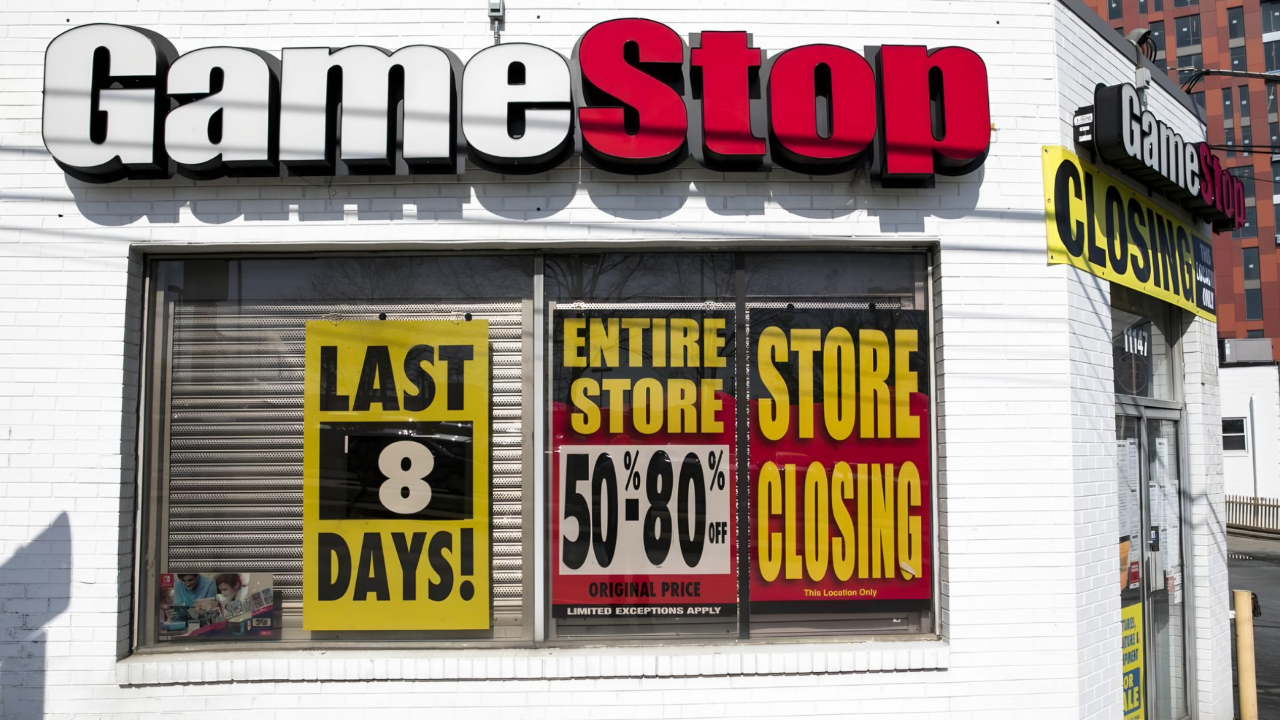
By mid-January 2026, shoppers in dozens of U.S. cities pulled up to familiar red-and-white GameStop signs only to find dark windows and closure notices, as more than 475 stores vanished from the company’s locator over the course of the month, according to tallies based on WKYC’s reporting and the retailer’s online store listings. But what happened next forced industry leaders to reconsider their entire strategy.
How Many GameStop Stores Are Closing Right Now?

GameStop has closed or plans to close over 475 U.S. stores in January 2026 alone, according to WKYC tallies and the company’s online store listings, with Fast Company and Yahoo Finance identifying more than 470 “doomed” locations across just over 40 states.
A USA Today Network review of SEC filings and related coverage confirms that GameStop had warned it would close a “significant number” or “substantial number” of additional stores before its fiscal year ends on 31 January 2026.
New York GameStop Closures
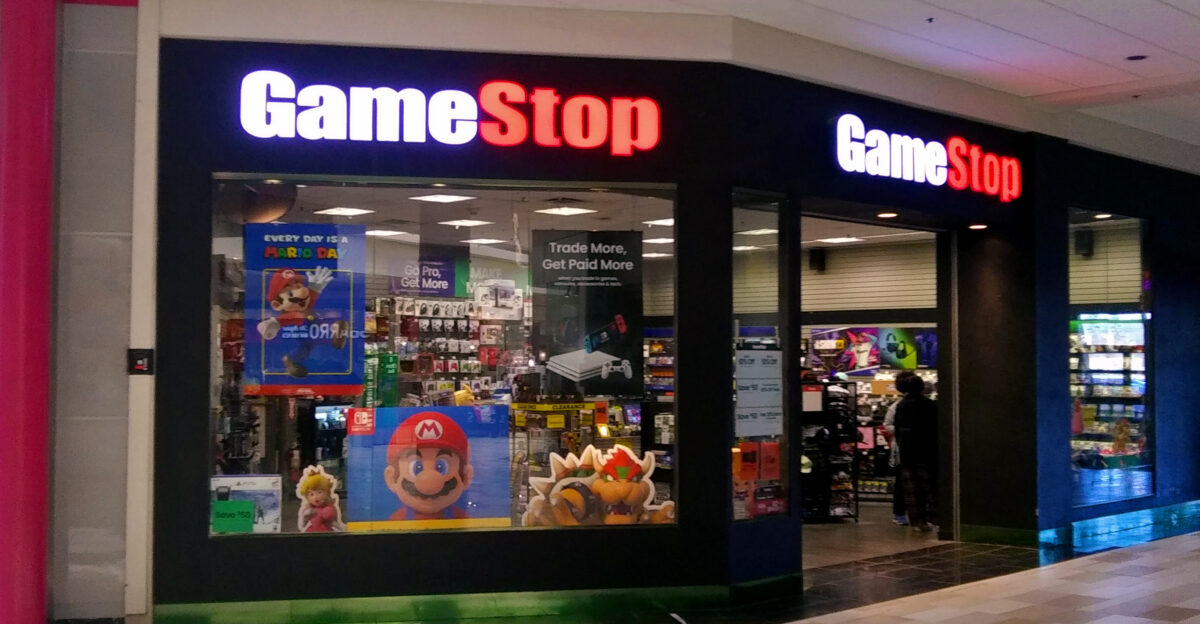
New York is among the hardest hit: Syracuse.com reports at least 31 GameStop locations in the state are closing, from urban storefronts in Brooklyn and the Bronx to smaller markets like Ithaca, Herkimer, Plattsburgh, and Amsterdam.
Two Central New York stores in DeWitt and Ithaca are among the latest to shut their doors, and Syracuse.com notes that, as of mid-January, only five outlets remained within a 50-mile radius of Syracuse.
A Retail Footprint Shrinking to Less Than Half Its Peak
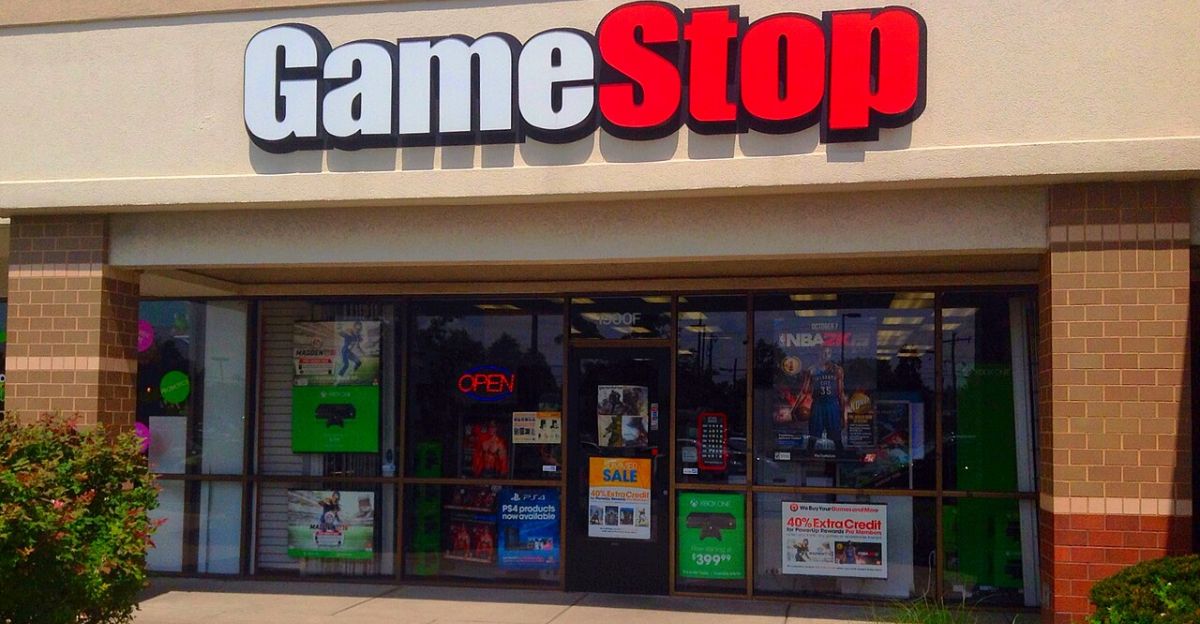
These January closures accelerate a long-running contraction. In its third-quarter 2025 earnings, released December 9, GameStop disclosed that it had closed about 590 U.S. stores over the previous year as part of a “store portfolio optimization review,” according to Syracuse.com and other coverage of the filing. SEC-linked reporting shows the company operated about 2,325 U.S. locations as of February 2025, down from roughly 6,000 global stores at its mid-2010s peak.
From Local Fixture to Vanishing Brand

In Upstate New York alone, more than 20 GameStop stores closed in 2025 before this new wave, including locations in Buffalo, Depew, Evans Mills, Hudson, Johnstown, Middletown, Monticello, Rochester, Victor, and Webster, according to Syracuse.com.
The latest cuts deepen that trend, with local reporting describing how what were once neighborhood game hubs have given way to a patchwork of remaining outlets separated by longer drives and growing reliance on online orders.
GameStop Exits Multiple Countries
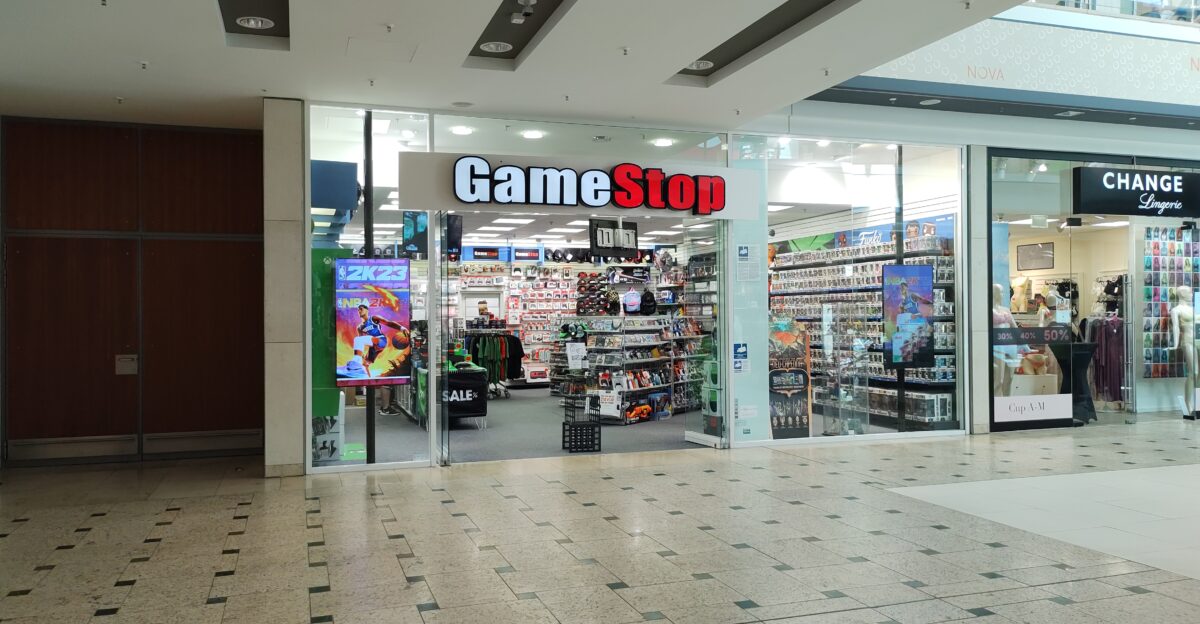
The U.S. retrenchment mirrors a sharp international pullback. Syracuse.com and related coverage note that GameStop has already exited markets including Germany, Austria, Switzerland, and Italy and plans to leave France within the coming year, while reference material documents earlier withdrawals from Canada and Ireland.
Investor communications describe this as a refocus on “core” markets, but in practice it has meant hundreds more stores disappearing from high streets worldwide.
Why Is GameStop Closing So Many Stores in 2026?
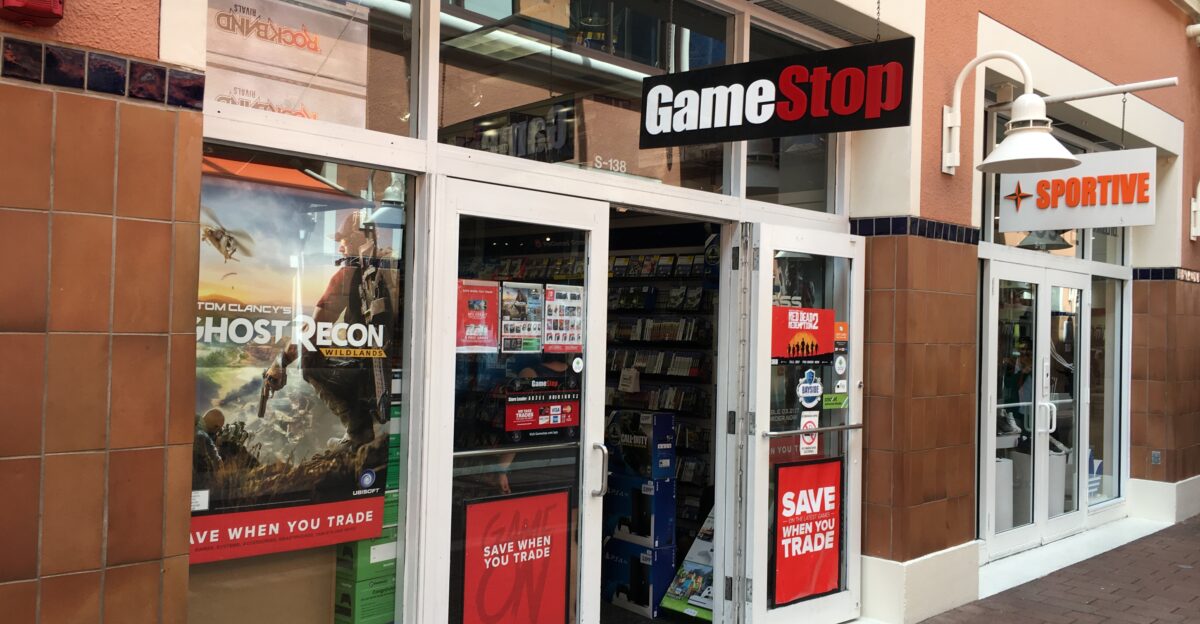
In a March 2025 SEC filing, GameStop said it intended to close a “significant number of additional stores” in the fiscal year ending 31 January 2026, citing an ongoing review of underperforming locations.
Analysts link the decision to sustained declines in physical game sales and rising costs, which make small-format specialty stores harder to justify in many markets.
Digital Downloads and Cloud Gaming Squeeze Physical Retail

Industry data and analysis show consumers increasingly buying games digitally rather than on discs, turning console and PC storefronts into the primary sales channel for many releases.
“Physical game sales have been under sustained pressure for years, and specialty retailers like GameStop are feeling it first and hardest,” said veteran industry analyst Michael Pachter, who has tracked the shift toward digital distribution.
Experiments with Retro Titles and New Revenue Streams

GameStop has tried to counter these headwinds with merchandising experiments, and coverage notes that it has leaned more on pre-owned and retro titles from platforms such as classic Nintendo, PlayStation, Sega, and early Xbox as part of its repositioning.
It has also expanded into collectibles and trading cards and pursued a higher-profile digital strategy, but these efforts have yet to offset revenue declines from mainstream new-release physical game sales.
Inside the Numbers: Revenue and Market Sentiment

Public earnings coverage shows that GameStop’s revenue has declined significantly in recent years, with third-quarter 2025 revenue falling about 4.6 percent year over year to roughly 821 million dollars, down from about 860 million dollars a year earlier.
Analysts and financial commentators say this quarter is part of a broader pattern of weak sales and shrinking revenue compared with earlier years.
Wall Street Watches a High-Stakes Turnaround

GameStop’s upcoming results, closing out the fiscal year on 31 January 2026, are widely framed as a key test of whether the aggressive closures will improve profitability or simply shrink its relevance.
Analysts say investors are watching for signs that cost-cutting is being matched by credible digital and e-commerce growth, rather than relying on short-term savings alone.
CEO Incentives Under the Microscope

Recent coverage from CNN and other outlets reports that CEO Ryan Cohen’s compensation includes a massive, all-or-nothing stock-option package that could be worth around 35 billion dollars if GameStop’s market capitalization reaches about 100 billion dollars and the company delivers roughly 10 billion dollars in cumulative EBITDA.
His pay is described as entirely “at risk,” with no guaranteed salary or traditional stock grants unless these ambitious targets are met.
Critics See Cost Cutting as a Fast Lever

While the company has not tied specific store closures directly to that compensation plan, critics and some analysts argue that aggressive cost reductions are one of management’s most immediate levers for boosting margins and, potentially, supporting a higher valuation.
Those critics say the risk is that near-term financial gains could come at the expense of long-term customer reach and brand presence.
Expert View: Cost Cutting vs. Customer Reach
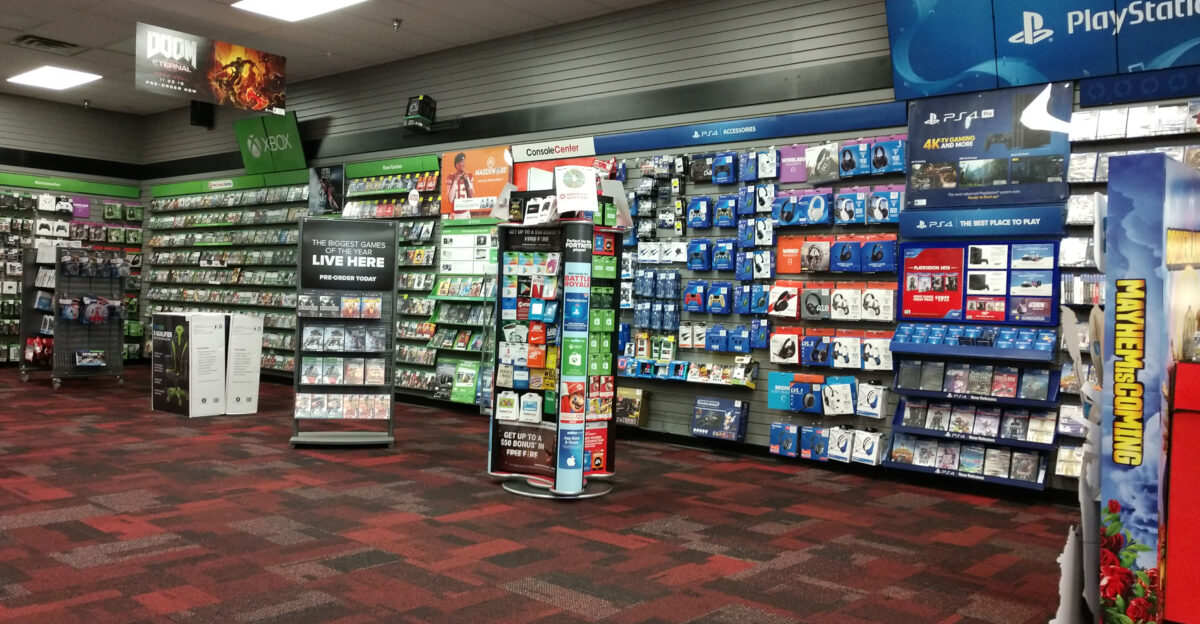
Retail specialists caution that shutting hundreds of stores carries long-term risks. “When you’re closing this many stores this quickly, it’s a clear signal that management is prioritizing margin and cash preservation over physical presence,” said Neil Saunders, managing director at GlobalData Retail, in commentary on the closures.
He and other analysts note that the challenge is maintaining customer reach as visibility in malls and plazas disappears.
Community Impact: Gamers Lose a Physical Home

Local coverage from USA Today Network outlets, Syracuse.com, and other regional publications shows how communities are feeling the closures: long-time customers describe losing a convenient place to trade in games, browse used titles, and talk to staff about upcoming releases.
With many affected areas lacking independent game shops, these reports say players may now rely almost entirely on digital storefronts or big-box chains with less specialized selection.
Mall Owners Face Another Vacancy Problem

For mall operators and plaza landlords, the loss of GameStop creates fresh headaches. Fast Company, Yahoo Finance, and other business outlets report that many of the closing locations sit in mid-tier malls already struggling with vacancies, forcing owners to search for new tenants willing to take on small, specialized units in a challenging retail environment.
Property executives quoted in this coverage say replacing a specialty game retailer with an equally traffic-driving tenant is increasingly difficult.
What Happens to the Remaining GameStop Stores?

In markets like Central New York, local reporting suggests that the few surviving GameStop outlets now serve much larger catchment areas than before, effectively functioning more like regional hubs than neighborhood shops.
Customers may have to travel significantly farther for in-person trade-ins and preorders, and some analysts predict that convenience-minded gamers will permanently shift to digital or mail-based trade-in services instead.
Could GameStop Reinvent Itself Around Digital?

Commentary from research firms and market analysts notes that GameStop’s long-term narrative now hinges on its digital pivot: building stronger e-commerce operations, embracing online marketplaces, and integrating more tightly with publishers’ digital ecosystems.
These observers argue that success would require moving from a store-first model to one where physical locations support, rather than define, the business.
What This Means for the Future of Game Retail
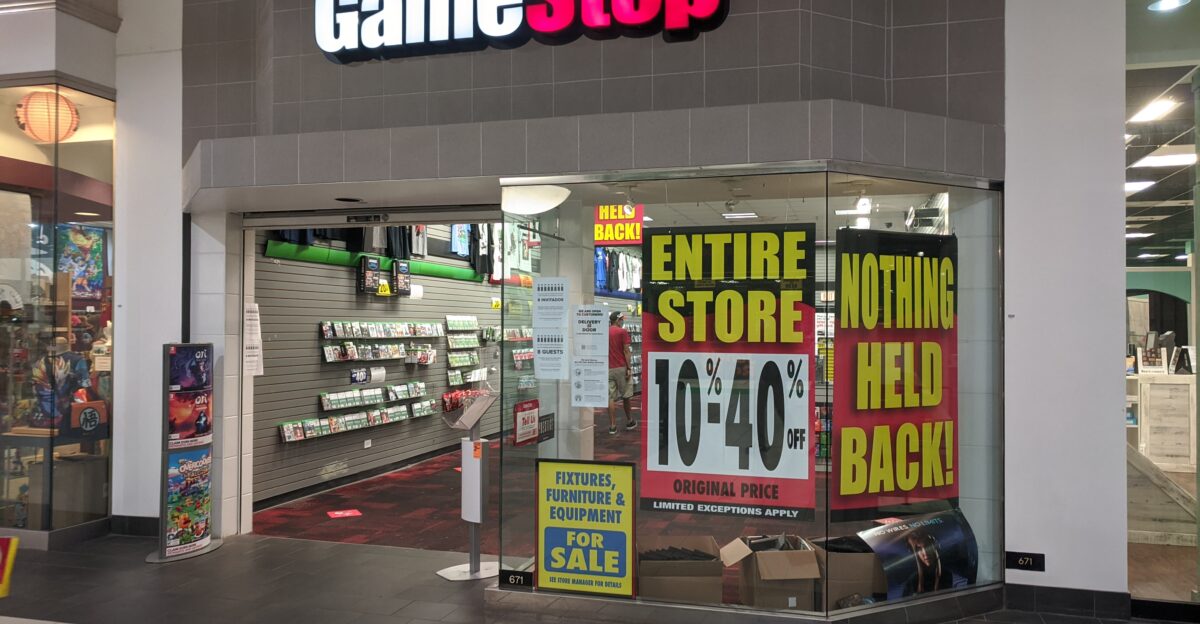
GameStop’s contraction underscores a broader industry reality described in coverage of the sector: as games, movies, and music have moved online, specialty retailers anchored in physical media have struggled to adapt at scale.
Analysts and industry commentators say GameStop’s 2026 closures illustrate this shift, and many argue that the era of the mall-based game store is rapidly fading as entertainment purchases move online and customers grow accustomed to discovering and buying games in digital storefronts instead of physical aisles.
A Turning Point for How Gamers Buy
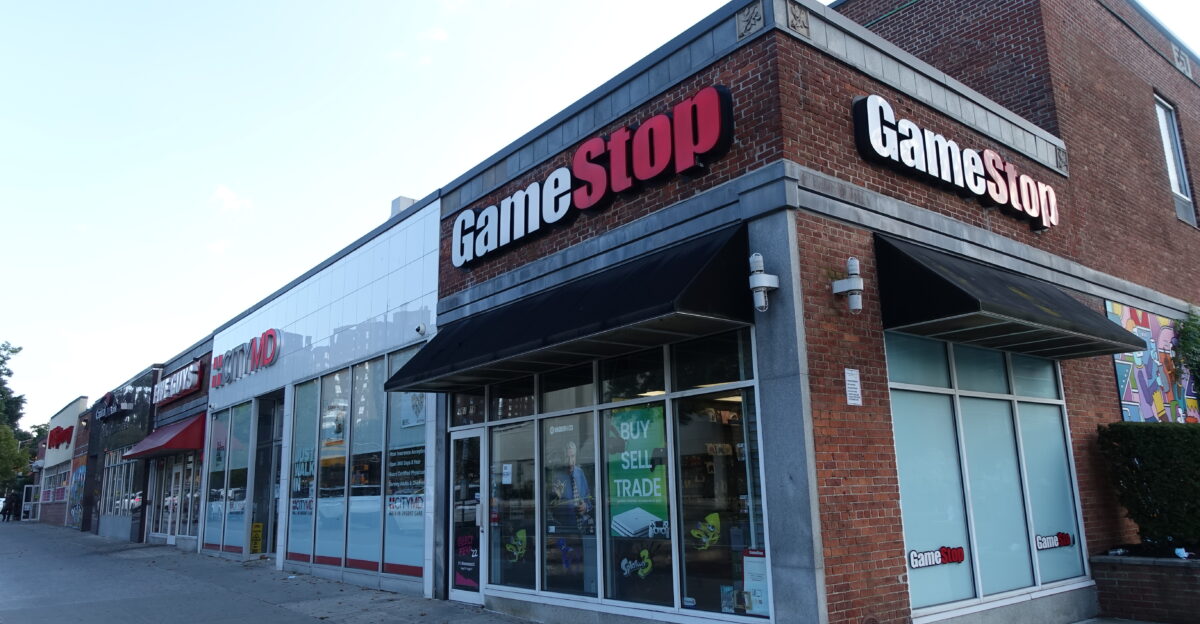
As players increasingly scroll through digital storefronts instead of browsing physical aisles, coverage in outlets such as Polygon and Parade portrays GameStop’s pullback as a turning point that will influence how future gamers discover, buy, and trade their favorite titles.
Sources:
“GameStop closing nearly 500 stores, including 31 locations in NY: See list.” Syracuse.com / Advance Local, 20 Jan 2026.
“More than 470 GameStop stores closing in U.S. this month.” WKYC / USA Today Network, Jan 2026.
“GameStop stores closing in 2026: Full list of 470 doomed locations in 43 states.” Fast Company, 22 Jan 2026.
“GameStop store closures 2026: See the full list of over 470 doomed locations.” Yahoo Finance, Jan 2026.
“GameStop is closing more stores: List includes Upstate NY locations.” Syracuse.com / Advance Local, 8 Jan 2026.
“GameStop is closing more than 470 stores nationwide to start 2026.” USA Today Network video report via WKYC, 19 Jan 2026.
“GameStop CEO Ryan Cohen could be set for a $35 billion payday with one big catch.” CNN Business, 7 Jan 2026.