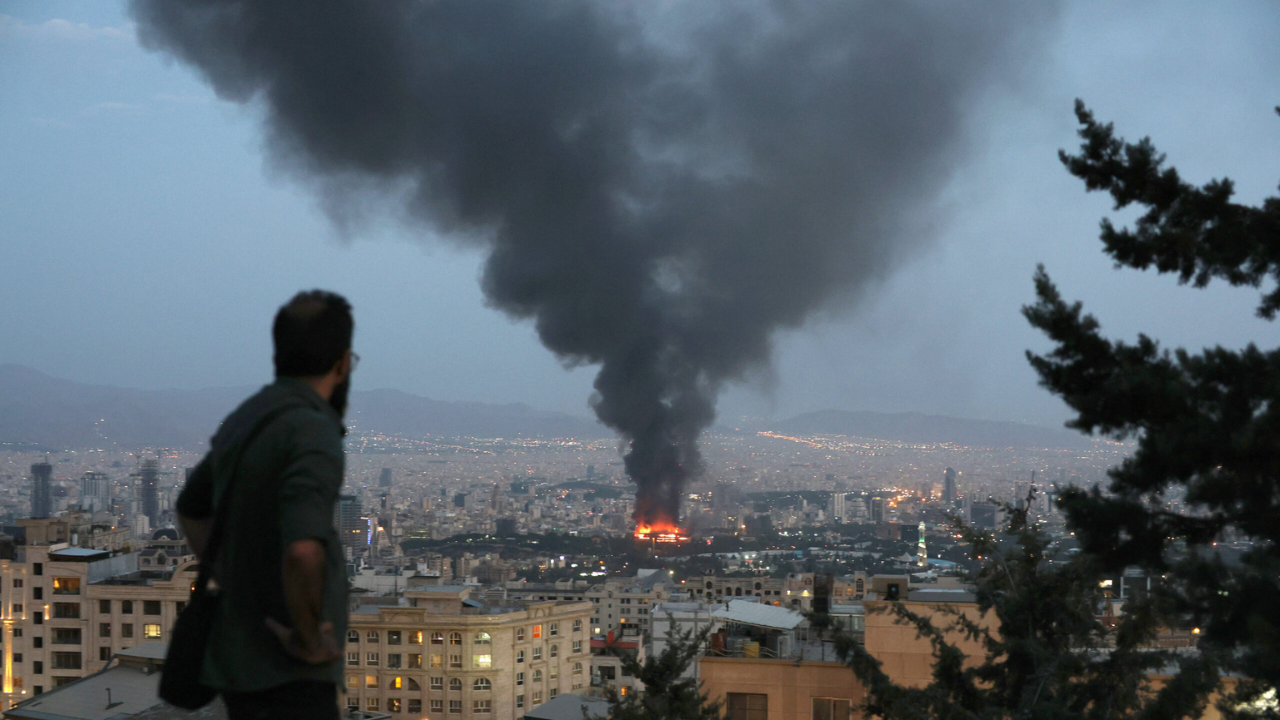
Iranian President Masoud Pezeshkian has declared his country in a full-scale war with the United States, Israel, and Europe, escalating rhetoric after U.S. President Donald Trump’s threats of further military action against Tehran’s nuclear and missile programs. The announcement followed Trump’s December 29, 2025, meeting with Israeli Prime Minister Benjamin Netanyahu at Mar-a-Lago, where Trump warned of potential devastating strikes if Iran rebuilds its capabilities.
June Conflict Transformed Regional Dynamics
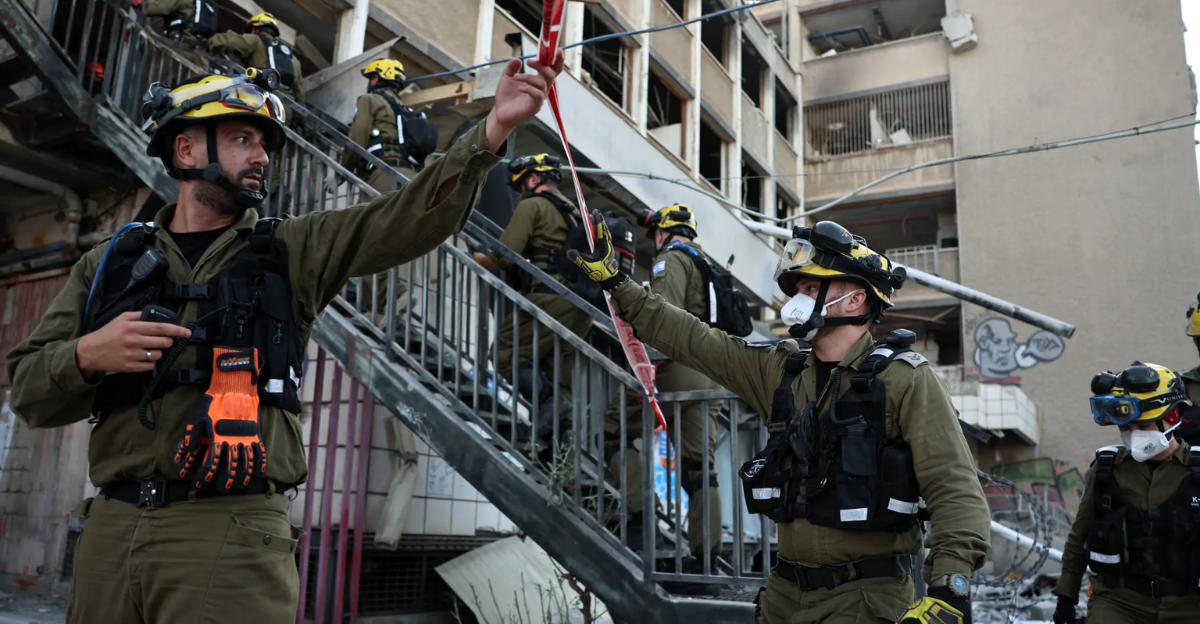
The standoff traces back to the 12-day Israel-Iran war in June 2025, when Israeli and U.S. forces struck more than 100 targets inside Iran. Casualties ranged from 1,060 to 1,190, including top military commanders and nuclear scientists. The strikes demolished key infrastructure and delayed Iran’s nuclear program by one to two years, with Pentagon assessments indicating closer to two years. This conflict reshaped alliances and heightened fears of renewed hostilities.
Tehran Promises Harsh Retaliation
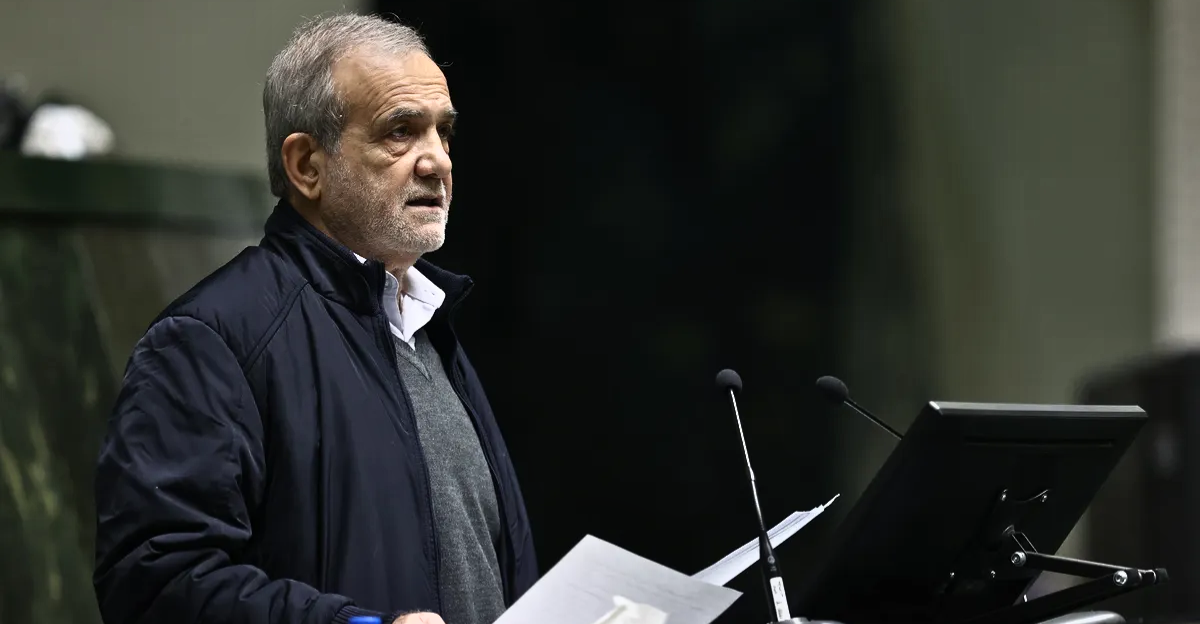
Pezeshkian stated that any fresh aggression would prompt a harsh and discouraging response, asserting that Iran’s forces are now stronger in equipment and personnel than before June. Foreign Minister Abbas Araghchi cited Iran’s right to self-defense under international law, vowing decisive, overwhelming, and proportionate force. These warnings underscore Tehran’s determination to deter further attacks amid ongoing tensions.
Nuclear Ambitions Advance Amid Setbacks
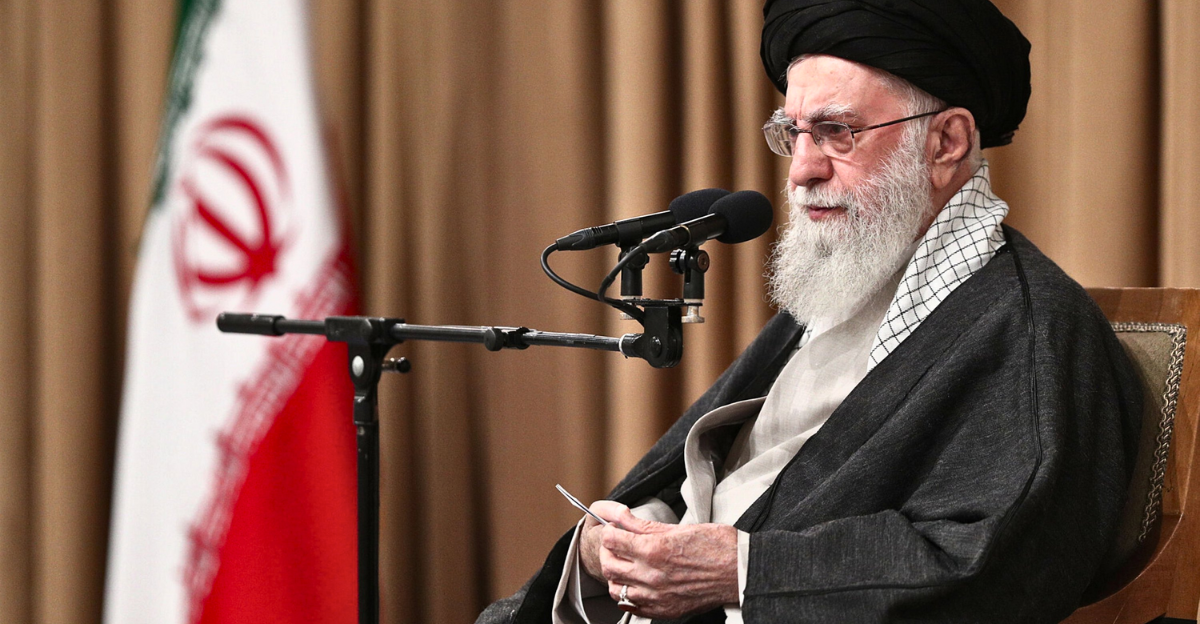
Supreme Leader Ali Khamenei approved miniaturized nuclear warhead development in late 2025, shifting from prior restraint after the June war. The Italian Institute for International Political Studies noted this focused on compact designs without pushing uranium enrichment beyond 60% levels, emphasizing weaponization over exposed enrichment sites. Iran suspended IAEA cooperation in July 2025 post-conflict, blocking inspections and accountability for stockpiles. IAEA Director General Rafael Grossi reported in November and December 2025 that verification of a peaceful program is eroding, with possible diversions to hidden sites.
By May 2025, Iran held over 408 kilograms of 60% enriched uranium—enough for several weapons if further processed. Assessments indicate transfers to secure facilities like those at Isfahan before strikes, plus activation of a third enrichment site in an undisclosed location.
Missile Rebuild and Domestic Turmoil
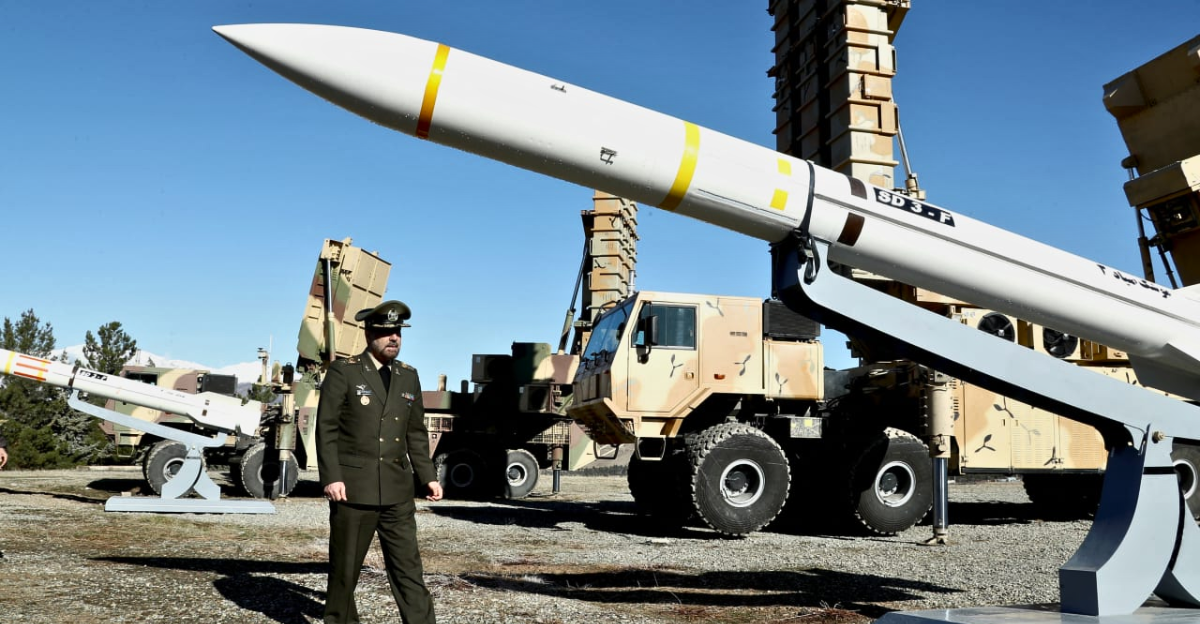
Iran restored its ballistic missile arsenal to approximately 2,000 units, matching pre-war levels, prioritizing it over nuclear recovery. Israeli officials and Western diplomats view this as Tehran’s preferred near-term deterrent, given missiles’ quicker reconstitution despite prior vulnerabilities.
Economic woes compound the pressure. The rial hit a record low of 1.42 to 1.45 million per dollar in late December, with inflation at 42.2% and food prices up 72% year-over-year. Protests erupted from Tehran’s Grand Bazaar traders, spreading to at least ten universities in various cities—the largest since 2022. Security forces used tear gas in Tehran, Hamadan, and Malard, with live rounds reported in Hamadan. The prosecutor general promised firm action against any shift toward insecurity or property damage.
UN sanctions snapback in September, triggered by France, Germany, and the UK, froze assets of 121 entities, reinstated arms embargoes, and curbed missile and enrichment activities.
Global Maneuvering and Market Calm
Diplomatic lines persist tenuously. Araghchi urged Trump to ignore Israeli pressure and pursue mutual-respect talks; contacts continue via Swiss channels with U.S. Special Envoy Steve Witkoff, though enrichment disputes linger. Gulf states condemned June strikes but upheld U.S. security ties and trade with Iran, refusing to host operations against Tehran to avoid retaliation.
China supplies missile parts, expertise, and intelligence; Russia challenges the sanctions’ legality, citing the U.S. 2018 JCPOA exit. Oil markets stayed steady, with Brent crude at $61-62 per barrel in late December—down 15-18% yearly—due to global oversupply and Iran’s limited output.
Escalation risks loom through mid-2026, as Israel eyes preemptive moves before Iran’s defenses fully recover. Economic distress, unrest, missile buildup, and nuclear shifts form a tinderbox where missteps could ignite wider conflict, rippling across the region and beyond.
Sources:
“Iran warns of ‘severe’ response in wake of Trump’s new strikes threat.” Al Jazeera, 30 Dec 2025.
“Iran leader says country in ‘full-fledged’ war with US, Israel, Europe.” Defense News, 29 Dec 2025.
“Iran president declares ‘full-fledged war’ with US, Israel and Europe.” JURIST, 28 Dec 2025.
“Casualties of the Iran–Israel war.” Wikipedia, 21 Jun 2025.
“Trump, Netanyahu meet to discuss Gaza deal, Iran.” Deutsche Welle, 29 Dec 2025.
“Iran’s currency collapse sparks second day of trader protests.” Euronews, 28 Dec 2025.
“Protests erupt in Iran over currency’s plunge to record low.” CNN, 29 Dec 2025.
“Khamenei gives green light to compact nuclear warheads.” Iran International, 23 Dec 2025.
“IAEA Passes Resolution on Iran.” Arms Control Association, 30 Nov 2025.
“Oil Prices Climb as Trump Issues Stark Warning to Iran.” OilPrice.com, 29 Dec 2025.