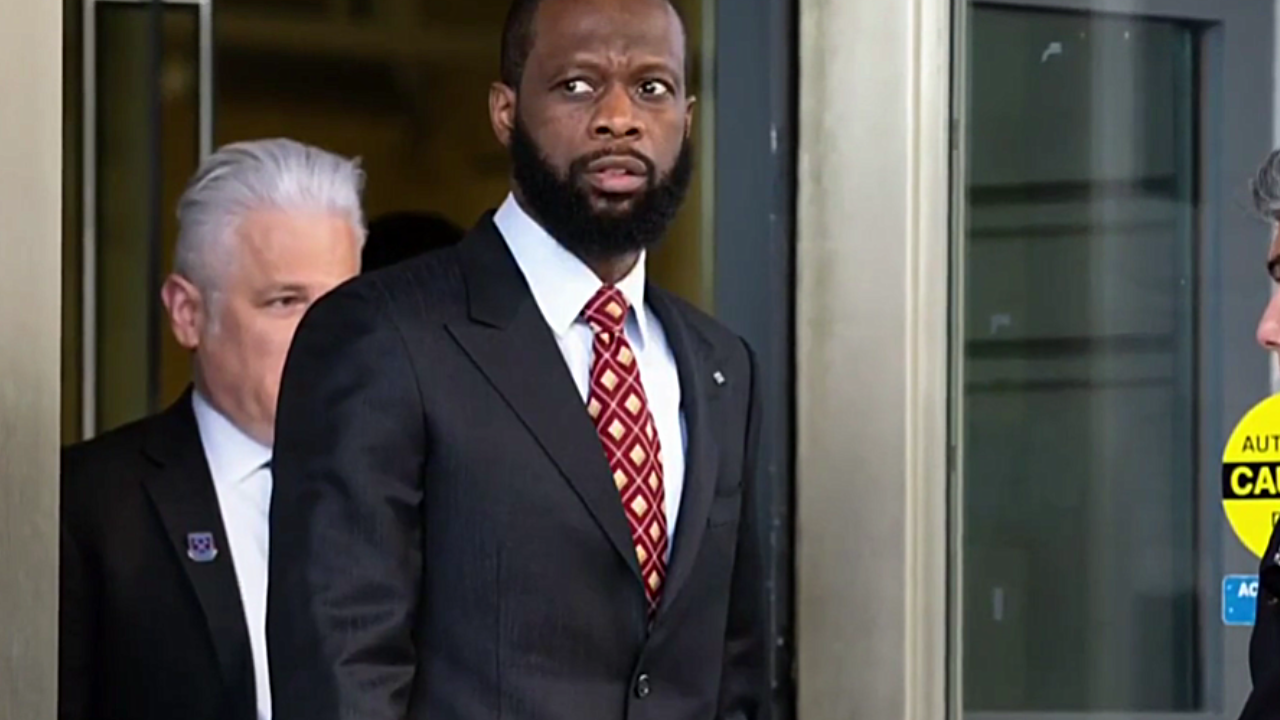
Prakazrel “Pras” Michel of the Fugees, a Grammy-winning rapper who rose to fame alongside Lauryn Hill and Wyclef Jean, has been sentenced to 14 years in federal prison for his role in a sprawling foreign-influence and campaign finance scheme tied in part to Barack Obama’s 2012 re-election campaign.
The case has become one of the most striking examples of how foreign money and celebrity access can collide with vulnerabilities in U.S. democracy.
Hip-Hop’s Hidden Crime
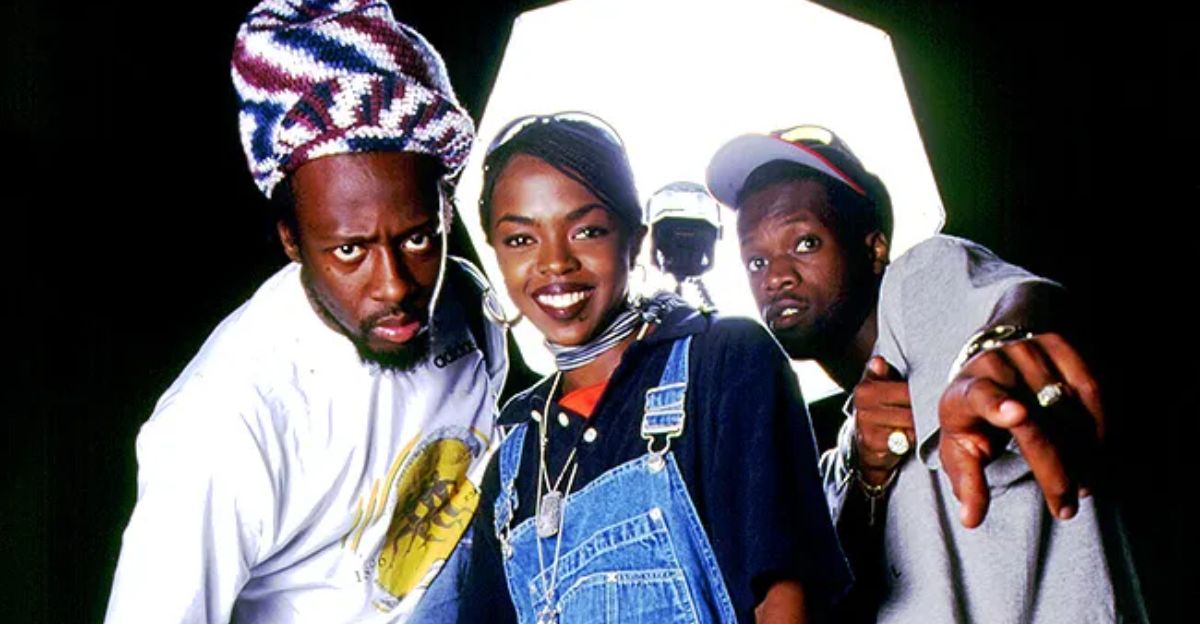
A Grammy-winning rapper from one of the 1990s’ most celebrated hip-hop groups faces federal prison time.
Prakazrel “Pras” Michel rose to fame alongside Lauryn Hill and Wyclef Jean in The Fugees, winning multiple awards and shaping rap’s golden era.
Now, decades later, his name is tied to one of the most audacious foreign-influence schemes in modern U.S. politics. The charges center on funneling millions in foreign money into American politics and secretly lobbying U.S. officials.
The Scale of the Scheme
Federal prosecutors described Michel’s operation as a multimillion-dollar conspiracy involving straw donors, shell transactions, and deliberate concealment.
He received roughly $120 million from Malaysian financier Low Taek Jho (“Jho Low”) and others, using part of those funds to influence U.S. political outcomes and to lobby on behalf of foreign interests.
The Justice Department called it a “betrayal” of the country for personal gain. Michel’s defense claimed he was paid primarily to arrange access and photo opportunities, but a jury rejected that narrative.
The Fugees’ Legacy and Fall
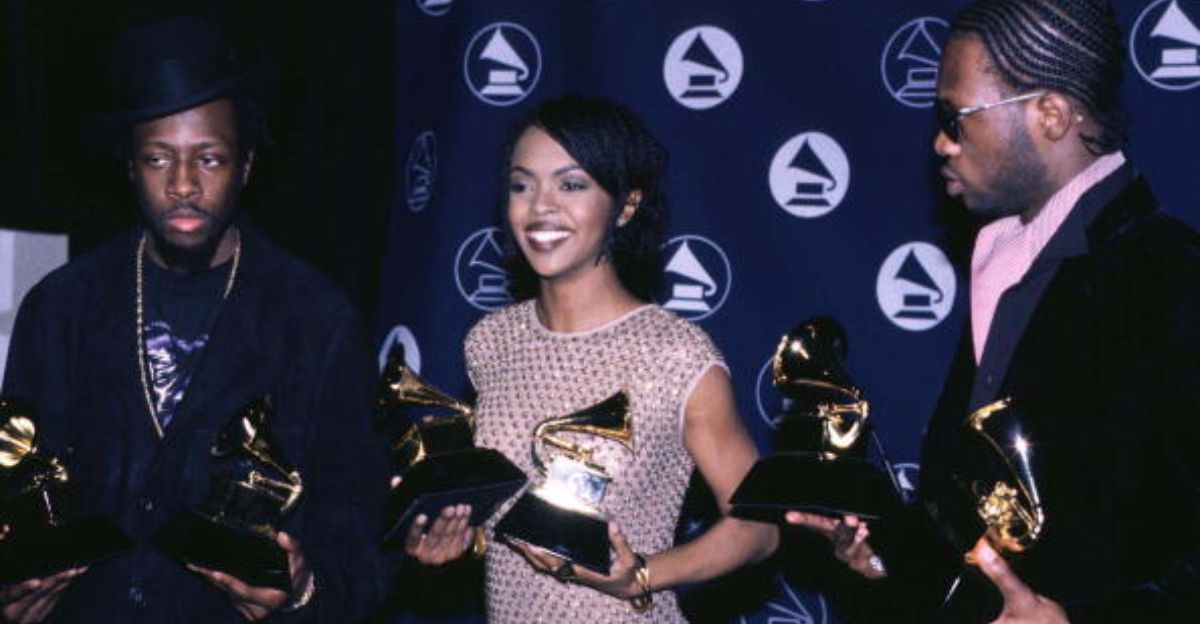
The Fugees emerged in the mid-1990s as a transformative force in hip-hop, blending socially conscious lyrics with innovative production.
Michel, Hill, and Jean achieved multi‑platinum success and Grammy recognition, with their 1996 album “The Score” becoming a cultural touchstone.
By the 2010s, Michel’s career had largely faded from the spotlight, and few anticipated that his post-fame years would involve federal investigations into campaign finance crimes and foreign lobbying violations.
The Malaysian Connection Emerges
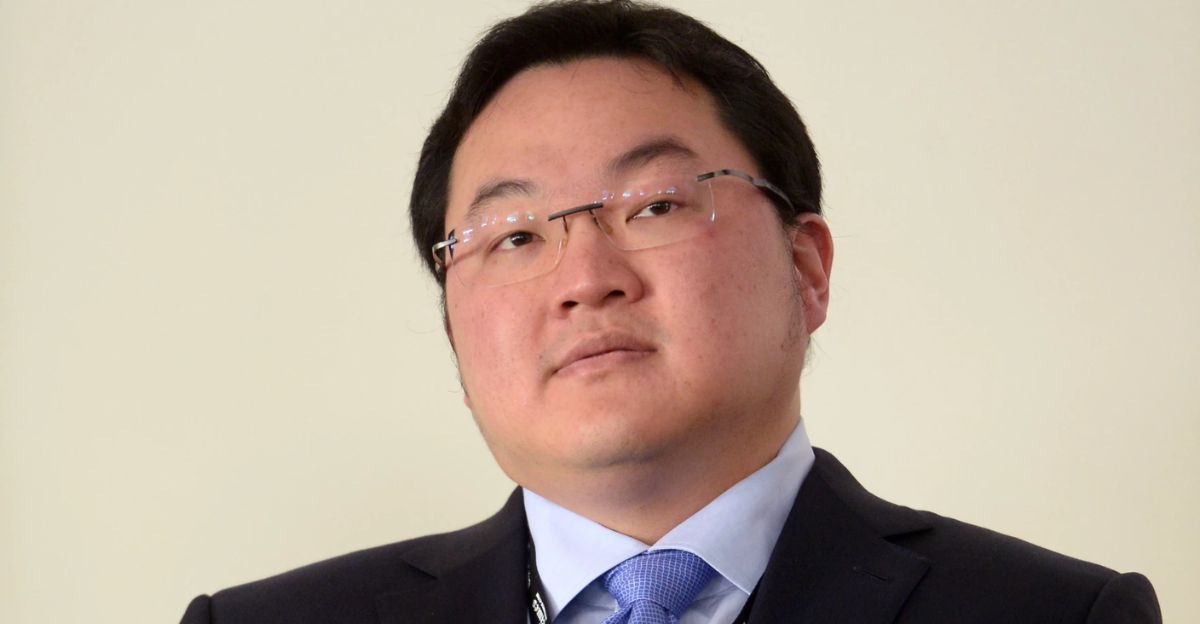
In 2012, Michel connected with Malaysian financier Jho Low, a billionaire accused of looting Malaysia’s 1MDB sovereign wealth fund and seeking influence in the United States.
Low sought access to American political leaders and help easing legal pressure tied to the 1MDB scandal. Michel, prosecutors allege, became the conduit—using his celebrity and connections to facilitate illegal donations and later secret lobbying.
The relationship ultimately spanned years, crossing from the Obama era into efforts to influence the early Trump administration.
Conviction and Sentencing
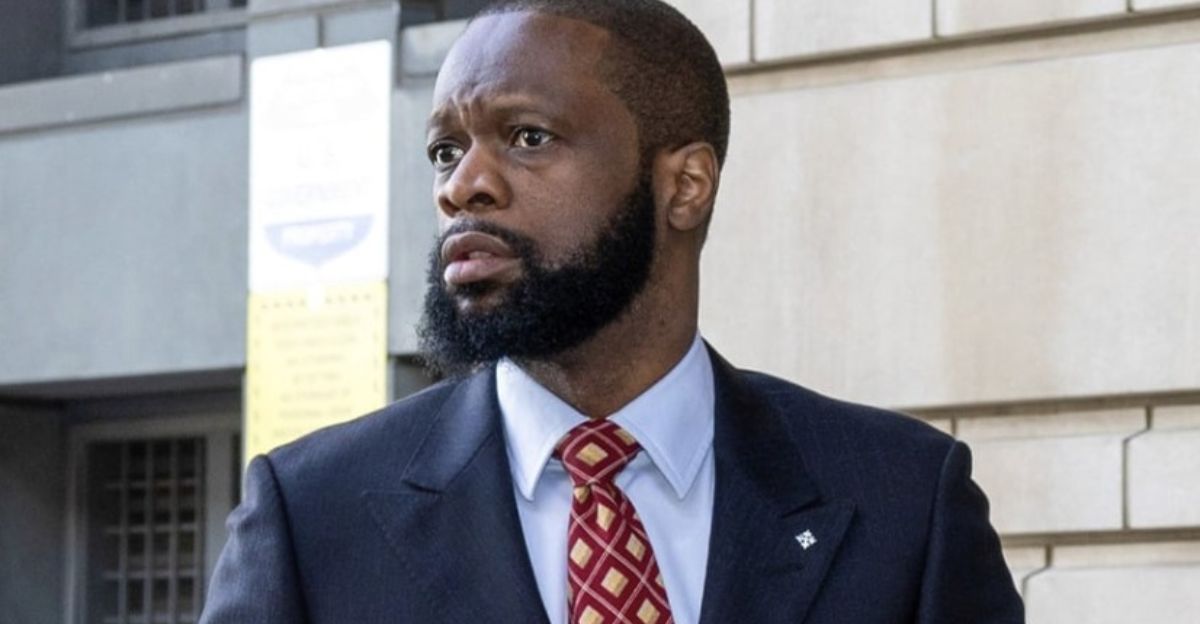
In April 2023, a federal jury in Washington, D.C., convicted Prakazrel “Pras” Michel on ten counts, including conspiracy to make illegal foreign contributions, money laundering, illegal lobbying, witness tampering, and acting as an unregistered foreign agent.
On November 20, 2025, a federal judge sentenced him to 14 years in prison, below the life sentence prosecutors had urged as appropriate given the breadth of his conduct.
Prosecutors argued Michel’s crimes reflected “indifference to the risks to his country” and “the magnitude of his greed,” while Michel’s attorney called the 14‑year term “completely disproportionate” and signaled an appeal.
The 2012 Obama Campaign Scheme
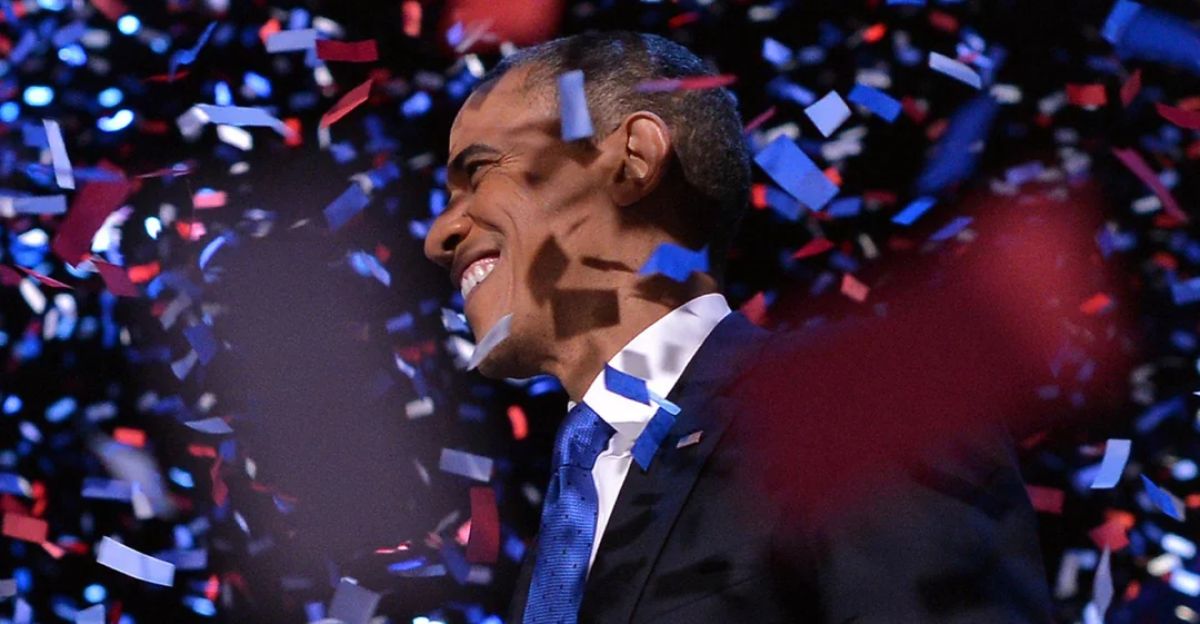
During Barack Obama’s 2012 re-election campaign, Michel orchestrated a straw-donor operation that funneled foreign money tied to Jho Low into the campaign.
Court records indicate that approximately $2 million was routed into Obama’s campaign through about 20 straw donors and contributions in Michel’s and others’ names, obscuring the true foreign source.
The Justice Department said Michel’s goal was to help Low gain influence and prestige—including coveted access and photos with Obama—while evading campaign finance restrictions.
Michel argued the money was simply to secure a photograph between Low and then-President Obama, but the jury rejected that defense.
The Human Cost: Michel’s Fall
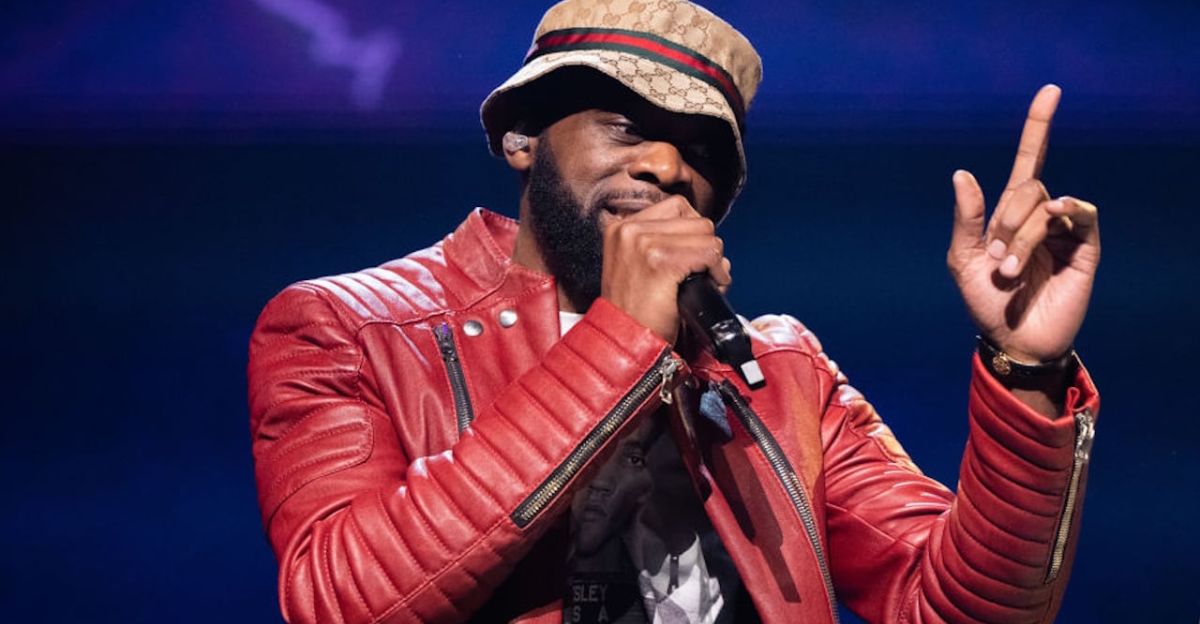
Michel, 52, a Brooklyn‑raised son of Haitian immigrants, built a career on artistic achievement and cultural influence before becoming entangled in international corruption and U.S. politics.
His conviction and lengthy sentence have overshadowed his musical legacy, recasting him in the public eye as a central figure in a major foreign‑influence case.
During sentencing, Michel declined to address the court, while his legal team, led by attorney Peter Zeidenberg, prepared to challenge the outcome on appeal.
The Trump Administration Angle
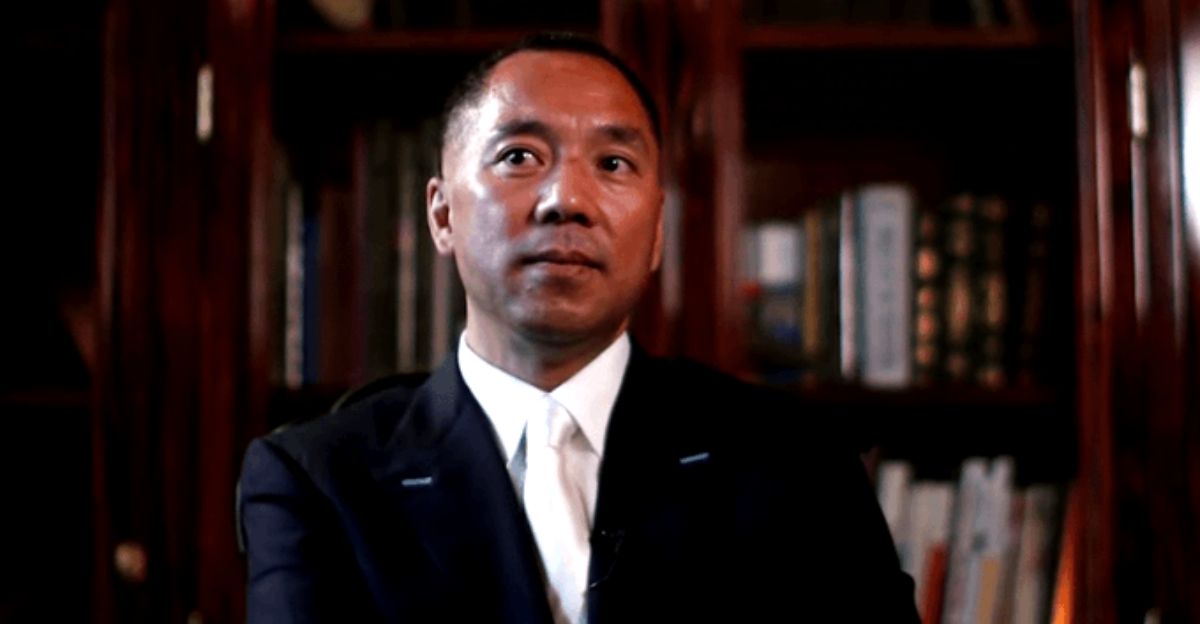
Michel’s crimes extended beyond the Obama campaign. Beginning around 2017, he took part in a back‑channel effort to persuade the Trump administration to drop embezzlement and corruption investigations into Jho Low and to facilitate the return of Chinese dissident Guo Wengui (Miles Guo) to China.
This second scheme showed Michel’s willingness to leverage access and influence for foreign clients across administrations, and it became a core part of the foreign‑agent and illegal lobbying charges.
Campaign Finance Vulnerabilities Exposed
Michel’s case highlighted systemic weaknesses in U.S. campaign finance enforcement. Foreign money routed through straw donors and shell entities can evade detection for years, especially when fronted by prominent intermediaries.
The scheme relied on recruiting American citizens to pose as donors and reimbursing them with foreign funds, exploiting gaps in verification and disclosure requirements.
The Leonardo DiCaprio Testimony
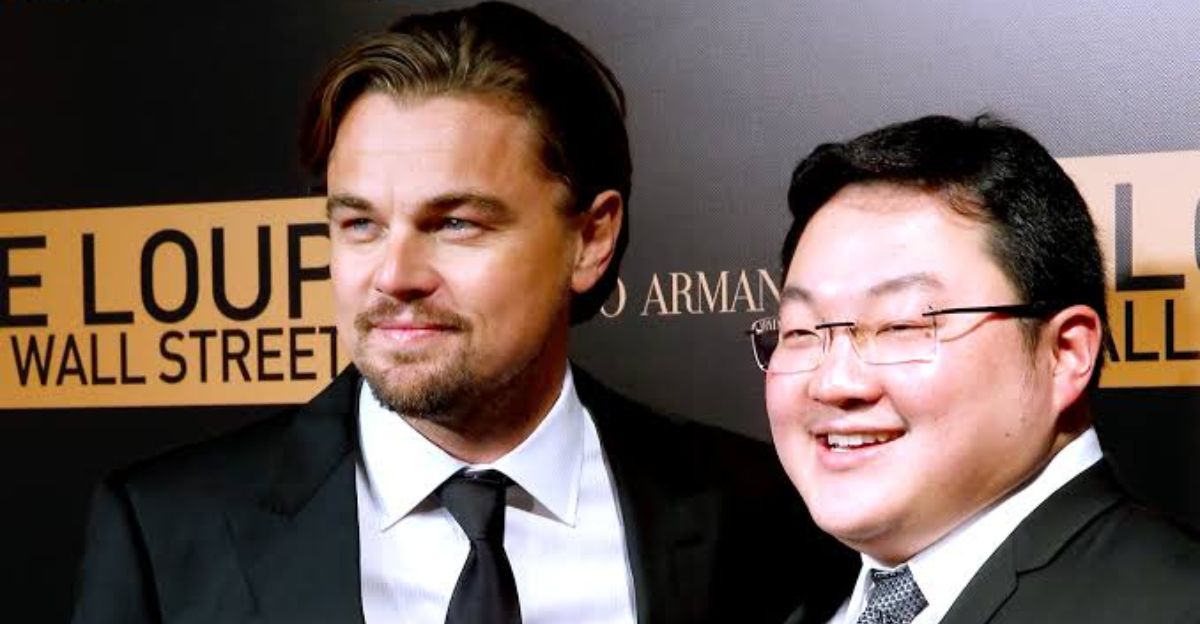
During the trial, actor Leonardo DiCaprio testified for the prosecution about his dealings with Jho Low, describing him as a businessman whose team had vetted Low as a legitimate investor in DiCaprio’s film “The Wolf of Wall Street.”
DiCaprio’s involvement stemmed from Low’s role as a major backer of the movie, illustrating how foreign wealth can gain entrée into Hollywood circles.
His testimony underscored the interconnected nature of entertainment, finance, and politics, and how celebrity relationships can sometimes mask the risks of opaque foreign money.
Michel’s Legal Team’s Frustration
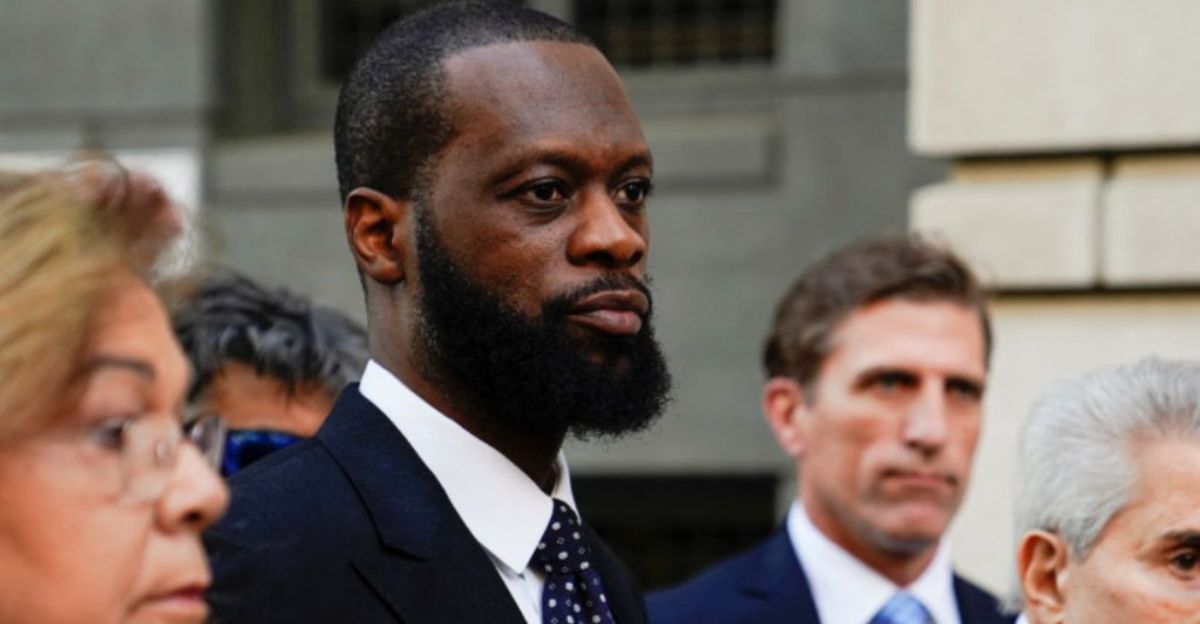
Peter Zeidenberg, Michel’s attorney, publicly criticized the 14-year sentence as “completely disproportionate to the offense.”
Prosecutors had recommended a life sentence under federal guidelines, but the judge imposed a substantially lower yet still severe term.
Zeidenberg’s comments fit a broader defense strategy portraying Michel as less culpable than Jho Low, whom they cast as the true architect of the scheme.
The AI Closing Argument Controversy
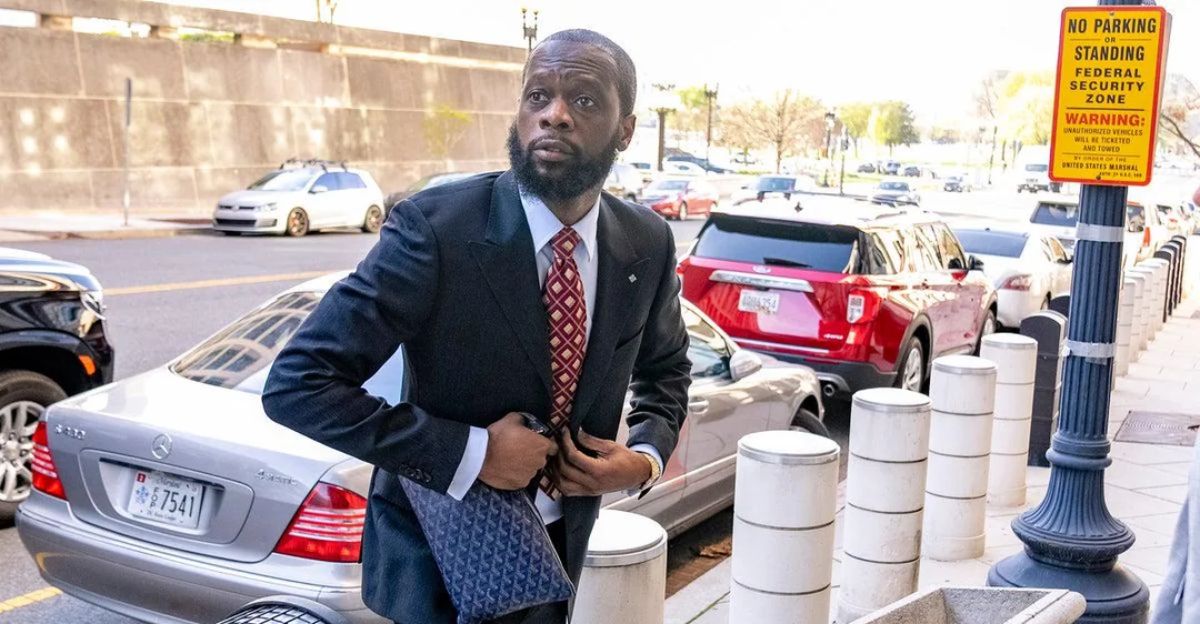
In October 2023, Michel’s then‑new legal team filed a motion for a new trial, arguing that his previous attorney had improperly relied on generative artificial intelligence software to help draft closing arguments.
They labeled the AI‑assisted closing “frivolous” and ineffective, claiming it undermined Michel’s defense. A federal judge ultimately denied the motion, ruling that the AI use, while unusual, did not create a miscarriage of justice warranting a new trial.
The Appeal Strategy Takes Shape
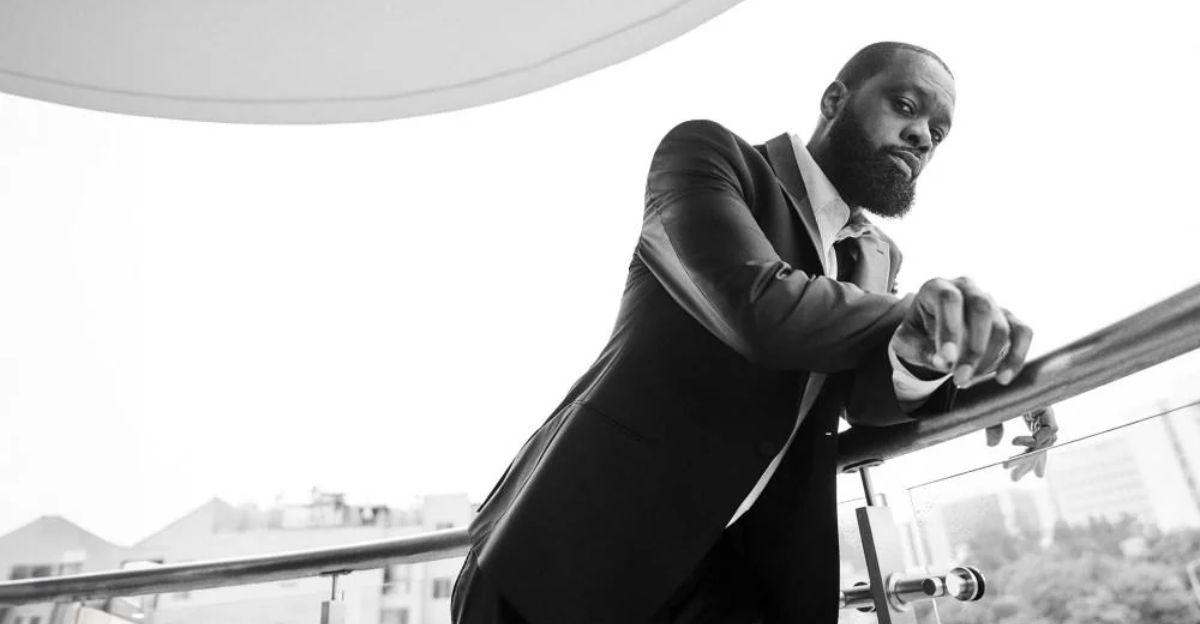
Following his November 2025 sentencing, Michel announced plans to appeal both his conviction and sentence.
His legal team is expected to press arguments about the length of the sentence, alleged trial errors, and issues such as the AI closing argument.
The appeal will proceed through the U.S. Court of Appeals for the D.C. Circuit, a forum that often hears complex political and national‑security‑related cases.
Expert Skepticism on Sentencing
Legal commentators and former prosecutors offered mixed reactions to the 14-year term. Some argued the sentence appropriately reflects the seriousness of prolonged foreign‑influence conduct, while others noted that Michel, unlike Low, was not the primary architect of the broader 1MDB scandal.
The debate underscores ongoing uncertainty over how harshly intermediaries in foreign‑influence conspiracies should be punished relative to the overseas principals they serve.
Campaign Finance Reform Prospects
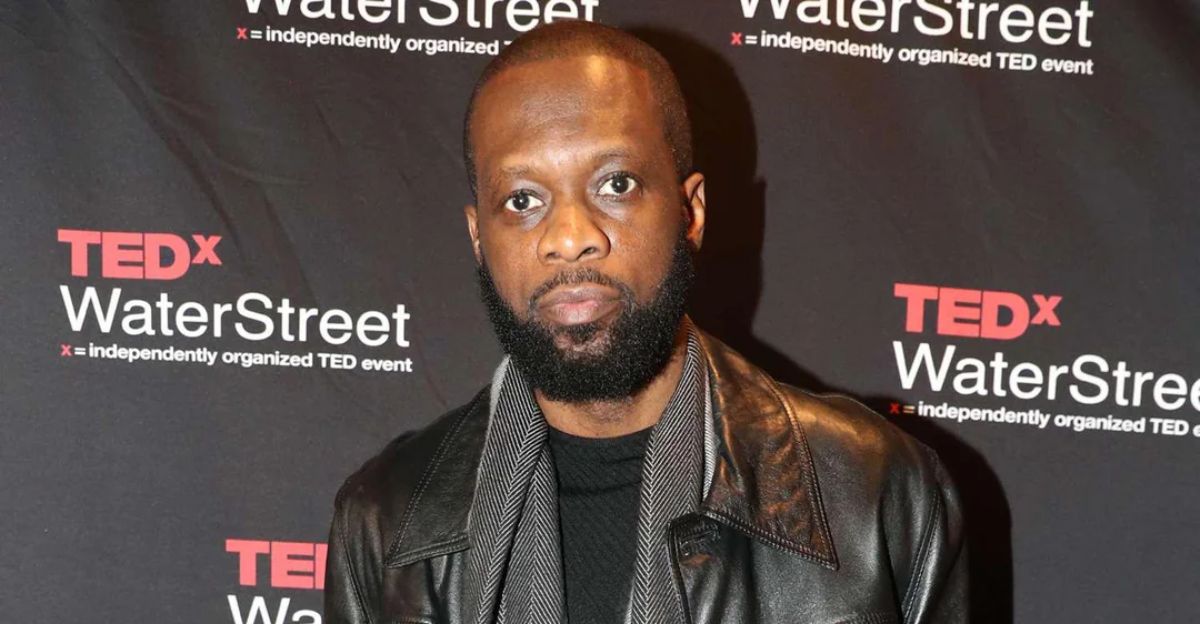
Michel’s conviction and sentencing have intensified calls for stronger campaign finance protections. Reform advocates argue that straw‑donor schemes and foreign‑fund routing require better real‑time monitoring, enhanced donor verification, and more robust enforcement resources.
The case has given fresh urgency to proposals for using advanced analytics and AI tools to detect suspicious contribution patterns before they distort election outcomes.
The Geopolitical Dimension
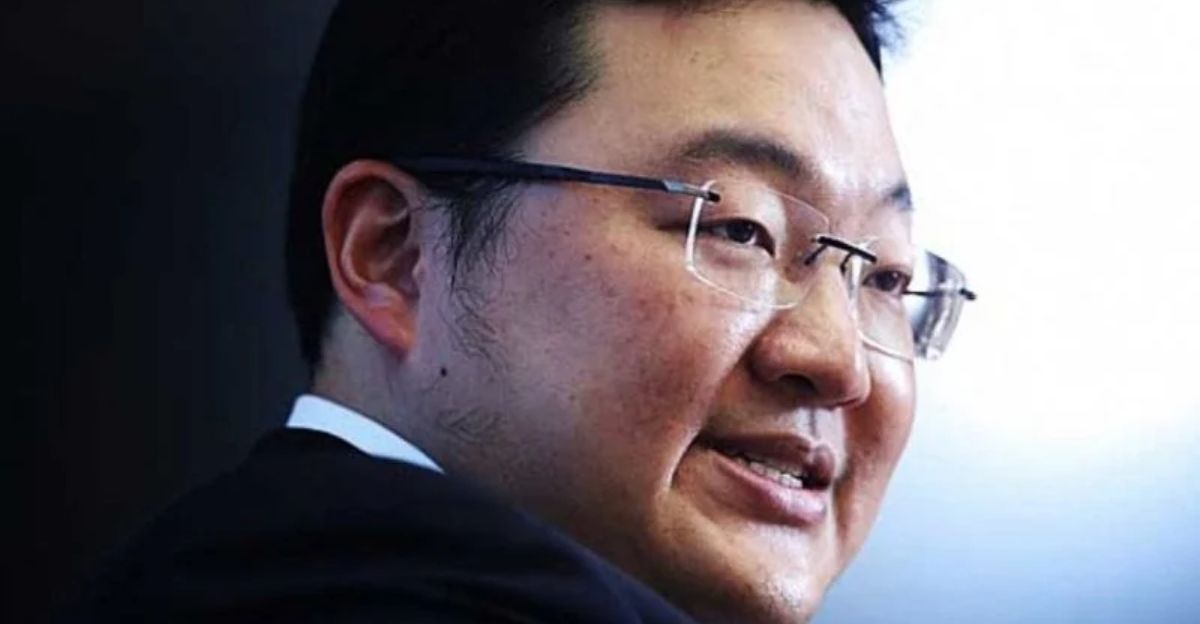
Jho Low, the Malaysian financier at the center of the scheme, remains a fugitive and has denied wrongdoing while avoiding U.S. custody.
His ability to evade extradition despite multiple charges and global scrutiny has raised difficult questions about cross‑border enforcement and asset recovery in grand‑corruption cases.
Michel’s prosecution thus represents only a partial victory, capturing a high‑profile intermediary while the alleged primary architect continues to operate beyond U.S. jurisdiction.
The 2012 Campaign’s Integrity Questions
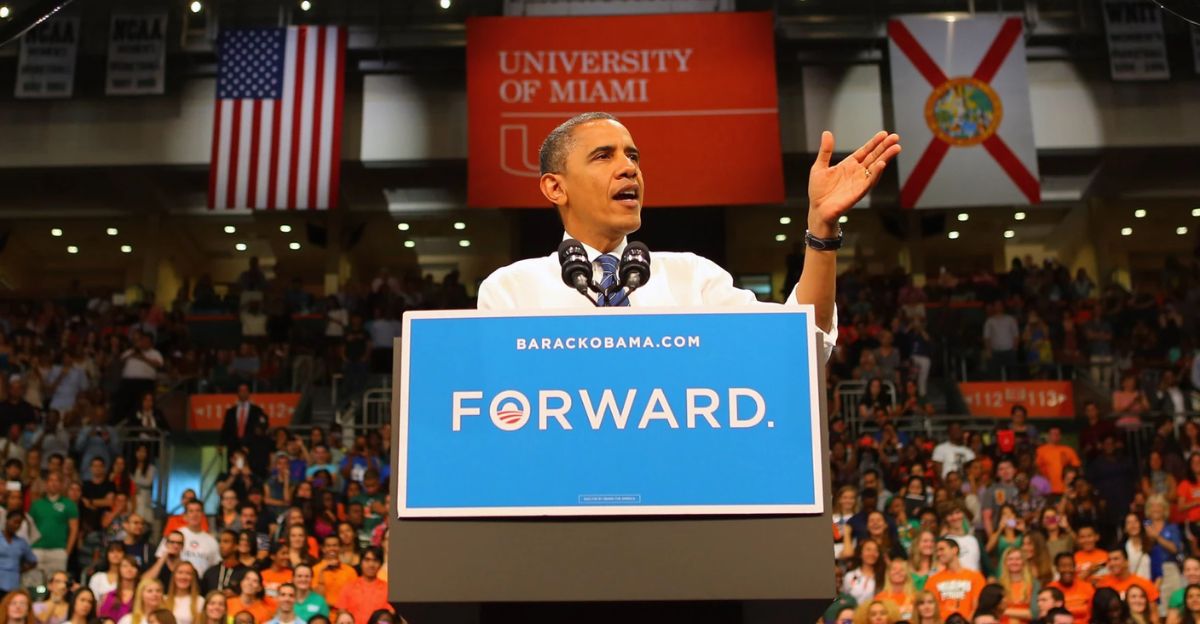
Barack Obama’s 2012 re-election campaign unknowingly received illegal foreign‑sourced funds through Michel’s straw‑donor network.
While the campaign itself was not charged and has said it cooperated fully with investigators, the case raised uncomfortable questions about how even sophisticated operations can miss red flags in donor vetting.
The episode exposed how easily foreign‑linked funds can be laundered through seemingly ordinary contributions when intermediaries and donors conceal the true source.
The Unregistered Foreign Agent Conviction
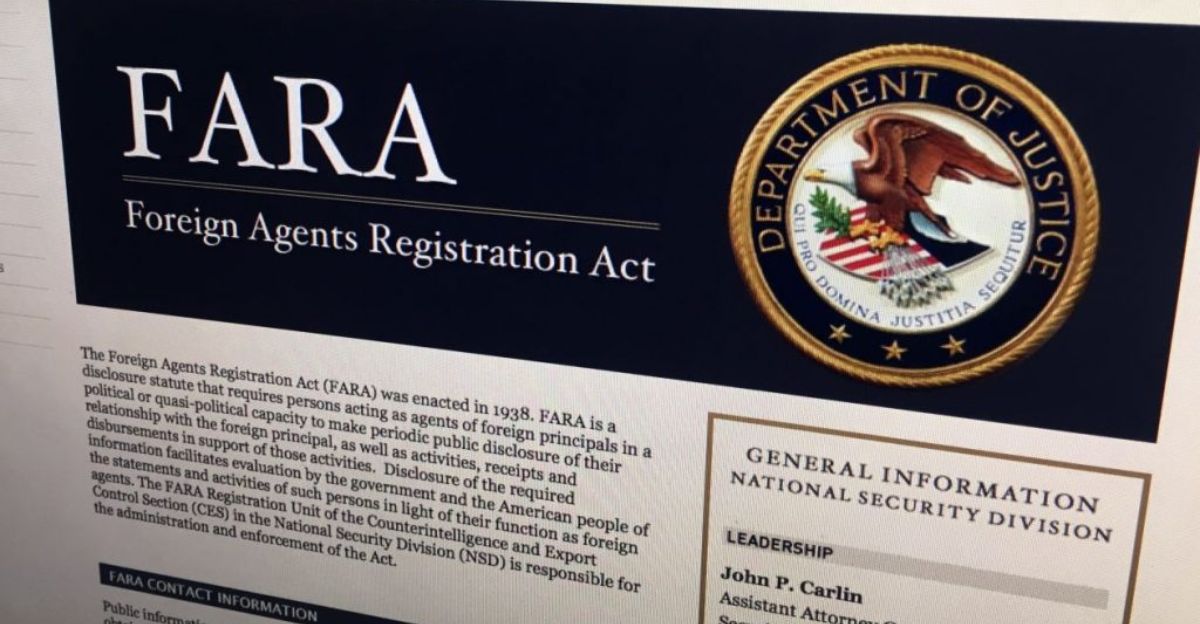
One of Michel’s ten convictions involved acting as an unregistered agent of a foreign principal and a foreign government, in violation of the Foreign Agents Registration Act (FARA).
The jury found that Michel knowingly represented foreign interests—including those of Jho Low and Chinese officials—without properly registering with the Justice Department.
The case has become a high‑profile example of renewed FARA enforcement and a warning that celebrity or entertainment credentials do not shield intermediaries from foreign‑agent liability.
What This Signals About American Democracy
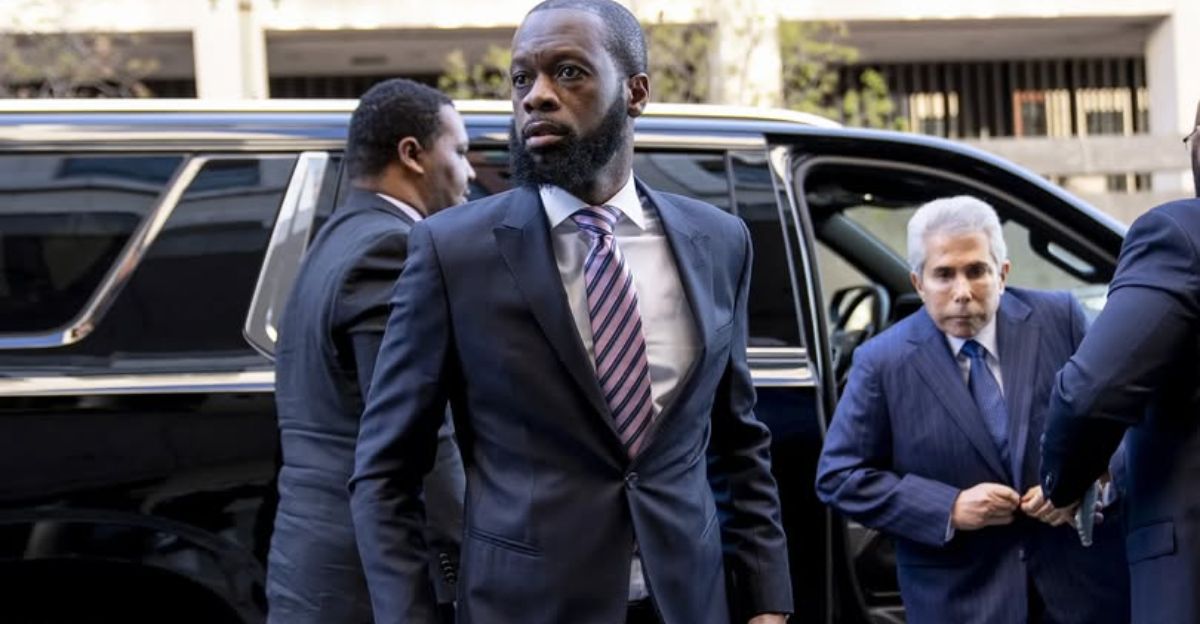
Prakazrel “Pras” Michel’s 14-year sentence stands as a watershed moment in enforcement against foreign money and undisclosed lobbying in U.S. politics.
It shows that the Justice Department will pursue intermediaries who funnel foreign funds into American elections or secretly lobby on behalf of overseas interests, even when they are high‑profile entertainers.
At the same time, the case exposes ongoing vulnerabilities: foreign principals like Jho Low can remain at large, straw‑donor schemes continue to test enforcement limits, and public trust in the integrity of celebrity‑backed political spending has been shaken.
Sources:
BBC News, November 2025
PBS NewsHour, November 2025
NPR Politics, April 2023
The Washington Post, November 2025
Al Jazeera, April 2023
Rolling Stone, January 2026