
The real magic of sustainable vegan living doesn’t happen at the farmer’s market or under fluorescent grocery lights. It unfolds quietly in the hum of your kitchen — in that awkward moment between deciding dinner’s too much effort and realizing the fridge might stage a protest if you don’t deal with those wilting greens.
A sustainable kitchen isn’t about obscure ingredients or the latest bamboo-fiber gadgetry. It’s about rhythm — how food moves from shelf to stove to plate, and how much of it makes that final journey instead of landing in the bin.
The Hidden Life of Your Scraps
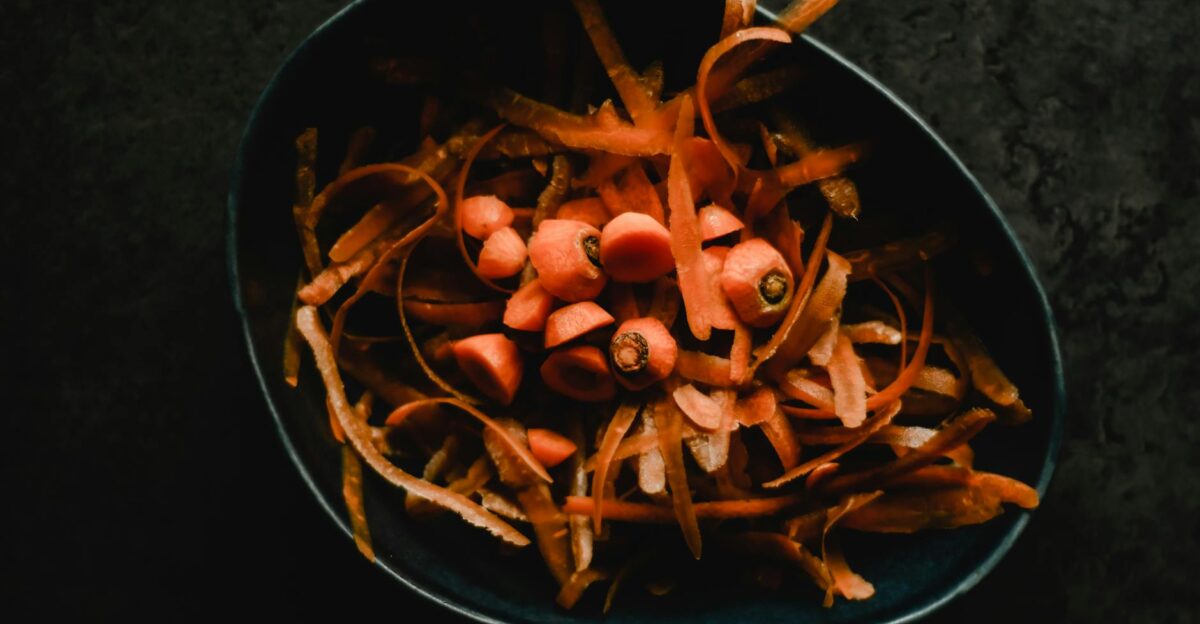
Here’s the thing: a carrot doesn’t lose its worth when it goes limp, and onion skins have more character than they’re credited for. The ends, peels, and trimmings we ditch so casually are tiny flavor saviors in disguise. Toss them into a freezer bag labeled “stock kit,” and by the end of the month, you’ve brewed yourself a zero-waste broth.
This isn’t just kitchen romance. According to the Sustainability journal research, cutting household food waste is one of the single most effective ways to shrink our carbon footprints. Every lettuce leaf trashed means squandered land, water, and energy — all for the sake of convenience.
The Freezer Is Your Best Friend
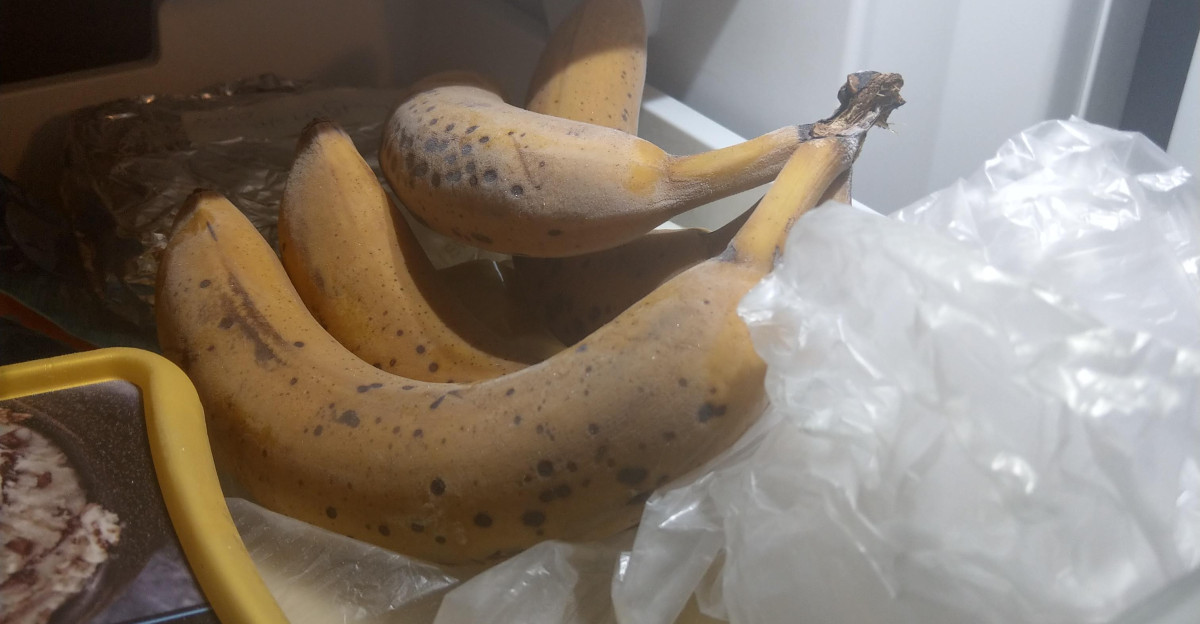
Forget those Pinterest-perfect pantries. The true sustainability star is humming quietly at the back: your freezer. It doesn’t judge. It waits. Overripe bananas become smoothie gold. Stale bread transforms into croutons with a second act. That surplus lentil stew? Future comfort food.
The trick is simple — freeze before you forget. Flexibility breeds sustainability, and the freezer is your permission slip to be imperfect with timing.
Stop Cooking Like Every Meal Is a Show
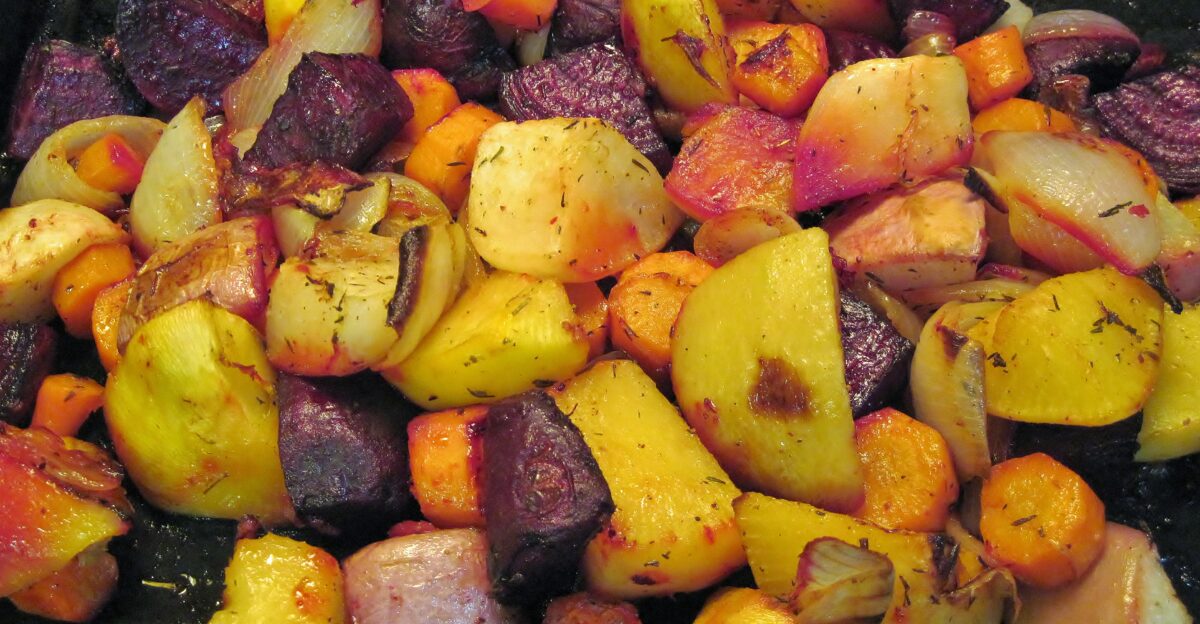
Not every dinner needs to debut on social media. Constantly chasing “new” recipes leads to half-used jars, forgotten condiments, and a compost bin that eats better than you do. A sustainable cook rethinks variety — not as novelty, but as evolution. Tonight’s roasted veggies become tomorrow’s grain bowls or Friday’s curry base.
Studies in Sustainability and Nature Food back this up: planned repetition and creative reuse yield far greater environmental benefits than the constant churn of culinary experimentation.
The Real Sustainability Is Behavior, Not Branding

You don’t need to live in a zero-waste documentary to make a difference. You need small, sticky habits — labeling containers, using clear jars, cooking “clean-out-the-fridge” feasts before shopping again. Real eco-impact hides in these unglamorous rituals.
Look at a truly sustainable kitchen, and you’ll find scuffed counters, soup pots filled with odds and ends, and meals built from memory rather than novelty. It doesn’t photograph well, but it feeds both conscience and planet.
Because sustainability doesn’t demand perfection — just persistence, and maybe a little creativity with carrot tops.
Sources:
- United Nations Environment Programme. Food Waste Index Report
- Reynolds et al., Household food waste: Drivers and potential intervention points, Sustainability
- Willett et al., Food in the Anthropocene: The EAT–Lancet Commission on healthy diets, Nature Food