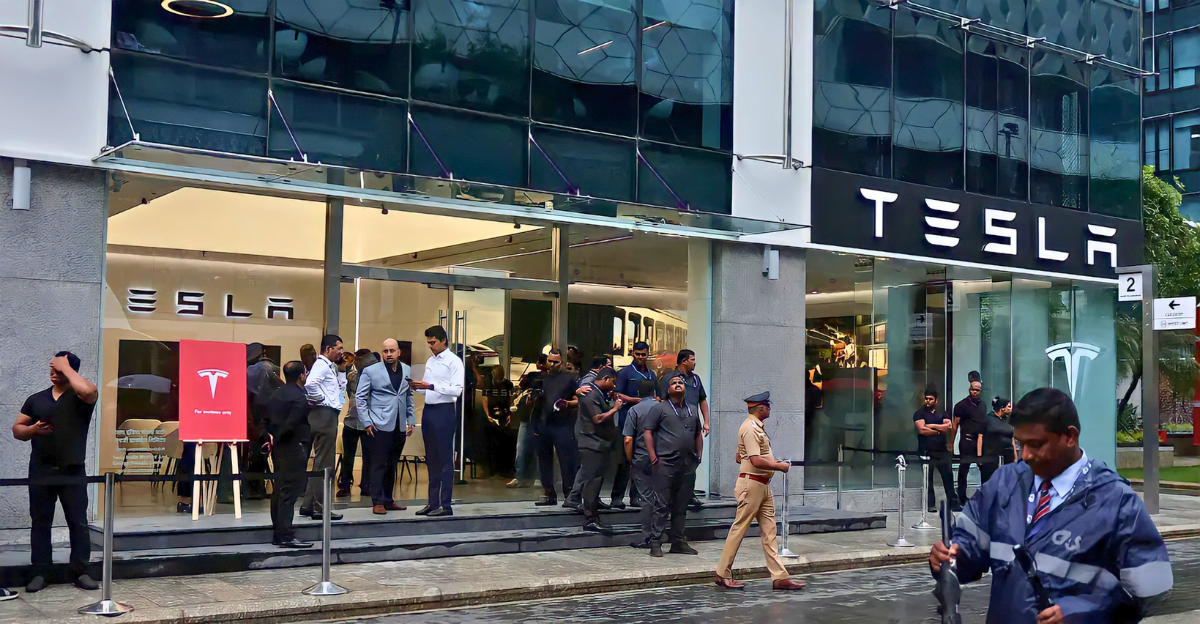
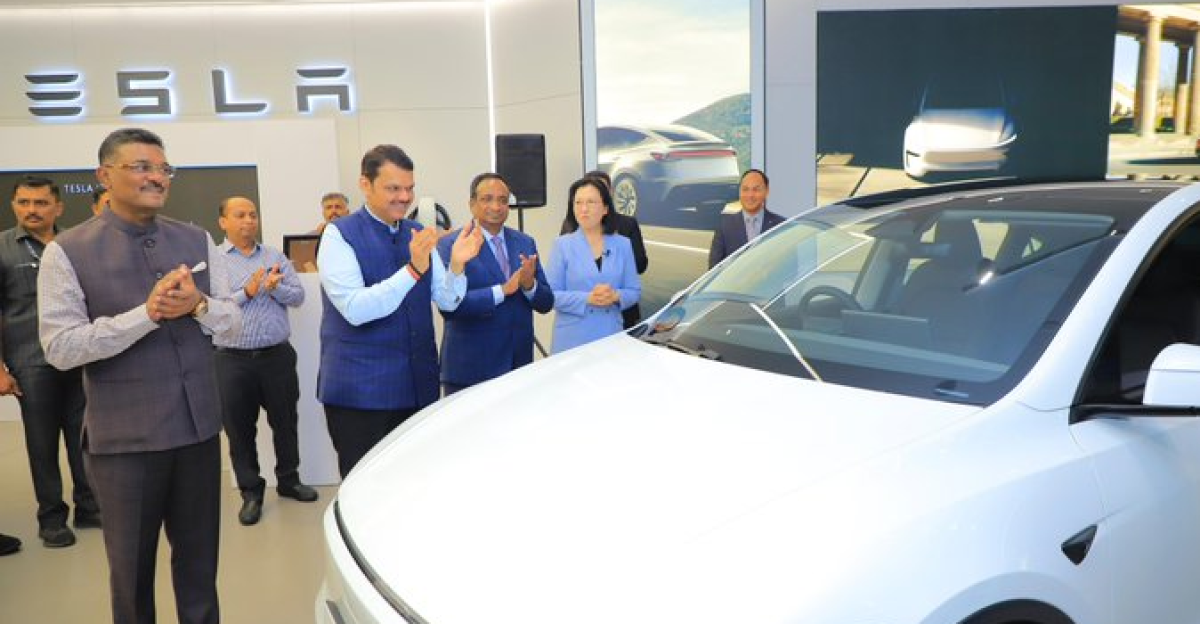
Tesla entered India in mid-2025 with fanfare, aiming to tap into the world’s third-largest car market. Yet the early numbers fell flat. According to Reuters, the company secured only about 600 orders after nearly two months—far short of internal expectations.
Tesla had launched with glossy showrooms, premium branding, and promises of advanced technology. Instead, its debut quickly turned into a test of whether India’s price-sensitive market is ready for an electric vehicle that costs several times more than the average domestic offering. Early momentum has already shifted into mounting skepticism.
Orders Stalled, Targets Missed
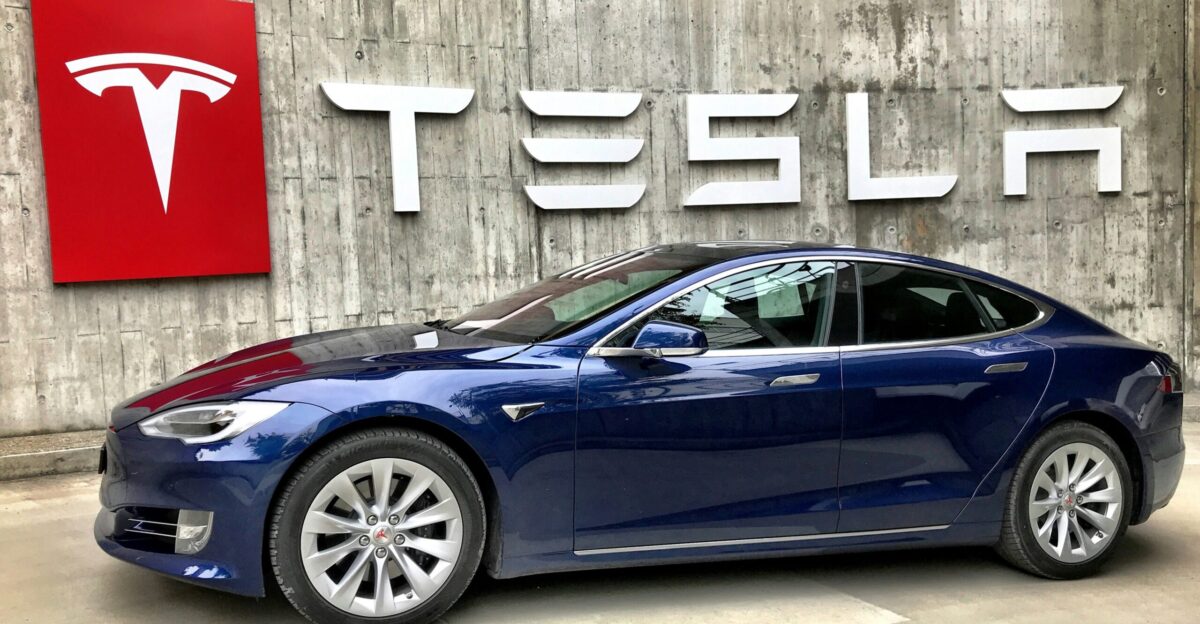
Bloomberg reported that Tesla initially set a target of importing up to 2,500 vehicles in its first year in India. The reality looks far smaller, with analysts estimating 350 and 500 cars arriving in 2025. Shipments from Tesla’s Shanghai factory are scheduled to begin in September.
The steep drop from expectations illustrates the difficulty of selling premium imports in India’s competitive auto market. Experts say that even for a globally recognized brand like Tesla, the country’s mix of tariffs, infrastructure challenges, and income disparities makes fast traction nearly impossible without a more profound local commitment.
Rollout Restricted to Four Cities

Tesla’s India launch was confined to Mumbai, Delhi, Pune, and Gurugram—the nation’s wealthiest urban hubs. These cities host Tesla’s showrooms and the first charging stations. According to the Economic Times, the narrow rollout allows Tesla to focus on affluent buyers while testing infrastructure readiness.
The limited footprint also exposes a weakness, as most of India’s population and middle-class urban buyers remain outside the company’s reach. For critics, this city-only approach highlights Tesla’s status as an elite import rather than a mass-market contender in a country where affordability drives most auto sales.
The Price Barrier Looms Large

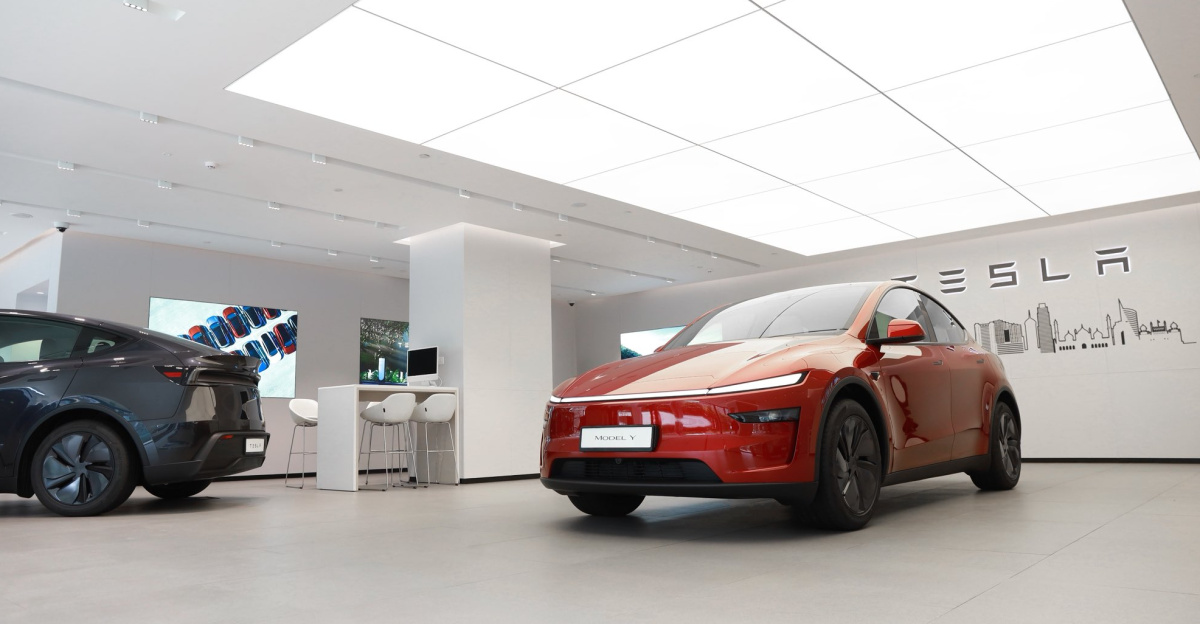
According to company listings, Tesla launched the Model Y at nearly $70,000, or about ₹60 lakh. That is more than triple the cost of most electric cars sold in India. Import tariffs—reaching up to 100%—inflate prices further. By contrast, Tata Motors sells EVs for under ₹20 lakh, capturing far more of the market.
JP Morgan analysts note that Tesla’s pricing may be its most significant obstacle, overshadowing infrastructure or branding challenges. Positioned as a luxury vehicle, the Model Y enters a segment with limited demand, raising doubts about Tesla’s strategy in a country where cost drives adoption.
Showroom Buzz Fades Fast
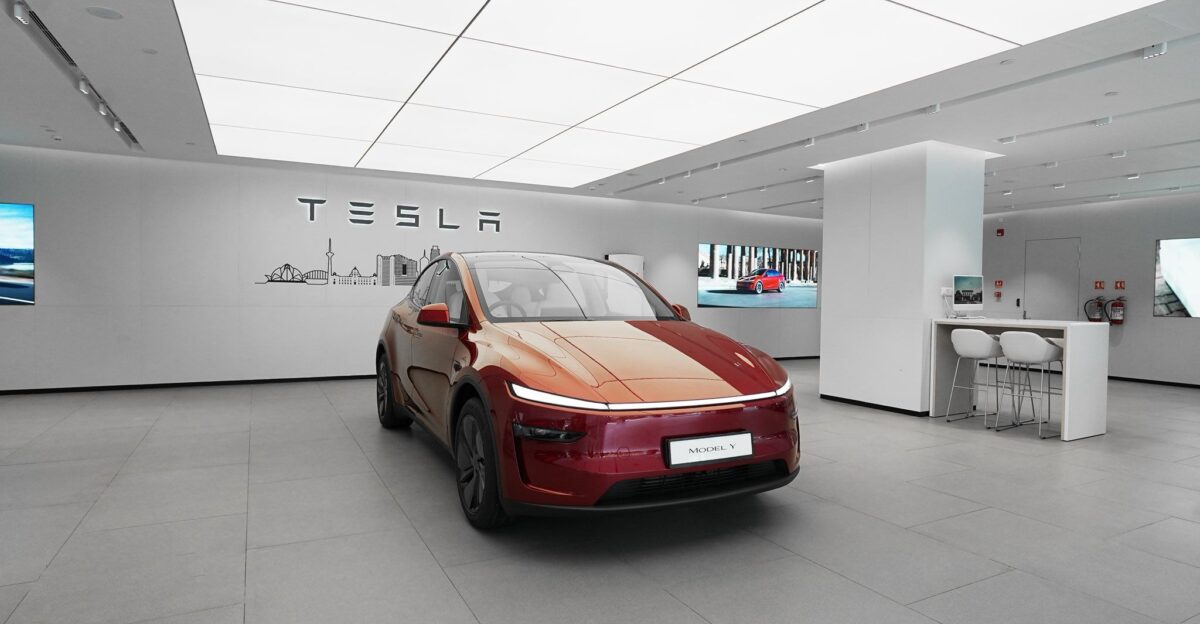
India Today reported that Tesla’s launch showrooms in Mumbai and Delhi drew crowds of curious visitors. Yet the excitement did not translate into firm sales. Analysts point to sticker shock, a lack of charging infrastructure, and competition from established luxury brands. The stark disconnect between curiosity and conversion reflects India’s unique market dynamics.
While Tesla enjoys prestige, potential buyers often hesitate at the price and practical barriers. Experts say this outcome mirrors earlier struggles by other premium automakers who underestimated how sensitive Indian consumers are to value, even in the country’s wealthiest cities.
Premium Market Growth Remains Sluggish
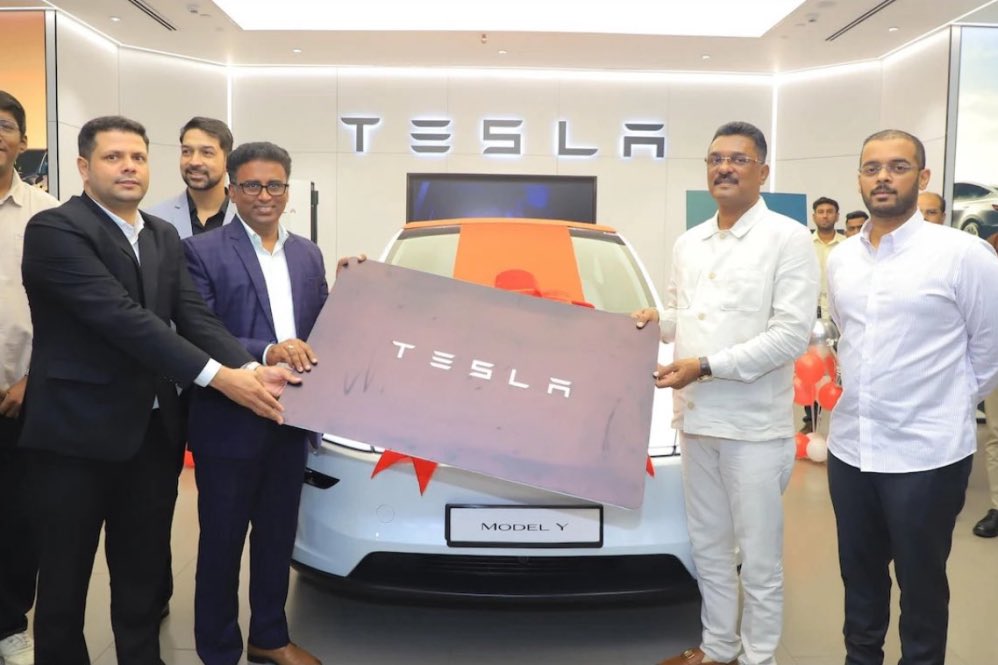
India’s EV sector is growing, but the premium segment remains small. The Society of Indian Automobile Manufacturers (SIAM) reported that in 2024, the average EV cost about ₹22 lakh, less than half of Tesla’s entry price. Imports like the Model Y make up only a sliver of total EV sales, under 5%.
Without a lower-priced option produced locally, Tesla risks remaining stuck in this narrow slice of the market. Analysts argue that unless the company adjusts, it will miss the larger growth story, where affordable domestic EVs capture mainstream buyers.
Infrastructure Challenges Slow Adoption
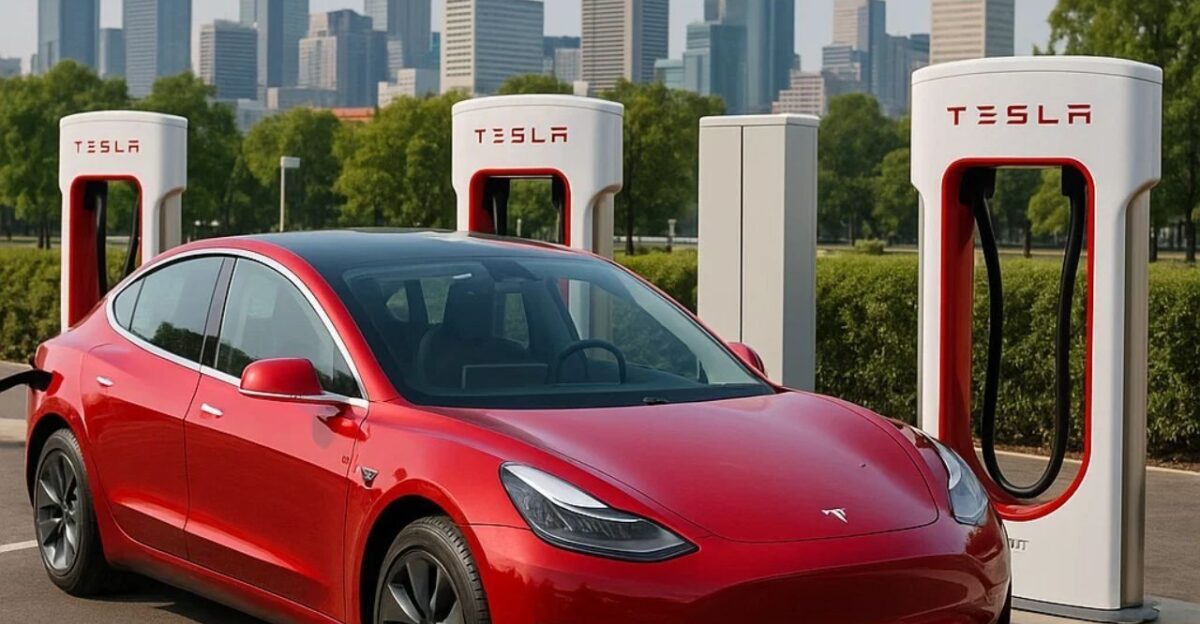
India’s EV infrastructure remains underdeveloped. According to the Ministry of Power, fewer than 20,000 public charging stations were available nationwide by 2025, leaving India far behind the U.S. and China. Tesla has begun installing its Superchargers, which are confined to four cities.
CNBC analysts highlight range anxiety as a significant deterrent, even for affluent buyers. Without a reliable charging network, many consumers view electric vehicles as impractical. Tesla’s network may eventually improve the situation, but in the short term, limited coverage weighs heavily on its adoption prospects.
Road Conditions Pose Obstacles
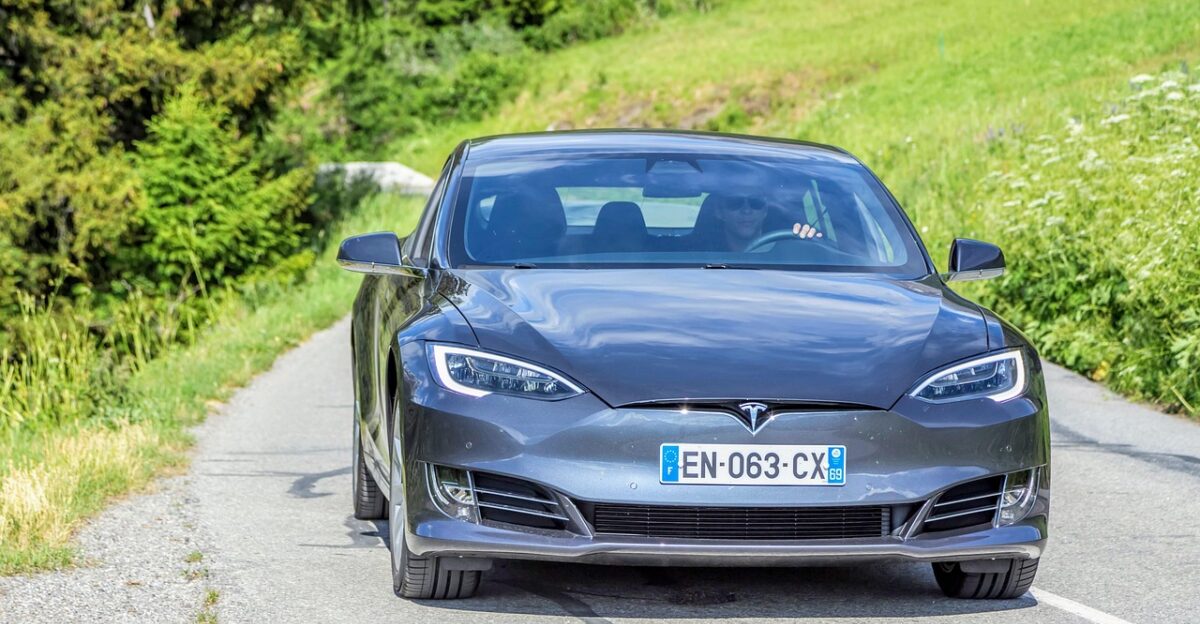
India’s road conditions add further complications. Analysts cited by The Hindu note that potholes, stray animals, and unpredictable traffic patterns challenge cars designed for more regulated systems. While Tesla’s advanced software adapts in many environments, its vehicles were engineered for smoother Western roads.
Experts warn that issues like suspension durability and real-time navigation accuracy need further localization for India. These practical challenges may seem secondary to price, but they strongly influence customer satisfaction and long-term adoption. For Tesla, adapting to India’s unique road culture will be essential if it hopes to expand.
Incentives Fail to Offset Costs
Indian states offer some subsidies, such as Maharashtra’s benefit of up to ₹1.5 lakh for EV buyers, but these pale compared to the Model Y’s sticker price—national incentives under the FAME II program focus on affordable EVs, leaving Tesla largely outside eligibility.
Policy experts told The Indian Express that Tesla’s high-end positioning excludes it from most financial support schemes. Without significant subsidies or tariff relief, Tesla’s vehicles remain prohibitively expensive for all but the wealthiest customers. This lack of incentives deepens the price gap between Tesla and domestic competitors in India.
Government Pushes for Local Assembly
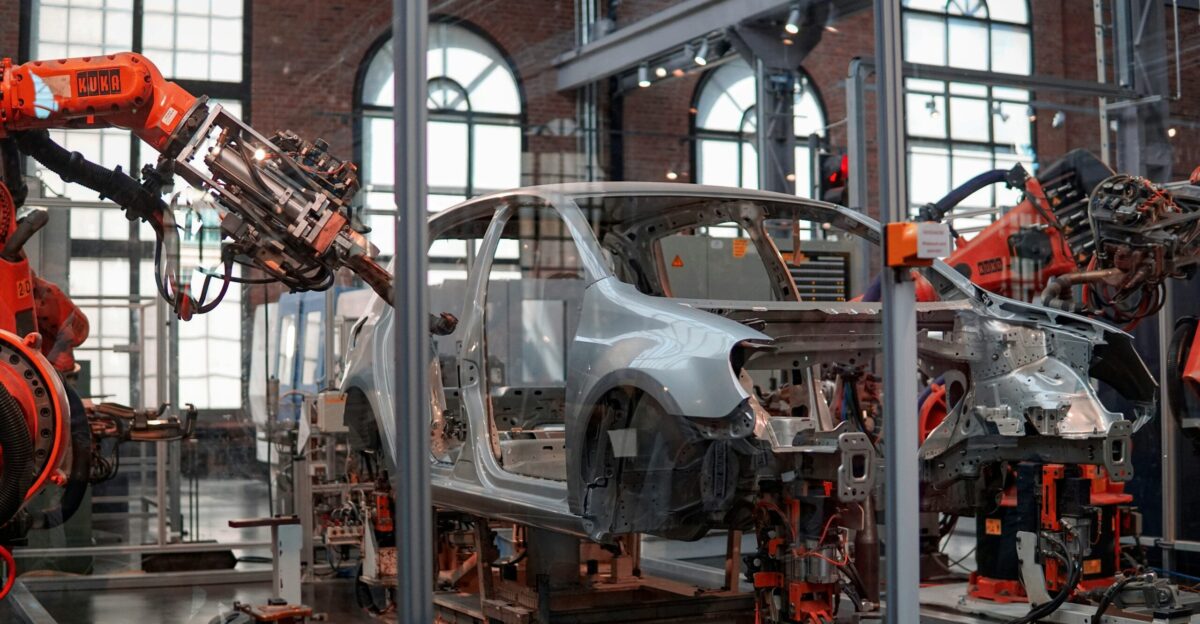
New Delhi has long encouraged foreign automakers to commit to local production, offering tariff relief only to those who invest in domestic manufacturing. Reuters reported that officials repeatedly pressed Tesla to establish Indian assembly operations, following the model of companies like Hyundai and Kia. So far, Tesla has resisted, citing high startup costs and uncertain demand.
The stalemate leaves Tesla facing steep import duties while rivals gain advantages from producing locally. For policymakers, Tesla’s reluctance undermines job creation and technology transfer goals, further straining relations with the company.
Policy Stalemate Adds Pressure
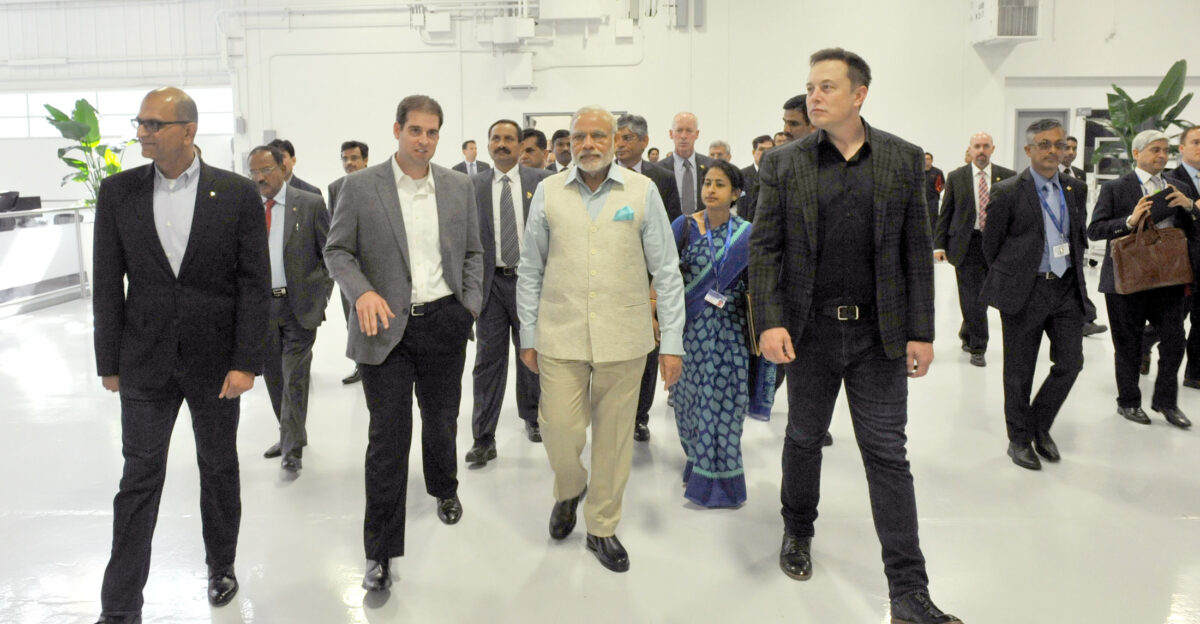
Attempts to secure tariff reductions through U.S.-India trade negotiations have stalled. Bloomberg noted that broader disputes, from technology transfers to defense agreements, complicate prospects for quick breakthroughs. Tesla has quietly lobbied both governments for concessions, but no major policy shift is on the horizon.
Analysts say this leaves Tesla caught between commercial strategy and geopolitics. Without tariff relief or a local factory, Tesla remains locked into high pricing. For India, the standoff reflects a determination to prioritize domestic production, even at the cost of limiting foreign EV competition.
Global Sales Decline Hits Confidence
Tesla’s India launch coincides with global headwinds. According to company filings, worldwide deliveries dropped by double digits in early 2025 compared to the prior quarter. Demand in China has softened amid fierce competition, while reduced subsidies pressure U.S. sales. These setbacks magnify the importance of new markets like India.
For investors, weak sales in an emerging market highlight vulnerabilities in Tesla’s broader strategy. Instead of providing growth relief, India’s struggles risk reinforcing concerns that Tesla’s global momentum may be slowing faster than the company anticipated.
Investor Sentiment Sours Further

Tesla’s disappointing Indian rollout has intensified investor unease. The Wall Street Journal reported a 9% stock decline following Tesla’s latest earnings, which showed falling revenues and shrinking margins. The company also lost key U.S. regulatory credits that previously boosted profits.
Analysts say the news fueled existing doubts, making it harder for investors to trust Elon Musk’s promises of near-term growth. While long-term optimism remains tied to robotaxis and AI ventures, many shareholders are increasingly skeptical of Tesla’s ability to maintain leadership in its core automotive business.
Elon Musk’s Promises Under Scrutiny
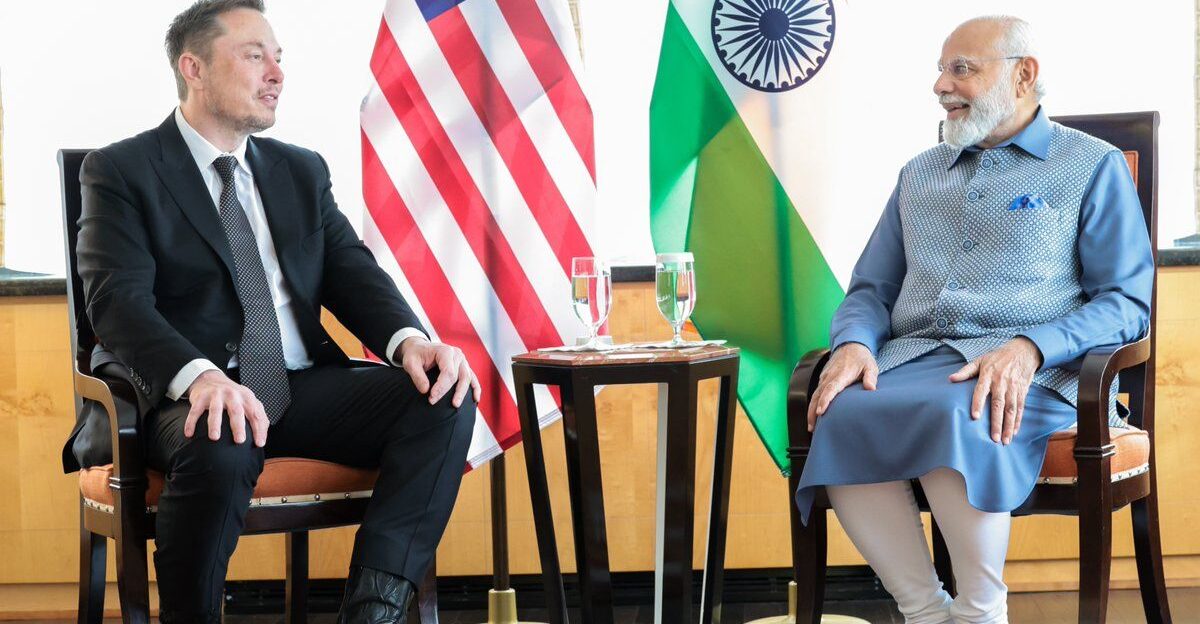
Elon Musk has repeatedly described India as a key market, but results so far lag far behind expectations. CNBC reported that Musk told shareholders Tesla would soon prioritize robotaxis and next-generation technology. Critics argue that India’s experience exposes the gap between visionary rhetoric and day-to-day operations.
Analysts note that while Musk points to future innovations, Tesla’s immediate challenge is selling cars profitably in tough markets. The Indian launch highlights that Tesla’s boldest promises may not shield it from structural hurdles, and that investors want more than long-term visions.
Local Competitors Hold the Advantage
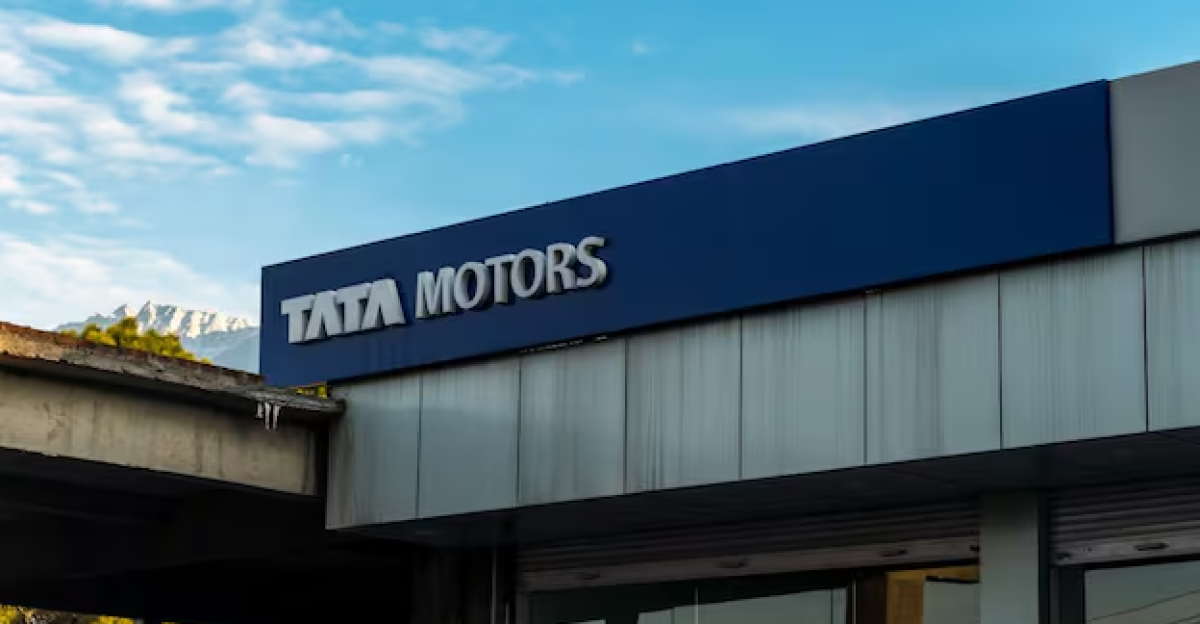
Domestic automakers are already thriving in India’s EV space. SIAM data shows Tata Motors commands more than half of EV sales, with its affordable Nexon EV leading the charge. Hyundai and Mercedes-Benz also expand their Indian production, granting them tariff advantages. Industry analysts say Tesla’s import-only model makes it less competitive, despite its brand prestige.
The Times of India reported that international automakers choosing local assembly are better positioned for long-term growth. Against this backdrop, Tesla risks becoming an outlier in a market that rewards adaptation and regional investment.
A Luxury Brand in a Value Market
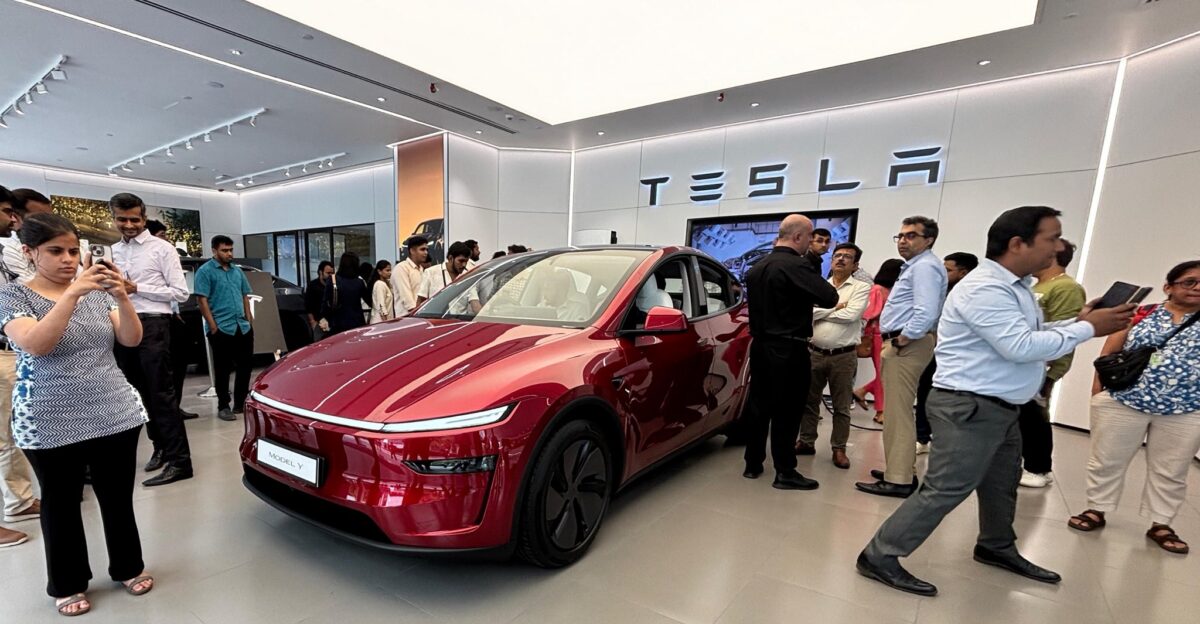
Tesla’s global image as a luxury innovator clashes with India’s economic reality. World Bank figures place India’s per-capita income below $3,000, making Tesla accessible only to the wealthy. Analysts told the Times of India this mismatch confines Tesla to a sliver of the market, unlike regions where it appeals to an emerging middle class.
The result is that a company is seen more as a symbol of status than a practical choice. Without shifting strategy, Tesla risks cementing its reputation in India as a niche import with limited relevance.
Mixed Reactions from Early Buyers
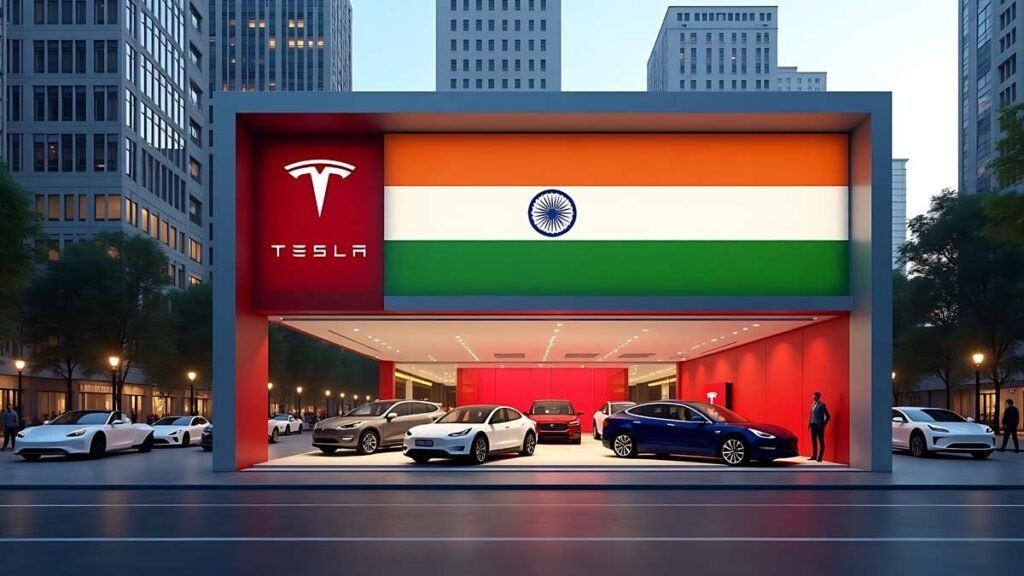
NDTV’s interviews with India’s first Tesla buyers show enthusiasm tempered by frustrations. Owners praise low running costs and advanced technology, but cite headaches from scarce service centers and slow charging options. Some buyers say they purchased Teslas for prestige rather than practicality.
These firsthand accounts highlight the duality of Tesla ownership in India: cutting-edge features on one hand, logistical headaches on the other. For undecided customers, such stories carry significant weight, shaping perceptions of whether Tesla offers enough value to justify its premium cost.
Can Tesla Shift Gears?
Industry experts remain divided on Tesla’s path forward. Some suggest targeting wealthy customers exclusively until infrastructure matures. Others argue Tesla must eventually invest in local assembly and design a lower-cost model. Analysts at Morgan Stanley note that Tesla’s long-term success may hinge on whether it adapts or persists with its premium-only approach.
The next few years will determine whether India becomes a growth engine or a cautionary tale. For now, Tesla is at a crossroads, balancing its luxury branding with the practical realities of an emerging market.
Lessons in Global Expansion
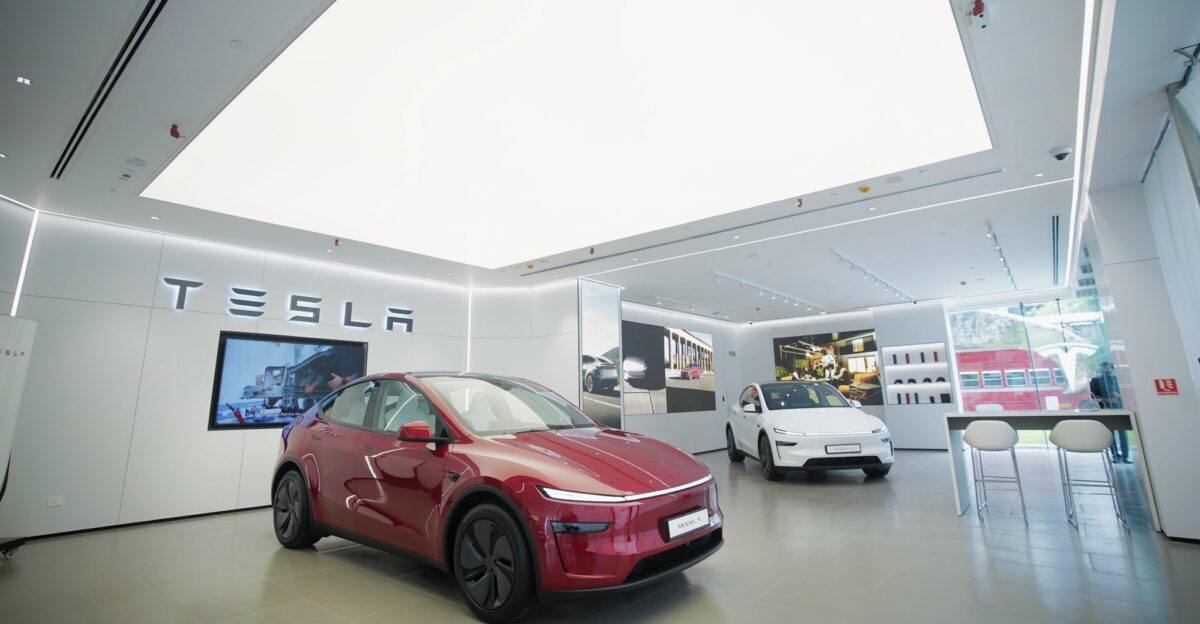
Tesla’s experience in India encapsulates multinational companies’ difficulties in emerging economies. Harvard Business Review noted that firms often stumble when failing to adapt products and pricing to local conditions. Tesla must navigate tariffs, infrastructure gaps, and distinct consumer expectations in India.
The case shows that global prestige does not guarantee local success. For Tesla, the stakes go beyond India; its struggles here may shape strategies for expansion into other developing markets. Success or failure will influence whether Tesla truly claims to be a global leader.
Hype Meets Reality
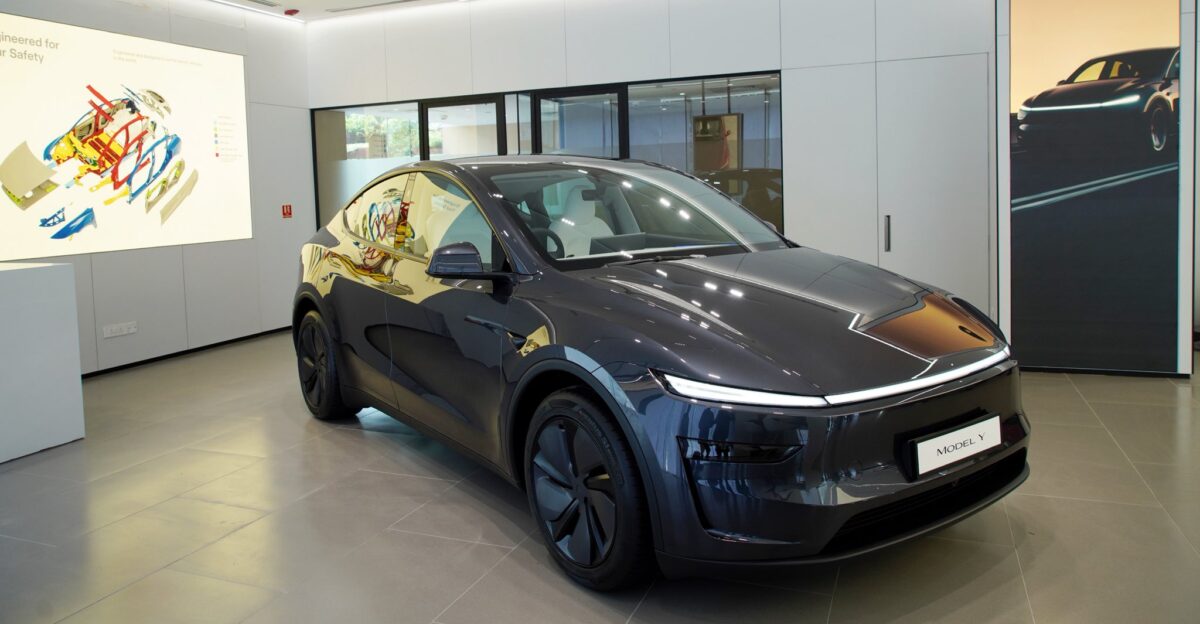
Tesla’s much-anticipated debut in India has delivered modest sales, unmet expectations, and renewed scrutiny of its global strategy. The launch showcased the limits of brand hype in a country defined by affordability, infrastructure gaps, and policy roadblocks.
Whether Tesla pivots toward local partnerships, joint ventures, or lower-cost models remains to be seen. For now, India is less a breakthrough than a reality check. As Bloomberg observed, the outcome could define Tesla’s next chapter, proving whether it can adapt its model to new frontiers or remain a luxury niche player.