Hallmark Cards has been a staple in American culture for over a century, embodying sentiments through its iconic greeting cards. Established in 1910 by Joyce Hall in Kansas City, the company expanded rapidly and diversified, creating a lasting emotional connection with consumers. Customers cherished the personal touch of Hallmark products, from heartfelt expressions on birthdays to sympathy cards in times of loss.
As we move through the decades, Hallmark’s journey reflects societal norms and technology changes, adapting new formats like digital greetings while still holding onto its traditional charm. Respect for emotional expression remains at the core of Hallmark’s ethos.
A Changing Market
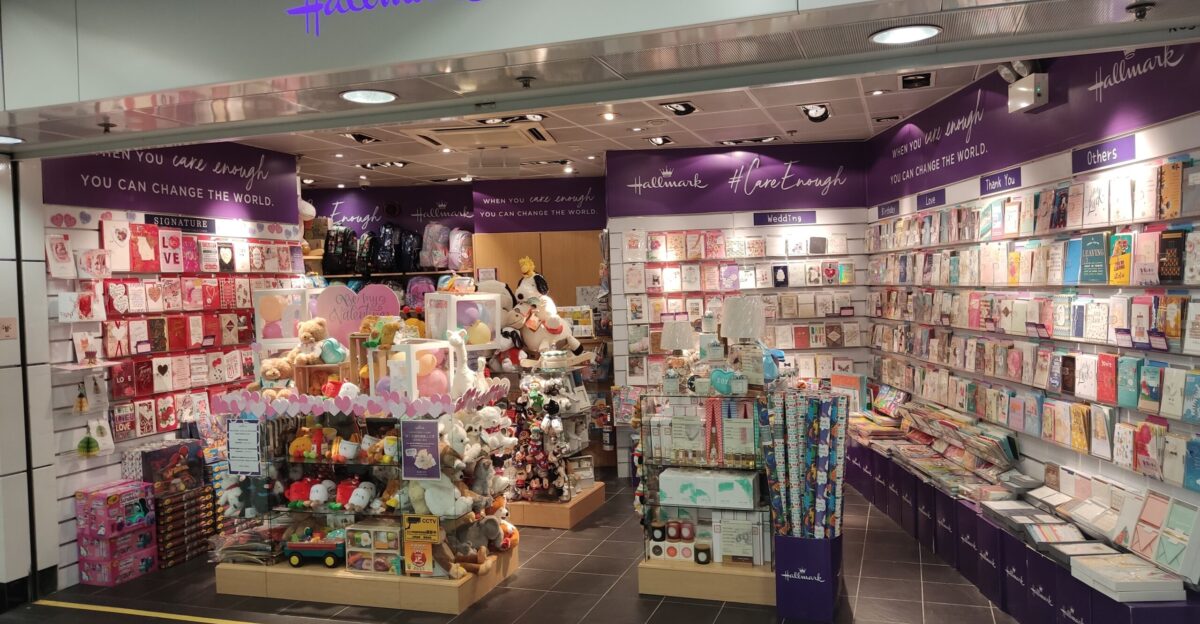
Despite its rich history and devoted customer base, Hallmark, like many retailers, faces a rapidly evolving market. The greeting card industry has experienced shifts with the rise of digital communications, and the company must navigate these new waters. “People now send their love through text messages or social media,” a long-time Hallmark employee shares.
Traditional cards, once a staple for many, compete with virtual alternatives that often cost nothing. As these trends continue, Hallmark’s challenge will be to innovate while remaining true to the sentimental values that made it a household name.
The Closure Announcement

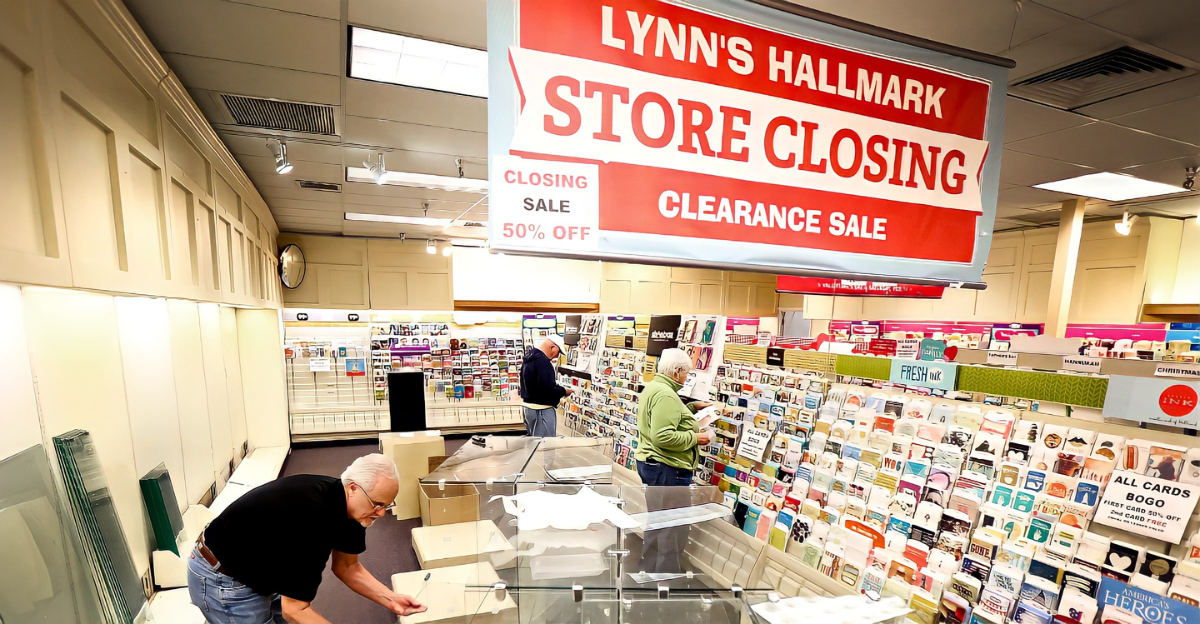
The inevitable was confirmed in the summer of 2025; Hallmark announced the closure of multiple stores across the U.S. and Canada. After years of competition and shifting consumer preferences, the company had to make difficult decisions regarding its retail presence. This decision was not taken lightly; the stores that were closing had served communities for 30 years or more.
“It feels like losing a friend,” lamented a loyal customer outside a shuttered location. As Hallmark reevaluates its business model, the emotional impact on communities is palpable, underscoring the company’s and its customers’ deep connection.
Financial Challenges

Hallmark revealed that nearly 40 of its stores filed for Chapter 11 bankruptcy as part of its restructuring, raising eyebrows throughout the retail industry. The economic difficulties didn’t arise overnight; they were a culmination of shifting consumer habits, decreased foot traffic, and increased operational costs.
Analysts noted that while Hallmark was once considered a retail giant, it now faces the stark reality of its changing relevance in a digital age. Financial restructuring is necessary, but it leaves many wondering about the company’s future and stability in an uncertain economy.
Recent Reports

According to a recent report, Hallmark has clarified that its historical reliance on physical retail is no longer sustainable. “We’ve realized that we must innovate our approach and adapt to what consumers want today,” stated a corporate spokesperson.
The company aims to streamline operations while providing people with meaningful ways to connect and express their emotions through cards. This transition signifies a crucial moment for Hallmark, as it struggles to retain its identity amidst unfavorable conditions. This delicate balance of tradition and innovation will determine whether Hallmark can endure in the coming years.
Adapting to Technology

Embracing technology is essential for Hallmark’s survival in a competitive landscape. The company has begun experimenting with new platforms to reach customers, including mobile apps and online subscriptions. “We need to be where our customers are online and on their phones,” a marketing director explained during a recent strategy meeting.
This shift signifies Hallmark’s intention to engage with a younger audience while catering to its loyal base. By integrating digital services alongside traditional offerings, the company hopes to create a versatile approach that resonates with all demographics.
Customer Reactions

Customer responses to Hallmark’s decisions have ranged from disappointment to understanding. “I grew up buying cards here; it’s heartbreaking to think of it changing so much,” shared an older customer. Others, particularly younger shoppers, appear more open to digital transitions that allow for convenience.
As the brand pivots, various demographics will have different perspectives on what Hallmark represents. Balancing nostalgic sentiments with modern expectations will be challenging, yet it’s vital to ensuring the brand remains relevant.
The Role of Social Media

Social media has emerged as a vital tool for Hallmark’s marketing efforts. Platforms like Instagram and Facebook allow the company to connect with consumers in real-time and engage with its audience. “It’s amazing to see how creative people can be with our cards,” said a social media manager.
By encouraging customers to share their Hallmark experiences, the company aims to rekindle the sense of community and emotional expression it built over decades. These platforms can bridge old traditions and new technologies, promoting personal connections in a digital world.
Revitalizing the Brand
Hallmark is exploring partnerships and collaborations with various artists and creators to revitalize its brand. This initiative introduces fresh designs and resonates with consumers’ desire for unique and personalized products. “I love discovering new artists and styles,” one customer enthused, highlighting a shift toward curated collections.
By showcasing collaborations that resonate with modern themes, Hallmark aims to reconnect with loyal fans and new customers while celebrating creativity and diversity within its product offerings.
A Significant Strategy

In a significant strategy shift, Hallmark’s leadership reaffirmed its commitment to maintaining a strong physical presence while evolving with changing consumer dynamics. “We’re not abandoning our roots, but we absolutely need to adapt to stay relevant,” stated an executive during a recent conference.
This approach highlights Hallmark’s balancing act, keeping the tangible experience of card-giving while embracing modern-day needs. It reflects the underlying philosophy that emotional connections matter, regardless of the medium. The idea of sending a card carries weight, and Hallmark aims to preserve that essence through careful adaptation.
Looking Forward
As Hallmark navigates these changes, its focus will be on maintaining customer relationships while reimagining what the brand can offer. “I just hope it doesn’t lose what made it special,” a concerned veteran customer shared.
The future involves understanding consumer needs and reaching out with more than just cards. It may incorporate events, experiences, and even workshops that unite people. This community-centric approach may usher in a new era for Hallmark that blends its treasured history with innovative visions for connection.
Feedback and Future Vision

Listening to customers during this transitional period will be vital for Hallmark’s future vision. Surveys and engagement initiatives can provide valuable insights into what consumers want from their greeting card experiences.
“I think they need to see what we love about the brand,” expressed a frequent shopper excited for change but wary of losing traditional elements. By actively consulting their audience, Hallmark can tailor products that resonate emotionally while still meeting modern demands, ensuring that the brand’s heart beats strong and true.
The New Retail Experience
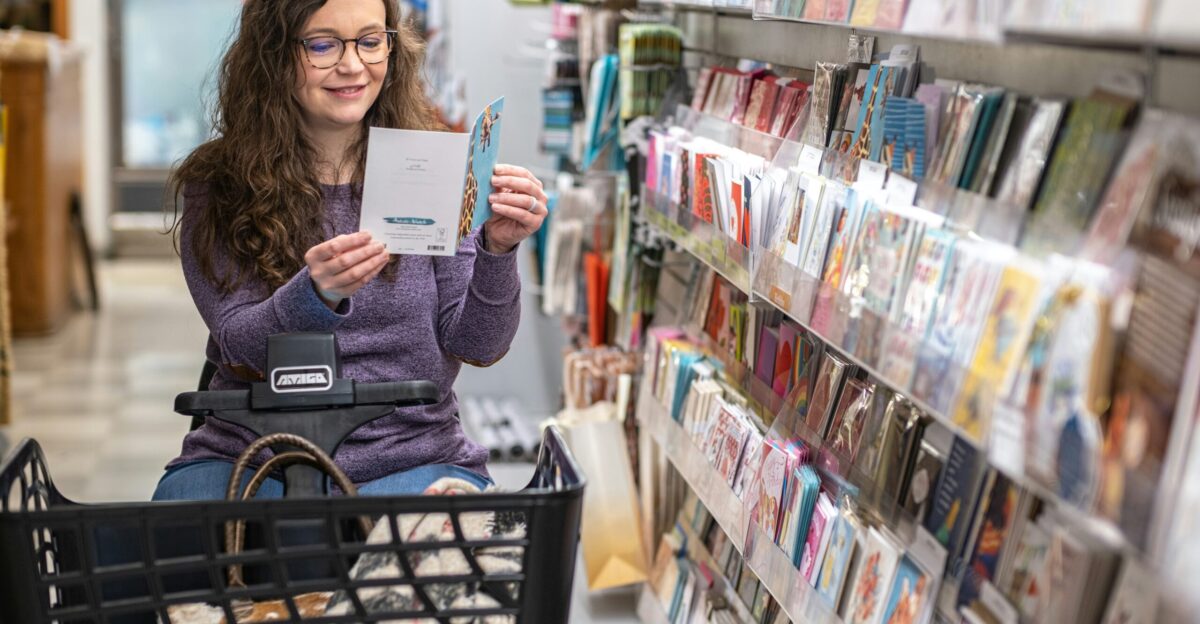
The strength of Hallmark lies not just in its products but also in the retail experience it offers. To adapt, stores may consider redesigning interiors to foster a more inviting and interactive atmosphere. Enhanced customer experiences could include personalized services, in-store events, or exclusive shopping hours.
“I want this to feel like a community space,” suggested a store manager contemplating the future of in-person shopping. By creating a welcoming environment and inviting participation, Hallmark could redefine what it means to visit a Hallmark store.
Expanding into New Markets

Hallmark is also looking to expand into new domestic and international markets to increase its footprint. “There are so many cultures with beautiful traditions of card-giving,” said a company analyst.
Tapping into global markets presents unique challenges and exciting opportunities to create tailored products that resonate with diverse audiences. By understanding different cultural expressions of emotion, Hallmark can expand its reach while maintaining the warmth and sincerity that define its offerings.
Collaboration with Local Artists
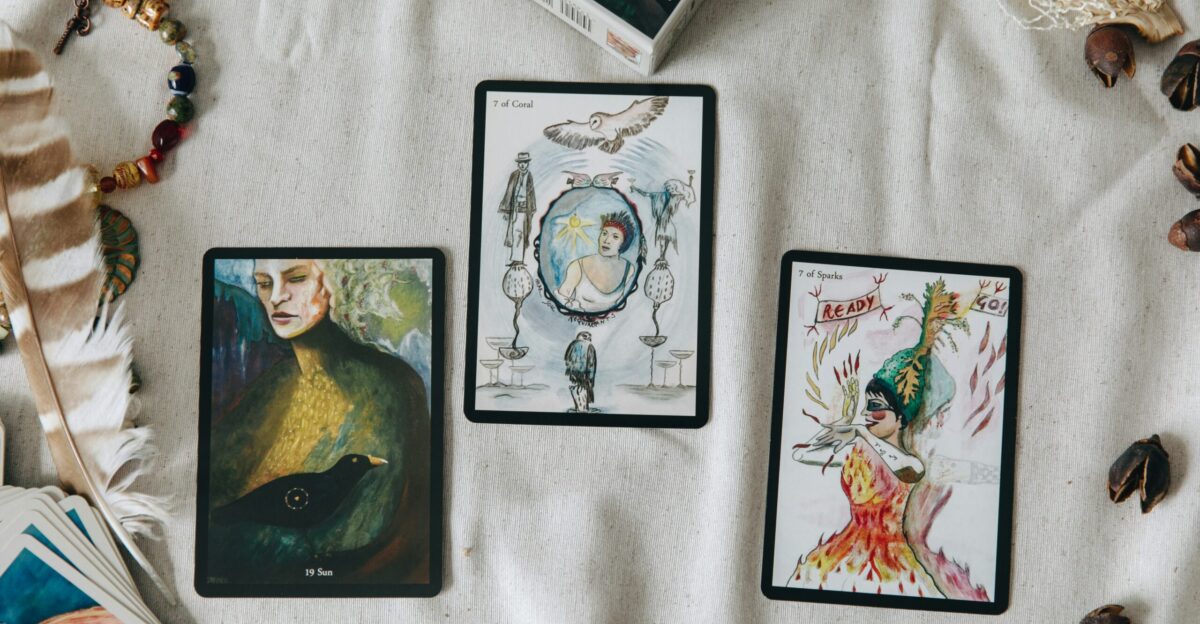
Partnering with local artists can bring a fresh perspective to Hallmark’s offerings. This collaboration supports the community and promotes unique and diverse designs. “It’s exciting to think that my work could be part of someone’s special moment,” expressed a local artist involved in the initiative.
By involving creative minds from various backgrounds, Hallmark can enhance its product range, enrich its connections with customers, and celebrate artistic expression in ways that resonate deeply.
Economic Implications
The closures and restructuring efforts have broader economic implications, especially in the communities affected. “These stores were more than businesses; they were part of our neighborhoods,” a local shop owner commented.

The loss of jobs and the reduction in local revenue can have cascading effects on the surrounding area. Hallmark’s strategy must account for these economic impacts while demonstrating a commitment to supporting the communities that helped build its legacy.
The Role of Community Engagement

Community engagement may play a pivotal role in Hallmark’s rejuvenation efforts. Hosting local events, celebrating milestones, or participating in charity initiatives could help revitalize the brand image. “They could be leaders in local outreach,” noted a community organizer with hopes for collaboration.
By taking an active role in the community, Hallmark can strengthen its ties with customers and foster an environment of mutual support, allowing the brand to flourish beyond the confines of traditional retail.
Reflecting on the Future

Reflecting on the future, Hallmark’s decisions now will shape its trajectory for years to come. Maintaining a balance between honoring its legacy and pushing for innovation is crucial. “I just hope they remember where they came from,” shared a nostalgic customer.
With the engagement of all stakeholders, from customers to employees and local artists, Hallmark can create a holistic vision for its future, ensuring it remains a cherished name in emotional expression.
Closing Thoughts

As Hallmark embarks on this transformative journey, the passion for connection and creativity must remain at the forefront. Redefining business strategies while respecting customer sentiment is a delicate dance requiring thoughtful planning and execution.
“Every card holds a story, and that’s what keeps people coming back,” reflected a long-time employee. How Hallmark chooses to bridge the gap between its rich past and the evolving future will dictate its enduring success in retaining the hearts of consumers around the globe.
A Lasting Legacy
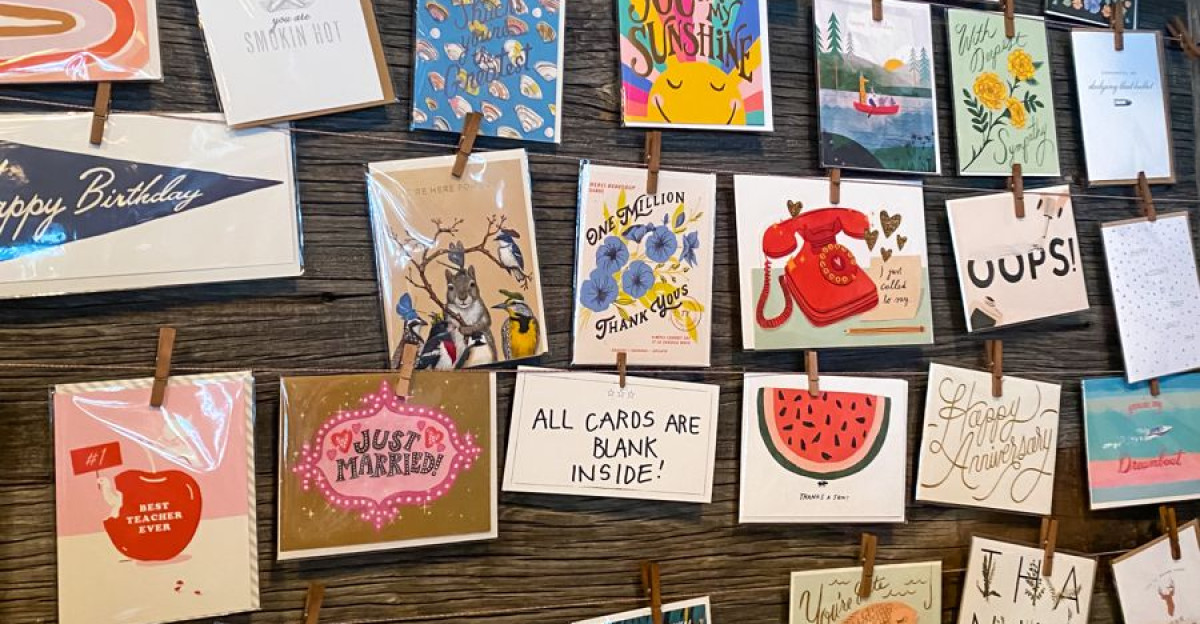
Ultimately, Hallmark’s legacy is about more than just product sales; it’s intertwined with the emotional connections that greetings carry. The challenge lies ahead, but with a commitment to innovation, community involvement, and listening to customer voices, Hallmark can redefine what it means to connect and communicate through cards.
As the journey unfolds, the hope is that the brand remains true to its core values, allowing it to continue touching lives for generations. “Keeping the spirit alive is what matters most,” echoed a devoted fan, hopeful for the brand’s future.