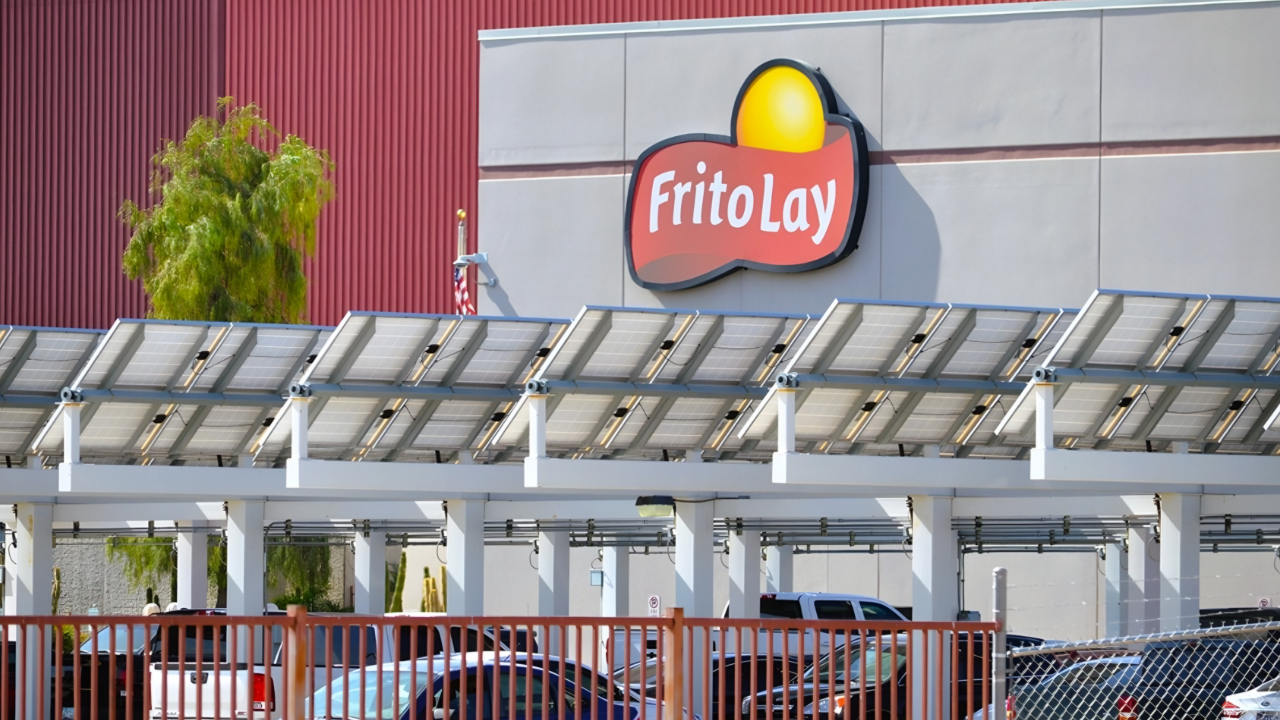
For nearly 60 years, a Frito-Lay plant on Orlando’s Silver Star Road offered something rare in a tourism-driven city: steady, year-round work with solid wages and benefits. That era ended abruptly in early November 2025, when parent company PepsiCo shut down manufacturing and warehouse operations at the site, leaving hundreds of people without jobs just as the holiday season began. The closure, one of the largest single-day manufacturing job losses in Orlando in years, has become a test of how a service-heavy city absorbs the shock of losing a long-standing industrial anchor.
Sudden Shutdown, Immediate Fallout

Workers emerged from the Silver Star Road facility on November 4 carrying final paychecks and WARN notices confirming what many had not expected to see so soon: 454 jobs at the plant and onsite warehouse were ending that day. A separate notice detailed another 46 positions at a nearby warehouse on Princeton Street scheduled to disappear by May 2026, bringing total job losses in the Orlando Frito-Lay operations to about 500.
Local officials quickly labeled it a seismic blow to Orlando’s already thin manufacturing base. The plant had long served as a blue-collar counterweight to an economy dominated by theme parks, hotels, and visitor spending. For many employees with 10, 20, or even more than 30 years of service, the timing made the hit especially hard. Overtime that once helped cover rent, gifts, and year-end bills vanished overnight, replaced by urgent job searches and uncertainty.
A Six-Decade Industrial Mainstay
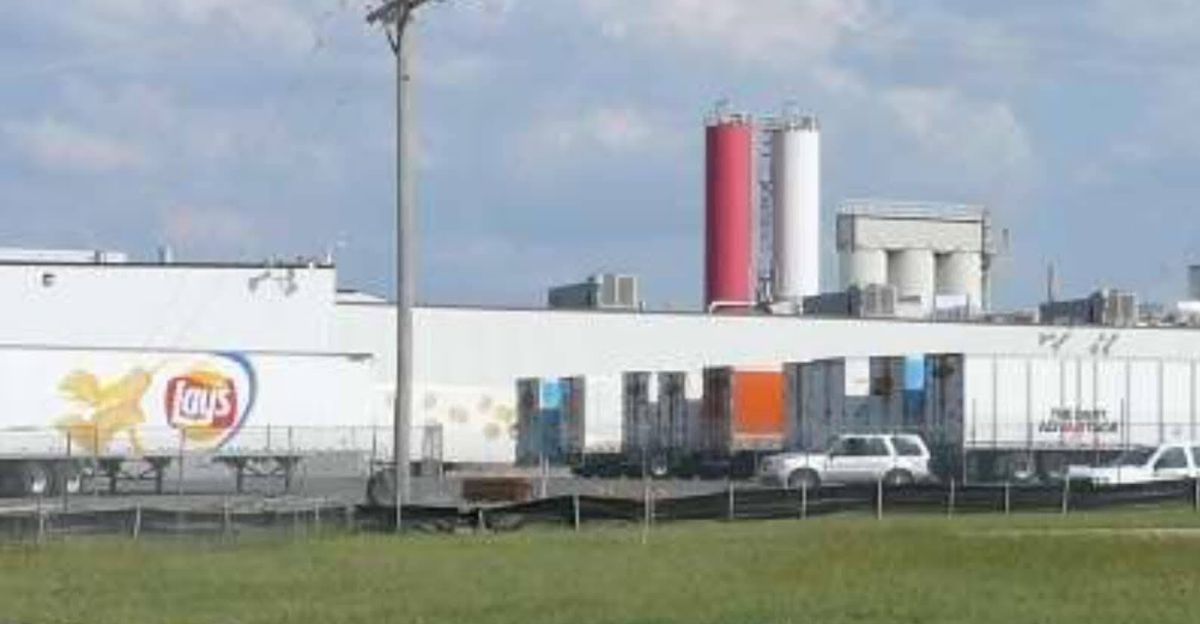
The Orlando plant began producing snacks in 1965, just before Disney World transformed Central Florida into a tourism hub. At its height, the facility employed roughly 490 people and supported multiple generations of workers. Through recessions, oil shocks, and economic booms, the factory’s production lines delivered a measure of stability to neighborhoods that did not benefit directly from visitor traffic.
For six decades, the steady hum of machinery along Silver Star Road symbolized a different side of Orlando’s economy. While the broader region shifted toward service-sector and hospitality jobs, Frito-Lay’s operations kept a foothold for industrial employment, especially for families seeking predictable schedules and benefits rather than seasonal roles. The closure in 2025 brought that chapter to an abrupt end, turning a long-running success story into another example of older factories falling out of favor.
Corporate Strategy Meets Changing Tastes
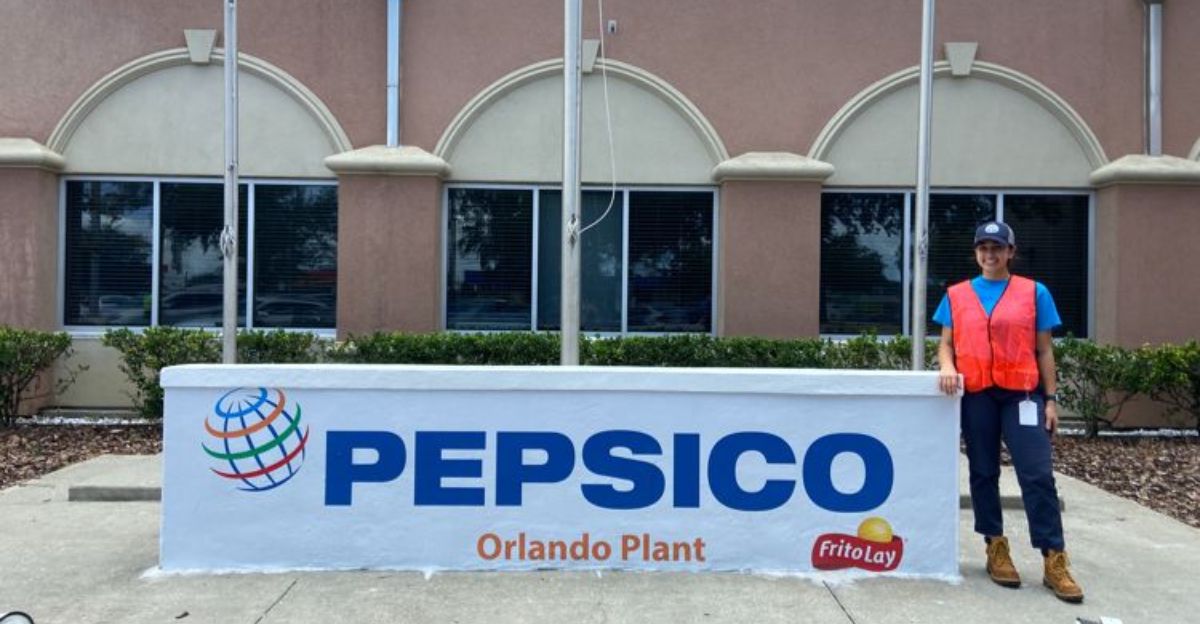
Behind the locked gates lies a broader restructuring of PepsiCo’s snack operations. Company leaders have spent the past two years reshaping Frito-Lay’s North American footprint in response to higher costs, inflation, and evolving consumer preferences. Snack volumes for PepsiCo’s North American foods business fell about 2% in 2025 as shoppers gravitated toward cheaper options or products marketed as healthier, echoing trends across the packaged-food sector.
Industry peers, including General Mills and Conagra, have also trimmed capacity and shut plants, citing similar pressures. In that calculus, older facilities like Orlando’s—once prized for efficiency—are being weighed against newer, more automated plants that can produce a shifting mix of traditional chips, baked items, and other “better-for-you” snacks at lower cost. Executives have framed closures in Orlando, New York, California, and elsewhere as part of a network-wide push to reduce overcapacity, centralize production, and respond more quickly to shifting demand.
The company has simultaneously expanded lines of baked products, smaller on-the-go packs, and budget offerings meant to compete with private-label snacks and appeal to cost-conscious and health-focused shoppers. That pivot, combined with pressure from activist investors demanding stronger North American results and further cost cuts, has reinforced decisions to phase out legacy plants that no longer fit long-term plans.
Neighborhood Ripple Effects

The end of Frito-Lay’s Orlando operations removes hundreds of stable manufacturing jobs and what economic assessments describe as tens of millions of dollars in annual payroll from the area. That money once flowed into nearby diners, corner stores, auto repair shops, laundromats, and other small businesses clustered along Silver Star Road and John Young Parkway, many of which tailored their hours and offerings to plant shifts.
The indirect impact stretches further. With paychecks gone, local spending shrinks, which can mean fewer tips for service workers, reduced orders for suppliers, and pressure on community institutions that relied on donations and sponsorships tied to the plant. Households that built budgets around long-term employment face difficult choices as they pivot toward new work in logistics, warehousing, construction, or the service sector, often with less predictability than the factory once provided.
PepsiCo has said affected employees are being offered 60 days of pay in lieu of advance notice, along with access to career counseling, résumé workshops, financial-planning support, and company-backed job fairs. Separate notices for the 46 warehouse workers whose jobs end in 2026 outline different timelines and benefits, leaving that group with more time but also prolonged uncertainty. For many, those measures provide short-term help but not a clear replacement for long-tenured roles.
A City at a Crossroads
The shuttered plant leaves Orlando facing unresolved questions about its economic future. For decades, Frito-Lay’s presence offered an alternative to the city’s dominant tourism and hospitality paths, giving working-class families another route to stable, full-time work. With roughly 500 such positions gone, local officials and business leaders must decide whether to actively pursue new manufacturers, advanced logistics operations, or food-processing employers to fill the gap.
If those efforts stall, the city’s reliance on visitor-driven jobs—often more vulnerable to downturns and seasonal swings—could deepen. For the communities built around the Silver Star Road facility, the stakes are immediate: how quickly displaced workers can find comparable pay, whether nearby businesses can adapt, and whether new industries will see opportunity in the same industrial corridors. The closure of the Frito-Lay plant, once a symbol of Orlando’s industrial aspirations, now stands as a marker of a broader transition whose outcome is still taking shape.
Sources
ClickOrlando – 500 people losing jobs in Orlando Frito-Lay plant closureFood Dive – PepsiCo closing Frito-Lay facilitiesOrlando Weekly – Frito-Lay eliminates 500 jobs as it closes Orlando plantsJust Food – PepsiCo to close another Frito-Lay site in USPowder & Bulk Solids – PepsiCo to Close 2 Frito-Lay LocationsFoodBev – PepsiCo announces closure of another US Frito-Lay site