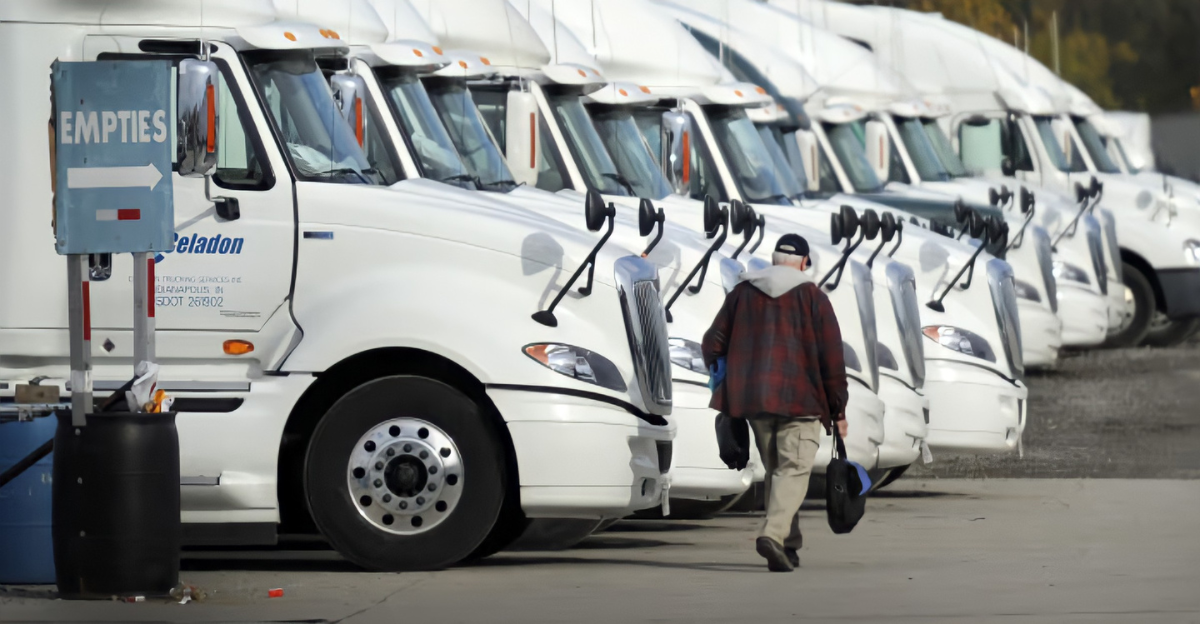
The American freight transportation sector is experiencing its most profound recession in decades, which continues to deepen. As spot rates and contract pricing have plummeted over the past three years, the trucking industry, once a vital artery of economic movement, now finds itself in survival mode. “It’s like watching a lifeline slowly fade,” says a logistics manager from a struggling carrier.
The ripple effects are visible across the nation’s logistics landscape, impacting families, workers, and economic growth. Amid this turmoil, the question remains: can the industry recover, or is it heading for a larger systemic reset?
Surge of Bankruptcies
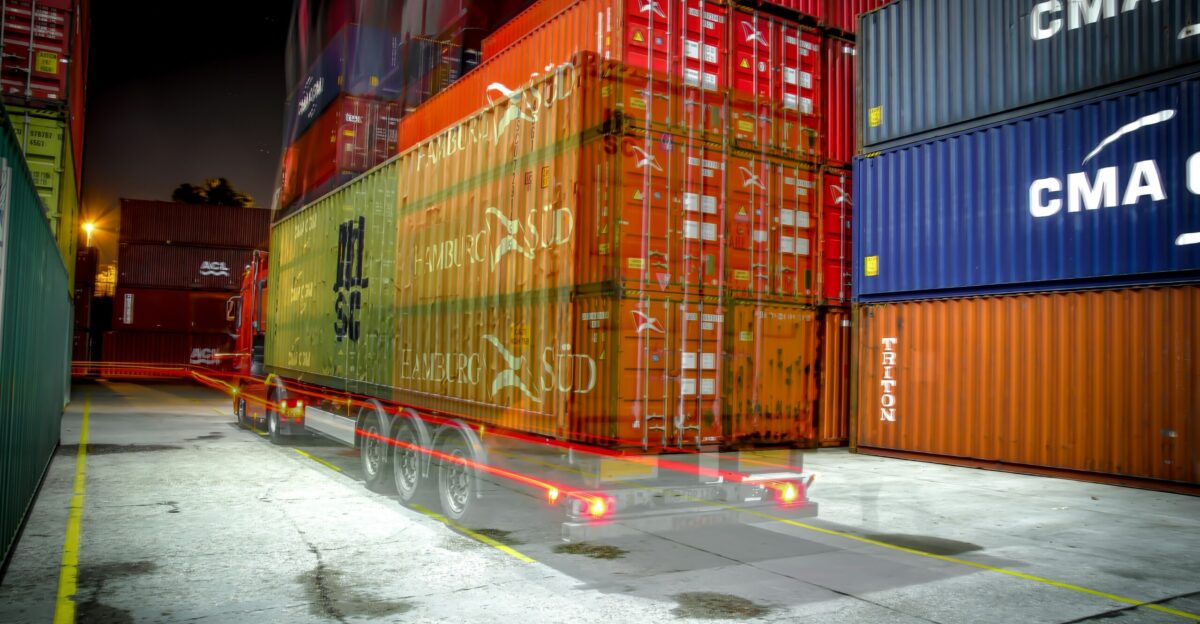
In the staggering wake of the freight crisis, nearly 10,000 U.S. carriers shut their doors in just the first half of 2025. This includes national giants and small regional firms, highlighting the acute pressures all face. “We didn’t see this coming; it feels like the ground just fell beneath us,” a small carrier owner lamented.
The wave of bankruptcies underscores the catastrophic effects of declining demand and rising inflation. As firms grapple with oversaturation and spiraling costs, this reckoning is accelerating a broader industry correction, reshaping the landscape for years to come.
A Painful Downturn

After a brief recovery spurred by pandemic-induced demand in 2020 and 2021, the trucking industry entered a prolonged slump by mid-2022. Freight volumes have seen a staggering drop of approximately 8–9%, with long-haul truckload shipments declining by up to 25% year-over-year.
“Every shipment feels like a gamble now,” shared a fleet owner who has had to make hard decisions about which routes to keep running. This downturn reflects a cyclical challenge and strategic difficulties, forcing fleet owners to rethink their operational frameworks to survive in a fundamentally changed market.
Margins Under Pressure
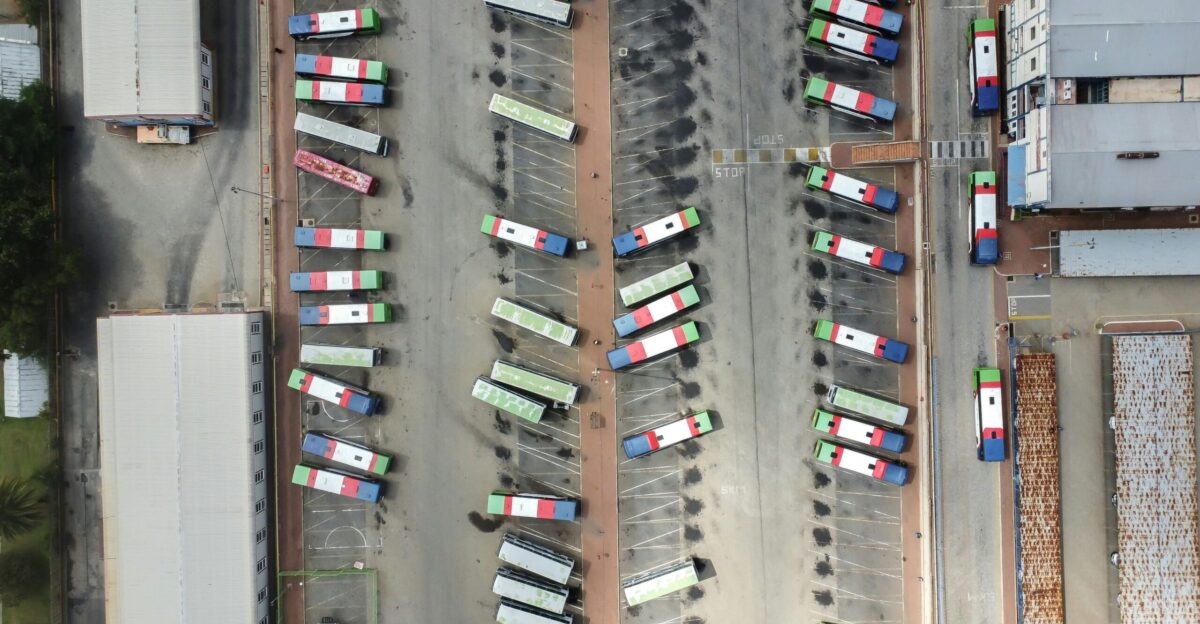
As demand weakens, rising fuel, insurance, and equipment costs have only exacerbated the strain on operators. Many, especially smaller carriers, find themselves with “razor-thin” margins, barely scraping by.
An industry analyst said, “They’ve been taking a bath for too long.” The surplus capacity in the market gives customers heightened leverage, compelling companies to slash costs drastically or face the grim prospect of exiting the market. Amid this turmoil, many operators are forced into a position where survival means making sacrifices that could affect service and longer-term sustainability.
A Notable Collapse

On August 15, 2025, Orlando-based Xtreme Quality Logistics filed for Chapter 11 bankruptcy protection in federal court. With a legacy spanning 40 years and a fleet of 35 trucks, this storied carrier seeks reorganization amidst mounting debts rather than outright liquidation. “It’s heartbreaking to see a company that served our community for decades face this,” said a local dispatcher.
The filing underscores the challenges even long-established firms face in this shifting landscape. By aiming to survive through restructuring, Xtreme Quality Logistics hopes to navigate its way out of the crisis, albeit under challenging circumstances.
Florida’s Trucking Roundup
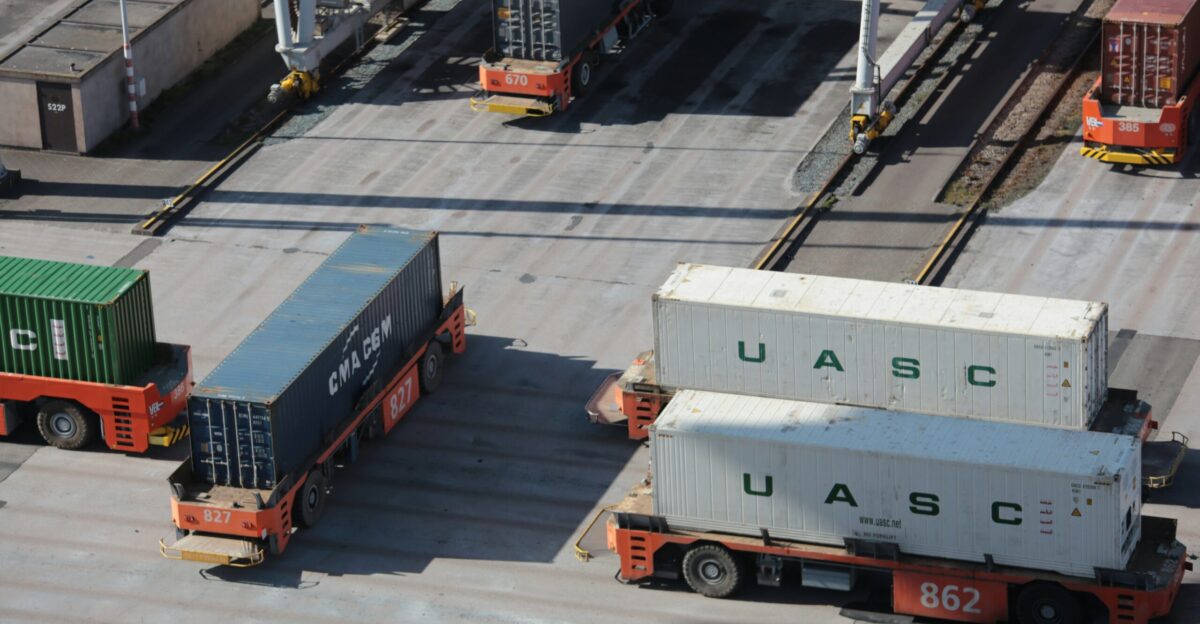
Xtreme Quality Logistics is not alone; Florida has been particularly hard-hit, witnessing the loss of several iconic carriers this year. Major players, including Carroll Fulmer Logistics and Davis Express Inc., have either shut their doors or filed for bankruptcy, plunging hundreds of workers into uncertainty.
A former driver from a collapsed company remarked, “I never thought I’d be looking for work at my age.” As supply chains quiver under the strain, the local economy feels the blow, creating ripple effects far beyond the transportation sector.
The Human Cost

The impact of these shutdowns goes beyond just numbers; they resonate deeply in communities. Thousands of drivers and their families face an uncertain future. Carroll Fulmer’s leadership provided employees with 60 days of pay and transition support during the closure, a small lifeline in a tumultuous situation.
“This isn’t just a job; it’s my livelihood,” a driver reflected on the loss. The shutdowns do not merely disrupt jobs; they jeopardize steady incomes and community stability, particularly in regions that depend heavily on transportation for economic vitality.
Competitors Adapt
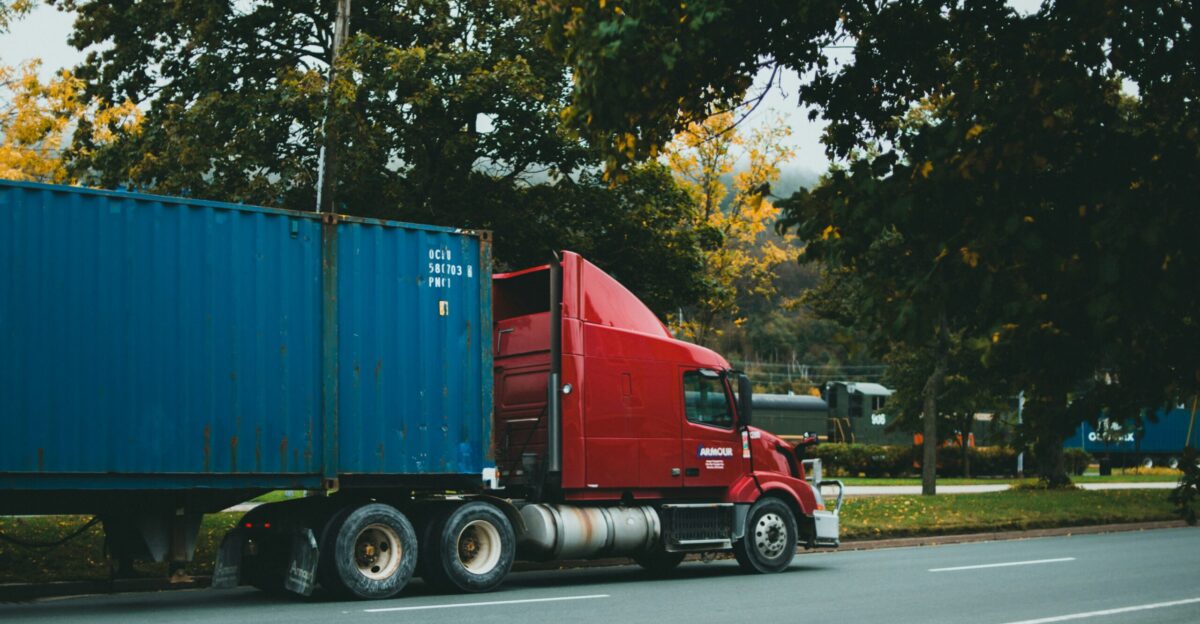
As the storm of bankruptcies sweeps through, competitors adapt dramatically. Larger fleets like Elite Carriers have also entered bankruptcy proceedings, citing unsustainable debt and limited contract opportunities. “We’re doing what we can; it feels like a last-ditch effort,” said a fleet manager looking for alternatives.
In response, many are pursuing consolidations or shifting their business models, attempting to weather the downturn while the market realigns. This trend of adapting to change might well define the next chapter of the freight industry, where agility and innovation become crucial for survival.
Economic Underpinnings
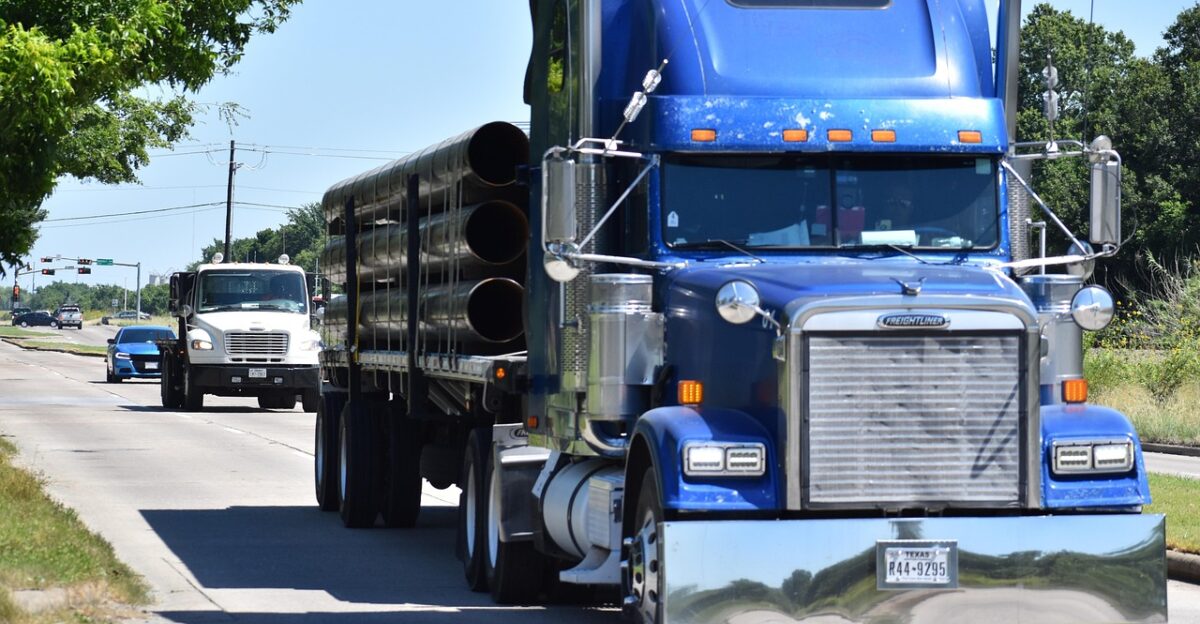
Economically, the trucking industry is in a precarious state, with spot rates stabilizing around $2 per mile as of early 2025, after two years of decline. However, the road to recovery remains unclear. “We’re treading water but still have a long way to go,” remarked an industry analyst.
Analysts predict only modest gains in the latter half of the year, emphasizing that the freight recession that took root in 2022 is far from over. The socioeconomic ramifications are vast, raising concerns over the sustainability of the supply chain as disruptions continue to unfold.
Collateral Damage
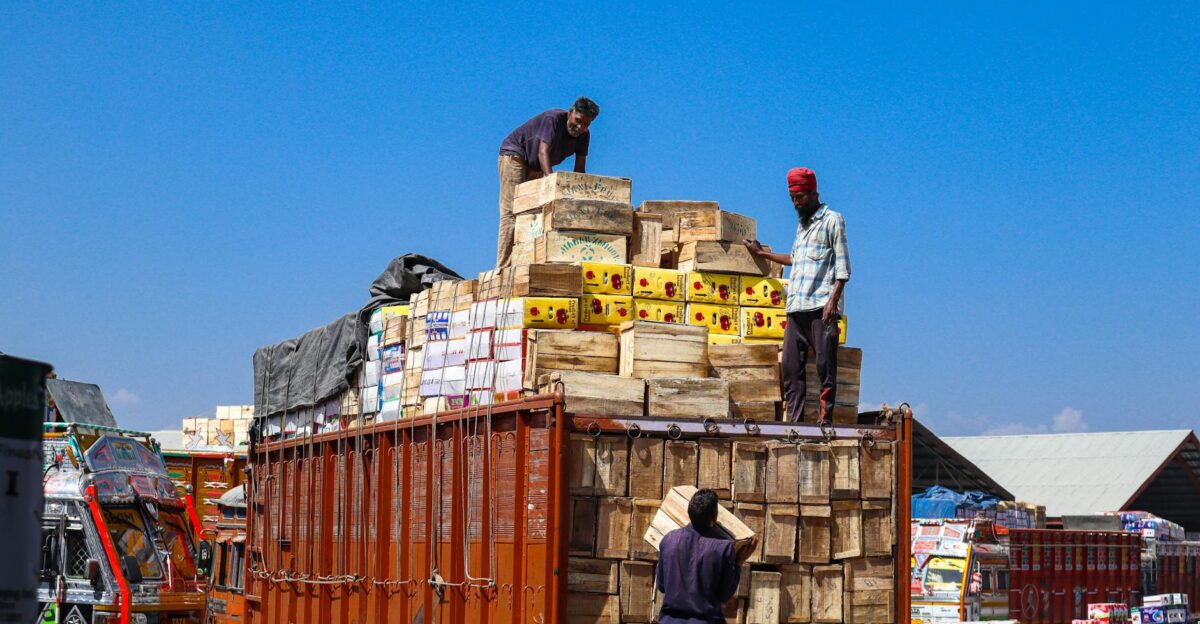
The fallout from the freight recession extends beyond just business saturation and closures; higher operating costs and tariffs have led to layoffs and abrupt shutdowns across the sector. In July, Deliver It, known for handling over 40,000 packages daily, ceased operations after filing for bankruptcy, leaving more than 700 workers jobless.
“It’s devastating; this was a decent job,” shared a former employee now facing uncertainty. Their sudden exit destabilizes employment and directly impacts last-mile delivery, leaving many customers in the lurch and highlighting the cascading consequences of industry failures.
Leadership Exhaustion

Amid the turmoil, many company leaders report feeling drained and overwhelmed. The founder of Davis Express decided to shut down, “choosing not to wait for a turnaround,” citing years of mounting uncertainty. “It was exhausting to fight a losing battle,” he shared.
The emotional toll becomes apparent as families behind long-standing carriers grapple with decisions about closure versus costly survival. The reality of this pain touches not just the business but family legacies, community ties, and the aspirations of many who built their lives in this volatile industry.
Shifting Control
Bankruptcy has prompted significant changes in corporate control and strategy across the industry. Xtreme Quality Logistics’ Subchapter V filing enables existing owners to reorganize rather than completely lose their hard-earned assets. “We’re hoping to salvage what we can,” remarked one of the owners fighting to retain some semblance of normalcy.
Meanwhile, creditors are cautiously optimistic about securing some unsecured distribution during restructuring. While the path forward may be steep, the collective hope for many lies in a successful recovery plan rather than complete dissolution.
Innovative Comebacks
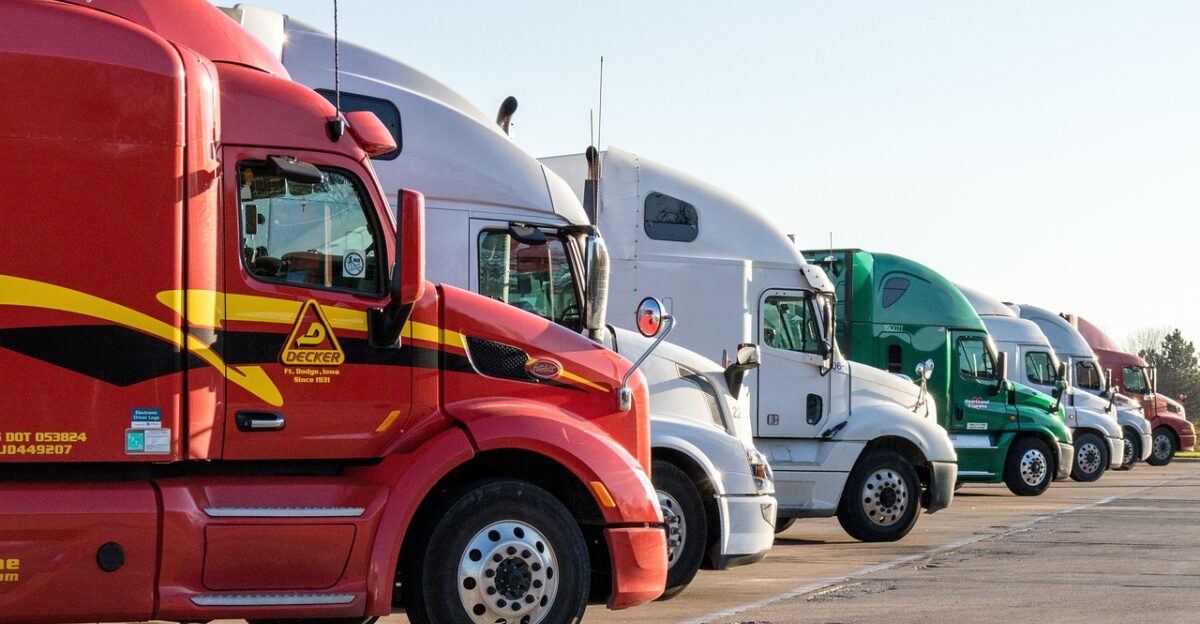
Some carriers emerging from bankruptcy leverage new technologies and strategies to pivot successfully. “We’re reevaluating everything,” explained a fleet owner who managed to navigate through restructure. By rightsizing fleets, streamlining logistics, and focusing on short-haul or intermodal shipments, these operators are chasing slim profits while waiting for a broader market recovery.
This new focus reflects an urgency to adapt to changing consumer behaviors and market conditions, ensuring that they survive and find sustainable ways to thrive in the challenging landscape.
Experts’ Caution

Despite some initiatives aiming for recovery, industry observers caution that the majority of trucking bankruptcies culminate in liquidation rather than revitalization. As attorney Stephanie Lieb pointed out, “Trucking cases traditionally don’t have a high success rate within bankruptcy.” With chronic demand weakness nagging at the industry, the barriers to successful restructuring loom large.
Experts recommend vigilance and strategic planning, as the myriad of challenges ahead could continue to disrupt the market, making the path back to profitability even more convoluted.
The Way Forward

The road to recovery looms long and challenging for many in the trucking industry. As the dust settles from the wave of bankruptcies, stakeholders remain hopeful for renewed demand and stability. “We’re all in this together,” emphasized a logistics coordinator actively seeking new partnerships.
Innovations in technology and approaches to supply chain management may hold the key to a sustainable turnaround. Alongside these adaptations, this period calls for collaboration across companies, agencies, and workers to forge a more resilient industry.
New Regulatory Landscapes

In light of the ongoing crisis, lawmakers and industry leaders are contemplating new regulations to address vulnerabilities within the trucking sector. “We need to be proactive, not reactive,” said a transport analyst. Proposed measures include enhanced safety regulations and revisions to tariff structures, aimed at stabilizing the marketplace.
While many advocate for reform, others warn that excessive regulation could stifle innovation further. The key challenge remains finding a balance that promotes stability while allowing industry participants the flexibility to adapt to changing market dynamics.
Voices from the Field

Listening to those impacted by this crisis offers an invaluable perspective. A longtime small carrier operator poignantly shared, “We’re not just numbers in reports. We’re people with families to feed.” This emphasizes the need for a human-centric approach in discussions surrounding solutions.
Workforce stability and job retention should be prioritized as critical components of the industry rebirth. By recognizing the personal stories behind the statistics, policymakers, consumers, and industry leaders can craft more effective strategies that aim for recovery and sustain livelihoods across communities.
Strength in Unity

In the face of adversity, some companies are exploring coalition-building strategies to weather the storm. “Alone we are vulnerable, but together… we can make a difference,” remarked a cooperative leader advocating for shared resources.
By pooling expertise and resources, smaller carriers hope to strengthen their market position, negotiate better contract terms, and collectively advocate for policy changes. This spirit of unity reflects a growing recognition that collaboration might be the best remedy for navigating the multifaceted challenges that currently define the freight landscape.
Future Prognosis

While the immediate crisis continues to unfold, experts remain divided on the long-term outlook for the trucking industry. Some are optimistic about potential rebounds tied to investments in technology and innovation, while others caution against overestimating recovery speed. “It’s going to be a long, hard climb back,” an industry consultant remarked.
Fidelity to strategic planning will be crucial for many businesses as they chart their paths. This prolonged adaptation period may ultimately lead to a more resilient industry prepared for future fluctuations in demand and operational challenges.
A New Dawn?
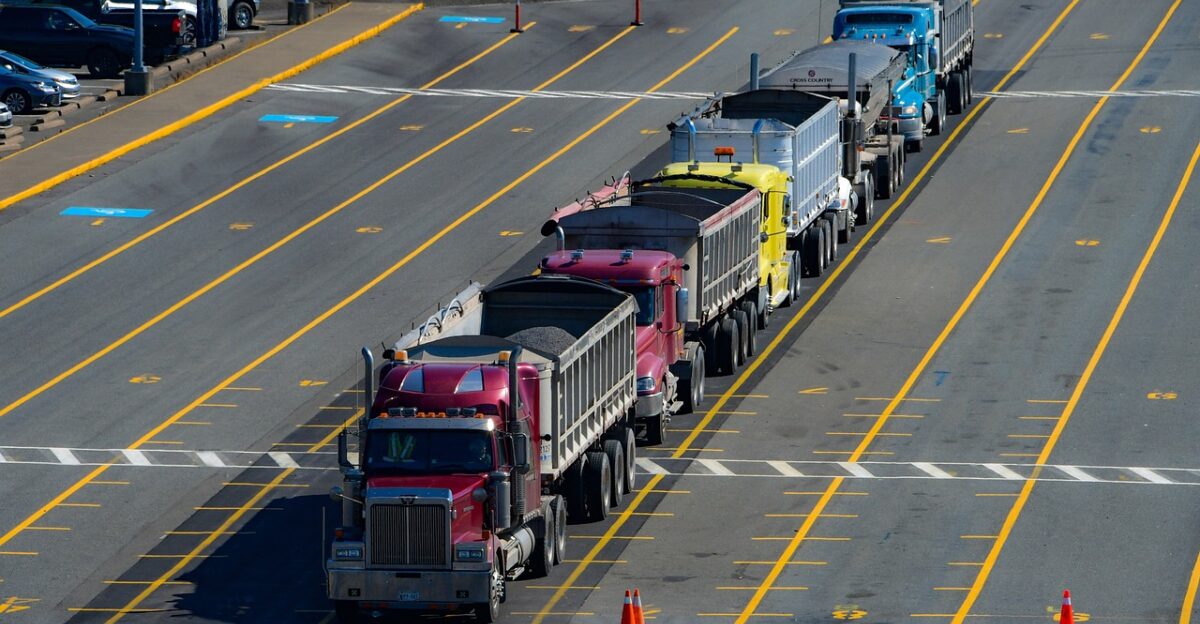
As the freight crisis deepens, the trucking industry stands at a crossroads. Amid extensive challenges and uncertainties, there also exists an opportunity for reformation and rejuvenation. “This is a moment to rethink everything,” said a forward-thinking leader in the logistics space.
Building a more resilient and adaptable framework requires ongoing conversations, innovative thinking, and a commitment to supporting the workforce. The journey toward recovery will be arduous, but for those willing to innovate and collaborate, a new dawn for the trucking industry may emerge someday.