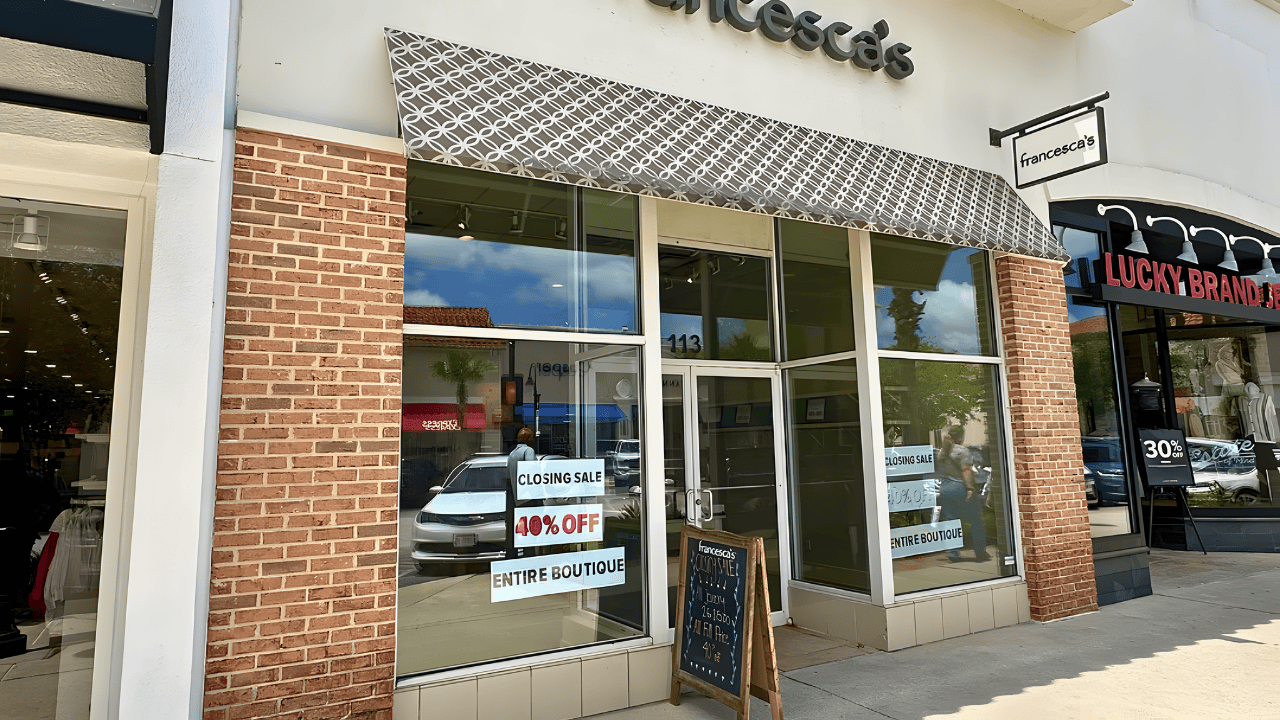
Francesca’s, the Houston-based women’s fashion brand founded in 1999, is making a rapid exit from the retail world in January 2026. The company has begun liquidating its inventory and has announced plans to close all of its retail locations after more than 25 years in operation, affecting employees and vendors nationwide.
A once-promising brand that thrived for decades is now in the process of winding down operations, leaving many locations, employees, and customers reeling.
The Downward Spiral: How It All Fell Apart
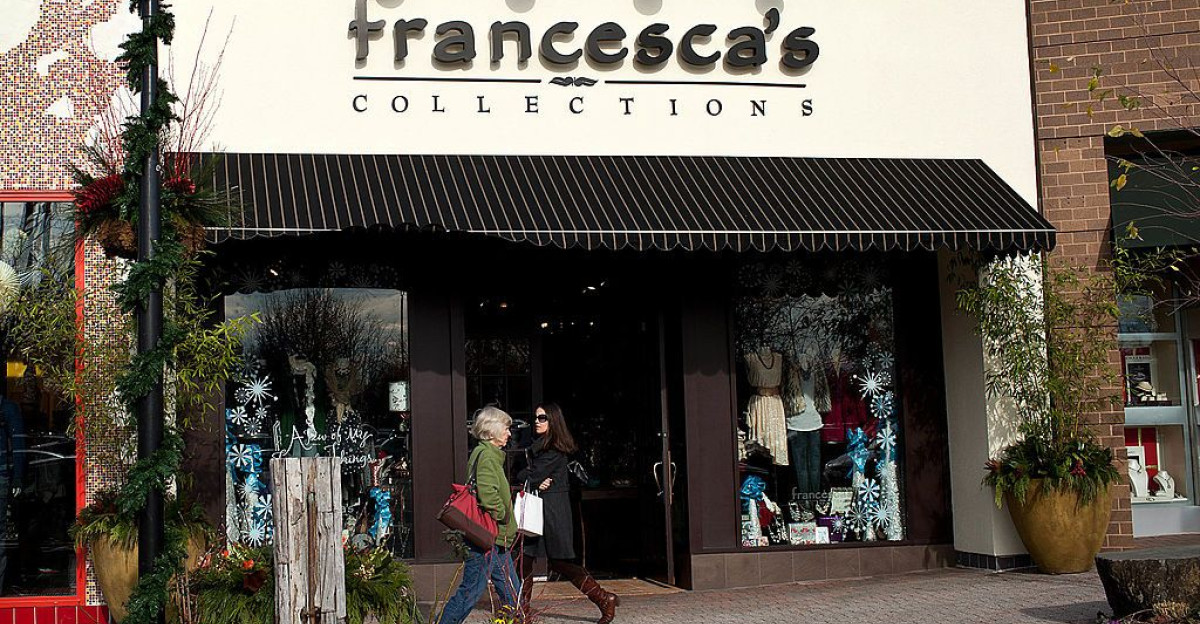
Francesca’s collapse accelerated after its lender issued a notice of default on January 8, 2026, which left the company with little room to maneuver. Attempts to secure fresh funding from investors did not produce a turnaround, and at least one vendor has suggested that some liquidation inventory may not have been fully paid for.
This rapid chain of events pushed the retailer toward an irreversible shutdown path, leading to liquidation sales across the U.S. and an announced plan to close all stores.
Workers in Shock: Layoffs With Little Warning
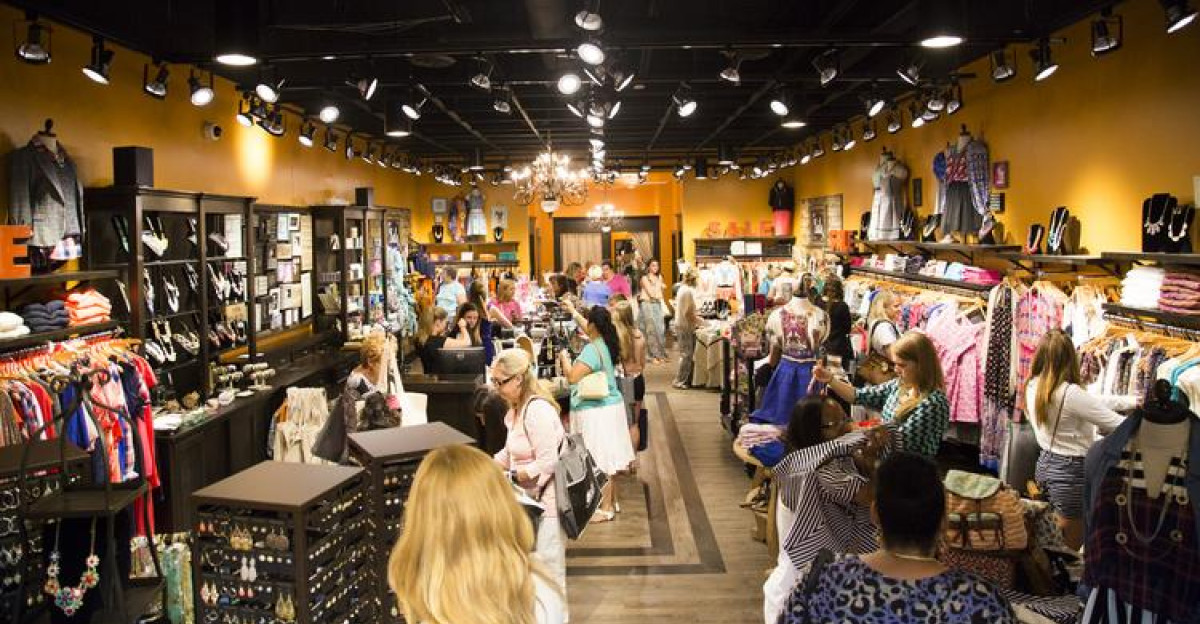
Reports indicate that many Francesca’s employees were blindsided by the speed of events and staffing cuts. A Women’s Wear Daily–cited source said the retailer’s merchants were “let go” on January 14 “with no warning,” and other accounts describe workers learning suddenly of store closures and liquidation plans.
The abrupt nature of these layoffs has prompted questions and concern about compliance with notice rules such as the WARN Act, although a WARN letter about the permanent cessation of operations has reportedly been issued and full legal assessments are still developing.
Vendors Left in the Dark: Massive Unpaid Invoices

At least one vendor has claimed that Francesca’s owes about $250 million in unpaid invoices and that there has been no correspondence from corporate regarding the debt.
This allegation, widely cited in industry coverage, highlights the scale of financial strain tied to the retailer’s collapse and suggests significant exposure for some of its suppliers. If borne out, such obligations could create ripple effects for businesses that relied heavily on Francesca’s orders.
Bankruptcy 2.0: A Failed Revival After 2020

Francesca’s filed for Chapter 11 bankruptcy protection in December 2020, closing roughly 140 stores during that process. In January 2021, the brand’s assets were sold to private investment firms (through Francesca’s Acquisition LLC) for about $18 million in cash plus assumed debt, in a deal aimed at keeping more than 400 of its remaining locations open.
Despite efforts under new ownership—including new concepts such as Franki by Francesca’s and merchandising strategies—the business ultimately remained vulnerable and is now headed for full liquidation in 2026.
A Shaky Middle Market: The Retail Squeeze
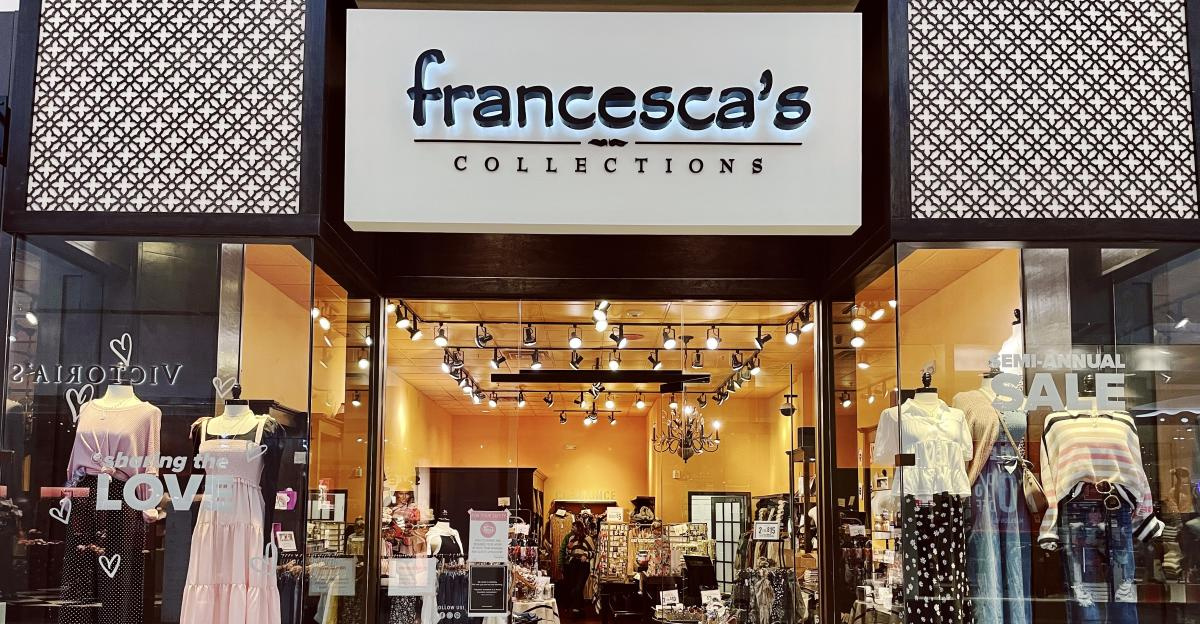
Francesca’s operated in a challenging middle-market space: more expensive than many fast-fashion competitors but not positioned as a true high-end luxury brand.
Analysts and commentators have noted that mall-based specialty retailers in this segment have struggled as consumer expectations and price sensitivity shifted, especially after the pandemic. This structural pressure made it harder for Francesca’s to maintain traffic and margins, contributing to its current troubles.
The COVID Impact: How the Pandemic Changed Retail

The COVID-19 pandemic dealt a serious blow to Francesca’s, which relied heavily on mall traffic and in-person browsing.
Temporary store closures, supply chain disruptions, and a shift in consumer priorities toward e-commerce and casual or athleisure wear weakened its traditional boutique model. Even after emerging from bankruptcy, the company struggled to fully recover from these pressures.
Supply Chain Strain: Vendors Under Pressure

With one vendor alleging $250 million in unpaid invoices and others suggesting that liquidation involves inventory that has not been paid for, Francesca’s suppliers are facing uncertainty. Smaller vendors that depended heavily on the chain may be particularly exposed to delayed or unpaid bills.
This situation underscores how a major retailer’s failure can stress parts of the broader apparel supply network, even though the full impact on each vendor is not yet fully documented.
Malls Hit Again: Loss of a Popular Tenant
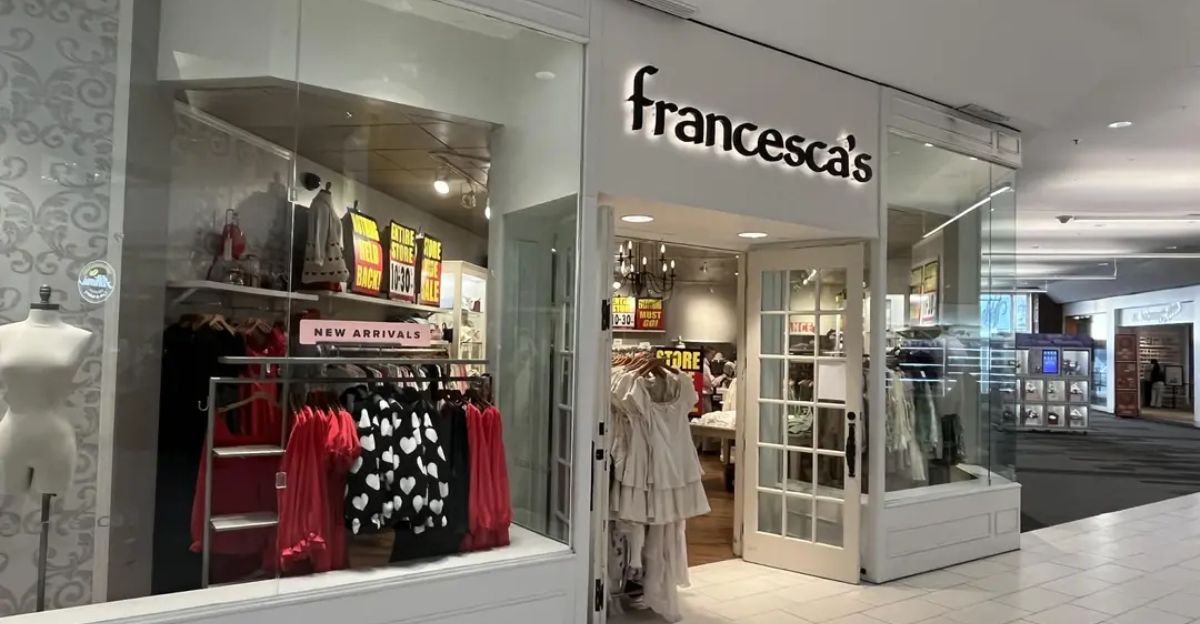
Francesca’s operated hundreds of boutique stores, many in shopping malls and lifestyle centers across the U.S. As these locations liquidate and ultimately close, landlords lose a recognizable specialty tenant and the associated customer traffic.
While Francesca’s was not typically a traditional “anchor” on the scale of a department store, its departure still adds to existing vacancy and re-leasing challenges in many centers.
Changing Consumer Habits: E-Commerce First

The continued shift toward online shopping, direct-to-consumer brands, and subscription or resale models has reshaped fashion retail.
Francesca’s, which built its brand around in-store discovery and impulse buying, struggled to fully adapt its business model to an e-commerce–dominant environment. This lag in digital evolution left it at a disadvantage compared with more agile or online-native competitors.
Environmental Concerns: Fashion and Waste
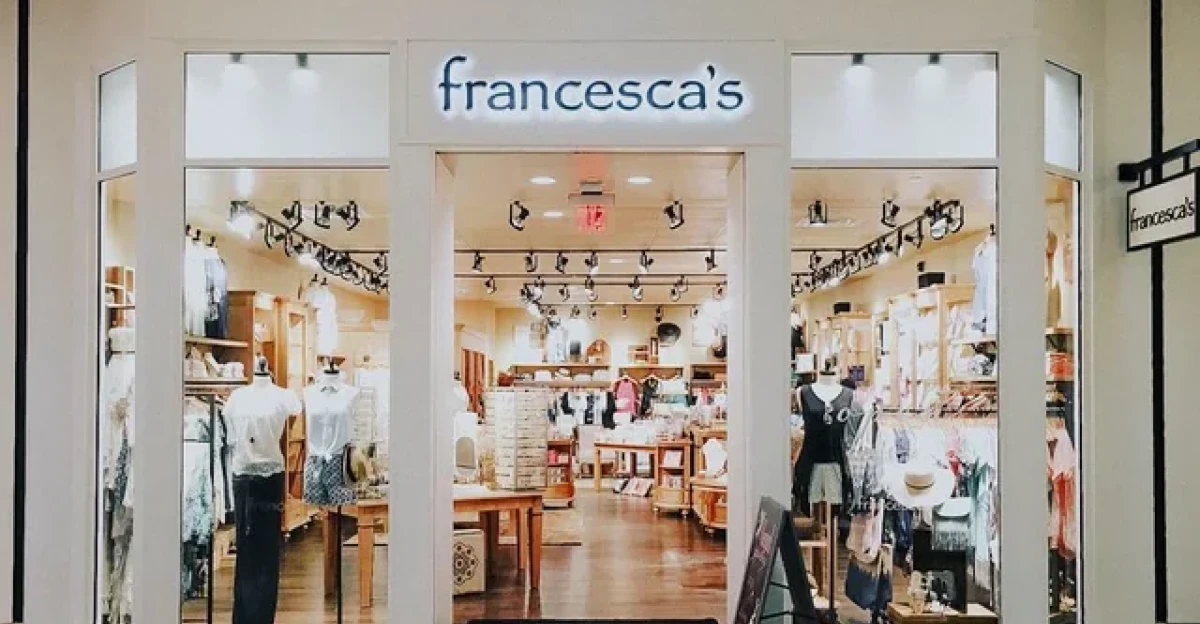
Francesca’s liquidation raises broader questions that experts often discuss about fashion overproduction and waste, especially when large volumes of merchandise are pushed into clearance channels at once.
Fast-moving fashion cycles and excess inventory can contribute to textile waste and environmental impacts when items go unsold or are rapidly discounted into secondary markets. While detailed data on Francesca’s specific environmental footprint are not yet available, its collapse fits into a wider conversation about sustainability challenges in apparel.
Shifting Aesthetics: Beyond Boho-Chic
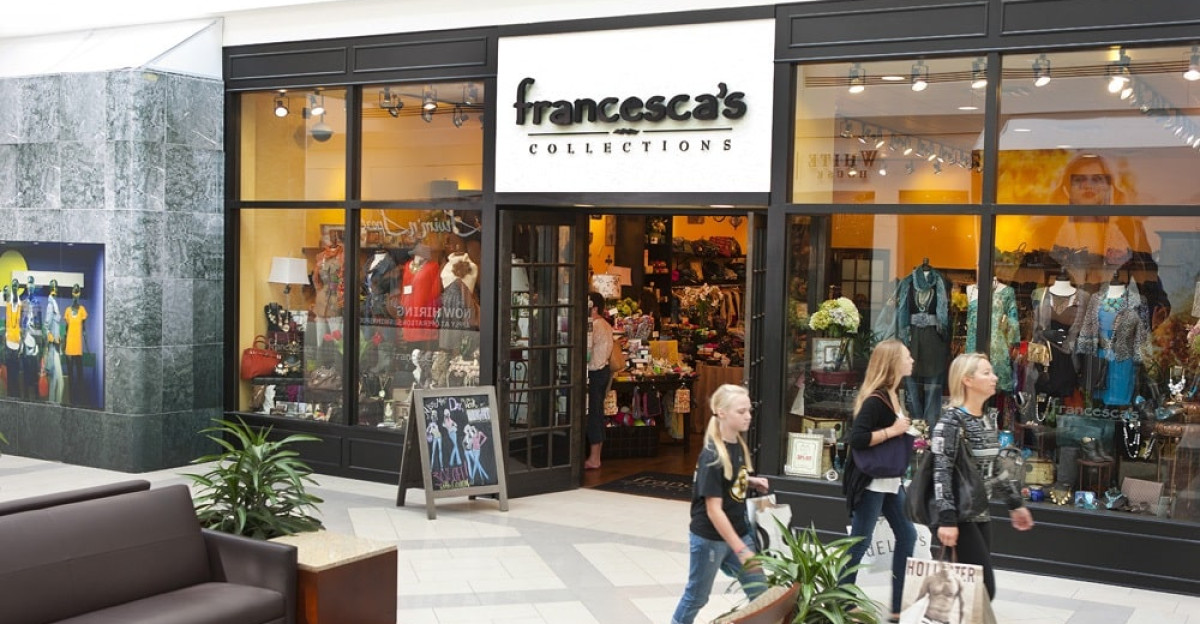
Francesca’s became known for a boho-chic, boutique-style aesthetic that resonated strongly in the 2000s and 2010s. In recent years, many consumers have gravitated toward minimalist styles, athleisure, and curated vintage or resale finds, trends that have diversified the fashion landscape.
As competition intensified and tastes evolved, Francesca’s distinctive look seemed less singular in the market, and the company struggled to reposition itself.
The Resale Boom: Thrift and Platforms Grow

The growth of resale and thrift platforms such as Poshmark, Depop, and others has given consumers more options for discounted and secondhand fashion.
Liquidation events like Francesca’s closing can add inventory to these channels as resellers and bargain hunters purchase excess stock. This trend reflects a broader shift toward more circular consumption patterns, even if the precise effect of Francesca’s closure on specific platforms has not yet been quantified.
Consumer Warning: Returns, Gift Cards, and Final Sales

Francesca’s website states that all sales made as of January 14, 2026, are final and that purchases made before that date can be returned only within a limited window. Shoppers holding gift cards or planning returns face tighter timelines and the risk of reduced options as stores liquidate and close.
Consumers are advised by regulators and consumer advocates in similar retail situations to act quickly, monitor company announcements, and keep receipts and documentation when dealing with retailers in liquidation.
What Francesca’s Tells Us About Retail’s Future
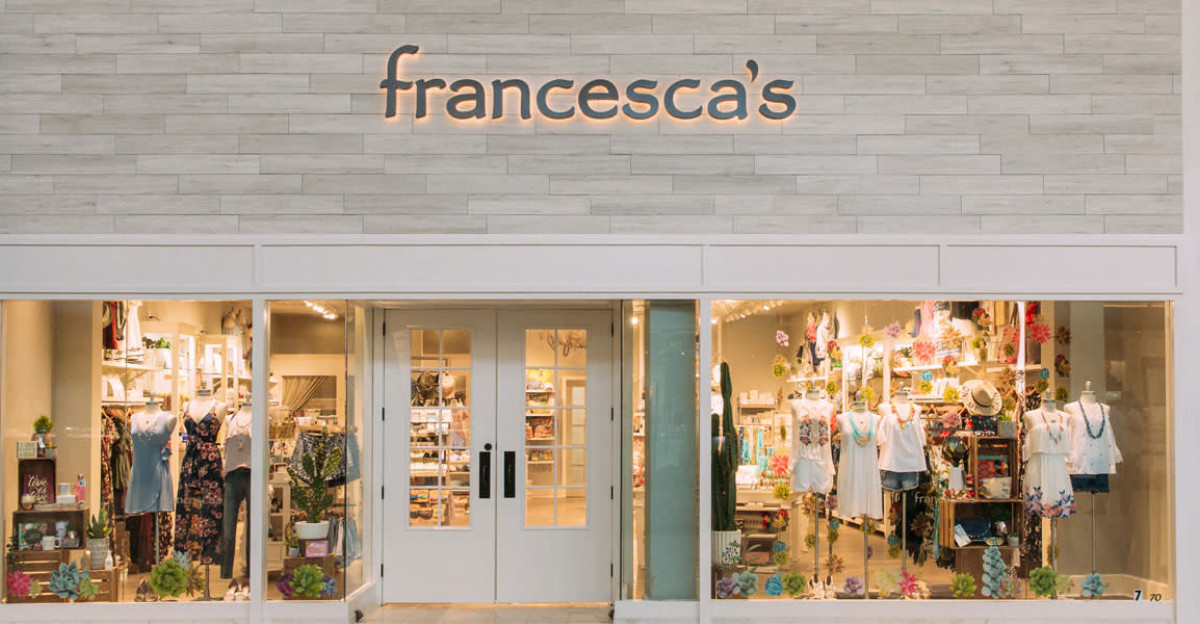
Francesca’s rapid transition from pandemic-era bankruptcy to full liquidation in 2026 illustrates how vulnerable traditional, mall-based specialty retailers can be to changes in consumer habits, financing conditions, and competition from e-commerce and resale.
The case underscores the importance of flexible business models, strong balance sheets, and investment in digital and omnichannel capabilities for retailers facing a shifting landscape. As more companies navigate similar pressures, the speed and effectiveness with which they adapt will help determine who survives in the next phase of retail.
Sources:
“Francesca’s to permanently close.” Retail Dive, 22 Jan 2026.
“Francesca’s allegedly fires workers without warning as women’s clothing retailer shuts down for good.” Fox Business, 20 Jan 2026.
“francesca’s® Files Voluntary Chapter 11 to Implement Sale.” U.S. Securities and Exchange Commission (SEC Filing, Exhibit 99.1), 3 Dec 2020.