
Federal agents watching from a Manhattan rooftop caught Sean “Diddy” Combs on video in the days before his arrest, pacing inside a hotel room, visibly upset. That footage, originally never meant for the public, has now become the centerpiece of a controversial Netflix documentary. What began as a secret surveillance moment has exploded into one of the most talked-about stories in entertainment and law enforcement, drawing attention not only to Combs’ case but also to how modern celebrities’ private lives blur into public drama.
The Netflix series takes viewers behind the scenes of the hip-hop mogul’s downfall. It mixes newly surfaced clips with scenes recorded by Combs over the years, showing his rise, his empire, and the moments when it all began to crumble. But the show’s use of his privately recorded footage, reportedly obtained without his approval, has sparked intense debate about consent, privacy, and ethics in documentary filmmaking.
Building and Losing an Empire
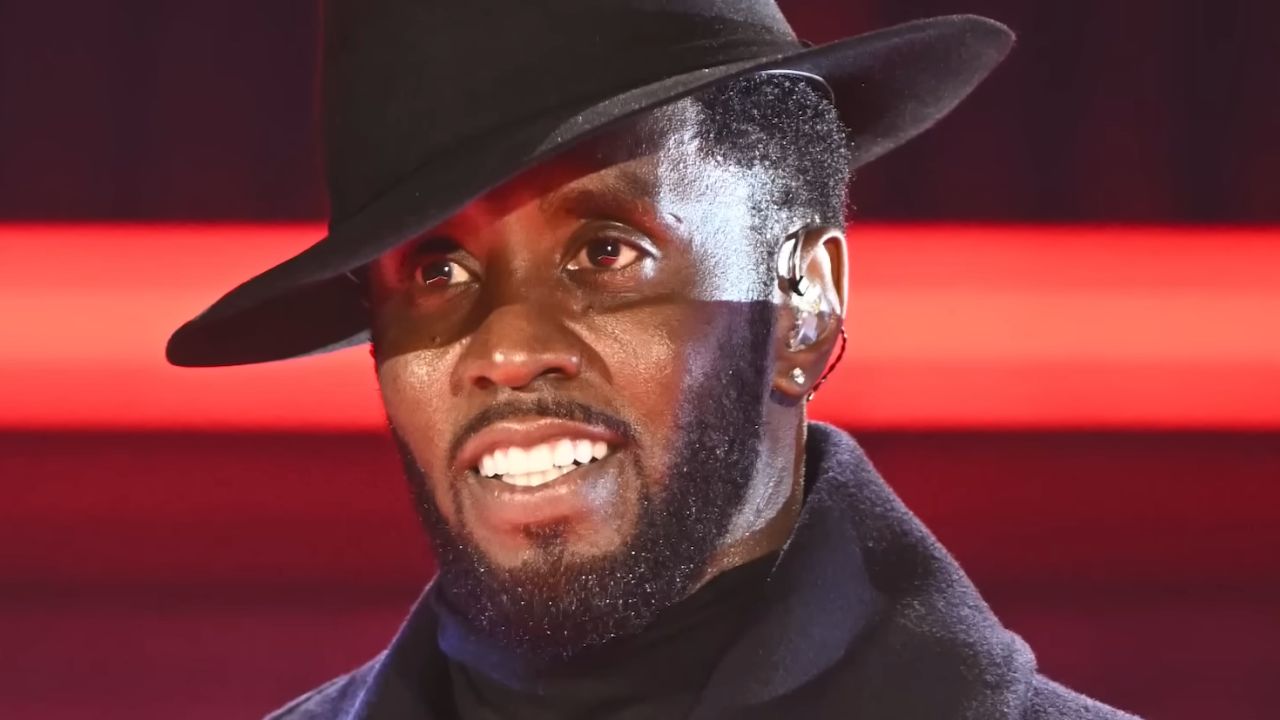
Sean Combs began documenting his life at just 19 years old. For decades, he recorded nearly everything, studio sessions, late-night meetings, parties, and hotel stays, amassing thousands of hours of behind-the-scenes footage. This self-archiving was meant to build his legacy as a hip-hop pioneer and entrepreneur. Through his label, Bad Boy Entertainment, Combs helped shape the sound of 1990s New York and rose to international fame, despite the violent tensions between East and West Coast rap scenes.
Now, that same footage has been repurposed in ways Combs never intended. Netflix’s documentary uses parts of his private archives to explore not just his musical empire but also the controversies that followed him. Key moments include the 1991 City College concert stampede where nine people died, an early tragedy that foreshadowed questions around his leadership and accountability. What was once meant to celebrate Combs’ achievements has instead become evidence in a larger story about power, control, and consequence.
The Arrest and Disputed Footage

In September 2024, federal agents arrested Combs in Manhattan on charges of sex trafficking and racketeering. While a New York jury later cleared him of those major charges, he was found guilty of two lesser counts of transporting individuals for prostitution and sentenced to 50 months in prison. He remains incarcerated, with a scheduled release in June 2028. Since the trial, Combs has not publicly addressed the Netflix project, which began streaming after his conviction.
The footage that caused the biggest controversy shows Combs inside his hotel room during the week of his arrest, visibly angry and shouting while federal agents watched from nearby. According to his longtime videographer, Michael Oberlies, the footage was recorded as part of a separate project and later leaked without his permission. Oberlies said he hired a temporary freelancer while he was away, and that individual allegedly accessed and sold the clips used in the Netflix production. He insists that neither Combs nor Netflix had approved their release, calling it a serious breach of trust and privacy.
Netflix, however, maintains that all material was obtained legally. Director Alexandria Stapleton said her team reached out to Combs’ representatives multiple times but never received a response. Still, the questions surrounding how the footage surfaced, and whether it was appropriately licensed, remain unsettled.
Fallout, Rivalries, and the Larger Debate

Adding another layer of intrigue, rapper Curtis “50 Cent” Jackson served as an executive producer on the Netflix series. Jackson, a longtime public rival of Combs, has drawn criticism from Combs’ supporters, who accuse the project of being biased and vindictive. Netflix responded by clarifying that Jackson had no creative say in the editing or final direction of the show. Still, the tension between the two stars fuels public fascination.
Combs’ legal team has since sent Netflix a cease-and-desist letter, arguing that the series includes private attorney conversations and confidential footage. His mother, Janice Combs, publicly defended her son, rejecting the abuse allegations featured in the series. The dispute now extends beyond personal reputation, it raises broader issues about ownership and responsibility in the streaming era. Media experts warn that this case could influence how platforms like Netflix handle personal archives, especially when they involve sensitive or disputed material.
Despite the backlash, the series continues to trend worldwide, reaching nearly 190 countries. Critics accuse Netflix of exploiting tragedy and speculation for views, especially by linking Combs to the unsolved murders of Tupac Shakur and the Notorious B.I.G., connections never proven in court. If lawsuits over the footage move forward, they could force changes to the series or even lead to significant payouts. No matter how the legal battles unfold, the controversy underscores a deeper truth: in today’s digital world, the line between personal documentation and public exposure has never been thinner.
Sources:
Deadline, Diddy “Still Pondering” Suing Netflix Over ‘Reckoning’ Series, 2025-12-30
USA Today, Diddy’s videographer clears his name amid turmoil over Netflix doc, 2025-12-11
Rolling Stone, Sean ‘Diddy’ Combs’ Videographer Breaks Silence on 50 Cent Doc, 2025-12-10
NPR, Sean Combs sentenced to over four years in prison for prostitution-related charges, 2025-10-03
BBC News, Netflix hits back at Diddy’s criticism of ‘shameful’ documentary, 2025-12-02