
By late summer 2025, recall alerts stacked up faster than owners could clear them. NHTSA filings out of Washington, D.C., logged Ford campaign after Ford campaign—sometimes multiple in a single week. By Q3, those filings covered more than 9 million vehicles year-to-date, according to BizzyCar.
Backup cameras, fuel systems, brakes, software—defects spanned the lineup. America’s best-selling automaker had become the nation’s most active recall filer, mid-year, with no slowdown in sight.
Escalating Volume
Recall activity accelerated sharply by Q3 2025. Automakers issued 96 recall campaigns covering 8.5 million vehicles in the quarter, a 16% jump from Q2. Ford alone accounted for 24 recalls affecting about 5 million vehicles—roughly 60% of the quarter’s total.
Defects hit critical safety systems, including back-over prevention across models like the F-150 and Explorer. As filings mounted, NHTSA tracked each action in real time. One company clearly pulled ahead of the pack.
Historical Context
Modern recalls trace back to 1966, when Congress created NHTSA under 49 U.S.C. Chapter 301, requiring automakers to fix safety defects. For years, General Motors’ 2014 ignition-switch crisis held the recall record at 77–78 campaigns.
Ford, despite being America’s top-selling brand, historically averaged far fewer recalls annually. That norm collapsed in 2025, as filings from Dearborn surged past any previous benchmark, rewriting recall history in a single calendar year.
Mounting Pressures
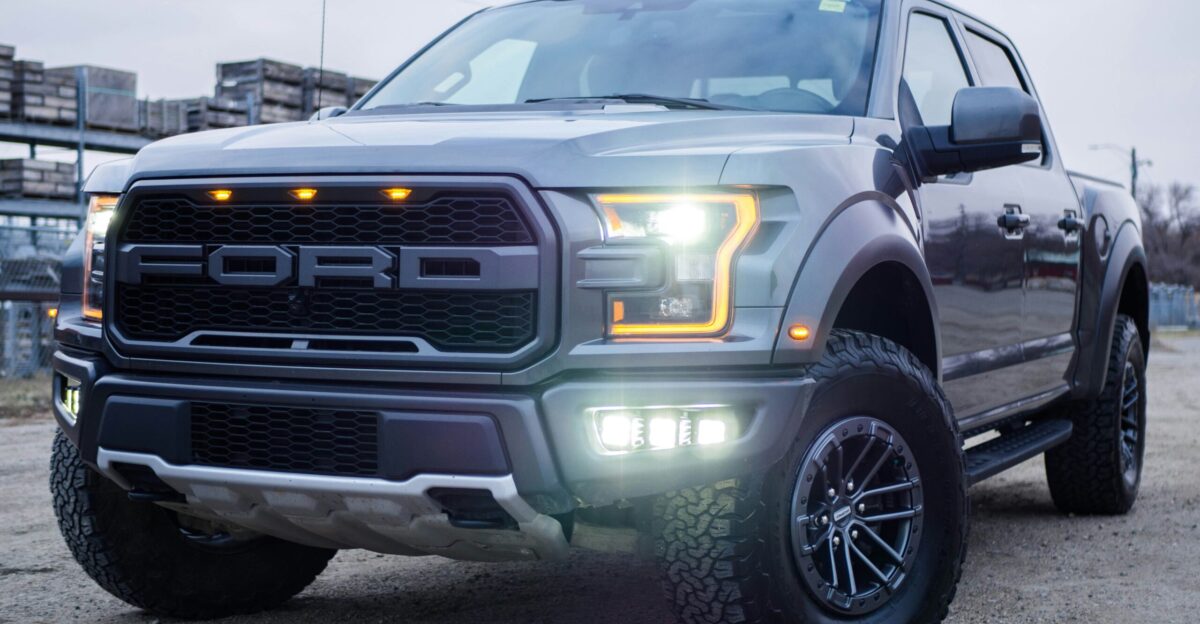
The auto industry’s complexity has exploded. EVs, hybrids, advanced driver-assistance systems, and over-the-air software all strain traditional quality controls. Post-2020 supply chain disruptions compounded the challenge, while NHTSA pushed for faster defect reporting.
Ford’s expanding lineup—from Mustang Mach-E to F-150 Lightning—faced both software glitches and hardware flaws. Warranty costs climbed through 2023–2024, putting pressure on CEO Jim Farley’s leadership team in Detroit as recall risk steadily intensified.
Shattering the Record
In 2025, Ford issued 152 NHTSA safety recalls, the most ever by any automaker in a single year. The figure nearly doubled GM’s 2014 record, a mark that stood for over a decade.
Filed through NHTSA in Washington, D.C., the campaigns affected millions of U.S. vehicles for issues ranging from camera failures to powertrain risks. Ford described the surge as a proactive “find and fix” strategy under COO Kumar Galhotra—but the scale was unprecedented.
Regional Impacts
The recalls touched every corner of the country. In Q3 alone, 5 million Ford vehicles were recalled nationwide, including 1.46 million for rearview camera failures concentrated in high-population states like Texas and California.
Trucks such as the F-250 and SUVs like the Explorer faced back-over risks that violated FMVSS 111. NHTSA oversaw remedies, all offered free at dealerships, but urban drivers—where tight parking is common—felt the urgency most.
The Human Toll
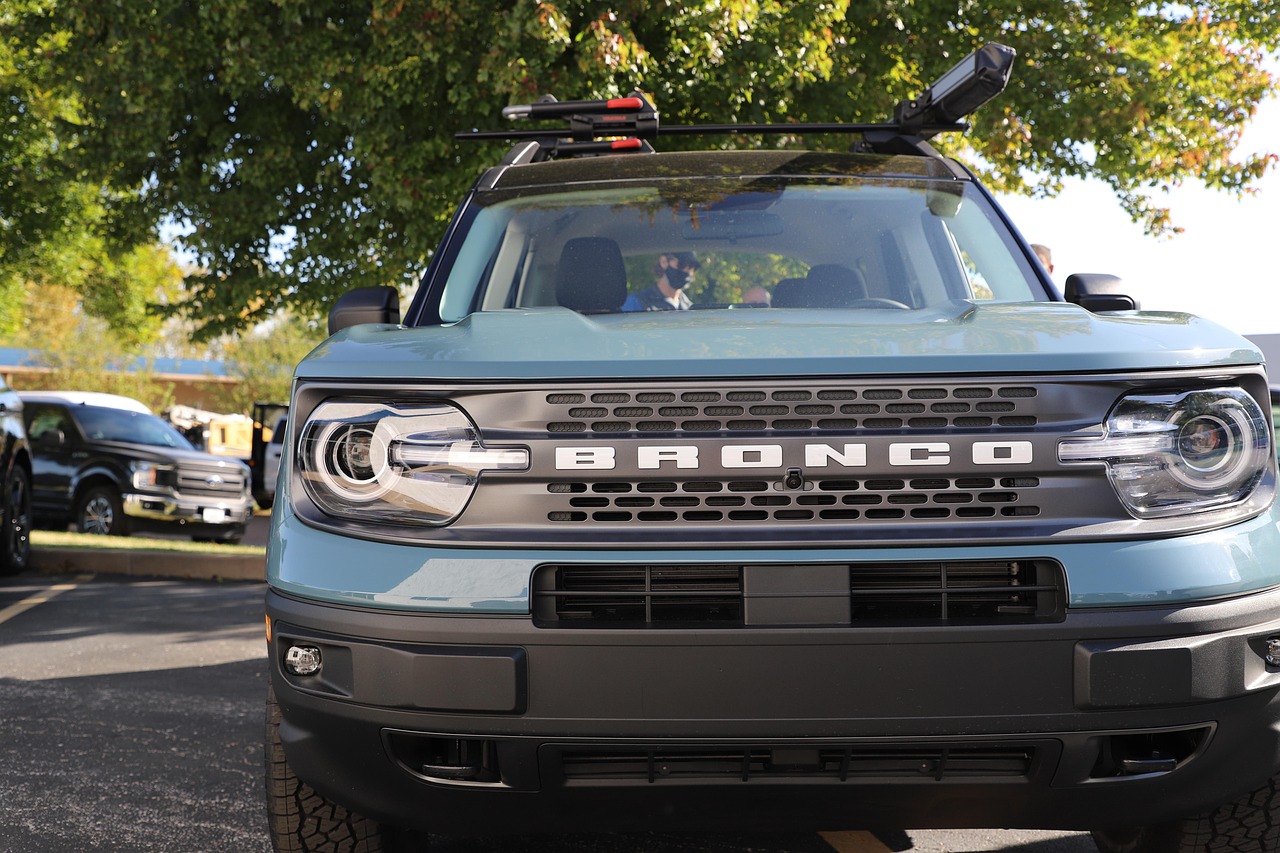
Behind the numbers were everyday drivers. 850,318 Broncos and Explorers were recalled for failing fuel pumps that could cause engine stalls at highway speeds. NHTSA filings warned of “engine stall while driving,” a serious safety risk for families and commuters.
While no crashes were reported in early submissions, owners across the Midwest and Michigan voiced frustration online as they waited weeks or months for parts. For many households, safety uncertainty replaced routine driving.
Competitor Contrast

Ford’s recall volume dwarfed its rivals. In Q3, Stellantis recalled about 802,000 vehicles and Toyota roughly 686,000, while GM managed just 48,000, far from its 2014 peak.
Over the full year, Stellantis ranked second with 53 recalls, compared with Ford’s 152. Regulators scrutinized supply chains and EV programs, where Ford’s aggressive electrification push drew extra attention. The imbalance gave competitors a short-term reputational edge with cautious buyers.
Macro Trends
Across the industry, 18.9 million vehicles were recalled year-to-date in 2025, with 87% citing crash risk. About 16% of fixes were completed via over-the-air updates, reducing dealer visits.
Ford benefited from OTA capability, but many defects—brake hoses, cameras, fuel components—required physical repairs. Since 2022, NHTSA data shows recall growth tracking vehicle complexity, especially as electrification and software integration accelerate across model lines.
Fire Risks
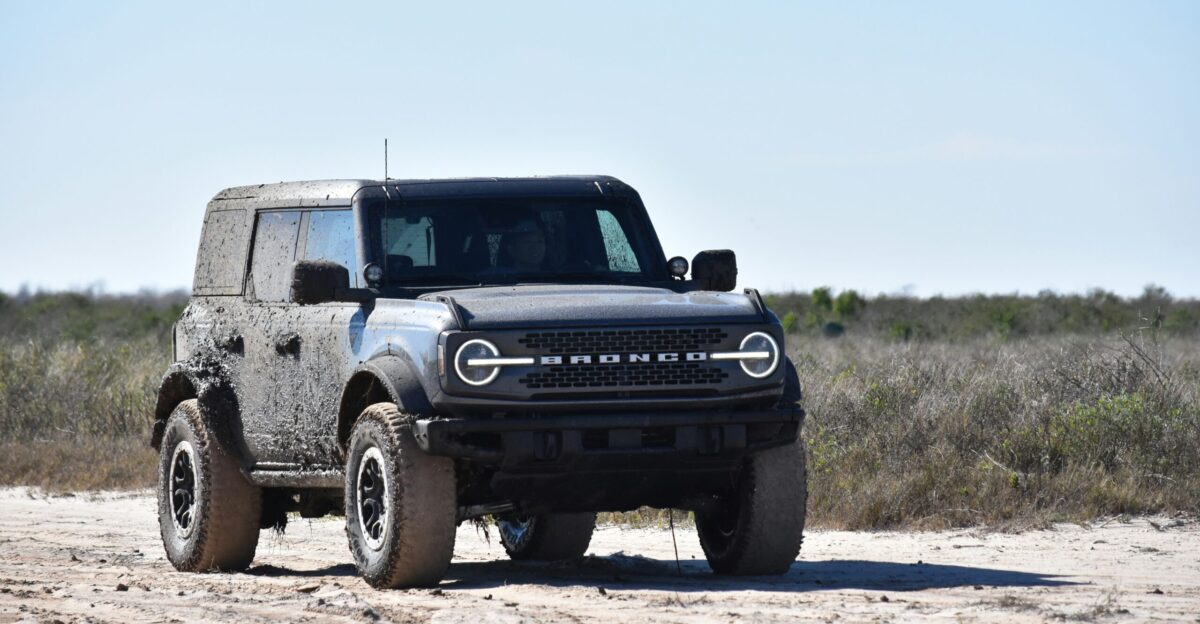
Some recalls carried heightened urgency. Ford issued “Park Outside” advisories for 4,632 vehicles due to potential engine-fire risks. Separately, 694,000 Broncos were recalled for leaking fuel injectors that could ignite.
These 2025 NHTSA filings reframed recalls from inconvenience to immediate hazard. For owners nationwide, the guidance changed daily routines—where to park, when to drive—underscoring how safety campaigns can quickly spill into everyday life.
Stakeholder Frustration
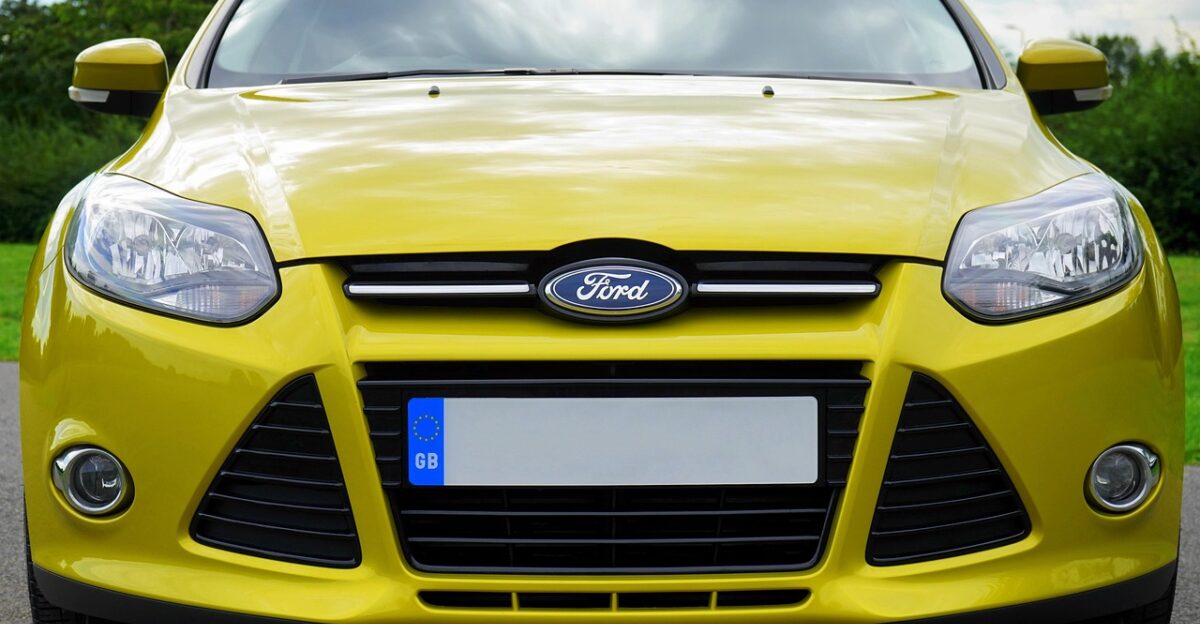
Dealers faced unprecedented workloads coordinating repairs, parts, and customer communications. NHTSA has historically fined automakers for delayed fixes, raising pressure to move quickly. Consumers flooded forums questioning Ford’s quality reputation.
Internally, Ford had already tied executive compensation to quality metrics in 2024. That year, executives achieved a 69% business performance factor, weighed down largely by warranty and recall challenges. Production speed and quality audits increasingly collided on factory floors.
Leadership Response
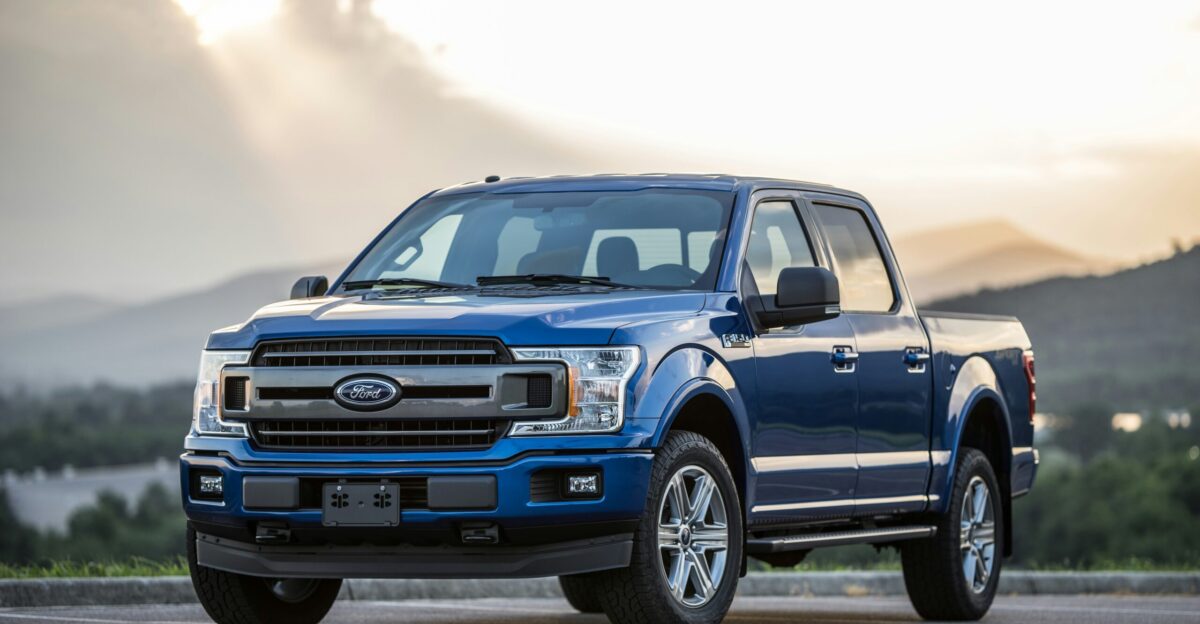
CEO Jim Farley made quality a central priority after 2024 setbacks. Ford more than doubled its safety and technical expert team over two years, adding engineers focused on defect detection.
COO Kumar Galhotra expanded “testing to failure” programs on powertrains, steering, and braking systems, particularly in Michigan facilities. While ownership and brand strategy stayed intact, internal processes shifted toward earlier intervention—especially for high-volume models like the F-150.
Comeback Strategy

Ford leaned heavily into prevention and faster remediation. Enhanced software validation and OTA capabilities addressed issues in 1,359,442 vehicles recalled in Q3.
Dealer networks received improved diagnostic tools to shorten repair times, reframing recalls as customer-engagement moments rather than crises. Safety and technical teams doubled in size since 2023, targeting recurring problem areas like brakes and steering. Ford reported early improvements in initial quality metrics for 2025 model-year vehicles.
Expert Skepticism

Analysts caution that better 2025 model-year quality doesn’t erase legacy issues. Much of the 152-recall total reflects defects in earlier production years now being uncovered.
BizzyCar expects volatility to continue into 2026 as EV complexity exposes latent problems. NHTSA maintains close oversight in Washington, D.C. Ford insists progress is real, but credibility hinges on sustained declines in recalls—and on warranty cost trends that reveal whether fixes truly stick.
Future Outlook
The key question is durability. Can Ford maintain quality gains as EV and hybrid sales rise? NHTSA investigations remain active, and owners increasingly check recalls by VIN before buying or selling.
Ford’s strategy signals long-term investment rather than short-term damage control, but trust rebuilds slowly after a record year. The post-2025 landscape will test whether systemic changes can outpace the growing complexity of modern vehicles.
Policy Pushback
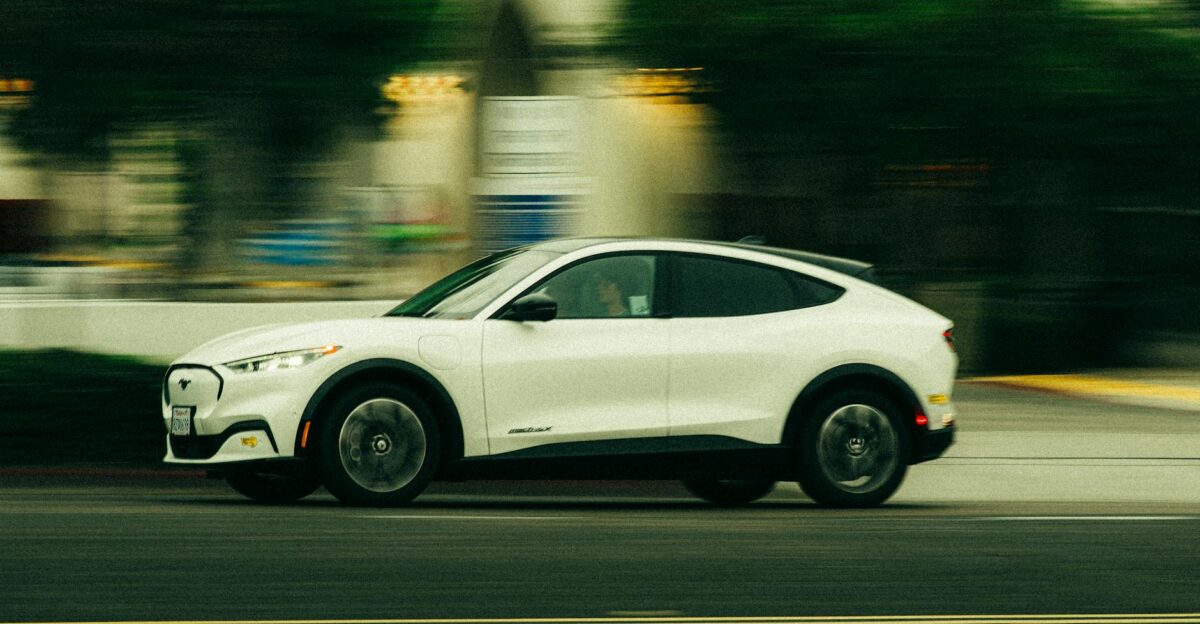
Record recall volumes have drawn congressional attention. Lawmakers monitor NHTSA funding as 49 U.S.C. §30118 mandates timely defect notifications.
Ford’s filings stress the agency’s enforcement capacity, prompting bipartisan discussion around auto-safety penalties and reporting standards. As recalls rise industry-wide, policymakers weigh whether existing frameworks—designed decades ago—can effectively oversee software-defined, electrified vehicles now dominating new-car sales.
Global Ripples
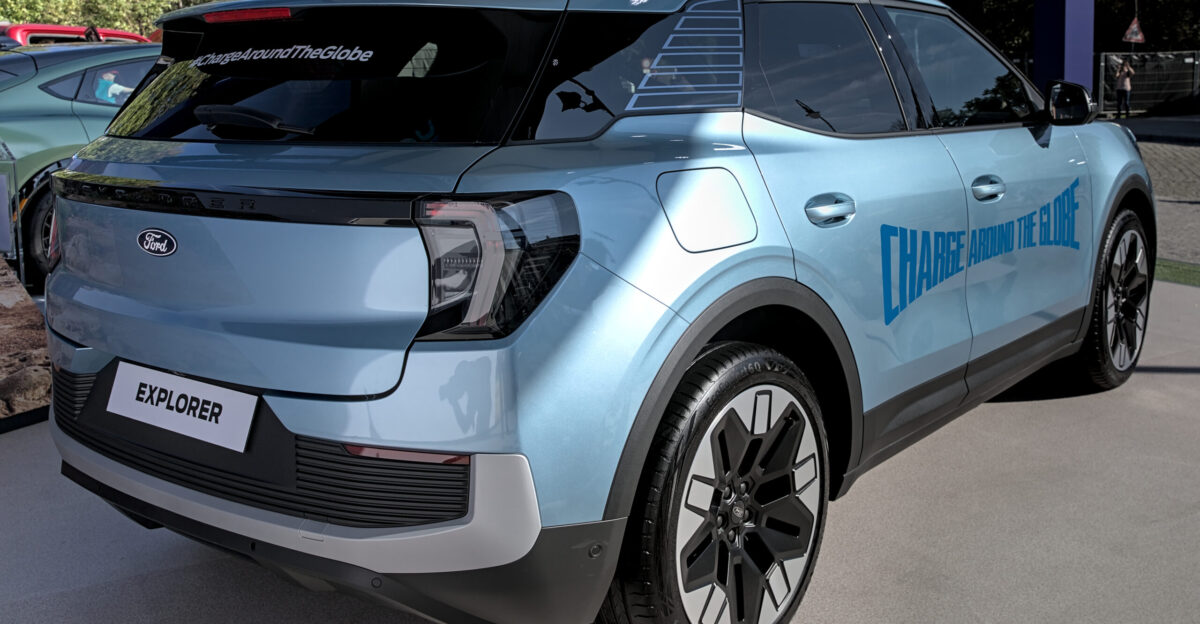
U.S. recalls rarely stop at the border. Ford’s actions triggered parallel campaigns in Canada and Europe, including for the Mustang Mach-E. Suppliers providing cameras, fuel pumps, and electronic modules faced intensified global scrutiny.
Issues traced to a single component echoed across markets, complicating logistics and compliance. What began as filings in Washington reverberated through Ford’s worldwide operations, from Detroit engineering teams to overseas assembly plants.
Legal Angles
Large-scale recalls carry legal risk. Class actions may emerge if defects go unrepaired, while NHTSA penalties can reach $27,168 per violation.
At the same time, there’s a silver lining: OTA updates reduce dealership visits, cutting emissions associated with millions of service trips. As recalls increasingly involve software, regulators and courts must balance accountability with the environmental and safety benefits of remote fixes.
Cultural Shift
Consumer behavior is changing. Gen Z buyers scrutinize reliability data and follow recall coverage closely, especially for EVs. Social media amplifies every defect notice, fueling “recall fatigue” and skepticism toward legacy brands.
Transparency has become a competitive necessity, not a courtesy. For Ford, communicating clearly—and often—matters as much as engineering fixes in shaping how younger buyers perceive the Blue Oval.
Why It Matters
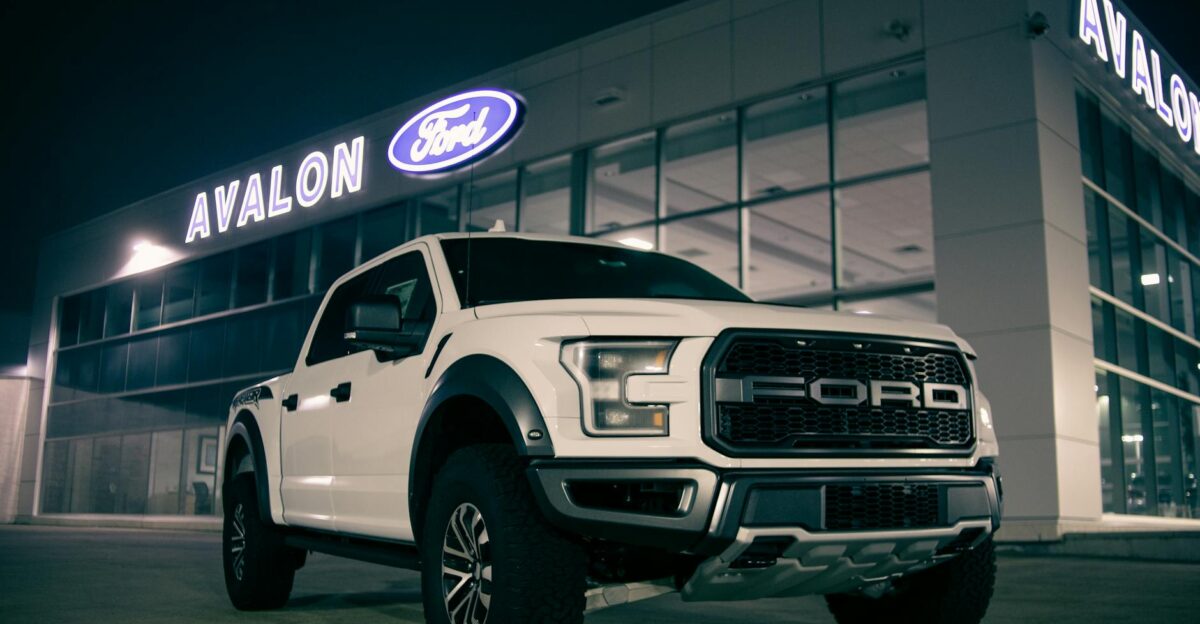
Ford’s 152 recalls in 2025 mark a turning point for the auto industry. The record underscores a technology reckoning: rapid innovation colliding with quality control. NHTSA data now directly shapes purchasing decisions, investor confidence, and policy debates.
Whether Ford’s “find and fix” approach represents proactive safety leadership or exposes deeper systemic flaws will influence how automakers balance speed, complexity, and trust in the years ahead.
Sources:
BizzyCar Q3 2025 Recall Report | Heading: BizzyCar Q3 2025 Recall Report | Publication Date: October 13, 2025
NHTSA Official Recall Database and Part 573 Safety Recall Reports | Heading: NHTSA Official Recall Database and Part 573 Safety Recall Reports | Publication Date: Multiple 2025 filings (July-October 2025)
Ford Update on Quality and Recalls | Heading: Ford Update on Quality and Recalls | Publication Date: July 15, 2025
Ford Motor Company 2024 Proxy Statement | Heading: Ford Motor Company 2024 Proxy Statement | Publication Date: March 2025
U.S. Code Title 49, Chapter 301 – Motor Vehicle Safety Statutes | Heading: U.S. Code Title 49, Chapter 301 – Motor Vehicle Safety Statutes | Publication Date: Codified (current as of 2024-2025)
General Motors Historical Recall Data (NHTSA Archives) | Heading: General Motors Historical Recall Data (NHTSA Archives) | Publication Date: 2014 (with ongoing archival records)