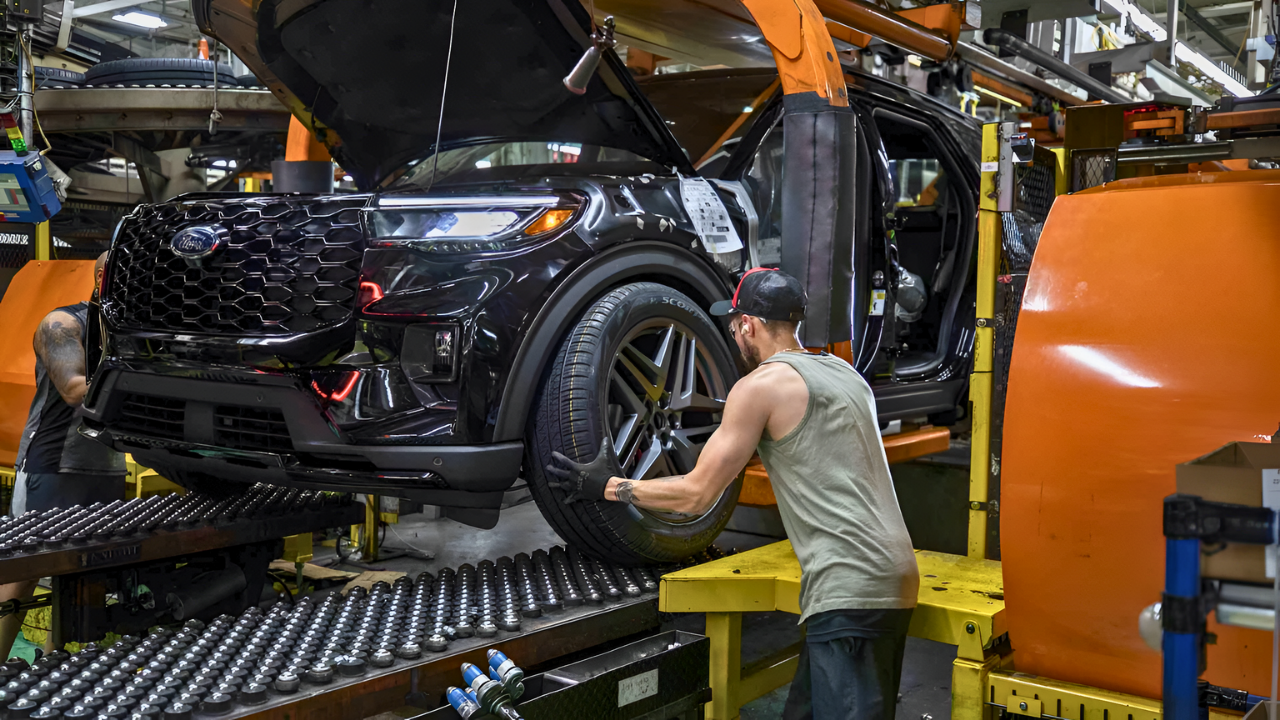
Over 119,000 Ford and Lincoln vehicles across North America face an urgent safety threat as a defective engine block heater poses a fire risk during the coldest months of the year. The recall, announced in mid-January 2026, affects models from 2013 to 2024, leaving owners in a precarious position: disconnect the heater and endure difficult cold starts, or keep it plugged in and risk a potential fire.
The scope of the problem extends beyond U.S. borders. Canada has issued its own recalls, bringing the total number of affected vehicles across North America to over 300,000. The widespread nature of the defect raises serious questions about quality control processes, particularly given that the fault has potentially gone undetected for years across multiple model generations.
The Defect and Its Mechanism
The engine block heater, a device that warms engine coolant to facilitate cold-weather starts, contains faulty solder joints that can crack over time. When these joints fail, coolant seeps into the heater’s electrical cord. As the coolant evaporates, it leaves behind conductive salt deposits that can short-circuit the heater when plugged in, creating a fire hazard. The risk is highest during operation, typically on the coldest nights when drivers most depend on the device.
Affected models include the Ford Focus (2013–2018), Ford Escape (2013–2019), Ford Explorer (2019 and 2024), and Lincoln MKC SUVs (2015–2016). For some owners, this defect has existed undetected for over a decade.
Warning Signs and Reported Incidents
Owners should watch for coolant spots beneath their vehicles, loss of cabin heat, engine overheating during startup, or burning odors. By December 2025, Ford had already received reports of 12 fires linked to the defect in Ford Escape models, though no injuries or fatalities have been reported. These incidents occurred before the recall was officially announced, highlighting the immediate danger posed by the faulty heaters.
The Timing Problem

The recall announcement arrives as one of the harshest winters in recent history grips North America, with temperatures plummeting across the continent. This timing creates a genuine dilemma for owners in cold climates who depend on block heaters for reliable vehicle operation. The National Highway Traffic Safety Administration (NHTSA) will begin sending interim notifications to affected owners on February 13, 2026.
Interim and Long-Term Solutions
Ford is offering an interim fix: dealers can remove the defective heater element and install a plug to prevent fire risk, though this eliminates block heater functionality until a permanent solution arrives. The company is developing a redesigned heater element expected to be available by April 2026, when free replacements will begin installation. This timeline leaves owners vulnerable throughout the winter months with limited practical options.
The recall underscores broader concerns about Ford’s quality assurance systems. The persistence of this defect across numerous model years and the occurrence of fires before official recall announcement suggest systemic gaps in manufacturing oversight and defect monitoring. As Ford addresses this crisis and manages the burden on its dealer network during peak winter season, the company faces increased scrutiny regarding its commitment to customer safety and product reliability.
Sources:
NHTSA – Part 573 Safety Recall Report 26V011 – Submission Date: 2026-01-15
CBS News – Ford recalls some 119000 vehicles due to engine block heater fire risk, NHTSA says – Publication Date: 2026-01-20
Action News Jax (CBS affiliate) – Ford recalls some 119000 vehicles due to fire risk, NHTSA says – Publication Date: 2026-01-20
China Daily – 300,000 Ford vehicles recalled in Canada – Publication Date: 2026-01-17
The Peninsula Qatar – 300,000 Ford vehicles recalled in Canada – Publication Date: 2026-01-17