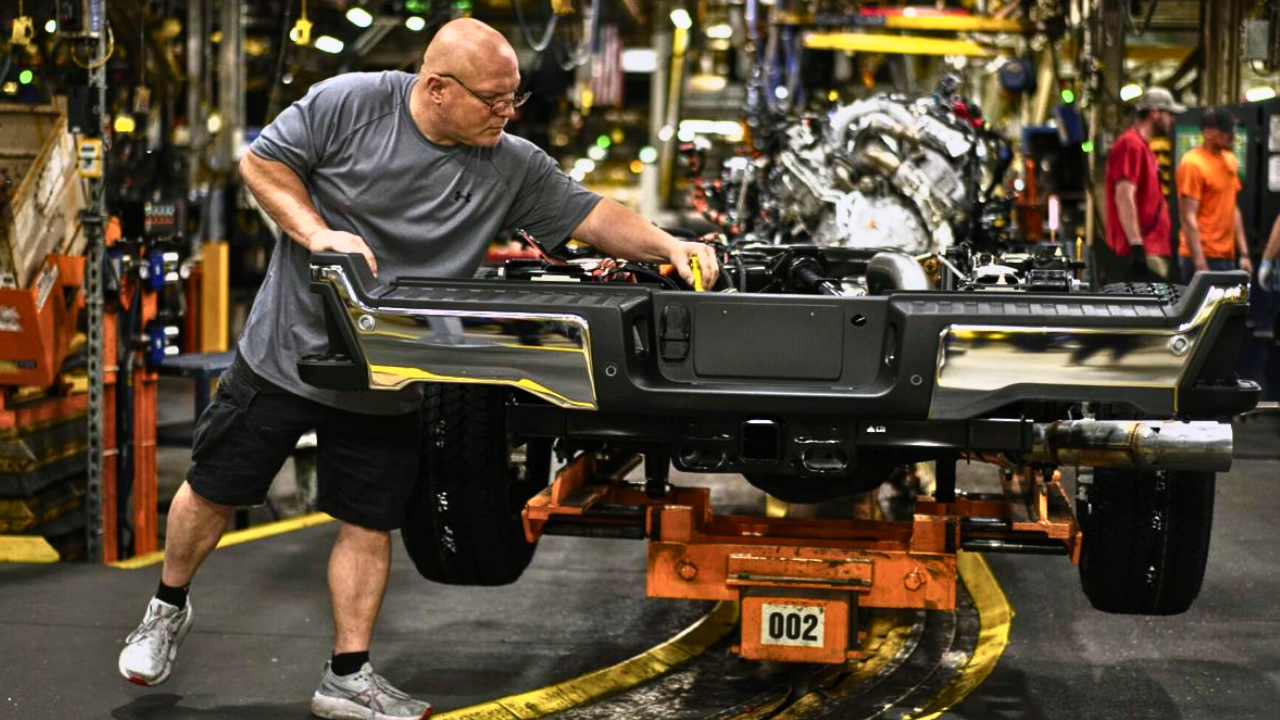
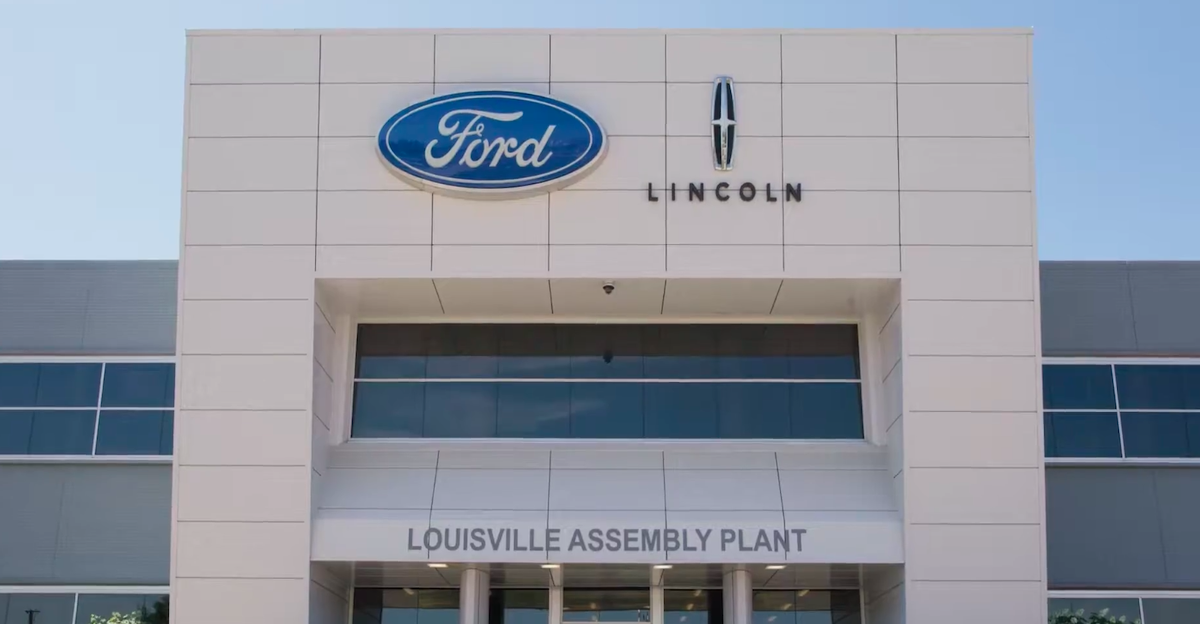
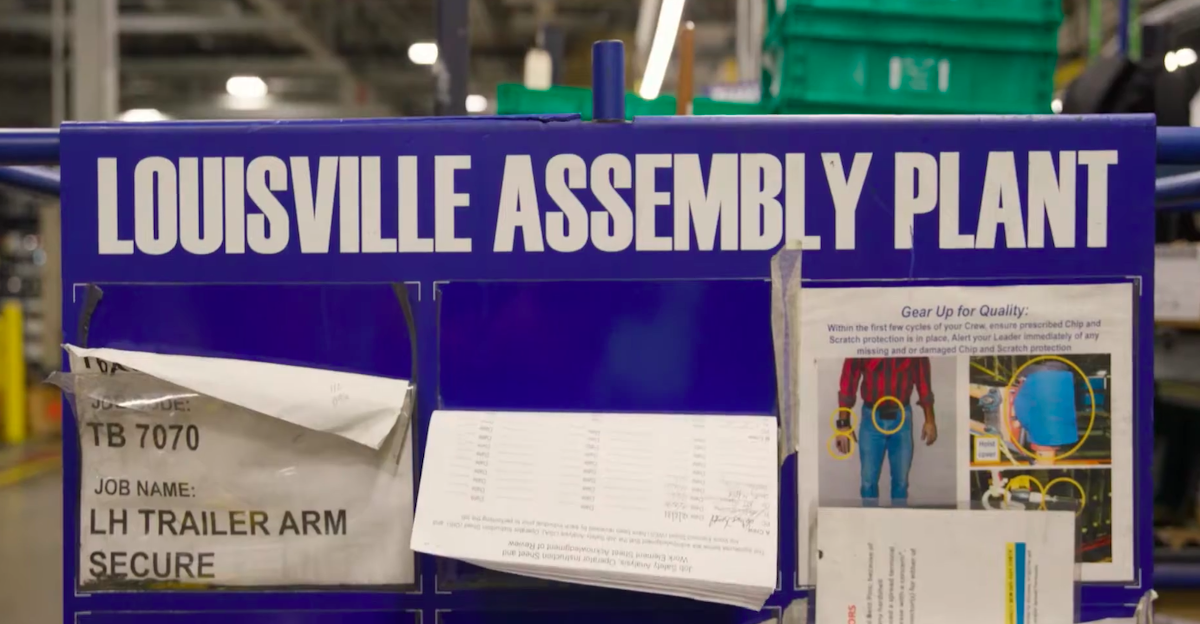
Ford Motor Company’s Louisville Assembly Plant, which has been operational since 1955, will shut down in December 2025 for an eight- to ten-month period of retooling. The 70-year-old facility on Fern Valley Road currently employs approximately 3,200 workers.
This transformation marks one of Ford’s most significant manufacturing overhauls. The plant produces the Ford Escape SUV and the Lincoln Corsair, both of which are slated for production phase-out after 2025.
CEO Describes “High-Stakes Gamble”

CEO Jim Farley candidly describes the project as a “high-stakes gamble” with uncertain outcomes. During an event at the Kentucky plant, Farley stated, “There are no guarantees with this project. We’re doing so many new things I can’t tell you with 100% certainty this will work—it is a bet.”
This frank admission acknowledges significant execution risk. Farley’s transparency reflects genuine uncertainty surrounding the transformation and ambitious technology implementation required.
The $2 Billion Investment Details
Ford commits nearly $2 billion to completely retool the Louisville Assembly Plant for electric vehicle production. This substantial investment represents Ford’s confidence in the future of the EV market, despite current challenges.
Funding covers the complete reconstruction of the manufacturing line, the installation of advanced assembly technology, and infrastructure upgrades for next-generation production. The investment coincides with Ford’s construction of the BlueOval SK battery facility in nearby Hardin County.
Model e Division Struggles with Massive Losses

Ford’s electric vehicle division, Model e, posted a second-quarter 2025 EBIT loss of $1.3 billion despite doubling revenue to $2.4 billion. First-half 2025 total losses reached approximately $2.2 billion, far exceeding profitability targets.
Losses stem from tariff-related costs, next-generation EV investments, and battery manufacturing facility startup expenses. The EV segment’s EBIT margin remains deeply negative at -56.4% for the second quarter of 2025.
Revolutionary Assembly Tree Manufacturing System
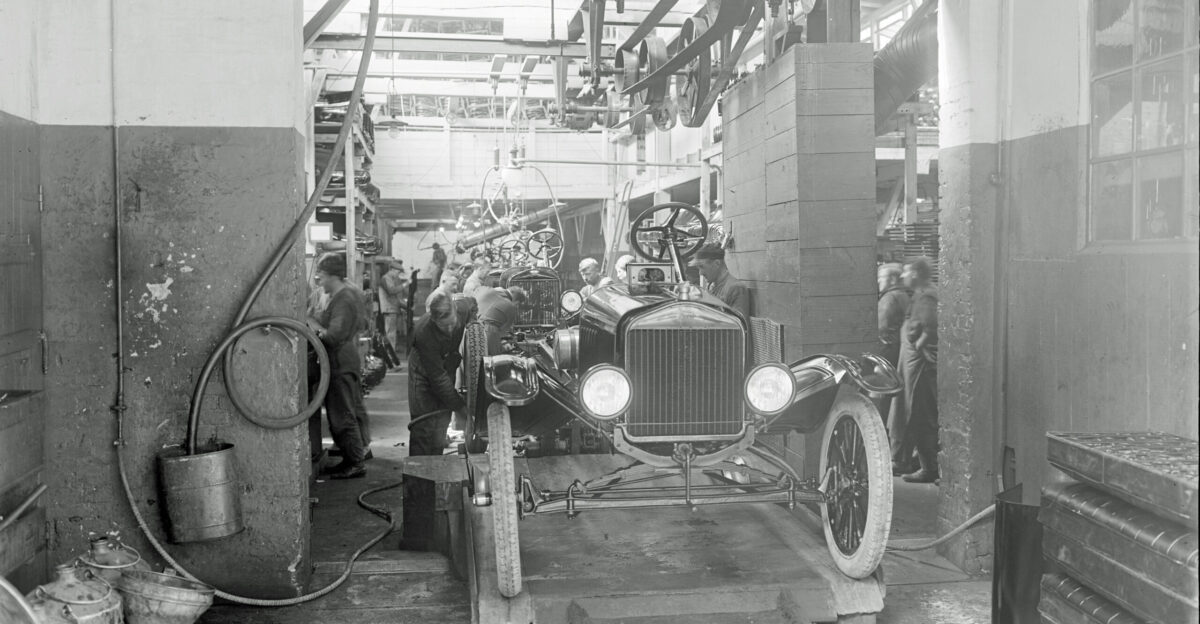
Ford abandons Henry Ford’s century-old moving assembly line concept, introducing an innovative “assembly tree” production system. The new approach features three simultaneous sub-assembly lines: front vehicle assembly, rear assembly, and battery-structural system assembly with seating.
All three lines converge to complete the vehicle. This revolutionary method reduces workstations by 40% while utilizing 20% fewer total parts.
Advanced Gigapress Technology Implementation
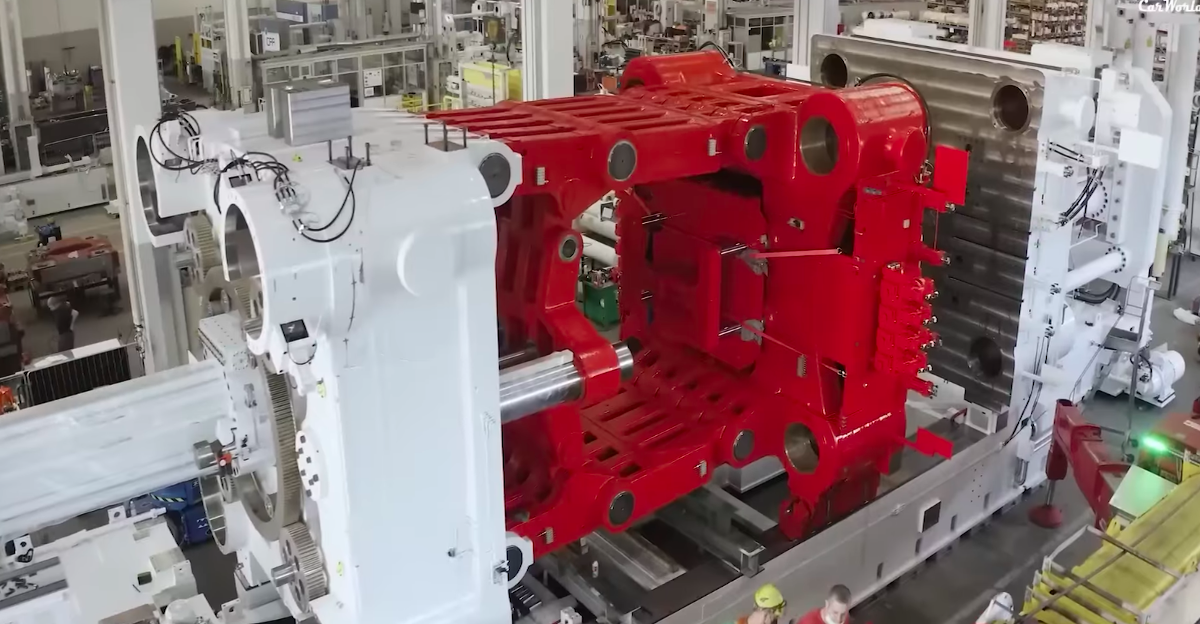
Ford incorporates Gigapress die-casting technology, pioneering equipment originally developed by Tesla, into Louisville plant operations. These massive machines stamp entire vehicle subassemblies from a single aluminum sheet, replacing the traditional welding of dozens of smaller metal parts.
The technology dramatically simplifies manufacturing while improving structural integrity.
The Target Vehicle: $30,000 Midsize Electric Pickup

The first vehicle from the retooled Louisville plant will be a mid-size, four-door electric pickup truck, launching in 2027 with a starting price of around $30,000. Ford positions this truck between the compact Maverick and mid-size Ranger in its lineup, targeting mass-market affordability.
The vehicle offers a four-door cabin with interior space rivaling Toyota’s RAV4, features a front trunk (“frunk”), and includes a lockable truck bed.
Advanced EV Platform Architecture
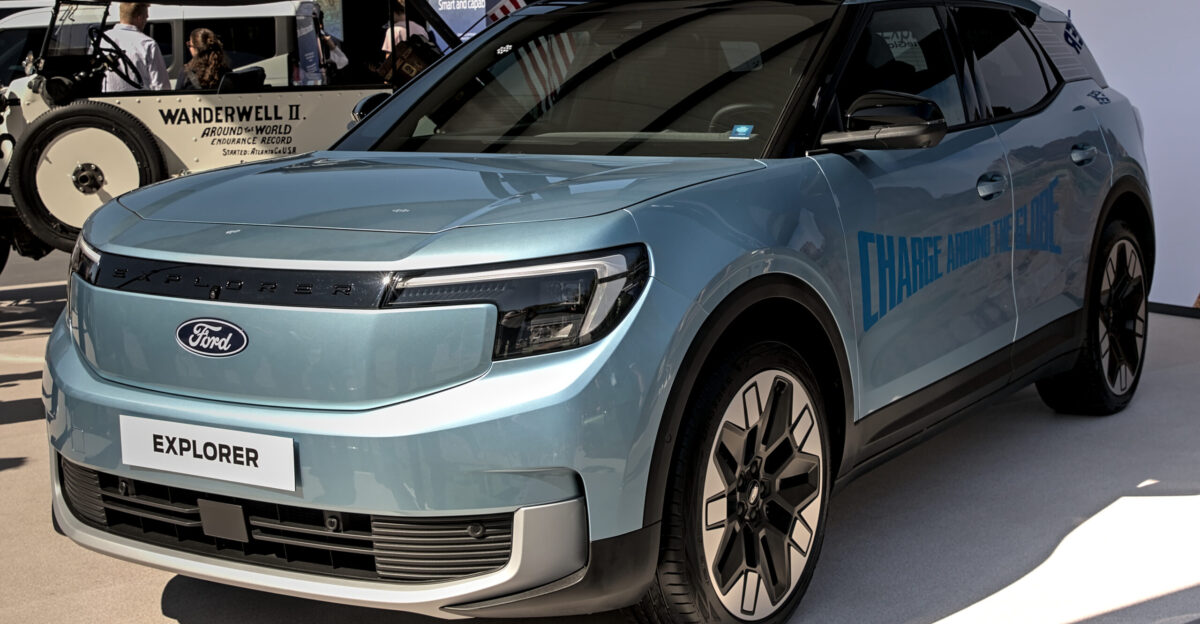
The Universal EV Production System, underlying the new truck, features a flexible, modular platform that supports eight distinct body styles. Planned variants include pickups, crossovers, SUVs, and sedans, enabling broad product line expansion.
The platform utilizes a 400-volt electrical architecture, prioritizing affordability over ultra-fast charging available in premium 800-volt EVs. The platform contains 20% fewer parts versus traditional vehicles and uses 25% fewer fasteners.
Battery Technology & Range Specifications
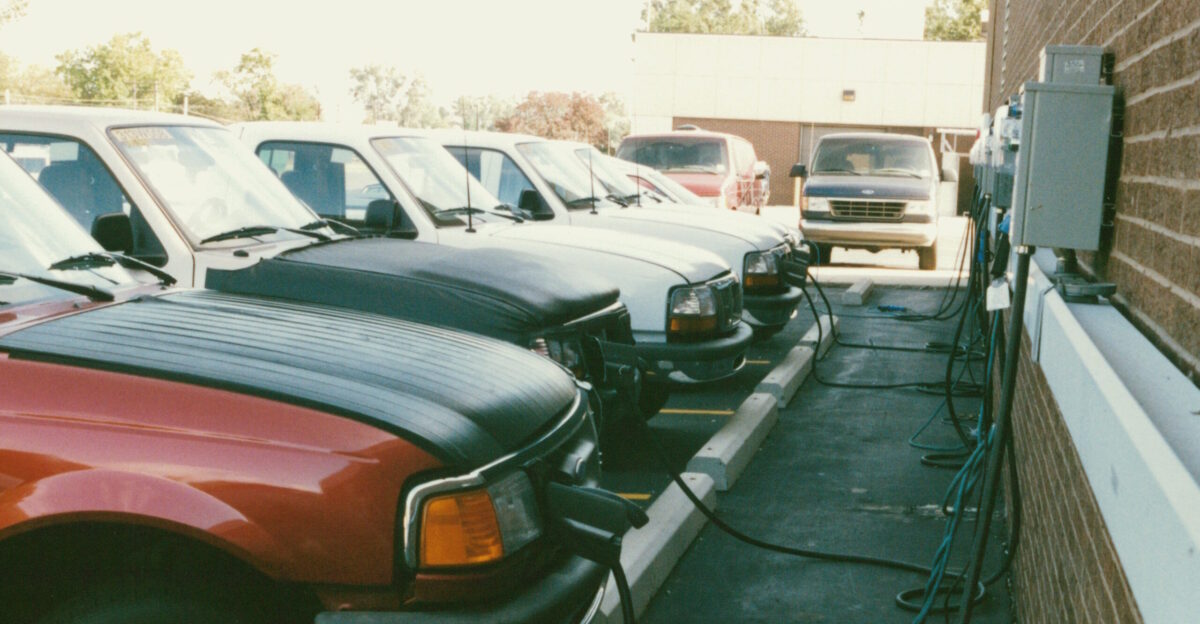
The truck will feature multiple battery configurations with EPA-estimated range details to be announced closer to the vehicle’s launch date. Ford utilizes lower-cost lithium-iron-phosphate batteries, featuring cobalt-free and nickel-free technology, which are manufactured at the company’s new Michigan facility.
The battery pack serves as the vehicle’s structural flooring, optimizing space efficiency and reducing weight.
Skilled Workforce Transformation Challenges

Approximately 2,000 to 2,300 production workers will face layoffs during the eight- to ten-month retooling period, resulting in significant personal and family hardship. UAW Local 862 President Todd Dunn confirmed that workers receive full pay for the first four months of layoff.
Following this period, employees transition to Kentucky unemployment benefits, receiving approximately 70% of their normal wages through supplemental unemployment benefits negotiated in the 2023 UAW contracts.
Job Security Concerns Post-Reopening

While Ford claims the investment will “secure” approximately 2,200 hourly positions upon plant reopening, widespread concerns exist regarding whether all current workers will return. The new assembly system’s 40% reduction in workstations suggests that the facility may require fewer employees than it presently employs.
Current estimates indicate approximately 3,200 workers, suggesting potential net job losses despite the resumption of production.
Comprehensive Worker Support Programs

Ford committed to providing comprehensive support to its workers during the extended shutdown period. UAW Local 862 hosted resource fairs, helping members navigate temporary employment options and state assistance programs.
The Kentucky Education and Labor Cabinet provides guidance on income assistance and information on retraining opportunities for displaced workers. Workers receive their full salary for four months, followed by Kentucky unemployment benefits at approximately a 70% replacement rate through supplemental benefits.
California Skunkworks Team Leadership
The revolutionary platform and production system were developed by approximately a 350-person skunkworks team based in California, led by former Tesla executive Alan Clarke. The team operates from a new 250,000-square-foot facility in Long Beach, recruiting talent from Tesla, Rivian, Apple, and Lucid Motors.
This represents a significant departure from Ford’s traditional Detroit-based development operations. Clarke’s Tesla background brings proven experience developing manufacturing systems for affordable, profitable EVs.
Environmental Impact & Sustainability Goals

The Louisville transformation directly supports Ford’s environmental sustainability commitments and carbon footprint reduction targets. Manufacturing electric vehicles eliminates tailpipe emissions, thereby contributing to fleet-wide reductions in greenhouse gas emissions.
The new assembly tree system reduces material waste through decreased part count and fastener requirements. Lower-cost LFP batteries enable broader EV adoption among consumers previously priced out of the electric vehicle market.
Broader Industry Headwinds and Policy Uncertainty

Ford’s massive bet faces significant headwinds from the Trump administration’s EV policy changes and tariff implementations. The elimination of the $7,500 federal tax credit expiring in September 2025 threatens market demand for affordable EVs.
Trump’s tariff policies are estimated to have created a $2 billion headwind for Ford in 2025 alone. Policy uncertainty has prompted industry-wide delays and downsizing of battery plant investments across major automakers.
Global Competition and Chinese EV Dominance
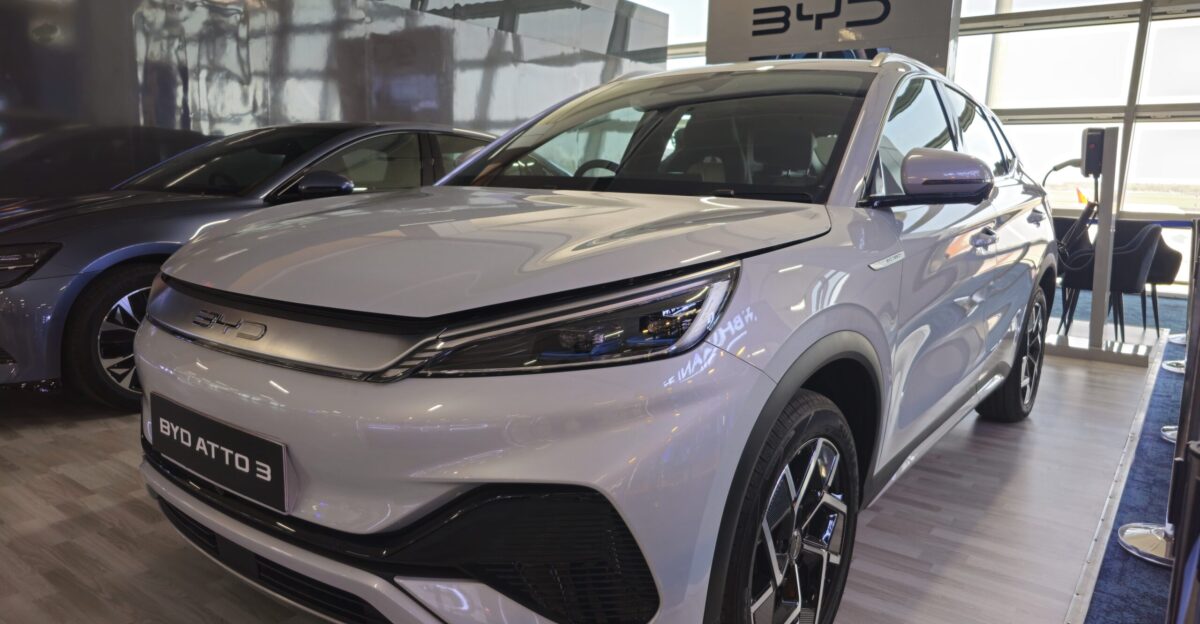
Ford’s transformation is driven by urgent competitive necessity against Chinese EV manufacturers, particularly BYD, which dominates global EV markets with affordable, high-quality vehicles. CEO Farley emphasized that Chinese competitors provide cheaper alternatives with superior quality, particularly in price-sensitive markets.
The new $30,000 platform directly targets this competitive threat, delivering credible affordability to American consumers. Ford must quickly scale affordable EV production to compete effectively against rapidly advancing Chinese manufacturers.
Supply Chain & Domestic Manufacturing Expansion
Ford’s Louisville investment strengthens domestic supply chain resilience through partnerships with numerous U.S.-based suppliers. The project supports Ford’s commitment to domestic content requirements and American manufacturing infrastructure.
New battery manufacturing facilities in Michigan and Kentucky reduce dependence on foreign suppliers and secure long-term battery availability. Vertical integration of battery production enables cost control and quality assurance, which are critical to profitable EV manufacturing.
Timeline, Phases & Production Schedule

The Louisville Assembly Plant shutdown is scheduled to begin in December 2025, with retooling expected to be completed by mid-2026. The phased retooling approach enables equipment installation, system testing, and workforce training without rushed implementation.
Production of the new midsize electric pickup truck begins following successful facility validation.
Kentucky Economic Impact & Regional Benefits

The $2 billion Louisville investment generates significant regional economic benefits through construction jobs, supplier contracts, and permanent manufacturing positions. Kentucky Governor Andy Beshear pledged that Trump policies won’t halt state EV manufacturing development, demonstrating bipartisan support for the project.
The plant supports approximately 4,000 direct and indirect jobs across both Louisville facilities and the connected supply chain. Long-term economic development enhances Kentucky’s position as a leading automotive manufacturing hub.
A Defining Moment for Ford’s EV Future
CEO Farley characterized the Louisville project as Ford’s “Model T moment,” referencing Henry Ford’s revolutionary 1908 manufacturing innovations. The project represents Ford’s pivotal commitment to developing genuinely affordable, profitable electric vehicles through fundamentally different manufacturing approaches.
Success requires flawless execution of revolutionary assembly systems, managing workforce displacement, navigating an uncertain policy environment, and achieving market acceptance for a new vehicle platform.