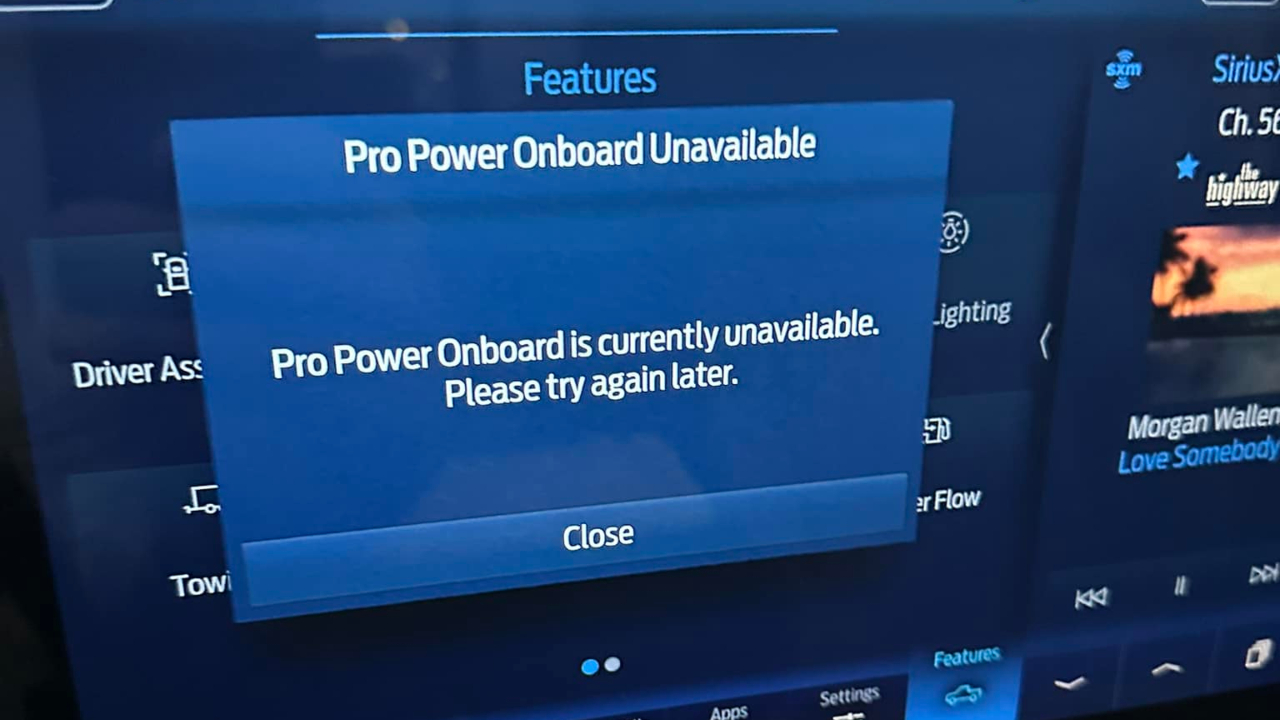
Imagine driving a Ford F-Series truck when suddenly, the dashboard goes completely dark. No speedometer, no fuel gauge, no warning lights. For over 350,000 Ford F-Series owners, this terrifying scenario is all too real. The recall of these vehicles isn’t just a technical hiccup—it’s a serious safety risk, turning a simple software glitch into a potentially dangerous mistake.
This is what happens when a trusted brand faces a massive failure. The issue is more than just a tech problem; it’s about safety and trust. Ford is now grappling with the fallout, as drivers face significant risk each time they get behind the wheel.
Software Glitch at the Core

Engineers at Ford have pinpointed the cause of the dashboard blackout to a software memory-protection fault. The issue occurs during the vehicle’s startup sequence, where a faulty protection logic freezes the display. This results in a blank screen, making it impossible for drivers to see essential information.
The fault, introduced between June 2024 and July 2025, affects every vehicle in the recall—highlighting a serious flaw in Ford’s production process. It’s clear that the error slipped through quality checks, and now, the full impact is being felt by hundreds of thousands of truck owners.
Understanding the Safety Hazard Classification
While Ford has not reported any deaths, crashes, or injuries connected to this defect, the National Highway Traffic Safety Administration (NHTSA) classifies instrument panel failures as safety hazards that “increase the risk of a crash.” Under federal automotive safety standards, defects that disable critical driver information systems—such as speedometer, fuel gauge, and warning lights—are categorized as serious safety risks because they prevent drivers from monitoring their vehicle’s operational status.
This classification exists to alert consumers to serious safety risks before incidents occur, not only after confirmed fatalities. The same classification applies to defects like faulty braking systems, airbag failures, and steering problems, which are routinely described in safety contexts even when no deaths have yet been reported.
Drivers Suddenly “Flying Blind”
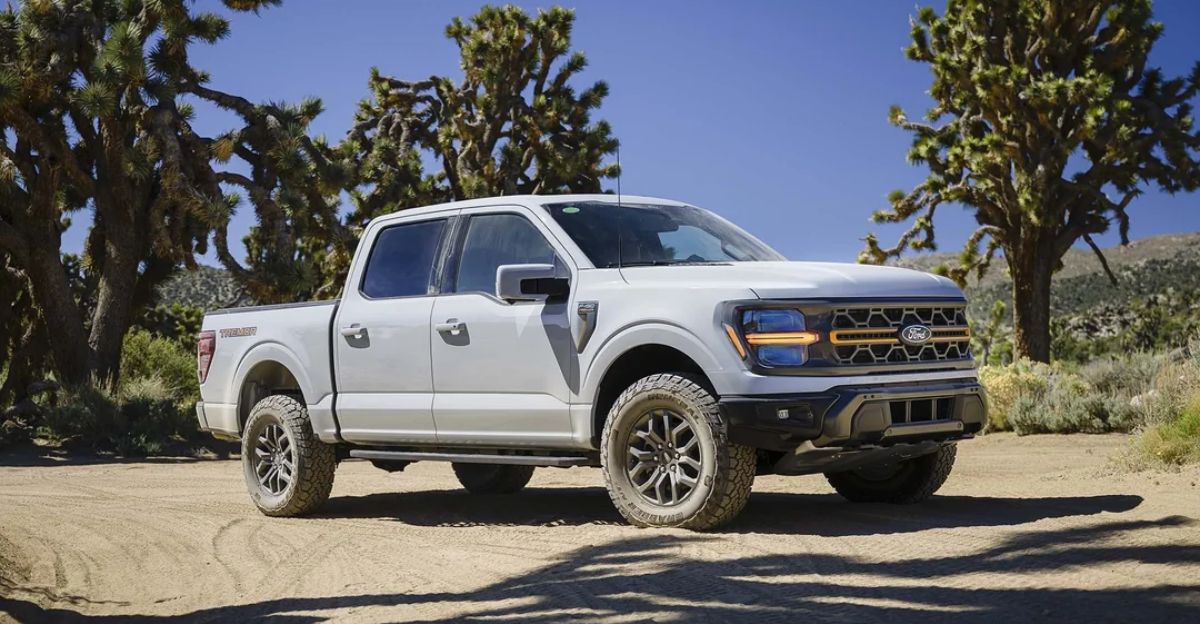
For drivers of 2025 F-150 and 2025-2026 Super Duty trucks, this blackout presents a shocking problem: they’re essentially driving blind. While the truck continues to run, drivers have no way of knowing their speed, fuel level, or if there’s an urgent issue. Some drivers report brief blackouts while moving, forcing them to guess their speed and fuel level.
This situation is far more dangerous than it sounds, especially for those who rely on these trucks for heavy-duty tasks. With no clear indication of their vehicle’s status, drivers face heightened risks while navigating busy roads or towing heavy loads.
Ford’s Recall Machine Spins Up

In response to increasing reports, Ford launched a safety recall in August 2025. Internal data revealed at least 95 incidents of blackouts by June 2025, though thankfully, no crashes have been reported. Owners received official notification in early September, with dealers instructed to install a free software update.
The update can either be applied in-person at dealerships or over-the-air for equipped vehicles, ensuring that the fix is both accessible and free of charge. Ford is working quickly to address the issue, but the recall highlights the deep challenges posed by modern vehicle technology.
Billions in Trucks, Priceless Trust
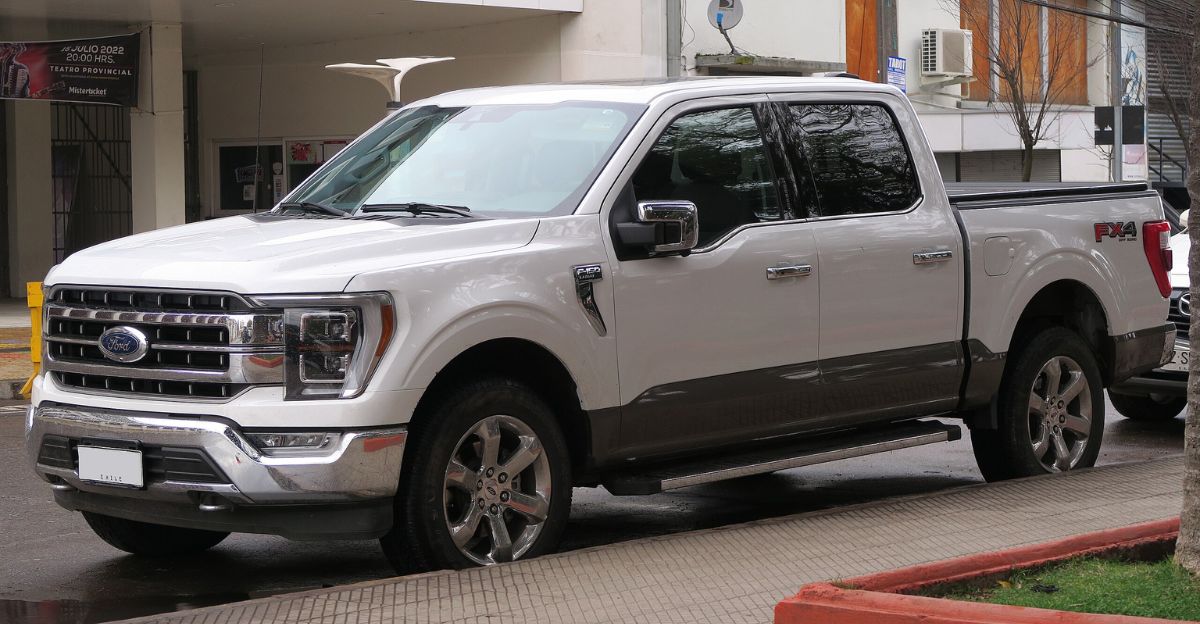
Ford’s F-Series pickups, sold as both work vehicles and family trucks, are no small investment. With prices ranging from $44,000 for F-150 models to much higher for Super Duty trucks, the recalled vehicles represent a significant investment for owners. However, this recall isn’t just about financial loss—it also threatens Ford’s reputation.
The trust of hundreds of thousands of owners is at stake, especially when these vehicles serve critical functions for businesses and families alike. As Ford navigates the recall process, the long-term effects on brand loyalty could be just as significant as the direct costs.
Cross-Border Safety Concerns

Transport Canada is expected to issue a recall notice for Canadian drivers of similar F-Series models, following the U.S. recall for dashboard blackouts. The synchronized recalls across North America reveal the extent of this problem, demonstrating how a software issue in one market quickly becomes a multinational safety crisis.
This further emphasizes how a seemingly small defect in production can snowball into a significant global issue. The international dimension of the recall shows just how far-reaching the consequences of the fault truly are.
Inside the Recall: Engineers and Suppliers

Ford’s engineering teams, alongside suppliers like Visteon, now face intense scrutiny. How did a memory protection fault slip through? Engineers traced the fault back to a software issue during the wake-up sequence, not a hardware failure. This distinction is critical for both Ford’s accountability and future supplier relationships.
The spotlight is on suppliers to fix the issue fast, as new software updates are crucial for repairing the damage. The defect’s origin in software validation rather than hardware presents unique challenges for Ford as it works to restore confidence in its systems.
Regulators Turn Up the Heat
The National Highway Traffic Safety Administration (NHTSA) has escalated its warnings about the recall, acknowledging the increased crash risk caused by missing dashboard data. The fault has contributed to over 95 warranty claims related to the instrument cluster, adding more pressure on Ford as it works to mitigate the effects of the recall.
With numerous recalls logged in 2025, Ford’s reputation is on the line as regulatory scrutiny intensifies. The recall also raises questions about the effectiveness of Ford’s current quality control measures, with regulators now carefully monitoring the company’s every move.
Economic Ripples Through Ford’s 2025
2025 has been a challenging year for Ford, with significant recalls affecting millions of vehicles. Each new recall comes with significant administrative costs, dealer labor expenses, and legal risks, even though the repairs are free for owners. Analysts predict that the cumulative impact of these recalls will weigh on Ford’s margins, possibly affecting the company’s strategic plans for future models.
The financial strain of these recalls will likely affect Ford’s long-term profitability, as costs continue to mount. The situation is compounded by the increasing complexity of managing recalls across such a large fleet of vehicles, adding another layer of difficulty for the automaker.
Dealers Juggle Software Triage
Ford dealerships now face the daunting task of handling thousands of software updates. Each update takes 30 to 45 minutes, and dealerships are scrambling to fit this into their schedules, competing with other recall work and regular service. To meet demand, many service centers have extended hours and are utilizing mobile or over-the-air updates.
The goal is to keep operations running smoothly while ensuring owners’ peace of mind. Dealerships must balance high demand for these updates with ongoing service needs, and it remains to be seen how well they can handle the increased workload.
Work Sites and Towing Yards Adjust
For industries that rely on F-Series trucks, the recall is causing major disruptions. Construction companies, towing businesses, and municipalities are reassessing their fleet management strategies. Some are temporarily sidelining trucks until software updates are complete, especially those that tow heavy loads.
The potential legal consequences of operating a truck without essential information have forced businesses to shuffle their fleets and adjust their schedules accordingly. This has caused operational delays in industries that depend heavily on the reliability of their vehicles.
Suppliers and Knock-On Industries

Tier-one suppliers involved in manufacturing the instrument panel clusters are facing their own challenges, including reprogramming costs and quality audits. Meanwhile, aftermarket suppliers, diagnostic-tool makers, and roadside-assistance providers are seeing an uptick in demand. As affected truck owners seek confirmation of the recall or need post-update checks, businesses in the service and repair industry stand to gain from this recall.
The ripple effect is broad, impacting not just Ford and its suppliers, but also industries that support vehicle maintenance and repair. It highlights how far-reaching the consequences of a vehicle defect can be across multiple sectors.
Global Drivers Feel the Impact
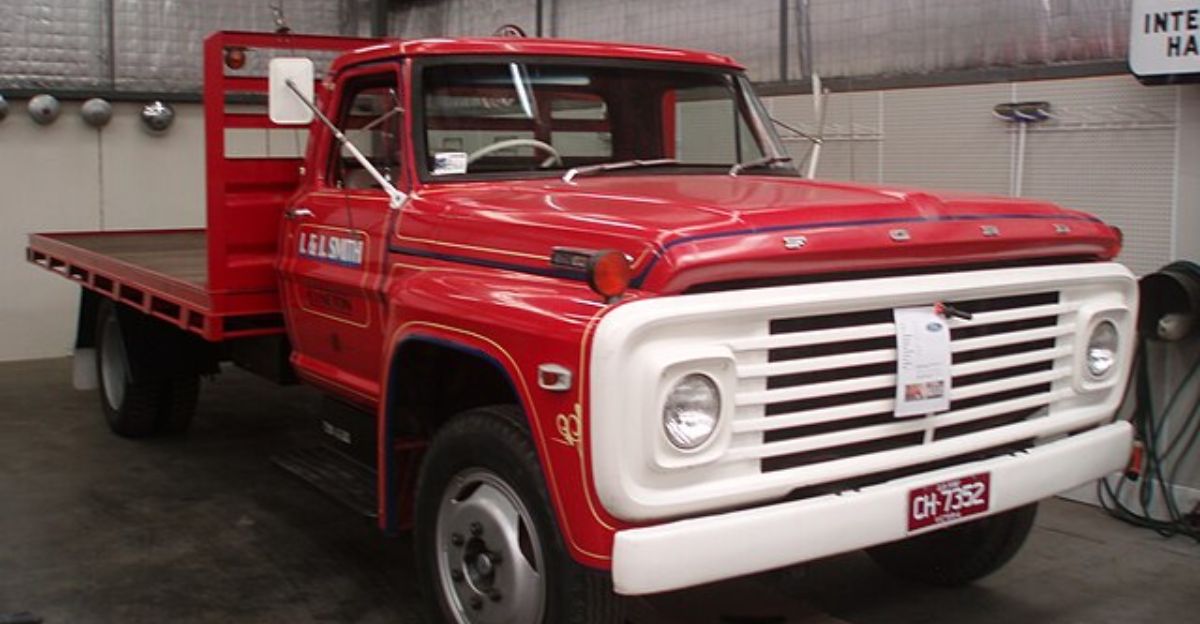
The F-Series recall is not just a U.S. problem—it’s affecting truck owners around the globe. Ford’s reputation will be tested by how quickly and effectively the company addresses this issue. Fleet owners in other countries will carefully monitor Ford’s response, and the outcome may influence purchasing decisions.
The company faces scrutiny from international markets, and global truck buyers are watching how Ford manages the recall. For some, the recall may factor into future vehicle considerations, as reliability remains critical in vehicle selection.
Safety Habits and Driving Style

In the wake of the recall, drivers are adjusting their safety habits. Experts recommend checking fuel levels before trips and being extra cautious when driving in heavy traffic if the dashboard suddenly goes dark. Some drivers are leaving additional space between their vehicle and others on the road, knowing that in the event of a blackout, they can’t rely on the usual indicators to monitor speed or fuel.
This heightened caution comes from the realization that, without these critical tools, drivers are at a greater risk. The absence of these indicators forces them to adjust their driving behavior to stay safe.
Tech Reliance and Design Debates
This recall has sparked a heated debate about the reliability of fully digital dashboards. While digital clusters offer rich data and the potential for quick software fixes, critics argue that such systems should have redundant backups. Safety advocates and engineers are now discussing ways to integrate analog indicators or backup displays to prevent similar failures from occurring in future models.
The blackout has shone a light on the limitations of digital technology in vehicles, prompting calls for more reliable, fail-safe designs. Some argue that relying solely on digital systems is risky, especially when a single glitch can disable a truck’s most critical functions.
Winners and Losers in the Recall Wave

While Ford bears the brunt of the financial and reputational damage, other industry players are quietly capitalizing on the situation. Dealers, independent repair shops, and telematics service providers are benefiting from the increased demand for repairs and updates. Meanwhile, software testing firms specializing in automotive systems are gaining visibility by using the Ford recall as a case study in the reliability of vehicle technology.
On the flip side, Ford is dealing with significant losses in customer trust and potential long-term damage to its brand. The recall has created a divide in the industry, with some businesses thriving while Ford struggles to recover.
Markets Watch Ford’s Quality Story

As Ford works to recover from this recall, investors are closely monitoring the company’s quality track record. CEO Jim Farley has made numerous pledges to improve vehicle quality, but this recall puts those promises to the test. The impact of this recall could influence investor sentiment, as the company’s ability to resolve software issues quickly and prevent future problems becomes a key factor in Ford’s long-term strategy.
Ford’s stock price and market position will likely be affected by how quickly and effectively the company handles the aftermath of the recall. Investor confidence may be shaken if the company is unable to demonstrate a rapid and thorough resolution.
What Owners Should Do Now

Owners of affected F-150 and Super Duty trucks are urged to check whether their vehicle is part of the recall by visiting NHTSA or Ford’s websites. Those eligible should schedule a free software update as soon as possible. Drivers experiencing a blackout mid-trip should pull over safely, turn on hazard lights, and report the incident to Ford for further assistance.
Immediate action is crucial for owners to ensure their safety and prevent further complications. Owners should act quickly to schedule their free update and avoid using their trucks for long trips before the fix is applied.
What Comes Next for Smart Trucks
The recall has underscored the critical need for robust software testing in the automotive industry. As trucks become smarter and more connected, automakers will need to implement more rigorous pre-launch testing to avoid similar issues in the future. Regulators may also introduce new standards for digital dashboard redundancy to ensure that vehicles remain safe even if one system fails.
This incident may lead to stricter regulations and higher industry standards for vehicle software reliability. The recall shows how quickly a software glitch can escalate into a serious safety risk, prompting necessary changes in the industry’s approach to vehicle design and testing.
A Small Screen, Big Consequences
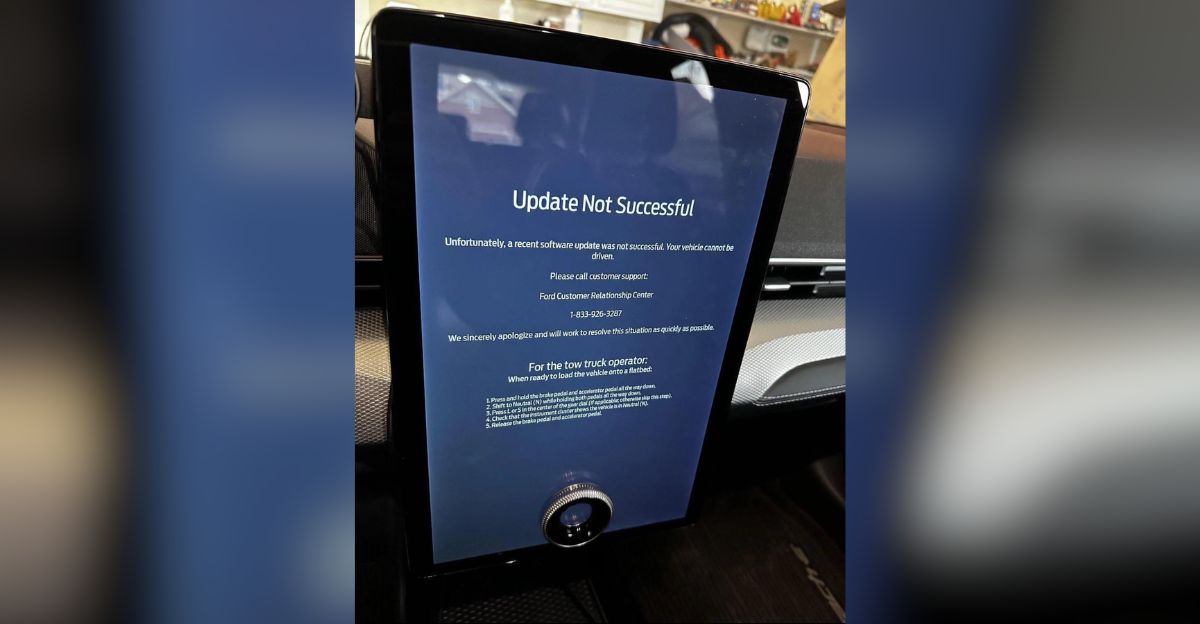
What started as a seemingly minor software glitch has turned into a global safety issue affecting hundreds of thousands of Ford F-Series trucks. As Ford works to fix the problem, the recall highlights the increasing role of digital technology in vehicle safety. This incident will likely shape the future of truck design and safety standards for years to come, with broader implications for the entire automotive industry.
The lessons learned from this recall will resonate across the industry, pushing automakers to reconsider the role of digital systems in their vehicles. As technology becomes more integrated, the importance of redundancy and fail-safe systems will become ever more critical in ensuring safety.
Sources:
NHTSA Part 573 Safety Recall Report 25V540 (August 22, 2025)
Associated Press – “Ford recalls more than 355000 pickup trucks over instrument panel display” (August 27, 2025)
Transport Canada Recall 2025436 – FORD (August 30, 2025)
USA Today – “Ford recalls more than 355000 pickup trucks: See impacted models” (August 27, 2025)
CBT News – “Ford recalls over 355K pickups over instrument panel display defect” (August 26, 2025)