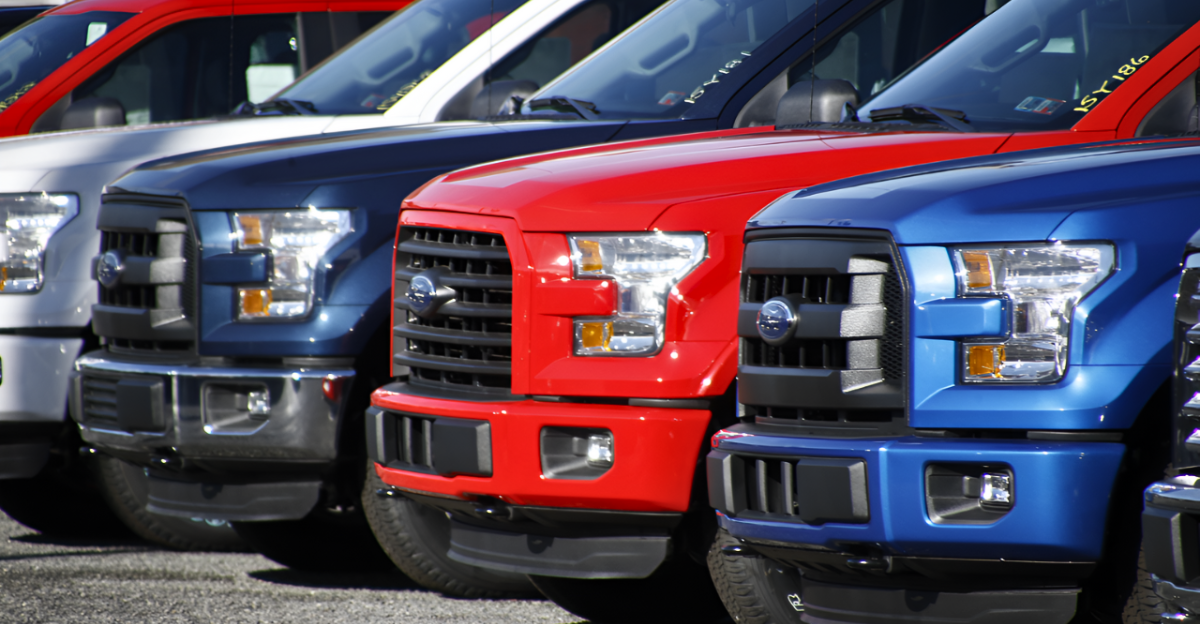
A sweeping recall by Ford has put more than 1.4 million vehicles in the U.S. back in the spotlight, as the automaker scrambles to address a defect that could leave drivers reversing blind. The recall, announced in October 2025, targets popular models built between 2015 and 2020—including the Explorer, Escape, Flex, Fusion, Fiesta, Taurus, and Mustang—after widespread reports of rearview cameras displaying distorted or blank images. The issue, which has already led to five reported accidents (none resulting in injuries), underscores growing concerns about the reliability of automotive safety technology.
This latest action is part of a broader pattern for Ford, which has recalled over 2.5 million vehicles for rearview camera problems since January 2025 alone. The company issued 62 recalls in 2024, more than any other automaker, highlighting ongoing quality control challenges that have drawn intense regulatory scrutiny.
Uncovering the Defect
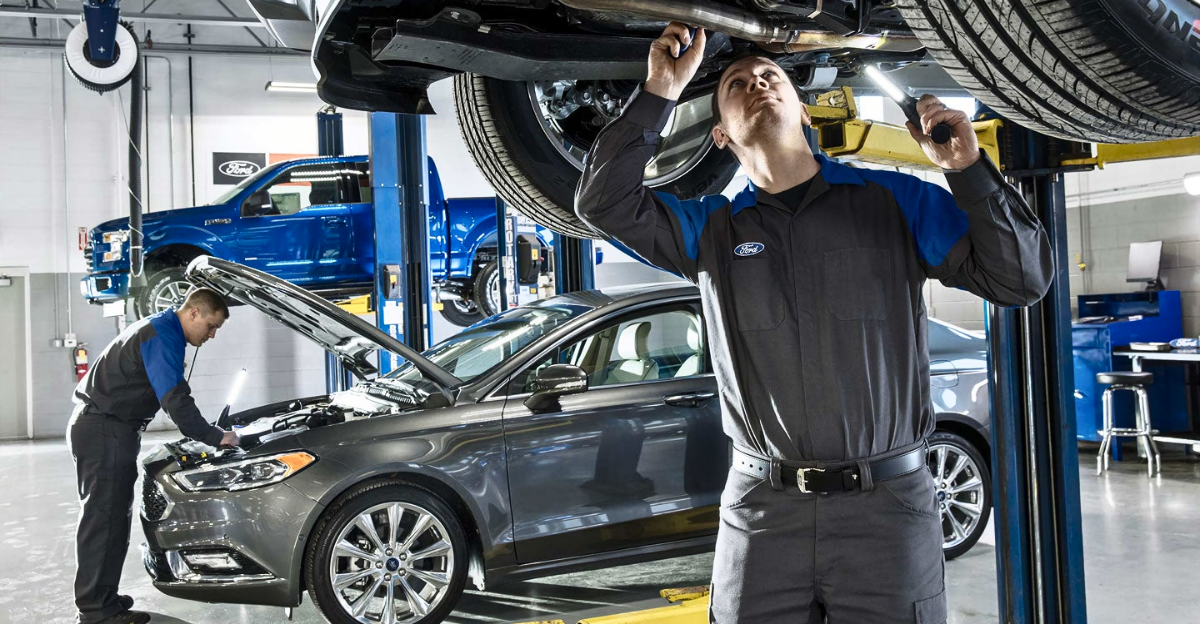
The National Highway Traffic Safety Administration (NHTSA) initiated a formal inquiry on January 17, 2025, after mounting complaints from Ford owners about malfunctioning rearview cameras. Ford’s internal investigation traced the problem to hardware supplied by Magna, a major automotive parts manufacturer. The company has since logged 12,487 warranty claims related to the defect, highlighting the scale of the issue.
Ford’s Chief Operating Officer Kumar Galhotra addressed the crisis, stating, “Our goal at Ford is to move beyond this issue with analog rear-view cameras.” The statement reflects the automotive industry’s broader transition from older analog camera systems to more reliable digital technology. Analog cameras, while cost-effective when introduced, have proven more susceptible to degradation and performance issues over time compared to modern digital alternatives.
In response, Ford has extended camera warranties to 15 years and is working closely with dealerships nationwide to expedite repairs. Owners are being urged to check their vehicle identification numbers on Ford’s recall website and schedule free repairs at authorized service centers. Until repairs are completed, drivers are advised to rely on mirrors and exercise extra caution when reversing.
Global Scrutiny and Regulatory Response
Ford’s recall is not confined to the U.S. In total, nearly 1.9 million vehicles worldwide are affected. The NHTSA’s response has been particularly forceful. In November 2024, Ford agreed to pay up to $165 million to settle claims over delayed recalls, including $65 million upfront and $45 million earmarked for compliance improvements. The settlement also required Ford to review all recalls filed over the past three years, contributing to the surge in recall announcements throughout 2025.
The agency’s ongoing oversight signals a tougher stance on timely defect reporting and may set a precedent for stricter enforcement across the industry.
Economic and Industry Impacts
The financial toll on Ford is significant. Beyond the $165 million penalty, the company faces the cost of repairing over a million vehicles. The recall’s ripple effects extend to the supply chain and aftermarket, as parts suppliers and distributors work to meet the demand for replacement camera units.
Looking Ahead: Safety, Sustainability, and Accountability
For Ford owners, the immediate priority is safety. The company urges drivers to remain vigilant, use mirrors when reversing, and keep documentation of repairs for warranty and resale purposes. As global regulators and industry leaders watch closely, the outcome of this recall could shape the next generation of vehicle safety standards—underscoring the critical importance of trust, transparency, and technological resilience in the modern automotive landscape.