A stolen Ford F-150 used to mean slim odds of recovery, especially as vehicle theft surged nationwide. That calculation is quietly changing. Ford has expanded its Start Inhibit technology, giving the company the ability to prevent a stolen truck from restarting, often within hours of the theft.
With vehicles now disappearing every 37 seconds across the United States, the move signals a major shift in how manufacturers respond to organized auto theft. The system promises faster recoveries and reduced losses, but it also raises questions about control, data, and ownership.
Vehicle Theft Reached Crisis Levels
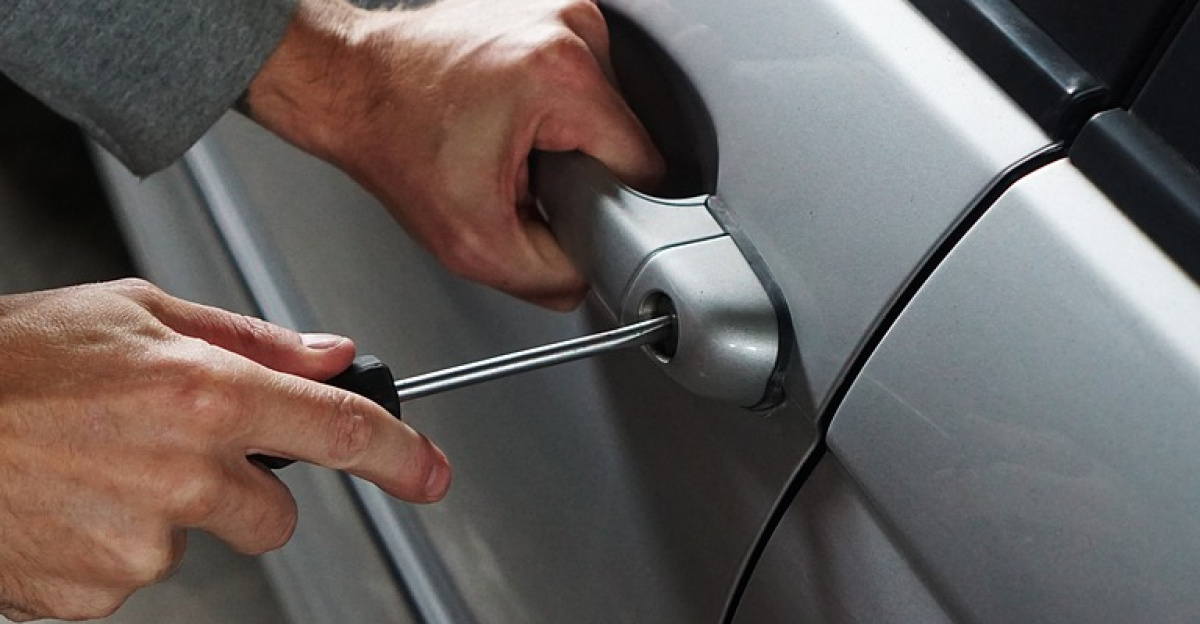
Auto theft climbed to 850,708 incidents across the United States in the 12 months ending February 2025, causing nearly $8 billion in losses, according to National Insurance Crime Bureau data. Pickup trucks sit at the center of the crisis.
The Ford F-150 ranked among the 10 most stolen vehicles in early 2025, with 4,996 reported thefts in the first half of the year alone. These are not random joyrides. Contractors and professionals often stock trucks with expensive tools and equipment, making them attractive to organized theft rings.
As theft operations became more professional and profitable, recovery rates lagged. This widening gap between crime and enforcement pushed manufacturers to rethink traditional alarms and tracking, setting the stage for more aggressive, manufacturer-controlled security measures.
How Start Inhibit Actually Works

Start Inhibit does not shut down a moving truck. Instead, it prevents a stolen vehicle from restarting once the engine is turned off, prioritizing safety in traffic and high-speed situations. After a theft, owners report the incident through the FordPass app or a 24/7 hotline. Ford then verifies the police report before sending a cellular command to the vehicle’s powertrain control module. That signal blocks fuel injectors and ignition coils, causing the engine to crank without firing.
Ford documentation notes that disablement often occurs within an hour, frequently before thieves can strip parts or move the truck far from the theft site. A built-in safeguard allows owners to regain control after recovery using a six-digit PIN entered inside the vehicle.
A New Recovery Partnership Model

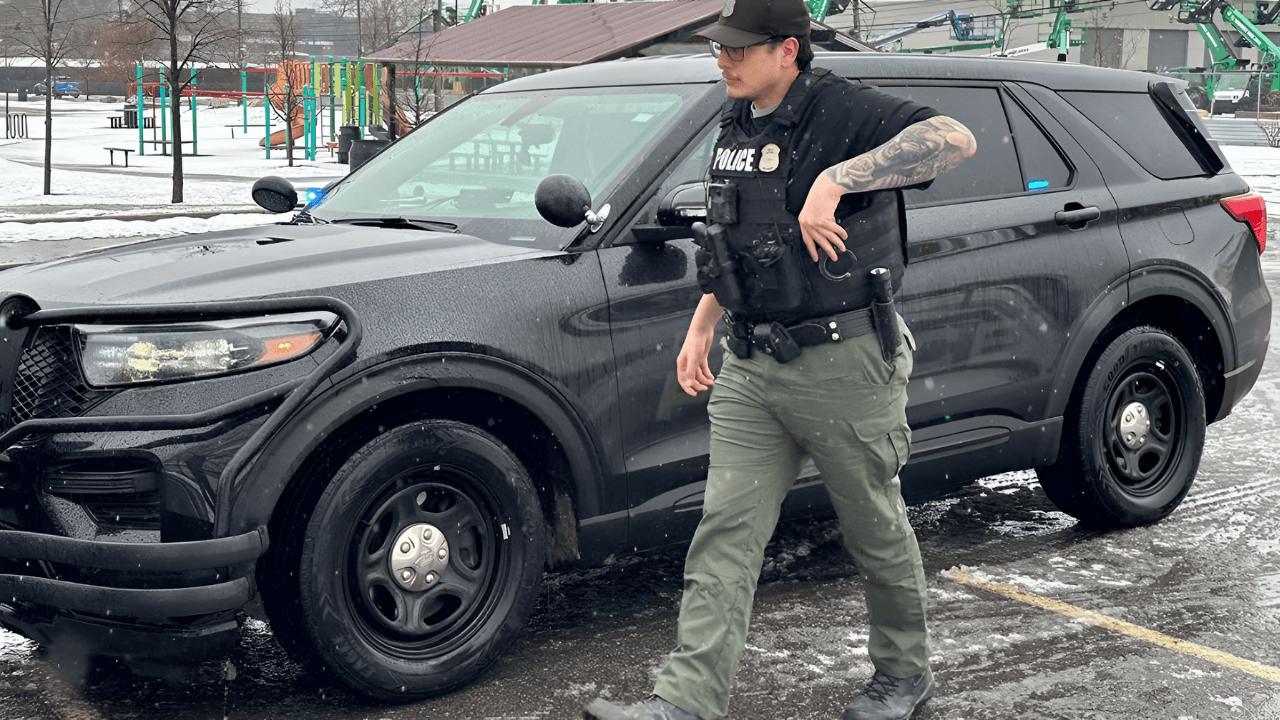
Start Inhibit creates a three-way recovery process involving the owner, Ford, and law enforcement. Once a police report is filed, Ford confirms the details with authorities before activating GPS tracking and engine inhibit functions. Location data is then shared with dispatch to coordinate recovery. Detroit Police have already worked with Ford on rapid response efforts designed to shorten recovery times.
This level of manufacturer and police integration is rare in consumer vehicles and marks a significant evolution in theft response. After a truck is recovered, tracking automatically ends. Owners can manually disable the system using their PIN, restoring full vehicle functionality and control while closing out the recovery process.
Expansion, Pricing, and Data Collection
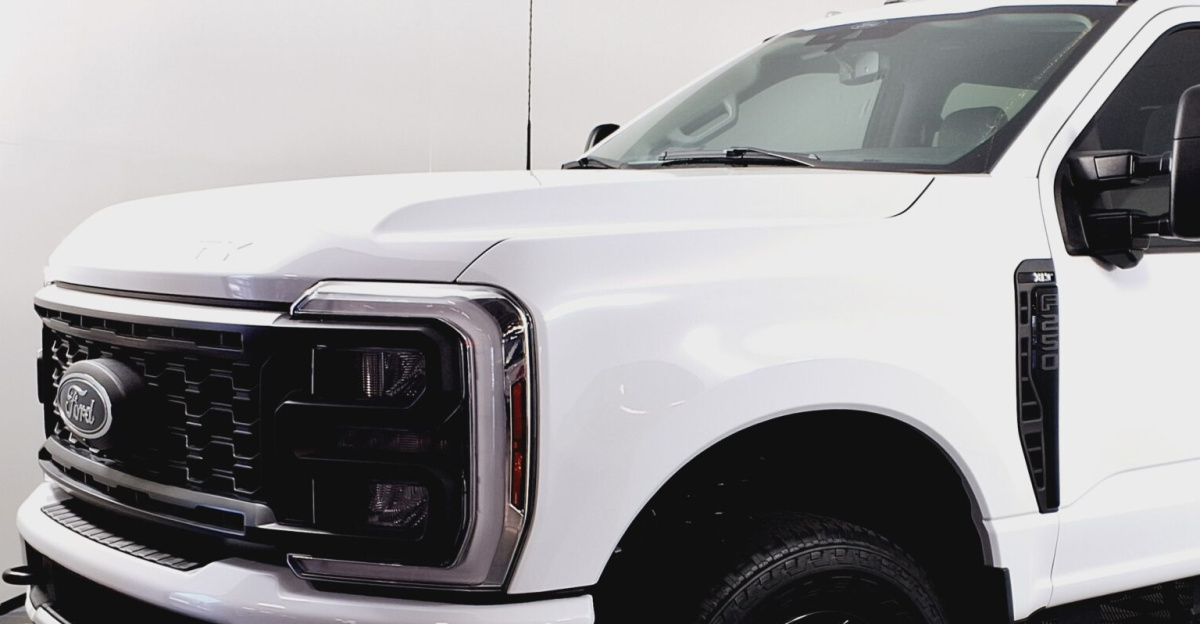
Ford expanded Start Inhibit from the 2024 F-150 to the 2025 F-250 Super Duty this month, with additional models planned for 2026. The service includes a one-year trial, followed by a subscription priced at $7.99 per month or $79.95 annually. New subscribers receive 2,500 FordPass Rewards Points, and some states offer insurance deductible offsets. The system relies on extensive data collection.
According to Ford’s privacy policy, data may include GPS location, speed, braking, steering inputs, road conditions, app usage, device information, and smartphone integration. While these data streams enable rapid recovery, they also expand Ford’s visibility into vehicle behavior, intensifying conversations around privacy and long-term data ownership.
Theft Declines and Criminal Adaptation
National vehicle thefts fell 17% from 2023 to 2024, the largest annual decline in 40 years, per National Insurance Crime Bureau reporting. Detroit mirrored that trend, with thefts dropping from 9,260 in 2023 to 8,408 in 2024. Early 2025 data shows a further 23% decline compared to the same period in 2024. Coordinated enforcement efforts recovered more than 309,000 vehicles nationwide using license plate readers and specialized task forces.
Thieves, however, continue to adapt through key cloning, system reprogramming, rapid part stripping, and export operations. Faster recovery timelines reduce profitability, especially when a $60,000 truck carrying $5,000 to $20,000 in tools can be rendered useless within hours.
What This Shift Means Long Term
Ford is positioning Start Inhibit as a competitive advantage, placing the F-150 alongside rivals like GM’s OnStar in the race for connected security features. Subscription revenue from millions of users could become a meaningful income stream. Still, risks remain. Server outages, false theft reports, hacking vulnerabilities like the 2015 Fiat Chrysler recall affecting 1.4 million vehicles, and unresolved data privacy disputes continue to concern critics.
Regulators, including those in the European Union, are drafting new connected vehicle rules as these systems spread. Faster recoveries protect livelihoods and disrupt organized crime, but they also give manufacturers remote engine control, constant tracking capabilities, and recurring revenue, forcing a careful balance between security, autonomy, and consumer trust.
Sources:
Vehicle Thefts in United States Fell 17% in 2024. National Insurance Crime Bureau, February 28, 2025.
Ford’s Stepped-Up Tech Counters F-150 Pickup Thieves. AP News, December 12, 2025.
Ford Turns to Stepped-Up Tech, Cooperation with Police to Thwart F-150 Pickup Thieves. CBS News Detroit, December 12, 2025.
Ford Security Package. Ford Motor Company Official Documentation, November 1, 2025 (Privacy Policy).
Vehicle Thefts Drop 23% in First Half of 2025, Continuing Downward Trend. Auto Remarketing, September 16, 2025.
Fiat Chrysler Recalls 1.4 Million Cars After Jeep Hack. BBC News, July 23, 2015.