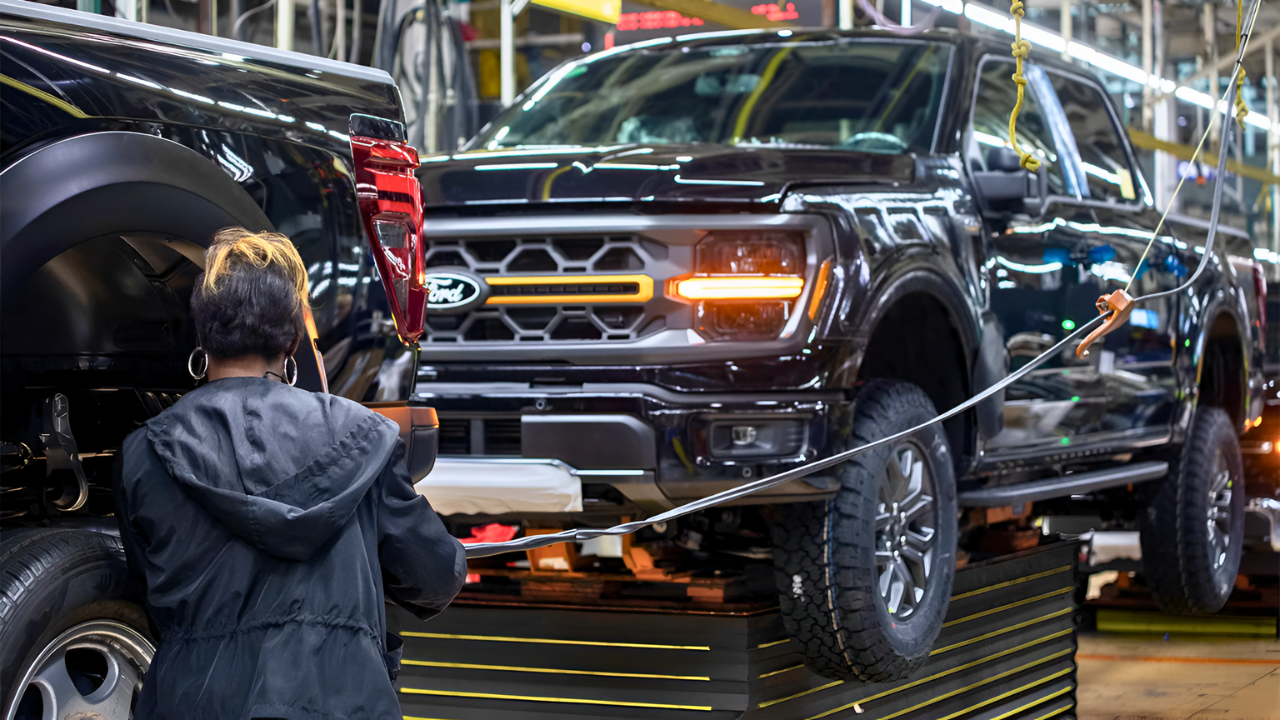
A fire at a key supplier’s plant has brought Ford’s electric ambitions to a standstill, forcing the automaker to halt production of its flagship F-150 Lightning pickup.
The company scrambles to redirect resources and keep its factories running. The ripple effects are being felt across the auto industry, the workforce, and the future of electric vehicles in America.
Aluminum Shortage Shakes Ford’s Plans
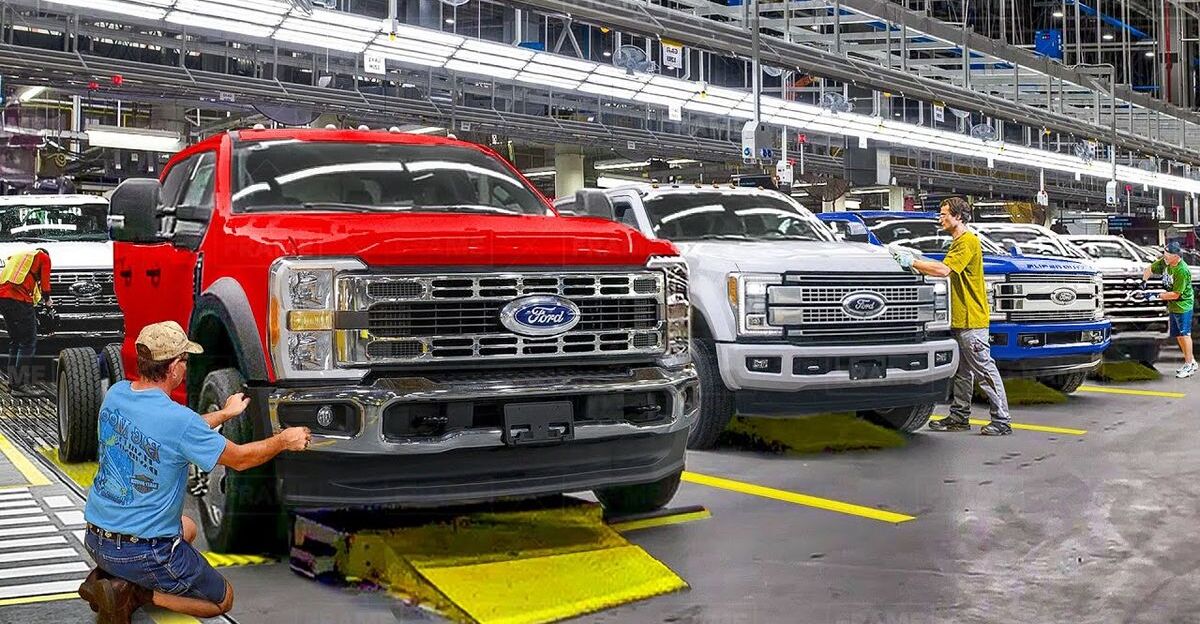
A catastrophic fire at Novelis triggered an immediate crisis for Ford. The fire destroyed critical infrastructure at one of the nation’s largest suppliers of automotive-grade aluminum. Ford was forced to pause operations indefinitely at the Rouge Electric Vehicle Center, where the F-150 Lightning is built.
Novelis provides a significant share of the aluminum used in U.S. auto manufacturing. The sudden disruption left Ford with no choice but to prioritize its gas and hybrid F-Series trucks—models that use less aluminum and remain highly profitable.
Ford had to make tough decisions to keep its plants running and its customers supplied. The company now focuses on meeting strong demand for conventional trucks while working through the supply chain challenge.
Dealerships across the country are already feeling the pinch. Customers come in asking for the Lightning, but dealers don’t know when they’ll get more inventory. Buyers who want to go electric face frustrating delays.
Shifting Gears: Gas and Hybrid Production Ramps Up
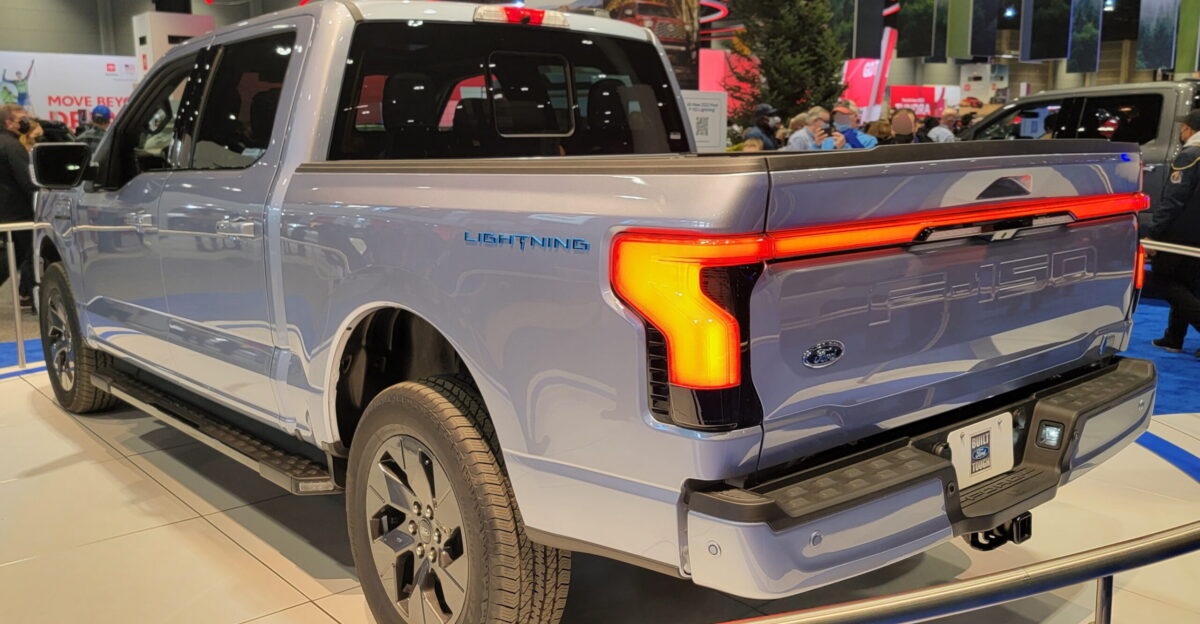
With the Lightning line idle, Ford quickly reassigned about 1,200 workers from the electric truck plant to its gas and hybrid F-Series lines in Dearborn and Kentucky. The company announced plans to create roughly 1,000 new jobs to support this shift. Ford aims to produce over 50,000 additional gas and hybrid pickups for the 2026 model year.
This pivot is designed to stabilize Ford’s bottom line. Gas and hybrid F-Series trucks are not only less aluminum-intensive but also deliver higher profit margins.
By ramping up production of these models, Ford aims to offset the financial impact of the Lightning’s production pause, which could result in up to $2 billion in lost earnings.
Industry-Wide Repercussions and Global Comparisons
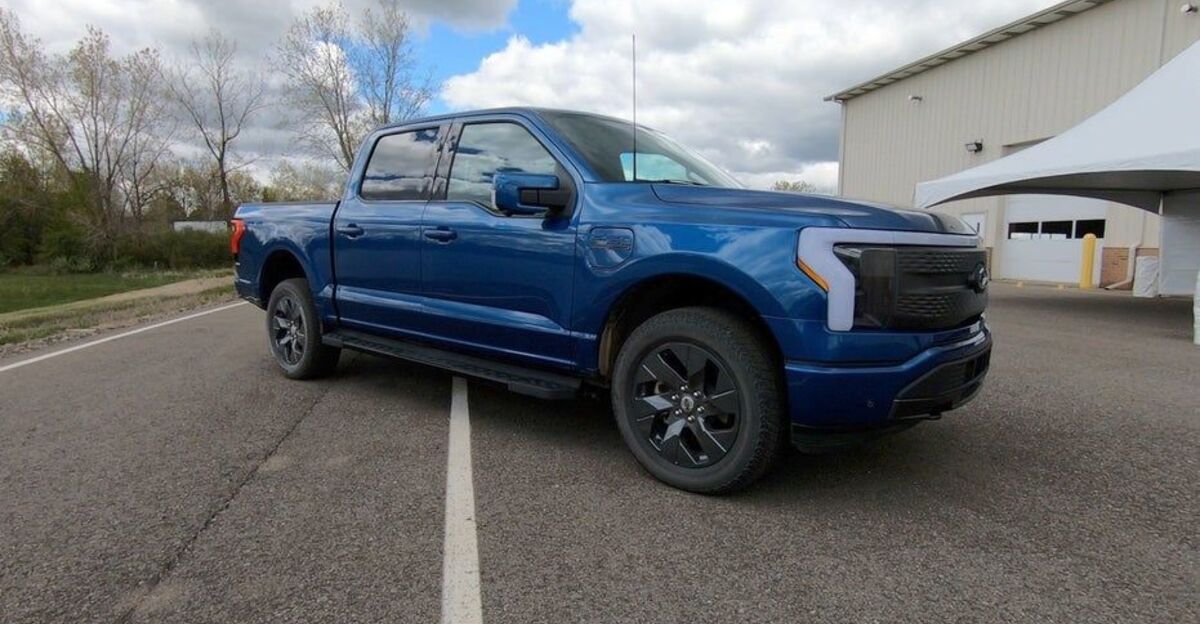
The aluminum shortage is not just a problem for Ford. Automakers worldwide are watching closely. Companies like Toyota, Hyundai, Volkswagen, and Stellantis are reviewing their own supply chains and seeking alternative sources. None has announced production halts as severe as Ford’s. The incident has exposed the vulnerability of relying on single-source suppliers for critical materials.
Globally, the situation draws comparisons to Europe’s recent struggles with battery supply for electric vehicles. The entire industry faces a wake-up call. Just as Europe has learned to diversify its battery suppliers, U.S. automakers may need to rethink their approach to sourcing aluminum and other key materials.
Shrinking Lightning Inventory and Consumer Impact
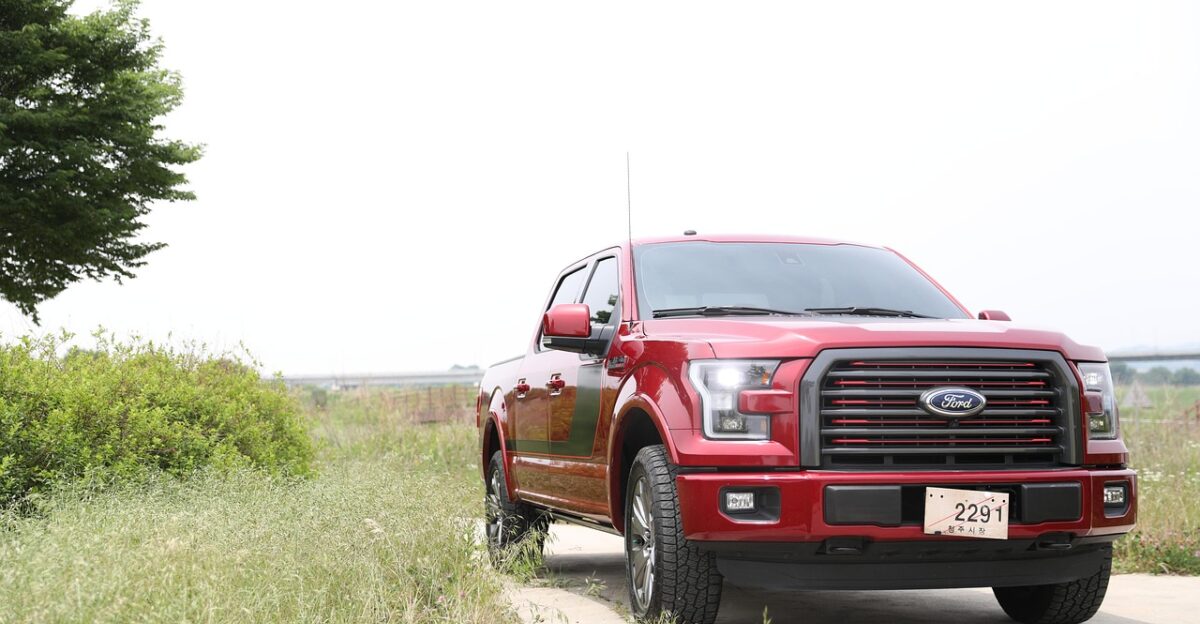
The indefinite pause in Lightning production is already shrinking dealer inventories. As America’s best-selling electric pickup, the Lightning had been a symbol of Ford’s push toward electrification. Now, with no restart date in sight, buyers face dwindling options and potentially higher prices as supply dries up.
For consumers, the choices are narrowing. Some may delay their switch to electric. Others will turn to gas or hybrid alternatives. The Lightning’s unavailability is disappointing, but truck buyers need vehicles now.
Meanwhile, gas and hybrid F-Series models remain widely available. Dealers expect robust inventories and possible incentives for buyers. This contrast could slow the momentum of electric vehicle adoption among truck customers, at least in the short term.
Climate Goals and the Road Ahead
Environmental advocates warn that Ford’s production pause could undermine efforts to reduce emissions from the transportation sector. The company’s pivot to gas and hybrid trucks highlights the tension between climate commitments and the realities of supply chain disruptions and market demand.
This setback highlights the fragility of the transition to electric vehicles. It’s not just about building EVs—it’s about securing the materials and infrastructure to support them.
Ford and the broader industry await the restoration of aluminum supplies. Questions remain about the resilience of automotive supply chains and the pace of electrification. Policymakers and industry leaders are watching closely. They consider whether to encourage more robust domestic sourcing for critical materials.
For now, Ford’s experience stands as a stark reminder: the road to an electric future is paved not just with innovation, but with the ability to weather unexpected shocks—and to adapt quickly when the supply chain falters.