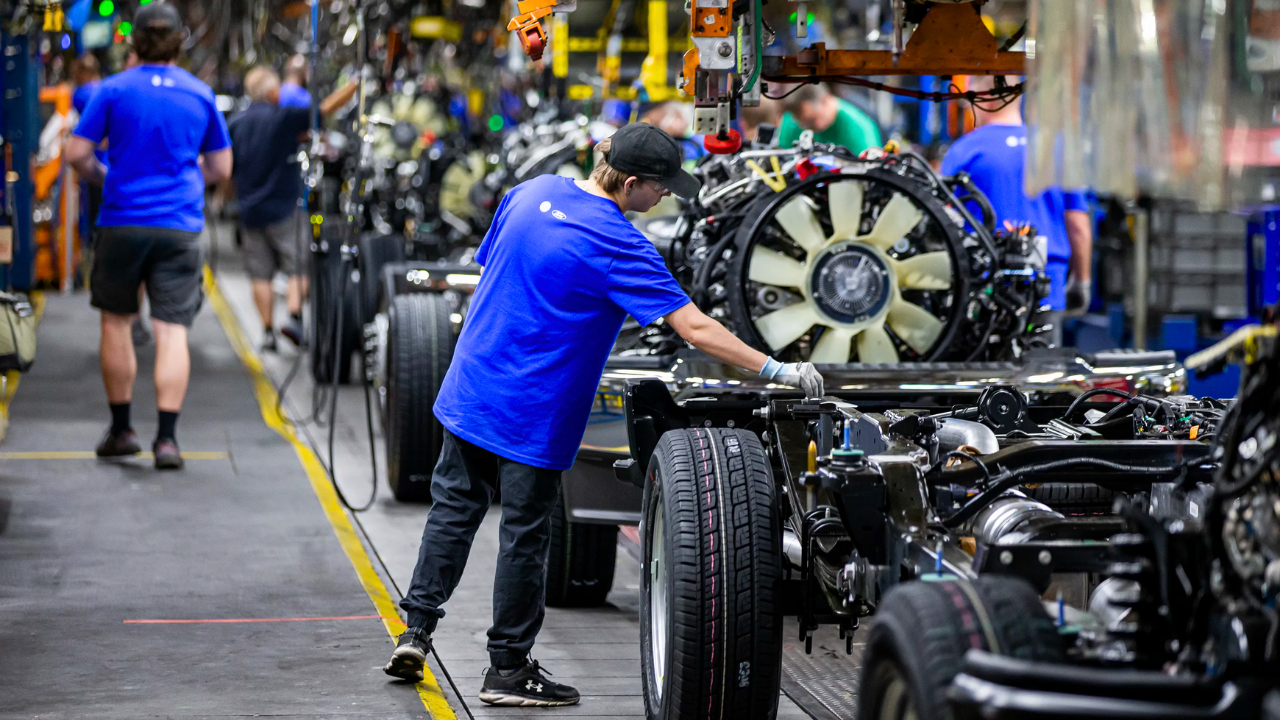
Ford’s Kentucky battery plant was supposed to bring thousands of good jobs to a rural area. Instead, it shut down just months after starting, putting 1,600 workers at risk of losing their jobs. The community in Hardin County now faces big economic challenges.
EV Hype Builds Then Breaks
Electric vehicles seemed like the future in the mid-2020s. Car companies poured trillions of dollars into building battery factories. States competed with huge incentives to attract these plants.
Kentucky won a major deal with Ford’s BlueOval SK project. This was a partnership between Ford and South Korea’s SK On. The state gave about $11 billion in aid for two plants in Glendale, near Interstate 65. Leaders promised 5,000 high-paying jobs to boost Hardin County’s economy for years.
Construction started with a groundbreaking in late 2022. A $25 million training center opened at Elizabethtown Community and Technical College in May 2023. Workers trained there for battery-making skills. The first battery rolled out in August 2025.
But problems hit fast. Global EV sales dropped that year. High prices, too many unsold cars, and tough competition hurt sales. Ford and other companies saw their profits shrink. They had to change their plans quickly.
Partnership Starts Strong, Ends Fast
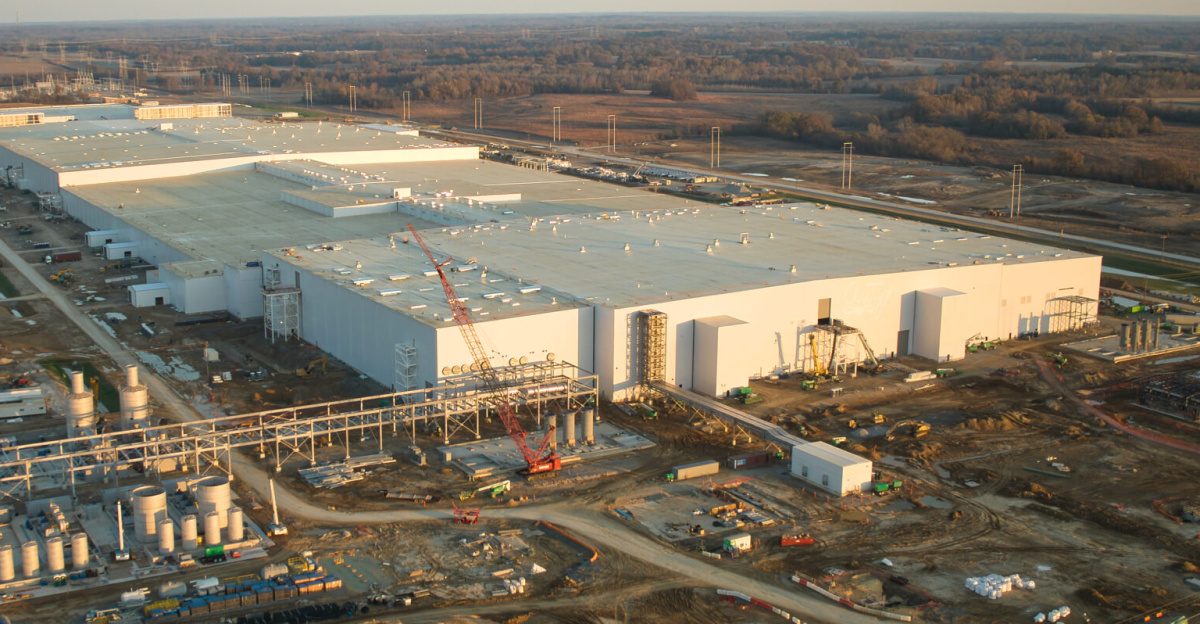
BlueOval SK began in September 2021. It planned two huge plants, each 4.2 million square feet. Production started briefly, but market troubles grew. SK On moved its attention to a site in Tennessee. In Glendale, excitement about growth turned to worries about cuts. By December 2025, workers who had trained for months heard rumors of layoffs.
On December 15, Ford made it official. The company announced 1,600 layoffs starting February 14, 2026. They stopped making EV batteries and ended the partnership by March 31, 2026. Ford took full control of the 700-acre site. Now, Ford plans to use the plant for advanced battery storage systems. These batteries will help data centers, power companies, and industries store energy. It’s a big shift from making parts for passenger cars.
Layoffs Hit Hardin County Hard
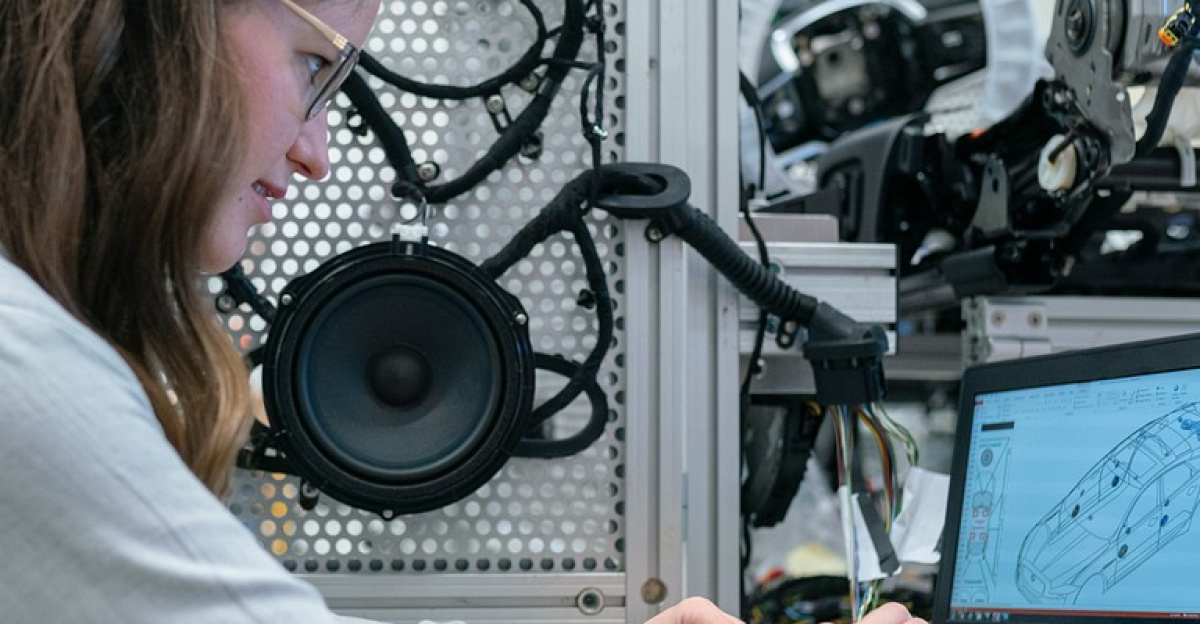
The announcement shocked people in Glendale and Elizabethtown. Local suppliers worried about losing business too. Many families depended on the plant. Workers had learned special skills for EV batteries, and now they faced uncertainty right before the holidays.
Ford said laid-off workers could apply for the new jobs. But there were no guarantees of transfers. This raised fears that some might get picked over others unfairly.
State leaders stepped in to help. Representatives Samara Heavrin and Steve Bratcher promised support. They said their main goal was to give affected workers the resources they need. Local officials questioned the $11 billion in incentives. They wanted more accountability and money for retraining programs. Pressure grew for better worker protections.
Industry Shifts Gears on EVs
Ford’s decision fits a larger pattern. In 2025, companies like Hyundai delayed their EV projects. Hybrid cars gained popularity because buyers wanted something cheaper than full electrics. General Motors and Tesla also changed their supply chains due to too many batteries.
SK On pulling out broke an important link between U.S. and South Korean companies. It showed how shaky these global deals can be.
Ford called this a smart move to adapt. CEO Jim Farley said the company must diversify to survive. Ford promised $2 billion over two years to remake the plant. They aim for 2,100 jobs in energy storage. That’s fewer than the original 5,000, but it targets a growing market outside cars.
New Plans and Mixed Community Feelings
Production for the new storage batteries should start in mid-to-late 2027, about 18 months from now. The training center in Elizabethtown will teach workers about storage technology. Workers worry about the hiring process and broken promises. Some locals stay hopeful. Business owner Rhonda Miller thinks Ford won’t let such big buildings sit empty. Elizabethtown leader Andy Games sees good things in Ford owning the site alone.
Others are not so sure. Energy markets can change quickly, and competition is fierce. Kentucky’s electric vehicle plans are adjusting. Ford’s plant in Louisville might build a midsize electric truck by 2027. The state now mixes storage batteries, hybrids, and careful steps forward.
Glendale’s story shows how risky manufacturing can be. Factories bring hope, but success depends on steady jobs and good use of public money. The area’s recovery will test if promises hold up as clean energy needs shift.
Sources:
Just-Auto | “BlueOval SK Begins EV Battery Production in the US” | August 19, 2025
ESG Dive | “Ford, EV Battery Manufacturer Dissolve Joint Venture” | December 15, 2025
Electrek | “Ford Pivots EV Battery Plants to Grid + Data Center Battery Storage” | December 15, 2025
Courier-Journal | “Ford to Repurpose BlueOval SK Battery Park” | December 15, 2025
Fortune | “Ford Takes $19.5 Billion Hit, Scraps Some EV Ambitions in Pivot” | December 15, 2025