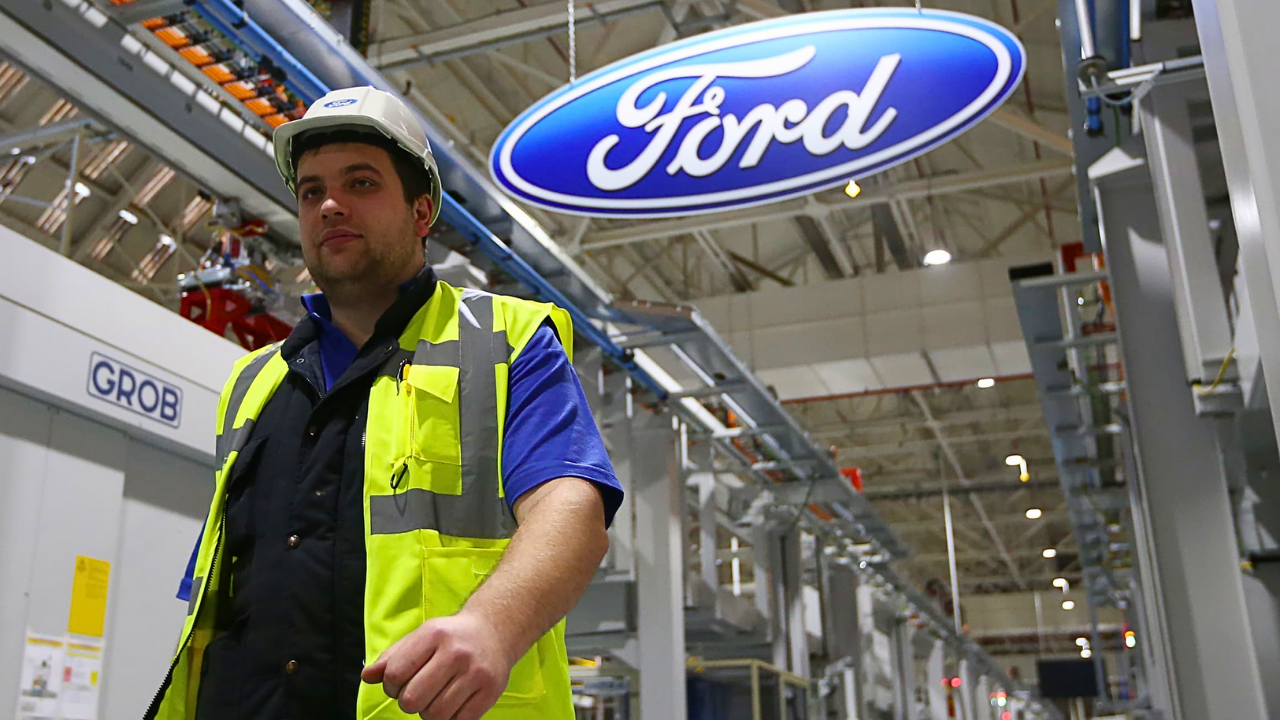
Ford is confronting a sizable labor gap, with about 5,000 open mechanic roles and salaries around $120,000 annually. This figure sits near the top end of U.S. wage distributions for highly skilled trades and comes as skilled manual labor remains in short supply across multiple sectors. The result is a broader context in which more than a million trade-related positions remain unfilled nationwide, contributing to risks for the economy, manufacturing, and infrastructure. This situation is presented as part of a wider pattern affecting many companies, not as an isolated Ford issue.
Ford Breaks the Silence

In November 2025, Ford CEO Jim Farley highlighted Ford’s difficulty filling thousands of technical roles despite competitive compensation and benefits. The company’s public acknowledgement underscores what the leadership characterizes as a broader skilled-labor challenge in the United States—one that has potential economic consequences for both firms and workers.
The Six-Figure Paradox
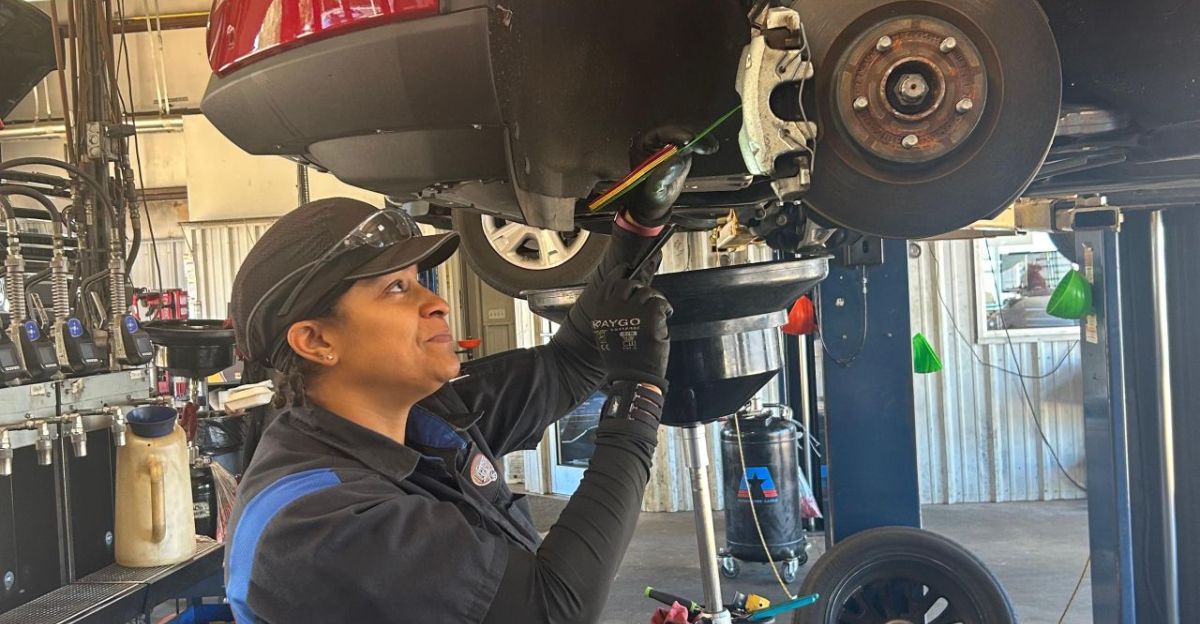
While offering around $120,000 to mechanics is substantial, vacancies persist. Factors such as cultural bias favoring four-year college paths, social stigma around trades, and the undervaluing of manual labor contribute to difficulties in attracting top talent. The Ford case illustrates that pay alone may not resolve long-standing perceptions about blue-collar work.
Economic Impact of Vacancies
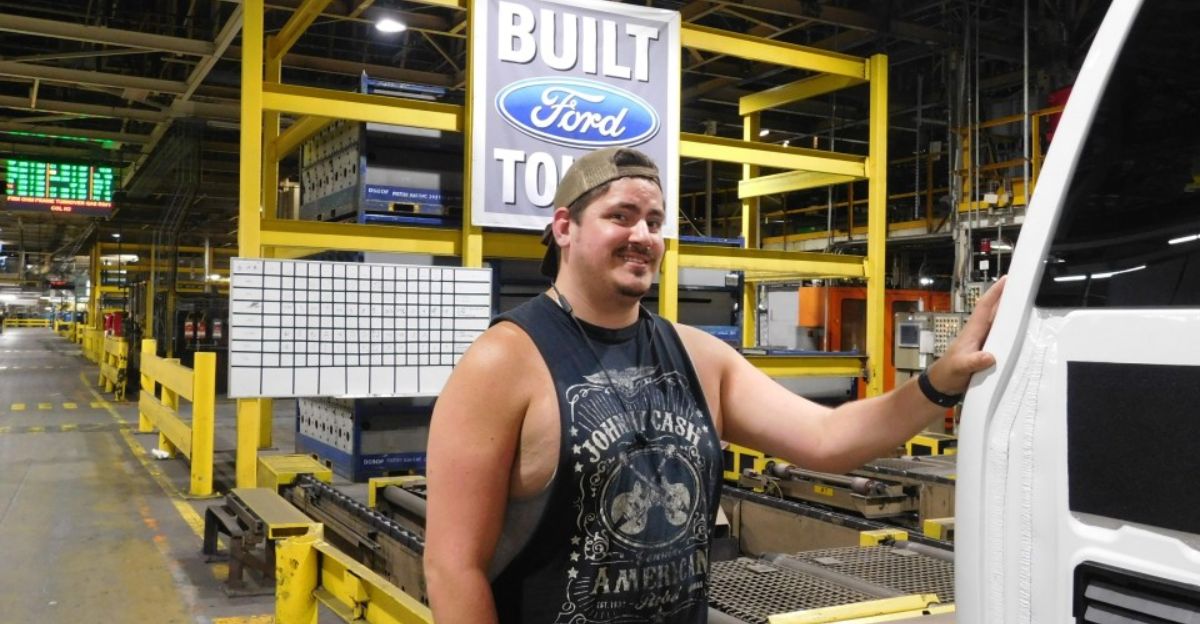
Five thousand unfilled Ford mechanic roles translate into substantial foregone wages, and when scaled to the nationwide level of roughly one million unfilled trade positions, the economy faces a large aggregate impact on growth, innovation, and stability. The shortages are presented as tangible, measurable gaps rather than abstract concepts.
Manufacturing as a Focus

More than 400,000 manufacturing roles were vacant even as unemployment hovered near 4%. Official data from the Bureau of Labor Statistics are cited to illustrate a historic mismatch between job openings and the availability of workers with the required skills. The demand for manual and technical expertise is described as outpacing supply, creating bottlenecks across production and delivery.
UAW Contract Gains
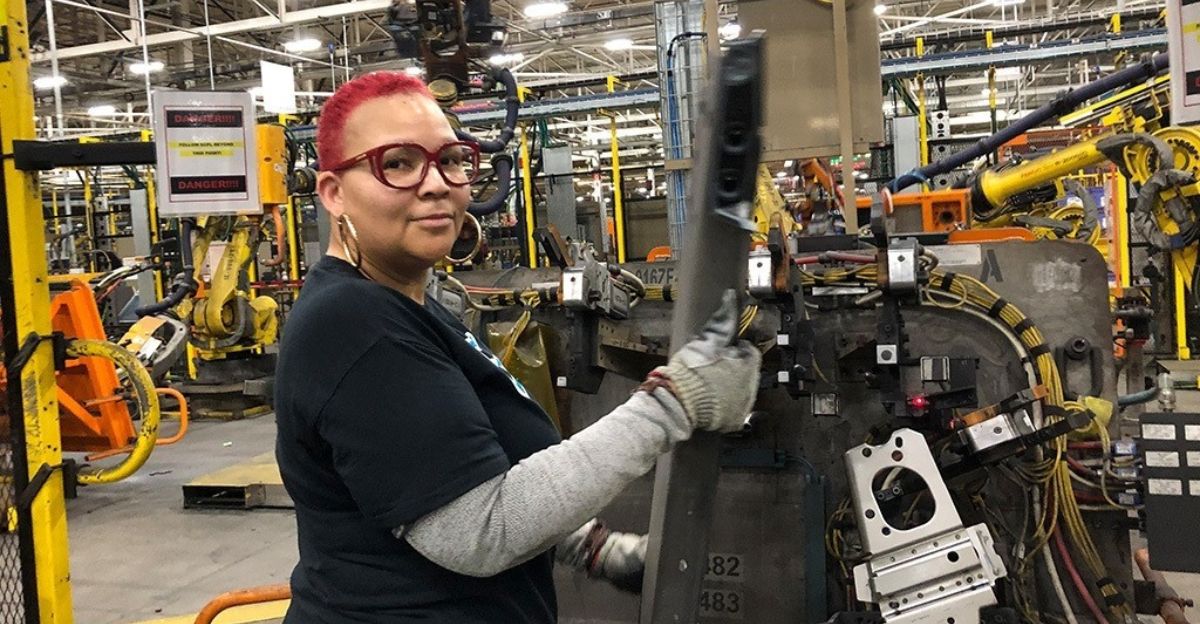
Ford’s 2023 collective bargaining agreement with the United Auto Workers included wage increases and the elimination of the lowest pay tier, with skilled trades now earning close to $50 per hour. While these adjustments improve compensation, they are not viewed as sufficient by all observers to fully attract new entrants to trades.
Training Takes Time
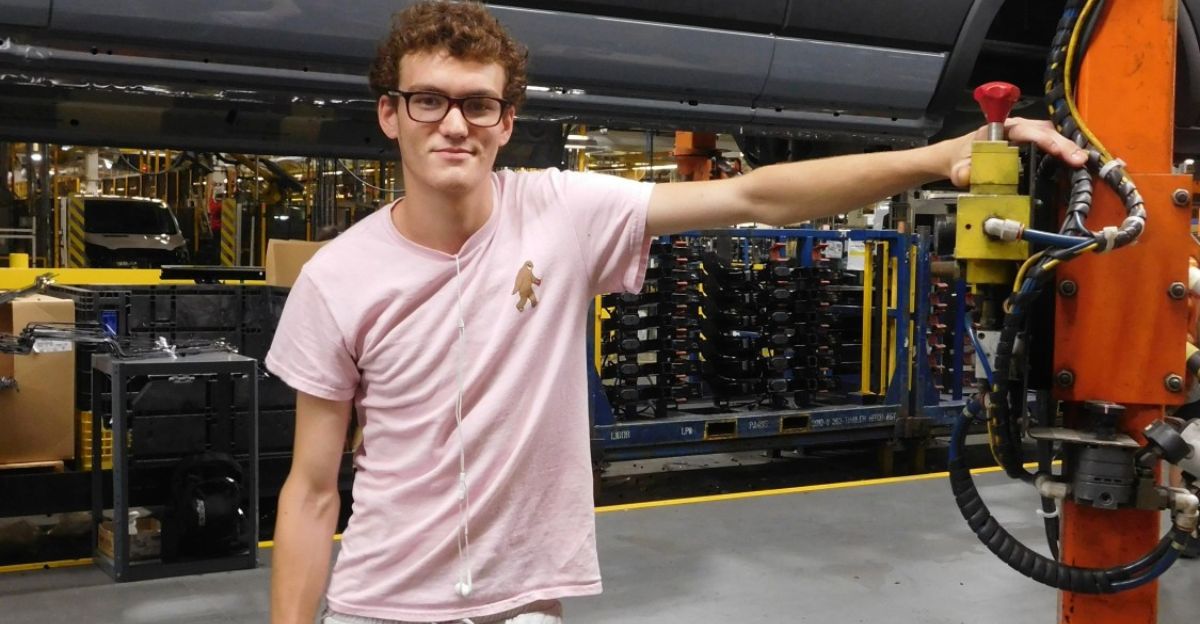
Becoming a top-tier Ford mechanic is portrayed as a lengthy process, with extensive training needed for heavy-duty diesel engines and advanced diagnostics. Five years or more of instruction are cited as part of the pathway, highlighting the tension between rapid entry into the labor market and the depth of technical expertise required.
Vocational Education Trends

Trade-school enrollment rose about 16% in 2024, the strongest increase since 2018, with Gen Z showing growing interest in skilled programs over four-year colleges. Despite this uptick, overall participation remains well below labor-demand levels, suggesting more work is needed to align supply with needs in fields like auto repair and maintenance.
Cross-Trades Variation

Some trades—such as HVAC, electrical, and plumbing—showed strong rebounds with compact training programs, while auto repair and maintenance programs lag behind. This uneven recovery signals ongoing gaps in the pipeline for automotive service roles.
Recruitment and Retention

A 2024 Manufacturing Institute and Deloitte survey found many U.S. manufacturers struggle to recruit and retain skilled workers, with absenteeism and engagement challenges exacerbating the problem. Staff turnover increases training costs and can affect product quality and timelines.
Apprenticeships and Pipelines

Traditional apprenticeships and on-the-job training have declined over the past two decades, with investment not keeping pace with demand. The article emphasizes that rebuilding these pipelines is essential to maintain a skilled workforce for critical roles in manufacturing and auto services.
Cultural and Generational Shifts
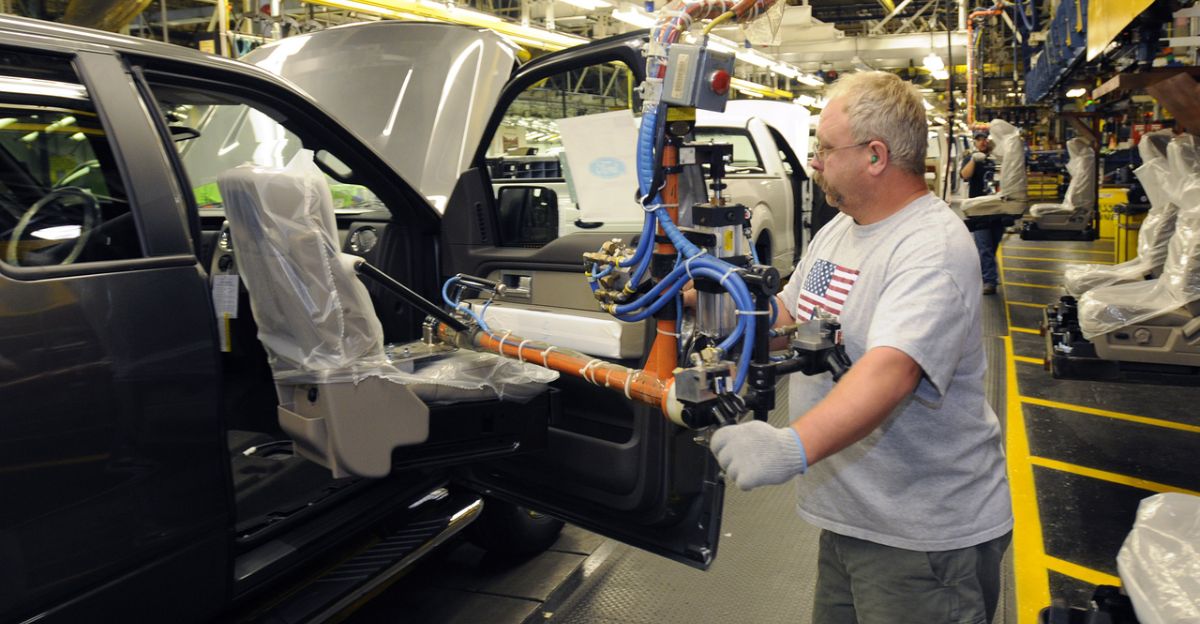
Beyond compensation, non-financial factors—career prestige, job security, and societal perceptions—play a major role in attracting talent to trades. Employers are urged to improve cultural respect for trades and create clear, attainable pathways to success for prospective workers.
Gen Z and the Future

Gen Z appears increasingly attracted to skilled-trade education over traditional four-year colleges, suggesting a potential normalization of skilled trades if employers, policy makers, and public messaging support this shift and help connect opportunity with talent.
Automation and Skills Demand
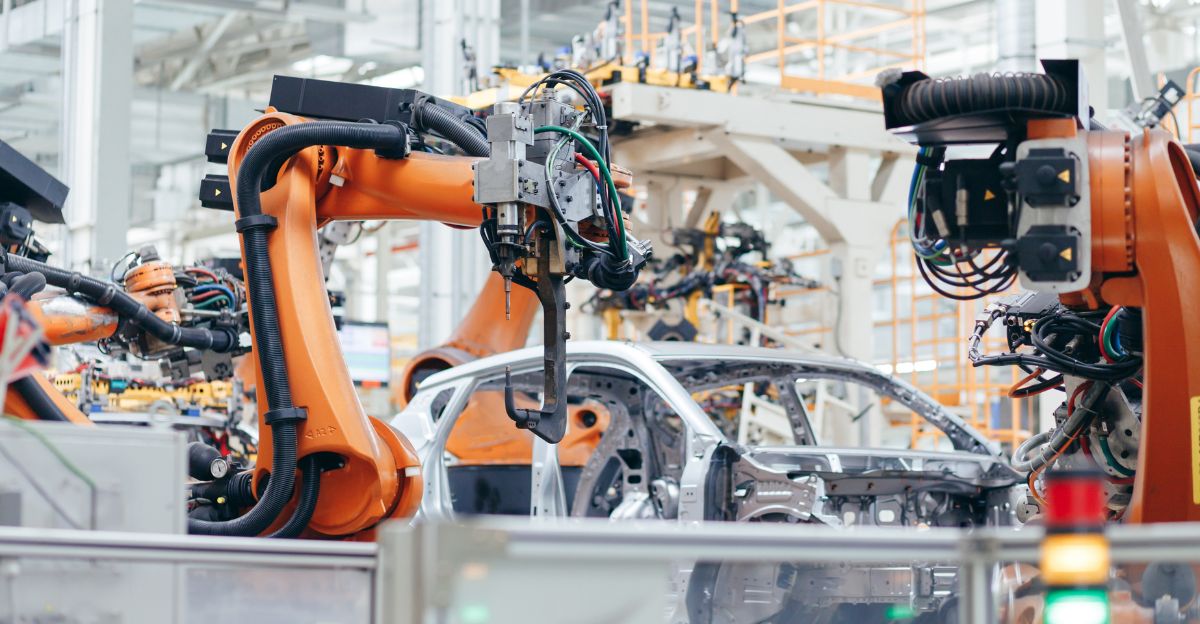
Automation can raise technical requirements rather than simply replacing human labor. Modern robotics and diagnostic systems demand higher skill levels, which can raise barriers to entry even as automation creates new opportunities for advanced roles.
Automotive Service at Risk

Thousands of unfilled mechanic jobs pose risks to vehicle reliability, service efficiency, and customer satisfaction. Electrification adds complexity, underscoring the importance of a highly skilled technician workforce.
Building the Social Contract

There is a call to align education, policy, and corporate opportunities to restore the traditional pathway from opportunity to prosperity through skilled trades. Without coordinated action, the appeal and viability of blue-collar careers may wane.
Ripple Effects

Labor shortages in skilled trades reverberate through supply chains, delaying deliveries and increasing costs across sectors, including manufacturing and retail, with wide-ranging economic implications.
Pathways Forward

Proposed strategies include investing in technical education, targeted public messaging, faster apprenticeships, and programs that publicly link prestige to compensation. A coordinated approach is described as essential to rebuild the skilled workforce and restore confidence in high-value trades.
Looking Ahead

Ford’s mechanic shortage is framed as a barometer for broader labor-market adaptability in the United States. The article argues that without structural reforms and cultural shifts, the skilled-trades gap could widen, prompting urgent action in education, incentives, and public narratives to sustain industries and upward mobility.