
Ford Motor Company announced December 15 that it’s discontinuing the F-150 Lightning, America’s best-selling electric pickup truck, marking a stunning reversal from the company’s aggressive electrification strategy. The all-electric vehicle, launched just four years ago to widespread acclaim and industry awards, will cease production by year-end 2025.
CEO Jim Farley candidly explained the decision: “Instead of plowing billions into the future knowing these large EVs will never make money, we are pivoting.”
The Staggering Price-to-Loss Equation

Despite commanding $55,000 retail prices, Ford lost money on virtually every F-150 Lightning sold, with losses reaching approximately $36,000 per vehicle in some quarters. The truck’s original development targets aimed for a $40,000 price point—a goal never achieved during production.
Even with federal $7,500 tax credits helping consumers afford the vehicle, Ford couldn’t close the profitability gap. Weak towing range, consumer price resistance, and manufacturing cost overruns created an untenable business case.
A $19.5 Billion Write-Down Shocks Wall Street

Ford announced a staggering $19.5 billion special charge—one of the largest EV-related impairments in automotive history—to restructure its entire electric vehicle business. Approximately $8.5 billion represents write-downs from cancelled future EV programs, including large pickup trucks destined for Tennessee manufacturing.
Another $6 billion reflects the company’s exit from the BlueOval SK battery manufacturing joint venture with South Korean company SK On. The remaining $5 billion covers additional EV asset impairments and restructuring costs.
Model e Division Hemorrhages Over $15 Billion Since 2023

Ford’s dedicated Model e electric vehicle division has lost $2.2 billion (2022), $4.7 billion (2023), $5.1 billion (2024), and $3.6 billion year-to-date through Q3 2025, totaling over $15 billion in cumulative losses. Despite selling increasing volumes—particularly 10,005 F-150 Lightning units in Q3 2025 ahead of federal tax credit expiration—the division’s negative economics worsened.
In Q3 2025 alone, Model e recorded a negative $1.4 billion EBIT on $1.8 billion revenue, translating to a catastrophic negative 77.8 percent EBIT margin.
Ford Pro and Hybrids: The Real Profit Centers
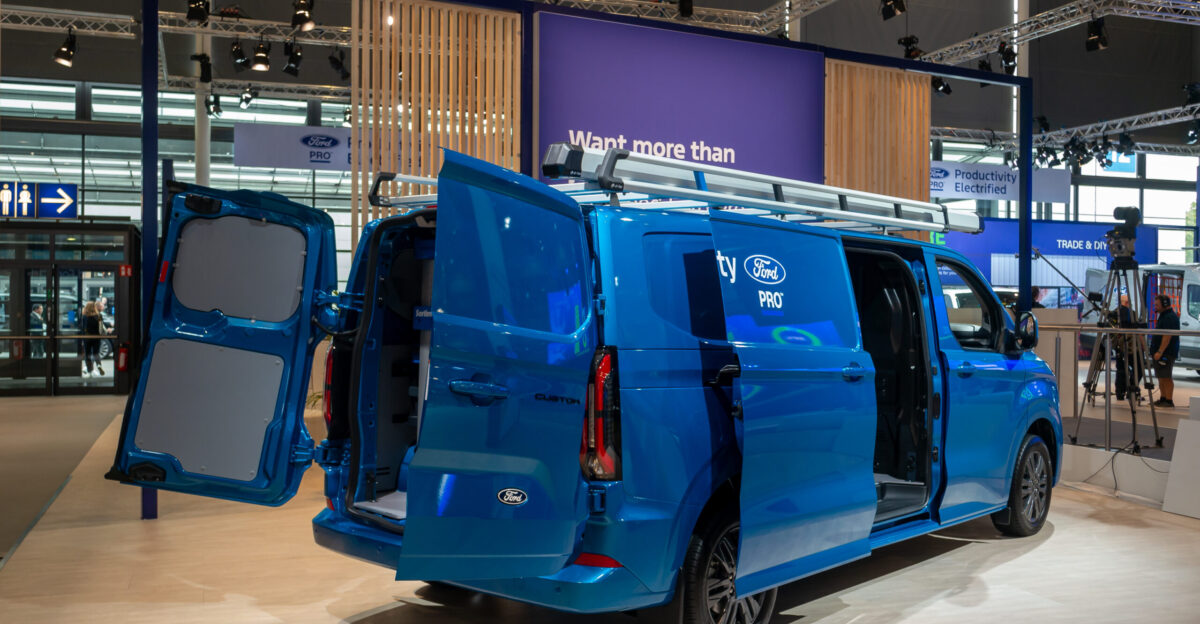
Stark contrasts emerged between Ford’s business divisions in Q3 2025. Ford Pro, the commercial and fleet services division, generated $2.0 billion EBIT on $17.4 billion revenue—a robust 11.4 percent margin. Ford Blue, encompassing traditional gasoline and hybrid vehicles, contributed $1.5 billion EBIT on $28.0 billion revenue. Model e, conversely, lost $1.4 billion.
Ford Pro alone generated 77 percent of company EBIT while representing just 34 percent of revenue. Management recognized that commercial vehicles and attached digital services, not consumer EVs, constituted the company’s genuine competitive advantage and capital-generation engine requiring protection and investment priority.
The BlueOval SK Catastrophe: 1,600 Kentucky Jobs Vanish

Ford announced that all 1,600 employees at the BlueOval SK battery manufacturing facility in Glendale, Kentucky, would be laid off by February 14, 2026. The plant, which only began production in August 2024, represents one of America’s most visible EV manufacturing failures.
Opening less than four months before its closure announcement, the facility embodied Kentucky’s $250 million economic development investment and promises of stable, well-paying manufacturing jobs in a transforming industry. CEO Michael Adams delivered the layoff announcement via video message to workers who had relocated from across the nation expecting decades-long employment opportunities.
A 16-Month Gap Leaves Workers Stranded

While Ford promised that 2,100 positions would eventually open at the Kentucky facility for battery energy storage systems manufacturing, converting the plant requires an estimated 16-month retooling period. This gap leaves all 1,600 laid-off workers facing unemployment despite Ford’s commitment to offer job opportunities after renovations complete in 2027.
Governor Andy Beshear’s administration established job fairs and compiled employment opportunities within a 45-minute radius of Glendale, yet many workers express reluctance to return to Ford’s payroll after broken promises.
Union Recognition Complications Amid Plant Closure

The National Labor Relations Board faced pressure to rule on a razor-thin union victory at BlueOval SK, where workers voted 11-to-9 in August 2025 to join the United Auto Workers despite the company challenging 41 ballots that could overturn the result.
Union complications arose precisely as Ford announced the plant’s permanent closure, creating ambiguity about management’s obligations regarding collective bargaining over the shutdown’s effects. If union recognition occurs before February 14, Ford may face legal requirements to bargain with the UAW over severance, transition assistance, and worker protections—an unexpected complication for a facility closure management clearly intended to execute swiftly.
Federal Tax Credit Collapse Triggers EV Demand Cliff

When President Trump’s administration eliminated the $7,500 federal EV tax credit effective September 30, 2025, electric vehicle market demand collapsed precipitously. U.S. EV sales fell approximately 40 percent in November—the month immediately following credit expiration—after enjoying the incentive for more than fifteen years.
Ford’s F-150 Lightning posting record sales of 10,005 units in Q3 2025 reflected customers rushing to capture the expiring incentive; November sales plummeted 72 percent year-over-year to just 1,006 units once the credit disappeared.
Regulatory Reversals Accelerate EV Strategy Retreat

Beyond eliminating consumer tax credits, Trump’s administration relaxed corporate average fuel economy standards, eliminated fines for insufficient EV sales quotas, and signaled broader retreat from emissions regulations that previously incentivized automakers to maintain EVs despite unprofitability. These regulatory changes removed both the “carrot” of consumer subsidies and the “stick” of compliance penalties, allowing manufacturers to allocate capital purely based on economic returns.
Ford explicitly acknowledged that policy changes influenced its EV pivot decision, though management emphasized that weak demand and cost challenges remained primary drivers.
From F-150 Lightning to Extended-Range Electric Vehicle

Ford isn’t entirely abandoning the Lightning nameplate but transitioning it to an extended-range electric vehicle architecture featuring a gasoline generator to recharge batteries on longer trips. This EREV design addresses the pure Lightning’s fundamental limitation: severely constrained range when towing, which undermined utility for contractors, ranchers, and recreational users constituting the F-Series core customer base.
The next-generation Lightning will reportedly deliver nine to ten days of electric-only range for typical daily driving while enabling 700-plus-mile total range via the generator system.
Hybrid Surge Reflects Consumer Preference Reality
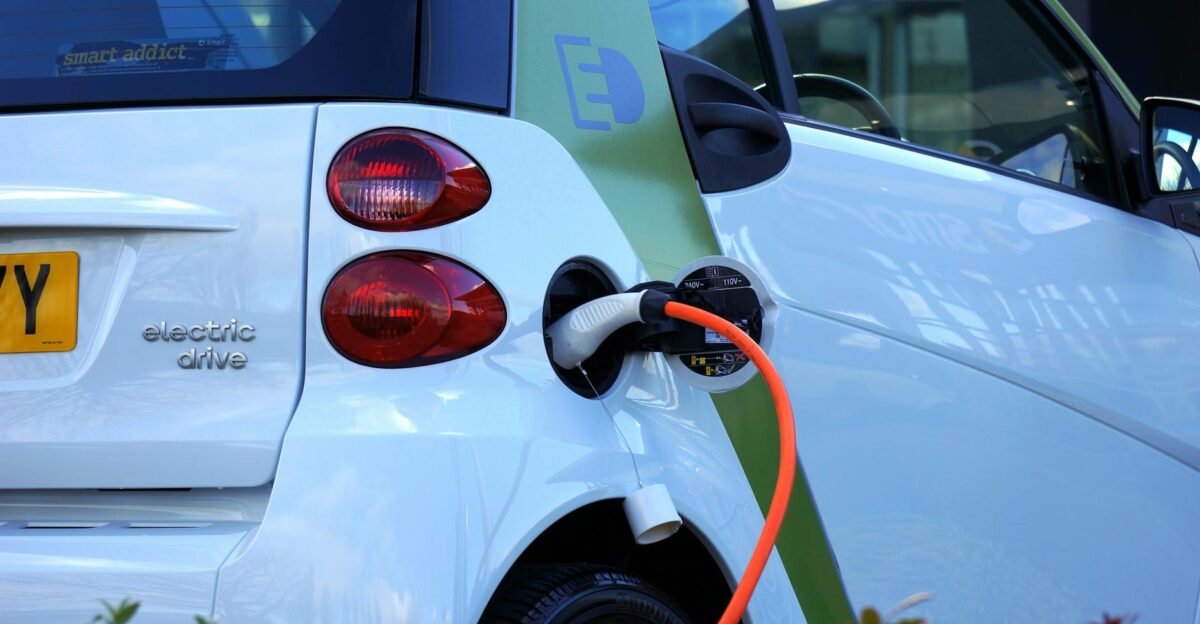
While Ford’s pure EV strategy collapsed, hybrid powertrains surged unexpectedly. Ford hybrid sales set records throughout 2025, with the F-150 PowerBoost hybrid achieving 22,212 Q3 2025 sales—up 10.3 percent—maintaining America’s best-selling full-size hybrid pickup position. The Maverick Hybrid climbed to 63,516 units through September 2025, up 11.5 percent and dominating the midsize hybrid segment.
Overall, Ford sold 142,597 F-150 and Maverick hybrids in 2024, up 39 percent from 102,464 in 2023. This surge revealed that customers prioritized fuel efficiency combined with unlimited range and charging convenience over pure electric operation.
Battery Storage Systems: Ford’s Next Frontier
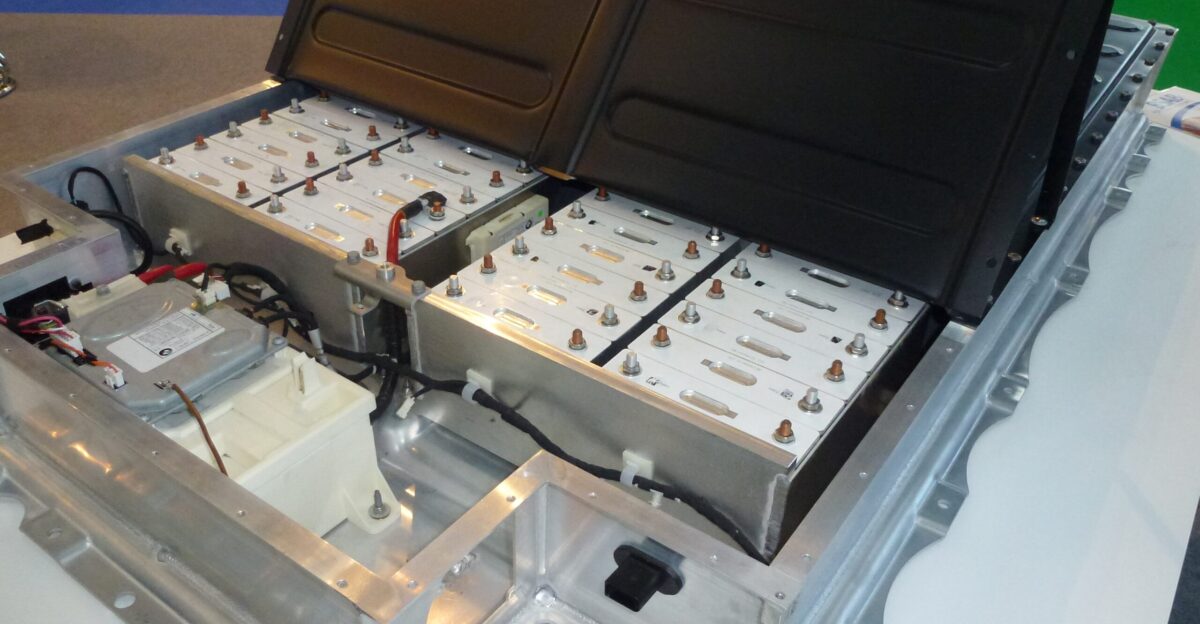
Ford announced a $2 billion strategic investment to repurpose EV battery manufacturing capacity for utility-scale battery energy storage systems targeting data centers and electrical grids. The Kentucky facility will manufacture 5-plus MWh advanced battery storage systems by late 2027, targeting 20 GWh annual capacity. The global data center battery market valued at $3.6 billion in 2025 is projected to reach $6.1 billion by 2035, while the broader battery storage market is expected to exceed $99 billion by 2033.
Ford’s pivot toward BESS acknowledges reality: stationary energy storage represents a faster-growing, more profitable application for lithium-ion battery manufacturing than automotive electrification currently permits, offering Ford alternative revenue streams from existing manufacturing infrastructure.
Industry-Wide EV Retreat Signals Broader Reckoning
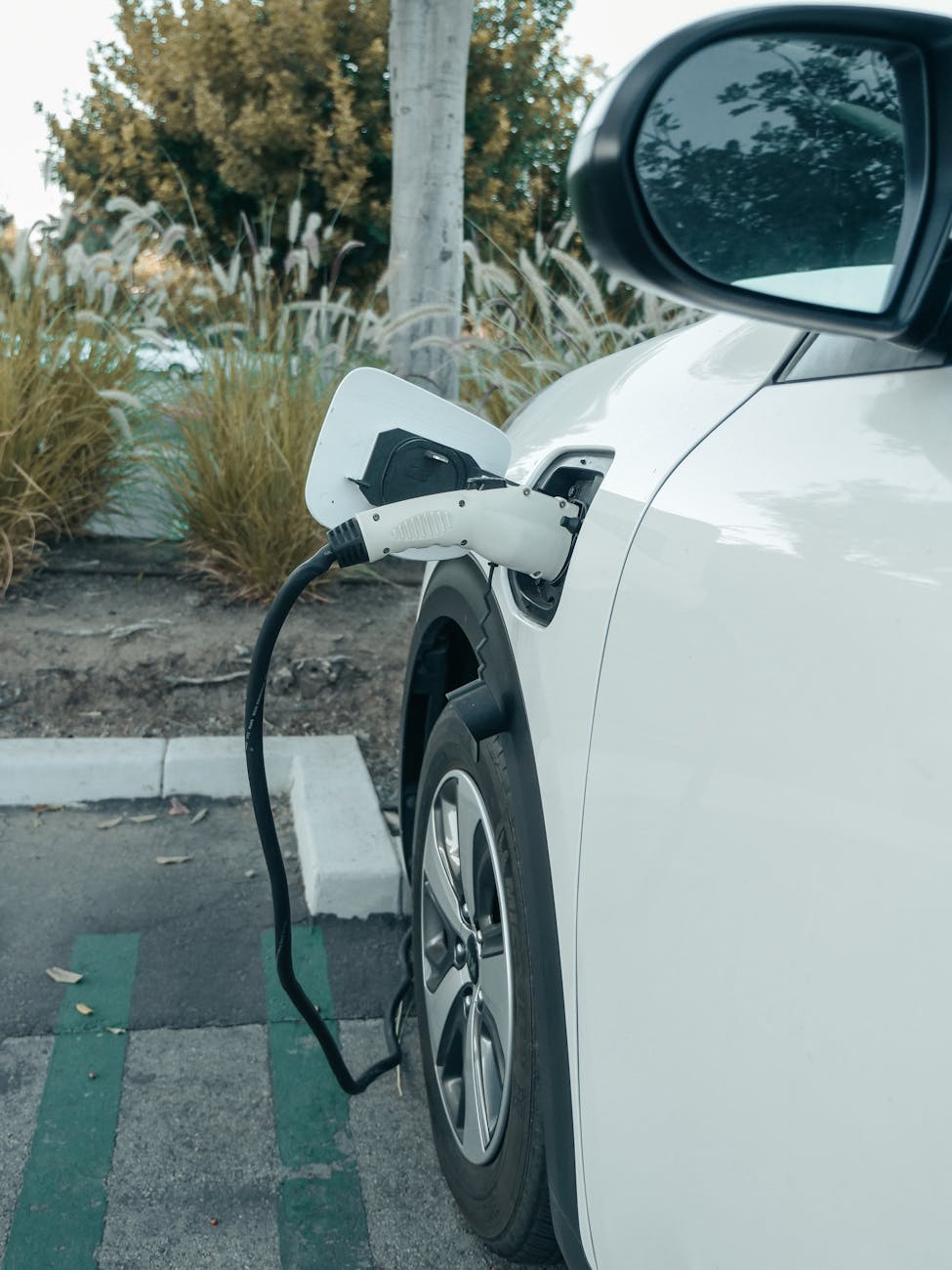
Ford’s strategic reset extends far beyond a single company—it signals industry-wide acknowledgment of EV transition challenges. General Motors announced in October 2025 that it would record $1.6 billion in charges to scale back EV production, acknowledging that rapid electrification proved unrealistic given weaker-than-expected consumer demand.
Stellantis cancelled its full-size electric Ram 1500 pickup in September, citing slowing demand for large battery-electric trucks in North America. Tesla’s Cybertruck sales collapsed 62.6 percent in Q3 2025 to just 5,385 units after initially generating consumer enthusiasm.
Wall Street Sees “EV Realism” Emerging in 2026

Despite the devastating write-down, Ford raised 2025 adjusted EBIT guidance to approximately $7 billion from prior guidance of $6.0–$6.5 billion while affirming adjusted free cash flow trending toward the high end of its $2–$3 billion range. Morgan Stanley analysts characterized the charges as “painful” but “necessary to align with customer needs,” predicting improved future profitability and returns.
Ford projects Model e will achieve profitability by 2029—a three-year delay from earlier projections. The investment community’s muted reaction—Ford shares rose one to two percent following the announcement—suggests markets view capital reallocation toward profitable divisions as value-enhancing.
Sources:
“Ford’s $19.5 Billion EV Writedown: Five Things to Know,” Reuters, December 15, 2025.
“All 1,600 Kentucky Battery Plant Employees Laid Off as Ford Pivots Away from EV,” WDRB News, December 25, 2025.
“Ford Stops Production of the All-Electric F-150 Lightning,” NPR, December 15, 2025.
“Ford Takes $19.5 Billion Writedown on EV Business,” Hydrocarbon Processing, December 18, 2025.
“Ford to Record $19.5 Billion in Special Charges, Pull Back on EV,” CNBC, December 15, 2025.
“Now They’re Left in the Rain: BlueOval Workers Face Feb. 14 Closing Date,” WUKY/Kentucky Public Radio, December 22, 2025.