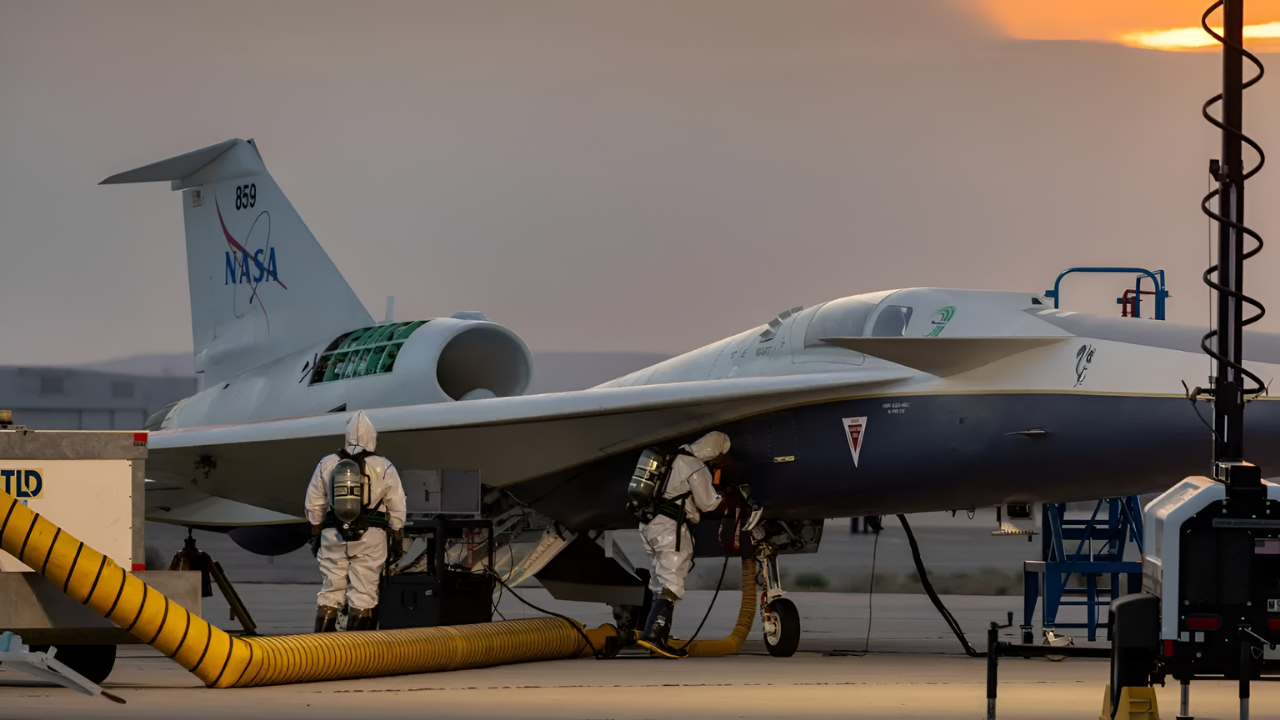
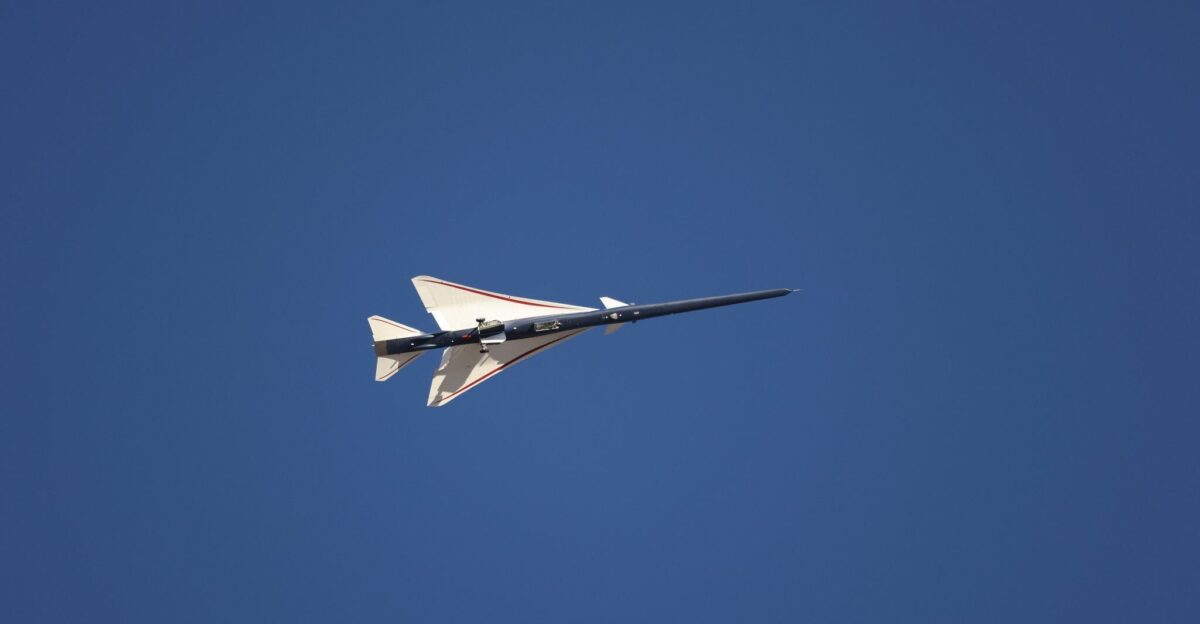
On October 28, 2025, a historic flight took place over the California desert. NASA and Lockheed Martin’s experimental jet, the X‑59, soared between Palmdale and Edwards Air Force Base, marking the beginning of a new chapter in aviation. Sleek and sharp‑nosed, the aircraft didn’t just fly, it challenged the physics of sound itself.
Until now, traveling faster than the speed of sound has always come with a thunderous “boom.” But the X‑59 aims to rewrite that rule by breaking the sound barrier quietly. This marks a significant leap toward reimagining what flight could sound like, or rather, not sound like, in the future.
Reviving a Forgotten Dream
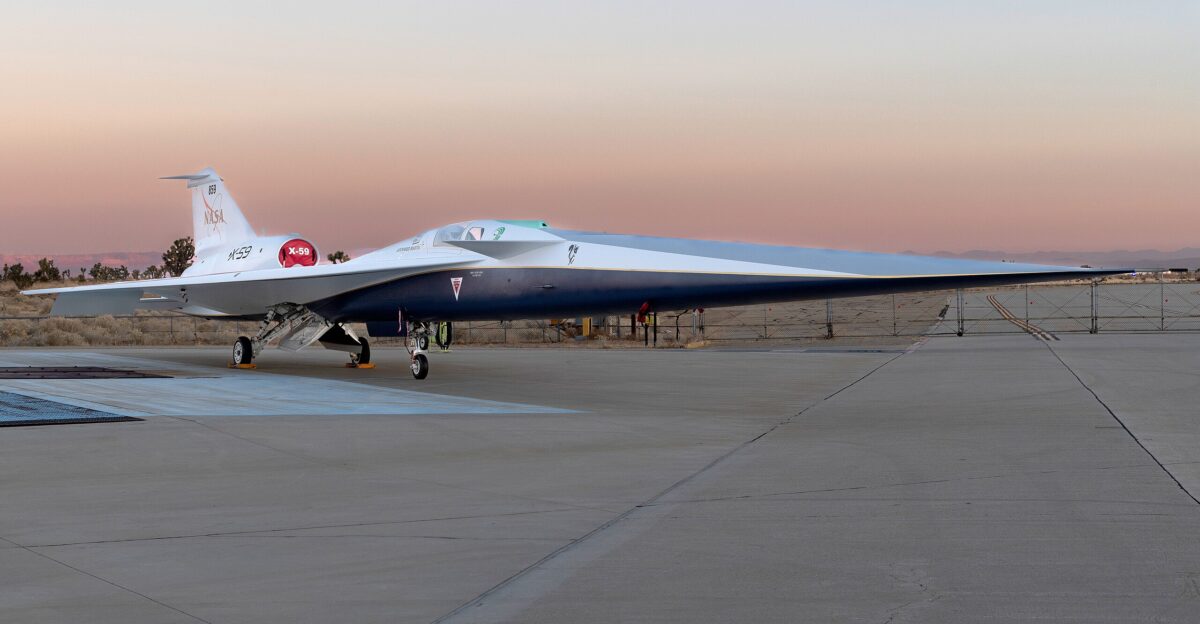
For more than 50 years, flying faster than the speed of sound over the U.S. has been banned due to noise complaints from earlier supersonic experiments. That rule left a gap in aviation innovation since the retirement of the Concorde.
But the X‑59’s first flight signals the revival of a dream, a world where passengers can travel at incredible speeds without shattering eardrums on the ground. NASA hopes this could lead to a new age of peaceful, fast flight across continents.
The Flying Swordfish
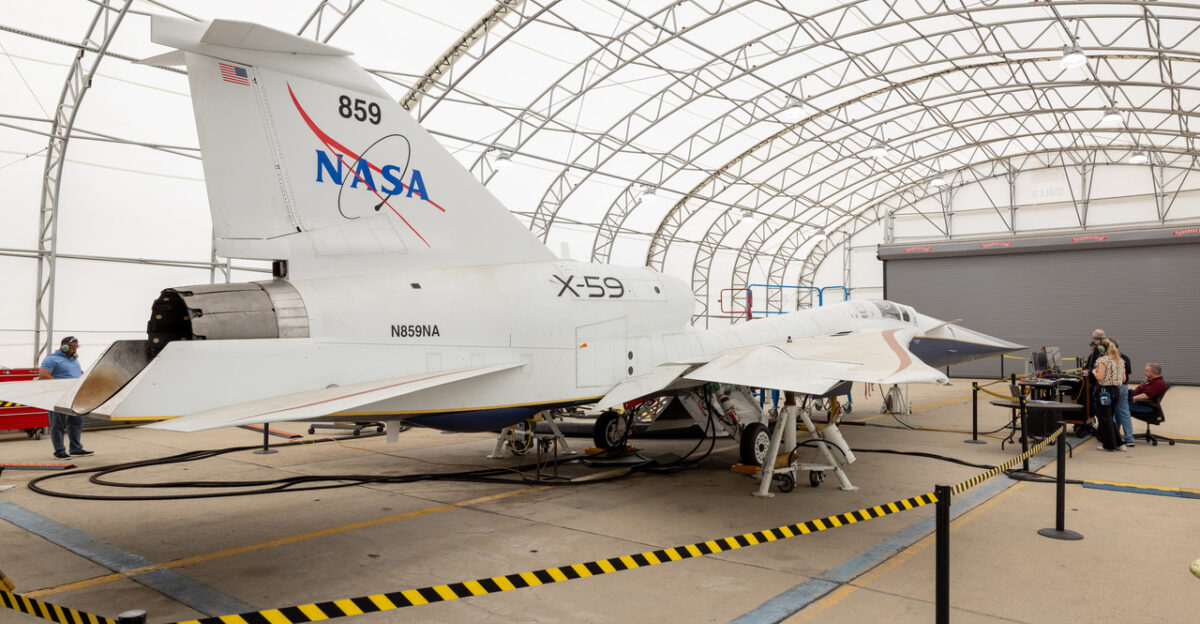
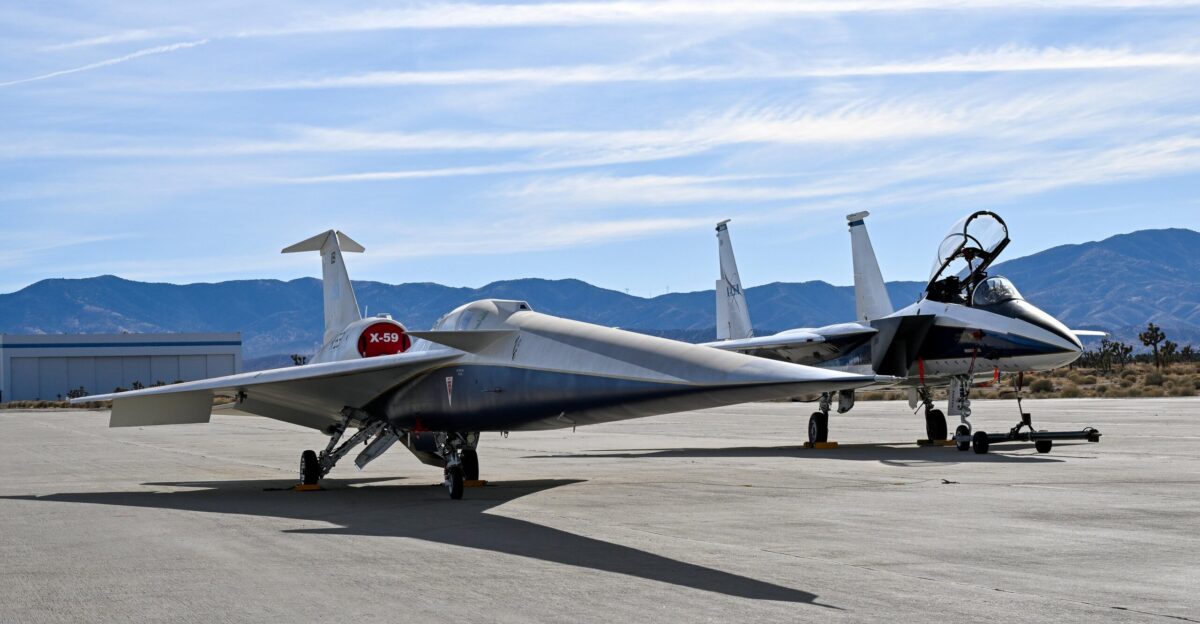
Nicknamed the flying swordfish, the X‑59 measures an impressive 100 feet from nose to tail with a wingspan of 30 feet. Its narrow, needle‑like body and stretched nose are not for style but for science. Every inch of its shape is designed to carefully slice and spread shockwaves before they can collide and form a powerful sonic boom.
The design’s beauty lies not only in its elegance but in its purpose, making speed something you can’t hear.
Making Speed Quiet Again
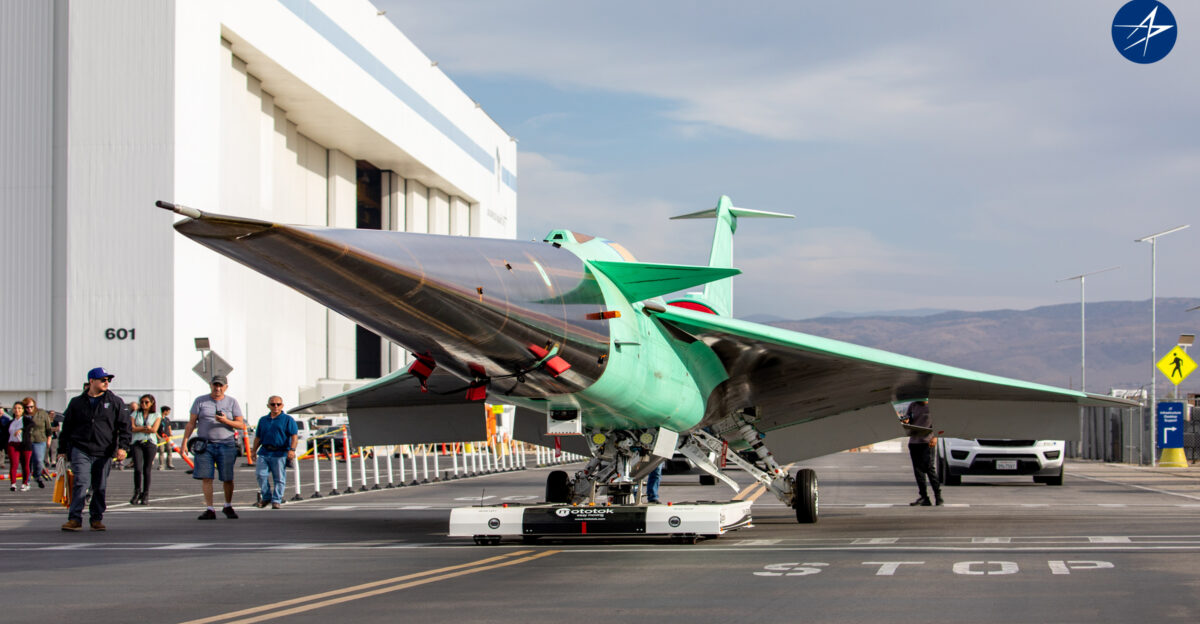
The X‑59 is a masterclass in aerodynamic design. At its peak, it’s expected to cruise at Mach 1.4, about 925 miles per hour, and reach altitudes near 55,000 feet. But instead of an earth‑shaking boom, people on the ground would only hear a gentle thump, like a car door closing.
The aircraft demonstrates that supersonic travel doesn’t have to roar to make an impact. If tests succeed, it could redefine the boundary between speed and silence.
The First Flight
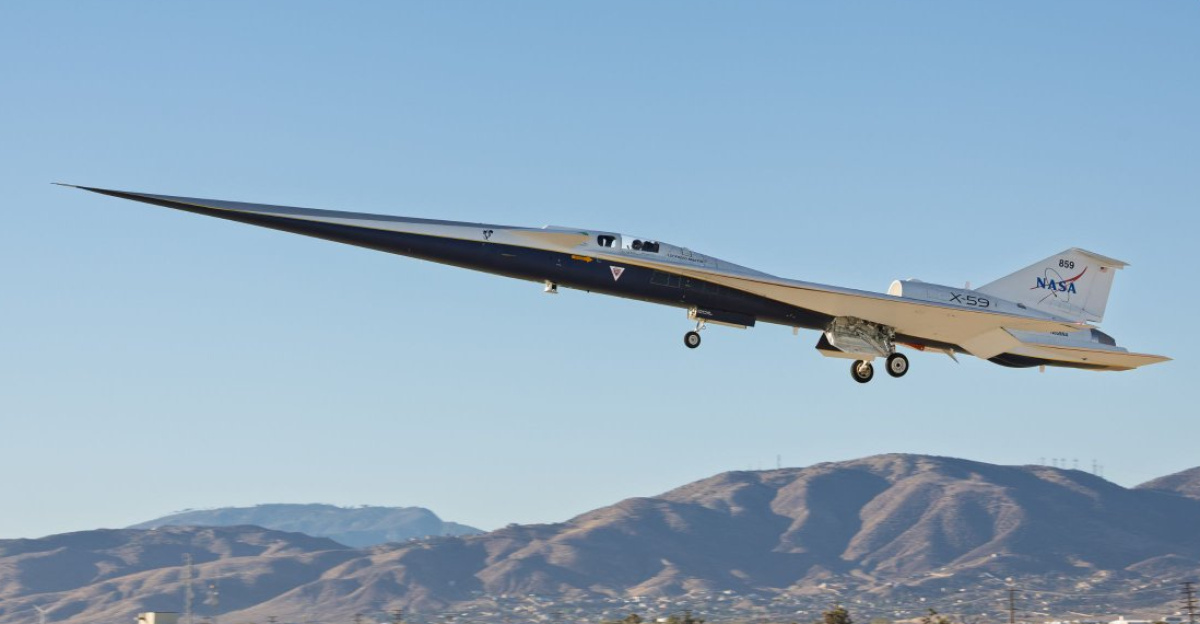
The maiden voyage wasn’t about speed but safety. The X‑59 lifted off gently, reaching about 12,000 feet and 240 miles per hour, still below the speed of sound. Engineers monitored every vibration, temperature change, and airflow ripple to ensure future flights could go faster and safer.
This flight was proof that the technology works and can be scaled up for greater challenges ahead. Each test now moves the project closer to its supersonic moment of truth. “The primary objective on a first flight is really just to land,” said James Less, a project pilot for the X-59.
52 Years of Waiting
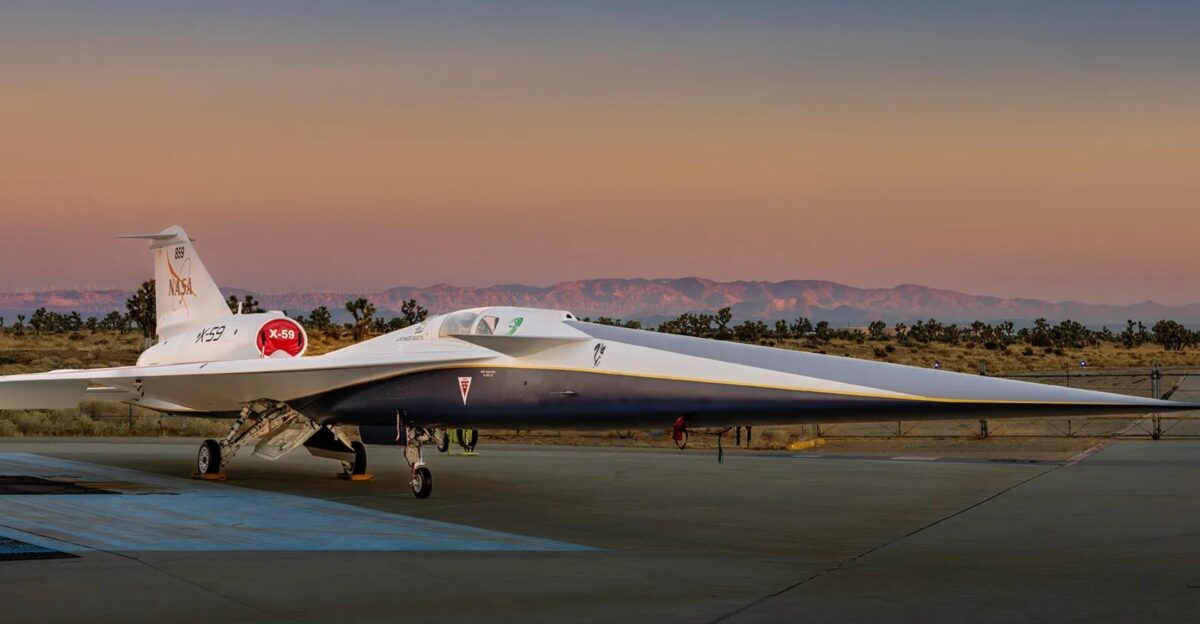
Since 1973, federal law has prohibited supersonic commercial flights over U.S. soil. The rule came after communities protested the disturbing sonic booms caused by earlier experiments. That ban has outlasted entire generations of aircraft technology.
The X‑59 may finally be the key to changing that. If it proves quiet enough, regulators could reconsider this long‑standing restriction. The aircraft represents not just innovation but a chance to revisit lost potential.
Learning from Oklahoma City
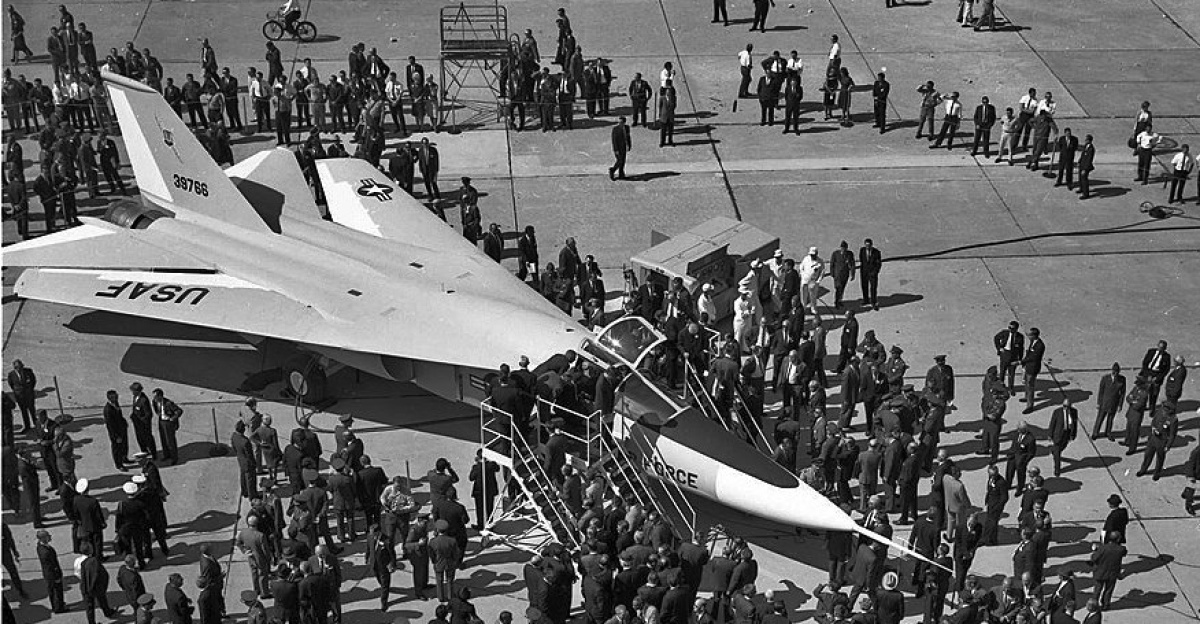
In 1964, NASA and the Air Force carried out sonic boom tests over Oklahoma City. The results were disastrous. Loud booms cracked windows, damaged ceilings, and infuriated residents, with over 25 percent refusing to tolerate the noise ever again.
That incident led to the nationwide ban on supersonic flight over land. The X‑59 aims to succeed where those early experiments failed, by ensuring the sky stays peaceful.
Designing for Silence
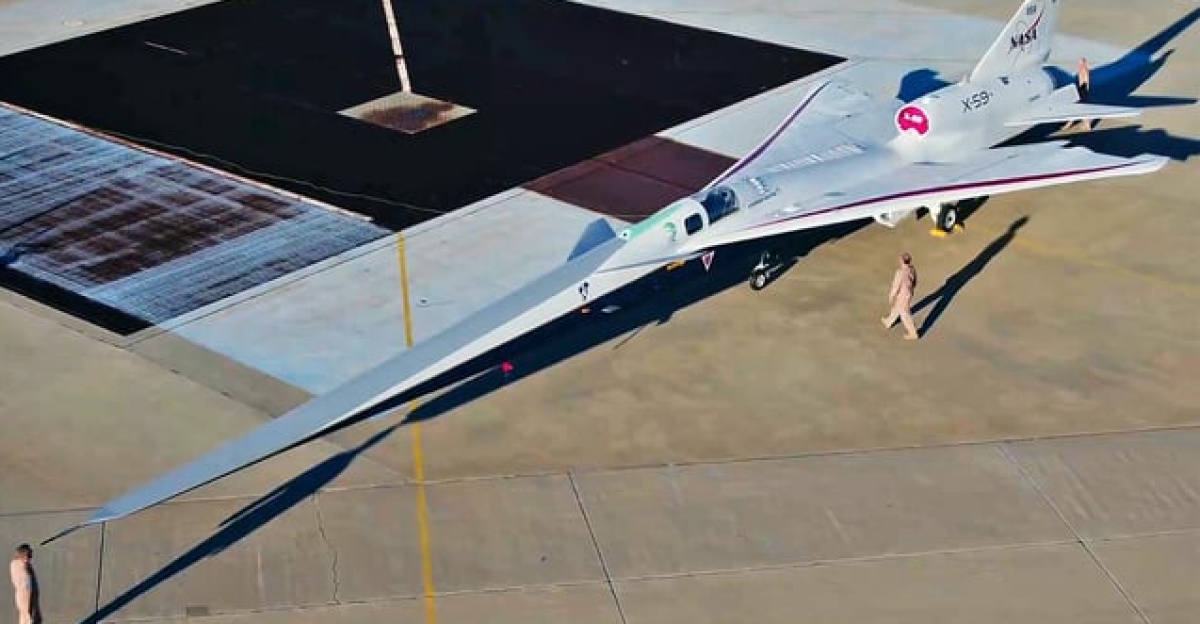
The X‑59’s quietness isn’t a trick, it’s engineering genius. Its narrow body, long nose, and even the cockpit’s position are all designed to scatter sound waves before they grow into a boom.
Shockwaves are divided and softened, like music fading in the distance. This approach turns problem noise into manageable sound. Every curve on the aircraft serves one mission, proving that silence can be engineered.
Betting Big on Quiet
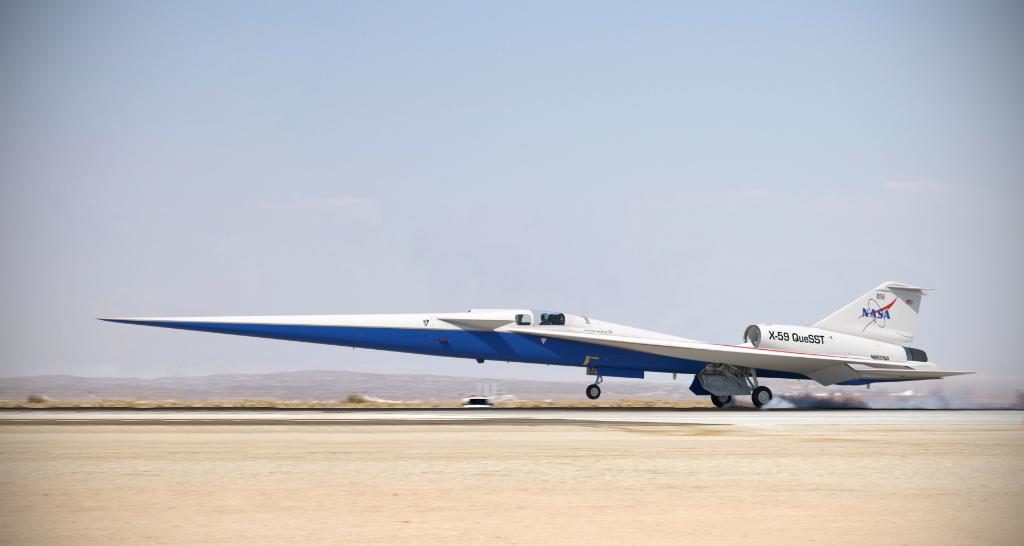
NASA’s Quesst Mission is more than a science project, it’s a $1 billion investment in the future of flight. Years of research led to this moment of proof that supersonic travel can be both fast and quiet.
Success could attract airlines and investors ready to back commercial versions of the X‑59’s technology. This project doesn’t only represent quiet flight; it represents a quiet revolution.
Seeing the Invisible
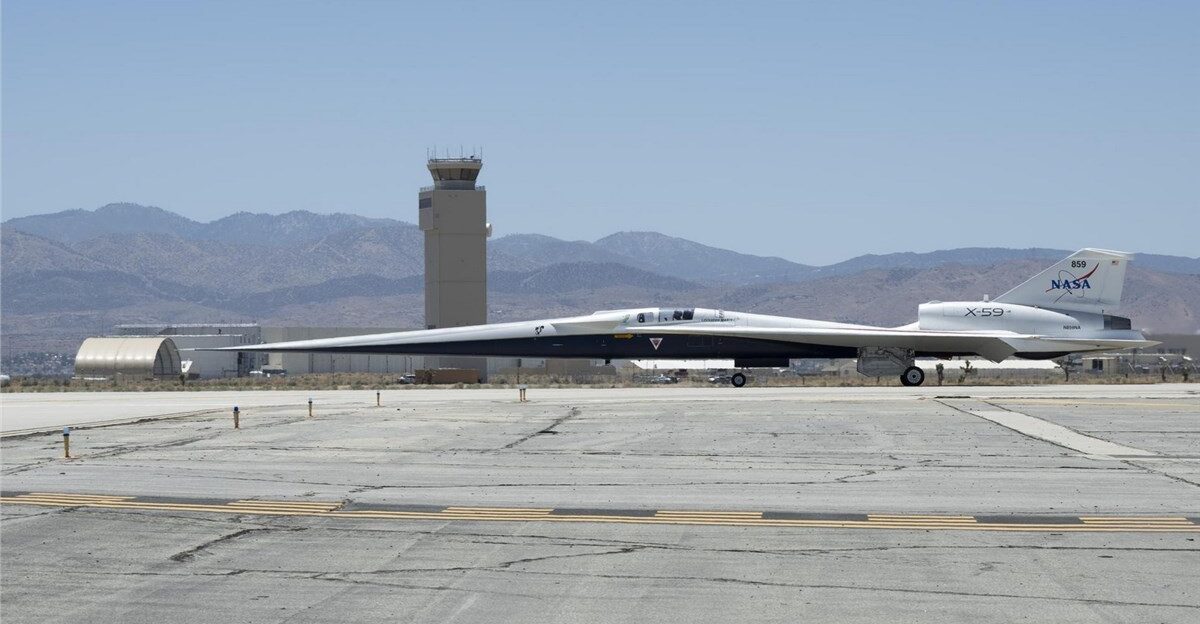
To truly understand the X‑59’s ability, NASA scientists use an unlikely 19th‑century technique called schlieren photography. This method captures how light bends around invisible air ripples, allowing researchers to see shockwaves as they form.
Despite being invented over 160 years ago, the technique remains vital for modern aerodynamics. It’s proof that even old tools can illuminate the newest frontiers of flight.
The ‘Quiet Thump’ Test
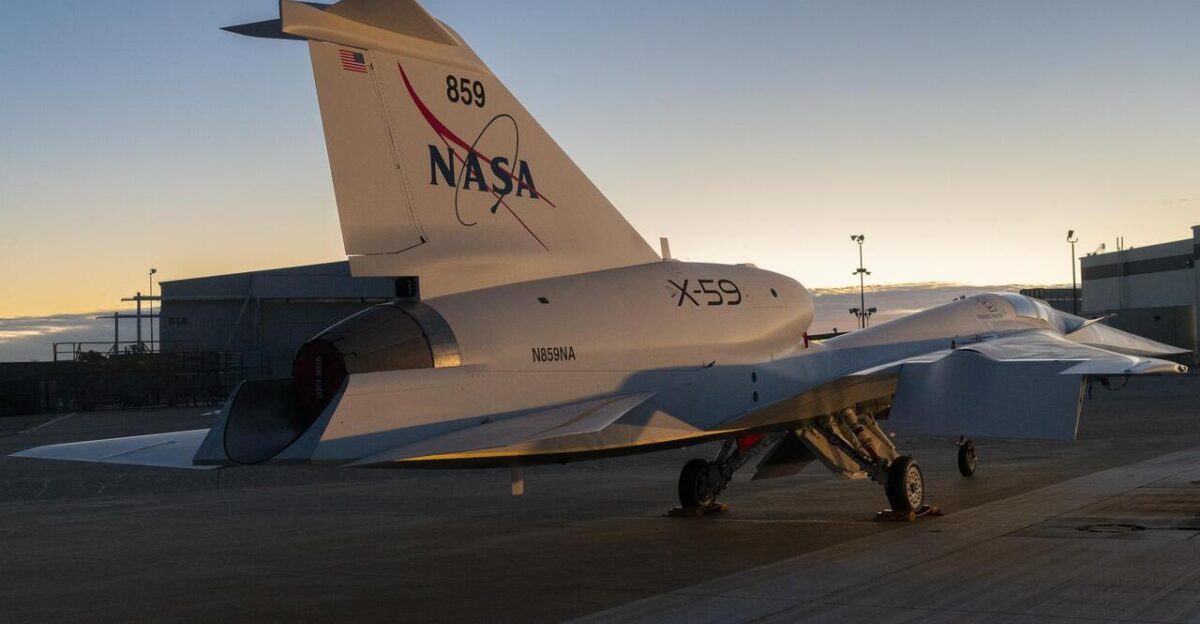
Soon, NASA will let the public be the judge. The X‑59 will fly over select American towns to test real-world reactions to its muted sonic thump.
Residents will record whether they noticed it at all and if the sound bothered them. These responses will help determine whether regulators will finally lift the 52-year ban.
The Return of Speed
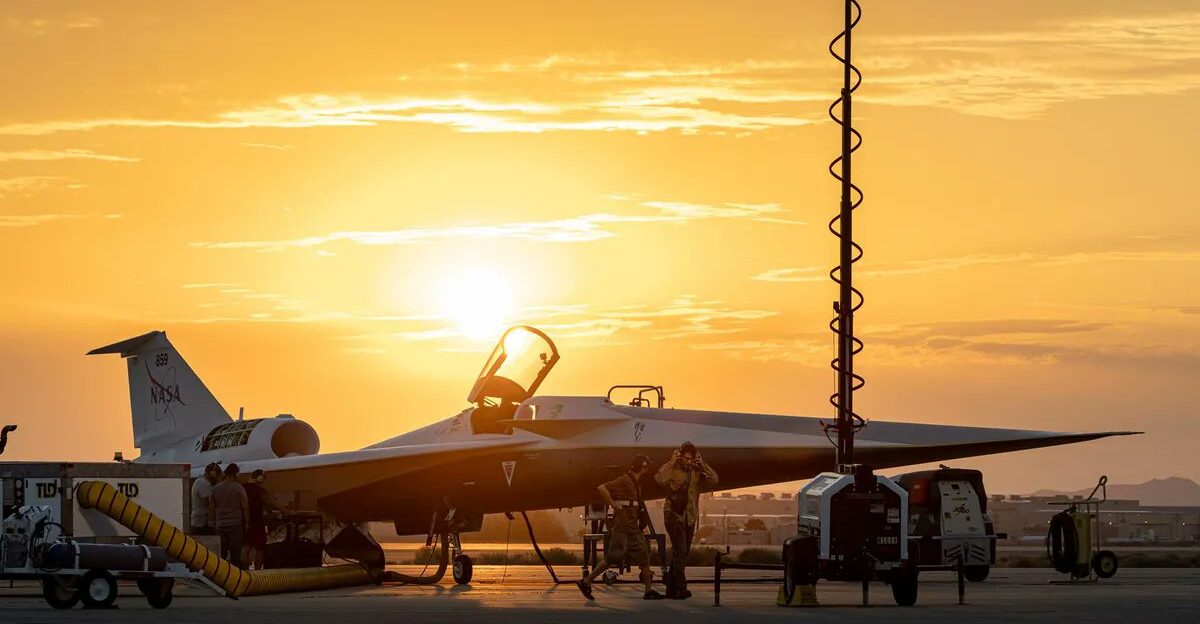
If restrictions are lifted, supersonic travel could redefine trips across America. Flights from New York to Los Angeles might take just three hours, cutting travel times in half.
Quiet supersonic jets could make cross-country business as simple as a morning commute. This isn’t merely faster flight, it’s a time machine for busy travelers.
The Sky Race Begins
The X‑59’s success will likely ignite a new race among nations. The United States, China, and several private startups are racing to own the future of supersonic speed.
2025 could mark the year that silence becomes a strategic advantage. The quiet jet’s success could define who leads the next century of flight innovation.
Teaching the Boom to Whisper
For years, engineers had tried and failed to eliminate the harsh N-shaped pressure signature of sonic booms. The X‑59’s reshaped structure redistributes these shockwaves into a smoother, wave‑like pattern that’s barely audible.
NASA calls this breakthrough reshaping sound. As one acoustic engineer beautifully put it, “We didn’t erase the boom; we taught it to whisper.” It’s the difference between a thunderclap and a heartbeat, both powerful, but one far gentler.
Changing Minds, Not Just Machines
NASA’s hardest challenge might not be physics at all, it’s public perception. For decades, people have associated supersonic flight with broken windows and noise complaints.
Now, the agency must prove that it can be quiet, safe, and practical. The real breakthrough may come when passengers not only believe in speed but feel comfortable embracing it again.
The Dawn of Next‑Gen Jets
If the X‑59 proves successful, its design could inspire a new generation of aircraft, larger, faster, more efficient, and quiet enough for everyday travel.
Manufacturers are already exploring how this technology could revolutionize long-haul and international routes. Just as the Wright brothers opened the skies in 1903, NASA may be reopening them again, this time, in near silence.
Writing New Rules
Regulators like the FAA and ICAO will rely on X‑59 data to revise international noise laws. If the results show that supersonic travel can be quiet enough, new global noise standards will emerge.
For the first time in 50 years, overland supersonic flight could legally return. These new rules could open the skies to supersonics once more.
Beyond the Jet Age
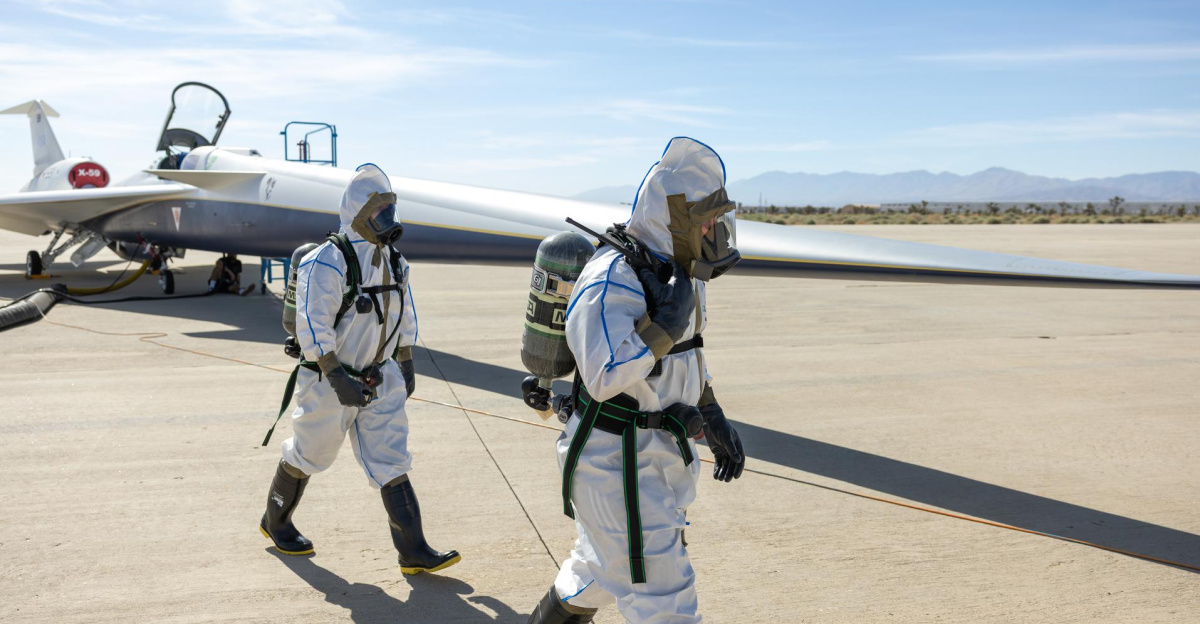
The science behind the X‑59 could ripple beyond aviation. Its acoustic innovations might lead to quieter drones, delivery aircraft, and even urban air taxis.
The ability to tame sound without slowing down could reshape transportation in cities worldwide. The X‑59 hints at a future where silence drives progress.
Carrying on the Concorde’s Legacy
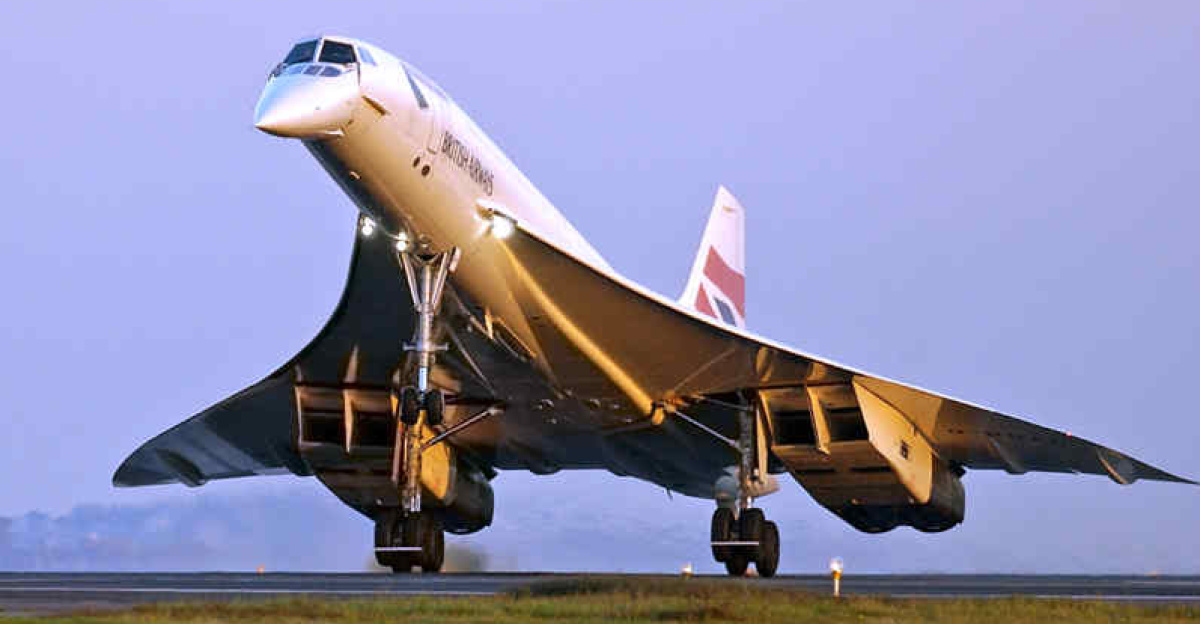
The Concorde embodied elegance and ambition but fell victim to noise, high costs, and limited range. The X‑59 picks up where it left off, proving that speed and comfort can coexist without disruption.
This new chapter honors the legacy of the past while rewriting the story of what supersonic motion can mean to the world.
Breaking Barriers and Beliefs
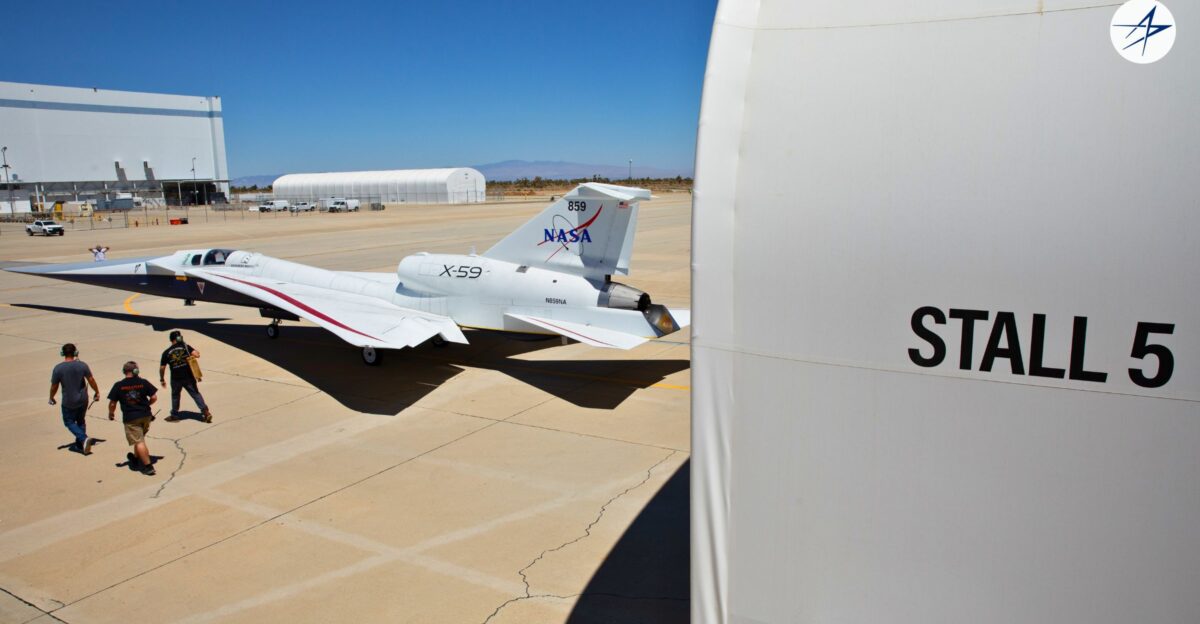
In the end, the X‑59 isn’t only breaking the sound barrier, it’s breaking old assumptions about what flight must be. The project challenges a 50-year belief that speed and silence are natural enemies. NASA’s experiment shows that they can coexist.