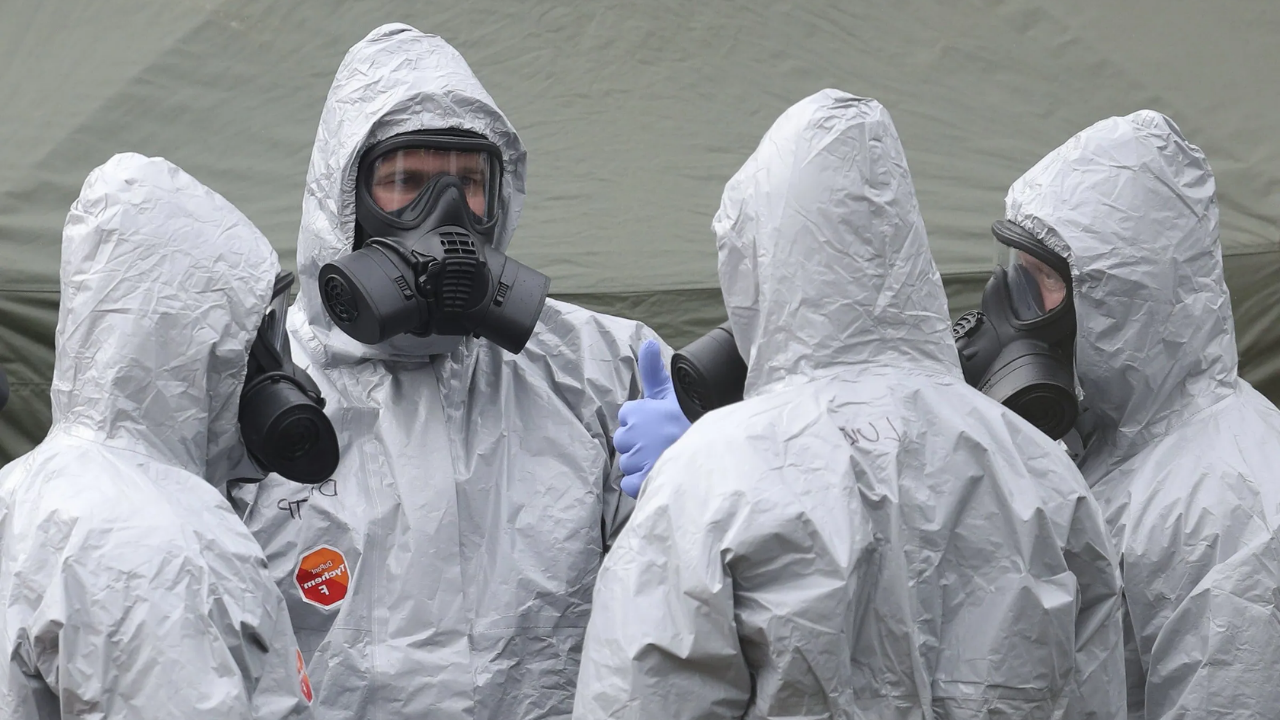
As temperatures drop across Ukraine’s Kherson front, Russian military forces confront an enemy that cannot be defeated by artillery or armor: a catastrophic influenza outbreak spreading through combat units alongside a financial crisis that has left soldiers unpaid and demoralized. The convergence of these two crises reveals a war machine buckling under unsustainable costs and logistical failure.
The 127th Separate Reconnaissance Brigade exemplifies the scale of the health emergency. According to ATESH, a Ukrainian-backed partisan intelligence network, entire platoons are being transported to field hospitals only after reaching critical condition, by which point effective treatment often proves impossible. Soldiers have endured months in cold, wet trenches without adequate medical care, heating, or winter supplies, creating ideal conditions for rapid disease transmission. Military observers describe the situation as reflecting “criminal indifference” by Russian command, which refuses to pull troops from frontline positions despite confirmed influenza cases spreading through fortifications. Commanders cannot afford to lose bodies from the line, even temporarily, creating a vicious cycle where illness compounds in close quarters until soldiers become too sick to function.
This outbreak arrives as winter approaches, not at its peak. ATESH warns that conditions will deteriorate further as temperatures drop, invoking grim historical parallels. Russia’s military has suffered disproportionately from disease during winter campaigns throughout history, from World War I through World War II. The current outbreak marks the first “catastrophic” flu event among Russian forces since 2022, suggesting winter 2025 could prove exceptionally lethal.
Financial Collapse Across Russian Regions
Parallel to the disease crisis, a severe financial breakdown reveals how severely Putin’s war effort strains regional budgets. In late November, Yakutia—a vast region in Russia’s Far East—halted all payments to military personnel. Finance Minister Ivan Alekseev acknowledged the crisis on television, stating that the region could not forecast soldier payment demands or account for recruit obligations due to budget shortfalls.
Yakutia’s payment halt signals a systemic problem gripping Russian regional governments nationwide. By late September 2025, cumulative budget deficits across Russian regions had reached 724.8 billion rubles, equivalent to roughly $8.1 billion, reversing a 472.1 billion ruble surplus from the previous year. Sixty-eight regions now run deficits, up from 45 previously. The financial pressure sustaining recruitment—particularly signing bonuses essential to attracting contract soldiers—is buckling regional finances across the country.
Recruitment Incentives Collapse Under Pressure
To manage deficits, major regions have drastically slashed recruitment bonuses. In October 2025, Tatarstan reduced one-time signing bonuses for contract soldiers from 2.7 million rubles to 400,000 rubles, a 85 percent decrease. Chuvashia and Mari El implemented similar cuts. Even Belgorod, a border region experiencing continuous attacks, reduced bonuses from $8,000 to $5,000.
Behind these figures lies a sprawling human crisis. An estimated 10,000 to 50,000 soldiers across multiple Russian regions are lacking promised payments intended to offset the dangers of frontline service. Soldiers were pledged to signing bonuses of $20,000 to $30,000 per contract—critical sums in Russia’s regional economies—plus compensation for injury and death. Many regions are now unable to fulfill those promises.
The Escalating Cost of Recruitment

Regional financial collapse stems directly from skyrocketing recruitment costs. The average one-time bonus across 24 leading Russian recruitment regions was 1.23 million rubles a year ago. By June 2025, it rose to 1.95 million rubles. By mid-October, it reached 2.17 million rubles—a 75 percent increase in twelve months. This relentless escalation reflects a fundamental problem: as Russian casualties mount, commanders must offer increasingly extravagant bonuses to attract volunteers.
Despite central government authorization of massive military spending, regional budgets bear the brunt of the burden. During the first half of 2025 alone, federal and regional authorities spent over 2 trillion rubles on recruitment and military support. Yet this enormous outlay has failed to prevent regional deficits. The recruitment bill—including federal minimums, regional bonuses, injury compensation of roughly $8,300, and death benefits of around $11,000—has become too large for many regions to sustain.
Evidence of system strain is evident in the raw recruitment data. During the first half of 2025, 127,500 individuals received enlistment-related payments, down from 166,200 during the same period in 2024, representing a decline of approximately 23 percent. Despite a 40 percent surge in military recruitment advertising during that period, declining actual recruit numbers suggest that higher bonuses and aggressive marketing are reaching diminishing returns.
The Morale Cascade
Word spreads rapidly among Russia’s military communities about regions that cannot pay. Soldiers in unpaid regions describe feeling abandoned by Moscow, watching promised compensation vanish while illness ravages their units. Officers report increasing reluctance among new recruits to sign extended contracts or redeploy to hazardous frontline zones. Some regional militias report that potential recruits now demand payment up front before signing contracts—a dramatic shift from earlier in the war when patriotic fervor motivated enlistment.
As November transitions to December and temperatures plummet across Ukraine and southern Russia, the situation is expected to intensify. More Russian regions face the same budget crisis, potentially leaving tens of thousands of soldiers unpaid and demoralized just as the worst weather of the year arrives. For Putin’s war machine, winter 2025 represents a critical inflection point. By spring, if current trends hold, the cumulative effect of unpaid soldiers, collapsing morale, and disease-thinned ranks could force fundamental changes to Russia’s recruitment strategy. The system cannot sustain itself.
Sources
United24 Media – “Catastrophic Flu Outbreak Reportedly Cripples Russian Troops on Kherson Front”
United24 Media – “Russia Can’t Pay Its Soldiers: Yakutia Freezes Military Bonuses Over Budget Crisis”
Newsweek – “Russia Has Run Out of Money to Pay Its Soldiers—Regional Finance Minister Warns”
Re: Russia – “The Crisis of Effective Contracts: Why the Kremlin’s Calculated Recruitment Strategy Is Failing”
RFE/RL – “Why Are Russian Regions Cutting Signing Bonuses for Soldiers?”