
Florida’s Public Service Commission has approved a landmark $7 billion rate increase for Florida Power & Light, marking the largest utility hike in U.S. history. The decision, affecting nearly 12 million residents, arrives amid mounting concerns about household energy affordability and growing disconnections for nonpayment across the state.
Monthly Costs Rise Sharply for Households

Beginning January 1, 2026, most FPL residential customers will see monthly bills increase from $134.14 to $136.64. By 2028, the cumulative impact will add approximately $289 annually to customer expenses. Over the six-year period from 2020 to 2026, average bills have climbed 45 percent, translating to more than $513 in additional yearly costs for typical households. These increases far outpace wage growth and general inflation, straining family budgets already pressured by other rising expenses.
Disconnections Reach Unprecedented Levels

The affordability crisis is manifesting in record power shutoffs. Advocacy reports indicate that nearly three million FPL customers—representing close to half of the utility’s residential base—faced disconnections for nonpayment in the past year alone. This unprecedented surge reflects a fundamental breakdown in access to essential services for a significant portion of the customer base.
Low-income families bear the heaviest burden. For the poorest households, energy costs consume as high as 14 percent of total income, forcing impossible choices between paying for electricity or purchasing food and medication. Surveys reveal that over one-third of households have cut back on essential needs simply to cover energy bills.
National Patterns Underscore Systemic Pressures
Florida’s experience reflects broader national trends. Across the United States, electric bills grew 35 percent between 2022 and 2025, substantially outpacing wage increases and overall inflation. By August 2025, average electricity prices had risen 10.5 percent. The cumulative effect has left American households collectively owing more than $21 billion in overdue utility bills.
The energy burden falls disproportionately on disadvantaged communities. Black households are three times more likely to carry overdue balances, while very low-income families face service loss at rates 2.5 times higher than other groups. In the South, the poorest households spend nearly eight times more of their income on energy than wealthier counterparts.
Corporate Profits and Regulatory Scrutiny
FPL’s parent company, NextEra Energy, reported strong earnings in 2025, fueling criticism that the rate increase primarily benefits shareholders rather than customers. Advocacy groups contend that approximately half of the new revenue will flow to corporate profits and taxes instead of grid improvements or customer assistance programs.
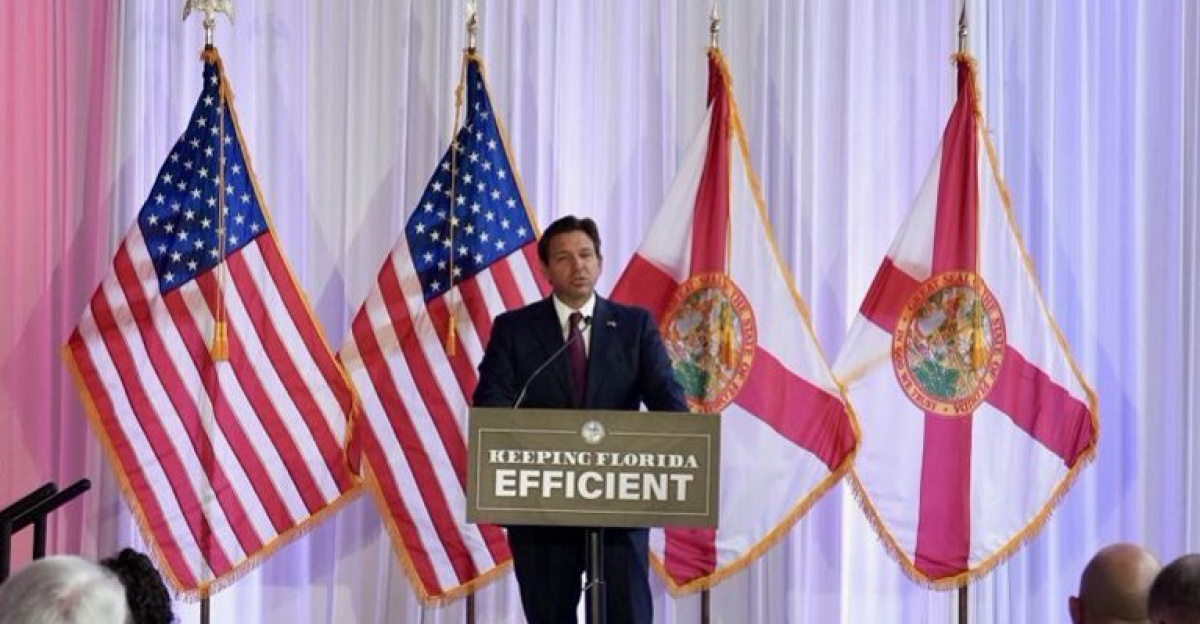
The five-member Public Service Commission, appointed by Governor Ron DeSantis, faces accusations from critics of prioritizing utility interests over consumer protection. The commission dismissed alternative proposals from consumer representatives that sought to reduce the rate hike by half. Opponents argue the approved settlement favors large business customers over average Floridians and have indicated plans to challenge the decision in court.
Compounding Pressures and Limited Protections
Beyond base rate increases, Floridians face additional surcharges for hurricane restoration. FPL customers paid an extra $12 monthly through 2025, while Tampa Electric imposed storm charges of $20 per month. Though utilities cannot profit from these fees, they further strain household budgets.
Legislative efforts to protect vulnerable populations have stalled. The PAUSE Act, which would prohibit service disconnections during health-threatening weather, failed in committee in June 2025. With protective legislation blocked and rate increases locked in through 2029, families facing energy insecurity have limited recourse.
FPL has defended the increase as necessary for infrastructure upgrades to support Florida’s growing population and heightened hurricane risks. The company claims the hike will maintain grid reliability and keep bills below the national average until 2029, though Florida’s rates have risen faster than most states in recent years.
Broader Implications and Uncertain Path Forward
Florida’s utility crisis is drawing national attention to systemic affordability challenges in energy services. As demand increases due to extreme weather and technological expansion, states face mounting pressure to balance necessary grid investments against household financial capacity. Consumer advocates have vowed to challenge the rate hike through appeals to the Florida Supreme Court, warning of disastrous consequences if current energy burdens remain unchecked.
For millions of Floridians, the fundamental choice between maintaining electricity and meeting daily necessities has become an immediate reality. With rate increases secured through 2029, the energy affordability crisis threatens to become a permanent feature of life for vulnerable families, positioning energy justice as an enduring policy concern for years ahead.