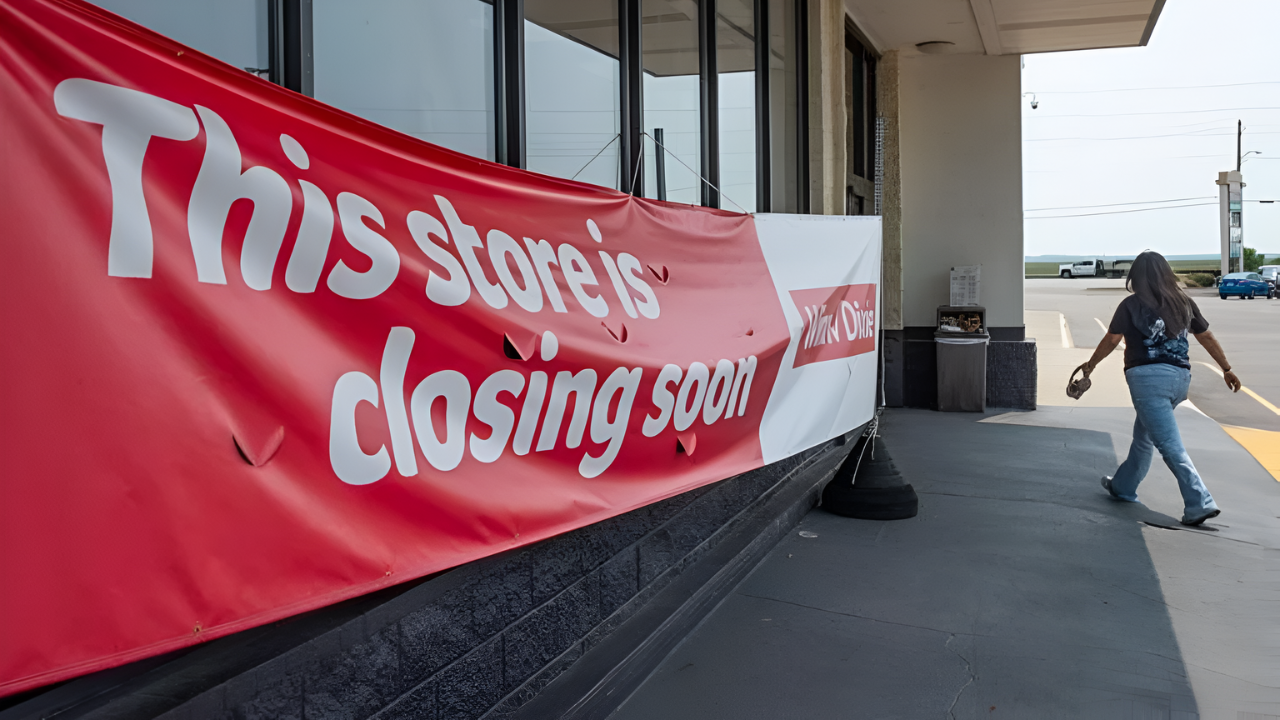
A major Southern grocery chain’s transformation hit full force as its “Store Closing” signs went up across Alabama, Georgia, Louisiana, and Mississippi, marking the start of its historic retreat. 40 stores will shutter by early 2026, including locations from two banner brands under the company’s umbrella.
This move comes as the 100-year-old Southern icon rebrands itself and narrows its focus to Florida and Georgia, after a whirlwind year of ownership changes and mounting industry pressures. But what’s behind the chain’s dramatic shift, and how will communities react when a trusted grocery giant pulls out of the South?
A Legacy Built Over Decades
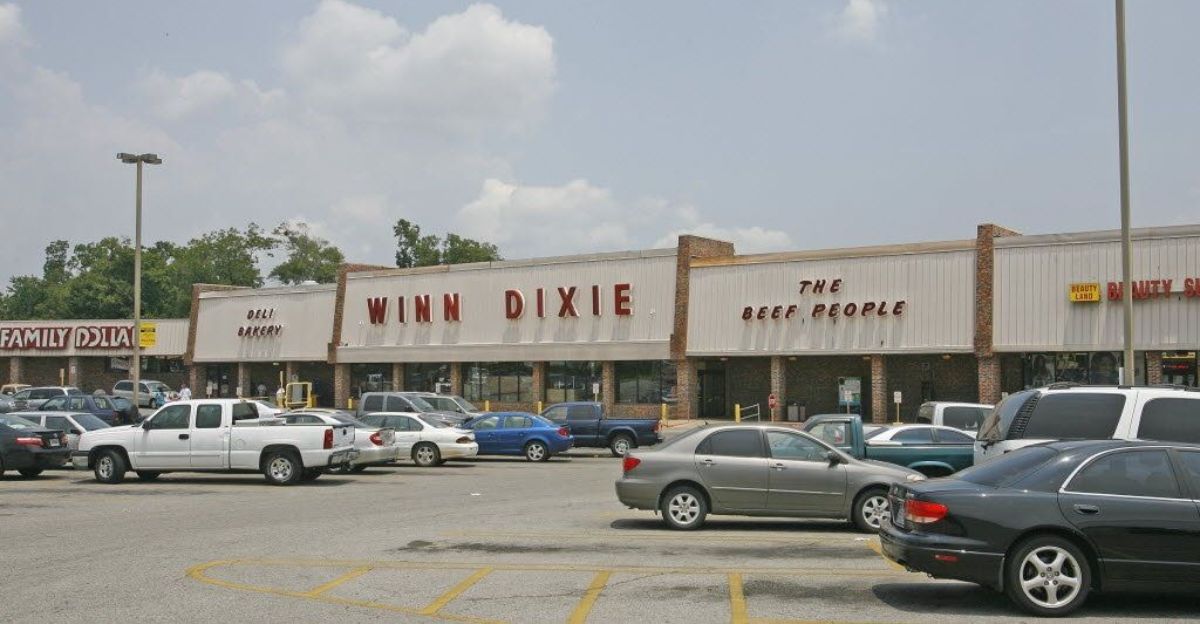
Founded in 1925, this grocery chain has been a cornerstone of Southern communities for nearly 100 years.
Originally born out of Florida’s Rockmoor Grocery, the retailer became an iconic presence, offering families more than just food—its stores were part of the fabric of community life. Today, the company’s history is tied to the difficult decision to retract and refocus.
Facing Market Challenges
The grocery industry has evolved rapidly. Competition from discount chains like Aldi and the rise of online grocery services put intense pressure on the regional grocer.
The chain’s traditional business model, once a reliable source of income, could no longer withstand the competition, prompting the company to pivot and rebrand as it confronts these mounting challenges.
Ownership Whiplash
The chain’s ownership has been in flux. In 2024, Aldi US purchased the company, only to sell it back to private investors in 2025.
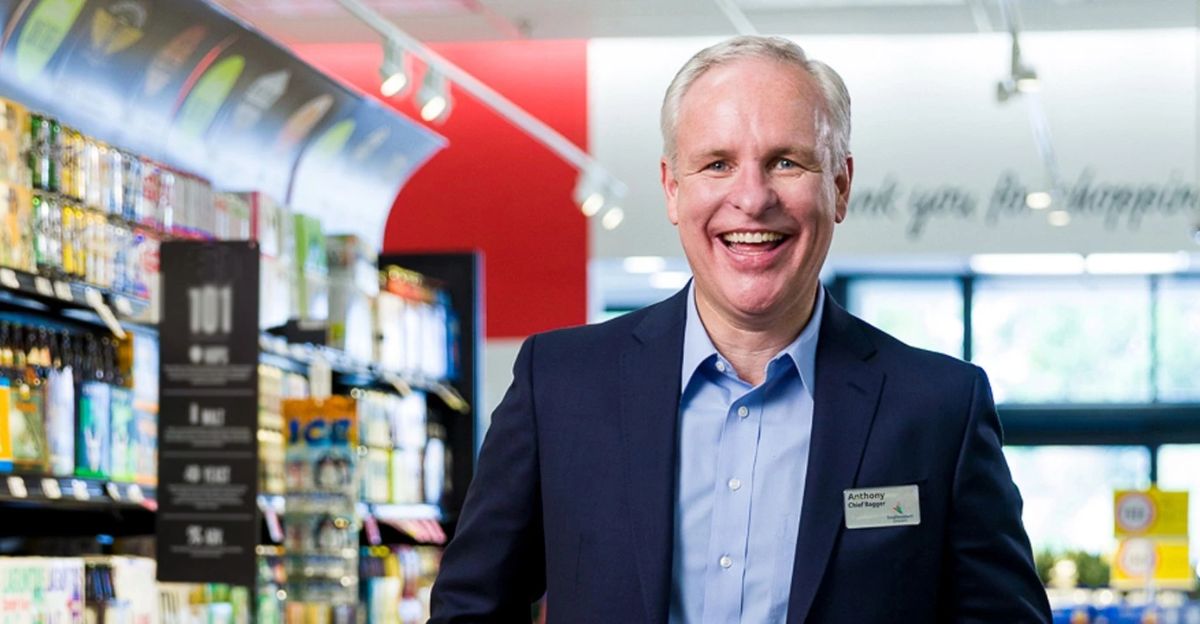
CEO Anthony Hucker, leading the buyback, is now steering the company through a historic restructuring. Each ownership change sparked uncertainty for workers and communities, setting the stage for the store closures that followed.
The Big Exit
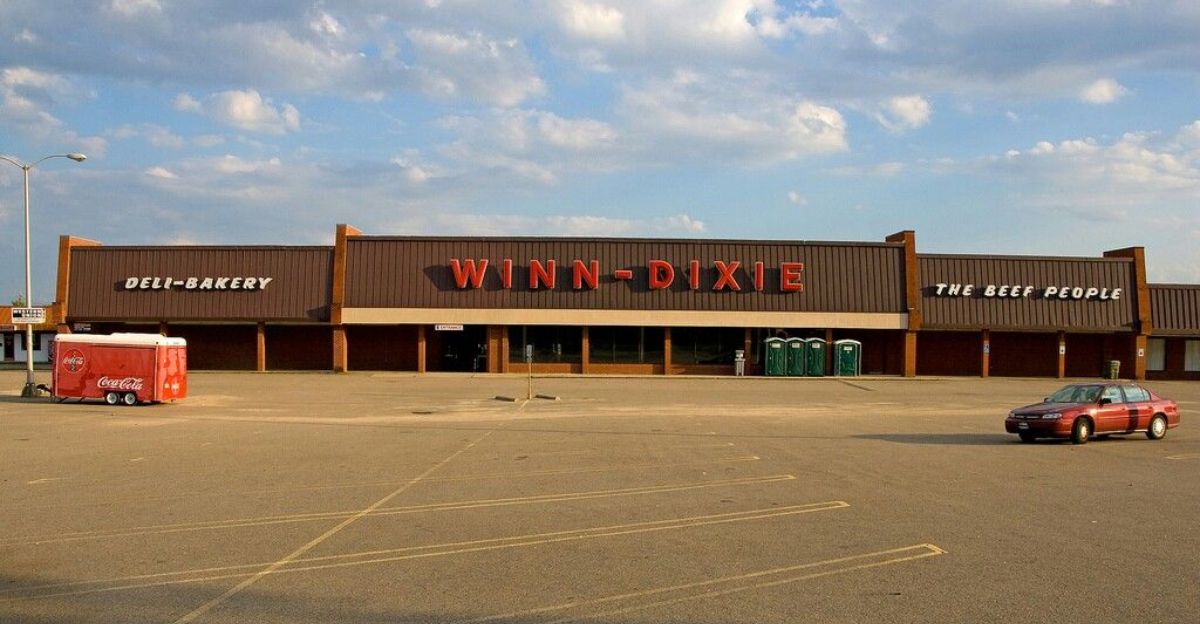
Winn-Dixie’s decision to close or sell 40 stores marks a significant retreat. Of these, 32 are Winn-Dixie locations and 8 are Harveys Supermarkets.
This reshaping of the business will be completed by early 2026, with the company focusing on Florida and Georgia only, reducing its footprint to about 130 grocery stores and 140 liquor stores.
Alabama Feels the Pinch
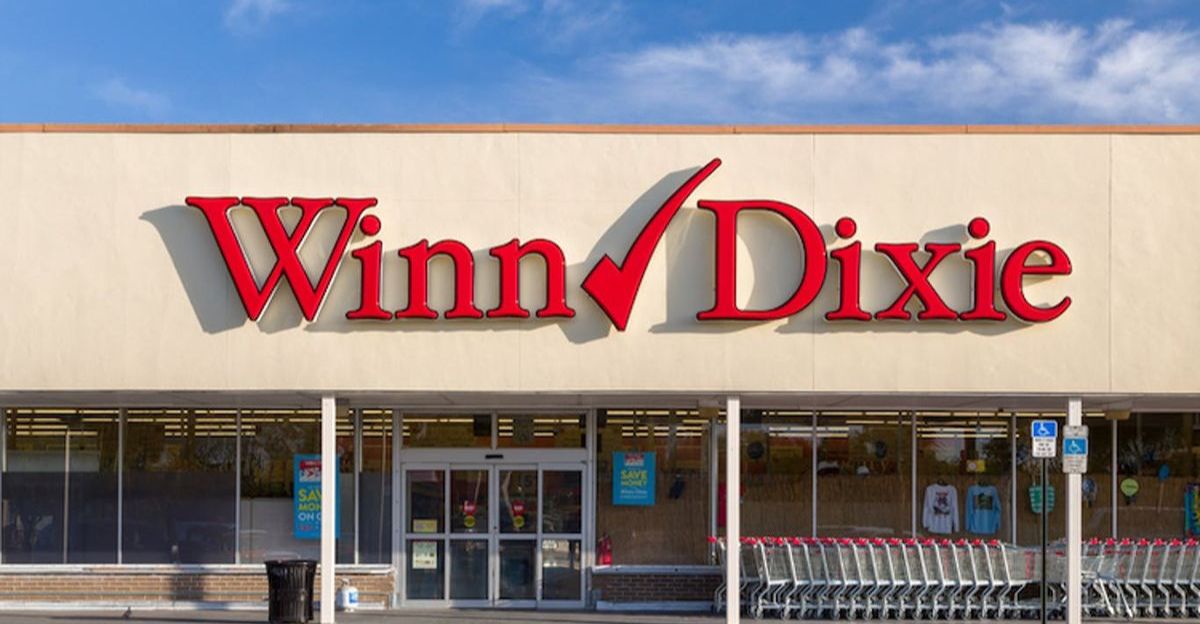
Alabama is hit hardest by these closures, with 18 Winn-Dixie locations closing across the state. Iconic cities like Birmingham and Montgomery will lose a major grocery provider.
For many, this will mean traveling longer distances for groceries, and some areas face uncertainty about what will replace these closures.
Louisiana’s Grocery Gap
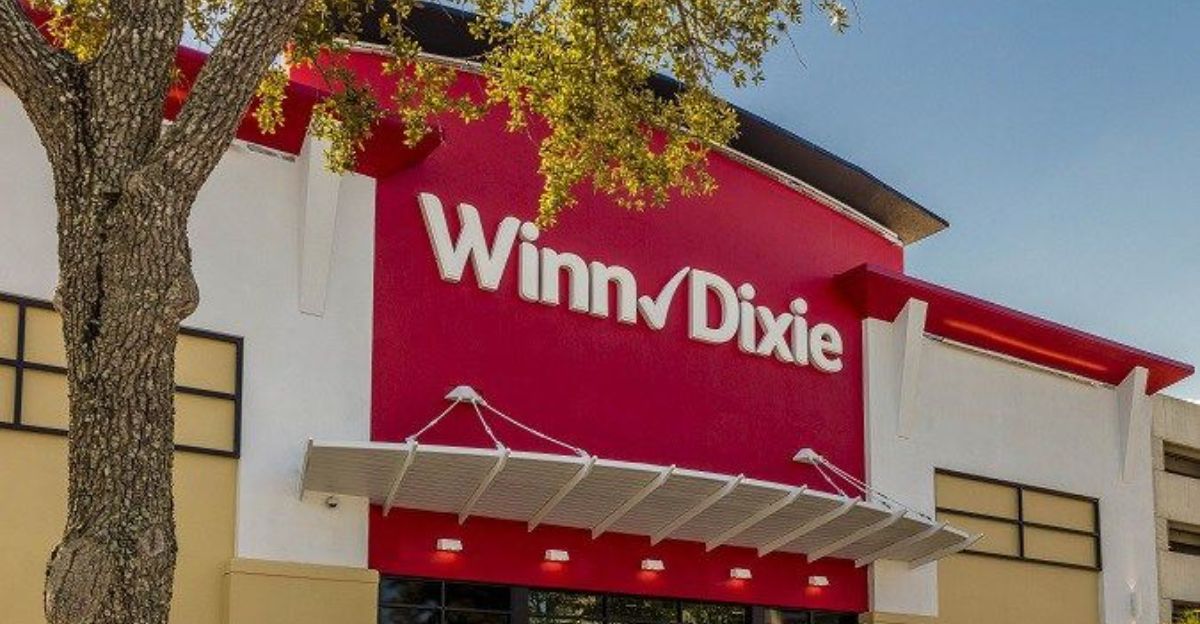
Louisiana will lose 12 Winn-Dixie stores, affecting key cities like Baton Rouge and New Orleans.
As employees face job losses and customers adjust to new shopping options, the store closures are a blow to local communities that have long relied on Winn-Dixie. The company’s exit will leave a gap that could take years to fill.
Competitors Move In
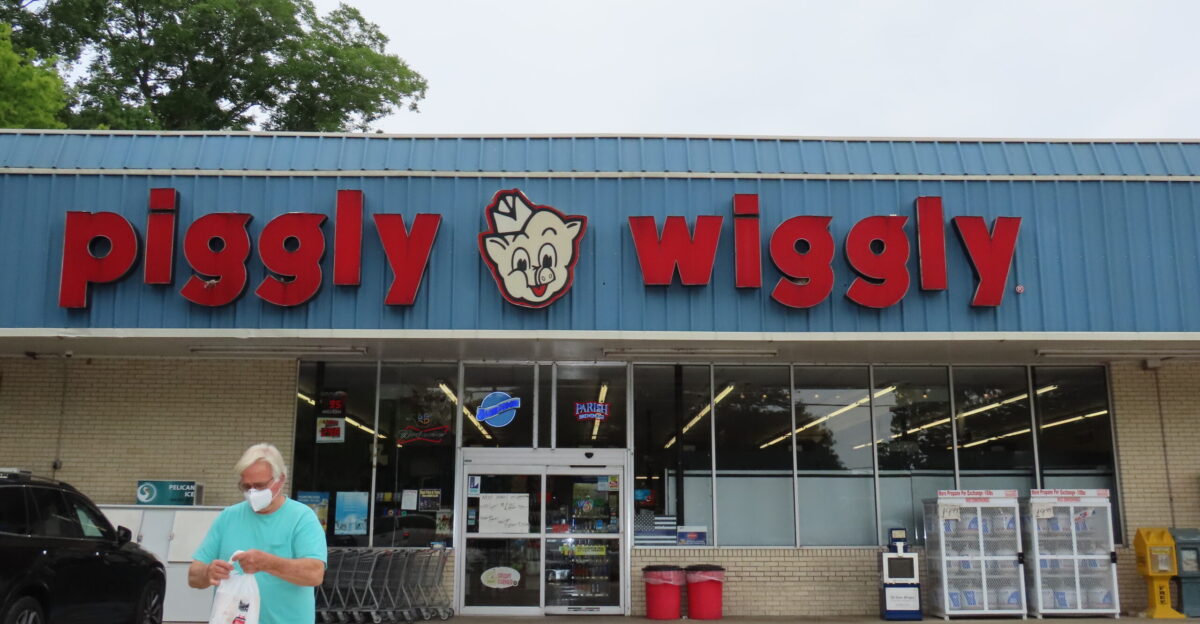
As Winn-Dixie pulls out, competitors like Piggly Wiggly, Food City, and Super 1 Foods are snapping up the stores.
This rapid shift ensures that some communities won’t be left without grocery options. However, this also intensifies the battle for market share among Southern grocery chains, leading to more intense competition.
Shifting Grocery Landscape
Winn-Dixie’s exit from several Southern states represents a seismic shift in the grocery market.
As it cedes territory to national and discount chains, the company’s decision to focus solely on Florida and Georgia shows the importance of local loyalty in an increasingly competitive space. This move signals the challenges of maintaining regional dominance.
Impact Beyond the Aisles
Winn-Dixie’s closures go beyond just economics; they impact communities. For decades, the chain has been a part of local life, sponsoring events and supporting charity efforts.
As stores close, these communities may lose more than a grocery option—they could lose vital aspects of their social fabric.
Franchisee Frustration
Winn-Dixie employees and franchisees face mixed emotions as the company closes stores. While some are transferred to new locations, others face layoffs and uncertain futures.
The company has pledged to handle transitions with care, but many employees are still grappling with the reality of a rapidly shifting corporate landscape.
Leadership’s Role in Transition

Anthony Hucker, CEO of the newly rebranded Winn-Dixie Company, is leading the company through one of its most transformative periods.
With a focus on modernization, private-label products, and rebuilding in Florida, Hucker aims to steer the company towards a stable future, even as the grocery industry faces profound disruption.
Florida First
In Florida, Winn-Dixie is doubling down on its roots. The company has acquired Hitchcock’s Markets in several northern Florida towns and plans to rebrand them as Winn-Dixie locations by 2025.
The company is also investing in modernizing stores and expanding online delivery services, all aimed at strengthening its position in its core market.
Expert Analysis
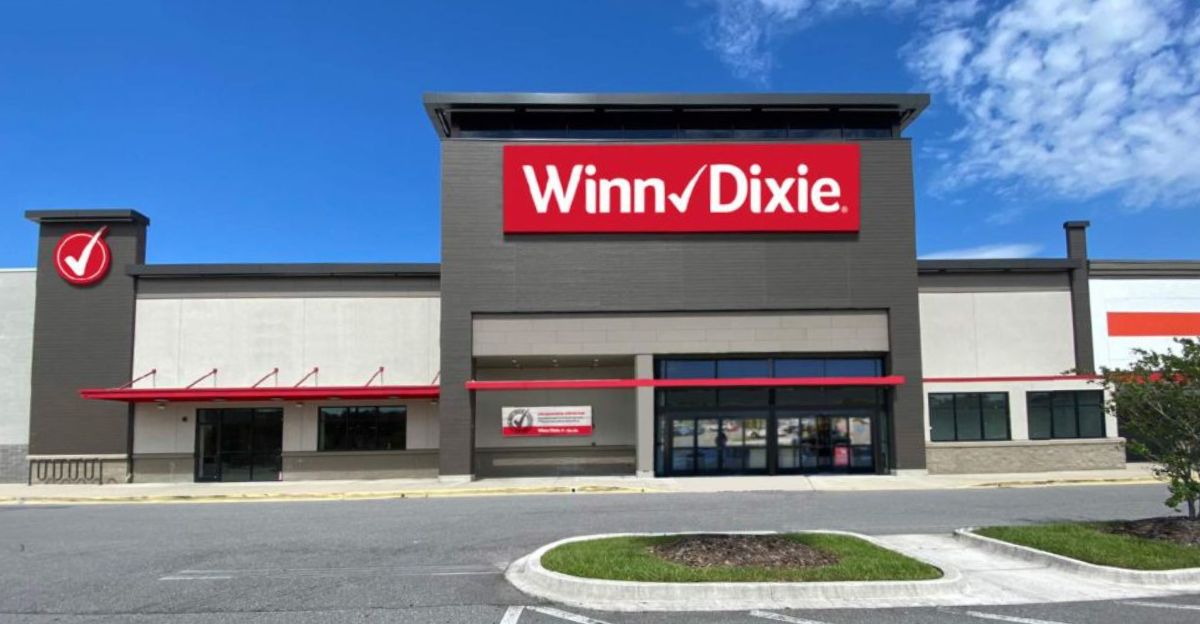
Retail experts view Winn-Dixie’s retreat with caution. While focusing on core markets like Florida may help stabilize the business, it limits potential for growth.
The challenge remains: can a legacy brand thrive by retreating to its roots, or will it face increasing competition from other chains as consolidation continues in the grocery industry?
What’s Next for Southern Grocers?
As Winn-Dixie closes the book on its first century, the grocery industry stands at a crossroads. Will focusing on core markets prove successful, or is this the beginning of the end for regional grocery chains?
For communities losing a staple brand and employees facing change, the future of Southern grocery shopping is now uncertain.