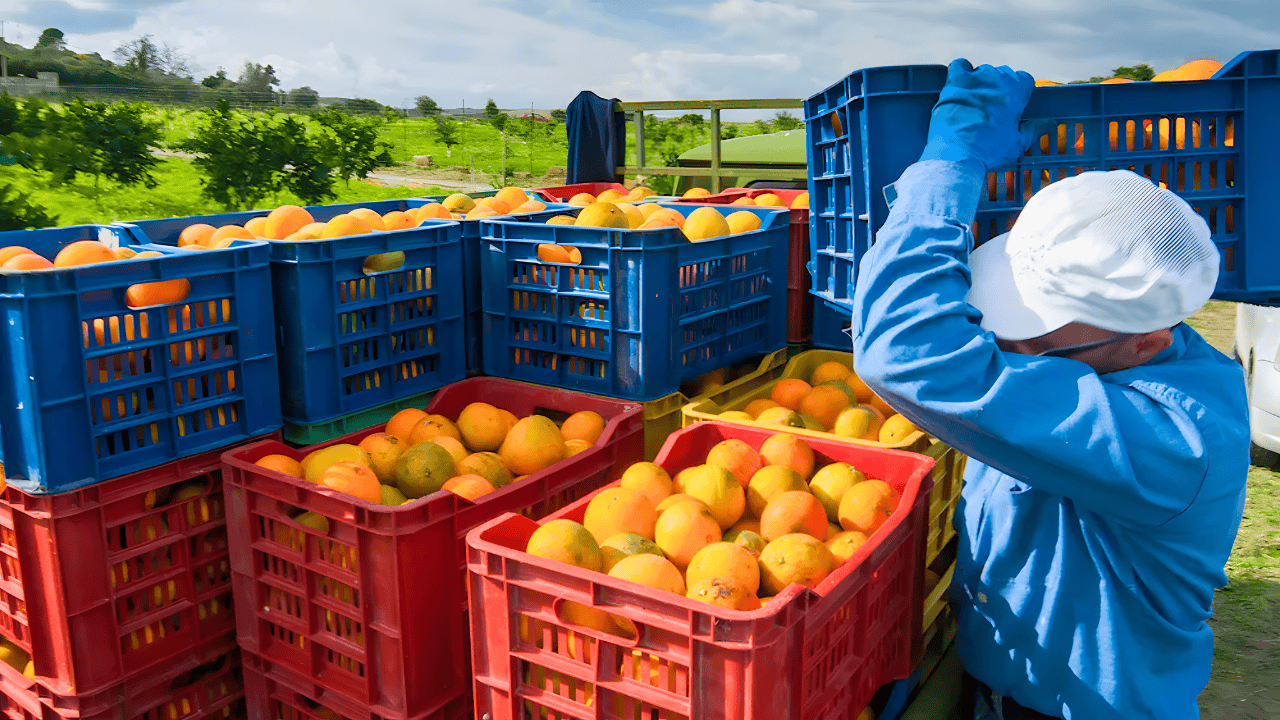
American shoppers faced shocking price increases. A 12-ounce bottle that cost $2.30 in 2020 now exceeds $4.50—a near doubling in just five years.
Behind supermarket shelves, a silent catastrophe unfolded. Florida, the nation’s citrus heartland, was vanishing. The state that once supplied half America’s orange juice now struggles to fill orders.
A tiny invasive insect and an incurable disease triggered economic devastation rippling from groves to grocery aisles.
The Vanishing Groves
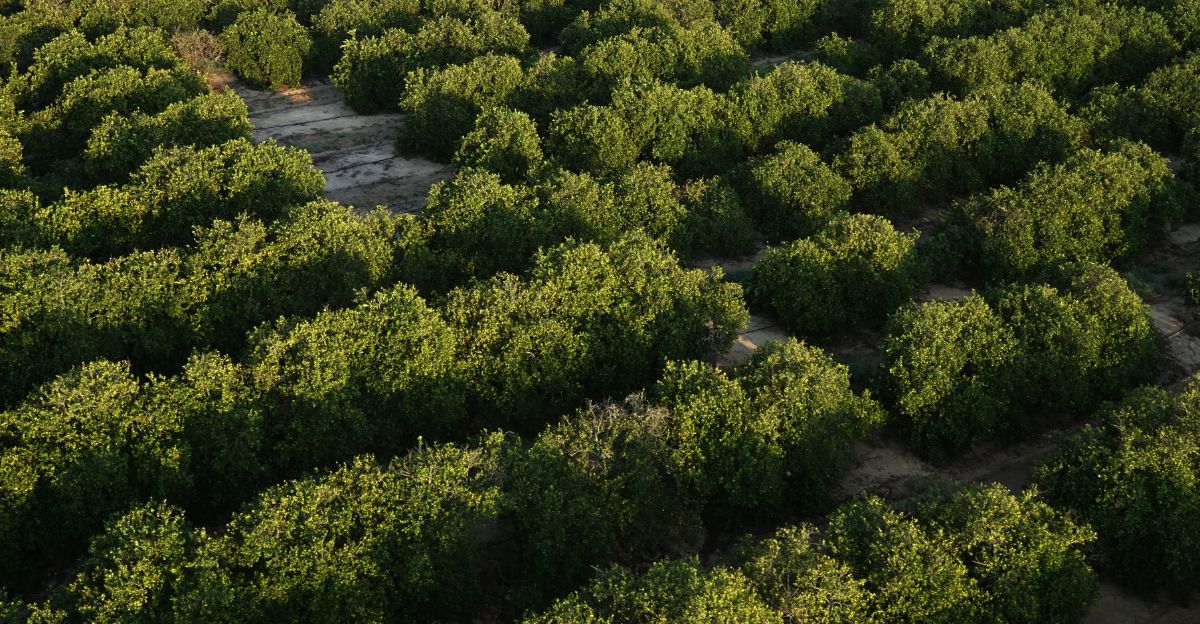
Florida’s citrus footprint shrank to its smallest size in over a century. In 1996, the state’s groves covered 857,687 acres—an agricultural empire at peak productivity.
By 2025, that landscape had shrunk to just 208,186 acres, representing a loss of roughly 649,500 acres.
Production plummeted from 300 million boxes annually in 2004 to just 14.6 million boxes in the 2024-25 fiscal year. This 92% collapse in one generation rivals the Dust Bowl disaster.
The Psyllid’s Arrival
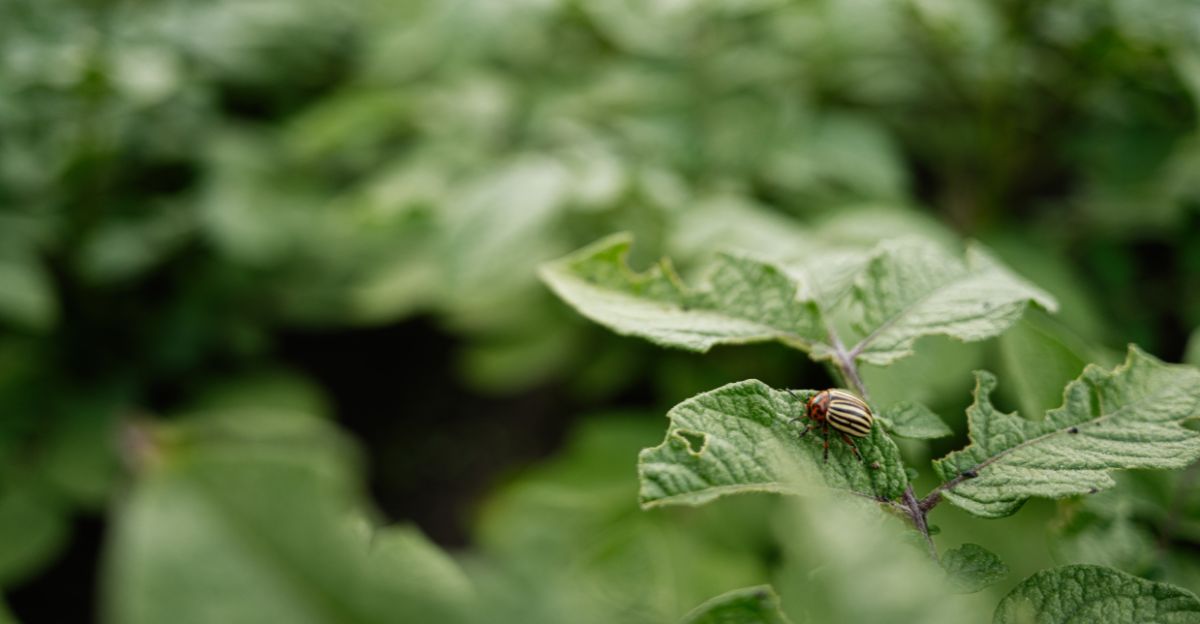
The story began in 1998, when an Asian insect crossed international borders undetected. The Asian citrus psyllid—Diaphorina citri—first appeared in Palm Beach County, Florida, in June that year.
Few realized what this tiny pest carried. The psyllid spreads a bacterial pathogen so destructive that growers would spend decades searching for a cure.
This almost-invisible insect marked the beginning of the end for Florida’s citrus dominance.
Disease Emerges
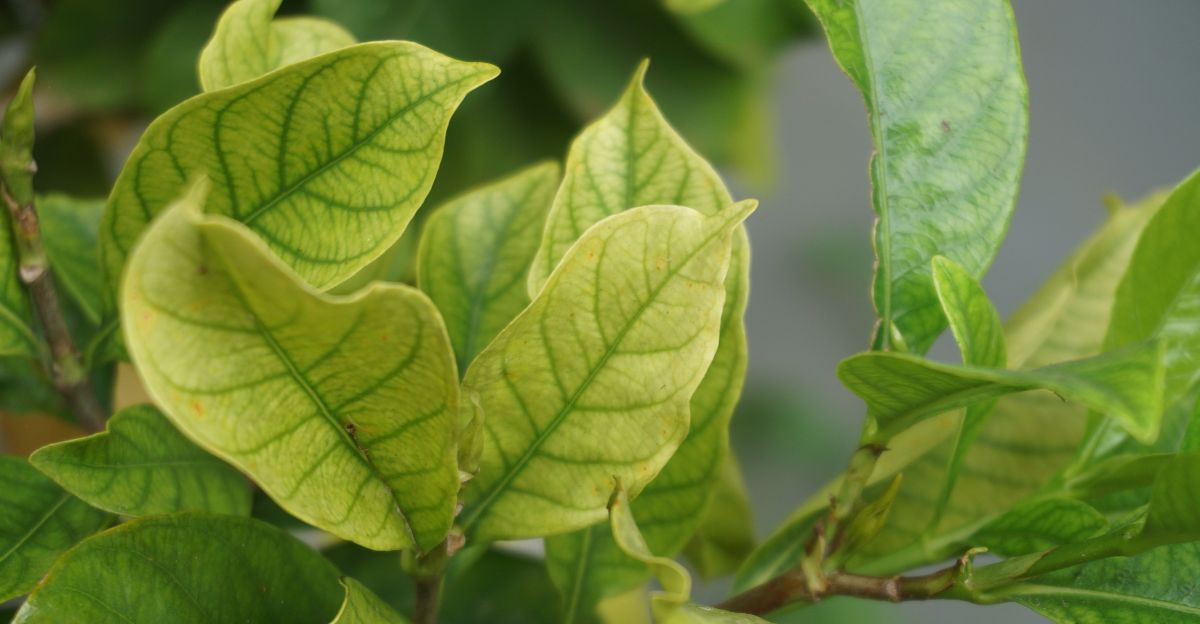
Seven years after the psyllid arrived, Florida detected its first case of huanglongbing, also known as citrus greening, in 2005.
This bacterial disease, transmitted by the psyllid, attacks the vascular system of citrus trees, causing them to starve and ultimately die. Within months, the pathogen spread throughout the state.
By the 2010s, growers realized the grim truth: 90% of Florida’s orange groves were infected. Scientists confirmed: no cure exists.
The Giant Falls

On January 6, 2025, Alico Inc., one of America’s largest citrus producers and suppliers to Tropicana, announced it would cease all citrus operations after the 2024-25 harvest.
The Fort Myers-based company controlled 14-15% of Florida’s citrus market and approximately 49,000 acres of citrus. It would wind down after 125 years of continuous production.
CEO John Kiernan stated, “Growing citrus is no longer economically viable for us in Florida.”
Rural Florida Reels

The citrus collapse devastated rural communities across central and southwestern Florida. The industry once employed roughly 33,000 workers in farming, packing, processing, and distribution.
Towns like Lake Wales, Sebring, and Immokalee—built around citrus prosperity—now face unemployment, reduced tax bases, and shuttered businesses.
Farmers forced to sell inherited groves to developers watched their life’s work become worthless. School districts lost funding as property taxes plummeted. Rural hospitals and clinics closed.
A Grower’s Despair
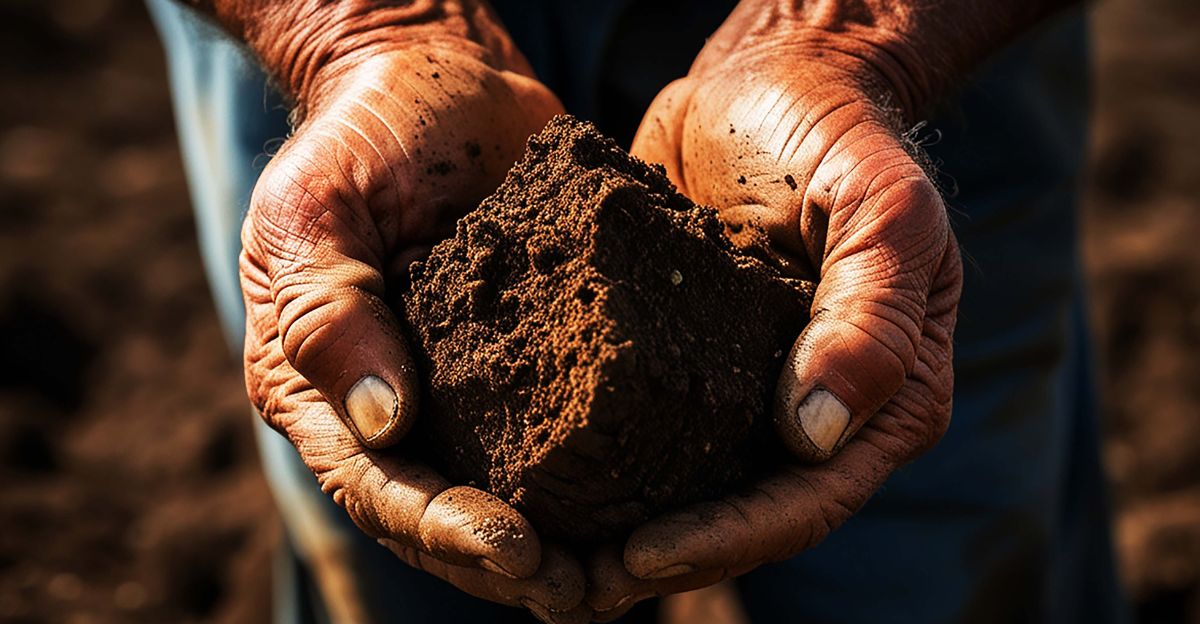
Matt Joyner, CEO of Florida Citrus Mutual, explained the crisis: “We faced three hurricanes in seven years while battling citrus greening—one of the most damaging diseases known to citrus globally for twenty years. This put our industry in a precarious position.”
Growers described a nightmare of compounding losses. Investment in antibiotics, pruning, pest management, and replanting consumed capital that never yielded a profit. Many families gave up.
Global Market Shift

Brazil, the world’s largest orange juice producer, watched as Florida’s weakness opened an opportunity. California, previously second to Florida, now ranks as America’s leading orange producer.
Mexico, with fresher groves and no greening disease, attracts international investment. The U.S. Department of Agriculture projects continued Brazilian dominance despite its own greening challenges.
Global orange juice futures soared from $1 per pound a decade ago to $4.77-$5.30 per pound in 2024-25—a record high.
The Trade War Twist

New tariffs threatened to worsen the citrus industry’s troubles. In March 2025, the Trump administration imposed 25% tariffs on imports from Canada and Mexico, targeting Florida orange juice exports.
Canada, which imports tens of millions of dollars of Florida juice annually, responded by encouraging consumers to switch to Brazilian alternatives.
Prime Minister Justin Trudeau called for Canadians to skip Florida orange juice. These tariffs accelerated the market abandonment that the disease had already started.
The Silent Extinction

Here lies the story within the story: Florida’s citrus industry faces not just economic collapse but cultural erasure. Orange juice—long marketed as Florida’s liquid gold, a symbol of the state’s agricultural heritage—is vanishing from American breakfast tables.
Per capita orange juice consumption in the U.S. has dropped by over 50% since the mid-2000s, as prices rose and alternatives proliferated. Younger generations never knew affordable, fresh orange juice. Florida’s “Citrus State” identity is becoming history.
Workforce Exodus

Alico’s announcement triggered immediate pain: the company laid off most of its 3,460-person citrus production workforce effective January 2025. Workers in their 50s and 60s, many with no skills outside citrus work, faced job loss mid-career.
Smaller family growers faced similar decisions. The University of Florida noted that the number of citrus growers in Florida declined 62% between 2002 and 2017. By 2025, that contraction accelerated further. Employment agencies are flooded with displaced workers.
Alico’s Transformation

In March 2025, Alico unveiled a startling new vision: Corkscrew Grove Villages, a 9,000-home residential development in Collier County.
The company announced lease agreements for 5,250 acres of citrus land with third-party operators, while converting the remaining land to cattle ranching, sugarcane production, soy production, and real estate development.
In November 2025, CEO John Kiernan told investors the company now viewed itself as a “diversified land company” rather than a farmer.
Race for the Cure

Despite decades of research and over $200 million in collective investment, scientists produced only incremental progress against citrus greening.
The University of Florida announced promising laboratory results from genetically modified citrus trees engineered with a Bt gene that produces proteins killing juvenile psyllids. However, these trees remain years away from field testing.
Texas A&M researchers are developing alternative delivery systems for antibiotic treatments using aerial root grafts and injections. Progress remains marginal.
Expert Skepticism
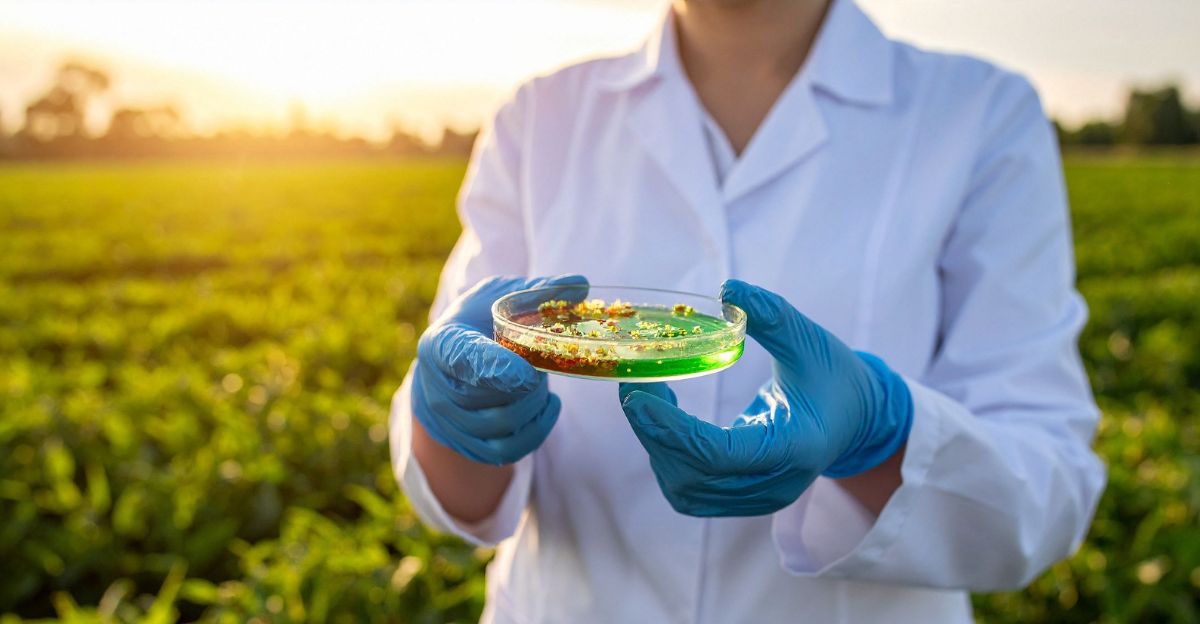
Agricultural economists and citrus scientists remained pessimistic about any near-term recovery. The University of Florida’s Citrus Research and Education Center confirmed that new tree varieties exhibit modest tolerance improvements—yield increases of 50% in some trials—but these are still decades away from large-scale deployment.
A UK juice processing manager stated, “It’s very difficult to get oranges out of Florida, and it’s too expensive.” The remaining growers adopted short-term survival strategies rather than long-term solutions.
The Question Remains

As 2026 begins, Florida’s citrus industry faces a profound question: extinction or adaptation? Genetic research has shown promise but requires years of further testing.
Some growers persisted in isolated zones with aggressive disease management. Consumer prices stabilized above record levels but remained elevated. Brazil produces citrus but battles its own greening crisis. A generation of Americans grew up without affordable, fresh Florida orange juice.
Whether Florida rebuilds—or even wants to—remains agriculture’s unanswered riddle.
Sources:
- Food & Wine, Orange Juice Prices Are About to Surge Even More, March 2025
- Food Dive, Tropicana orange supplier Alico to exit citrus business, January 2025
- CNBC, Orange juice makers turn to alternative fruits amid record high prices, May 2024
- Fresh Plaza, Global orange juice prices soar after poor harvests, October 2025
- USDA National Agricultural Statistics Service, Commercial Citrus Inventory, August 2025
- University of Florida IFAS Citrus Research and Education Center, How the Asian Citrus Psyllid Brought the Citrus Industry to Its Knees, 2025