
Florida’s Public Service Commission has approved a landmark $7 billion rate hike for Florida Power & Light (FPL), marking the biggest utility increase in U.S. history.
This change, which is set to affect nearly 12 million residents, comes as families face rising costs for basic necessities and heightened concerns about the affordability of utilities.
Monthly Bills Set to Climb

Starting January 1, 2026, most FPL residential customers will see monthly bills jump from $134.14 to $136.64. By 2028, rates will result in an additional $289 paid annually compared to current costs.
From 2020 to 2026, the average bill has climbed 45%, costing customers over $513 more per year.
Disconnection Rates Reach Record Highs
As bills climb, the number of Floridians disconnected for nonpayment continues rising alarmingly.
Advocacy reports indicate nearly three million FPL customers faced power shut-offs last year alone, representing nearly half of FPL’s residential base and demonstrating an unprecedented affordability crisis.
“Eat or Heat” Dilemma Intensifies

Low-income families are especially affected. With energy burdens as high as 14% of total income for the poorest households, many face impossible choices between paying for electricity or foregoing essentials such as food and medication.
Surveys show that over a third of households cut back on essential needs just to pay their energy bills.
National Trends Mirror Florida’s Struggles
Florida’s rate hikes reflect national trends. U.S. electric bills grew 35% from 2022 to 2025, far outpacing wage growth and overall inflation.
By August 2025, average electricity prices had increased by 10.5%. American households now collectively owe more than $21 billion in overdue utility bills.
Corporate Profits Drive Debate

FPL’s parent company, NextEra Energy, reported strong earnings in 2025, fueling criticism that the rate hike benefits corporate shareholders more than customers.
Advocacy groups argue that half of the new revenue will go to profits and taxes instead of grid improvements or customer relief, deepening public resentment.
Stakeholders Rally Against Hike

Widespread opposition emerged from advocacy groups, consumer advocates, and elected officials.
Florida’s Office of Public Counsel and organizations like AARP, along with the Manatee County Commission, argued that the rate hike unfairly targets ordinary customers and demanded more regulatory restraint.
Counterproposals Rejected

Alternative proposals from consumer representatives sought to reduce the rate hike by half, but were dismissed by the commission.
Opponents argue that the approved settlement favors a minority of large business customers over average Floridians and expect to challenge the decision in court.
Justifying the Increase
FPL defended the hike as essential for infrastructure upgrades, citing Florida’s booming population and increased hurricane risks.
The company claimed the increase would maintain reliability and keep bills “well below the national average” until 2029, although Florida’s rates have risen faster than most states lately.
Storm Recovery Costs Compound Burden
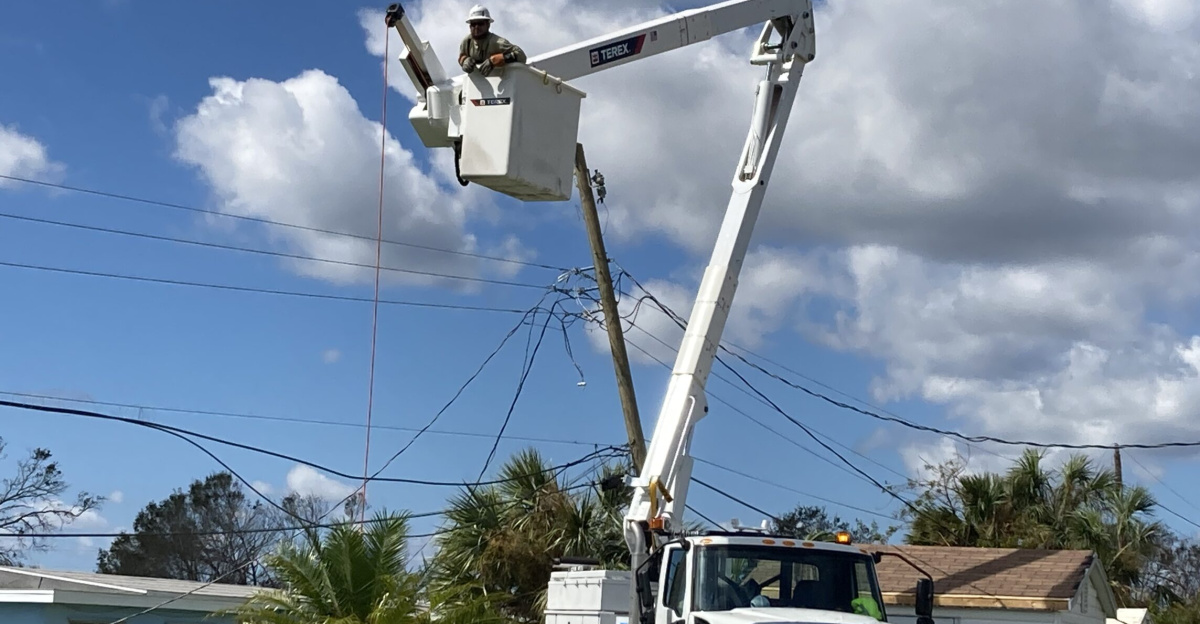
Beyond base rates, Floridians face surcharges for hurricane restoration. FPL customers paid an extra $12 monthly through 2025, and Tampa Electric imposed storm charges of $20 per month.
While utilities aren’t allowed to profit from these fees, they further strain household budgets already stretched by rising base rates.
Regulatory Environment Under Scrutiny

The five-member Public Service Commission, appointed by Governor Ron DeSantis, is accused by critics of prioritizing utility interests over consumer needs.
Legislative efforts to limit utility earnings above national averages signal growing unease about oversight and fairness.
Legislative Solutions Stalled

Efforts to shield vulnerable customers have met resistance. The PAUSE Act, which would bar shut-offs during health-threatening weather, failed in committee in June 2025.
Supporters say the lack of protective legislation, paired with historic rate hikes, leaves families exposed.
Racial and Economic Divide Worsens

The energy crisis hits disadvantaged communities hardest. Black households are three times more likely to carry overdue balances, and very low-income families are 2.5 times more likely to lose service.
In the South, the poorest spend nearly eight times more of their income on energy than wealthier households.
Calls for Reform and Accountability

Consumer advocates are vowing to fight the hike, warning of disastrous impacts if the current energy burden remains unchecked.
Appeals to the Florida Supreme Court are expected. Critics accuse regulators of failing their duty to protect citizens from corporate profit motives.
National Implications for Utility Policy

Florida’s experience is drawing national attention to the broader affordability crisis in utility services. As demand for energy increases due to extreme weather and new technologies, states will face pressure to balance grid investments against household costs.
The outcome in Florida may shape future debates on protecting vulnerable populations.
The Human Cost of Rising Bills

For millions of Floridians, the choice between keeping the lights on and meeting daily needs has become a stark reality.
With rate increases locked in through 2029, the “eat or heat” dilemma risks becoming a permanent feature of life for vulnerable families, making energy justice a growing ballot issue for years ahead.