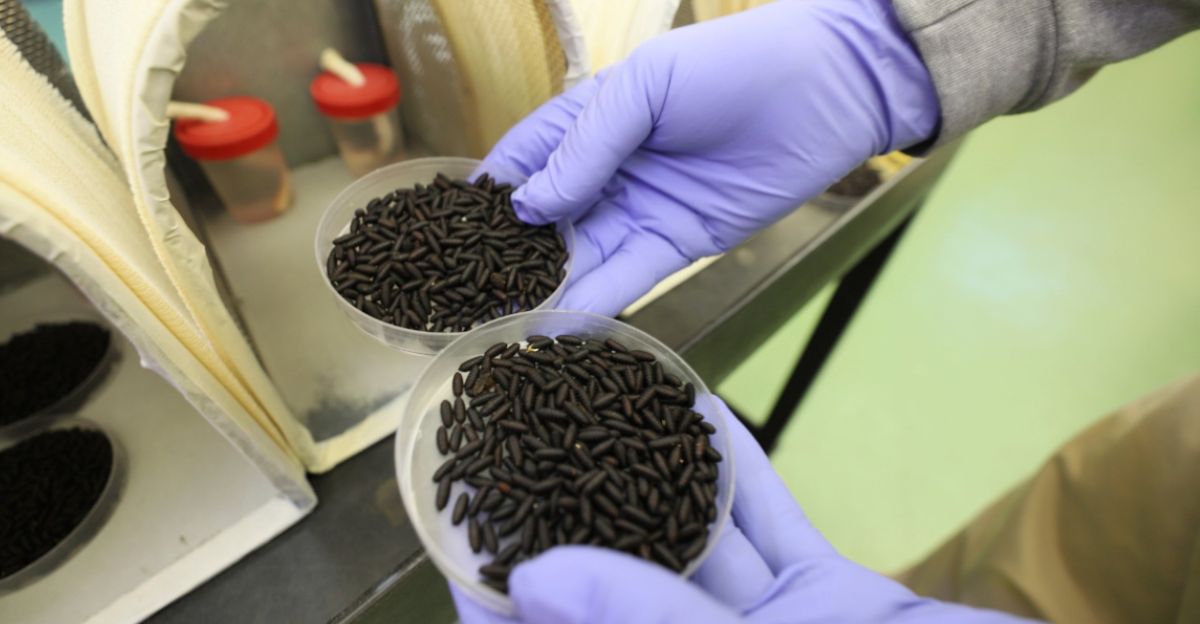
The United States is once again facing a challenge at its borders, but this time it isn’t people or politics. It’s a small fly with devastating potential.
This insect doesn’t simply buzz around cattle. It invades their bodies. The threat isn’t just to animal health but to livelihoods, food supply, and the economy. With billions at stake, officials are moving quickly.
A Hidden Intruder
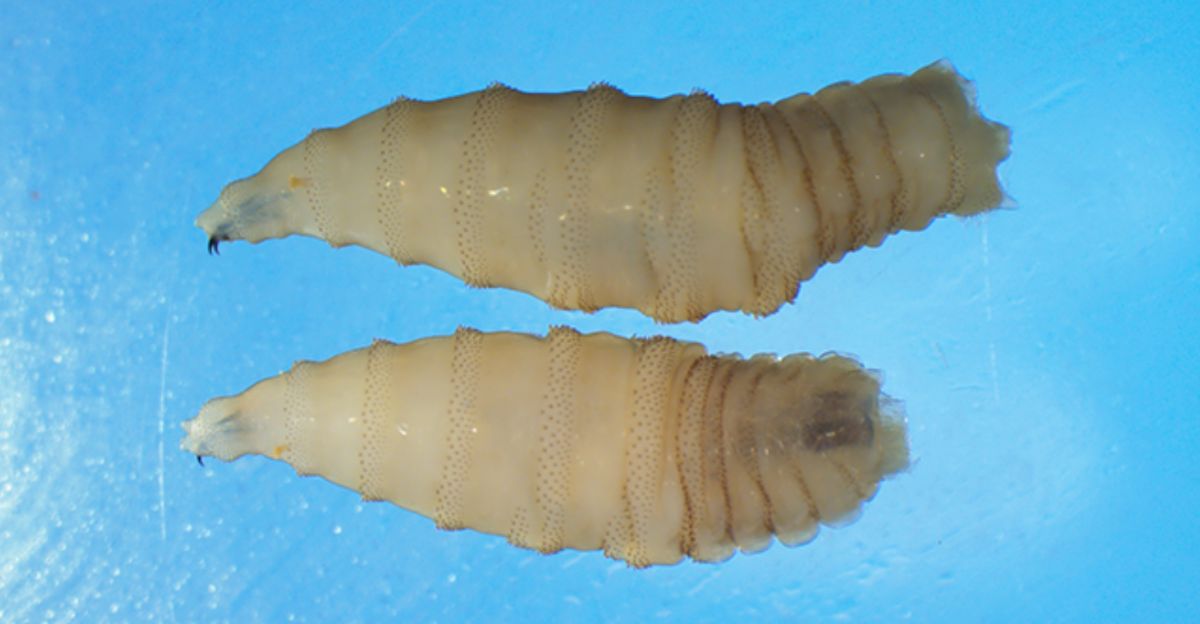
The danger comes from the New World screwworm, a parasitic fly whose larvae eat living flesh. It thrives on open wounds of warm-blooded animals.
While rare in the U.S. for decades, the possibility of reintroduction is enough to sound alarms across agriculture and public health circles.
Why It Matters Now

The fly is already present in regions of Central and South America. With increased travel and livestock movement, U.S. authorities worry it could return.
California has issued an advisory, and the USDA is preparing defenses. A single outbreak could lead to massive costs and strict containment measures.
What Is the Screwworm?
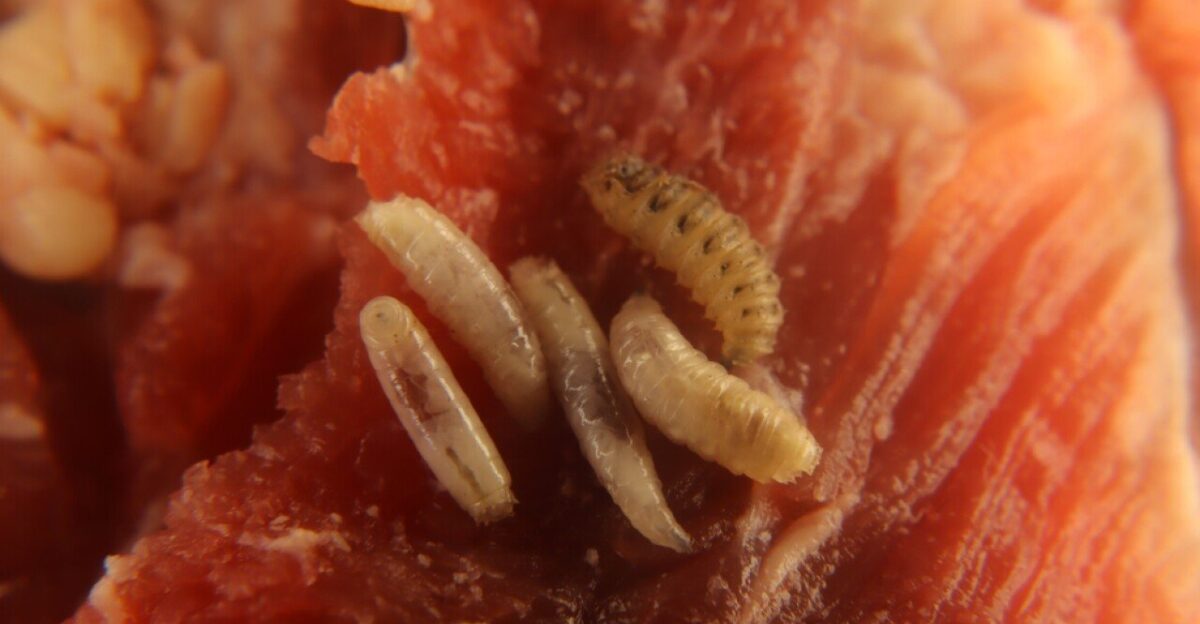
The New World screwworm (Cochliomyia hominivorax) is not just another insect. Its name translates to “man-eater.” Females lay eggs in wounds.
When the larvae hatch, they burrow deeper into tissue. Left untreated, infestations cause severe damage, suffering, and often death in animals.
Livestock at Risk
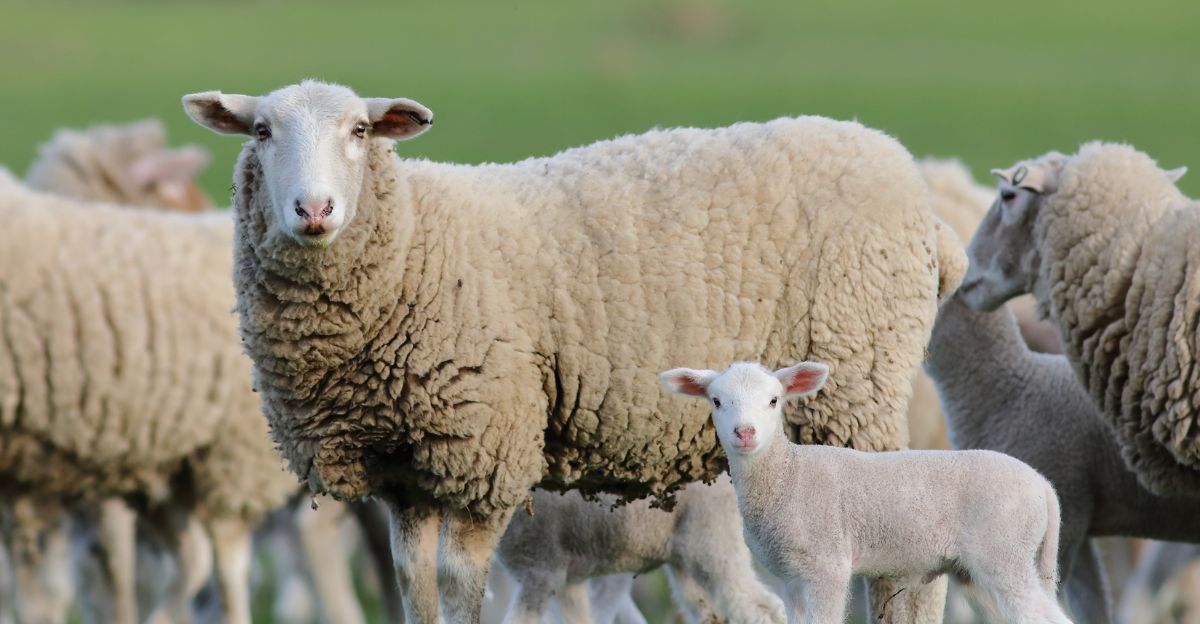
Cattle, sheep, goats, and pigs are prime targets. Open wounds from grazing, branding, or natural injuries provide entry points.
Once infestations start, animals weaken, lose weight, or die. For an industry worth billions, even a limited outbreak could disrupt production and supply chains.
Wildlife and Pets Too

The threat isn’t limited to farms. Deer, horses, chickens, and even family pets are susceptible. Infestations spread quickly across species.
Wildlife can act as carriers, making eradication difficult. This is why health departments treat the issue as both an agricultural and ecological risk.
Human Cases Are Rare but Real

Humans are not the primary target, but cases have been recorded. A recent incident in Maryland involved a traveler from El Salvador.
The patient required urgent medical care to remove larvae. Such events highlight the parasite’s ability to cross borders through people as well as animals.
The $1.8 Billion Question

Economists estimate that an uncontrolled outbreak could cause losses of up to $1.8 billion annually in livestock production, export bans, treatment costs, and eradication efforts. The figure is not hypothetical: past outbreaks have shown how devastating the parasite can be.
California Raises the Alarm

The California Department of Public Health has warned that cases could appear through international travelers or imported animals.
People with recent visits to infested regions are urged to watch for symptoms and seek medical help immediately if signs appear.
How the Fly Spreads
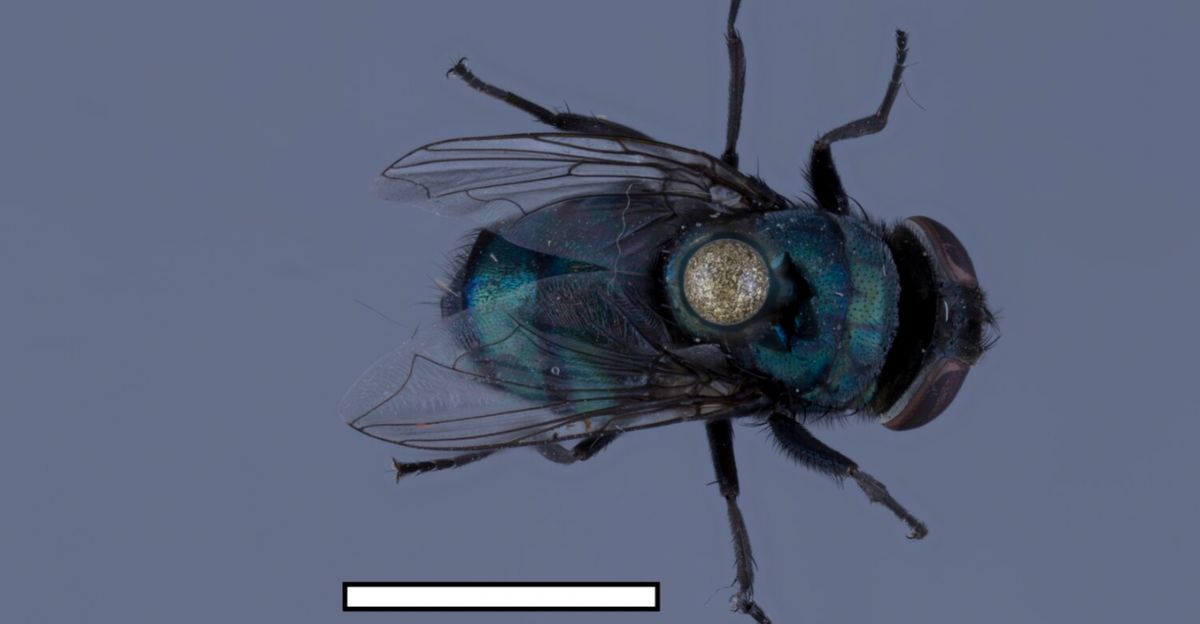
The fly moves both naturally and through human activity. Infested animals transported across borders, untreated pets, or even wild deer populations can carry the parasite. With warmer climates expanding northward, the conditions for spread are improving.
Who Is Most at Risk?

The CDC notes that people in rural communities, those with untreated wounds, the very young, elderly, or immunocompromised face higher risks.
Malnourished individuals are also more vulnerable. For livestock, virtually any wound can be a gateway for infestation.
The USDA’s Defense Strategy

To prevent an outbreak, the USDA has reinforced its surveillance and control measures at the southern border.
Teams are working in Mexico with sterilized fly releases, inspections, and tighter monitoring of livestock movements. The aim is to stop the threat before it crosses into U.S. territory.
Sterile Fly Method
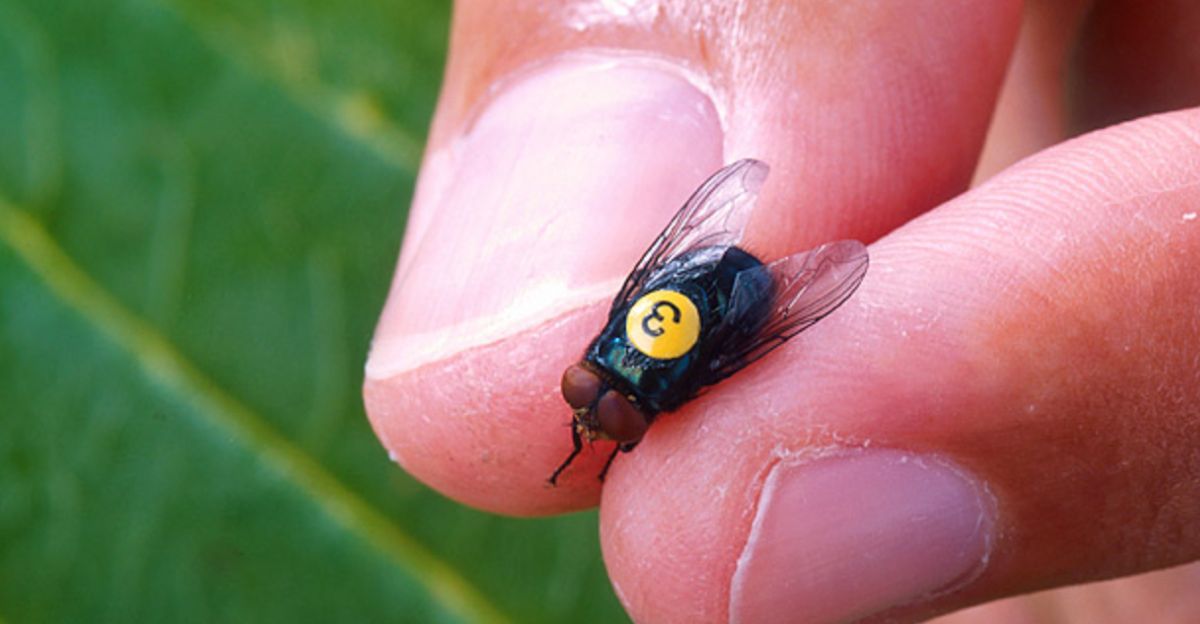
One of the most effective tools is releasing millions of sterilized male flies. When these flies mate, no viable offspring are produced, gradually collapsing the population.
This technique was key to eradicating the screwworm from the U.S. decades ago and remains the main line of defense today.
Cross-Border Collaboration

Containment requires cooperation with Mexico and Central America. USDA staff are stationed in Mexico to ensure surveillance and sterilized fly operations continue effectively. Building trust and verifying data are part of preventing lapses that could lead to outbreaks.
Facility Upgrades
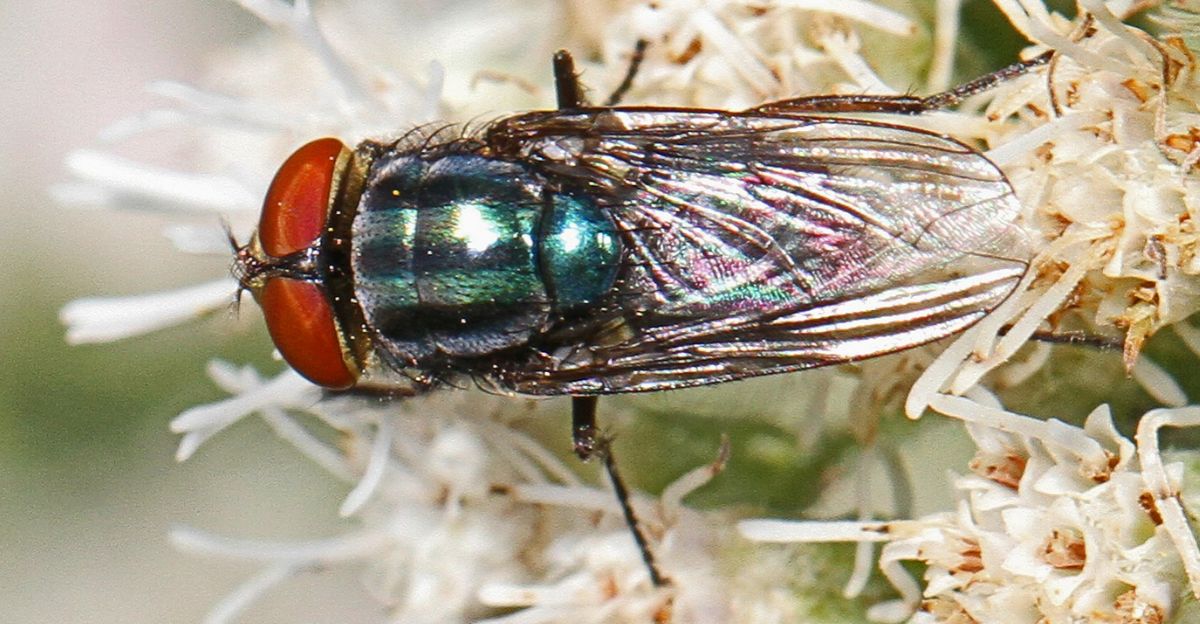
New production facilities are being developed to increase sterile fly numbers. A retrofitted site in Mexico is expected to boost weekly production by 50–60 million flies. Another facility in Texas is planned for long-term capacity, showing how seriously the U.S. views the threat.
Lessons From the Past
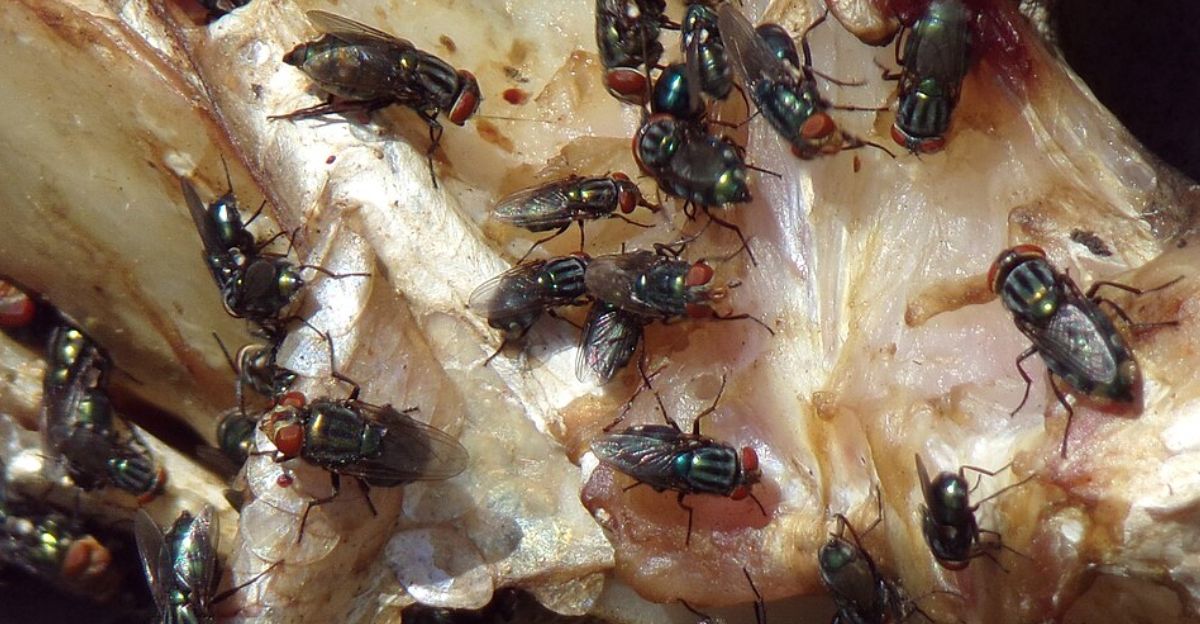
The U.S. once eradicated screwworm after decades of effort and investment. That victory, however, did not eliminate the parasite worldwide. Past outbreaks remind us that without constant vigilance, old threats can return quickly.
The Human Side

Beyond numbers, infestations cause animal suffering and emotional stress for farmers and pet owners. Images of infected animals show severe wounds and suffering. Preventing such cases is as much about animal welfare as it is about economic stability.
Public Awareness Matters

Officials stress that farmers, veterinarians, and even travelers need awareness. Spotting symptoms early; strange wounds, unusual animal behavior, or visible larvae, can mean the difference between contained cases and widespread outbreaks. Reporting quickly helps authorities act faster.
The Bigger Picture

This isn’t just about one fly. Global trade and travel mean diseases and parasites can cross borders with ease. The screwworm is a reminder of the constant balancing act between movement of people, commerce, and biosecurity.
What Comes Next

The USDA’s fortified border measures, expanded facilities, and collaboration with Mexico are designed to keep the screwworm out.
But the fight is ongoing. With billions on the line, the U.S. must maintain pressure, readiness, and awareness… or risk seeing the flesh-eating fly return.