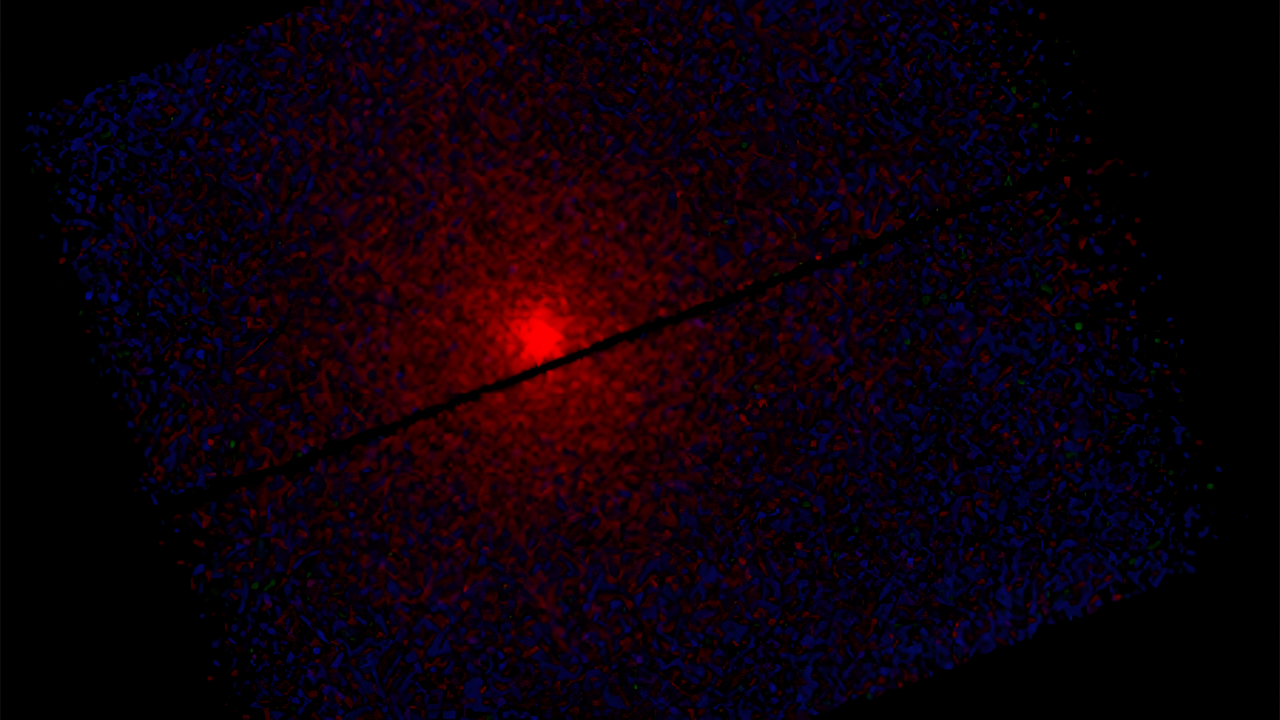
In late 2025, astronomers gathered their most powerful instruments to observe a cosmic event that defied expectations: the first-ever X-ray detection from an interstellar comet. Comet 3I/ATLAS, discovered earlier in the year, approached Earth at a remarkable speed, and scientists were poised to capture a groundbreaking moment.
As the comet passed through the solar system, it emitted an X-ray glow that no one could have predicted, breaking a silence that had shrouded previous interstellar visitors.
The Mystery Deepens
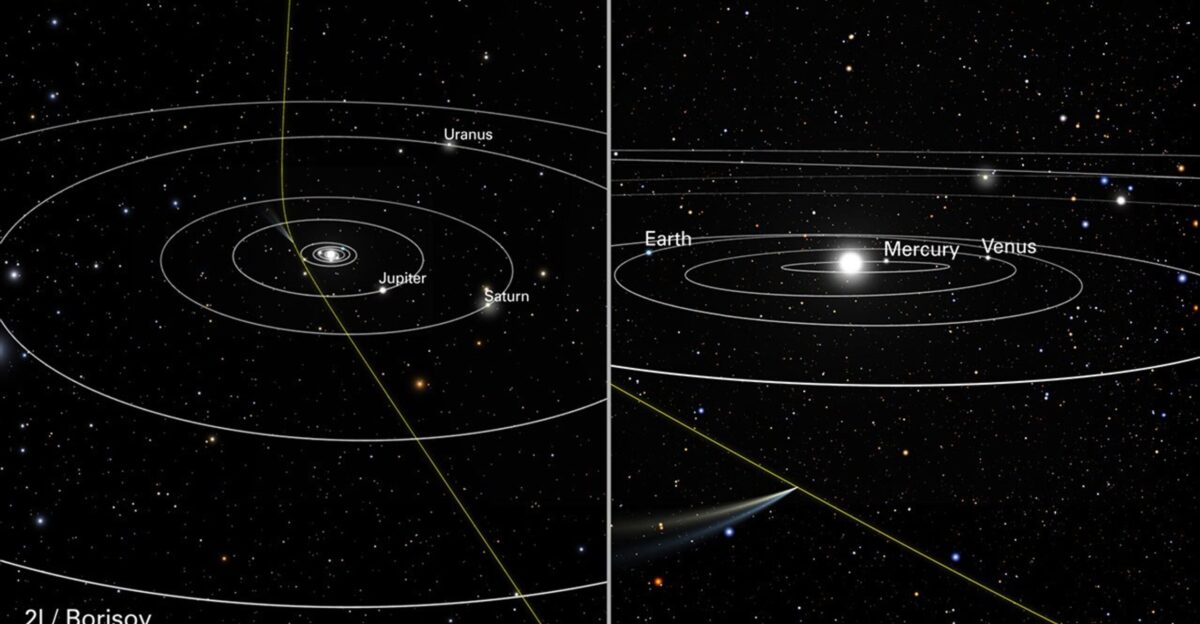
When 2I/Borisov arrived in 2019, astronomers trained their instruments on it, hoping to detect the same X-ray emissions seen in comets from our own solar system. However, even with advanced telescopes, no X-ray signal emerged.
The absence of the expected X-ray glow from Borisov left scientists puzzled. Was this merely an anomaly, or did it suggest something fundamentally different about these interstellar objects?
Building the Arsenal
By 2023, a new set of tools had been deployed, including Japan’s XRISM observatory, designed to capture the faintest X-ray signals across the universe. This was complemented by ESA’s XMM-Newton, which had been observing the skies for decades.
Together, these instruments gave astronomers the capability to detect X-ray emissions from the faintest cosmic objects. The technological advancements set the stage for a monumental breakthrough.
A Race Against Time
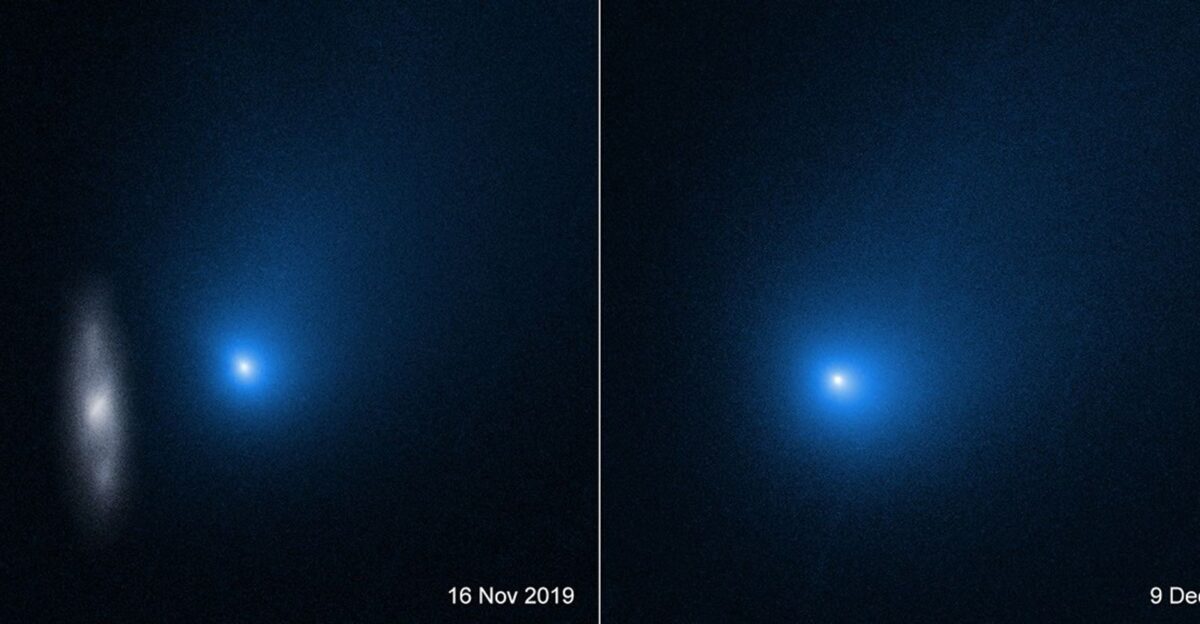
Comet 3I/ATLAS was heading toward its closest approach to Earth in December 2025. The comet’s trajectory would take it past Earth, where it would be too faint for future observations.
This narrow observation window created immense pressure. For just a few days, astronomers had to seize the opportunity to collect data before the comet receded beyond reach, becoming too distant and too faint for further analysis.
The Breakthrough Moment
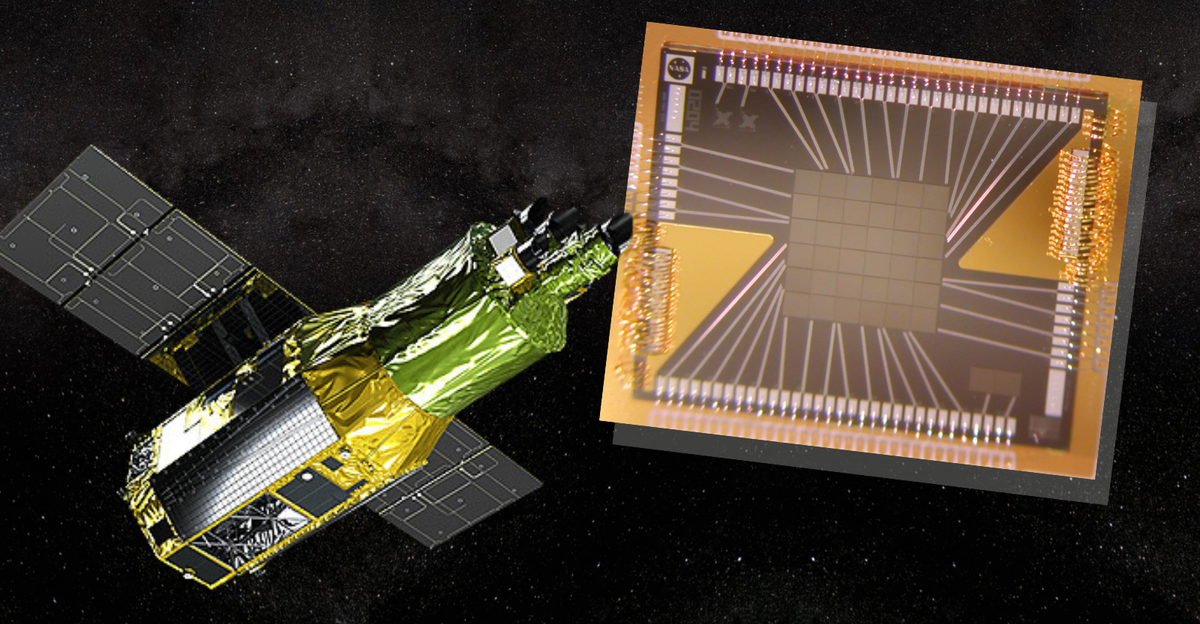
Between November 26 and 28, 2025, Japan’s XRISM observatory focused its lenses on 3I/ATLAS for 17 hours. The data revealed a startling discovery: a faint X-ray glow stretching 400,000 kilometers around the comet’s nucleus.
For the first time in history, astronomers observed X-ray emissions from an interstellar comet. The detection not only validated years of preparation but also shattered the silence that had surrounded previous interstellar objects.
A Regional Perspective
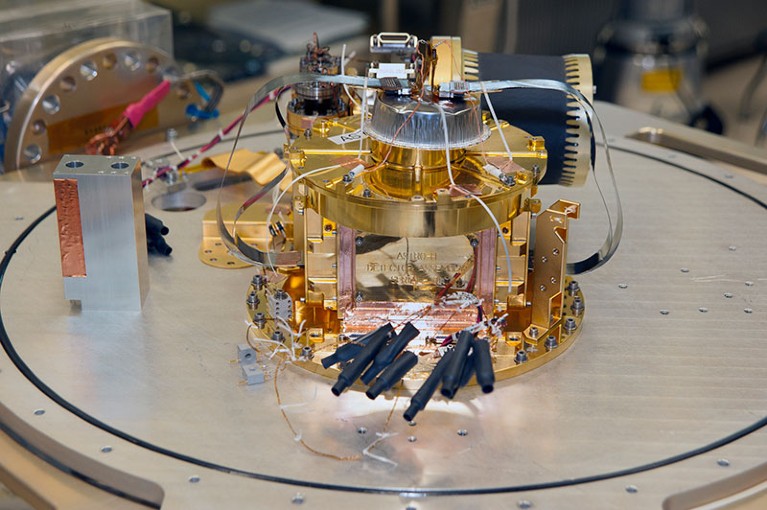
Japan’s XRISM observatory was the first to detect the X-ray glow, but soon after, Europe’s ESA confirmed the findings. Using their own XMM-Newton observatory, which orbits Earth in a highly elliptical orbit, scientists added to the growing body of evidence.
This global cooperation, linking telescopes from different nations, showcased the power of international collaboration in modern space science.
The People Behind the Discovery
For planetary scientists, the detection of X-rays from 3I/ATLAS was a moment of validation. Prominent researchers, including Dr. Avi Loeb from Harvard University, have noted that such unexpected signatures challenge existing models of interstellar chemistry.
The discovery also aligns with the idea that charge-exchange interactions between solar wind and cometary gases might be more common than previously thought.
Competing Observatories Race to Confirm
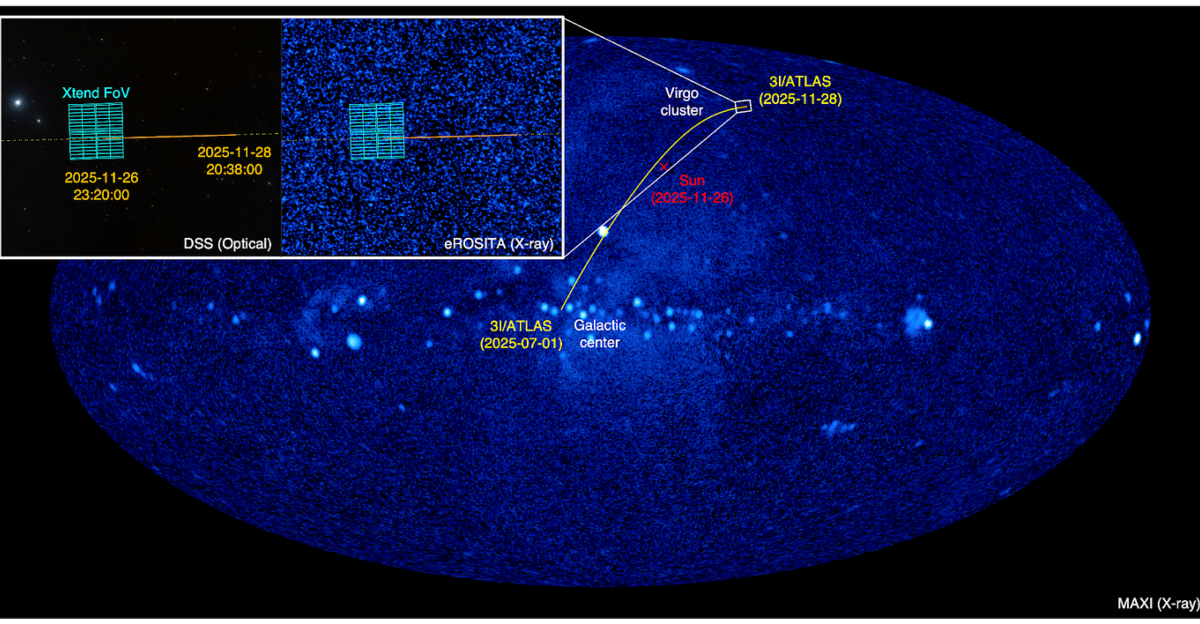
As soon as the X-ray data was released, a global rush of confirmation began. Ground-based telescopes, like those at the Gemini North Observatory in Hawaii, captured infrared and optical data that complemented the X-ray findings.
Meanwhile, space programs and private observatories analyzed data to gather complementary evidence. The entire scientific community worked in concert to verify the discovery before the comet faded into the distance.
Broader Scientific Implications
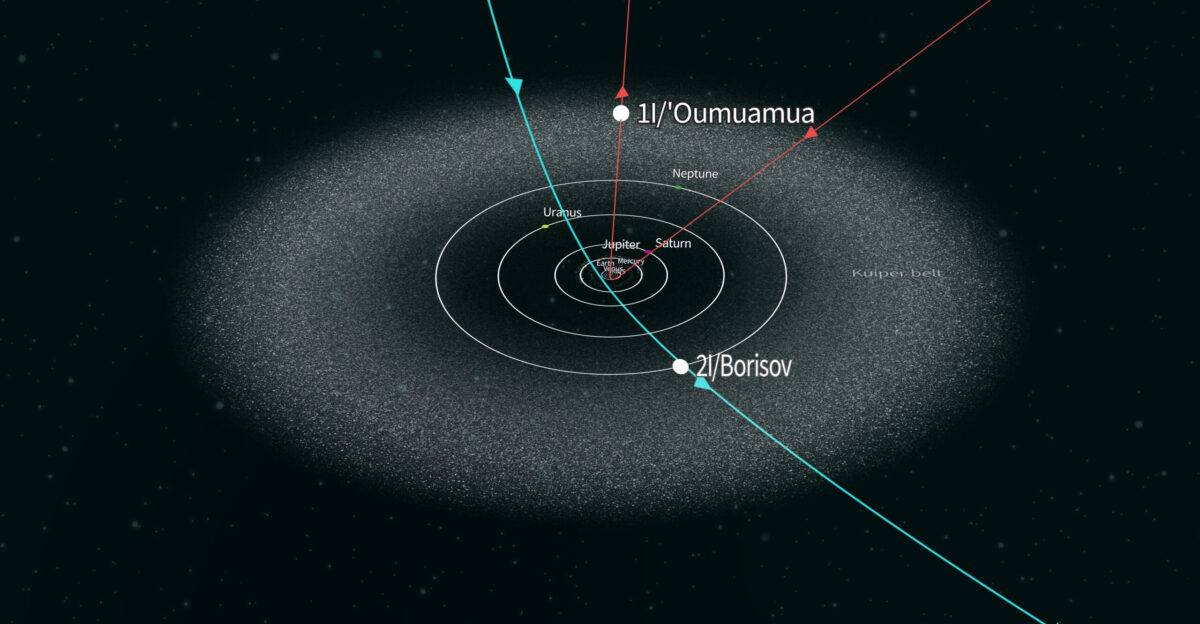
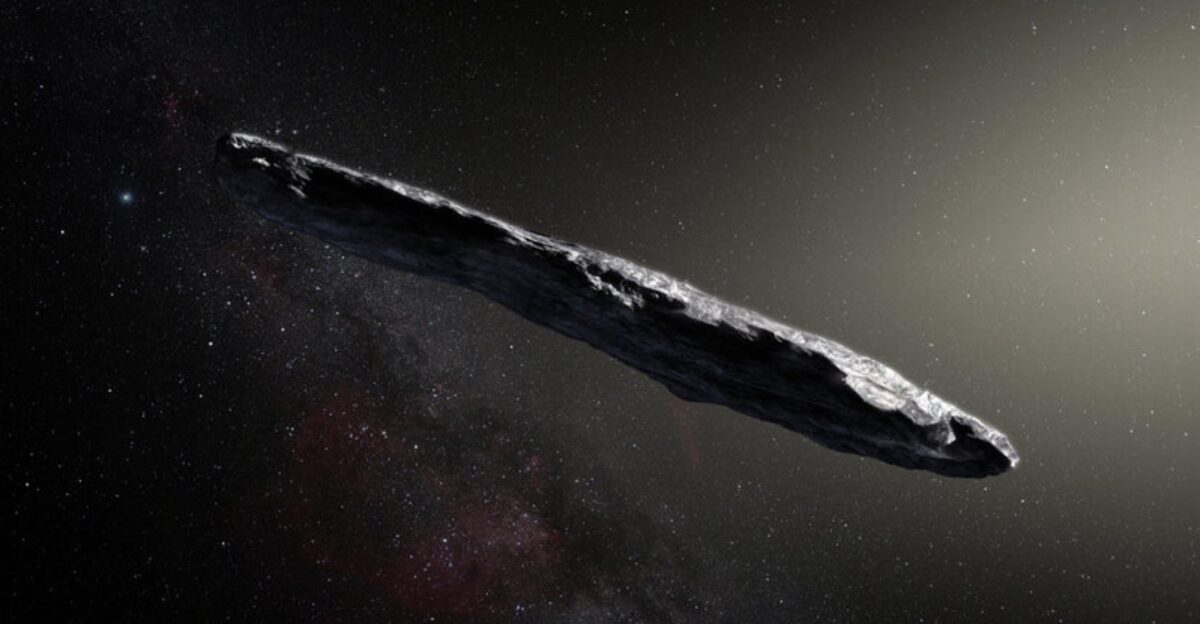
This detection has significant implications for our understanding of interstellar objects. If X-ray emissions from comets are common, previous objects like 1I/’Oumuamua and 2I/Borisov may need to be revisited in theoretical models.
Researchers are now reviewing archives to see if they missed any faint signals in earlier observations. This discovery points to the possibility that charge-exchange processes between solar wind and cometary neutrals may be more efficient than previously modeled.
A Collateral Surprise: The Halo’s Unexpected Scale
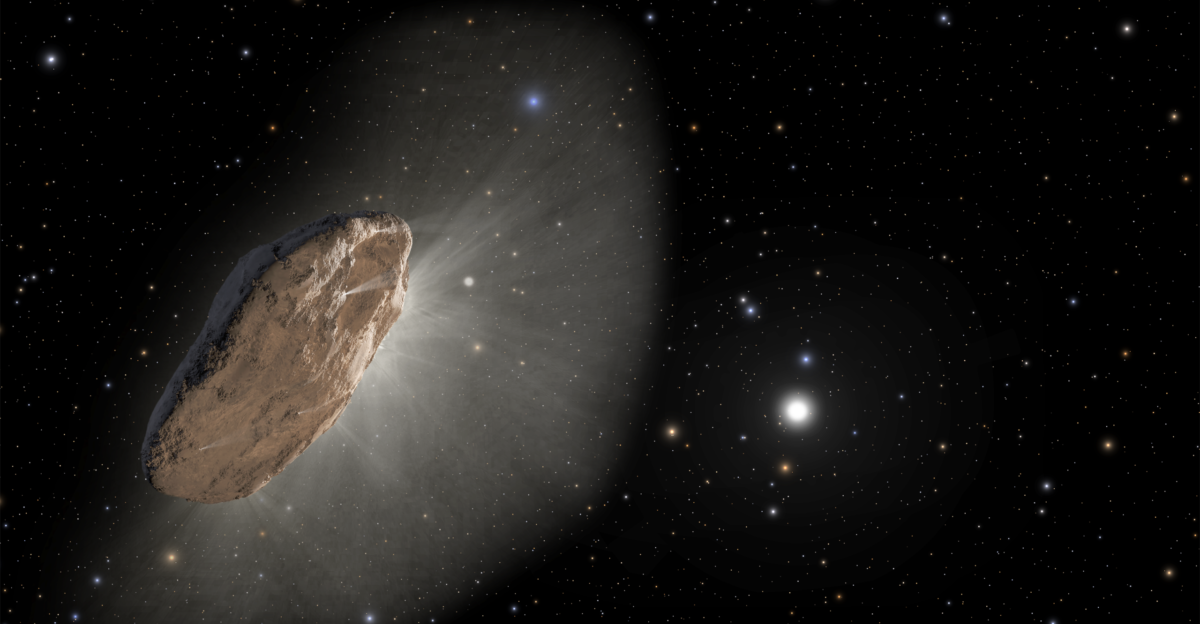
The X-ray halo observed around 3I/ATLAS measured a staggering 400,000 kilometers—much larger than the comet’s visible coma, which spans roughly 40,000 kilometers.
This ten-fold difference suggests that the comet’s gas envelope is far more extensive than we had thought. The solar wind may have stretched the comet’s atmosphere to distances comparable to the Moon’s orbit, giving astronomers a new perspective on the interactions between interstellar objects and solar winds.
Internal Debate: What Does This Mean?
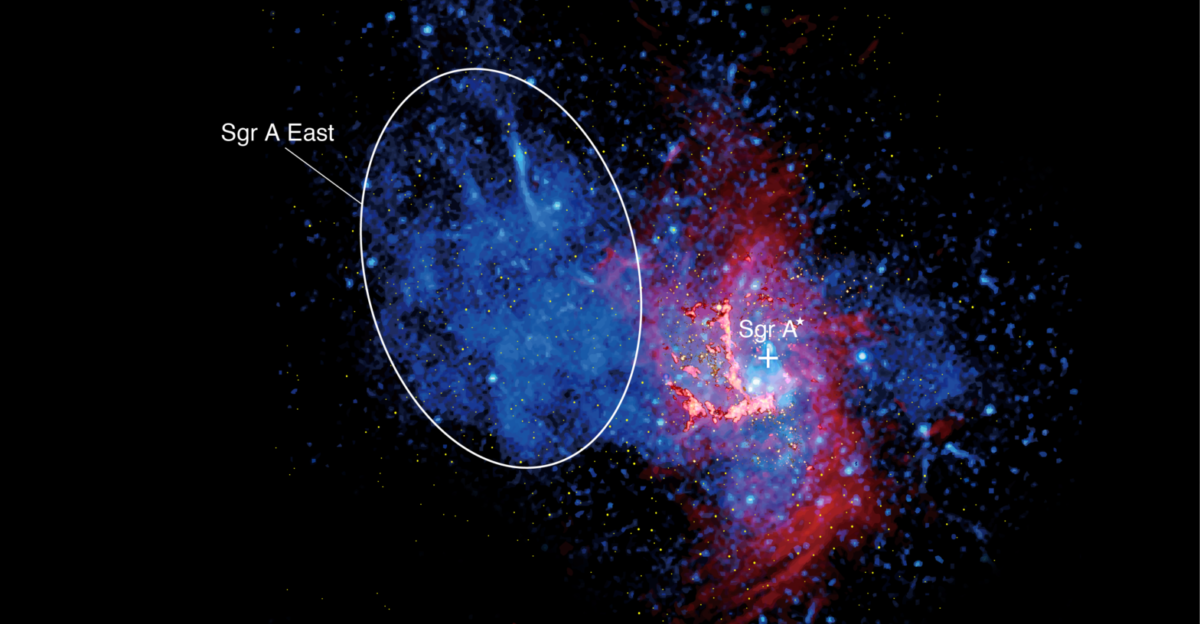
While the discovery is groundbreaking, there is still debate among planetary scientists about its interpretation. Some argue that the X-ray signature is definitive proof of charge-exchange theory, while others caution that alternative mechanisms like bremsstrahlung radiation or particle acceleration could also play a role.
This ongoing discussion reflects the evolving nature of scientific inquiry and the need for further investigation.
Institutional Momentum Shifts

The significance of this discovery is already being felt in the scientific community. Agencies like JAXA and ESA are turning their attention to supporting follow-up campaigns and future observation opportunities.
Interstellar-object studies remain a key area of interest for organizations like NASA. The scientific world is rallying behind this new frontier, one that 3I/ATLAS has opened with its unexpected X-ray emissions.
The Follow-Up Strategy Takes Shape
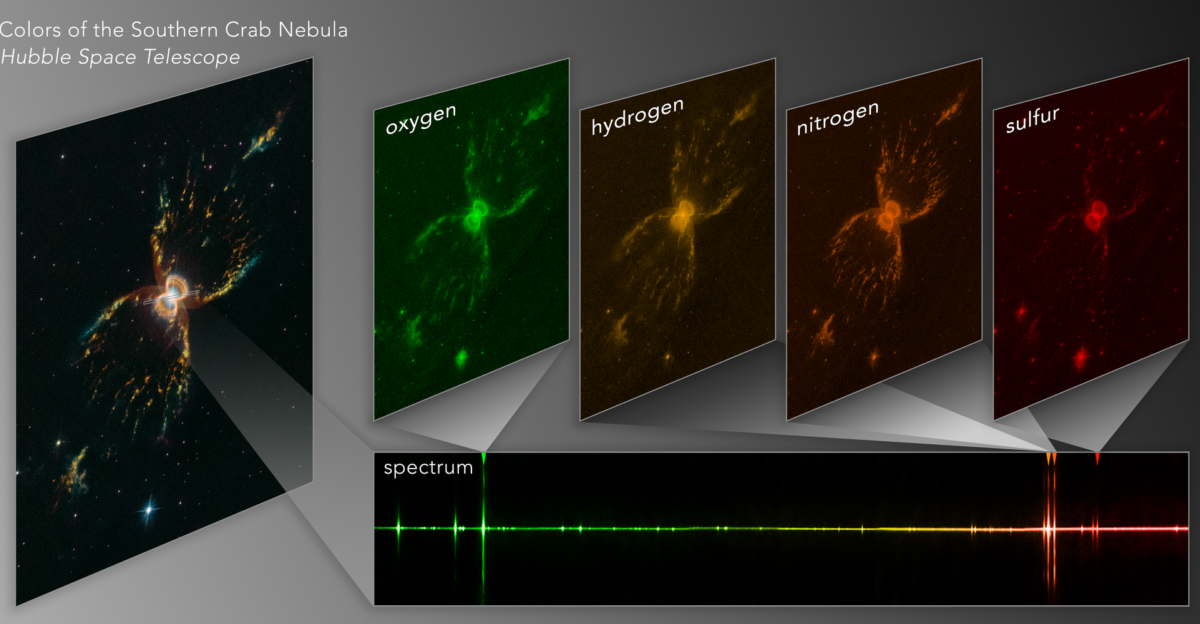
As 2026 approaches, astronomers are preparing for the next phase of study. High-resolution spectroscopy will help map the X-ray glow’s chemical composition, revealing elements like carbon, nitrogen, oxygen, and sulfur.
These chemical fingerprints could help determine which planetary system 3I/ATLAS originated from. A coordinated international effort is already underway to extract every possible data point before the comet fades beyond practical observation range.
Expert Skepticism and Cautious Optimism
Leading experts, such as astrophysicist Dr. Karen Meech of the University of Hawaiʻi, have emphasized that single detections require rigorous analysis. While scientific skepticism remains a healthy part of the process, the robustness of the data has been widely acknowledged.
Independent confirmation by XMM-Newton eliminates the possibility of instrumental errors, leading to a consensus that 3I/ATLAS represents a significant, real discovery, even if it’s just the beginning.
What Comes Next: The Open Question
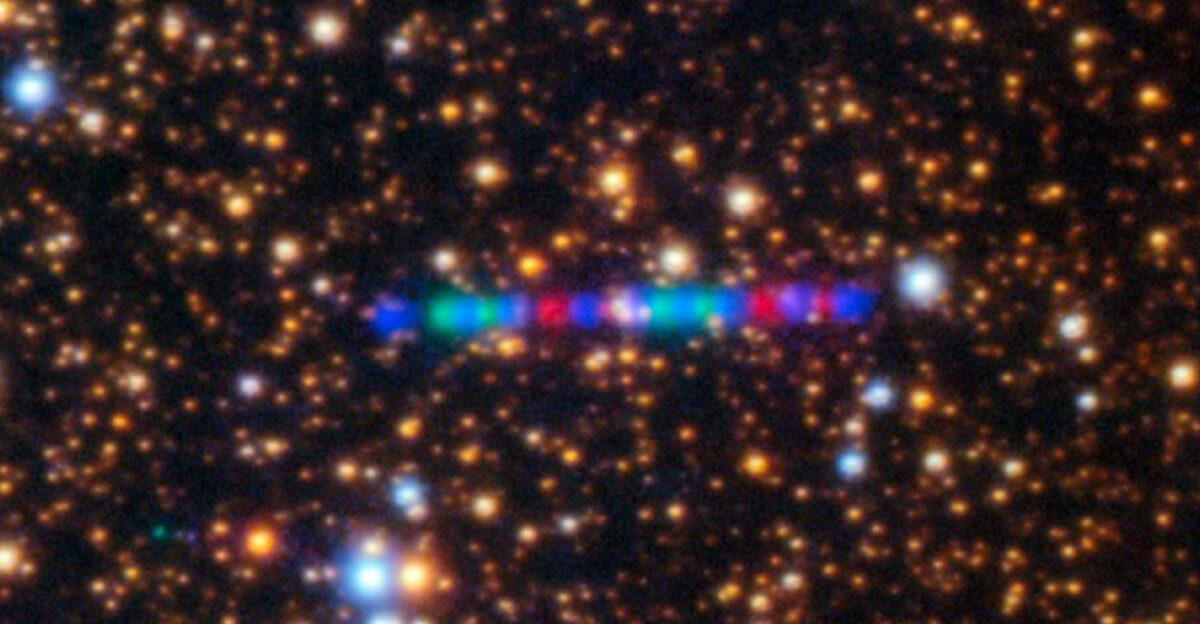
Though Comet 3I/ATLAS will soon fade from view, the scientific community is already looking ahead. Future surveys, like the Zwicky Transient Facility (ZTF) and the Vera C. Rubin Observatory (LSST), will continue to search for new interstellar visitors.
The 3I/ATLAS discovery has set a new template for interstellar-object studies: anticipate, observe, analyze, and share the findings with the world.
Policy and Space Governance Ripples

The discovery of 3I/ATLAS is taking place amid shifting discussions on international space policy. The global nature of the collaboration emphasizes the importance of rapid, transparent data sharing.
As more interstellar objects are discovered, they highlight the value of international agreements on data sharing and space governance.
International Dimensions and Competition

While international cooperation is crucial, competition among space agencies remains a driver of innovation. Nations including the US, Japan, Europe, and China continue to expand their capabilities in this emerging field.
The nation that maps an interstellar comet’s origin star will gain both scientific prestige and political credit, turning 3I/ATLAS into a signpost for a new era of exploration.
Legal and Ethical Frameworks
The discovery of 3I/ATLAS brings with it complex questions. Who owns the data about an object from beyond our solar system? How should observation rights be coordinated?
Existing frameworks like the Outer Space Treaty of 1967 may need to evolve to address this new era, and 3I/ATLAS underscores the need for continued diplomatic attention to space law.
Cultural Shift: From Alien Threat to Cosmic Neighbors
For decades, “alien” has evoked fear, but 3I/ATLAS has helped shift this narrative. Scientists now often refer to interstellar objects as “cosmic visitors,” and the media follows suit.
This subtle linguistic shift reflects a growing maturity in humanity’s approach to the cosmos, framing interstellar objects not as threats but as valuable scientific resources.
A Moment That Redefines Discovery
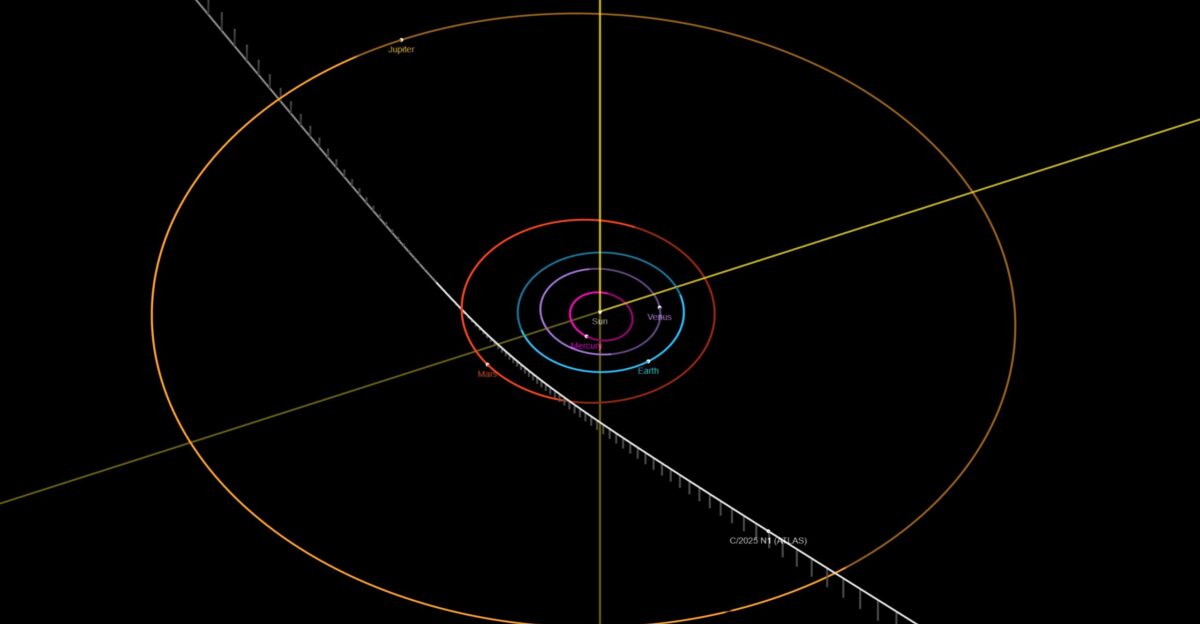
The detection of X-rays from 3I/ATLAS represents the future of scientific discovery: collaborative, data-driven, and global. With years of technological advancements and precise timing, the event highlights human curiosity and our drive to explore the unknown.
As the comet recedes, it leaves behind a legacy, not just of data, but of how humanity might approach cosmic discovery for generations to come.
Sources:
JAXA XRISM Mission Team: “XRISM Observes Cometary Interloper 3I/ATLAS from the Solar Wind” (December 5, 2025)
ESA Science & Technology: “XMM-Newton X-ray View of Interstellar Comet 3I/ATLAS” (December 11, 2025)
NOIRLab / Gemini Observatory: “Gemini North Telescope Captures New Images of 3I/ATLAS” (December 11, 2025)
NASA / JPL Small-Body Database: “C/2025 N1 (3I/ATLAS) Orbit and Physical Parameters” (July 3, 2025)
Monthly Notices of the Royal Astronomical Society: “Visible and Near-Infrared Observations of Interstellar Comet 2I/Borisov” (June 2020)