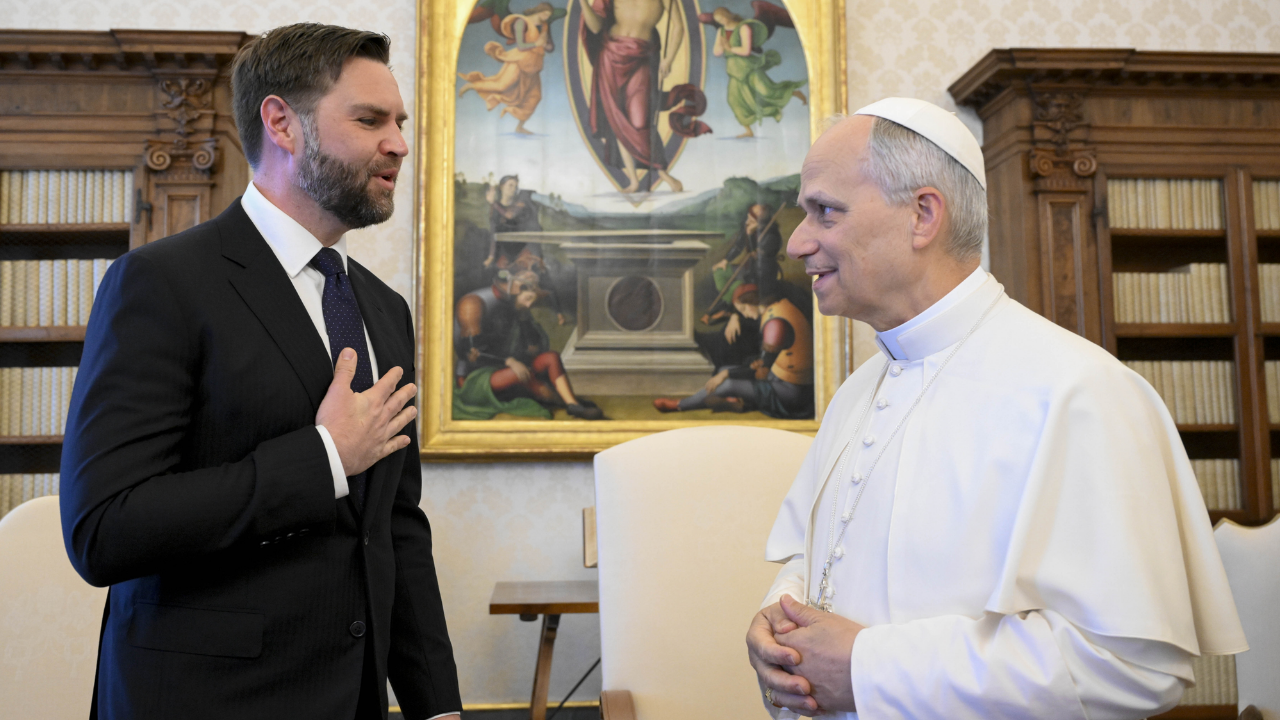
On May 8, 2025, Cardinal Robert Francis Prevost of Chicago became Pope Leo XIV—making history as the first American-born pope to lead the Catholic Church. When white smoke rose from the Sistine Chapel at 6:07 p.m., crowds in St. Peter’s Square celebrated this unprecedented moment.
However, the joy was short-lived. Back in the United States, the election immediately sparked controversy among the nation’s 70 million Catholics. Conservative activists, including Laura Loomer and Steve Bannon, quickly criticized the new pope, calling him “anti-Trump” and suggesting the Vatican had deliberately chosen him to undermine nationalist politics.
Their concerns centered on Pope Leo’s well-known positions on immigration and other issues that conflicted with Trump administration policies. Within hours, American politics and culture wars had entangled what should have been a purely religious celebration.
For many Catholics, their spiritual leader now seemed to be taking sides on politics rather than focusing solely on faith.
Pope Leo’s Journey: From Missionary Work to the Papacy
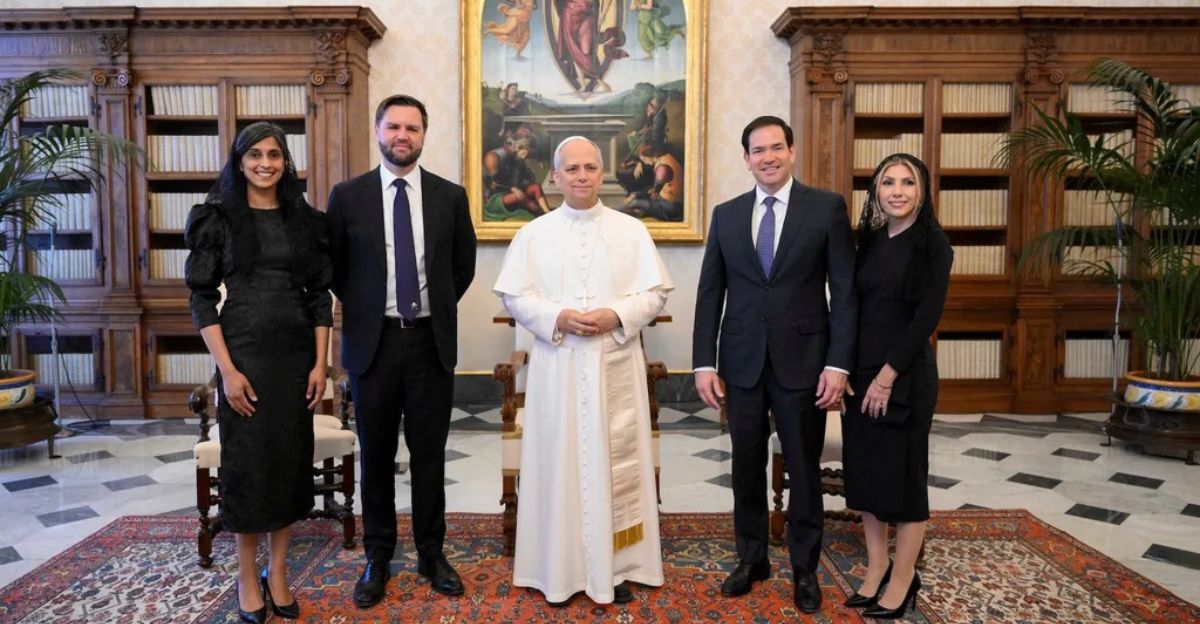
Pope Leo’s path to Rome reveals why he holds such strong views about poverty, migration, and social justice. After he earned a mathematics degree from Villanova University, he joined the Order of Saint Augustine, which ordained him a priest in 1982.
Rather than stay in comfortable American parishes, he chose missionary work in Peru, where he spent years serving impoverished communities in towns like Chulucanas and Trujillo starting in 1985. This direct experience with poverty and suffering shaped his worldview.
From 2015 onward, he served as Bishop of Chiclayo in Peru, further reinforcing his commitment to the poor and marginalized. When he was elected pope, he brought these lived experiences with him.
His first major statement as pope emphasized that Catholics cannot truly be “pro-life” if they support the death penalty or mistreat immigrants—a pointed challenge to conservative American Catholics who voted for Trump despite the pope’s opposing views on these issues.
Pope Leo also delivered his first major address at the “Raising Hope for Climate Justice” conference near Rome in October 2025, where he blessed a 20,000-year-old block of glacial ice from Greenland to highlight the reality of climate change.
He also announced Vatican plans for a massive 430-hectare solar farm, aiming to make Vatican City the world’s first carbon-neutral state, a move that contrasts sharply with Trump’s rollback of environmental protections.
A Nation Divided: What Comes Next?
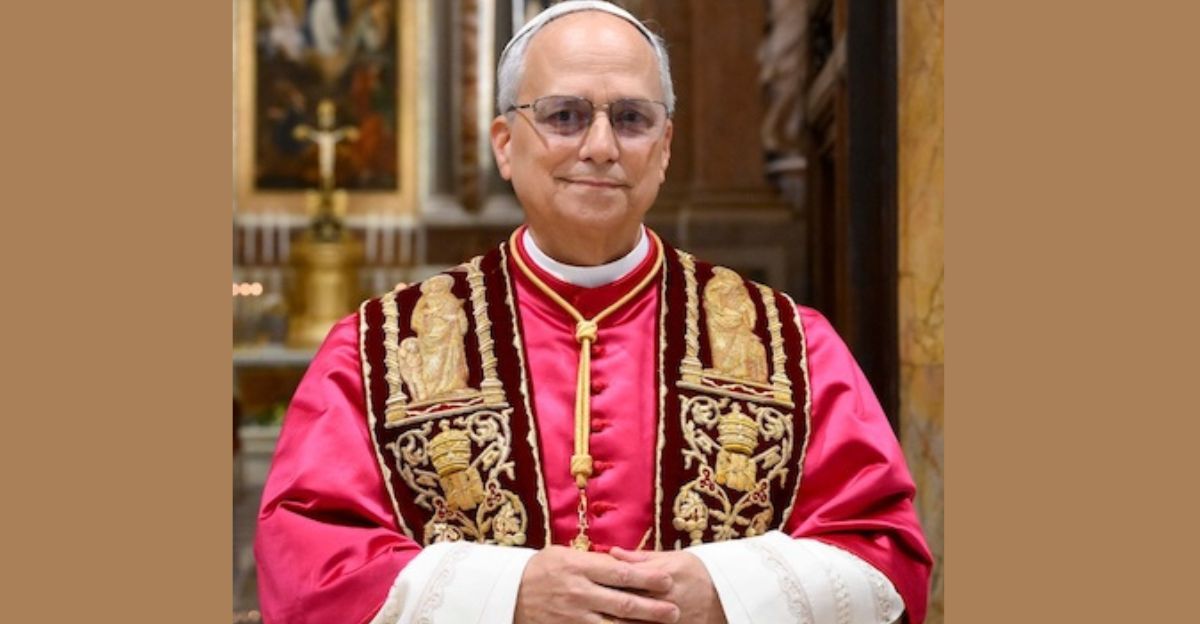
The real challenge facing Pope Leo and American Catholics is simple yet profound: a profound and deep-seated political and religious divide. A Gallup poll from July 2025 found that 76% of American Catholics view Pope Leo favorably, yet 55% of those same Catholics voted for Trump in 2024.
This apparent contradiction highlights the complexity of faith and politics in America. Many Catholics feel torn between their spiritual leader and their political beliefs. Some struggle with following a pope who shares their nationality but opposes their political views.
Dr. Margaret Susan Thompson, a historian of American Catholicism, summed up the challenge, noting that “Catholics are as divided as the rest of the electorate.” As Pope Leo’s papacy continues, the stakes for both the Catholic Church and American society remain high.
His teachings directly challenge the “America First” movement’s core ideas—including nationalism, anti-immigration policies, denial of climate change, and economic individualism.
The unprecedented situation of an American pope at odds with an American president leaves 70 million U.S. Catholics facing a difficult choice: whether to follow their spiritual leader whose political views diverge from their own, or stick with their political convictions at the risk of dividing their faith community.
The decisions made in the coming months and years will significantly shape the future of Catholicism in America and beyond.