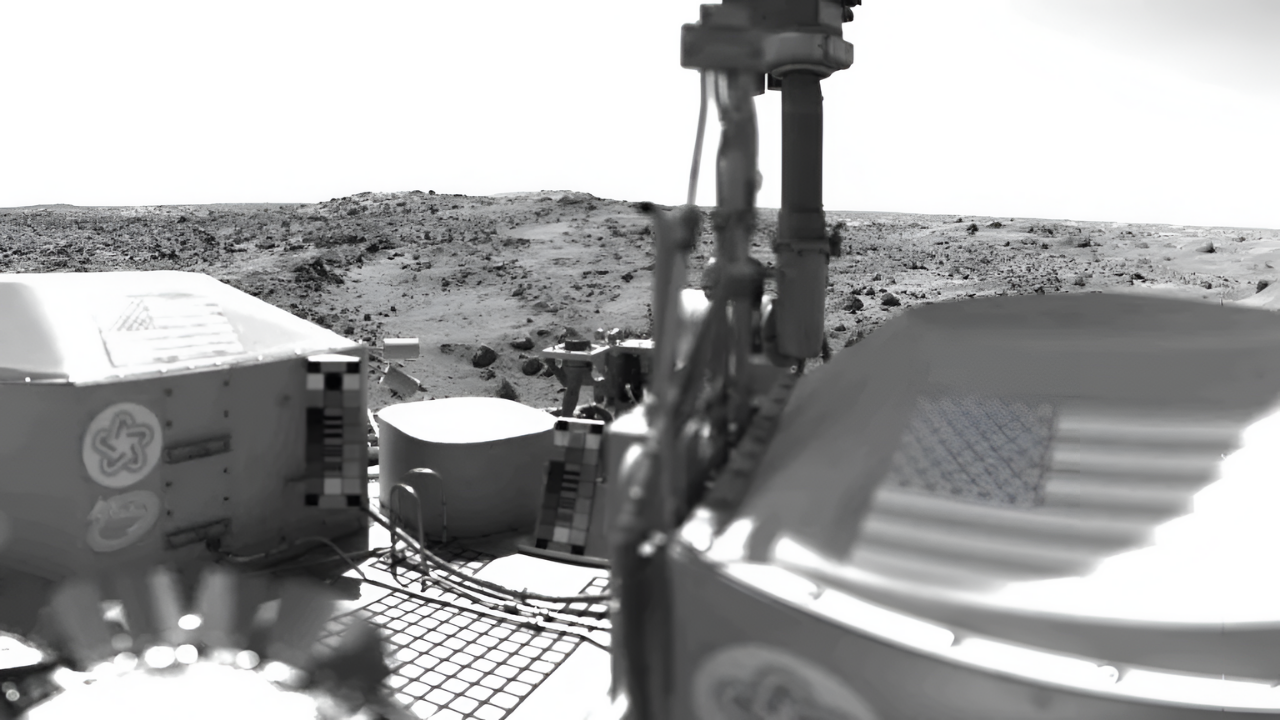
On December 2, 1971, the Soviet Union’s Mars 3 spacecraft achieved something no one had ever done before, it became the first probe to make a soft landing on another planet. After a decade of failed attempts, Mars 3 touched down in Ptolemaeus Crater on the Martian surface. The 1,210-kilogram lander was carefully slowed by parachutes, retro-rockets, and automated systems. Engineers hoped it would finally unlock Mars’s secrets.
But the success was short-lived. A planet-wide dust storm raged across Mars during the landing, and the spacecraft transmitted data for only about 20 seconds before falling silent. Those few moments were enough to prove that landing on Mars was possible, but they left behind more questions than answers.
The Team Behind Mars 3
Mars 3 was built at the Lavochkin Design Bureau in the Soviet Union. Chief Designer Georgy Babakin led the mission and focused heavily on making it reliable. Sadly, he passed away just a few months before its launch. Other key contributors included engineer V.G. Perminov and rover specialist Alexander Kemurdzhian. Kemurdzhian designed a small, 4.5-kilogram rover equipped with skis and attached to the lander by a 15-meter cable.
The team mixed experienced engineers with young graduates full of energy and bold ideas. They took significant risks designing a craft that could survive Mars’s freezing temperatures, thin atmosphere, and dusty winds. Mars 3’s lander and orbiter represented years of innovation and hard work aimed at solving one of space exploration’s greatest challenges.
Building for Martian Science
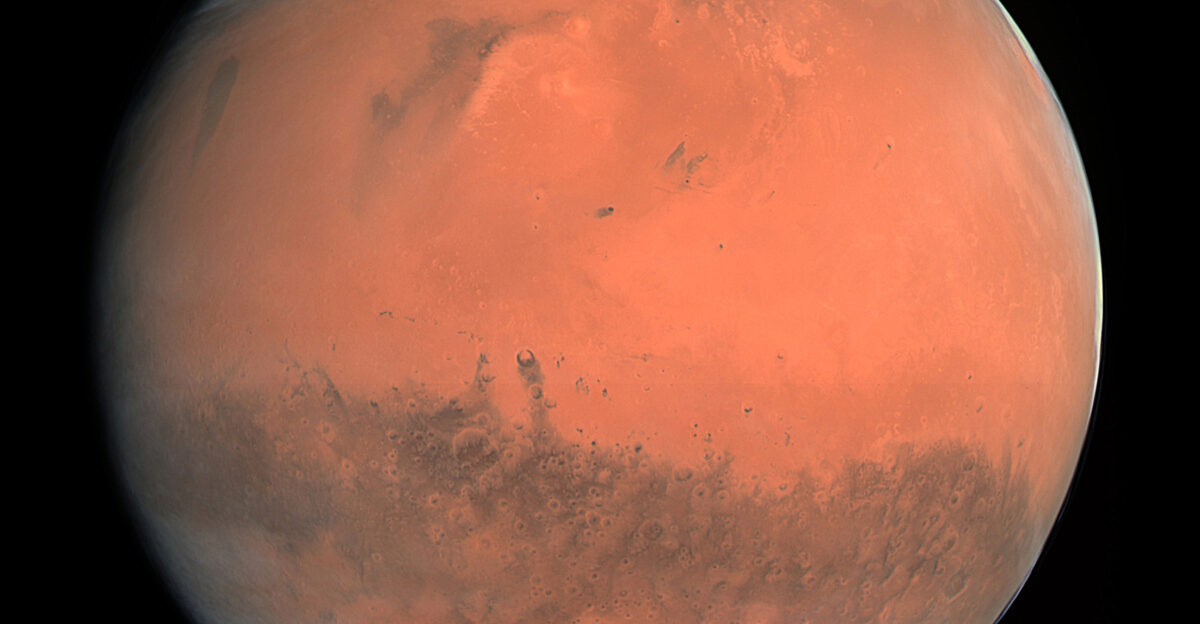
The Mars 3 mission actually involved two parts, a 3,440-kilogram orbiter and the lander. Both carried scientific equipment meant to gather some of the first real data from the Martian surface. The lander included two television cameras, a mass spectrometer to study the air, temperature and pressure sensors, wind detectors, soil analyzers, and even a small scoop designed to search for organic compounds.
This impressive suite of instruments gave Mars 3 the potential to deliver the first close-up look at another world. However, an unnoticed glitch in its systems made the mission vulnerable. Despite years of preparations, the spacecraft’s survival ultimately depended on how well it could handle unpredictable Martian conditions.
Launch, Landing, and Sudden Silence
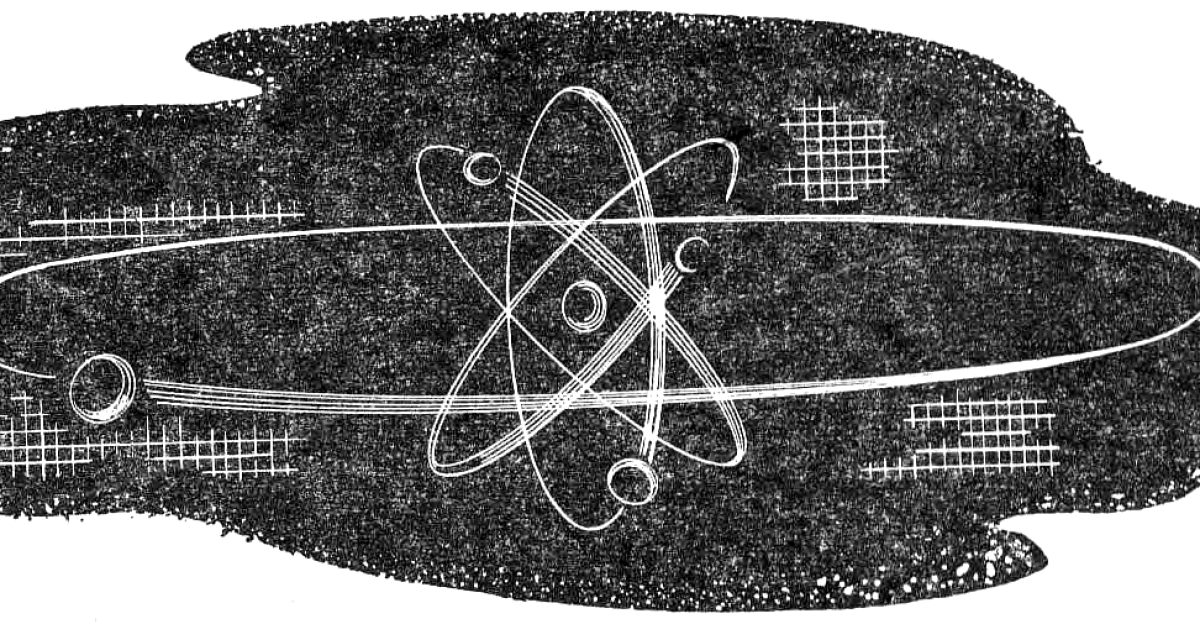
The year 1971 offered a rare opportunity to send spacecraft to Mars because of the favorable alignment between Earth and Mars. The Soviets launched Mars 2 on May 19 and Mars 3 on May 28, using powerful Proton-K rockets. Around the same time, NASA sent its Mariner 9 orbiter, which later became the first spacecraft to circle another planet. But shortly after arrival, all three encountered a problem, Mars was engulfed in a giant dust storm with winds reaching over 300 kilometers per hour. The storm was the largest ever recorded and completely hid the planet’s surface below a blanket of dust.
When Mars 3 finally entered the Martian atmosphere at 5.7 kilometers per second, it relied on a heat shield, then two parachutes, a smaller drogue chute and a 15-meter main canopy to slow down. Because Mars’s atmosphere is so thin, retro-rockets fired when the probe was just 30 meters above the ground, briefly pushing back with 10,000 kilograms of thrust to bring the speed down to 90 meters per second. About three minutes later, the lander touched down safely.
Once it landed, four petals opened to stabilize the craft and uncover its instruments. The orbiter relayed signals from Mars 3 back to Earth. Engineers received a strong transmission, so strong one technician even reduced the signal. Then, only 20 seconds after the cameras started working, everything went silent. The few lines of video that reached Earth showed only a gray, blurry pattern with no details.
Scientists suspected that the massive dust storm caused electrical interference, possibly through charged particles in the air. Decades later, NASA’s Perseverance rover detected electromagnetic activity in Martian dust devils, tiny lightning-like discharges that can disrupt electronics. This evidence supports the idea that Mars 3 may have been overwhelmed by the planet’s own electrical environment.
Rediscovery and Lasting Legacy
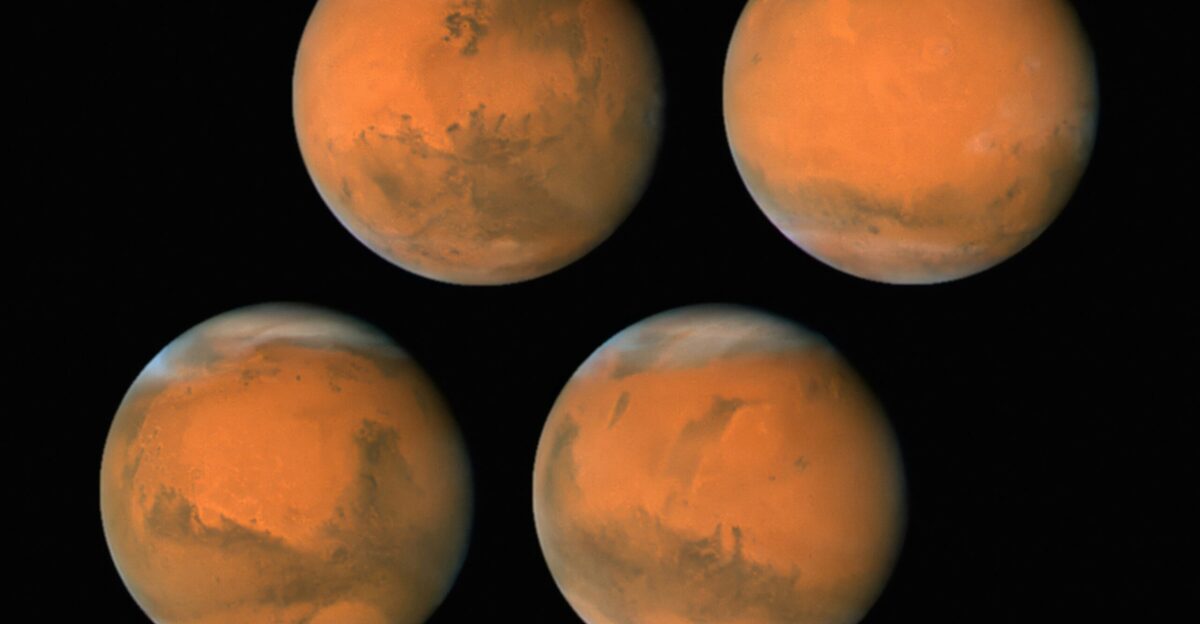
Although the lander failed almost immediately, the Mars 3 orbiter continued collecting data for eight months. It took about 60 photos and revealed vital information: mountains 22 kilometers high, temperature ranges from -110°C to +13°C, and extremely dry air containing 5,000 times less water vapor than Earth’s. These discoveries quietly expanded our knowledge of Mars even as the lander’s story faded into the background.
For years, the Soviets kept the failed transmission secret. It wasn’t until the late 1980s that the story resurfaced under the political openness of glasnost. Then, in 2007, a group of volunteers led by Russian journalist Vitali Egorov searched high-resolution NASA images of Mars and discovered what appeared to be the Mars 3 landing site. They identified the parachute, retro-rocket pack, and the opened lander on the surface. In 2013, NASA confirmed the findings with new color images, and surviving engineers verified that the layout matched the expected design.
Mars 3 remains humanity’s first controlled landing on another planet. Though its signal lasted only seconds, its legacy endures as a symbol of human persistence and curiosity. The rediscovery of its remains decades later highlights how exploration unites people across countries and generations, and how even short-lived triumphs can make history.
Sources
NASA Mars Orbiter Images May Show 1971 Soviet Lander. NASA Jet Propulsion Laboratory, April 11 2013
50 Years Ago a Forgotten Mission Landed on Mars. Astronomy Magazine, December 2 2021
Detection of Triboelectric Discharges During Dust Events on Mars. Nature, November 26 2025
The Difficult Road to Mars. NASA History Series Publication, April 2023